

Off-road SUVs promise adventure, but a rugged appearance does not always translate into genuine trail capability. Automakers frequently add chunky bumpers, dark exterior trim, roof rails, and aggressive tires to make family vehicles look ready for the wilderness.
Some packages bring meaningful upgrades, including locking differentials, low-range gearing, stronger underbody protection, improved suspension, and better ground clearance.
Others offer modest improvements without changing the vehicle’s fundamental limits. Knowing the difference helps buyers spend their money wisely. Here are five SUVs with serious off-road credentials and five whose rugged trims deserve closer scrutiny before purchase.
5 SUVs Where Off-Road Trim Means Something
1. Jeep Wrangler Rubicon
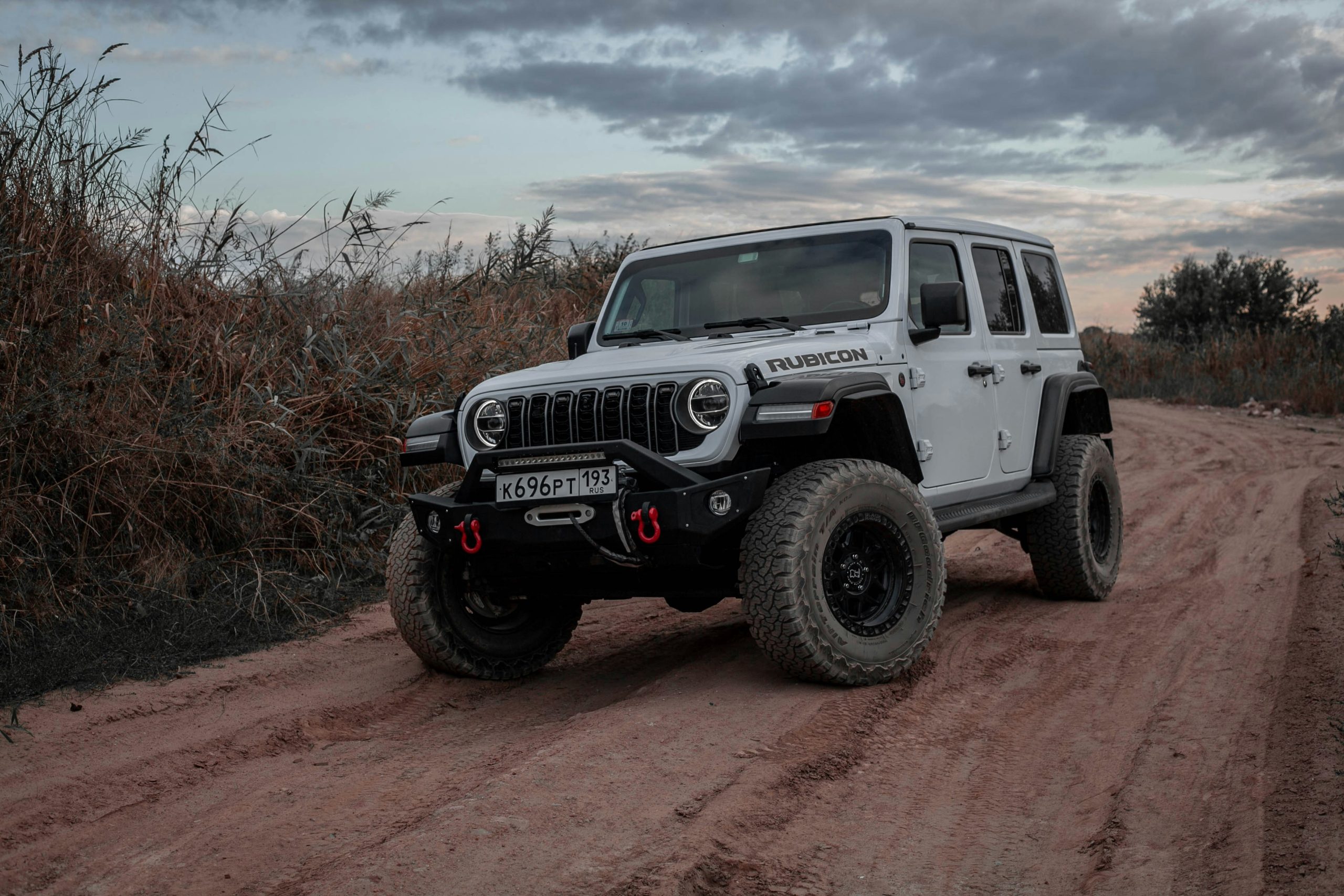
The Jeep Wrangler Rubicon represents what a genuine off-road trim should deliver. Rather than relying on exterior accessories to communicate toughness, it receives mechanical equipment designed for difficult terrain. Its available Rock-Trac four-wheel-drive system provides a low-range transfer case, allowing drivers to crawl over rocks at controlled speeds while delivering substantial torque to the wheels.
Front and rear locking differentials, electronic sway-bar disconnect on applicable configurations, and heavy-duty axles give the Rubicon capabilities that ordinary crossovers cannot match. Exact equipment varies by model year and configuration, so buyers should confirm the specifications of the vehicle they intend to purchase.
Ground clearance, approach angles, departure angles, and breakover geometry matter considerably when a trail becomes steep, uneven, or full of exposed rocks. The Wrangler Rubicon benefits from its short overhangs and purpose-built body design, helping it negotiate obstacles without immediately scraping its bumpers.
Its removable doors and roof also offer an open-air experience that few mainstream SUVs can replicate. Factory off-road tires, protective equipment, and dedicated recovery provisions further support its intended role. These features are useful when the route includes deep ruts, loose gravel, muddy inclines, and uneven rock formations rather than simply a dirt parking area.
The Rubicon’s biggest advantage is the way its systems work together. A locking differential helps keep torque available when a wheel loses traction, while low-range gearing makes slow, controlled progress easier. The sway-bar disconnect on suitably equipped models increases front suspension articulation, helping the tires maintain contact with irregular ground.
These systems reduce the need to attack obstacles with momentum, which can otherwise damage tires, suspension components, or bodywork. Drivers still need sound judgment, correct tire pressures, suitable recovery equipment, and an understanding of the terrain. Mechanical capability does not eliminate the possibility of getting stuck or damaging the vehicle.
2. Ford Bronco Badlands
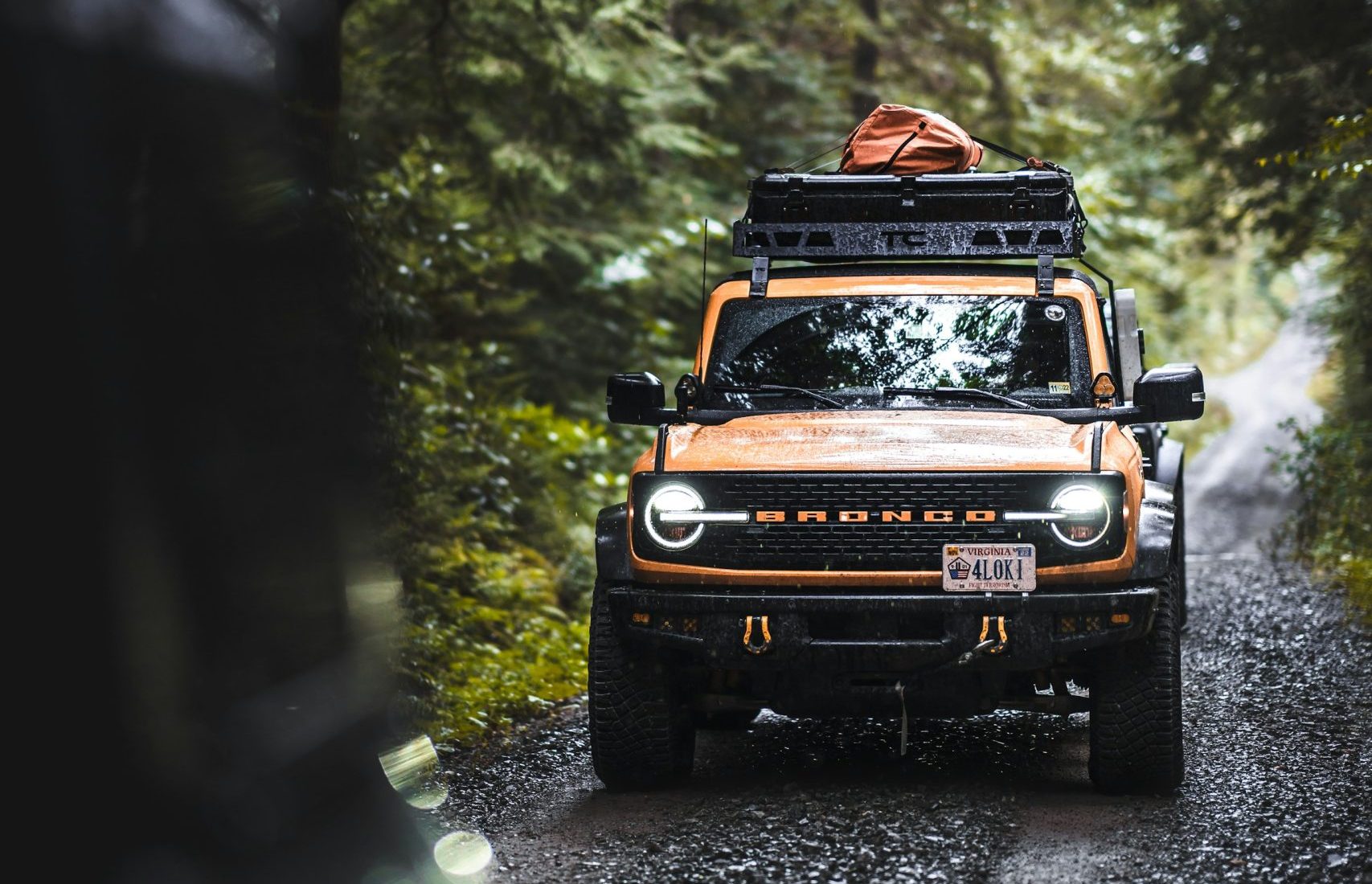
The Ford Bronco Badlands is another example of a trim that earns its name through equipment. Built for serious trail use, it offers a combination of specialized four-wheel-drive hardware, terrain-focused suspension, and protective features that distinguish it from ordinary road-going SUVs.
Depending on configuration, buyers can get a two-speed transfer case with low range, electronic locking front and rear differentials, and a front stabilizer-bar disconnect.
These systems help the Bronco move through uneven terrain while preserving control and traction. The exact package matters, since engines, transmissions, wheel sizes, and optional equipment can change the vehicle’s final capabilities.
The Badlands benefits from a chassis and body design intended for off-road driving. Its relatively upright shape, useful wheel articulation, and carefully considered approach and departure geometry help it navigate steep transitions and obstacles. Larger all-terrain tires, protective components, and available off-road packages add further capability.
Ford’s terrain management technology also provides selectable driving modes that adjust relevant vehicle systems for different surfaces.
Such settings cannot replace driver skill, but they can make it easier to manage throttle response and traction on sand, mud, rocks, and other challenging ground. The key distinction is that these features support real mechanical functions rather than simply creating a rugged visual impression.
Locking differentials are especially valuable on uneven trails. When one wheel spins freely, a conventional open differential can struggle to deliver useful drive to the wheel with better grip. A locked differential helps the axle maintain drive to both wheels, subject to the system’s design and operating conditions.
A stabilizer-bar disconnect can allow greater wheel movement across irregular surfaces, helping maintain tire contact. Low range offers additional control at slow speeds, especially on steep climbs and descents.
Used correctly, these features help the Bronco Badlands tackle obstacles with less reliance on speed. That controlled approach is useful for both safety and reducing mechanical stress.
3. Toyota 4Runner TRD Pro
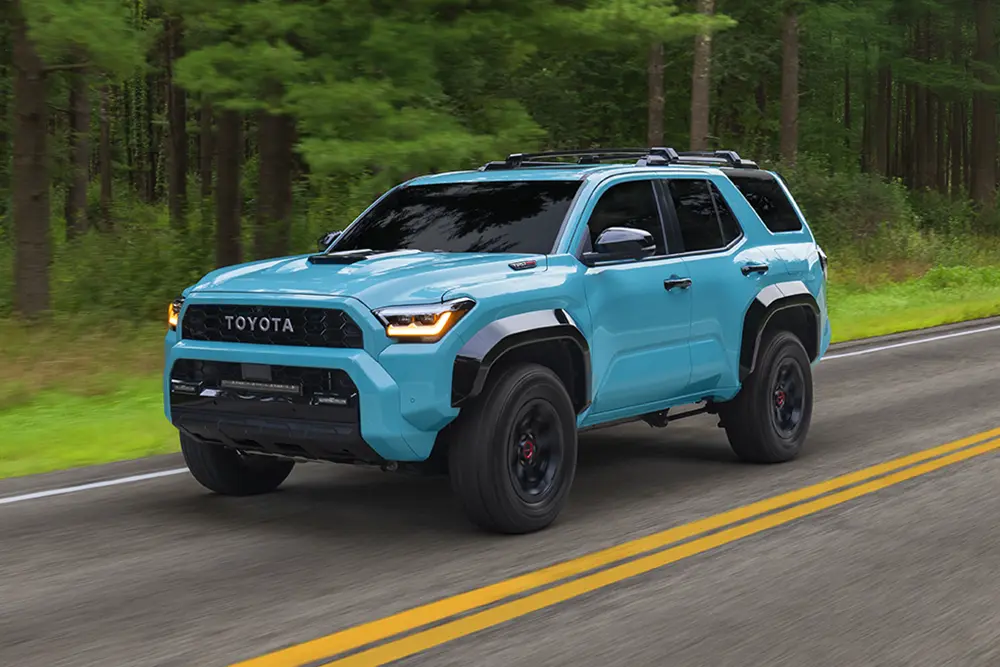
The Toyota 4Runner TRD Pro has long appealed to buyers who want a traditional SUV with substantial off-road ability. Its appeal comes from a combination of truck-based engineering, specialized suspension tuning, and terrain-focused equipment.
Depending on the model year, the TRD Pro may feature upgraded dampers, distinctive wheels, all-terrain tires, skid plates, and other trail-oriented components.
Certain generations also offer a two-speed transfer case and electronic rear differential locking, while equipment varies significantly across model years and drivetrains. Buyers should not assume that every 4Runner TRD Pro has identical hardware, especially when comparing older and newer generations.
Suspension performance is a major part of the TRD Pro’s appeal. Better-controlled wheel movement can help the vehicle remain composed on washboard roads, rocky tracks, and uneven ground. Skid plates protect vulnerable underbody components from impacts, while suitable tires provide better grip on loose surfaces than many highway-focused alternatives.
A traditional four-wheel-drive system with low range, where fitted, allows controlled progress through difficult terrain. This combination is particularly useful for overland travel, where a vehicle may cover long distances on rough roads while carrying camping gear, recovery equipment, passengers, and supplies. It is a practical package rather than a styling exercise.
A key benefit of the 4Runner’s traditional SUV architecture is its suitability for demanding conditions and extended trips away from paved roads. Its robust construction and trail-focused setup make it a popular choice among outdoor enthusiasts who value a vehicle that can handle rough access routes and remote campsites.
That does not mean it is immune to damage or maintenance needs. Heavy loads, incorrect tire pressures, excessive speed, and poor line selection can still cause problems. Off-road driving requires preparation, and drivers should pay attention to vehicle weight, tire condition, recovery points, and the limits set by the manufacturer’s operating guidance.
4. Lexus GX Overtrail
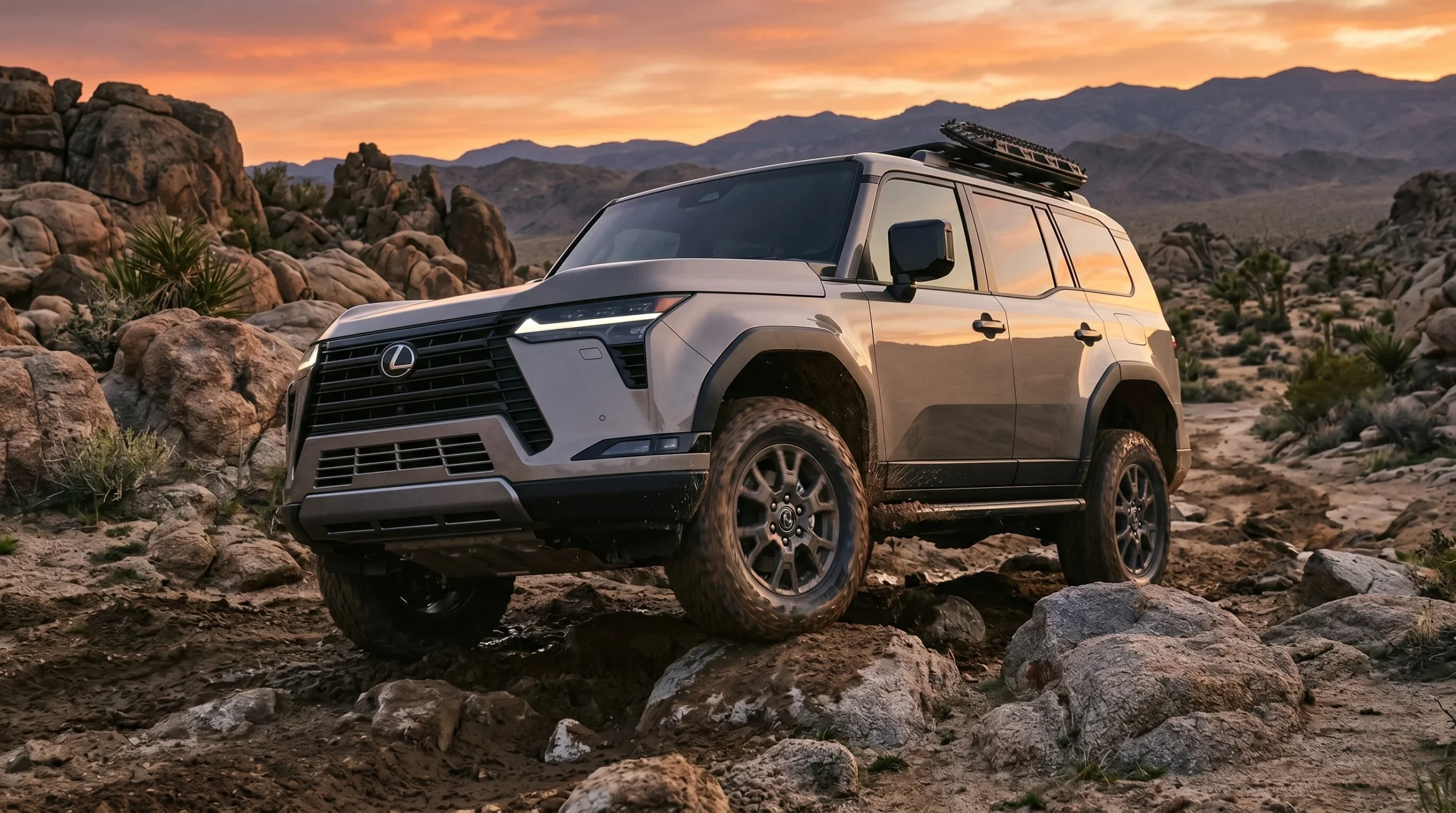
The Lexus GX Overtrail shows that a premium SUV can combine comfort with meaningful off-road engineering. Unlike packages that concentrate on black trim and aggressive bumpers, the Overtrail configuration adds equipment aimed at improving performance on difficult surfaces.
The modern GX platform uses a body-on-frame design and a full-time four-wheel-drive system with a two-speed transfer case. Depending on market and specification, the Overtrail also includes an electronically controlled locking rear differential, specialized suspension tuning, and additional underbody protection.
Together, these features support controlled driving on rocky tracks and uneven terrain while preserving the refinement expected from a luxury vehicle.
Its four-wheel-drive system is central to its capability. Low-range gearing provides greater control at low speeds, especially when negotiating steep sections or loose surfaces. A locking rear differential can improve traction when one rear wheel has limited grip, while terrain management systems help coordinate power delivery and other vehicle responses.
Underbody protection is particularly useful when a trail contains exposed rocks or deep ruts that might otherwise strike vulnerable components. Buyers should still check the precise equipment list for their market and model year. Factory options can change the available hardware, and the name alone should never replace a careful specification review.
The Overtrail’s appeal extends beyond technical trails. It offers a more comfortable environment for long-distance travel than many bare-bones off-road vehicles, making it suitable for buyers who want one SUV for daily use, family journeys, and outdoor trips.
Its substantial construction and specialized equipment can be helpful on unpaved roads leading to campsites, mountain destinations, and remote properties.
Driver-assistance features and modern cabin technology may also reduce fatigue on long journeys, depending on specification. However, electronic assistance works best when drivers understand the systems and do not mistake them for a substitute for careful speed management or good judgment.
5. Land Rover Defender 110
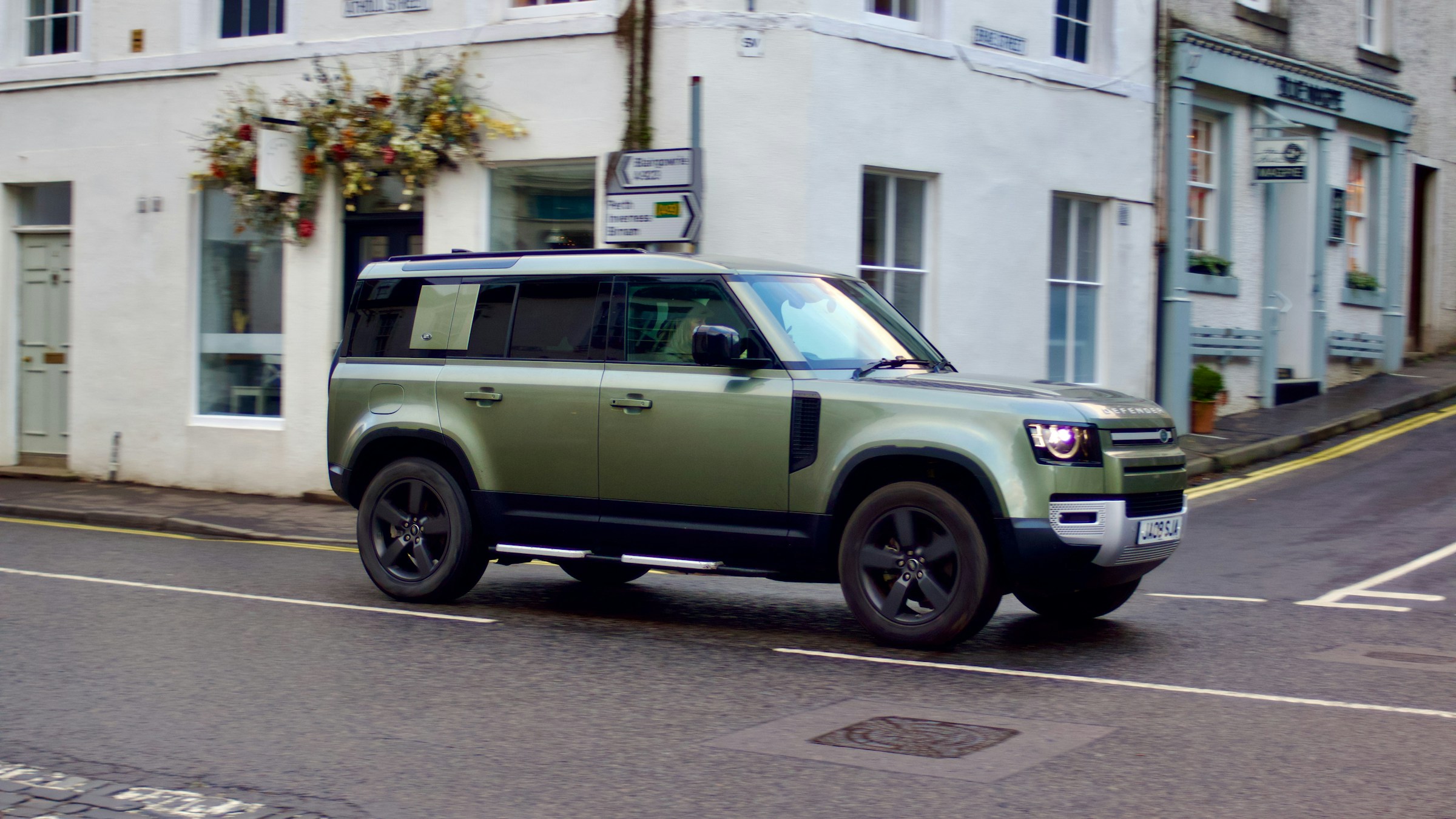
The Land Rover Defender 110 is designed to combine modern road comfort with substantial off-road ability. Its strengths include sophisticated four-wheel-drive technology, terrain response settings, strong ground clearance in suitable configurations, and carefully engineered body geometry.
Many versions provide a two-speed transfer case, while equipment such as an electronically controlled rear differential and adjustable air suspension depends on the chosen specification. Optional off-road packs may add further protective and functional components. The Defender’s ability comes from the interaction of its mechanical systems, electronic controls, and chassis design rather than from a rugged exterior alone.
Ground clearance and suspension articulation matter when crossing uneven terrain, and the Defender’s available air suspension can adjust ride height to suit particular conditions. Terrain Response settings help adapt relevant vehicle systems to surfaces such as mud, sand, and rocks.
The four-wheel-drive system manages traction, while low-range gearing on suitably equipped models improves control at low speeds. Electronic aids can assist on steep descents and challenging climbs, allowing the driver to focus on route selection and vehicle placement.
These systems work best when used within the vehicle’s limits, since no suspension setting can remove the risks created by deep water, unstable ground, or hidden obstacles.
The Defender also works as a long-distance adventure vehicle. Its cabin, seating arrangements, and luggage capacity make it suitable for trips involving passengers and camping equipment, depending on the chosen body style and specification.
On gravel roads and remote access tracks, a properly equipped model can provide a useful blend of comfort and capability. Buyers can choose equipment that suits their intended travel, from ordinary unpaved roads to more demanding trails.
Before heading into remote areas, drivers should learn the correct operation of terrain settings, check their tires, plan recovery options, and confirm that the vehicle’s load remains within permitted limits.
5 SUVs Where the Off-Road Badge Does Less Than You Might Expect
1. Nissan Rogue Rock Creek
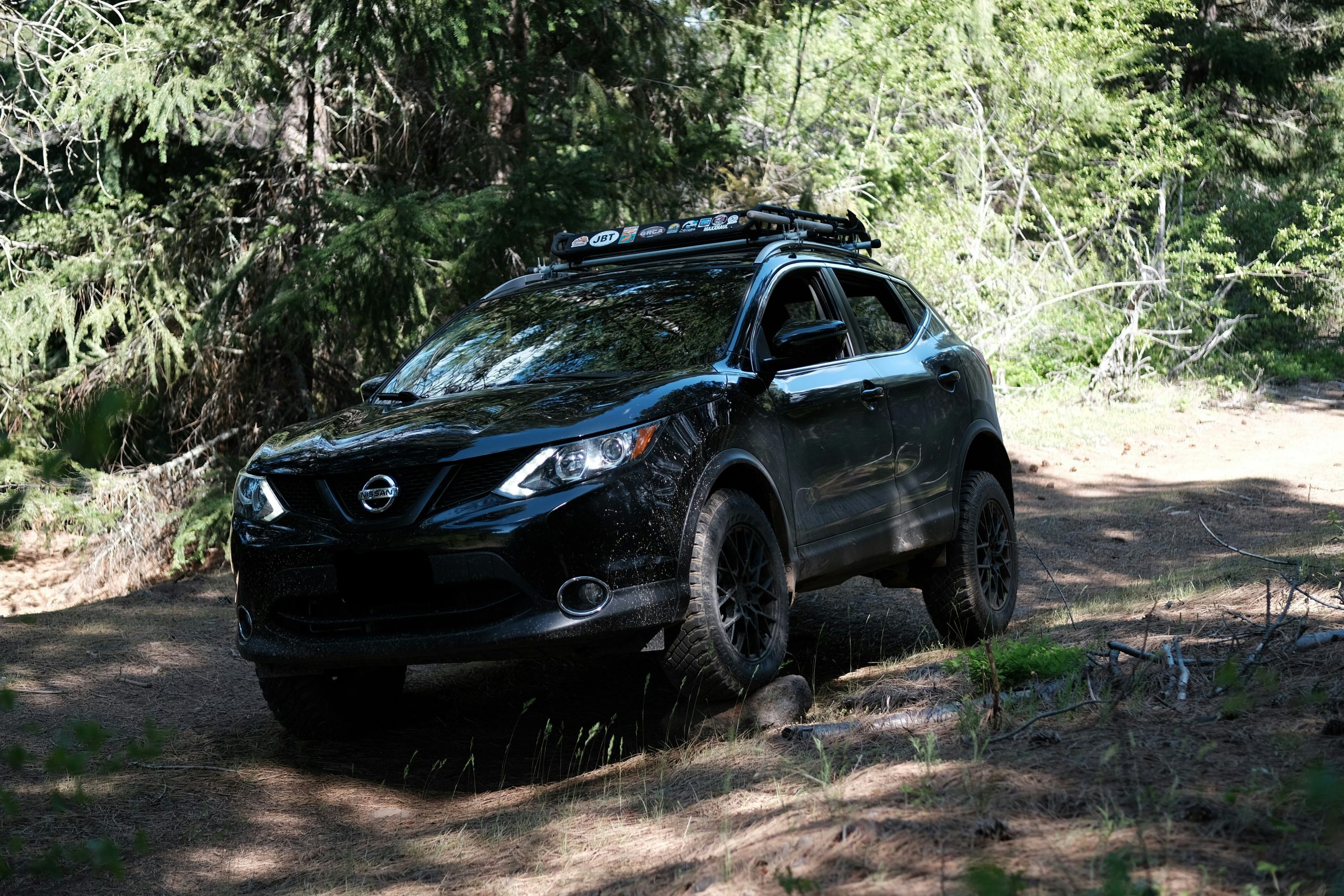
The Nissan Rogue Rock Creek gives buyers a tougher-looking version of a family crossover, but its abilities remain closer to those of a road-focused SUV than a dedicated trail machine. Its rugged appearance includes dark exterior accents, distinctive wheels, and all-terrain tires, depending on model year and market.
Available all-wheel drive helps manage traction on slippery roads, gravel, and light dirt tracks. These features are useful for drivers who visit campsites or travel on poorly maintained rural roads.
The limitation is that the Rogue does not offer the traditional low-range gearing and locking-differential combination found in serious off-road vehicles such as the Wrangler Rubicon. Its unibody construction and crossover-oriented suspension also reflect a different set of priorities.
The Rock Creek’s tires can provide a useful advantage on loose surfaces compared with ordinary highway tires, but tire selection alone cannot transform the vehicle into a rock-crawling machine. Ground clearance, suspension travel, underbody protection, and drivetrain design all affect how far a vehicle can go safely.
On a graded gravel road, a campsite approach, or a snowy driveway, the Rogue may perform perfectly well when fitted with suitable tires. Deep ruts, large rocks, steep ledges, and soft sand present different challenges. Without the specialized mechanical equipment available on dedicated trail SUVs, the driver must be more conservative about route choice and obstacle size.
2. Hyundai Santa Fe XRT
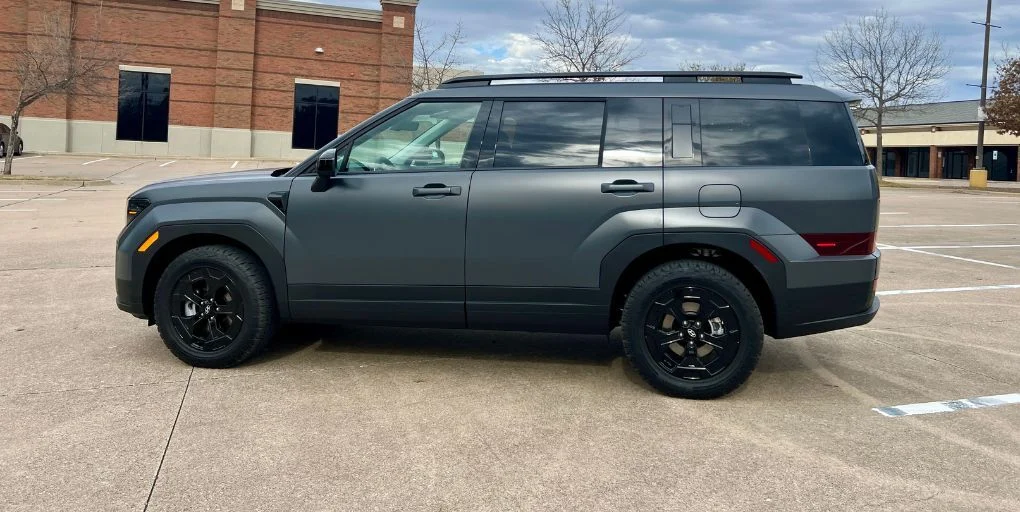
The Hyundai Santa Fe XRT adds a rugged appearance to a family SUV, with dark styling elements, roof-related equipment, and, on applicable model years, increased ground clearance and all-terrain tires. Available all-wheel drive can improve traction when roads become slippery or loose.
These are practical benefits for families who travel to cabins, campsites, and outdoor destinations. However, the Santa Fe remains a comfort-oriented crossover rather than a purpose-built trail vehicle.
It does not provide the full package of low-range gearing, locking axles, and specialized suspension articulation associated with serious off-road trims. Buyers should check the exact year and market specification, as equipment can differ.
The distinction becomes clear when the route changes from a maintained dirt road to a technical trail. A vehicle’s ability to clear an obstacle depends on its ground clearance, approach and departure angles, wheel articulation, tires, and underbody protection.
The Santa Fe XRT’s improvements can help on relatively mild terrain, but they do not eliminate the limitations of its crossover platform. All-wheel drive can distribute power to improve traction, yet it cannot create extra ground clearance or protect vulnerable components from large rocks.
Drivers should avoid deep ruts, sharp ledges, and unknown water crossings when the vehicle’s equipment is not designed for those conditions.
3. Toyota RAV4 Adventure
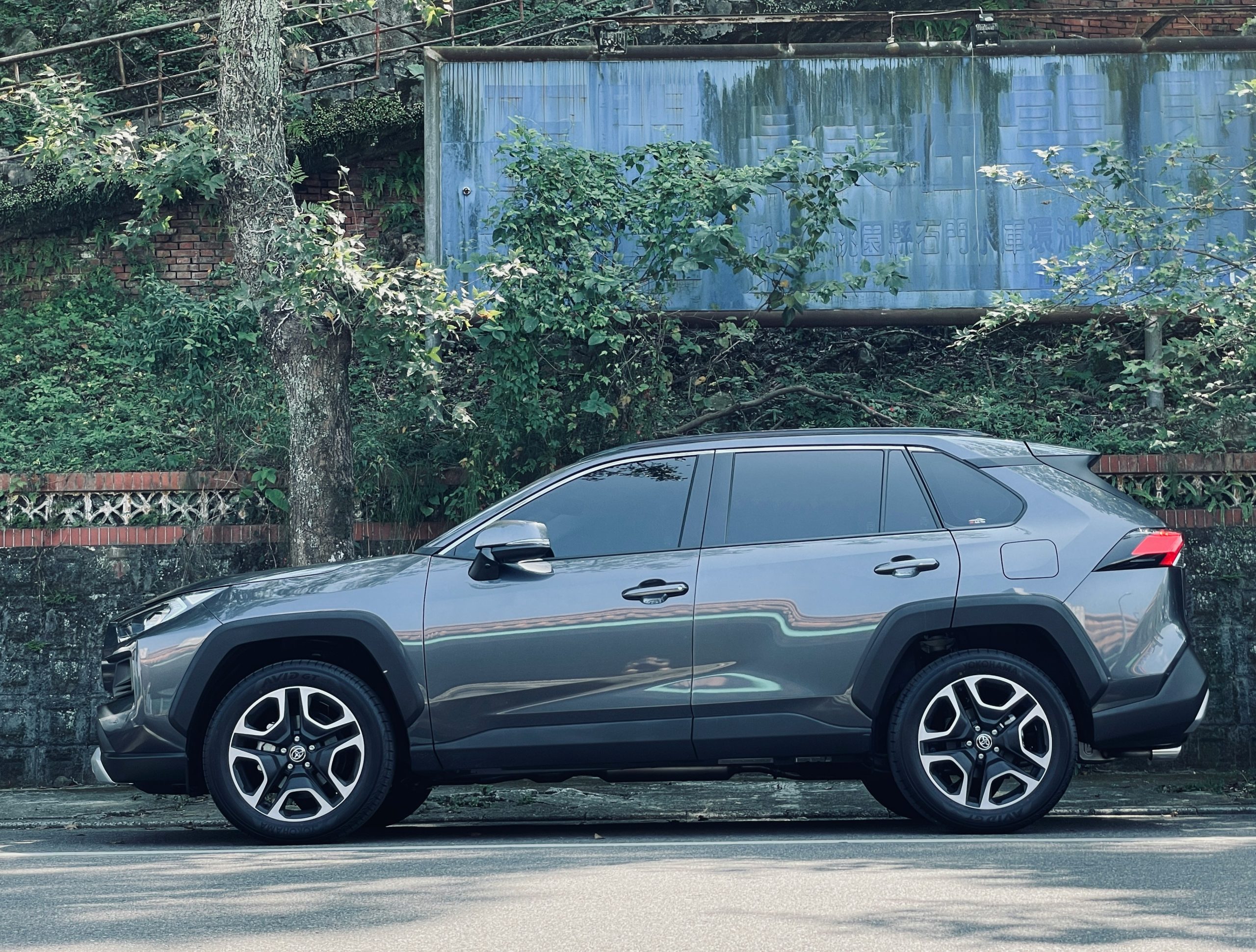
The Toyota RAV4 Adventure was developed to give the popular compact crossover a more outdoors-oriented character. Depending on model year and market, its styling, wheel and tire choices, and all-wheel-drive equipment distinguish it from standard versions.
Those features can be useful on gravel, wet roads, and light trails. The RAV4’s compact dimensions also make it convenient for everyday driving and many outdoor trips. However, the Adventure designation should not be confused with the capabilities of a traditional off-road SUV.
It lacks the low-range transfer case and locking-differential hardware that allow vehicles such as the Wrangler Rubicon to handle difficult obstacles with greater control.
Toyota’s available all-wheel-drive systems can help the RAV4 manage changing traction conditions, and selectable terrain modes on equipped versions may improve performance on loose surfaces. Yet electronic traction management has limits.
It cannot prevent the underbody from contacting a rock, increase suspension travel beyond the design, or give a road-oriented vehicle the geometry of a dedicated trail rig.
Drivers heading onto unpaved routes should pay attention to ground clearance, tire condition, the depth of ruts, and the likelihood of encountering loose sand or deep mud. For mild conditions, the Adventure can be entirely adequate. For severe terrain, its limitations become more significant.
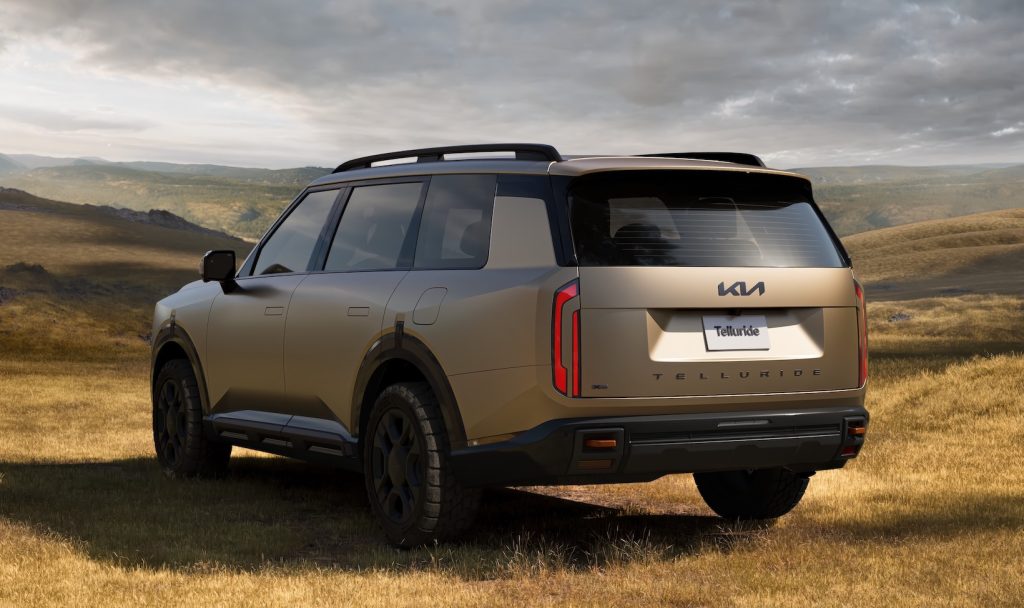
4. Kia Telluride X-Pro
The Kia Telluride X-Pro is a useful example of a trim that offers real improvements without becoming a hardcore off-roader. Its package has included all-terrain tires, increased ground clearance compared with some other Telluride configurations, and an all-wheel-drive system designed to support travel on varied surfaces.
Those upgrades can make a difference when driving on gravel roads, uneven campsite approaches, or snowy routes. The Telluride’s size and family-focused design also make it attractive for long journeys.
Still, it does not offer the full set of traditional off-road hardware found in specialist vehicles. The absence of low-range gearing is particularly relevant when tackling steep, technical obstacles at very low speeds.
The all-terrain tires are more than a decorative feature. Suitable tires can provide better traction on loose ground and may resist certain kinds of damage better than tires designed primarily for quiet highway travel. Extra ground clearance can also help reduce the risk of scraping the underside on minor obstacles.
These improvements make the X-Pro more versatile than a standard road-focused configuration in some conditions. However, tire tread cannot overcome every limitation.
The Telluride’s wheel articulation, underbody design, approach angles, and vehicle weight still influence where it can safely travel. Deep mud, exposed rocks, and steep ledges can exceed its intended operating range.
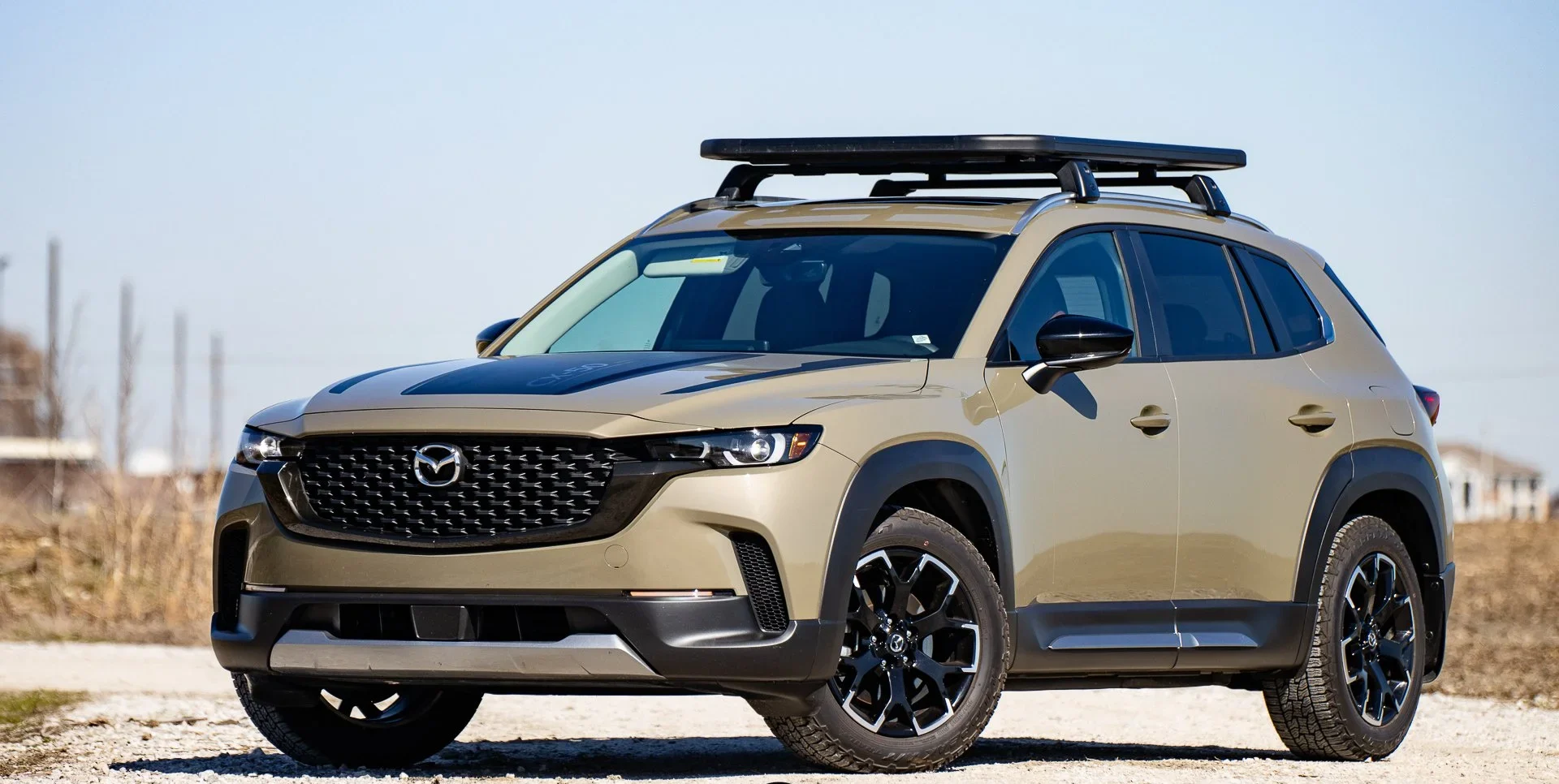
5. Mazda CX-50 Meridian
The Mazda CX-50 Meridian gives the compact crossover a stronger outdoor identity through features such as distinctive wheels, all-terrain tires on applicable versions, and rugged exterior details. Its available all-wheel-drive system supports traction on slippery and loose surfaces, making the vehicle useful for gravel roads and ordinary outdoor travel.
The Meridian’s appeal is that it adds a more adventurous character to a vehicle that remains comfortable and manageable in daily use. However, it does not offer the low-range transfer case and locking-differential setup associated with serious off-road machines. Its strengths remain closer to those of a crossover built for varied road conditions than a dedicated trail vehicle.
Tire choice is particularly relevant to this package. All-terrain tires can improve grip on loose surfaces and may offer more suitable tread for light trail driving than standard highway tires. Mazda’s traction management systems can also help the vehicle respond to changing conditions.
These features are valuable when a route includes gravel, packed dirt, or a modestly uneven campsite entrance. They do not automatically provide the underbody protection, suspension articulation, or obstacle geometry required for severe off-road use.
Drivers should examine the actual route before setting out and avoid obstacles that could damage the floor, exhaust components, suspension, or other vulnerable parts.
