Choosing the right engine oil filter can make a real difference to your vehicle’s maintenance costs, engine cleanliness, and long-term reliability. With so many brands available, it can be difficult to tell which filters justify their price and which offer little value.
Some manufacturers invest in effective filtration media, reliable bypass valves, and durable construction, while cheaper alternatives may cut corners.
This guide highlights five oil filter brands that stand out and five that warrant closer inspection. By comparing build quality, vehicle compatibility, filtration performance, and cost, drivers can make smarter choices for their engines. The aim is to find reliable protection at a fair price without spending more than necessary.
Five Oil Filters Worth the Money
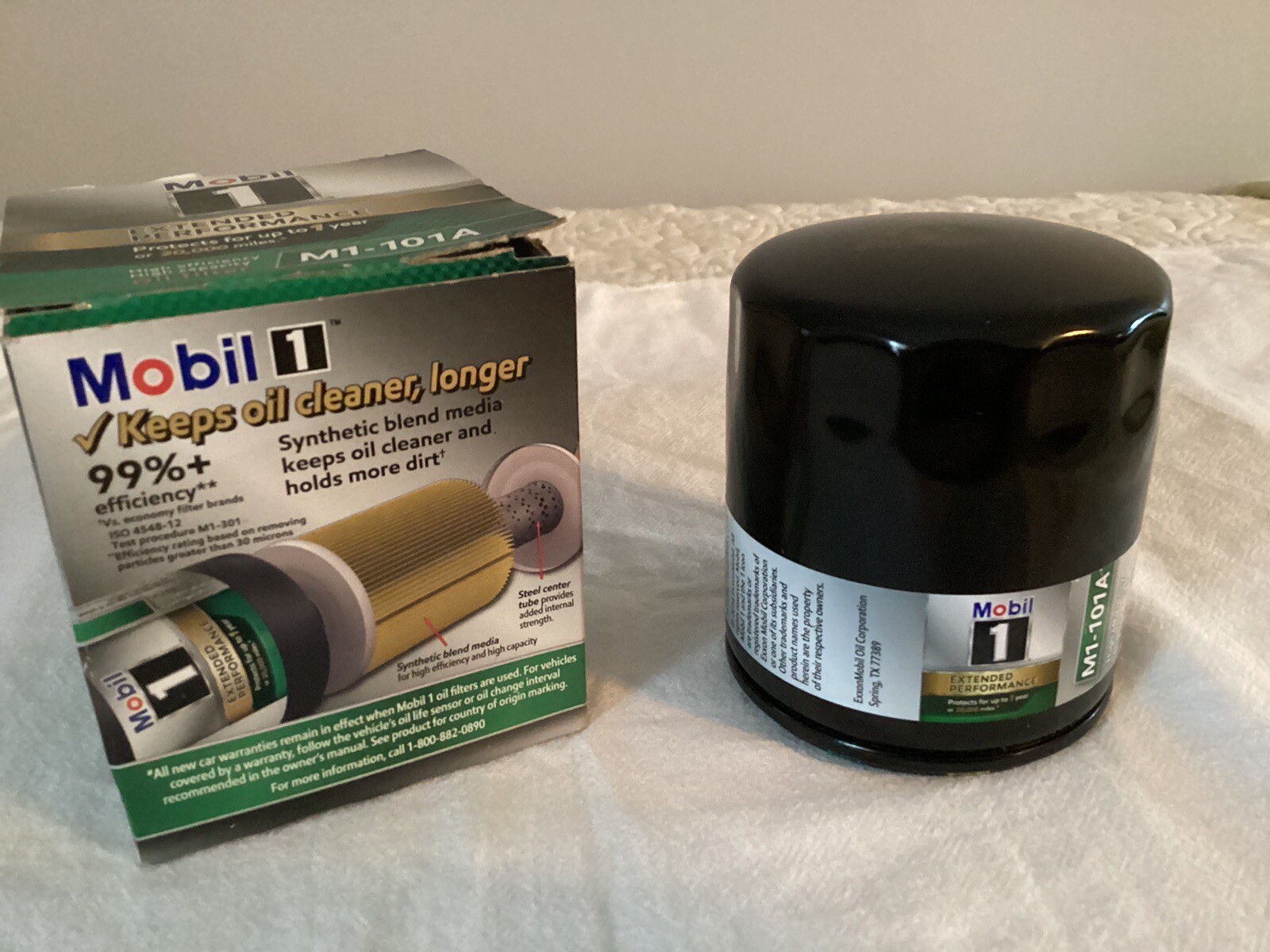
1. Mobil 1 Extended Performance Oil Filter
Mobil 1 Extended Performance is a strong candidate for drivers who want a premium replacement filter for compatible vehicles.
The product line is designed with extended service in mind, and its filtration media and construction make it worth considering for owners who use synthetic engine oil and follow a demanding maintenance schedule. Its higher price can make sense when the particular filter’s published specifications match the engine’s requirements.
The most important benefit is the emphasis on sustained filtration performance. Engine oil collects soot, microscopic metal particles, combustion byproducts, and other contaminants as it circulates.
A suitable filter removes suspended debris while allowing enough oil to reach moving components. Mobil 1’s premium line targets motorists who want a filter designed for consistent performance throughout its intended service period.
However, buying an extended-performance filter does not automatically mean the engine oil can remain in service longer. Oil-change intervals depend on the vehicle manufacturer’s recommendations, oil condition, driving patterns, and operating environment.
Frequent short journeys, heavy traffic, towing, and dusty roads can place additional demands on the lubrication system. Follow the vehicle’s service schedule even when the packaging advertises a long filter life.
Price is another consideration. Premium filters can cost substantially more than standard replacements, and the difference may not provide much practical benefit for someone who changes oil frequently.
Drivers who keep vehicles for many years may appreciate the extra design features, but they should compare specifications and local prices rather than relying on the Mobil 1 name alone.
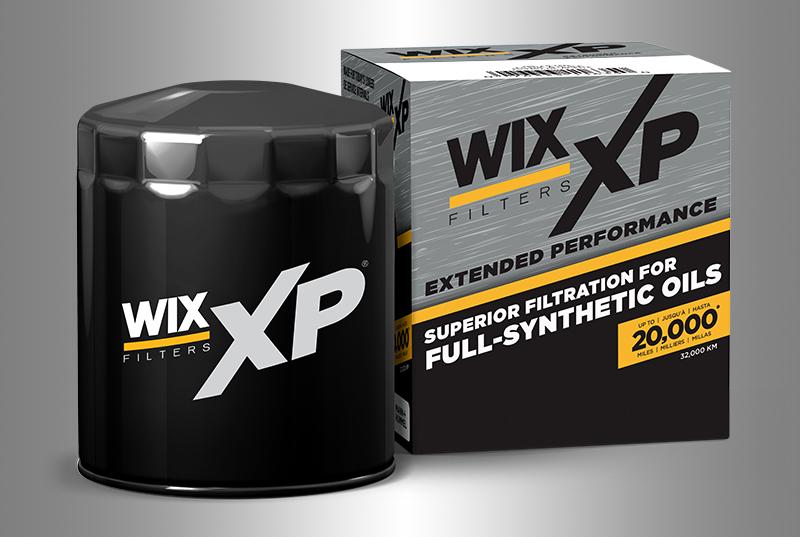
2. WIX XP Oil Filter
WIX XP is aimed at drivers who want a filter suited to synthetic oil applications and demanding operating conditions. The product line is often considered by truck owners, regular highway commuters, and motorists who put substantial mileage on their vehicles.
Its intended use makes it worth evaluating for engines that need dependable filtration during extended or challenging service.
Filter performance involves more than the number of particles a product claims to capture. The media must retain contaminants without restricting oil flow excessively, while the filter’s internal components must withstand normal operating pressures.
Bypass-valve settings, sealing materials, structural strength, and contaminant-holding capacity all influence whether a particular model is suitable for a specific engine.
WIX XP can be a sensible purchase for people who drive in difficult conditions or want a premium aftermarket option. Nevertheless, a product’s suitability depends on the exact engine and filter application.
Two filters carrying the same brand name may use different dimensions, internal arrangements, and valve settings. Never assume that a physically similar filter will perform correctly in your vehicle.
The price should also be considered against your actual usage. A person who drives long distances regularly may value the design features of a premium filter more than someone who drives a few kilometres each week. Yet a higher-priced component cannot compensate for neglected oil changes, low oil levels, poor-quality engine oil, or an existing mechanical problem.
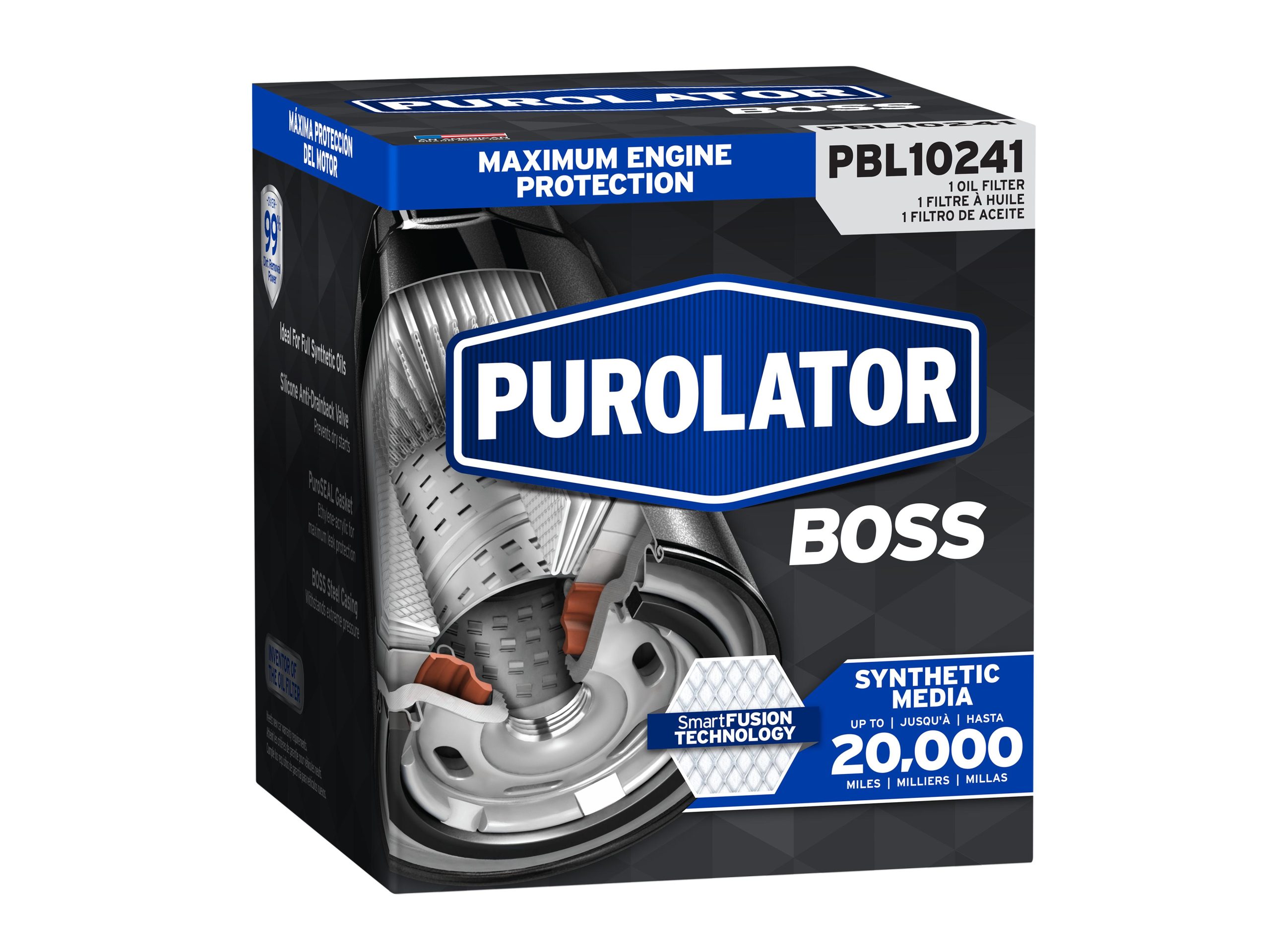
3. PurolatorBOSS Oil Filter
PurolatorBOSS is a premium filter line for motorists who place a high value on filtration and construction. Its appeal comes from its positioning as a higher-grade option rather than a basic replacement.
Drivers comparing premium filters should look at the product’s stated filtration efficiency, contaminant capacity, valve design, and service-life guidance before deciding whether the additional expense is justified.
The filter’s job is to help keep circulating engine oil free of harmful debris. Particles that remain in the lubrication system can contribute to wear when they pass through closely fitted moving components. Effective filtration helps manage this risk, while proper oil viscosity and adequate lubrication ensure that essential engine parts receive the oil they need.
Purolator offers several product ranges, and they should not be treated as interchangeable in terms of features. A premium BOSS model may be designed for different service demands than a more economical filter from the same manufacturer.
Buyers should identify the exact model rather than assuming every filter in the brand’s catalogue has identical media, valve components, or recommended operating limits.
The value proposition is strongest when the vehicle owner actually benefits from the product’s intended capabilities. For example, a driver who uses a vehicle for frequent long-distance travel may prefer a premium filter with suitable capacity and well-documented specifications. Someone following short, regular service intervals may find that a correctly matched mid-range filter provides better value.
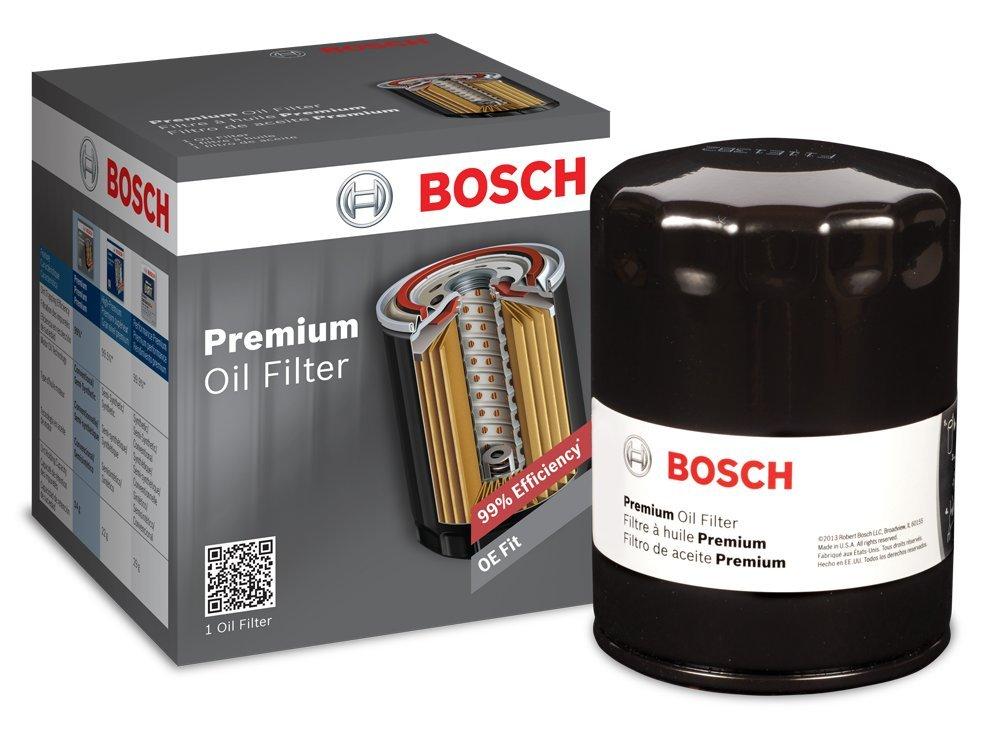
4. Bosch Premium Oil Filter
Bosch is an established automotive parts manufacturer with a broad range of filtration products. Its premium oil filters can offer a practical balance between price, availability, and design features for drivers who want an alternative to a vehicle manufacturer’s original replacement part.
The brand is particularly useful to consider when a specific Bosch filter is listed for the exact engine in question.
An oil filter needs to fit the engine correctly and maintain a reliable seal. Its internal design must also match the lubrication system’s requirements. The correct thread, gasket dimensions, bypass-valve characteristics, and anti-drainback arrangement can all matter, depending on the engine. A recognised brand is a useful starting point, but correct application remains essential.
Bosch filters may appeal to owners who want a familiar aftermarket product without paying for the most expensive filter available.
When comparing prices, examine the specifications of the actual models rather than relying on a brand-wide reputation. A premium filter for a particular vehicle may differ considerably from a standard model sold under the same manufacturer’s name.
Availability and authenticity deserve attention as well. Buy through a reputable parts retailer, authorised distributor, or trusted workshop. Packaging alone cannot guarantee that a product is genuine, especially when purchasing from an unfamiliar seller. If the part number, markings, sealing surface, or construction appears suspicious, verify it before installation.
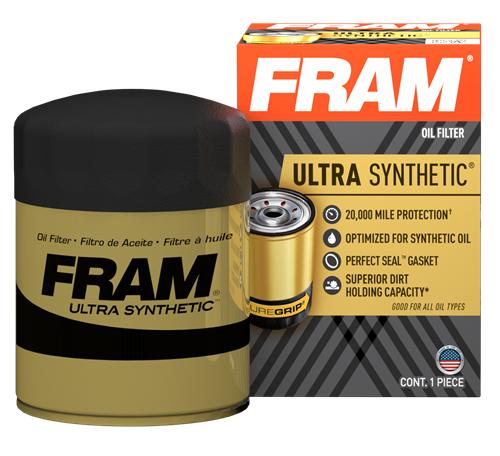
5. FRAM Ultra Synthetic Oil Filter
FRAM Ultra Synthetic is a premium filter line intended for drivers who want advanced filtration features for compatible engines. It is worth considering for vehicles that use synthetic oil, provided the specific model is approved for the application.
The line’s published specifications and intended service conditions make it a more relevant comparison against other premium filters than against basic economy models.
Filtration efficiency describes how effectively a filter captures particles of a particular size under defined test conditions. A percentage without a particle-size threshold or testing context does not tell the complete story.
Buyers should look for clearly stated test standards, applicable part numbers, and service-life limitations instead of assuming that every filter advertised as highly efficient offers the same results.
The Ultra Synthetic range can make sense for drivers who prefer a premium filter and want to compare its claimed performance with alternatives. However, manufacturer claims need to be read carefully.
Published figures may apply to selected models or testing conditions, and features can vary across a product family. The information printed on the specific filter’s packaging and technical documentation matters most.
There is little benefit in paying for an extended-life design and then ignoring the recommended maintenance schedule. Oil deteriorates through heat, oxidation, contamination, and operating conditions. The filter also accumulates debris over time. Changing both components according to the correct service plan is a practical way to maintain the lubrication system without taking unnecessary risks.
Five Oil Filters That May Not Be Worth the Money
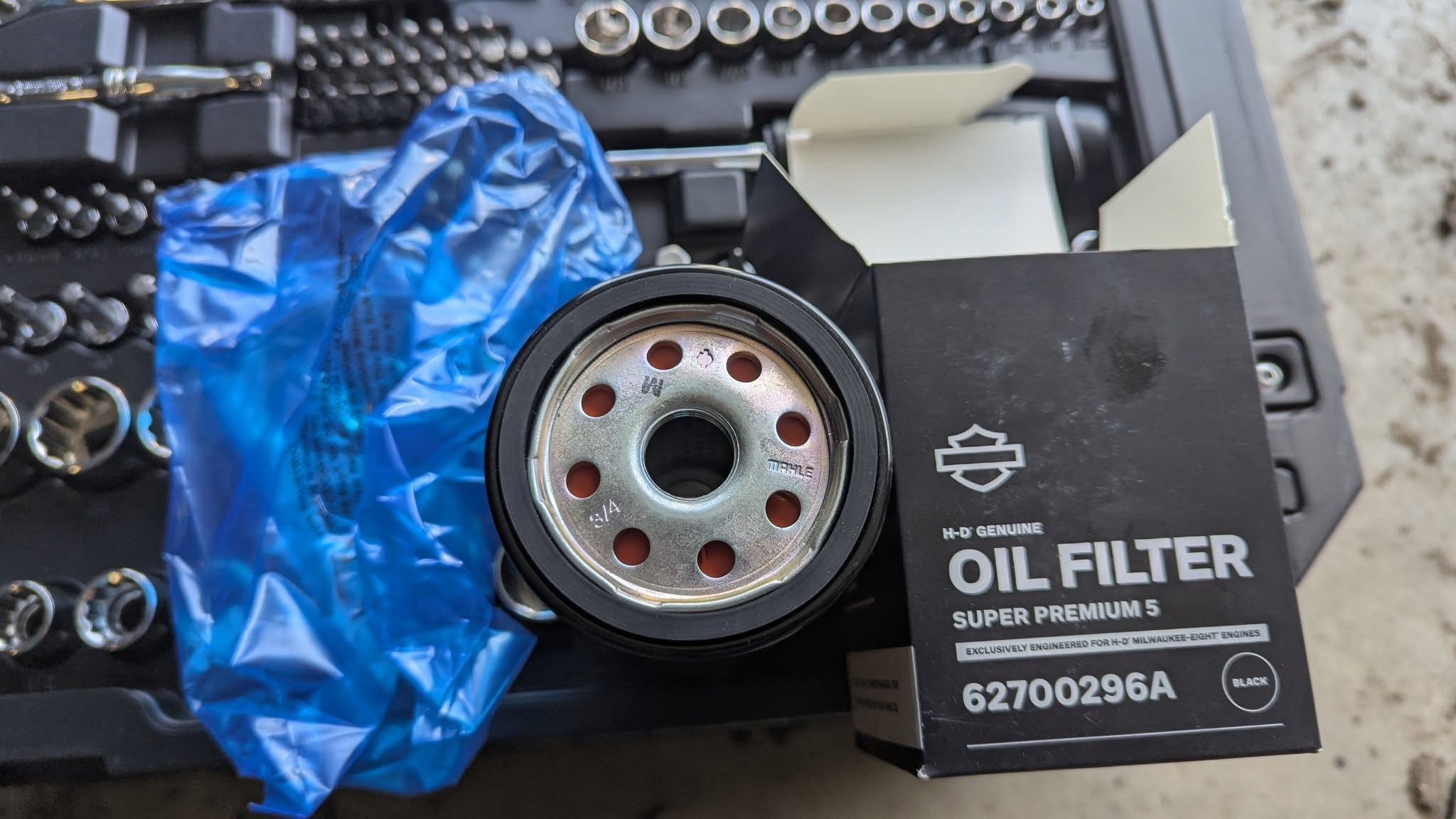
1. Unbranded, No-Name Oil Filters
Unbranded oil filters sold at unusually low prices can look attractive when maintenance budgets are tight. The problem is not necessarily the low price itself.
It is the lack of reliable information about the manufacturer’s identity, filtration performance, construction quality, and compatibility. Without clear specifications, buyers have little evidence to judge whether the component is appropriate for their engine.
A dependable filter requires carefully selected media, stable internal supports, a properly designed bypass valve where applicable, and a gasket that seals under operating conditions.
Poor construction may increase the chance of leakage, inadequate filtration, or internal damage. These risks cannot be confirmed from appearance alone, which makes traceability and credible technical documentation important when choosing a lesser-known product.
The packaging may list a vehicle model without providing a verifiable cross-reference to the original equipment part number. That creates uncertainty because engines with similar capacities can use different filter dimensions and pressure-valve settings. Even if a filter screws onto the mounting point, it may not have the correct internal specifications for the lubrication system.
A low purchase price can also become a false saving when a filter needs to be replaced prematurely or causes an oil leak. Engine repairs can cost far more than the difference between an unknown product and a reputable, correctly matched alternative.
Drivers who need an economical option should look for an established budget brand with clear fitment information rather than buying a component with no accountable manufacturer.
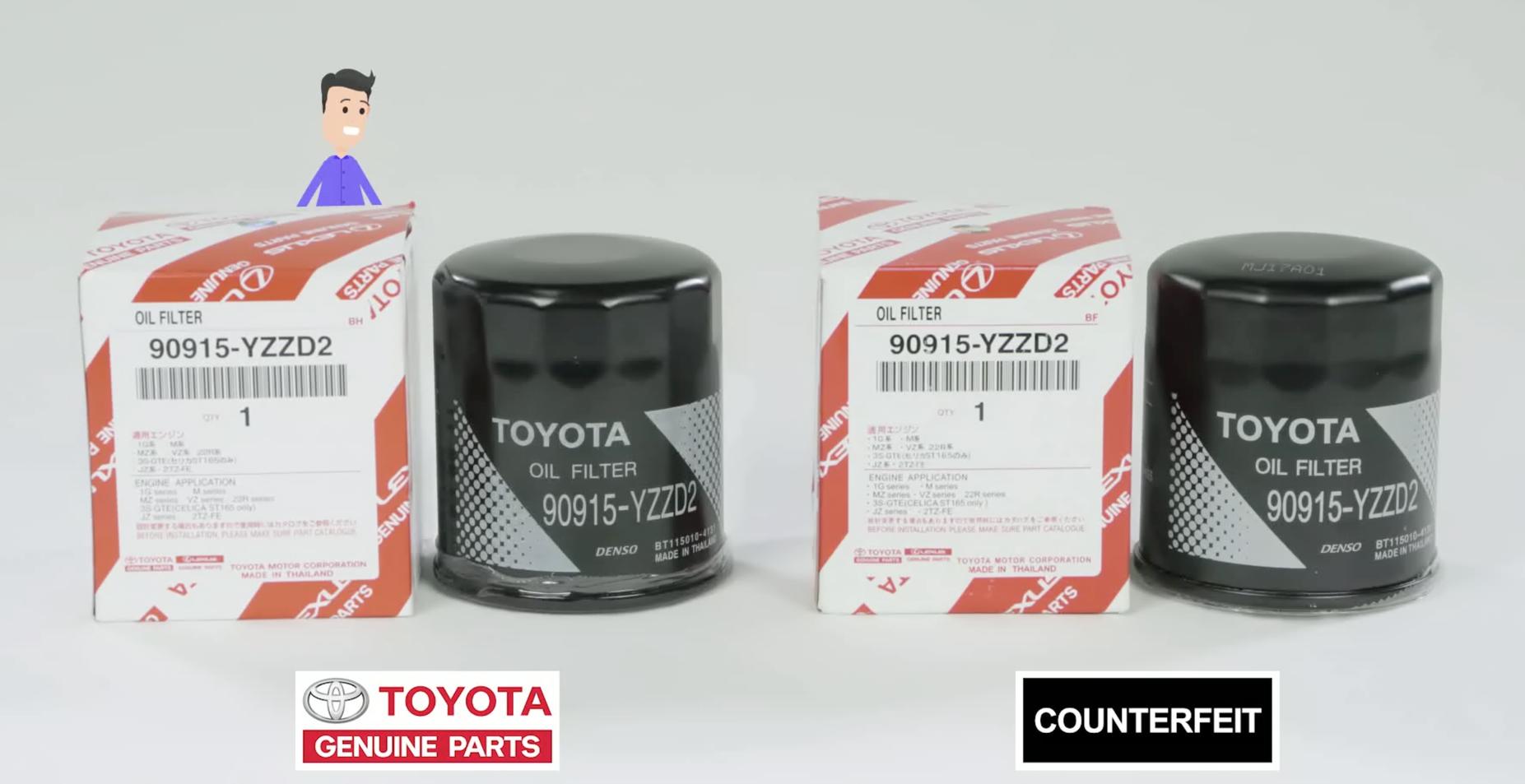
2. Counterfeit Filters Sold as Premium Brands
A counterfeit oil filter is a particularly poor purchase because the buyer may pay a premium price without receiving a product made to the genuine manufacturer’s specifications. Counterfeits can imitate familiar packaging, logos, colour schemes, and part numbers.
Their appearance may be convincing enough to fool drivers who assume that a recognised brand name guarantees authenticity.
The central concern is traceability. A genuine manufacturer can publish technical information and identify its authorised distribution channels. A counterfeit producer may copy these details without following the same quality controls. The result could have unsuitable filtration media, weak internal supports, an incorrect bypass valve, or a poorly made sealing gasket. The precise defects vary, and appearance alone cannot establish how a particular filter performs.
Price can provide a warning, especially when a supposedly premium filter costs far less than comparable products from reputable retailers.
Other signs worth checking include spelling mistakes, inconsistent printing, damaged seals, unusual packaging, and a part number that does not appear in the manufacturer’s catalogue. No single clue proves that a filter is counterfeit, so suspicious products should be verified through the brand or its authorised distributor.
Online marketplaces and informal parts stalls can make sourcing more complicated because products may pass through several sellers before reaching the customer.
This does not mean every marketplace listing or independent retailer sells fake components. It means buyers should review seller credentials, retain invoices, and confirm that the item comes from a trustworthy supply chain.
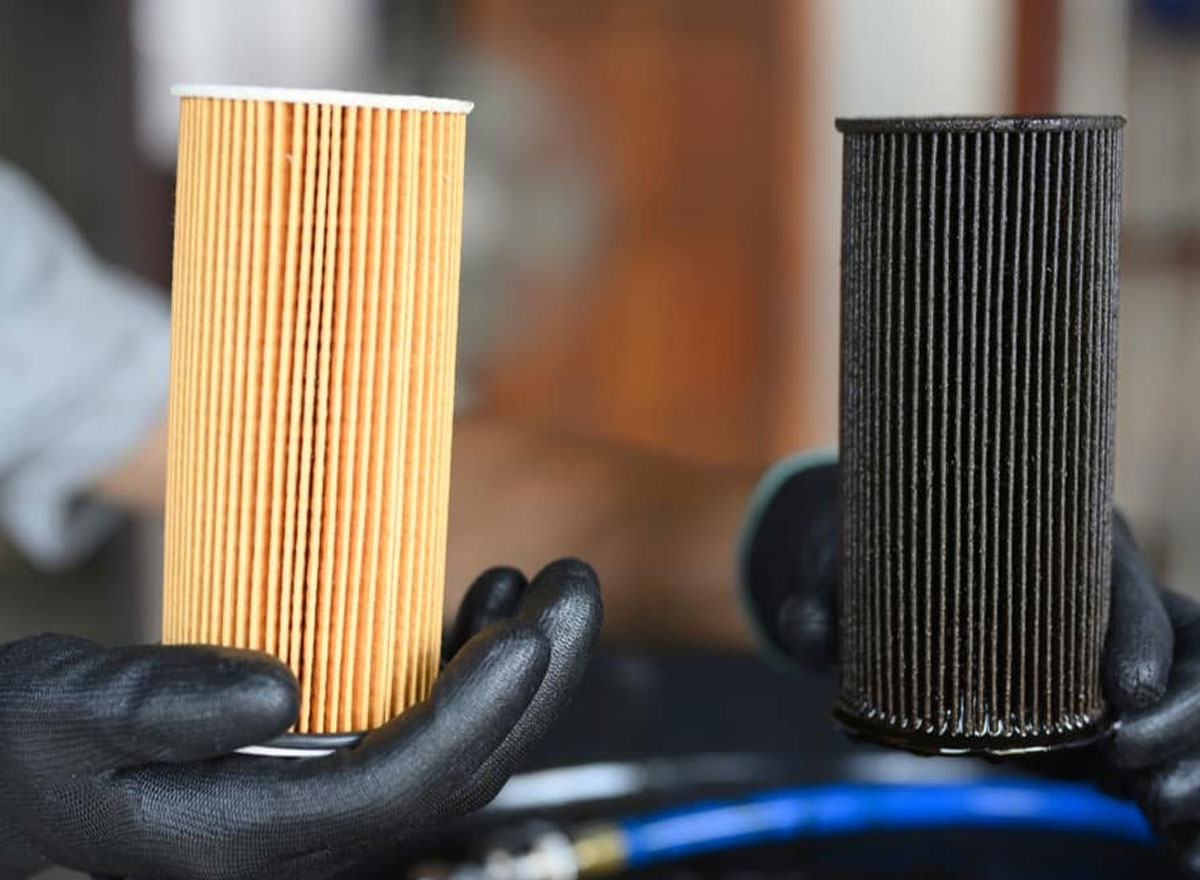
3. Basic Economy Filters Used Beyond Their Intended Service Life
Economy oil filters are not automatically bad products. Many are designed to meet the requirements of ordinary maintenance when used on compatible engines and replaced at the specified interval. The poor-value decision occurs when a driver treats a basic filter as a long-life component without checking whether its specifications support that use.
A filter gradually collects particles as oil passes through its media. Its ability to retain debris without excessive flow restriction depends on its design, media area, construction, and operating conditions. A product intended for a routine service interval should not automatically be assumed to offer the same contaminant capacity or extended-use capability as a premium filter.
Drivers who frequently tow heavy loads, spend long periods in stop-and-go traffic, travel on dusty roads, or make repeated short trips should pay particular attention to the vehicle’s maintenance guidance.
Such conditions may call for more frequent servicing. Selecting a filter based only on the lowest shelf price can be a poor decision if it does not match the intended operating conditions.
Products such as FRAM Extra Guard, STP standard filters, and store-brand economy filters should be assessed by their exact specifications rather than dismissed simply because they sit below a premium range.
A correctly matched economy filter may be perfectly reasonable for a vehicle maintained on a standard schedule. The important distinction is between buying a basic product for its intended purpose and expecting it to deliver features that the manufacturer does not claim.
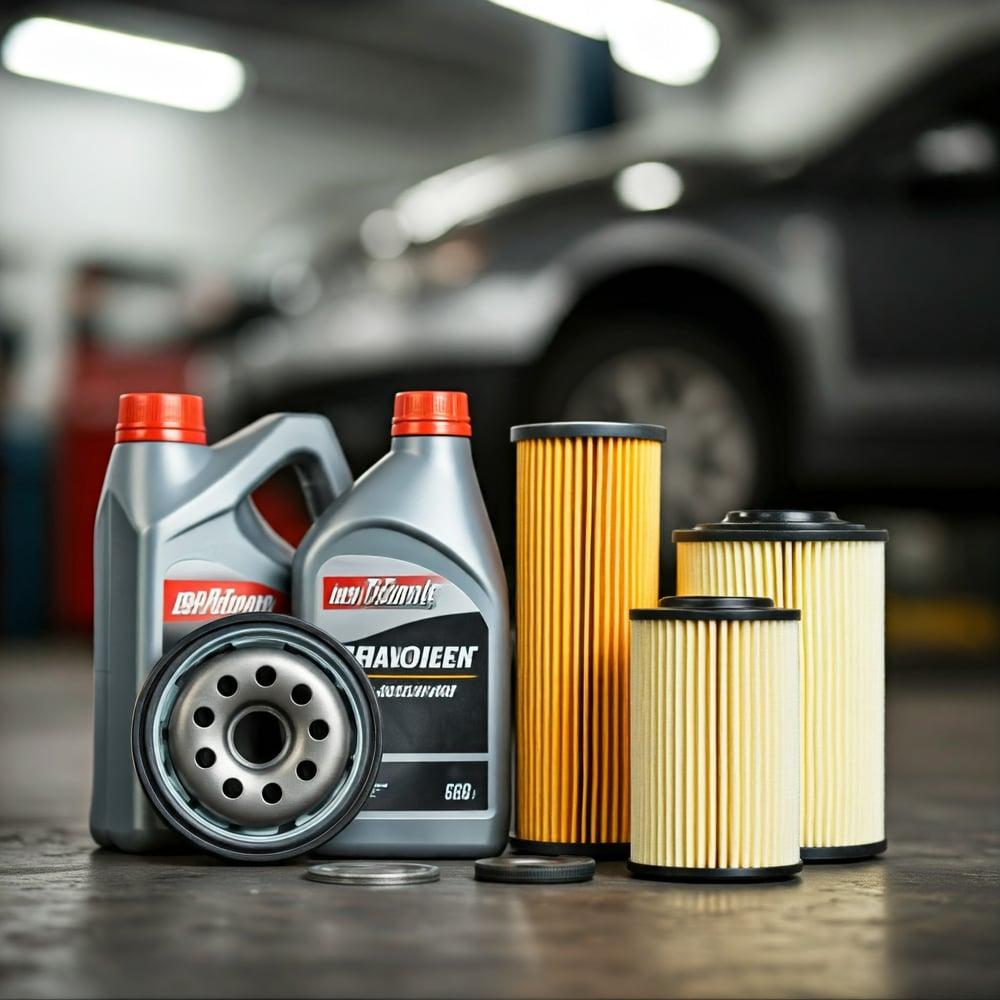
4. Premium Extended-Life Filters Bought Without a Real Need
A premium extended-life filter can be a sensible investment, but it is not automatically the best financial choice for every vehicle owner.
Someone who follows short, regular oil-change intervals may not benefit much from paying extra for a filter designed to support longer service periods. In this situation, the additional features can be useful in principle without delivering much extra practical value.
Filter longevity depends on the exact model, operating conditions, oil quality, and engine design. A product advertised for extended service must still be used according to the vehicle manufacturer’s instructions and the filter maker’s stated limitations. Its maximum claimed mileage should not be treated as a universal recommendation for every car or every driving pattern.
It is also important to distinguish filter life from engine oil life. Oil can lose desirable properties through heat, oxidation, fuel dilution, moisture, and contamination.
A filter cannot reverse these chemical changes. Keeping an oil filter installed for a longer period does not automatically make the oil suitable for extended use, and premium filtration does not replace regular maintenance.
Drivers can compare the extra cost with their actual servicing habits. If the manufacturer specifies frequent oil and filter changes, a reliable standard or mid-range filter may provide excellent value. Spending more on a premium model may still be reasonable for its construction or filtration features, but the decision should reflect documented benefits rather than marketing alone.
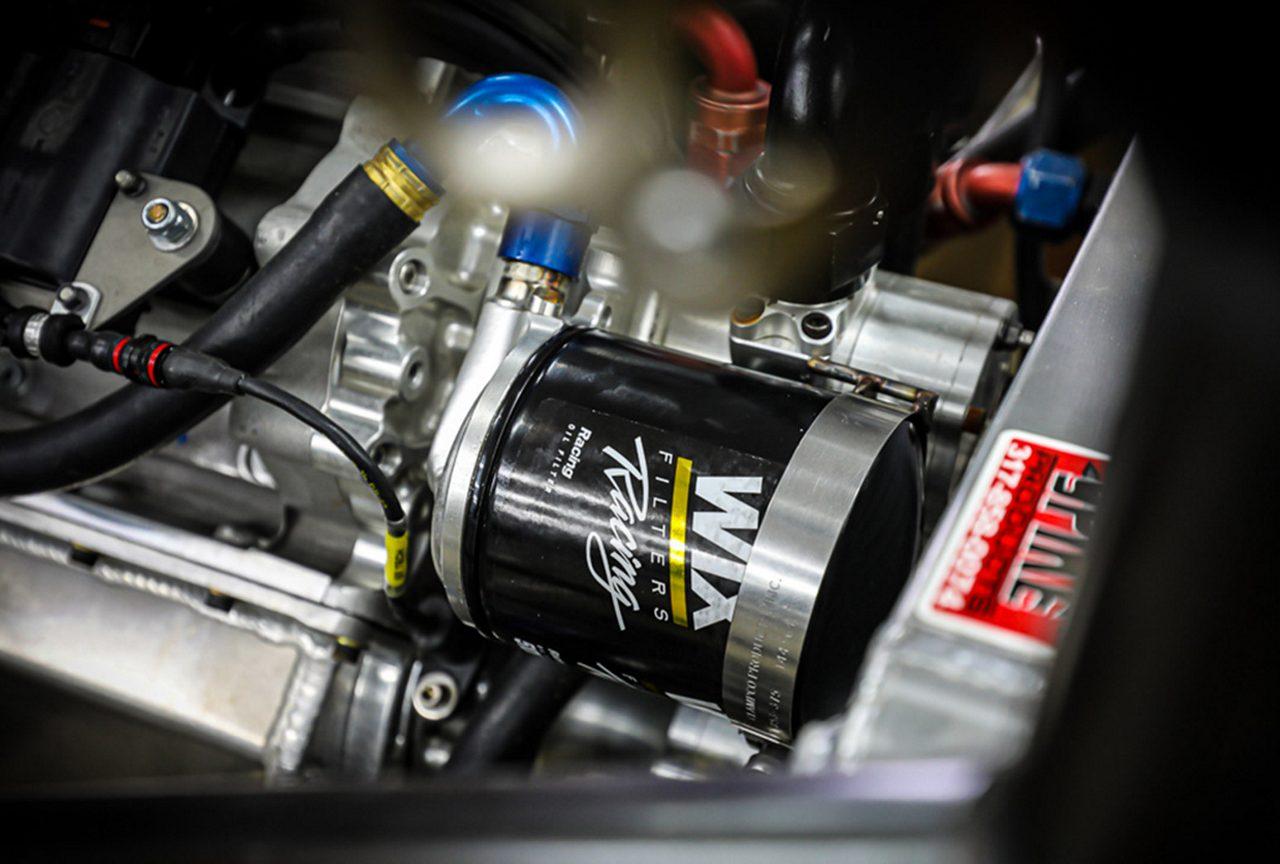
5. Racing or High-Performance Filters Used for Ordinary Driving Without a Clear Benefit
High-performance oil filters are designed for particular applications and operating demands. Depending on the product, they may offer specialised construction, additional durability features, or installation conveniences.
These characteristics can be useful for certain modified engines, motorsport applications, or demanding service conditions. For an ordinary commuter car, however, those benefits may not justify a substantial price premium.
The term high performance does not identify a single technical standard. Two products carrying similar marketing language may have different filtration efficiency, flow characteristics, pressure ratings, and recommended applications.
The correct choice should be based on engineering specifications and compatibility with the engine rather than claims about racing heritage or a distinctive exterior design.
Some premium filters include convenient features, such as a removal nut or other installation aids. These details may be valuable for a mechanic who services multiple vehicles, yet they do not automatically prove that the filter provides better engine protection. A conventional filter with the correct specifications may deliver the required function at a lower price.
Owners of modified vehicles need to take extra care because engine changes can affect oil pressure, temperature, and lubrication requirements.
In such cases, the appropriate filter should be selected using the engine builder’s guidance and the manufacturer’s specifications. A racing-oriented component should not be installed simply because it sounds stronger or more advanced than a standard replacement.