Buying a car is a major financial decision, and its resale value can make a significant difference to long-term ownership costs. Many vehicles lose a substantial portion of their original price within ten years, yet certain models continue to attract strong demand in the used-car market.
These vehicles often benefit from reliable engineering, practical designs, loyal customers, and reputations that encourage buyers to pay more for a well-maintained example.
From rugged off-road SUVs to performance sports cars, this guide examines ten vehicles that can retain around half their original value after a decade, depending on condition and market demand.
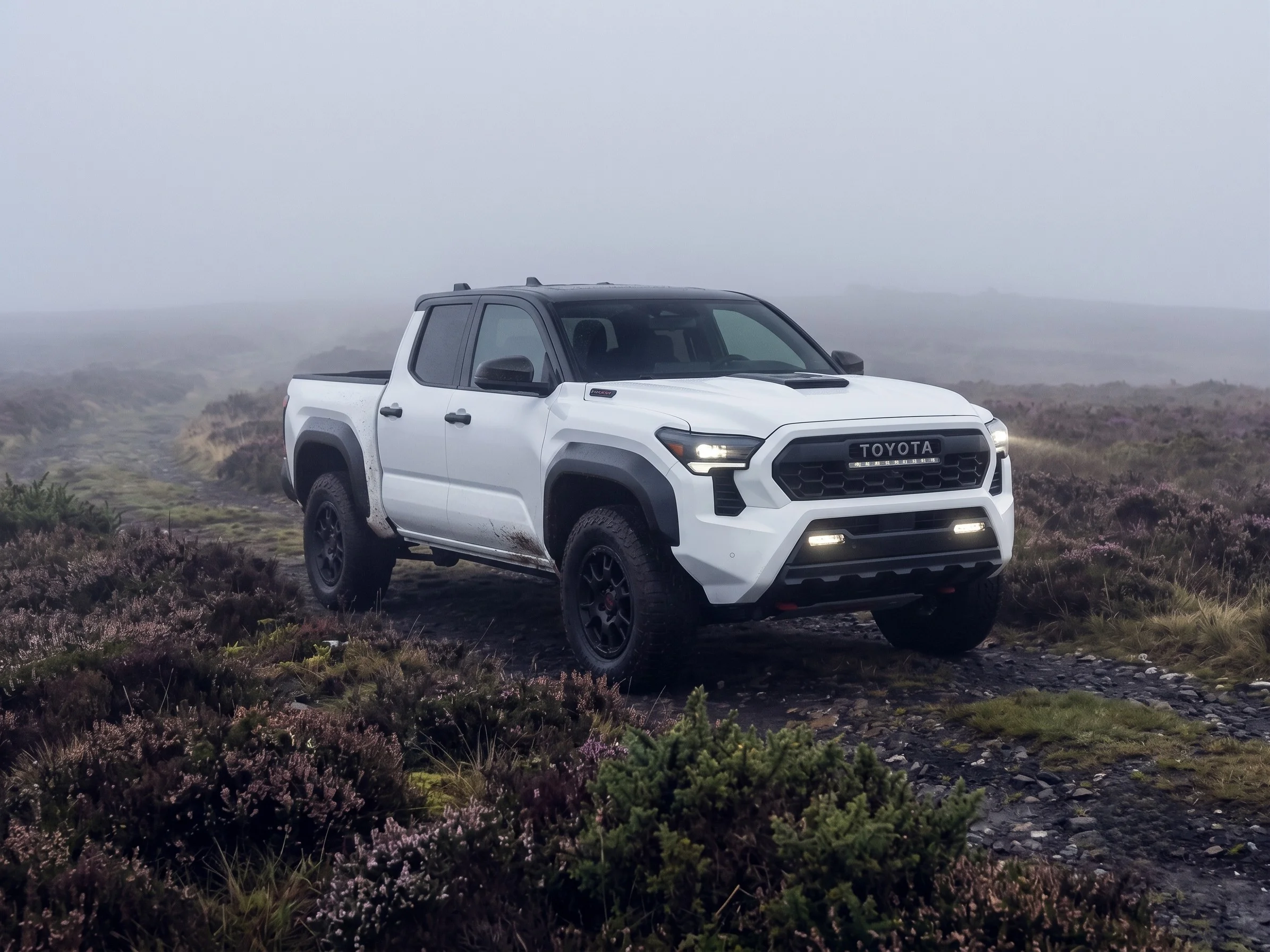
1. Toyota Tacoma
The Toyota Tacoma has built a strong reputation among pickup truck buyers who need durability, practical utility, and dependable performance. Its resale strength comes from a combination of these qualities, along with consistent demand for midsize trucks.
Buyers looking for a used Tacoma often want a vehicle that can handle daily commuting, outdoor recreation, and demanding work. This broad appeal helps keep the model competitive in the secondhand market, even when newer generations arrive with updated technology and styling.
Another factor supporting the Tacoma’s resale value is its reputation for long-term serviceability. Owners who maintain the engine, transmission, suspension, and cooling system can keep their trucks running for many years.
A well-documented service history gives prospective buyers greater confidence when evaluating an older vehicle. However, a reputation for reliability does not mean every Tacoma will remain trouble-free. Regular maintenance, appropriate repairs, and responsible driving remain essential for preserving its mechanical condition and market appeal.
The Tacoma also attracts buyers who value its manageable size compared with full-size pickups. Depending on the model year and configuration, it can provide useful towing capability, practical cargo space, and access to recreational destinations.
Drivers who enjoy camping, trail activities, and outdoor travel may find its versatility particularly appealing. This variety of uses expands its potential audience in the used market, giving clean, well-equipped examples a better chance of attracting competitive offers.
Buyers should still examine an older Tacoma carefully before paying a premium. Rust can be a concern in regions where roads receive winter salt, while heavy towing or off-road use may increase wear on important components.
Inspect the frame, underbody, suspension, tires, brakes, and drivetrain. Check for accident damage and confirm that maintenance records match the vehicle’s mileage. A professional inspection can identify problems that a short test drive might not reveal.
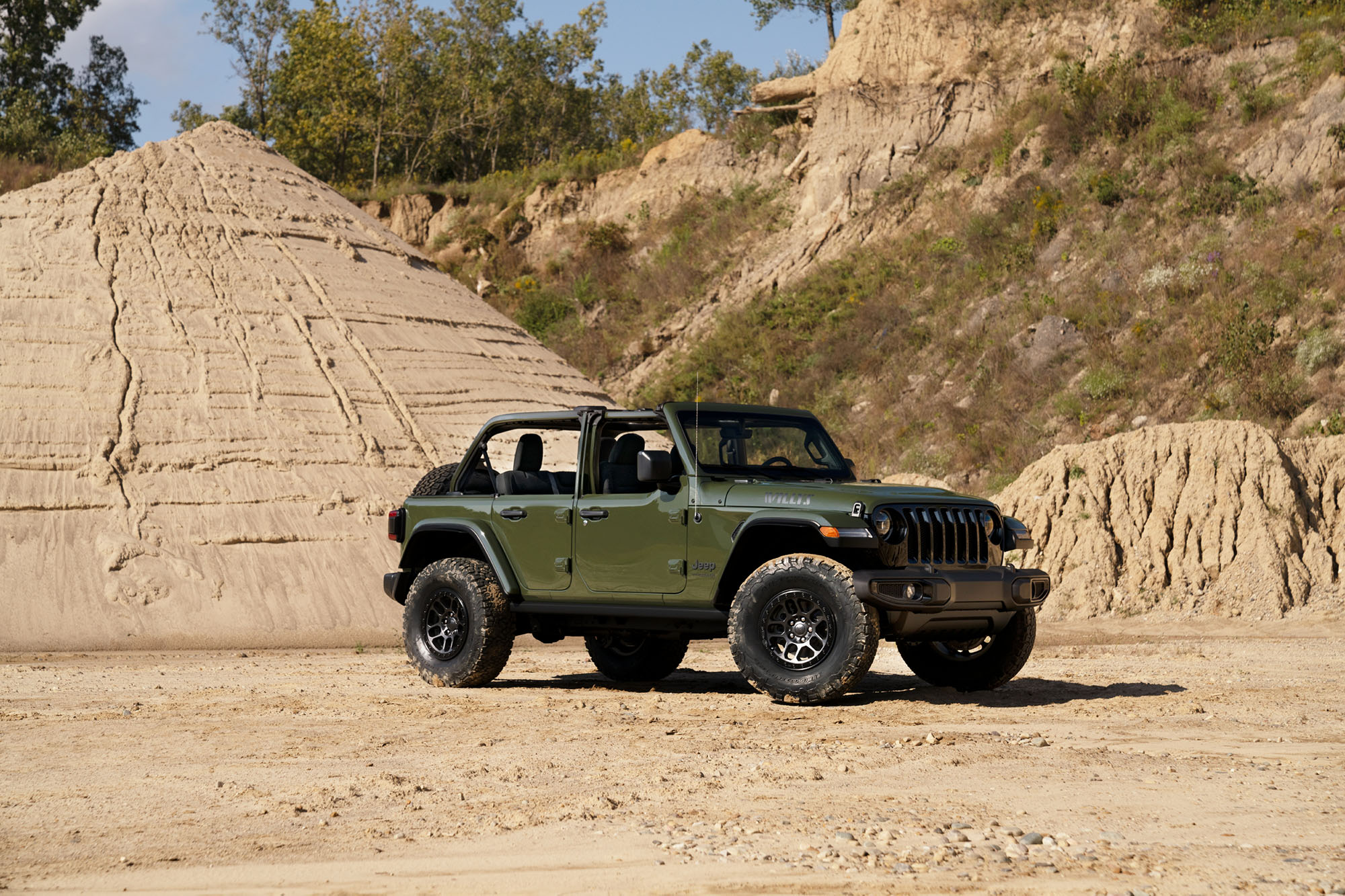
2. Jeep Wrangler
The Jeep Wrangler has a distinctive identity that sets it apart from many conventional sport utility vehicles. Its upright shape, removable roof options on suitable versions, and off-road-focused design appeal to drivers who want more than ordinary transportation.
This character creates a dedicated audience in the used-car market. Buyers interested in trail driving, outdoor recreation, and open-air motoring may actively search for a Wrangler, helping support demand for desirable examples years after their original sale.
Its off-road capability is a major part of its appeal. Depending on the trim and equipment, a Wrangler can offer four-wheel drive, specialized traction systems, and hardware designed for uneven terrain.
These features attract enthusiasts who might otherwise consider a more expensive specialist vehicle. Used buyers often compare particular trims and equipment packages, so versions with sought-after features may command stronger prices than basic examples, provided their condition and service records justify the asking price.
The Wrangler’s enduring design also contributes to its recognizability. Even when styling details, engines, safety equipment, and infotainment systems change, the vehicle retains its familiar appearance. This continuity gives older models a recognizable identity in a crowded market.
Yet buyers should distinguish between popularity and mechanical condition. A Wrangler used extensively on difficult trails may have experienced impacts, water exposure, suspension stress, or modifications that require additional inspection before purchase.
Maintenance deserves special attention when evaluating a decade-old Wrangler. Check the steering system, suspension joints, tires, brakes, underbody, and four-wheel-drive components. Inspect removable roof panels and doors where applicable, and look for signs of water intrusion.
Ask whether aftermarket modifications were professionally installed and whether original components are available. A thorough inspection can help identify expensive repairs and establish whether the vehicle’s condition supports its price.
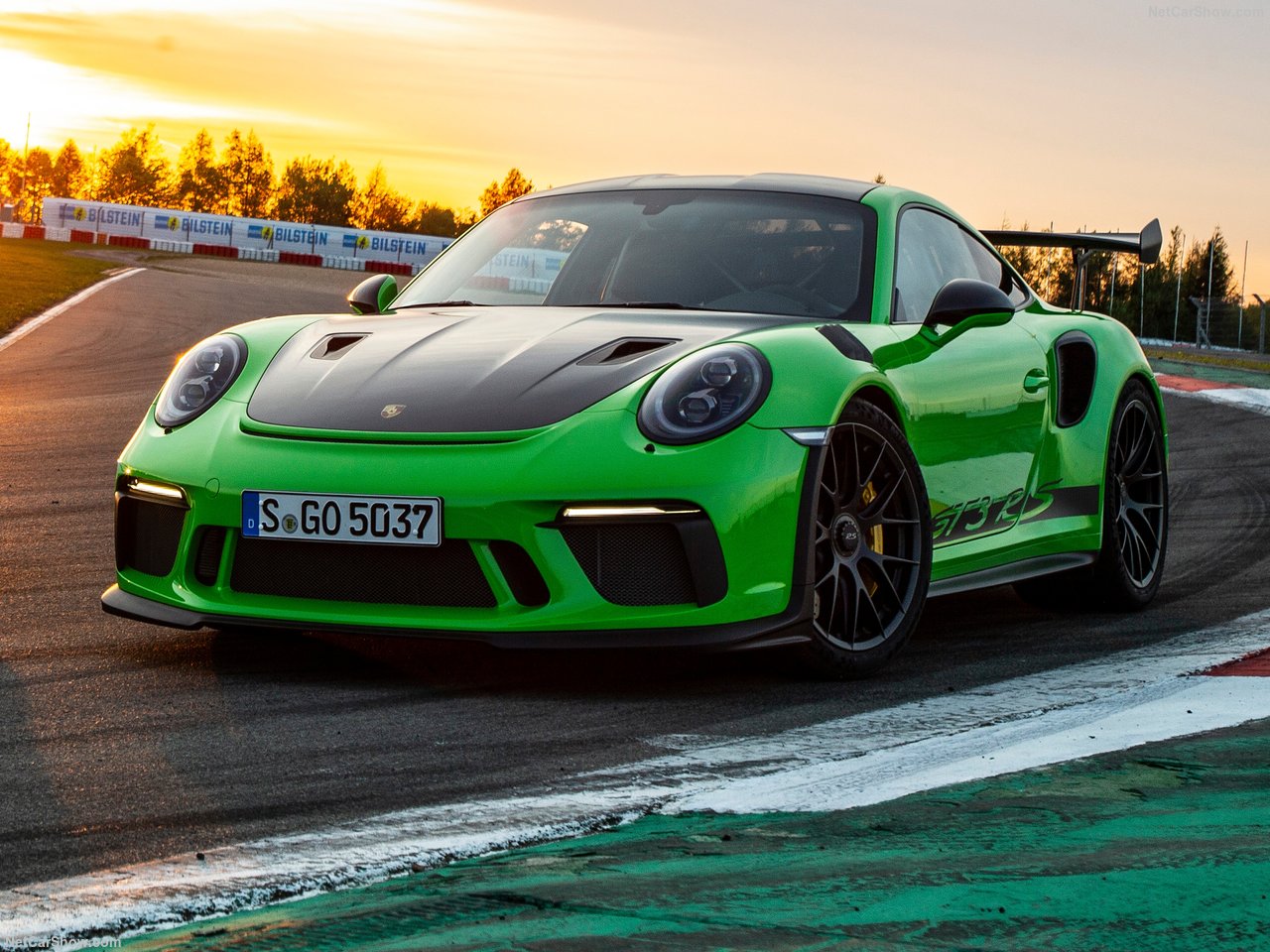
3. Porsche 911
The Porsche 911 occupies a distinctive position in the sports car market. Its recognizable silhouette, rear-engine layout, and long production history have helped establish a loyal customer base. Buyers value the combination of performance, everyday usability, and carefully developed engineering.
Unlike vehicles purchased mainly for basic transportation, desirable 911 models can attract enthusiasts who appreciate particular generations, specifications, and historical significance. That specialized demand can support resale values well beyond the typical depreciation pattern for passenger cars.
The model’s broad range of versions also affects its used-market performance. Different generations offer varying engine configurations, transmissions, performance levels, and equipment.
Some buyers prefer a comfortable road-going model, while others seek a higher-performance variant suited to spirited driving or occasional track use. Because these preferences vary, resale performance should be assessed by the exact model and specification rather than by the Porsche 911 name alone.
Condition is particularly important when purchasing an older performance car. Engine work, transmission repairs, suspension maintenance, and replacement of specialist components can be expensive. Buyers should request comprehensive service records and obtain an inspection from a workshop familiar with Porsche vehicles.
Depending on the generation, a technician may need to investigate model-specific engine concerns, oil leaks, cooling components, and electronic systems. A strong service history can provide reassurance, but it cannot eliminate every mechanical risk.
The ownership budget should include more than the initial purchase price. Premium tires, brakes, insurance, specialist servicing, and replacement parts can cost considerably more than comparable items for mainstream family cars.
Owners who drive relatively few miles may experience less routine wear, but age-related deterioration can still affect seals, hoses, batteries, and other components. Setting aside a maintenance reserve helps protect against unexpected expenses and reduces the temptation to postpone necessary repairs.
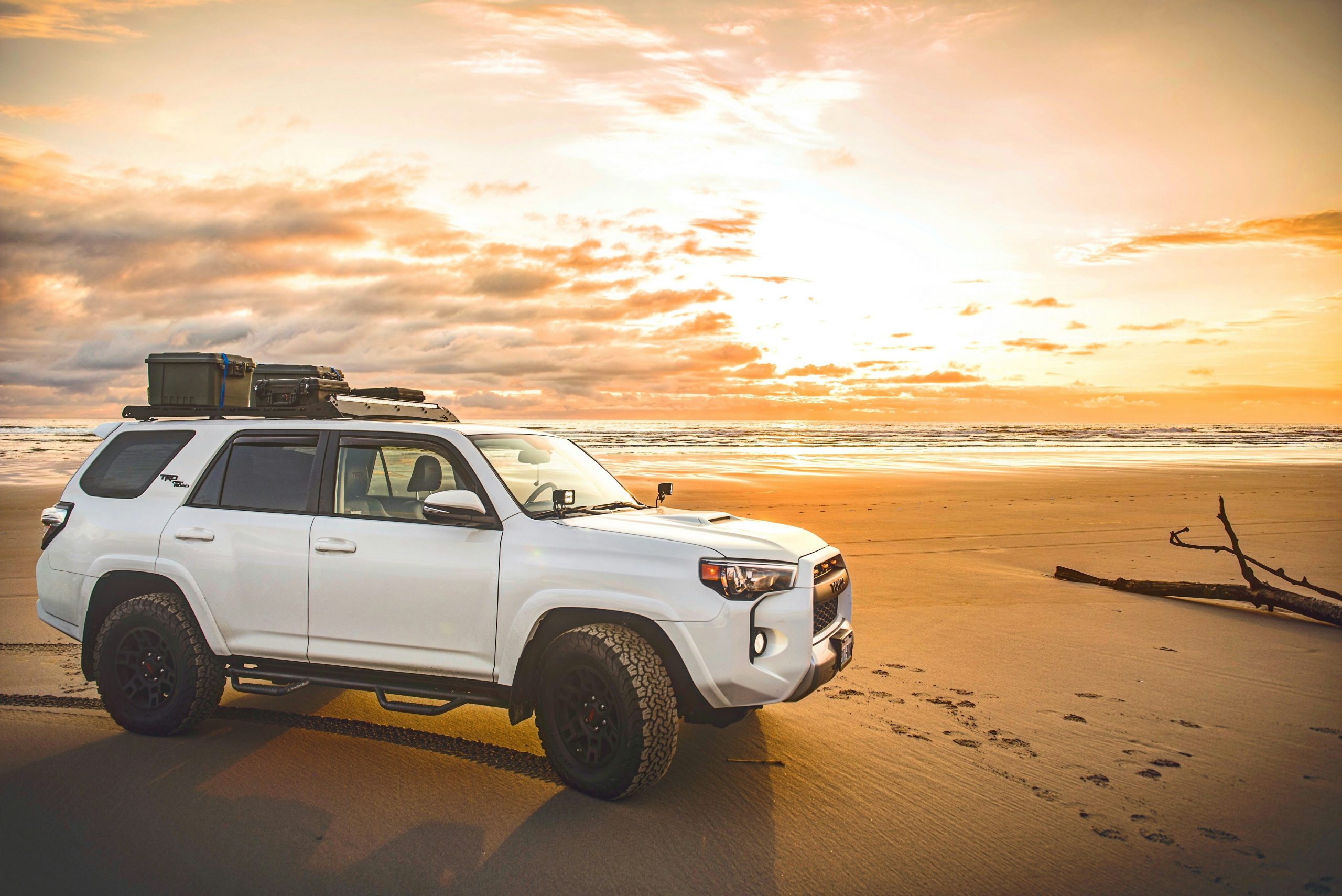
4. Toyota 4Runner
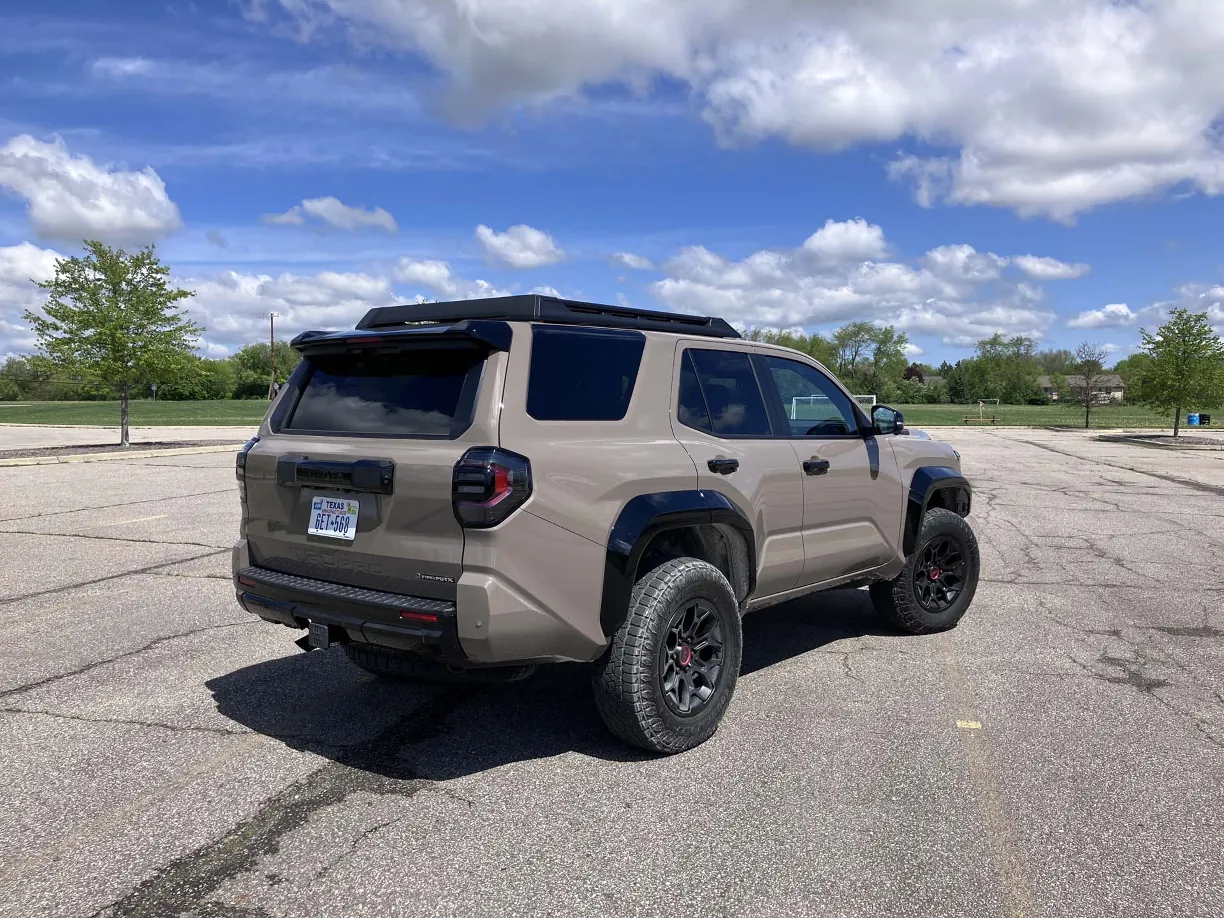
The Toyota 4Runner appeals to drivers who want a traditional SUV with substantial utility and off-road capability. Its rugged construction and practical layout have helped establish a loyal following among families, outdoor enthusiasts, and buyers who regularly travel on rough roads.
The model’s reputation for durability supports interest in older examples, especially when they have been properly maintained. Continued demand can help certain 4Runner versions retain a meaningful portion of their original purchase price after a decade.
Practicality contributes to the vehicle’s appeal. Depending on the model year and configuration, the 4Runner can provide generous cargo capacity, useful ground clearance, and available four-wheel-drive equipment.
These characteristics make it suitable for road trips, camping, recreational activities, and everyday duties. Buyers seeking a vehicle that can manage both paved roads and less-developed routes may prefer its traditional SUV design to a crossover built mainly for urban driving.
A used 4Runner still requires a careful mechanical assessment. Inspect the frame and underbody for corrosion, particularly if the vehicle has spent years in a region with harsh winters.
Check suspension components, wheel bearings, brakes, tires, and drivetrain operation. Evidence of extensive off-road use deserves attention, as impacts and inadequate maintenance can shorten component life. Buyers should also verify that any towing equipment or aftermarket accessories have been installed correctly.
Fuel economy is another important consideration. A traditional, body-on-frame SUV generally prioritizes capability over maximum efficiency, and running costs can be higher than those of a smaller crossover.
Prospective owners should estimate their annual mileage, fuel expenses, insurance premiums, and maintenance needs. These costs matter when comparing the 4Runner with alternatives, even if the Toyota is expected to lose less value over time.
For drivers who value durability, space, and versatility, the Toyota 4Runner can be an appealing used purchase. Its established reputation and practical design may support resale demand, but the vehicle’s actual condition remains decisive.
A neglected example can become expensive quickly, while a well-kept model with transparent records may justify a higher asking price. Comparing several vehicles and arranging an independent inspection can help buyers find the right balance between purchase cost and future resale prospects.
5. Toyota Tundra
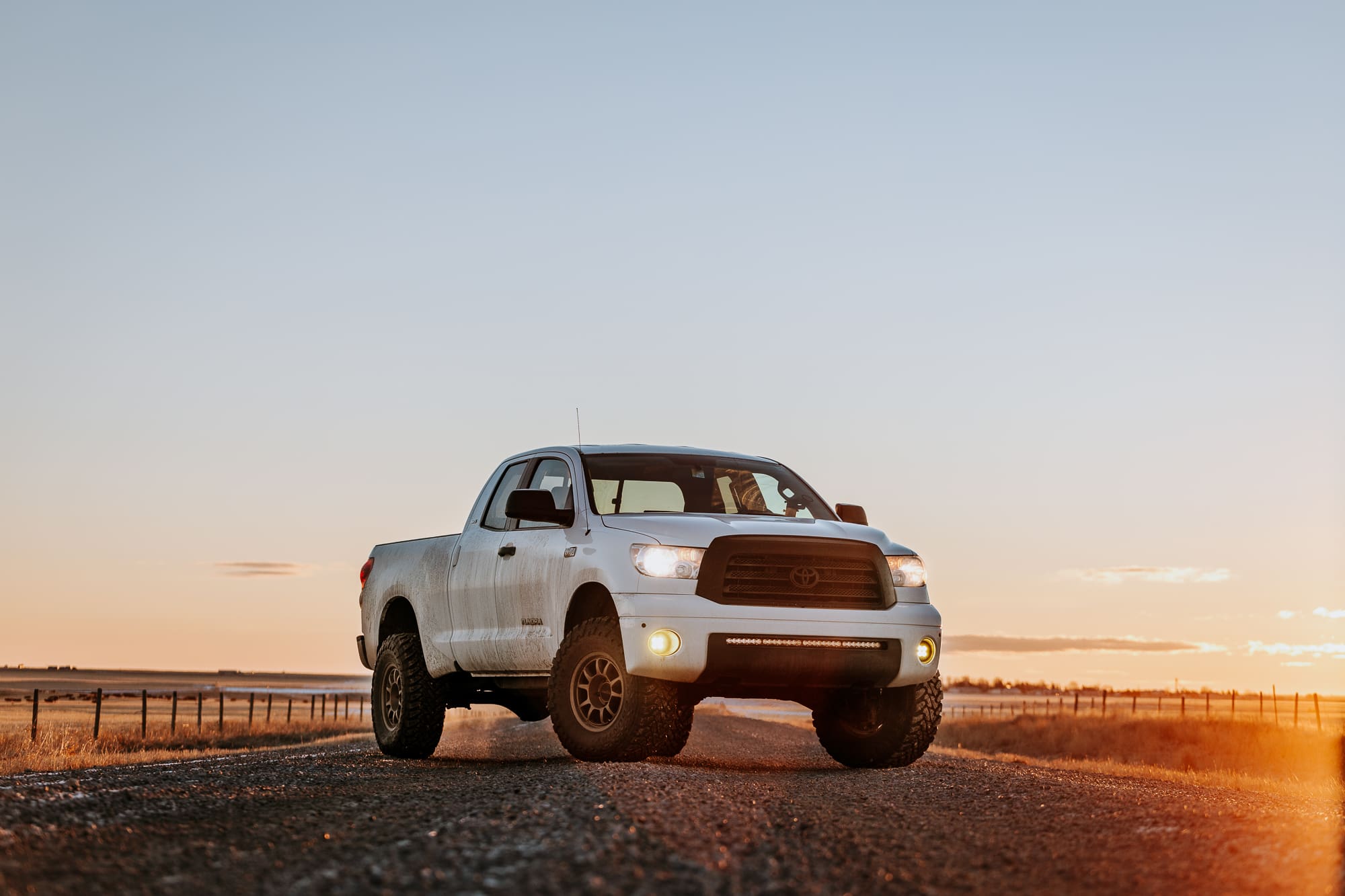
The Toyota Tundra serves buyers who need the space and capability of a full-size pickup. Its appeal includes substantial cargo capacity, useful towing potential on properly equipped versions, and a reputation that encourages long-term ownership.
Contractors, recreational vehicle owners, and drivers who regularly transport bulky equipment may appreciate its capabilities. Because full-size trucks can be expensive to replace, used buyers often consider established models with a documented maintenance history, helping sustain demand for desirable Tundra examples.
Truck buyers frequently evaluate more than age and mileage. Engine choice, cab configuration, bed length, drivetrain, towing equipment, and trim level can all influence resale interest.
A version suited to a particular job may be more attractive to its target audience than a less appropriately equipped truck. This means two Tundras from the same year can have different market values, even when their odometer readings are similar.
Heavy-duty use can have a considerable effect on condition. Prospective buyers should ask about towing history, payload demands, maintenance intervals, and the environments in which the truck operated.
Inspect the transmission, cooling system, suspension, steering, brakes, and frame. Look for uneven tire wear, fluid leaks, damaged underbody components, and signs of poor-quality repairs. A professional inspection is particularly useful when the truck has been used for demanding commercial or recreational tasks.
The Tundra’s size also brings practical considerations. Parking in crowded areas may be difficult, and fuel consumption can be significant depending on the engine, drivetrain, and driving conditions.
Replacement tires and certain maintenance items may cost more than comparable parts for smaller vehicles. Buyers should calculate the total cost of ownership before purchasing, rather than concentrating solely on a promising resale percentage.
6. Chevrolet Corvette
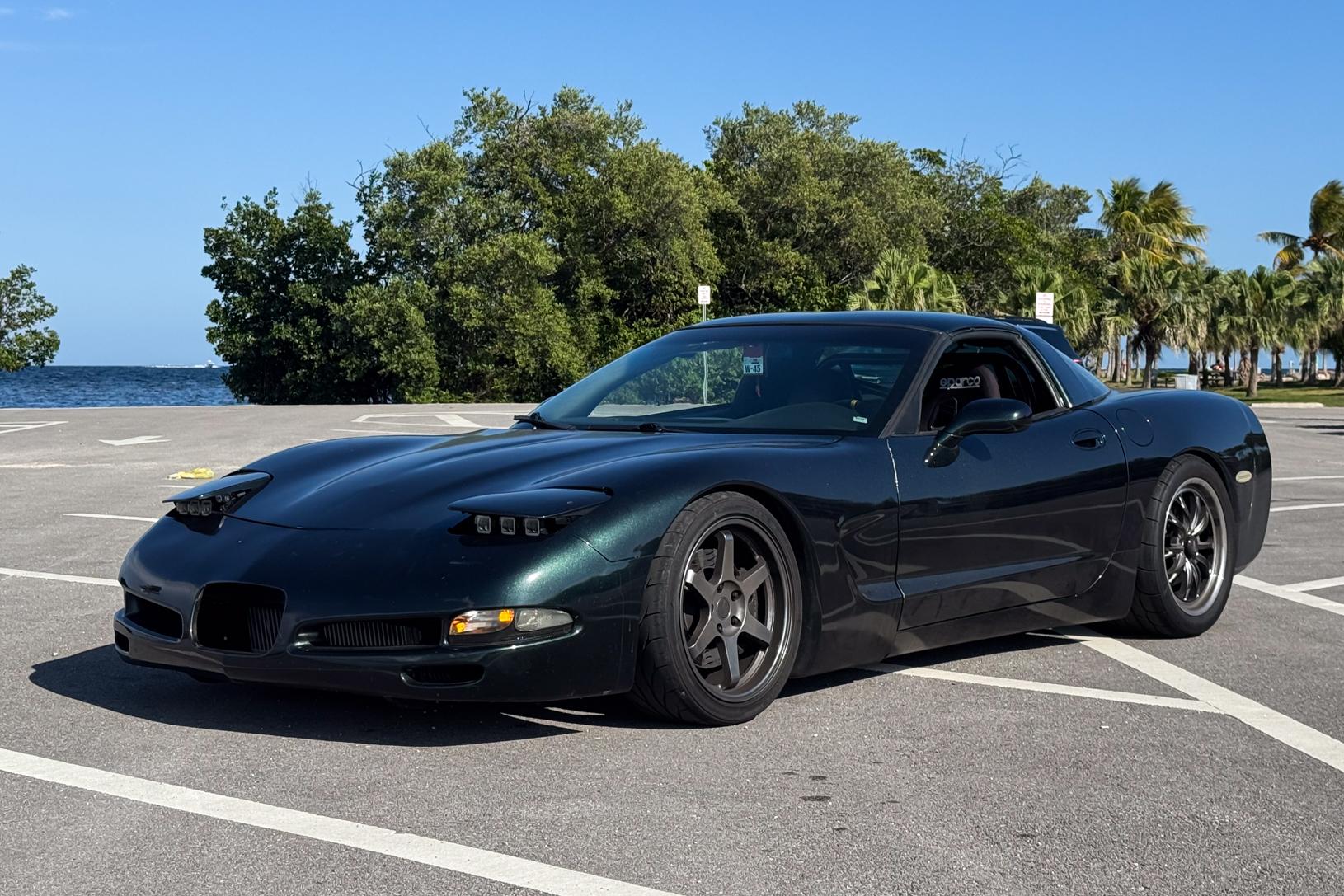
The Chevrolet Corvette has long appealed to drivers seeking sports car performance without moving into the highest price brackets occupied by many exotic brands.
Its combination of powerful engines, distinctive styling, and performance-focused engineering gives it a strong identity in the enthusiast market. Used buyers may be attracted to particular generations because of their design, driving characteristics, or place in the model’s history. This specialized interest can help certain Corvettes retain value more effectively than ordinary vehicles.
The Corvette’s resale prospects depend heavily on its generation and specification. Engine output, transmission choice, performance packages, interior equipment, and production year can all influence buyer interest.
Certain limited or particularly desirable versions may command prices that differ substantially from standard models. Buyers should therefore research the precise vehicle rather than relying on broad statements about Corvette depreciation. A model’s reputation cannot guarantee that every example will hold half its original price.
Maintenance and previous use are especially relevant for a performance car. Inspect the engine, transmission, cooling system, suspension, brakes, wheels, and tires.
Check for evidence of collision repairs, track use, modifications, and neglected servicing. A vehicle with poor-quality alterations may require costly work to restore its original condition. A specialist inspection can help uncover problems that are difficult for a general used-car buyer to recognize during a short visit.
Ownership costs extend beyond mechanical repairs. Insurance premiums, premium fuel requirements where specified, high-performance tires, and brake replacement can add up. Some owners may drive a Corvette less frequently than a conventional car, but low mileage does not guarantee excellent condition.
Cars that sit unused for extended periods can develop battery, tire, fluid, and rubber-component issues. Regular servicing remains important even when annual mileage is low.
7. Toyota Sequoia
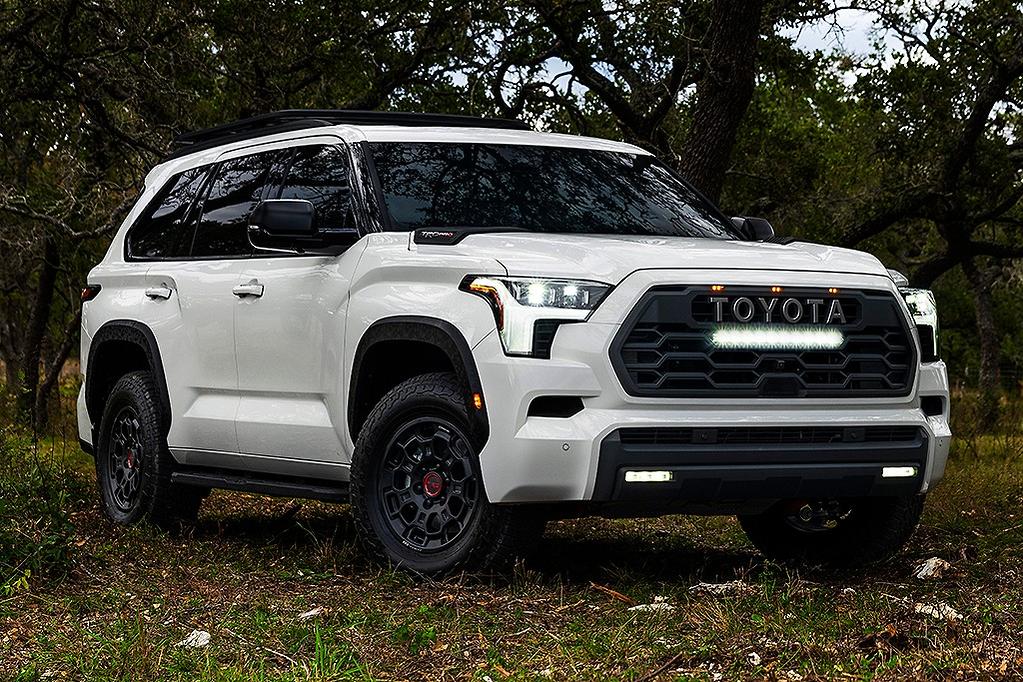
The Toyota Sequoia is designed for buyers who need the space and utility of a full-size sport utility vehicle. Its three-row seating on applicable versions, substantial cargo capacity, and available towing capability make it suitable for larger families and recreational travel.
These practical qualities create a distinct audience in the used market. Shoppers who need room for passengers, luggage, and outdoor equipment may consider an older Sequoia rather than buying a smaller vehicle that cannot meet their requirements.
The SUV’s reputation for durability can also support long-term interest. Buyers frequently look for vehicles that have demonstrated an ability to remain useful over many years, particularly when replacement costs are high.
A Sequoia with consistent servicing, sound mechanical condition, and a clean ownership history may be more attractive than a less expensive example with incomplete records. Still, reliability varies with maintenance, driving conditions, age, and the specific powertrain.
Before purchasing a decade-old Sequoia, check its service history and arrange a comprehensive mechanical inspection. Important areas include the engine, transmission, cooling system, suspension, steering, brakes, and drivetrain.
Inspect the underbody for corrosion and examine the interior for excessive wear, damaged seating, and malfunctioning electrical features. Confirm that recalls applicable to the particular vehicle have been addressed. The inspection should also assess whether any towing use has contributed to premature wear.
Running costs deserve careful attention because a large SUV can consume considerably more fuel than a smaller family vehicle. Tire replacement, routine servicing, insurance, and repairs may also require a larger budget.
Buyers should consider how often they genuinely need three-row seating or substantial towing capacity. If those capabilities are rarely used, a smaller vehicle with lower operating costs might offer better financial value, even if its depreciation rate is less favorable.
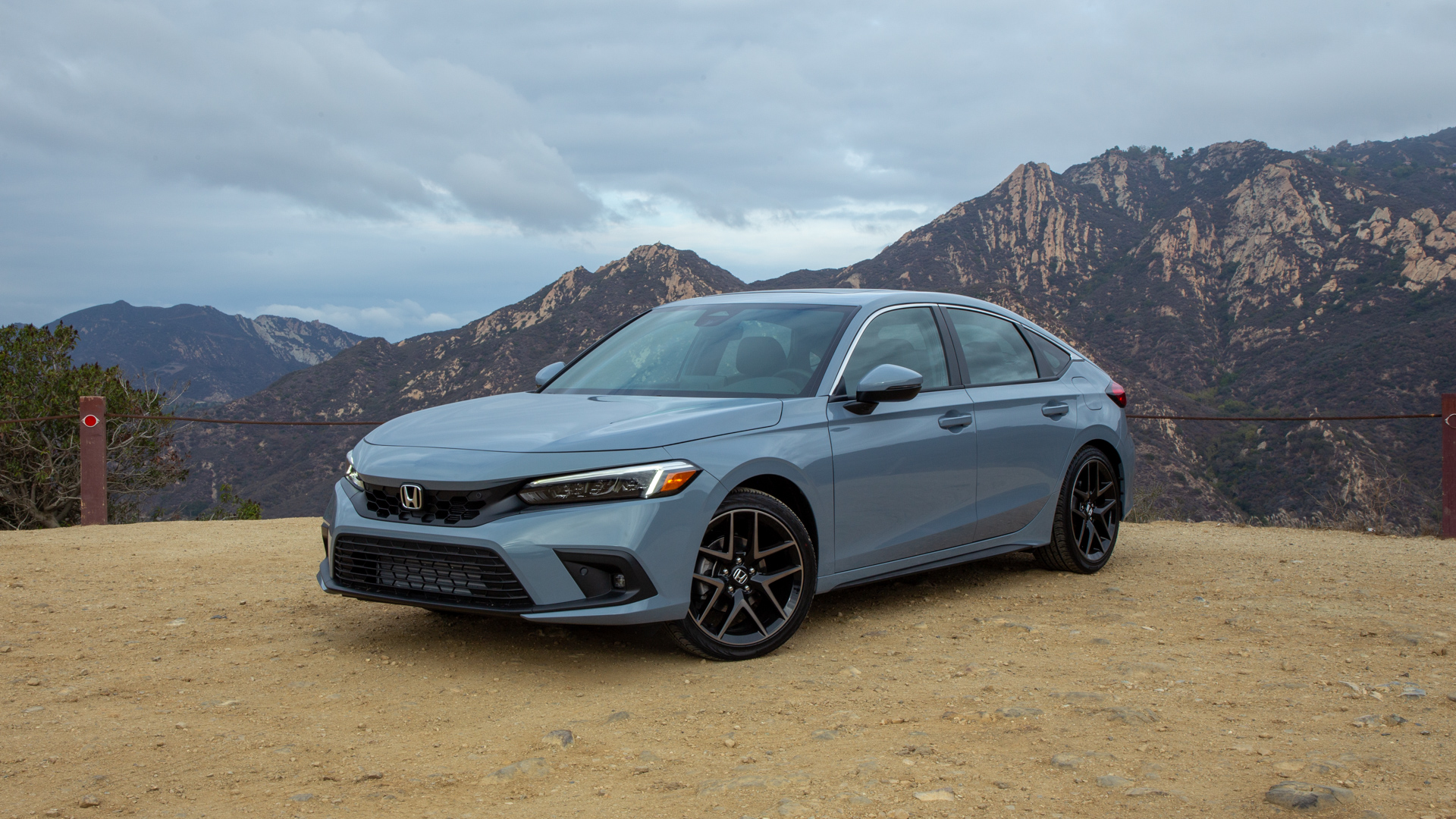
8. Honda Civic
The Honda Civic has earned a strong reputation among drivers seeking an affordable, practical, and efficient car. Its popularity across different age groups helps maintain interest in the used-car market.
Buyers often consider the Civic for commuting, family transportation, and everyday driving because it offers a useful balance of comfort, fuel efficiency, and manageable running costs. This broad appeal can support resale demand when an older example is in good condition.
Reliability is an important part of the Civic’s appeal. Regular oil changes, timely servicing, and proper care can help many examples remain useful for years.
Buyers looking at ten-year-old models should review maintenance records and check for signs of neglected repairs. A well-maintained vehicle with a documented history is generally more attractive than a similar car with uncertain ownership or inconsistent servicing.
Fuel economy also makes the Honda Civic appealing to budget-conscious drivers. Depending on the model year and engine, it can offer economical daily transportation without the operating expenses associated with larger vehicles.
Its compact dimensions make parking and city driving relatively convenient, while the cabin and boot provide practical space for everyday needs.
When buying a used Civic, inspect the engine, transmission, suspension, brakes, tires, air conditioning, and electrical systems. Check the vehicle history for accidents and verify that recalls have been addressed. The exact generation matters because equipment, mechanical characteristics, and common maintenance concerns vary between model years.
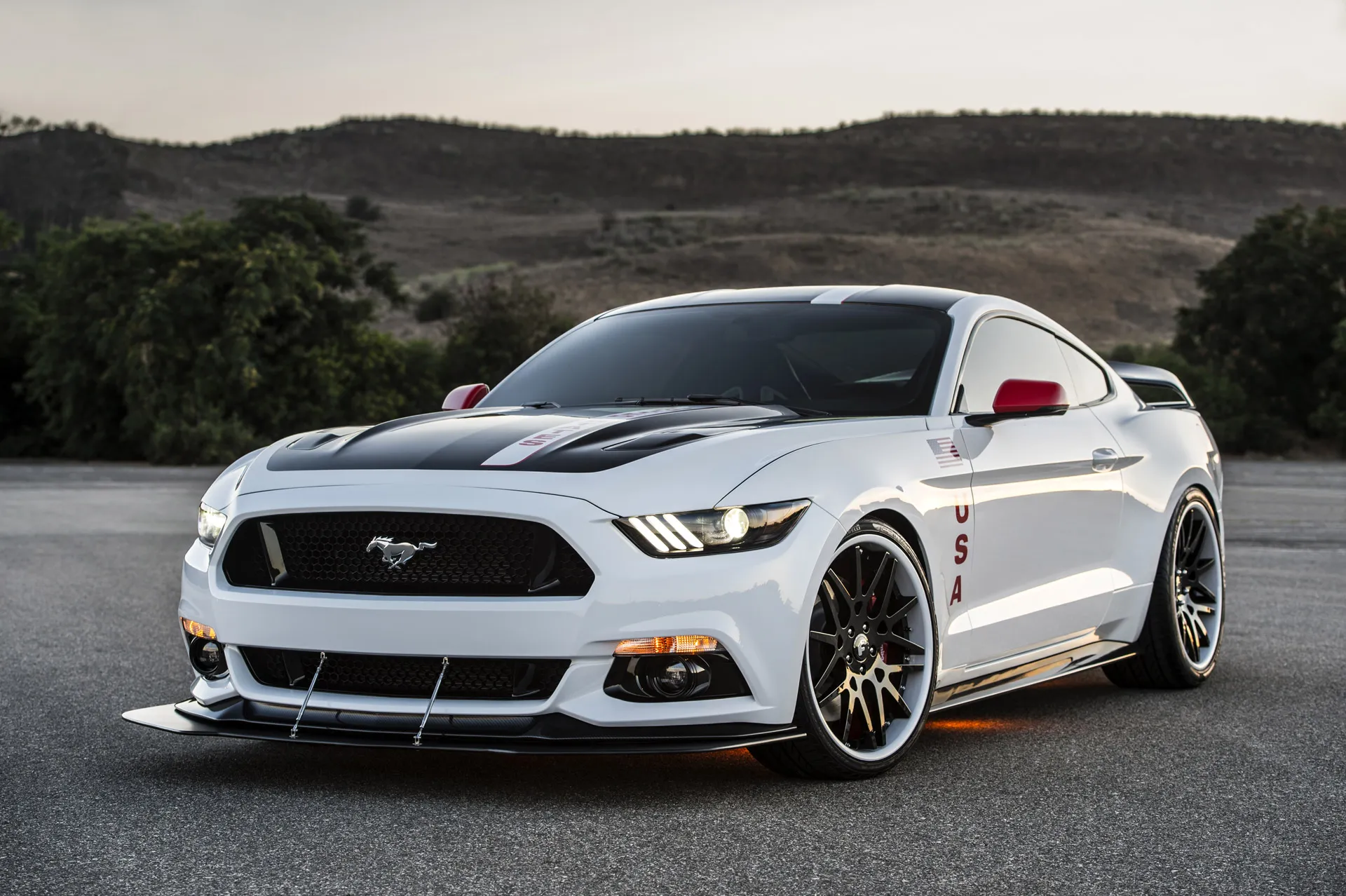
9. Ford Mustang
The Ford Mustang has remained a recognizable name in the sports car market for decades. Its distinctive styling, performance-focused character, and wide range of engine options attract buyers who want a car with personality. This enthusiast interest can help certain versions maintain demand in the used market, particularly when they have desirable specifications and have been carefully maintained.
The Mustang’s range of configurations gives buyers several options. Depending on the generation, shoppers may find efficient entry-level engines, powerful V8 variants, manual transmissions, and convertible body styles. These differences affect both driving experience and resale prospects. Well-equipped performance models may attract particular interest, but their value depends on condition, specification, and the prices buyers are willing to pay.
Maintenance history is essential when evaluating an older Mustang. Inspect the engine, transmission, clutch where fitted, suspension, brakes, tires, and cooling system. Look for accident damage, signs of aggressive driving, and modifications that may have affected reliability. A specialist inspection can help identify issues that might be missed during a routine test drive.
Ownership costs should also influence the buying decision. More powerful versions may require additional spending on fuel, tires, insurance, and servicing. Buyers should consider how the car will be used and whether the running costs fit their budget. An attractive purchase price may be less appealing if the vehicle needs expensive repairs soon after purchase.
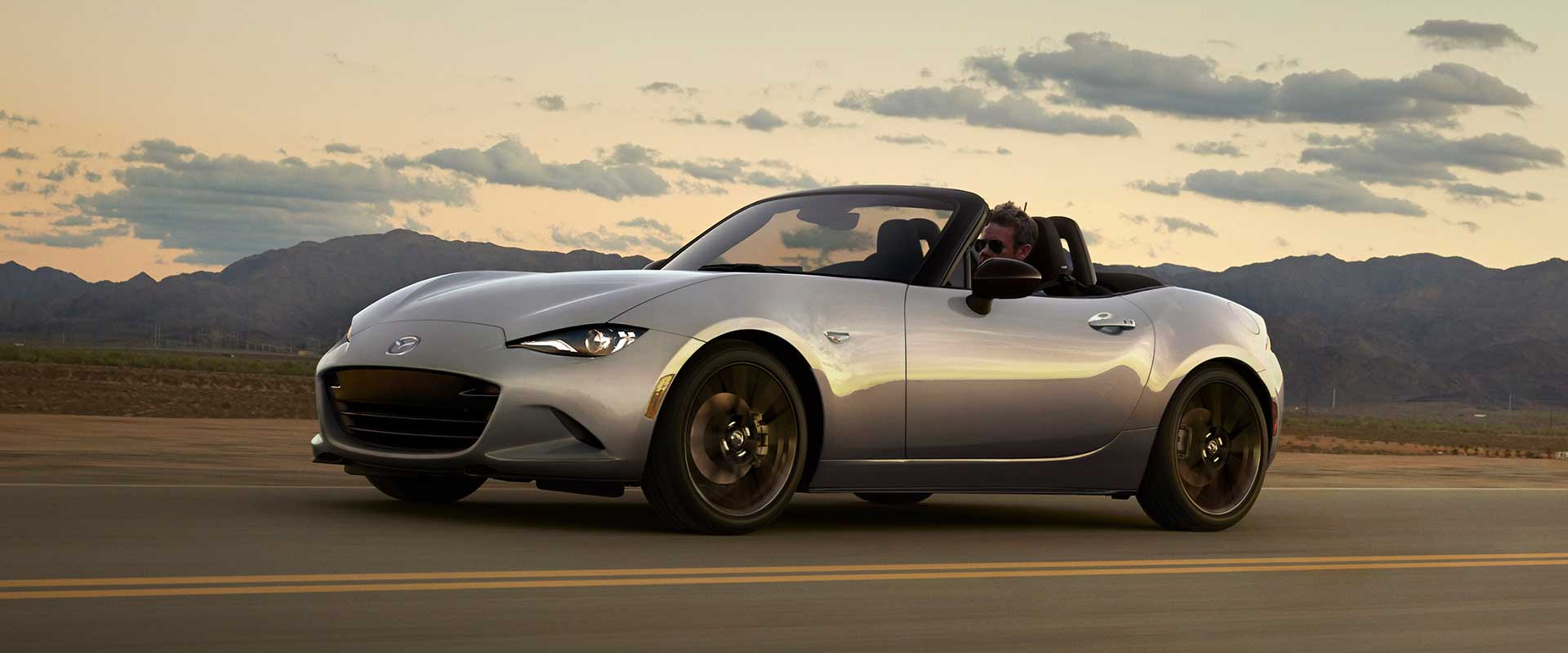
10. Mazda MX-5 Miata
The Mazda MX-5 Miata is a compact sports car known for its lightweight design, responsive handling, and open-top driving experience. Rather than relying on extreme power, it focuses on driver involvement and balance.
This distinctive approach has helped build a dedicated enthusiast community, creating ongoing interest in clean used examples. Its relatively simple concept also makes it appealing to drivers who want a fun weekend car without stepping into the ownership costs of a larger performance vehicle.
The Miata’s compact size and engaging handling make it suitable for winding roads and enjoyable everyday drives. Its relatively small footprint can also make parking easier than it is with larger sports cars. Buyers appreciate the direct driving experience, while the convertible roof provides an added attraction on suitable models. These qualities help distinguish the MX-5 from heavier, more powerful vehicles in the same general price range.
Condition plays a major role in the value of an older Miata. Buyers should inspect the bodywork, underbody, suspension, tires, brakes, and roof mechanism on convertible versions. Corrosion deserves particular attention, especially in areas exposed to moisture or road salt. Reviewing service records and checking for poorly executed modifications can help establish whether the vehicle has been cared for properly.
The car’s smaller size also brings limitations. Cabin space and luggage capacity are modest, making it less suitable for households that need extensive passenger or cargo room. Some versions may also require more attention to roof seals, tires, and age-related components as they grow older. Buyers should evaluate these practical considerations before choosing the Miata as their primary vehicle.