
Buying a new car in the United States involves more than choosing a make and model. The trim level determines which features, materials, technology, and performance options your vehicle includes. Moving up the trim ladder can bring useful improvements, yet some expensive packages add little value to everyday driving.
Knowing which upgrades are worth your money can help you make a smarter purchase and avoid unnecessary costs. From heated seats and advanced safety systems to oversized wheels and luxury interiors, this guide examines five car trims worth considering and five that may not justify their higher prices.
1. Mid-Level Trims With Heated Seats and Practical Comfort Features
For many American drivers, a mid-level trim offers the best balance between affordability and everyday comfort. Base models often include essential equipment such as air conditioning, a touchscreen, smartphone connectivity, and standard safety features.
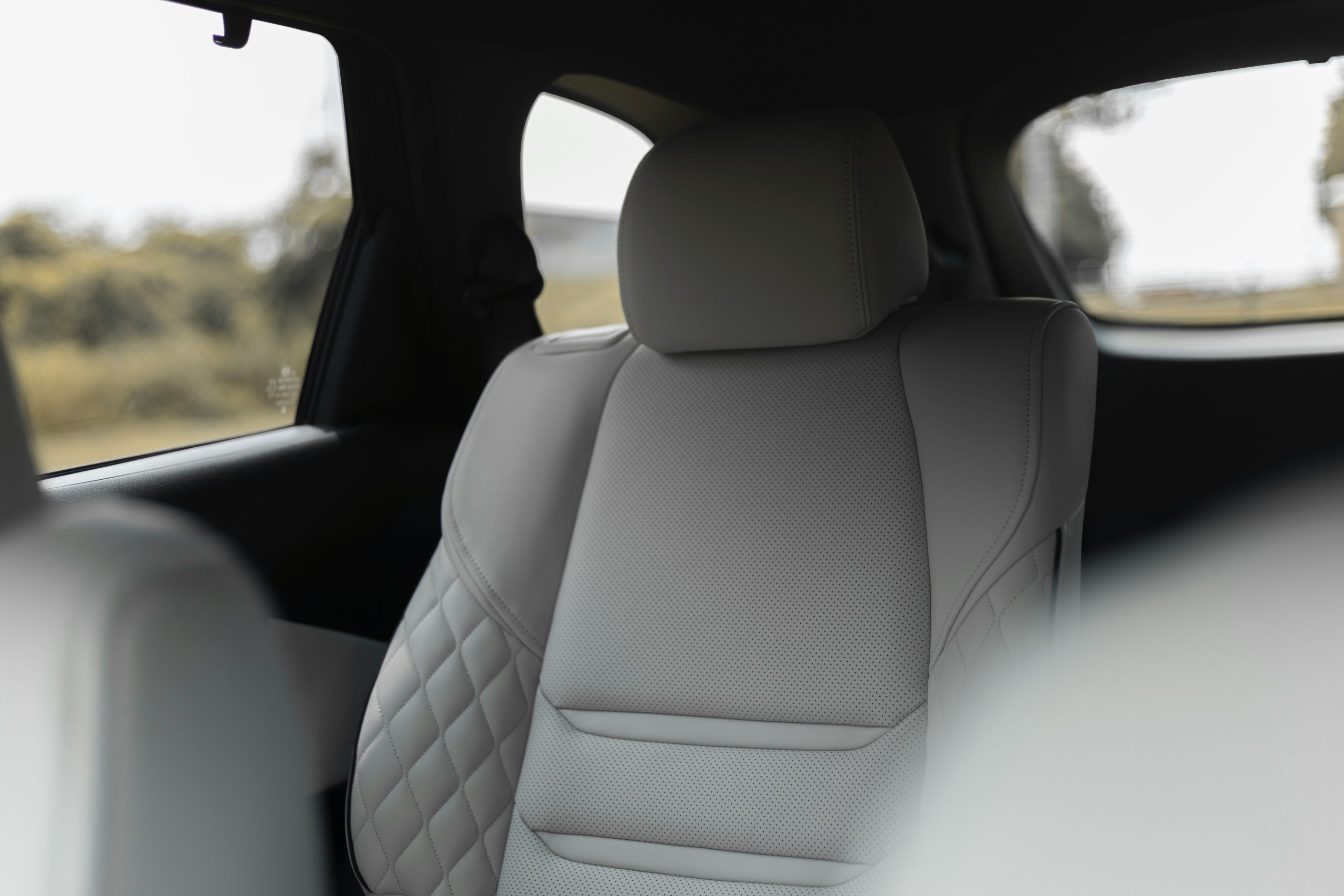
However, stepping up one trim can add heated front seats, improved upholstery, dual-zone climate control, and additional convenience features. These upgrades can make a meaningful difference during daily commutes, winter mornings, and long road trips. Rather than paying for the most expensive version, buyers can focus on the equipment they will genuinely appreciate throughout the ownership period.
Heated front seats are particularly useful for drivers living in colder parts of the country, including Minnesota, Michigan, Wisconsin, and states across New England. They provide warmth shortly after starting the vehicle, making cold-weather travel more comfortable.
Dual-zone climate control can also help when passengers prefer different cabin temperatures. Better seat materials may improve comfort and simplify cleaning, depending on the upholstery.
For families, commuters, and people who spend considerable time behind the wheel, these relatively modest improvements can make the vehicle feel more accommodating without requiring a luxury-car budget.
The financial advantage of a mid-level trim depends on the difference between the base price and the upgraded model. If a reasonable price increase adds several features you would otherwise purchase separately, the package may offer strong value.
Buyers should compare the manufacturer’s standard equipment lists instead of assuming every upgrade is worthwhile. Some automakers bundle desirable features with unrelated additions, such as decorative exterior accents or premium wheels.
Reviewing the complete package helps determine whether the additional cost reflects genuine utility or simply makes the vehicle look more expensive.
Mid-level trims can also be appealing when shopping for a used vehicle. Features such as heated seats, upgraded infotainment systems, and automatic climate control may make a car more attractive to future buyers. However, resale values vary by model, region, mileage, condition, and market demand.
An upgraded trim does not guarantee that you will recover its original price premium when selling or trading in the vehicle. The strongest reason to choose this configuration is usually the comfort and convenience it provides during ownership, with potential resale appeal serving as an additional consideration rather than a promise.
2. Trims With Advanced Driver Assistance and Safety Technology
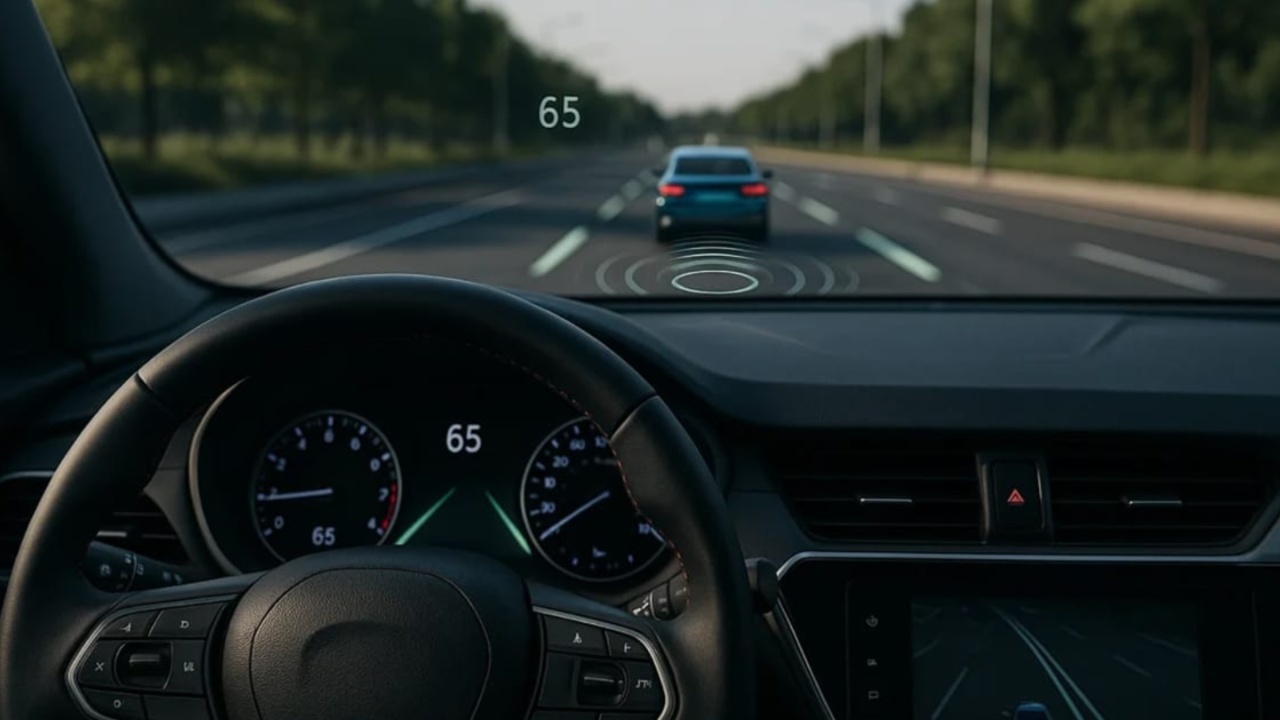
Safety technology can make a higher trim worth considering, especially for families and drivers who regularly travel on busy highways. Depending on the vehicle, upgraded configurations may add blind-spot monitoring, rear cross-traffic alerts, front and rear parking sensors, a surround-view camera, or additional driver-assistance functions.
Some features are standard across the entire model range, so buyers should verify the equipment list before paying extra. When an upgrade supplies a genuinely useful feature that is unavailable on the base model, its practical value can outweigh cosmetic improvements.
Blind-spot monitoring can alert a driver when a vehicle occupies an area that is difficult to see in the mirrors. Rear cross-traffic alerts may be helpful when backing out of crowded parking spaces, especially when nearby vehicles obstruct the view. Parking sensors can provide useful warnings around walls, posts, and other obstacles.
A surround-view camera can display a composite image of the vehicle’s surroundings, making tight parking maneuvers easier. These systems have limitations, and drivers must remain attentive, check their surroundings, and use mirrors rather than relying entirely on electronic assistance.
Adaptive cruise control is another feature worth evaluating on vehicles equipped with it. Depending on the system, it can automatically adjust speed to maintain a selected following distance from traffic ahead. Certain systems can also work with lane-centering assistance under specific conditions.
These technologies may reduce some of the effort involved in long highway journeys, but they do not turn a passenger vehicle into a self-driving car. Drivers remain responsible for monitoring traffic, staying alert, and following the operating instructions provided by the manufacturer.

3. Hybrid and Fuel-Efficient Trims for High-Mileage Drivers
Fuel costs are an important consideration for Americans who drive long distances each week. A hybrid version of a popular sedan or SUV may cost more initially than its conventional gasoline counterpart, but the difference can be worthwhile for drivers who accumulate substantial mileage.
Hybrid systems combine a gasoline engine with an electric motor and battery, allowing the vehicle to use energy more efficiently under suitable conditions. Many conventional hybrids recharge their batteries through regenerative braking and engine operation, so they do not require plugging into an electrical outlet.
The potential savings depend on several factors, including annual mileage, fuel prices, driving conditions, and the difference in purchase price. Hybrid systems often perform particularly well in stop-and-go traffic because they can recover energy during braking and operate the gasoline engine less frequently under suitable conditions.
Highway mileage advantages vary by vehicle design and speed. A buyer who drives thousands of miles annually may see meaningful fuel savings, while someone who makes occasional short trips may need considerably longer to recover the initial price premium.
To estimate whether a hybrid trim makes financial sense, compare the official fuel-economy ratings of the specific vehicles you are considering. The US Environmental Protection Agency provides fuel-economy information that can help buyers estimate annual fuel expenses.
Multiply expected yearly mileage by the estimated fuel cost per mile for each vehicle, then compare the difference with the upfront price premium. Remember to include insurance, maintenance, financing, and other ownership expenses when making a full comparison. This approach provides a more useful estimate than relying on a manufacturer’s advertised maximum fuel-economy figure alone.
4. Trims With All-Wheel Drive for Snowy and Challenging Conditions
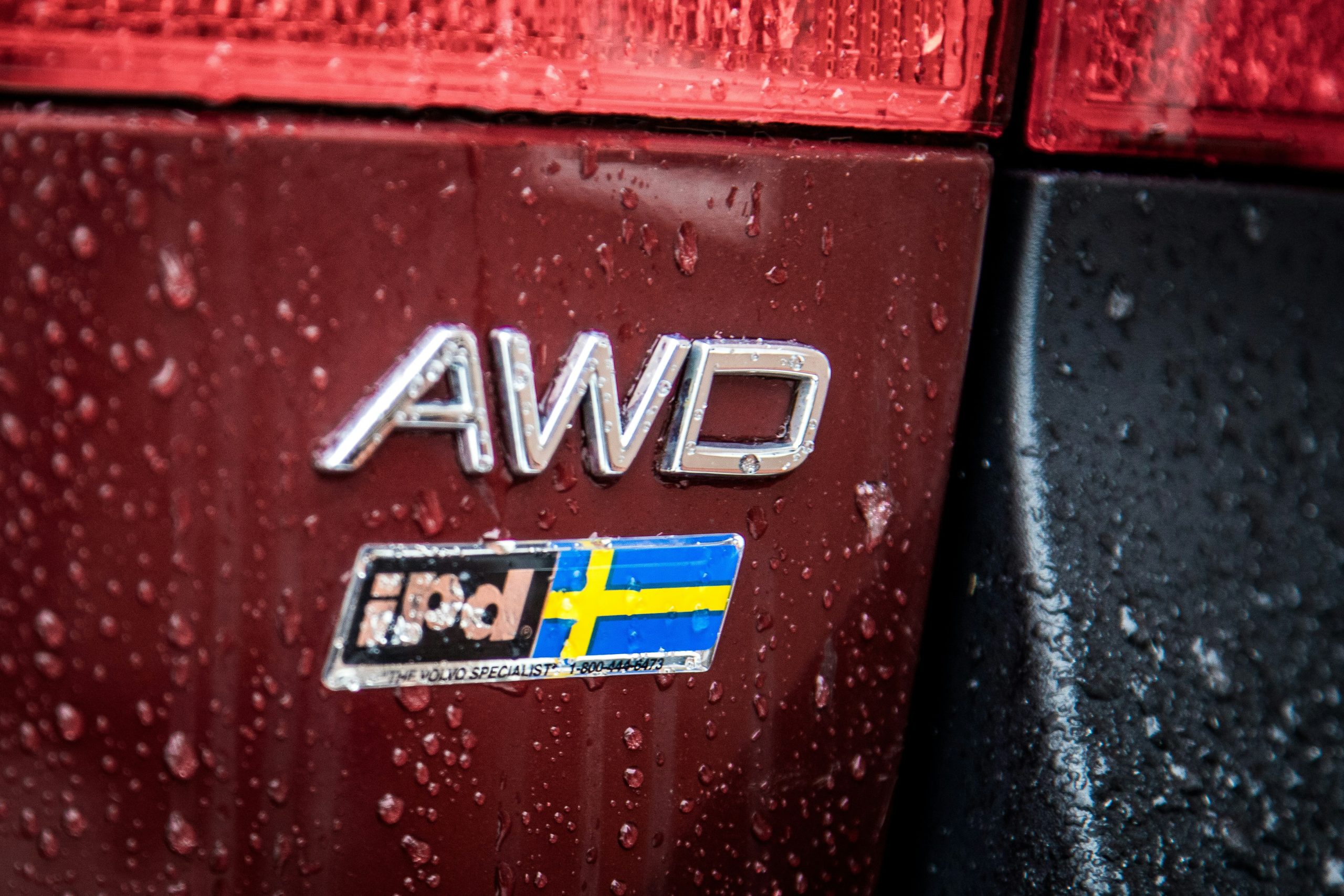
All-wheel drive can be a valuable upgrade for drivers who regularly encounter snow, rain, gravel, or steep roads. Many crossovers and SUVs offer it as an option or reserve it for particular trims.
The system distributes power between the wheels according to its design and operating conditions, helping the vehicle maintain traction when the available grip varies. For people living in mountainous areas or regions with frequent winter weather, this capability can provide additional confidence when conditions become difficult.
Drivers in states such as Colorado, Vermont, Montana, and parts of the Pacific Northwest may find all-wheel drive useful depending on their routes and local weather. Steep driveways, unpaved roads, and frequent trips to ski areas can increase its practical appeal.
In contrast, someone living in a mild climate who primarily drives on well-maintained city streets may have little reason to pay for it. The decision should reflect the roads you regularly travel rather than assumptions that every SUV needs power sent to all four wheels.
One important distinction is that all-wheel drive does not automatically improve braking performance. It can help a vehicle accelerate on slippery surfaces, but stopping depends on tire grip, road conditions, vehicle speed, and braking systems.
Winter tires can provide substantial traction benefits in cold, snowy conditions, including for many two-wheel-drive vehicles. Drivers should also maintain safe following distances and avoid abrupt maneuvers on slick roads. Choosing an all-wheel-drive trim is not a substitute for appropriate tires or careful driving.
5. Trims With Useful Infotainment and Smartphone Connectivity
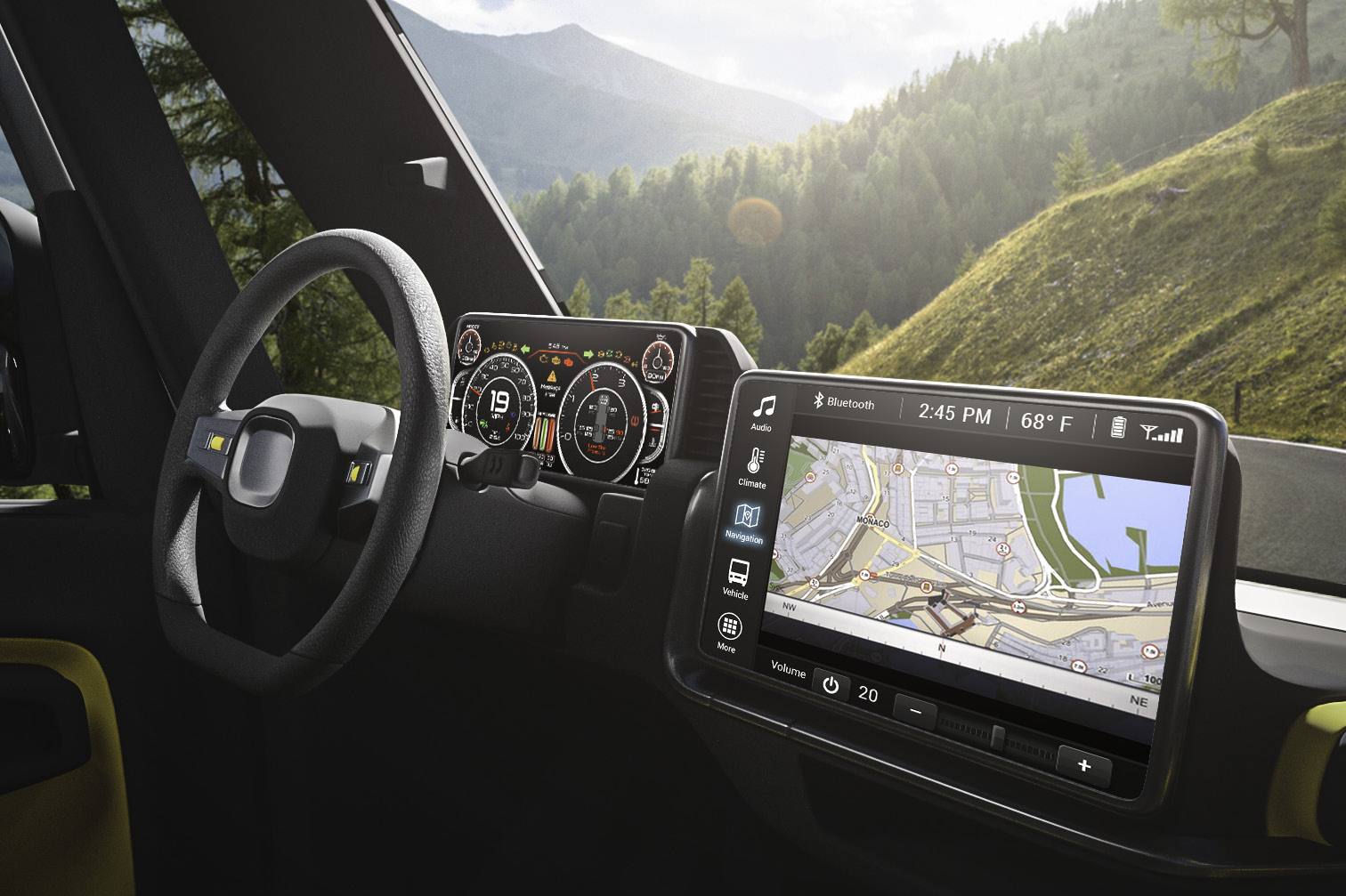
Technology is now a major part of the new-car buying experience in the United States. A higher trim may provide a larger touchscreen, built-in navigation, wireless smartphone integration, a premium sound system, or additional charging connections.
Some of these features improve everyday convenience, particularly for people who use navigation frequently or spend hours commuting. However, the value depends on what the base model already includes. Many affordable vehicles now offer Apple CarPlay or Android Auto, which can reduce the need to pay extra for built-in navigation.
Wireless smartphone integration can make entering the vehicle and connecting a phone more convenient. A larger screen may improve readability, while additional USB ports can help families keep devices charged on long journeys.
Physical controls for frequently used functions may also make a system easier to operate. Buyers should assess screen responsiveness, menu organization, voice recognition, and the location of important controls rather than judging a system solely by display size or advertised technology.
A premium audio system can be worthwhile for drivers who listen to music or podcasts for much of their travel. Better speakers, additional amplification, and improved sound tuning may create a more satisfying listening experience.
Yet audio quality is subjective, and a branded sound system does not guarantee that every listener will prefer it. Test the system using familiar music at a normal listening level, and consider whether the improvement is large enough to justify the price difference.

6. Luxury Appearance Trims With Expensive Cosmetic Additions
Automakers often offer appearance-focused trims with distinctive grilles, dark exterior accents, sportier bumpers, special badges, and upgraded interior decoration. These versions can make a familiar vehicle look more exclusive, but the additional equipment may have little effect on everyday comfort or transportation costs.
For buyers working within a firm budget, paying substantially more for visual differences can leave less money available for insurance, maintenance, fuel, and emergency savings.
The appeal of a special appearance package is understandable. Some drivers prefer blacked-out exterior details, unique paint colors, contrasting stitching, or a more aggressive design. These features can make a vehicle feel more personal, particularly when the styling is difficult or expensive to reproduce with aftermarket parts.
If the appearance genuinely matters to you and the added price is manageable, the upgrade can still be a reasonable personal choice. The concern is assuming that a more expensive-looking vehicle necessarily offers better value.
Appearance packages sometimes include useful equipment, so buyers should not dismiss every version automatically. A particular trim may combine its exterior styling with heated seats, improved lighting, upgraded upholstery, or additional driver-assistance features.
The correct comparison involves identifying each item included in the package and deciding whether those items justify the price. If the only meaningful changes are decorative, the less expensive configuration will usually provide similar basic transportation.
7. Premium Trims With Oversized Wheels and Low-Profile Tires
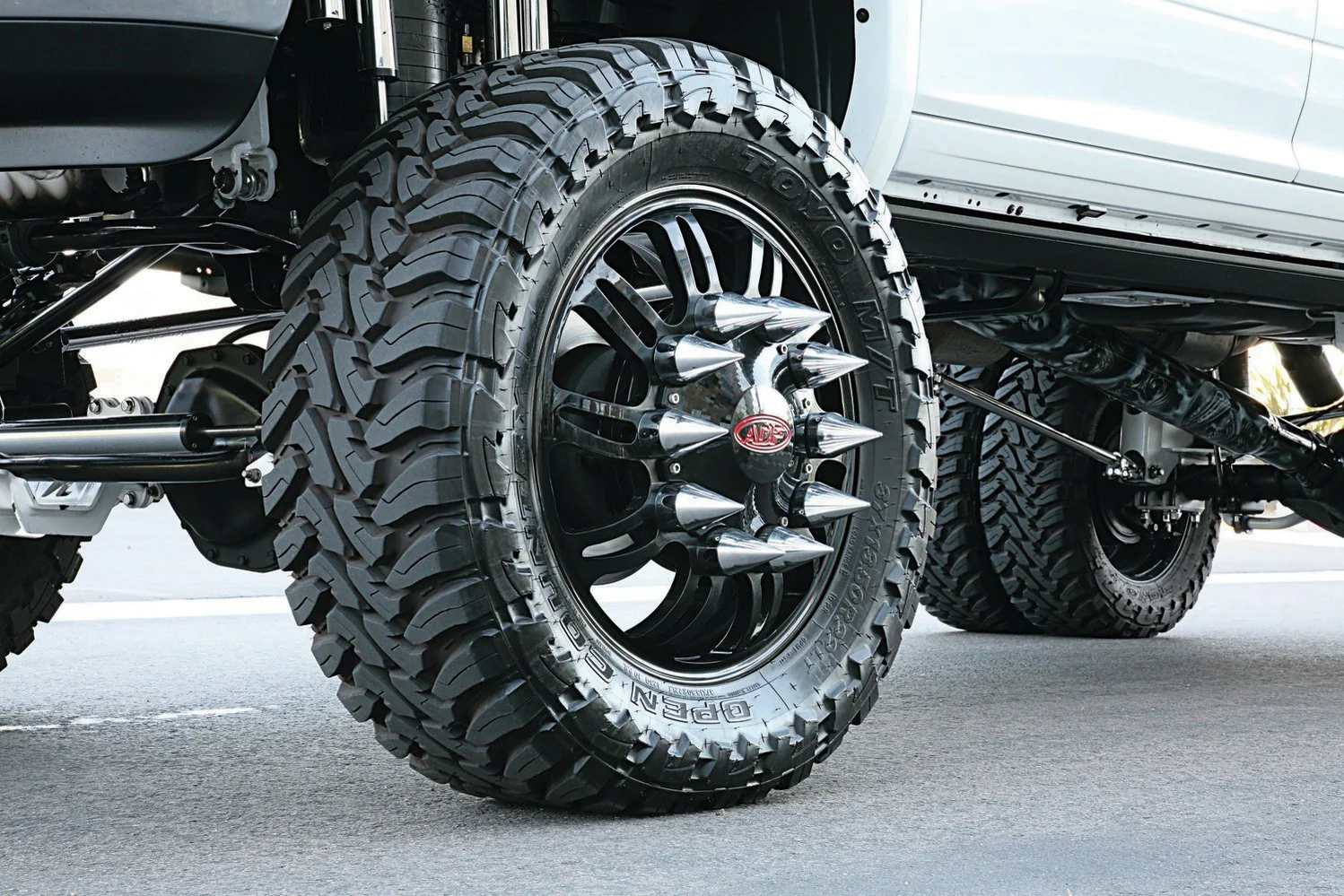
Large alloy wheels can give a car or SUV a striking appearance, and manufacturers often use them to distinguish premium trims. However, larger wheels frequently come with lower-profile tires, which have shorter sidewalls between the road and the wheel.
Depending on the vehicle, this combination may produce a firmer ride and make the tires or wheels more vulnerable to damage from potholes and rough pavement. Drivers who regularly travel on deteriorated roads should carefully evaluate the practical consequences before choosing this upgrade.
Ride comfort depends on several factors, including suspension tuning, tire construction, tire pressure, and the vehicle’s design. A larger wheel does not automatically make a car uncomfortable, since some vehicles are engineered to accommodate larger wheels effectively.
Even so, the difference between wheel packages can be noticeable during a test drive over uneven surfaces. Buyers should try the exact configuration they intend to purchase rather than relying on a review of a different trim with different wheels and tires.
Replacement costs deserve attention as well. Larger wheels and specialized tire sizes can cost more to replace than smaller, common alternatives. A damaged alloy wheel may also be expensive to repair or replace, depending on its construction and availability.
Drivers who frequently encounter potholes, construction zones, or rough rural roads should compare tire prices before committing to the premium package. These recurring costs can make a seemingly small factory upgrade more expensive over several years of ownership.

8. Top-Tier Luxury Trims Packed With Features You Rarely Use
Top-tier trims often bundle numerous features into a single premium package. Depending on the vehicle, these may include ventilated or massaging seats, extensive ambient lighting, panoramic sunroofs, rear-seat entertainment, upgraded leather, and additional electronic controls.
Such equipment can make a car feel more luxurious, but its usefulness depends heavily on how the vehicle is driven and who occupies it. Buyers should distinguish between features that improve regular travel and those that merely sound impressive in a showroom.
Massaging seats and elaborate interior lighting may appeal to people who enjoy premium amenities, while rear-seat entertainment can be useful for families with children. Ventilated seats may be particularly attractive in hot climates, depending on their design and effectiveness.
However, drivers who spend little time in the vehicle or rarely carry rear passengers may gain limited benefit from expensive cabin equipment. The key question is whether the feature will meaningfully improve the experience often enough to justify its cost.
Higher trims can also introduce additional electronic components and mechanisms. Power-operated accessories, complex seat systems, panoramic roof mechanisms, and advanced displays may require repairs if they fail outside the warranty period. This does not mean premium vehicles are automatically unreliable.
It means buyers should consider potential repair exposure alongside purchase price, warranty coverage, and expected ownership duration. A feature that seems appealing today may become less attractive if maintaining it proves costly years later.
9. Performance Trims That Add Power You Do Not Need
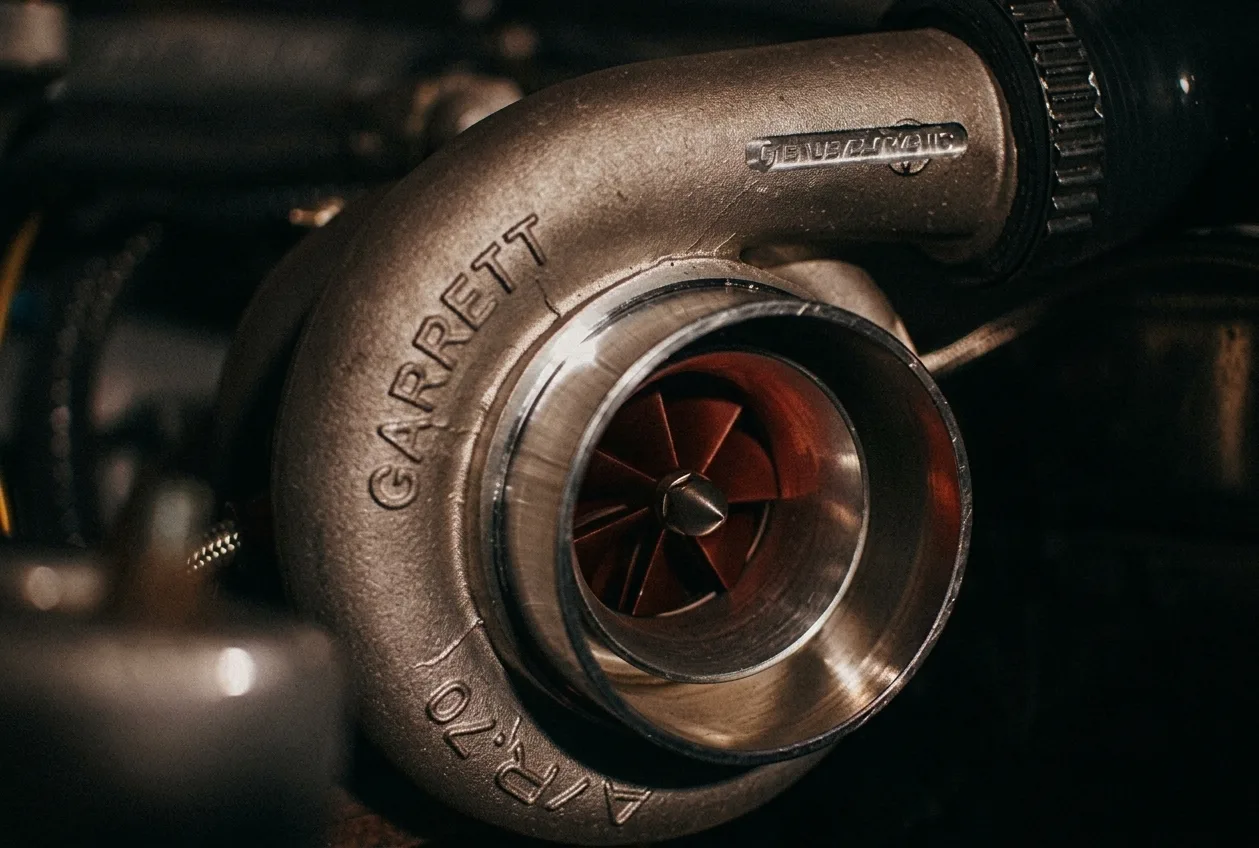
Performance-oriented trims can transform the character of a vehicle through stronger engines, sport-tuned suspension, upgraded brakes, and distinctive styling. For driving enthusiasts, these changes can deliver genuine enjoyment.
However, many buyers use their vehicles primarily for commuting, errands, school runs, and highway travel. In those situations, a high-performance engine may provide capabilities that are rarely needed, while increasing purchase price and potentially raising fuel and insurance expenses.
More power can be appealing during highway merging or passing maneuvers, but a modern mainstream vehicle may already provide sufficient acceleration for everyday needs. Buyers should assess the engine’s real-world performance during a test drive, including how smoothly it responds in traffic and at highway speeds.
A larger engine does not automatically make a vehicle more enjoyable in every situation. Throttle response, transmission tuning, visibility, ride quality, and handling can be equally important.
Performance trims may also have higher running costs. Some use premium-grade gasoline, wider tires, specialized brake components, or other parts that cost more to replace. Insurance premiums depend on the vehicle, driver profile, location, coverage, and insurer, so buyers should obtain quotes before deciding.
Fuel consumption can increase when the vehicle is driven aggressively, and certain high-performance models have different maintenance schedules from their standard counterparts.
10. Trims With Expensive Packages That Bundle Unnecessary Options
Option packages can simplify car shopping by combining several features into a single purchase. A technology package might include upgraded lighting, additional cameras, improved audio, and advanced driver assistance. A luxury package could combine premium upholstery, power seats, and decorative interior details.
Bundling can offer savings compared with purchasing separate options, but it can also require buyers to pay for equipment they do not want. The package’s value depends on its contents and the price difference between configurations.
Start by requesting a clear breakdown of the package rather than relying on its marketing name. Terms such as premium, convenience, and technology do not have consistent meanings across automakers.
One manufacturer’s convenience package may include genuinely useful equipment, while another may focus on features that matter mainly to a narrow group of buyers. Compare the official equipment lists line by line and identify which items are standard, optional, or unavailable on lower trims.
It is also important to distinguish factory options from dealership add-ons. Dealer-installed accessories and protection products may include paint treatments, interior coatings, wheel protection, security systems, and other extras.
Some buyers find certain products useful, but the advertised value does not automatically justify the selling price. Ask for an itemized out-the-door quote, including taxes, registration, documentation charges, accessories, and any optional products. This makes it easier to compare offers between dealerships without overlooking costs.
