

Buying a new car involves more than comparing horsepower, technology, and comfort. The trim level you choose can also affect how much money you recover when selling or trading it in. In the United States, Kelley Blue Book (KBB) provides vehicle valuation tools that help shoppers understand resale values, depreciation, and market demand.
Higher trims often carry expensive features that do not translate into equal resale gains. Certain mid-level, off-road, hybrid, and performance-oriented trims can offer a stronger balance of purchase price and future value. Understanding these differences helps buyers make informed decisions before signing a deal.
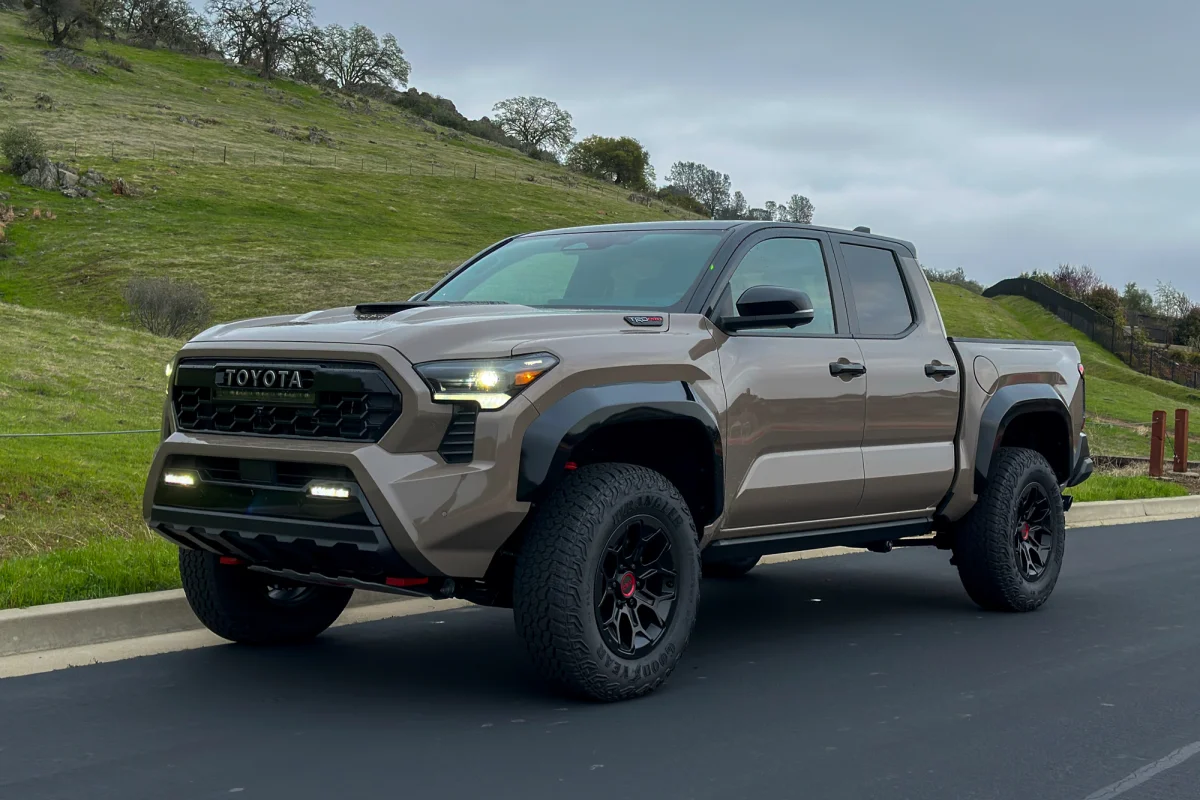
1. Toyota Tacoma TRD Off-Road
The Toyota Tacoma has a strong reputation in the American midsize pickup market, supported by demand for durable trucks, four-wheel-drive capability, and useful everyday practicality.
KBB named the 2026 Tacoma the best-resale-value vehicle in its 2026 awards, estimating that it would retain 63.0% of its original value after five years. This is a model-level figure, not a confirmed residual percentage for every Tacoma trim. Even so, it makes the truck a sensible starting point for buyers who want to investigate resale-conscious configurations.
The TRD Off-Road is worth considering for shoppers who need trail capability but do not necessarily want the most expensive Tacoma configuration. Depending on model year and equipment, this trim can provide four-wheel drive, off-road-oriented suspension components, terrain-focused driving technology, and practical cabin features.
Those additions address needs that used-truck shoppers may actively search for. A buyer who frequently visits camping areas, works on rural property, or drives unpaved roads may find the equipment more useful than cosmetic upgrades or luxury amenities.
The TRD Pro sits higher in the lineup and brings specialized hardware and styling. Its equipment may be attractive to dedicated off-road drivers, yet the higher sticker price creates a larger amount of money that must be recovered when the vehicle is sold. Exclusive suspension components, unique trim details, and specialized tires can appeal to a smaller group of buyers than the broader combination of utility and capability offered by a less expensive configuration.
That does not prove the TRD Pro depreciates faster in percentage terms. It means buyers should calculate whether its additional cost is justified by its likely resale advantage and the benefits they will use.
KBB’s individual trim information illustrates why a trim-specific comparison matters. Its page for the 2026 Tacoma Double Cab TRD Off-Road lists a five-year depreciation estimate of $15,971 and a residual value of $28,339. These are estimates for that particular configuration and may change as market conditions and valuation assumptions change.
They should not be interpreted as the resale outcome for every Tacoma or as proof that the TRD Off-Road beats the TRD Pro. Check the corresponding flagship configuration using the same assumptions before drawing that conclusion.
For a buyer who wants an everyday pickup with serious recreational ability, the TRD Off-Road deserves a place on the shortlist. Compare the actual dealer discount, optional equipment, four-wheel-drive configuration, expected annual mileage, and insurance costs before choosing.
A discounted TRD Pro could narrow the price gap, while an unusually expensive TRD Off-Road could erase its financial advantage. The smartest purchase is the configuration whose extra capabilities have real value to you and whose estimated resale price supports the amount you pay today.
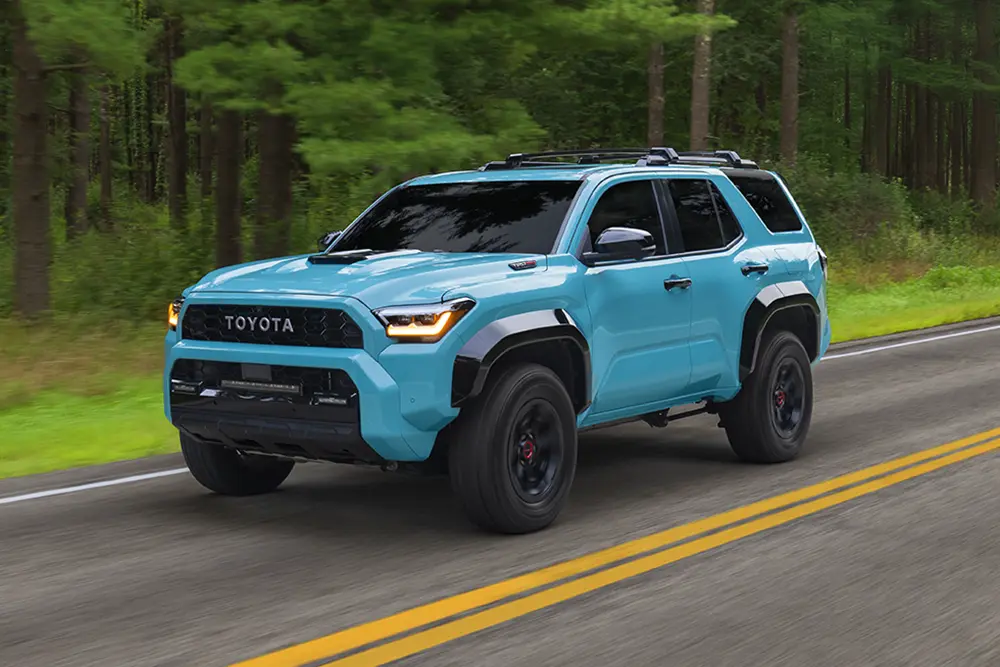
2. Toyota 4Runner TRD Off-Road
The Toyota 4Runner is a body-on-frame SUV designed for buyers who value rugged construction, utility, and available off-road equipment. KBB selected the 2026 4Runner as its best-resale-value winner in the off-road SUV category and estimated five-year value retention at 58.0% in its model-level ranking.
That figure offers a useful indication of the nameplate’s expected resale strength, but it does not establish a universal percentage for every trim or drivetrain. Equipment, condition, mileage, and local demand can produce meaningful differences between individual vehicles.
The TRD Off-Road configuration can be appealing to drivers who want a vehicle suitable for weekend trails, outdoor recreation, and ordinary commuting. Depending on the model year, it may provide off-road-focused drive settings, specialized suspension tuning, and equipment intended to improve traction on uneven surfaces.
Buyers who regularly travel on gravel roads or visit remote recreation areas may benefit from these features. Used shoppers looking for an adventure-ready SUV may also see value in a configuration that delivers useful capability without requiring the cost of every available luxury feature.
More expensive 4Runner versions can add distinctive styling, premium cabin appointments, upgraded technology, or specialized equipment. These additions may make the ownership experience more enjoyable, especially for drivers who spend long hours behind the wheel. Their financial value at resale is less predictable.
A feature that commands a substantial premium when new might have a modest effect on a used vehicle’s asking price. Specialized equipment can also increase replacement costs if it becomes damaged, making condition and maintenance history important factors for prospective buyers.
To test the TRD Off-Road’s value proposition, compare it directly with the highest-priced 4Runner configuration available for the same model year. Record each trim’s original MSRP, realistic transaction price, and estimated five-year residual.
Calculate the percentage retained by dividing the residual by the relevant starting price, then calculate the dollar depreciation separately. A flagship may retain a higher percentage but still cost more in lost dollars. The reverse is possible too, which is why the trim comparison must rely on actual estimates rather than assumptions about the badge.
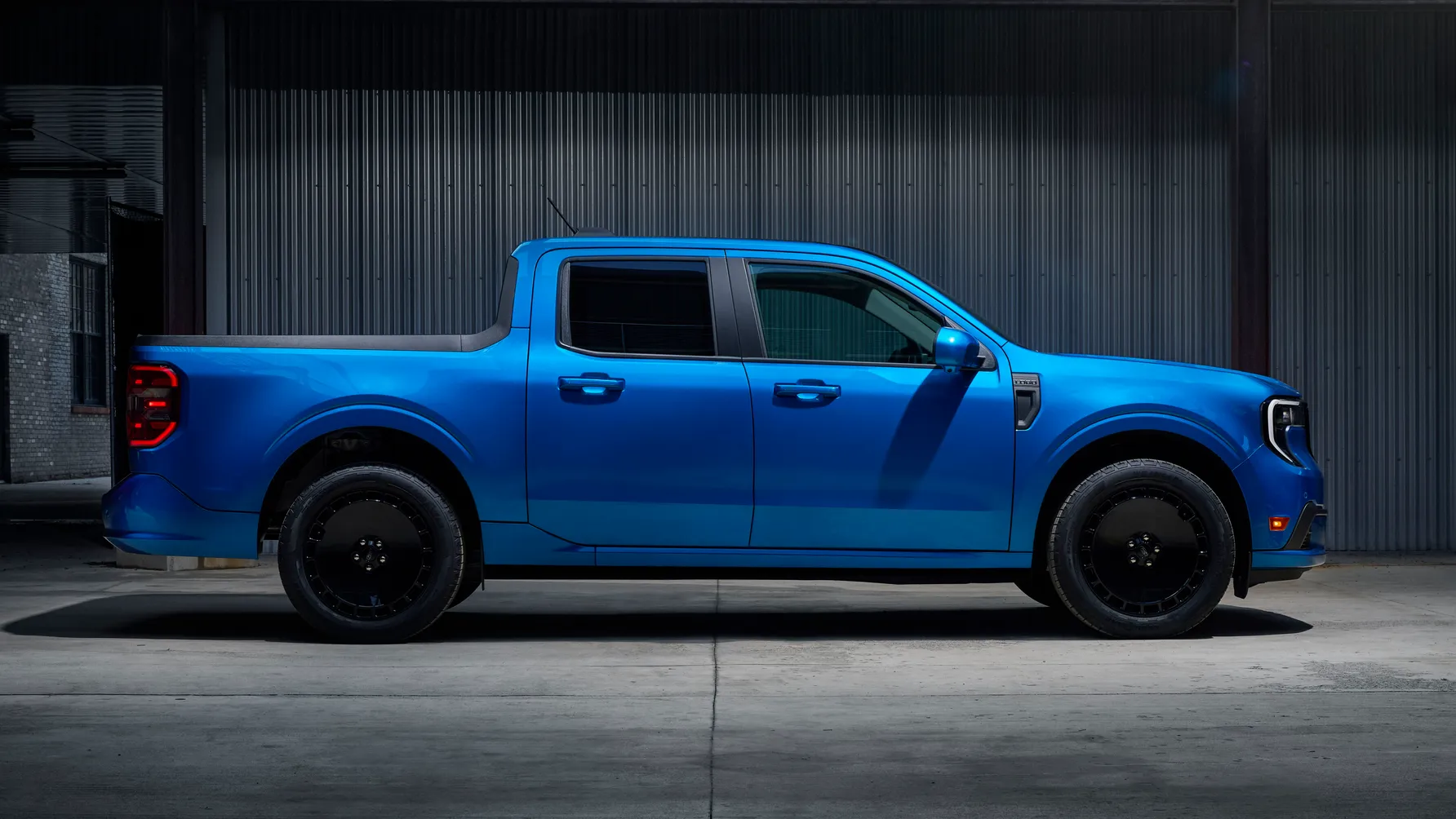
3. Ford F-150 XLT and Ford Maverick XLT
The Ford F-150 XLT is a useful candidate for buyers who want a full-size pickup without paying for the most expensive luxury or performance configuration. The F-150 serves a broad customer base, including contractors, families, outdoor enthusiasts, and drivers who need towing or hauling capability.
The XLT generally sits above the entry-level trim and offers a mix of convenience, technology, and practical equipment. Its position in the lineup can make it attractive to used buyers who want more features than a basic work truck provides without paying flagship prices.
The F-150’s resale performance depends on factors that extend beyond the trim badge. Engine selection, cab style, bed length, four-wheel drive, towing equipment, and regional demand can all influence its future selling price. A properly equipped XLT may suit buyers who need a capable truck for work and family duties, which can widen its potential audience.
A higher-priced Platinum or Raptor may appeal to shoppers seeking luxury or specialized performance, but those buyers represent a more specific segment. A fair comparison should consider the cost of each configuration and the equipment that secondhand shoppers actually want.
The Ford Maverick XLT offers a different approach to value. This compact pickup is designed for drivers who want an open cargo bed and everyday utility without moving into the size and expense of a full-size truck. KBB named the 2026 Maverick the best-resale-value compact pickup in its awards, with a model-level five-year retention estimate of 54.1%.
That makes it a relevant option for budget-conscious buyers who need practical truck functionality. The figure applies to the model ranking, not specifically to the XLT trim.
Compared with a higher-priced Maverick configuration, the XLT may provide an appealing balance of cost and equipment. Its suitability depends on the engine and drivetrain selected, the features included in the particular model year, and the price offered by the dealer.
Buyers should also check whether a hybrid or gasoline powertrain better matches their driving routine. Fuel savings can reduce ownership expenses, but they are separate from residual value and should not be mistaken for proof of stronger resale performance. The right choice depends on the total cost of ownership rather than a single percentage.
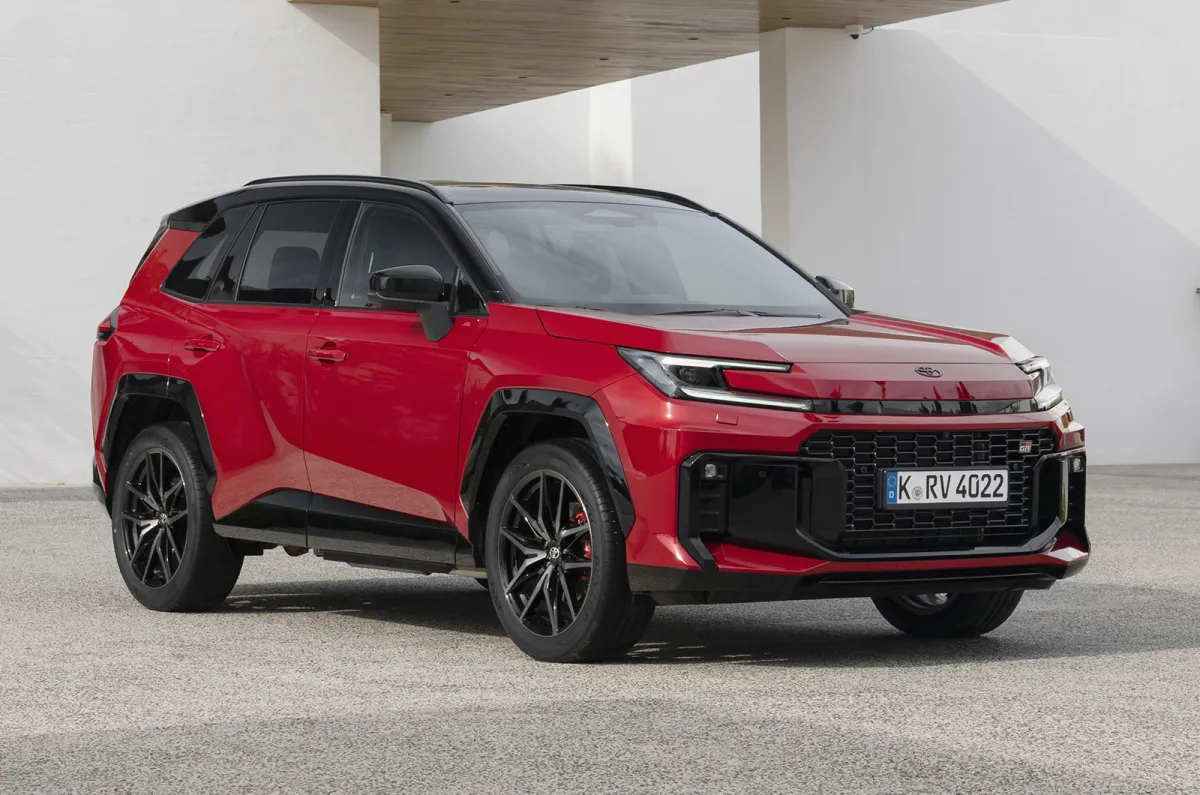
4. Honda CR-V Hybrid Sport-L and Toyota RAV4
The Honda CR-V Hybrid Sport-L is worth considering for buyers who want a family-friendly SUV with a hybrid powertrain and a comfortable set of everyday features. The CR-V competes in a large segment where shoppers often prioritize fuel economy, passenger space, reliability history, safety equipment, and manageable running costs.
A well-equipped mid-to-upper trim can provide a useful middle ground between a basic model and the most expensive version. This combination can be appealing to secondhand shoppers who want modern conveniences without paying for every premium option available.
The Sport-L’s financial advantage depends on its price relative to the Sport Touring and the resale estimates for both versions. KBB’s published page for the 2025 CR-V Hybrid Sport-L lists a five-year depreciation estimate of $19,939 and a residual value of $19,106.
These are configuration-specific estimates shown in KBB’s cost-to-own information, rather than a universal percentage that applies to every CR-V Hybrid. A direct comparison with the Sport Touring using the same model year and valuation assumptions would be necessary to establish which trim retains more value.
The Toyota RAV4 Hybrid XLE Premium is another sensible trim to investigate. The RAV4 has broad appeal among American drivers seeking a compact SUV with practical cargo space, available all-wheel drive, and a fuel-efficient powertrain.
The XLE Premium typically targets buyers who want additional comfort and convenience compared with an entry-level configuration. Its position can make it a useful comparison point against a higher-priced Limited version, particularly when the buyer values everyday comfort more than additional luxury appointments.
Hybrid demand can support used-car interest when shoppers want to reduce fuel consumption without switching to a fully electric vehicle. Still, resale outcomes depend on the age of the vehicle, battery and powertrain condition, fuel prices, warranty coverage, and the availability of comparable used examples.
The RAV4 Hybrid’s market appeal should not be treated as proof that the XLE Premium outperforms the Limited in residual percentage. The higher trim might hold a stronger percentage in a particular year, or dealer discounts could change the value equation. Actual KBB estimates are needed to determine the result.
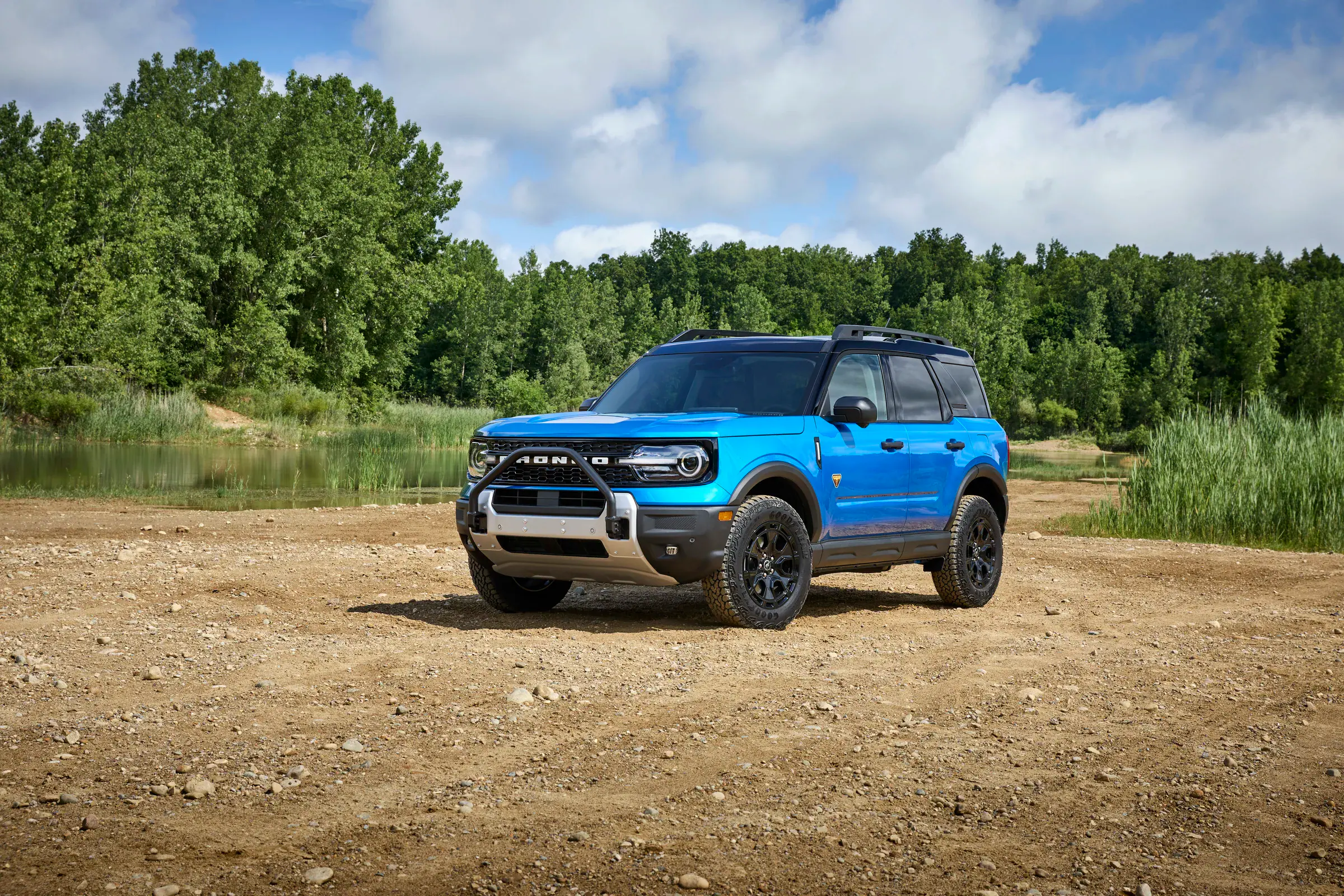
5. Ford Bronco
The Ford Bronco Big Bend is a useful option for drivers attracted to the Bronco’s distinctive design and off-road potential but unwilling to pay for its most specialized variants.
The Bronco has a recognizable identity in the US market, and demand can be influenced by removable body panels, available four-wheel-drive systems, rugged styling, and recreational versatility. Big Bend equipment varies by model year and options, so buyers should confirm the precise specification rather than assume every example has the same capability.
A configuration with the right drivetrain and practical equipment may appeal to used shoppers who want an adventure-oriented SUV.
The Bronco’s more expensive trims can bring enhanced suspension hardware, larger tires, specialized off-road equipment, and exclusive styling. Those additions may be valuable to drivers who regularly tackle demanding trails. For buyers who mainly commute, travel on highways, and take occasional weekend trips, some of that equipment may be unnecessary.
A lower purchase price can reduce the dollars exposed to depreciation, provided the vehicle’s resale value remains competitive. That is a financial rationale for considering Big Bend, not evidence that it has a higher KBB residual percentage than every premium Bronco.
6. Honda Civic Sport and Toyota Prius XLE
The Honda Civic Sport is worth examining for drivers who want a compact car with a modern appearance, practical dimensions, and a broad range of everyday uses. Compact sedans can appeal to commuters, students, first-time buyers, and households seeking a second vehicle.
The Civic also received KBB’s 2026 Best Resale Value Award in the compact car category. That recognition supports investigating the model for its resale potential, but it does not establish that the Sport trim retains a higher percentage of its original price than the most expensive Civic configuration.
The Civic Sport may provide a useful mix of styling and equipment without requiring the buyer to pay for every feature available in the lineup. Before selecting it, compare the actual equipment differences with the Civic’s highest-priced trim.
Depending on model year, the more expensive version may include additional comfort, audio, driver assistance, or powertrain features. These additions can be worthwhile for long-distance commuters, yet buyers should consider how much they will use them and whether the expected resale benefit justifies the additional purchase price.
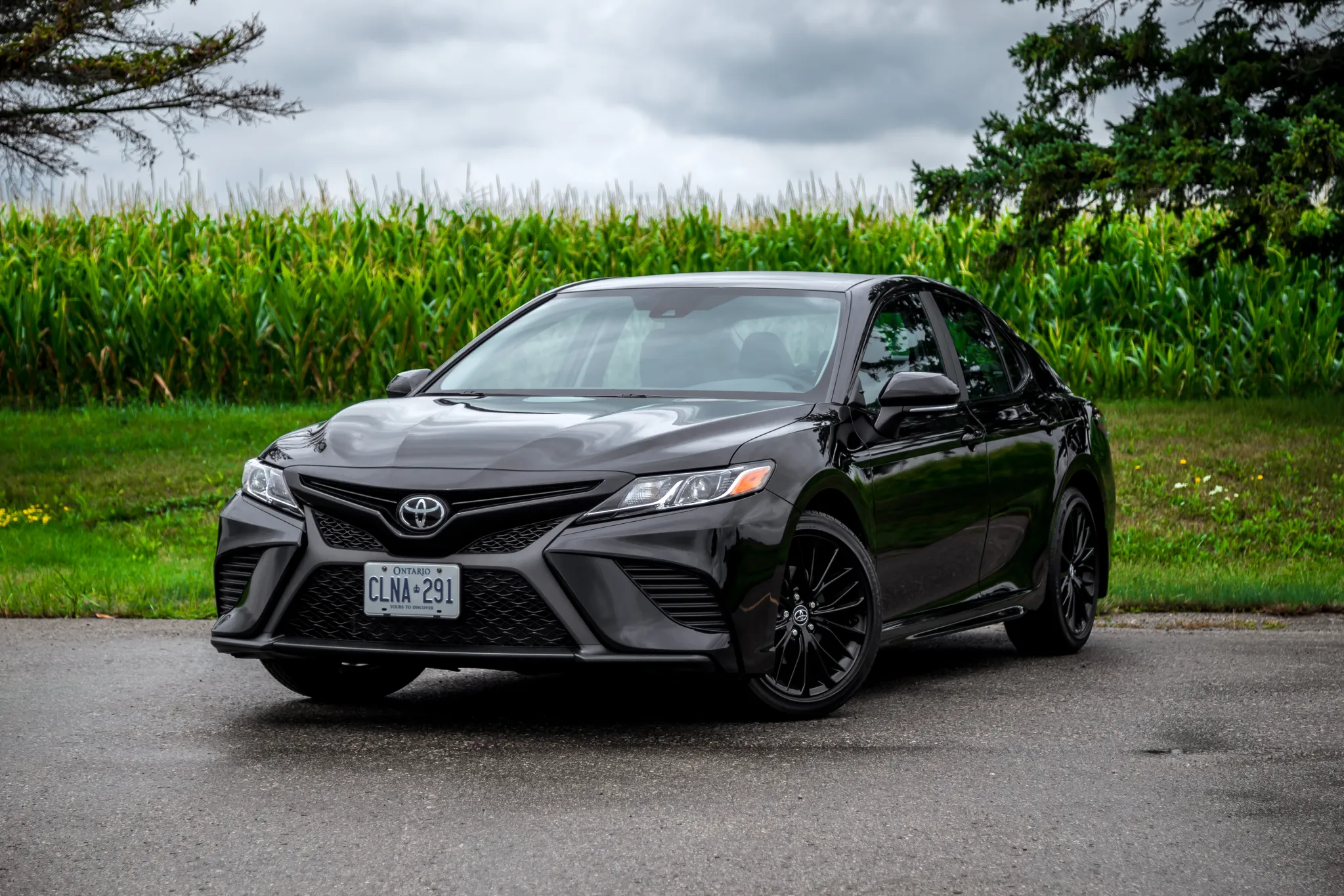
7. Toyota Camry SE
The Toyota Camry SE is a worthwhile addition for buyers seeking a midsize sedan with sporty styling and practical everyday comfort. KBB’s 2026 Best Resale Value Awards estimate that the Camry retains 51.9% of its original value after five years at the model level.
The SE may offer a compelling balance of appearance, equipment, and purchase price compared with the more expensive XSE, but its individual trim residual must be checked separately.
The SE can appeal to commuters and families who want a comfortable sedan without paying extra for every premium feature. Compare its actual transaction price against the XSE, including differences in wheels, interior materials, technology, and available equipment.
The lower purchase price could reduce depreciation in dollars, even if the higher trim retains a similar or greater percentage of its original MSRP.
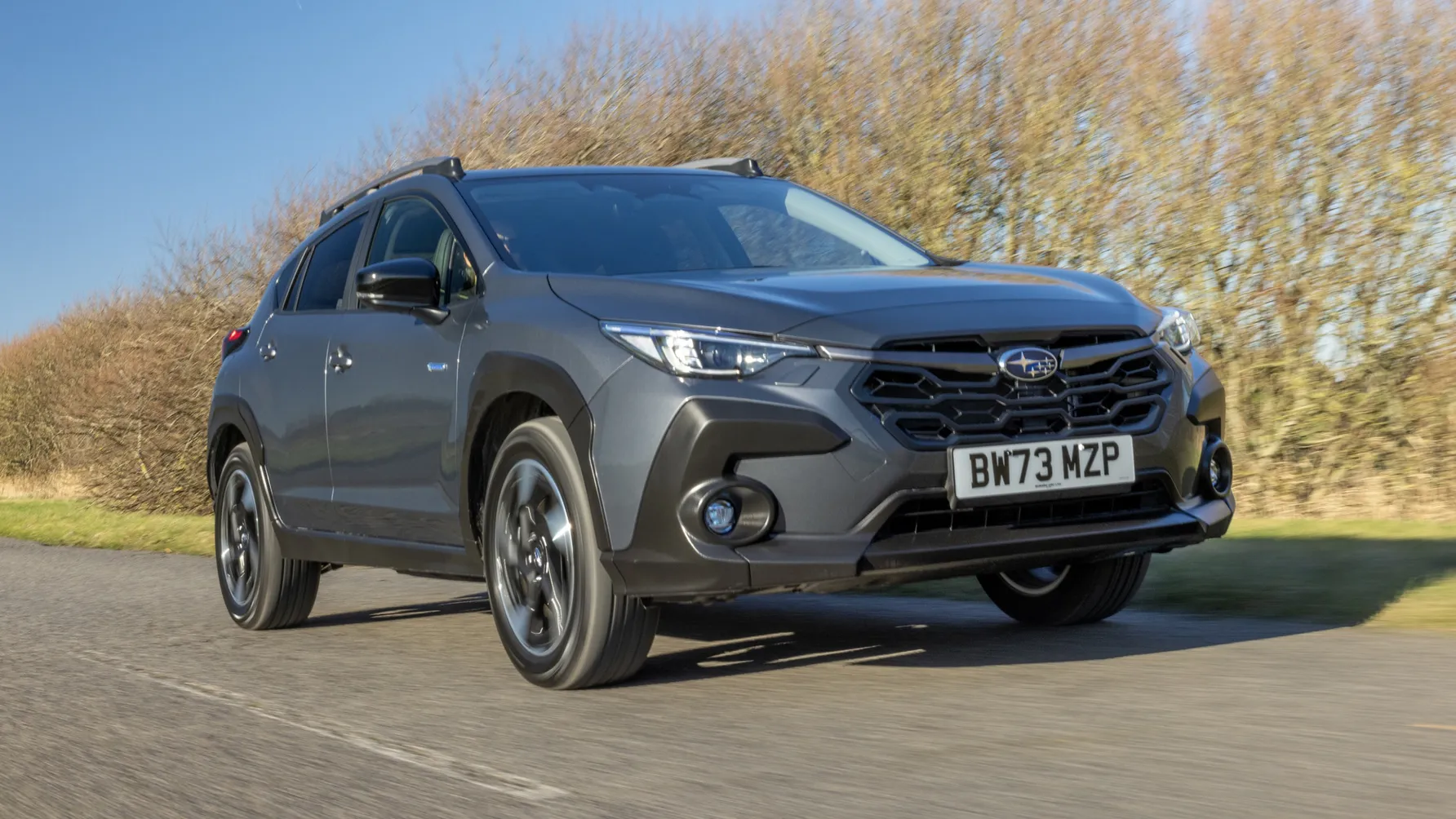
8. Subaru Crosstrek Premium
The Subaru Crosstrek Premium deserves consideration from buyers who need a compact crossover for commuting, outdoor recreation, and changing weather conditions.
Its available all-wheel-drive system and practical ground clearance can appeal to drivers in regions with snow, rain, or rough roads. A Premium configuration may provide useful comfort and convenience features without requiring the higher price of a fully equipped Crosstrek.
When comparing it with the Limited or Wilderness, look closely at the equipment you will use and the actual purchase-price difference. Specialized off-road features may be valuable to some owners, while others may prefer a road-focused configuration.
The Crosstrek’s model-level resale performance provides a useful starting point, but a direct KBB comparison is necessary before claiming that the Premium holds value better than the highest trim.
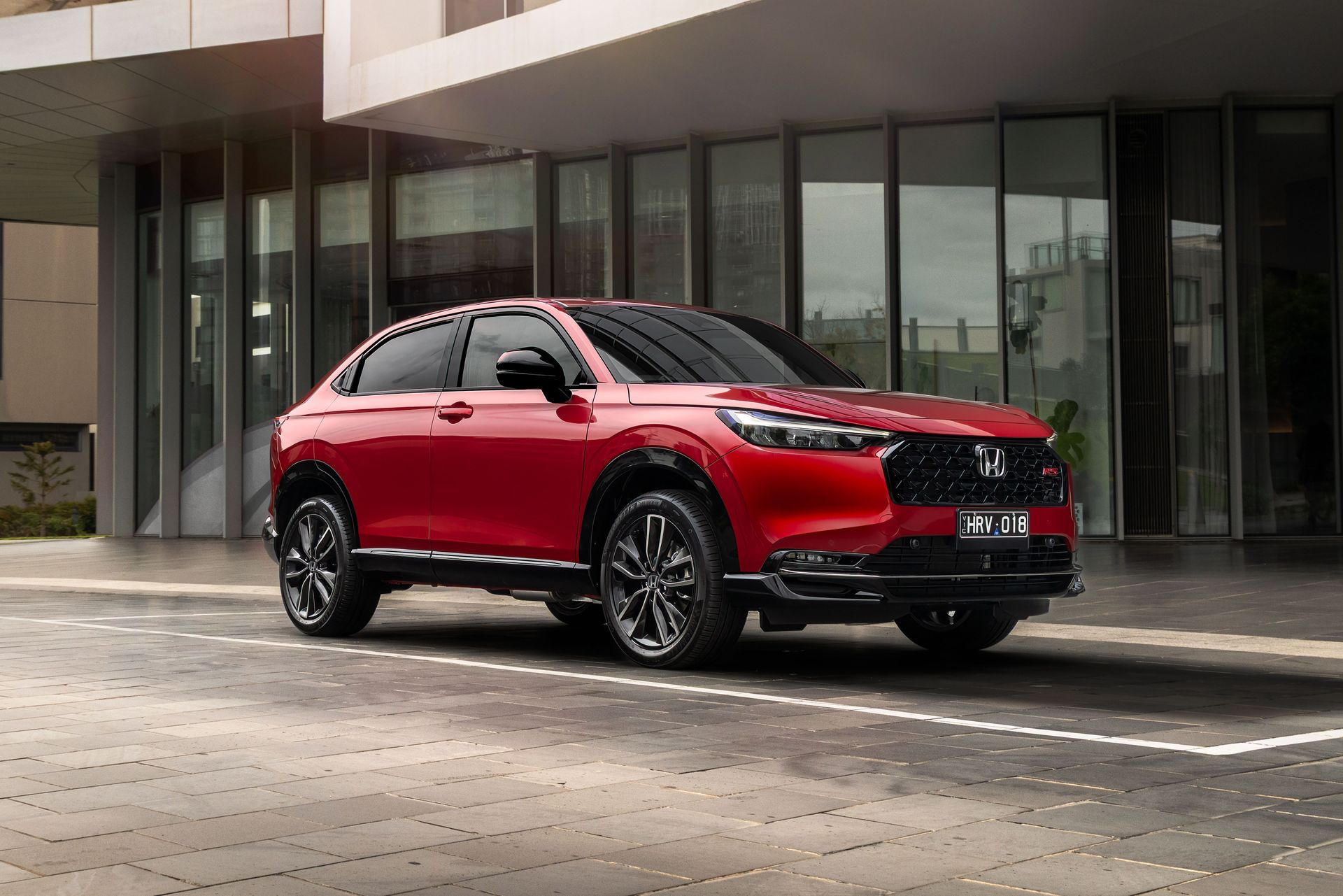
9. Honda HR-V Sport
The Honda HR-V Sport is another trim worth researching for buyers who want a compact SUV with practical passenger space, useful cargo capacity, and everyday maneuverability. KBB named the Honda HR-V its 2026 Best Resale Value winner in the subcompact SUV category.
That recognition supports considering the HR-V for long-term ownership, but it does not establish the Sport’s exact five-year retention percentage.
The Sport may appeal to buyers who want distinctive styling and useful equipment without paying for every feature included in the EX-L. Compare the same model year’s KBB residual estimates, then account for dealer discounts, mileage, and condition. A lower starting price can make the Sport financially attractive, provided its projected resale proceeds remain competitive with those of the higher trim.
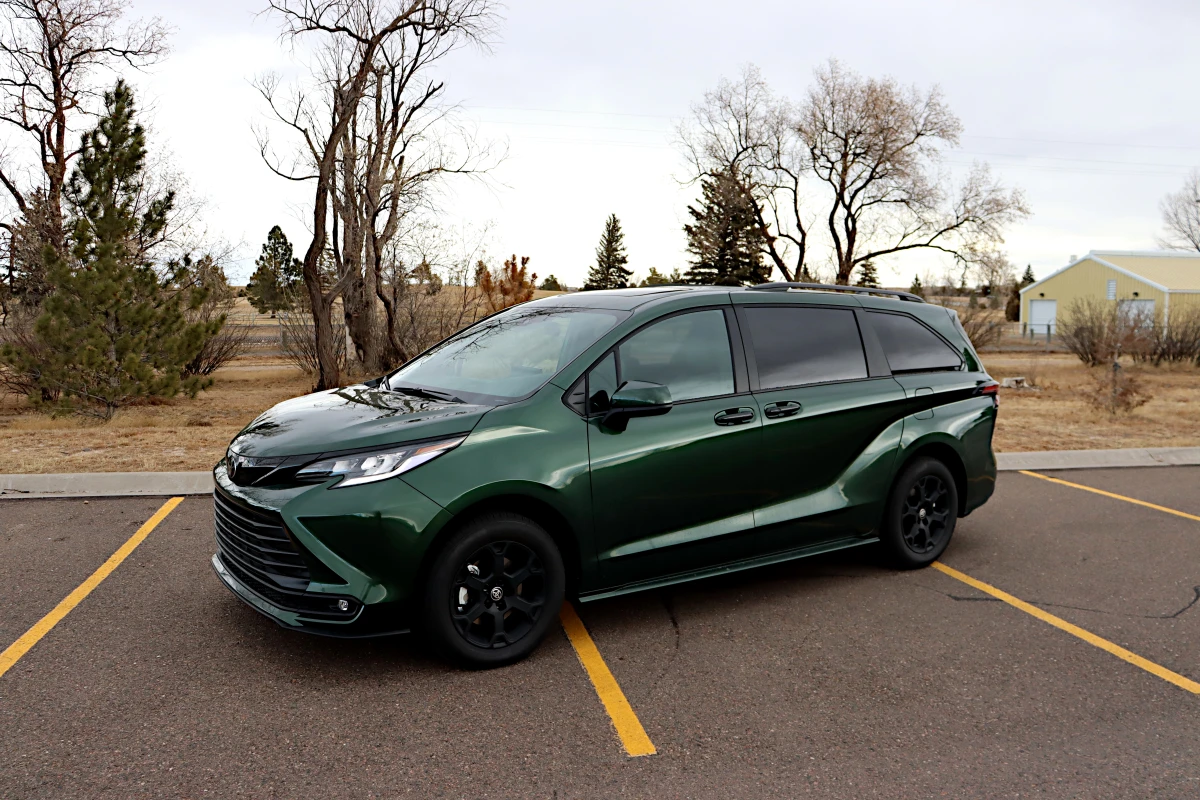
10. Toyota Sienna XLE
The Toyota Sienna XLE is a sensible option for families who need generous passenger space, flexible seating, and everyday practicality. KBB’s 2026 Best Resale Value Awards estimate 54.3% five-year value retention for the Sienna model line. The XLE is worth comparing with the Platinum because many family buyers prioritize comfort and usable space over luxury additions.
Before choosing the XLE, compare its purchase price and estimated residual with those of the Platinum for the same model year.
Consider seating configuration, entertainment features, drivetrain, mileage, and local demand. The XLE could provide a better ownership-cost balance, but only matching trim-level estimates can confirm whether it retains a higher percentage of its original value.
These four vehicles broaden the list of potential candidates but do not establish a verified ranking of trims that retain value better than their respective flagship versions. To substantiate that headline, each trim’s Kelley Blue Book residual value must be compared directly with that of the highest-priced trim in the same model lineup.
