A car engine can last well beyond 100,000 miles when it receives proper maintenance and careful driving. However, certain everyday habits can cause serious damage long before the odometer reaches that milestone.
Skipping oil changes, ignoring warning lights, driving with an overheating engine, and neglecting routine inspections can gradually shorten engine life and lead to expensive repairs.
Many drivers overlook these problems because their vehicles continue running normally until a major failure occurs. Understanding the habits that damage an engine helps drivers protect performance, improve reliability, reduce maintenance costs, and keep their vehicles running smoothly for years.
1. Skipping Regular Engine Oil Changes
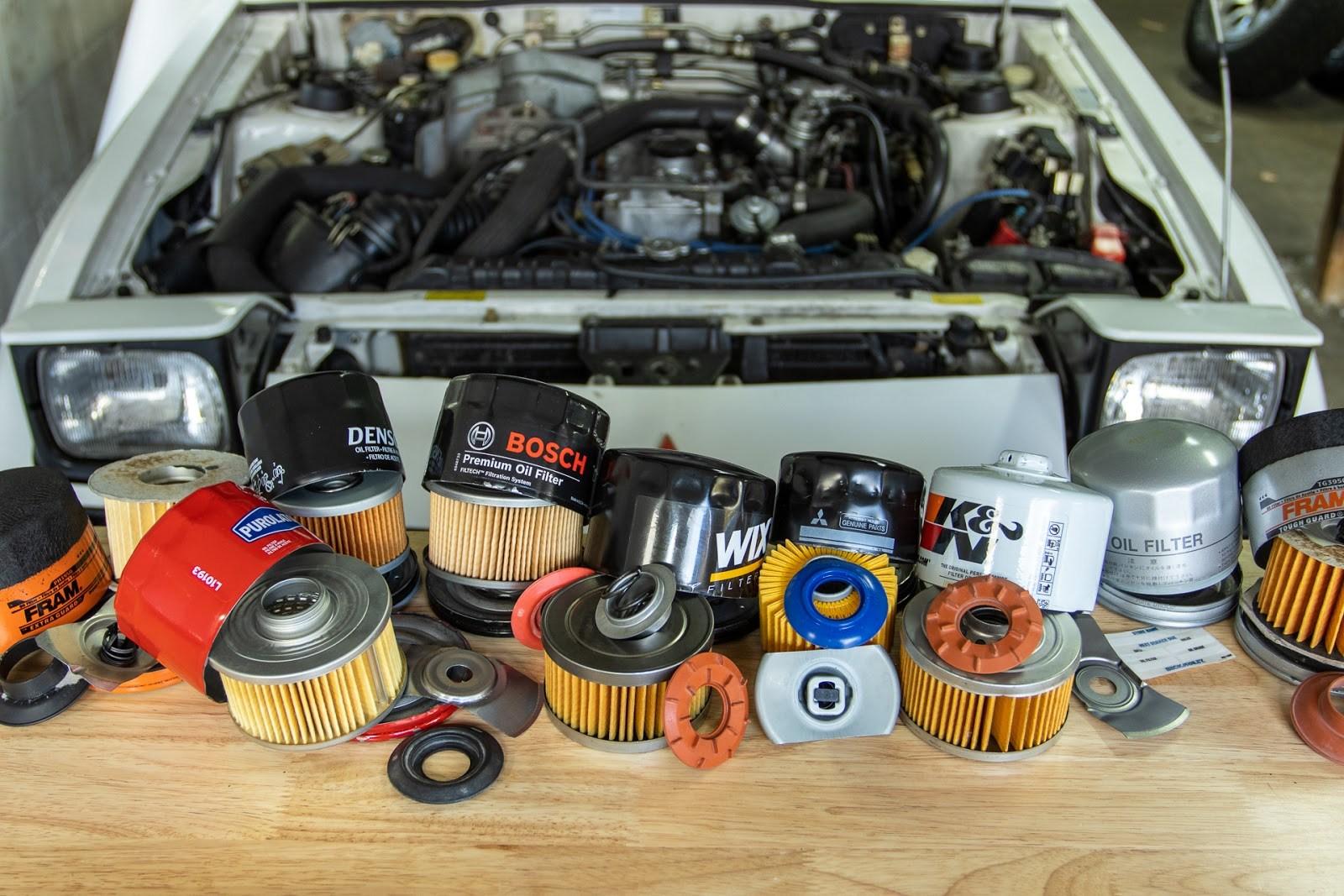
Engine oil plays a critical role in protecting internal engine components from friction, heat, and premature wear. It forms a lubricating film between moving parts, including pistons, crankshaft bearings, camshafts, and other components that operate under substantial pressure.
Over time, oil collects contaminants, experiences chemical degradation, and may lose some of its protective properties. Driving with degraded oil can increase friction and allow damaging deposits to accumulate inside the engine. Drivers who regularly postpone oil changes risk turning an inexpensive maintenance task into a costly mechanical problem.
As engine oil ages, oxidation and contamination can reduce its effectiveness. Dirt, combustion byproducts, and microscopic metal particles may accumulate, while high temperatures accelerate oil degradation. If maintenance intervals are repeatedly exceeded, deposits can develop around oil passages and moving components.
Restricted oil flow may prevent certain engine parts from receiving sufficient lubrication. This can contribute to accelerated bearing wear, increased operating temperatures, and damage to precision surfaces. Severe oil neglect may eventually cause engine seizure, a failure that often requires extensive rebuilding or complete replacement.

2. Ignoring Engine Overheating
An internal combustion engine produces substantial heat while operating. Its cooling system manages that heat through components such as the radiator, coolant passages, water pump, thermostat, cooling fans, and pressure cap. When these parts work correctly, the engine maintains a temperature range suited to efficient combustion and reliable lubrication.
An overheating engine experiences excessive thermal stress, which can affect cylinder heads, gaskets, pistons, seals, and other components. Repeated overheating episodes may gradually weaken parts that would otherwise last for many years under normal operating conditions.
Excessive heat can cause metal components to expand beyond their intended operating limits. Cylinder heads may warp, head gaskets may fail, and engine oil can lose some of its protective ability. In severe cases, pistons can scuff against cylinder walls or internal components can seize.
Modern engines may provide temperature warnings or reduce power to limit damage, but these protective measures cannot guarantee that serious damage will be avoided. Continuing to drive after a temperature warning can turn a repair involving a hose or thermostat into a major engine overhaul.
3. Driving Hard Before the Engine Warms Up
When an engine starts after sitting for several hours, its internal components are generally cooler than their normal operating temperatures. Oil also needs a brief period to circulate through the lubrication system after startup. Modern engines are designed to start reliably in cold conditions, and most do not require lengthy stationary warm-up periods.
However, immediately demanding high engine speeds or heavy acceleration can place unnecessary stress on components that have not reached their intended operating conditions. A few moments of sensible driving can help the engine reach its normal temperature without excessive strain.
Engine components expand as they warm, and engineers account for these changes when designing clearances between moving parts. During cold operation, combustion and lubrication conditions differ from those present at normal operating temperature.
Engine management systems typically adjust fuel delivery and ignition timing to support reliable operation. Oil may also be more viscous in cold weather, affecting how quickly it flows through certain passages. Aggressive acceleration immediately after starting increases mechanical demands during this period. Repeatedly treating a cold engine as though it were fully warmed can contribute to unnecessary wear over time.
Rapid acceleration, high engine speeds, and heavy loads place additional demands on pistons, bearings, valve mechanisms, and the crankshaft. Turbocharged engines can face particularly demanding conditions when high boost pressure is requested before the engine is properly warmed.
The exact risks depend on the engine design, lubrication system, and driving conditions, so there is no universal RPM limit that applies to every vehicle. The sensible approach is to avoid unnecessary hard acceleration and excessive engine speed until normal operating temperature is reached. This is especially important in freezing weather.
4. Neglecting Air Filters and Fuel System Maintenance
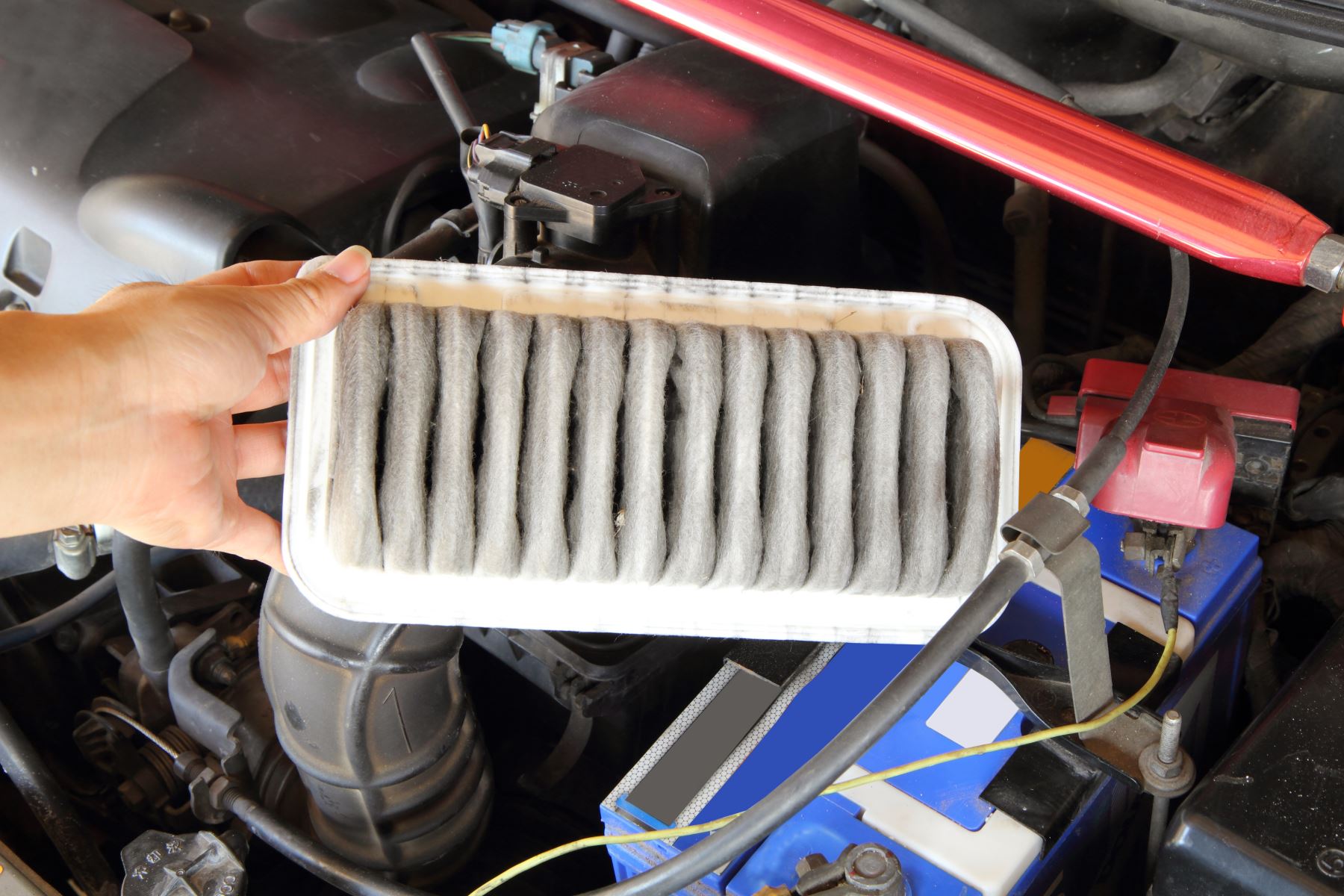
An engine needs the correct mixture of air and fuel to produce power efficiently. The air filter prevents dust, grit, and other particles from entering the intake system. If the filter becomes heavily restricted, airflow may be reduced, potentially affecting acceleration, fuel economy, and engine performance.
A damaged or incorrectly installed filter can allow contaminants to bypass the filtration material and enter the engine. Fine abrasive particles can contribute to wear on cylinder walls, piston rings, and other surfaces. Keeping the intake system clean is particularly important for vehicles driven on dusty or unpaved roads.
A clogged air filter does not automatically destroy an engine, and many modern engine management systems can compensate for certain changes in airflow. However, a severely restricted filter can reduce performance, while air leaks or damaged filtration components create different problems.
Unfiltered dirt can accelerate wear, especially when a vehicle regularly operates in dusty environments. Drivers may notice sluggish acceleration, unusual fuel consumption, or reduced responsiveness, but these symptoms can also have other causes. Replacing a filter based solely on a symptom is less reliable than inspecting it and following the manufacturer’s maintenance guidance.
Fuel systems rely on properly filtered fuel and components that deliver the correct quantity at the required pressure. Contaminated fuel can introduce water, dirt, or other unwanted substances into the system. Depending on the engine design, these contaminants can damage fuel pumps, injectors, or precision components.
Diesel engines may be particularly sensitive to water contamination and require appropriate fuel filtration and water management. Poor-quality or incorrect fuel can also cause combustion problems. Always use the fuel grade and type specified by the vehicle manufacturer, and buy fuel from reputable suppliers.

5. Ignoring Engine Warning Lights
Modern vehicles use sensors and electronic control units to monitor engine operation, emissions, temperature, and other critical systems. When a fault is detected, the vehicle may display a check engine light, oil pressure warning, temperature warning, or another dashboard indicator.
These warnings vary in urgency. Some indicate an emissions-related problem that requires prompt diagnosis, while others signal conditions that can damage the engine within minutes. Treating every warning as a minor electrical issue can allow a manageable fault to develop into a serious mechanical failure.
The check engine light can illuminate for many reasons, including a faulty sensor, ignition misfire, fuel system problem, or emissions control malfunction. A steady light often indicates that diagnosis is needed soon, but the vehicle’s manual should guide the response.
A flashing check engine light commonly indicates a severe misfire that may damage the catalytic converter. If the engine runs roughly, loses power, or produces unusual sounds, stop driving when safe and arrange assistance. Even when performance appears normal, a persistent warning should be investigated rather than ignored for weeks.
An oil pressure warning is particularly serious because it can indicate that the engine is not receiving adequate lubrication. Stop safely and switch off the engine as soon as possible. A high-temperature warning also requires immediate action because continued operation may cause extensive damage.
Other warnings can vary in urgency depending on their meaning and the vehicle’s design. Read the owner’s manual to understand the specific symbols in your car. If a warning appears alongside smoke, severe knocking, a burning smell, or a sudden loss of power, prioritize safety and obtain professional help.
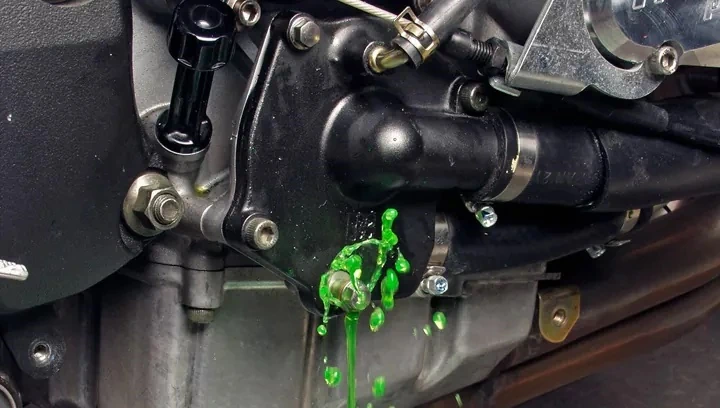
6. Using the Wrong Engine Oil or Coolant
Not all engine oils and coolants are interchangeable. Manufacturers specify fluids according to the engine’s design, operating temperatures, materials, lubrication requirements, and emissions equipment. Engine oil viscosity is important, but viscosity alone does not determine whether a product is suitable.
The oil must also meet the required performance standards and manufacturer approvals where applicable. Coolants likewise differ in chemical composition and compatibility with cooling system materials. Choosing a product simply because it is inexpensive or widely available can create avoidable maintenance problems.
Oil that fails to meet the required specification may not provide the intended protection under high temperatures, heavy loads, or extended service intervals. Incorrect viscosity can affect cold-start lubrication and oil pressure behavior, depending on the engine design and climate.
Some engines also rely on specific oil formulations to protect turbochargers, timing systems, or emissions equipment. Mixing products does not always cause immediate damage, but it can make it harder to ensure that the final mixture meets the required standards. Always check the owner’s manual or an approved lubricant guide before purchasing oil.
Coolant protects against freezing, helps prevent overheating, and contains corrosion inhibitors that protect cooling system components. Using an incompatible coolant or mixing formulations that should remain separate can reduce the effectiveness of those inhibitors or create deposits in certain circumstances.
Water alone is generally not a suitable long-term replacement unless the manufacturer specifically permits it for a limited emergency situation. The correct coolant concentration depends on the vehicle and local climate. Never open a hot pressurized cooling system, and use the specified procedure when checking or replacing coolant.
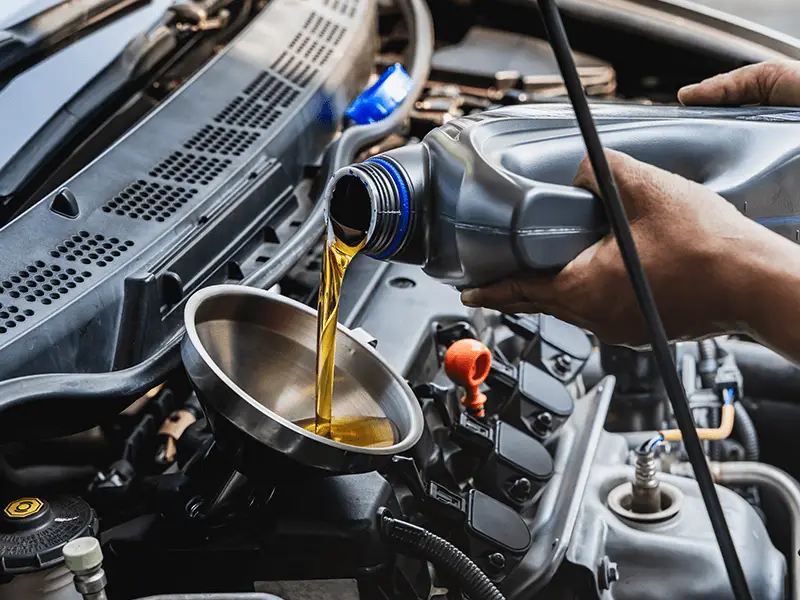
7. Driving With Low Engine Oil or Coolant Levels
An engine can develop serious problems when oil or coolant levels fall below safe limits. Oil lubricates moving components, while coolant carries heat away from critical engine areas. A vehicle may continue running when either fluid is low, giving drivers the impression that no immediate problem exists.
However, the absence of obvious symptoms does not mean the engine is protected. Oil starvation can damage bearings and rotating assemblies, while inadequate coolant can cause localized overheating. Regularly checking fluid levels helps detect leaks and abnormal consumption before they cause expensive failures.
When oil drops too low, the oil pump may struggle to maintain a consistent supply, particularly during cornering, braking, or acceleration. This depends on the engine’s design and the severity of the shortage. Insufficient lubrication can damage crankshaft bearings, camshafts, turbochargers, and other components.
Some engines consume oil gradually as they age, while others develop leaks from seals, gaskets, or related parts. A driver who checks the level only during scheduled oil changes may miss a developing problem. Regular inspections are especially important when the engine has a history of oil consumption.
Low coolant reduces the system’s ability to transfer heat away from the engine. Air may enter parts of the cooling system, interfering with circulation and creating localized hot spots. In some vehicles, coolant loss can progress rapidly when a hose, radiator, water pump, or other component fails.
Internal leaks can also allow coolant to enter the engine or combustion chamber. White exhaust vapor that persists after warm-up, unexplained coolant loss, or oil that appears unusually milky can indicate a problem, though these symptoms require proper diagnosis and may have other explanations.
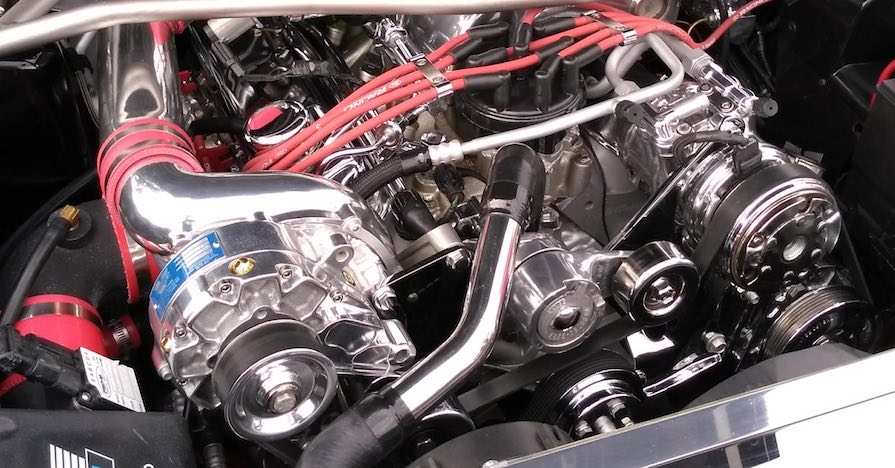
8. Ignoring Unusual Engine Noises and Vibrations
Engines naturally produce operating sounds, and some noise varies with temperature, speed, and engine design. However, a new or increasingly loud sound may indicate a developing mechanical problem. Knocking, ticking, rattling, squealing, and grinding can originate from different systems, including lubrication components, belts, pulleys, injectors, valve mechanisms, or internal engine parts.
Not every unusual noise signals catastrophic damage, but ignoring a persistent change can delay diagnosis. Paying attention to when the sound occurs can help a technician identify the cause before further damage develops.
Deep knocking that increases with engine load can indicate a serious internal problem, including bearing damage or abnormal combustion. Light ticking may come from normal injector operation or valve mechanisms, depending on the vehicle, but a sudden increase in noise deserves investigation.
Some engines produce temporary noises during cold starts because oil has not yet circulated fully or hydraulic components need time to operate normally. Persistent knocking, worsening metallic sounds, or noise accompanied by an oil pressure warning should never be dismissed. Stop driving when severe symptoms suggest that continued operation may cause additional damage.
Unusual engine vibration may result from worn engine mounts, ignition misfires, fuel delivery problems, damaged accessories, or mechanical faults. A misfiring engine may run unevenly and produce reduced power, increased fuel consumption, or an illuminated check engine light.
Worn mounts can allow excessive movement without indicating internal engine damage, while severe mechanical problems may produce similar sensations. Because these causes differ substantially, guessing based on vibration alone can lead to unnecessary repairs. A proper inspection can distinguish relatively simple external faults from issues that threaten engine reliability.

9. Overloading the Vehicle and Towing Beyond Its Limits
Every vehicle has limits for payload, towing capacity, and gross combined weight. Carrying excessive weight increases the work required to accelerate, climb hills, and maintain speed. The engine may operate under greater load for longer periods, generating additional heat and increasing fuel consumption.
Transmission, brakes, tires, suspension, and cooling components also face greater demands. An occasional heavy load within the manufacturer’s limits is generally manageable, but regularly exceeding those limits can accelerate wear and create safety risks. Vehicle specifications should always take priority over assumptions about what the engine can handle.
Towing a trailer increases the force needed to move the vehicle, particularly during acceleration, uphill driving, and repeated stops. Engine and transmission temperatures may rise under demanding conditions, especially in hot weather or on steep roads.
Some vehicles are equipped with additional cooling capacity or specific towing settings, while others are not approved for heavy towing at all. Using a vehicle beyond its rated capacity can create excessive stress across several mechanical systems. Check the owner’s manual for towing limits, required equipment, and any maintenance adjustments recommended for frequent trailer use.
Lugging occurs when an engine is forced to work hard at an excessively low speed for the selected gear and load. The engine may feel strained, vibrate, or respond poorly when the driver presses the accelerator.
In some conditions, lugging can increase mechanical stress and produce abnormal combustion, particularly in engines that are heavily loaded in an unsuitable gear. Modern automatic transmissions often adjust gear selection to reduce this problem, but drivers should still respond to signs of strain. Selecting an appropriate gear helps the engine operate within a suitable speed and load range.
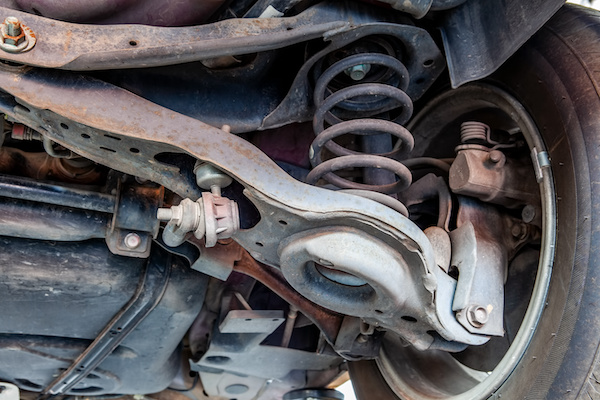
10. Neglecting Routine Inspections and Scheduled Maintenance
An engine depends on several interconnected systems to operate reliably. Belts, hoses, spark plugs, filters, sensors, seals, and cooling components can deteriorate with age, mileage, and exposure to heat. Scheduled maintenance allows worn or damaged parts to be identified before they cause secondary problems.
Skipping inspections may save money temporarily, but it can leave small defects undetected until they affect performance or cause a breakdown. Following the vehicle manufacturer’s maintenance plan is a practical way to manage repair costs and protect the engine as it approaches 100,000 miles.
Rubber hoses can harden, crack, swell, or weaken after repeated exposure to heat and pressure. A failed coolant hose may cause rapid fluid loss and overheating, while a damaged belt can affect accessories driven by it.
Timing belt requirements are especially important because failure in an interference engine can cause severe internal damage. Not every engine uses a timing belt, and replacement intervals differ by model. Oil leaks from gaskets or seals also deserve attention because persistent leakage can lower fluid levels and contaminate nearby components.
Spark plugs and ignition components help ensure that the air and fuel mixture burns as intended in gasoline engines. Worn spark plugs, failing ignition coils, or related faults can cause misfires, rough running, reduced performance, and increased fuel consumption.
Prolonged misfiring may damage the catalytic converter and place additional stress on other systems. Replacement intervals depend on the engine design and the type of spark plug installed. Diesel engines use different combustion and ignition arrangements, so their maintenance requirements are not identical. Follow the service schedule specified for your particular vehicle.