Buying a car is a major financial decision, but the purchase price tells only part of the story. Fuel, insurance, maintenance, repairs, taxes, and depreciation can add thousands of dollars to the bill over five years. For budget-conscious drivers, choosing a vehicle with affordable running costs can make a meaningful difference to household finances.
This guide examines ten cars that can offer relatively low five-year ownership costs, focusing on practical transportation, fuel efficiency, reliability, and everyday comfort. The goal is to help buyers compare the full financial picture before making a confident, informed purchase.
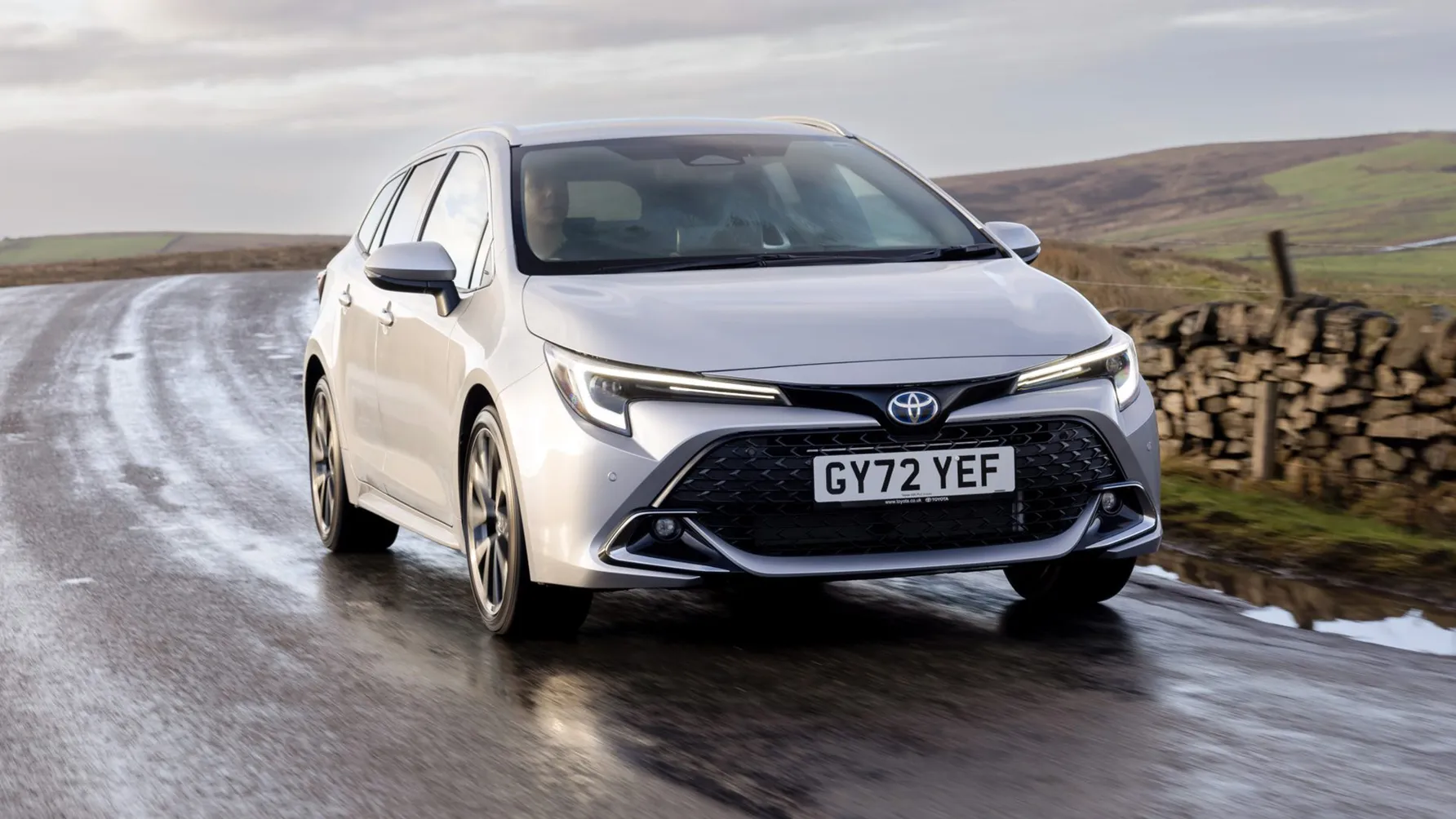
1. Toyota Corolla Hatchback: $30,541 over five years
The Toyota Corolla Hatchback ranks first on this list, with a projected five-year ownership cost of approximately $30,541 in CarEdge’s 2026 estimates.
Its appeal comes from a combination of compact dimensions, efficient petrol-engine performance, and an established reputation for dependable everyday transportation. For drivers who spend much of their time commuting, these characteristics can make it an appealing long-term choice.
The hatchback body style adds useful flexibility. Its rear seats can accommodate passengers, while the cargo area handles groceries, luggage, and everyday shopping. Folding the rear seats creates additional room for larger items. The design suits people who want a manageable car for crowded streets without giving up the convenience of a practical storage area.
Fuel economy is another important consideration. A compact petrol car generally requires less fuel than a larger, heavier vehicle when comparable driving conditions are considered. Actual consumption depends on traffic, speed, weather, tire pressure, and driving style. Buyers who regularly travel through congested urban areas should check independent fuel-economy figures for their chosen trim.
Resale value also influences the Corolla Hatchback’s estimated ownership cost. A vehicle that retains more of its purchase value can cost less to own over a defined period, even if its initial price is higher than that of a competing model. However, resale prices depend on mileage, condition, service records, market demand, and the availability of newer alternatives.
This Toyota is particularly suitable for commuters, small households, and drivers who value predictable transportation over maximum passenger space.
Its main compromise is that the rear cabin and luggage capacity cannot match those of a larger family car. Buyers should compare the hatchback with the Corolla sedan and test both versions before deciding which body style best meets their needs.
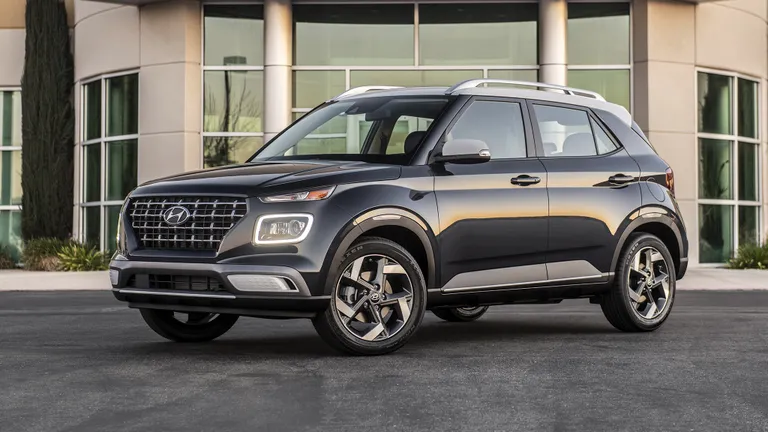
2. Hyundai Venue: $32,435 over five years
The Hyundai Venue offers a small SUV format at a relatively accessible price. CarEdge estimates its five-year ownership cost at about $32,435, placing it comfortably below the $35,000 limit. Its modest dimensions and relatively affordable starting price make it worth considering for buyers who prefer a taller driving position without stepping up to a larger crossover.
One of its strongest practical advantages is its urban-friendly size. Parking in tight spaces, negotiating narrow streets, and making short trips can be easier in a small crossover than in a larger SUV. The raised seating position may also make getting in and out more comfortable for some drivers. These benefits are especially useful for everyday errands and city commuting.
The Venue is not designed to deliver the acceleration, cabin space, or highway refinement of a more expensive midsize SUV. Its engine is intended for ordinary transportation rather than spirited performance. Buyers who frequently travel with several adults, carry bulky luggage, or drive long distances should pay close attention to rear-seat comfort and engine response during a test drive.
Running costs deserve the same scrutiny as the advertised price. Fuel consumption, insurance premiums, tire replacement, and regular servicing all contribute to the final bill.
A low purchase price cannot guarantee the cheapest insurance, since premiums depend on the driver’s history, location, coverage choices, and insurer. Requesting a quote before signing a purchase agreement can prevent unwelcome surprises.
The Venue makes the most sense for singles, couples, and small households seeking compact SUV styling on a controlled budget. It is less suitable for buyers who need substantial cargo capacity or regularly travel with a full cabin.
Compare its equipment and warranty coverage with similarly priced hatchbacks before deciding whether the additional ride height and SUV design justify the choice.
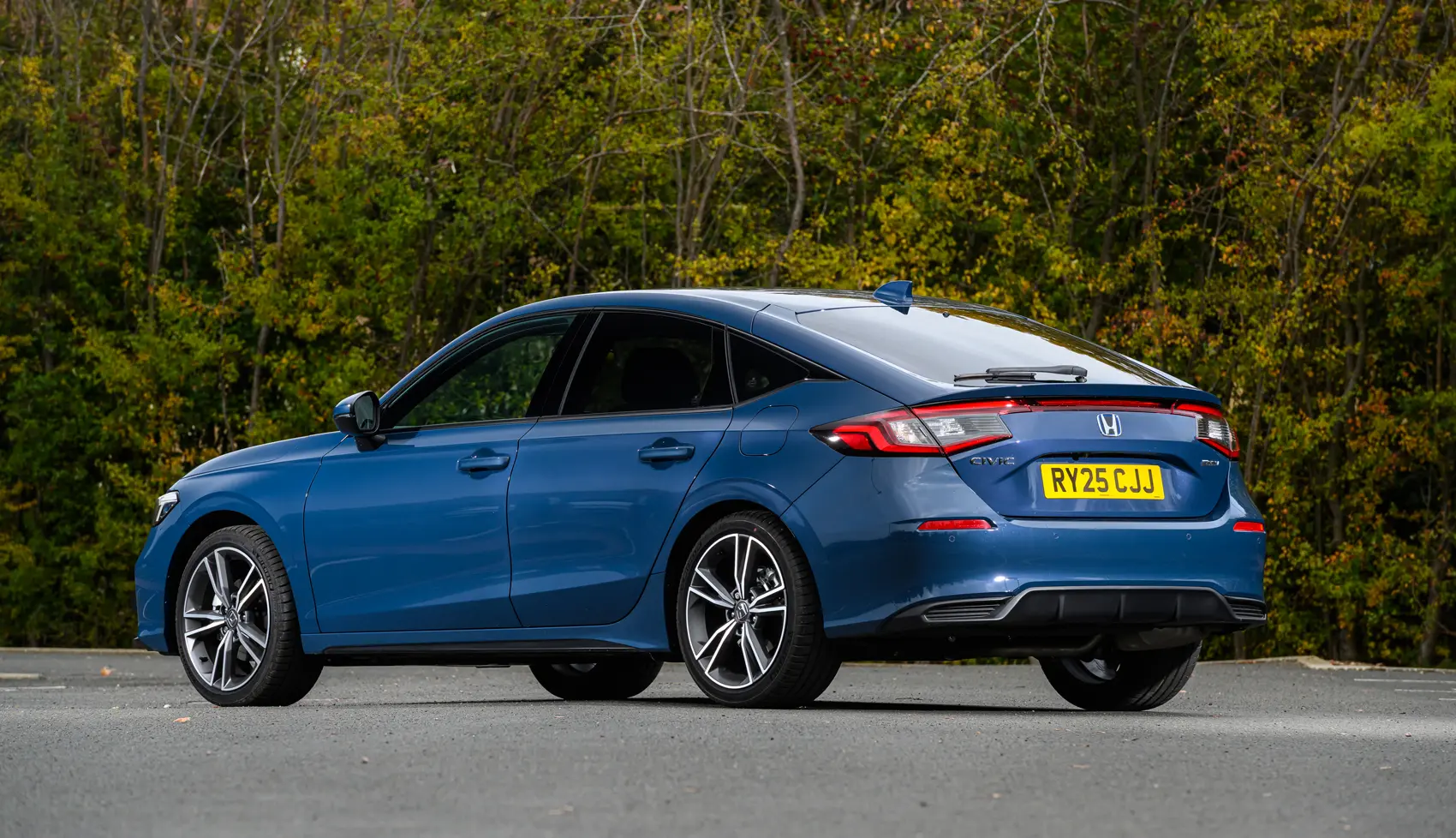
3. Honda Civic: $32,541 over five years
The Honda Civic is a well-established compact car that balances daily comfort, useful interior space, and efficient performance. CarEdge places its estimated five-year ownership cost at approximately $32,541 for the version used in its 2026 comparison. Its long-running presence in the compact-car segment makes it a natural option for drivers seeking a practical vehicle for work, shopping, and weekend travel.
Inside, the Civic offers a conventional sedan layout with seating for five, although three adults in the rear may find the space restrictive on longer journeys.
The cabin design prioritizes everyday usability, with straightforward controls and storage areas for small belongings. Depending on trim, equipment may include smartphone connectivity, driver-assistance features, and a touchscreen infotainment system.
Fuel expenses are important for owners who cover considerable distances each year. The Civic’s efficient powertrain options can help keep petrol consumption manageable, while hybrid versions may reduce fuel spending further. However, hybrid models often cost more upfront, and their total financial advantage depends on purchase price, mileage, fuel prices, and the precise trim being compared.
Routine maintenance remains essential for protecting the car’s long-term value. Following the manufacturer’s service schedule, checking fluid levels, replacing worn tires, and addressing warning lights promptly can reduce the likelihood of avoidable problems.
A documented service history can also help reassure future buyers, which may support resale value when the time comes to change vehicles.
The Civic suits commuters, small families, and buyers who want a polished compact car without moving into a luxury price bracket. Its purchase cost can exceed that of some entry-level rivals, so budget-conscious shoppers should compare insurance quotes and financing offers before choosing a trim. A well-equipped base model may provide better value than paying extra for features that are rarely used.
4. Subaru Impreza: $32,759 over five years
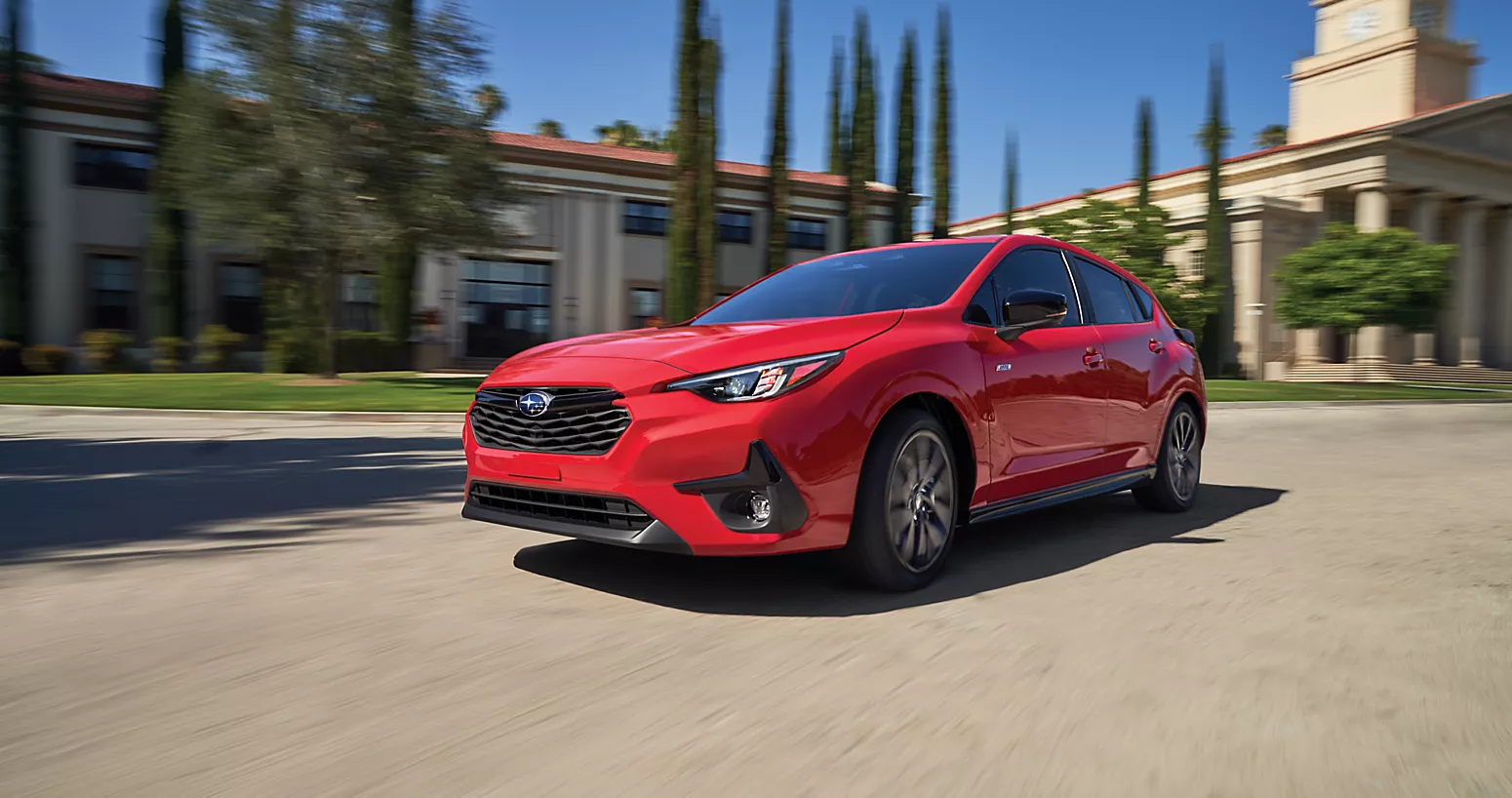
The Subaru Impreza has a projected five-year ownership cost of about $32,759 in the cited 2026 ranking. Its distinctive advantage is standard all-wheel drive in the US-market lineup, a feature that can provide additional traction on slippery surfaces. This setup makes the Impreza appealing to drivers who regularly encounter wet weather or need extra confidence on less-than-ideal roads.
Its hatchback body gives the car flexibility for daily life. Owners can carry groceries, sports equipment, and luggage, while the folding rear seats allow larger items to fit when passenger space is not needed.
The compact footprint remains useful for parking and urban travel, offering a balance between practicality and manageable exterior dimensions.
All-wheel drive should not be mistaken for a guarantee of safety. Tires, braking distance, road conditions, and driver behavior remain crucial. The system can help transfer power to wheels with traction, but it does not eliminate the risk of skidding or shorten braking distances automatically. Winter tires may still be valuable in regions that experience substantial snow and ice.
Ownership expenses can differ from those of front-wheel-drive competitors. The drivetrain’s added components and the vehicle’s specific tire requirements may affect servicing costs, while fuel consumption depends on the model’s powertrain and the owner’s driving conditions.
Buyers should obtain realistic fuel estimates and compare insurance premiums rather than assuming the all-wheel-drive feature carries no financial trade-off.
The Impreza is best suited to drivers who value traction, hatchback utility, and everyday versatility. It deserves consideration in regions with frequent rain or seasonal winter weather, but buyers living in mild climates may find a less expensive front-wheel-drive model sufficient.
Compare cargo dimensions, road comfort, and maintenance schedules before deciding whether its distinctive drivetrain offers worthwhile benefits.
5. Nissan Sentra: $32,875 over five years
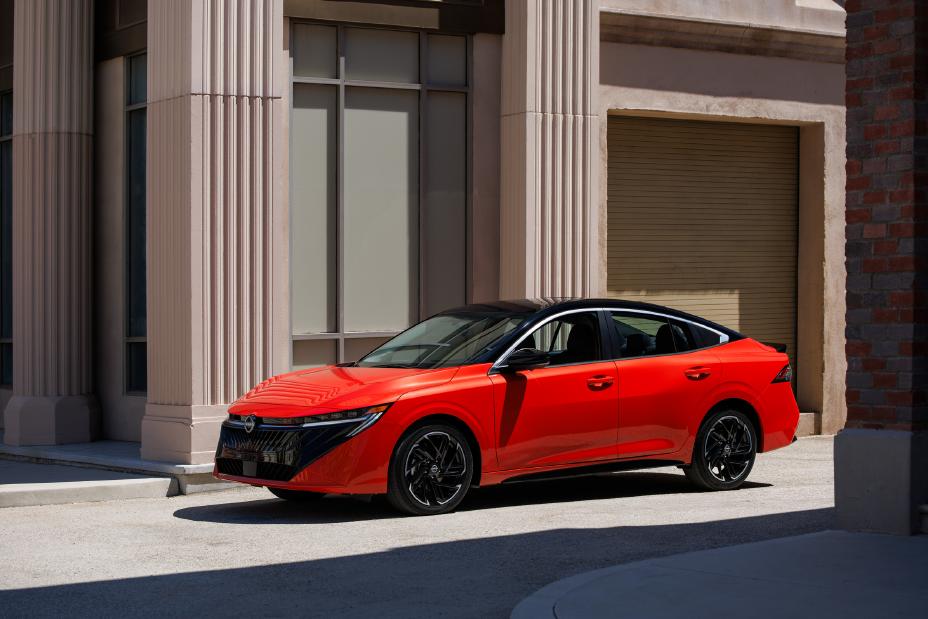
The Nissan Sentra earns its place on this list with an estimated five-year ownership cost of $32,875 in CarEdge’s 2026 ranking.
It targets drivers who want a conventional sedan with a comfortable cabin, a sensible footprint, and a price that remains accessible compared with many larger vehicles. For buyers who prefer a traditional four-door car, the Sentra offers a practical alternative to a compact crossover.
The sedan layout provides a separate luggage compartment, keeping bags and everyday belongings out of the passenger area. Its compact size also makes it reasonably easy to maneuver through city streets and parking garages. Interior space, equipment, and comfort can vary by trim, so buyers should check the specific version rather than assuming every model includes the same convenience and safety features.
Fuel consumption is an important part of the Sentra’s financial appeal. A modest petrol engine can provide adequate performance for commuting without the fuel demands of a powerful sports sedan.
Drivers who spend more time in stop-and-go traffic may achieve different results from those who travel steadily on highways. Comparing official fuel-economy ratings with real-world owner reports can help establish a sensible budget.
The transmission and maintenance history deserve particular attention when purchasing a used Sentra. Buyers should review service records, check for warning lights, and arrange an independent inspection when appropriate.
For a new vehicle, reviewing the manufacturer’s maintenance schedule and warranty terms helps clarify which expenses are likely to arise during the first five years and which problems may qualify for coverage.
6. Kia K4: $33,333 over five years
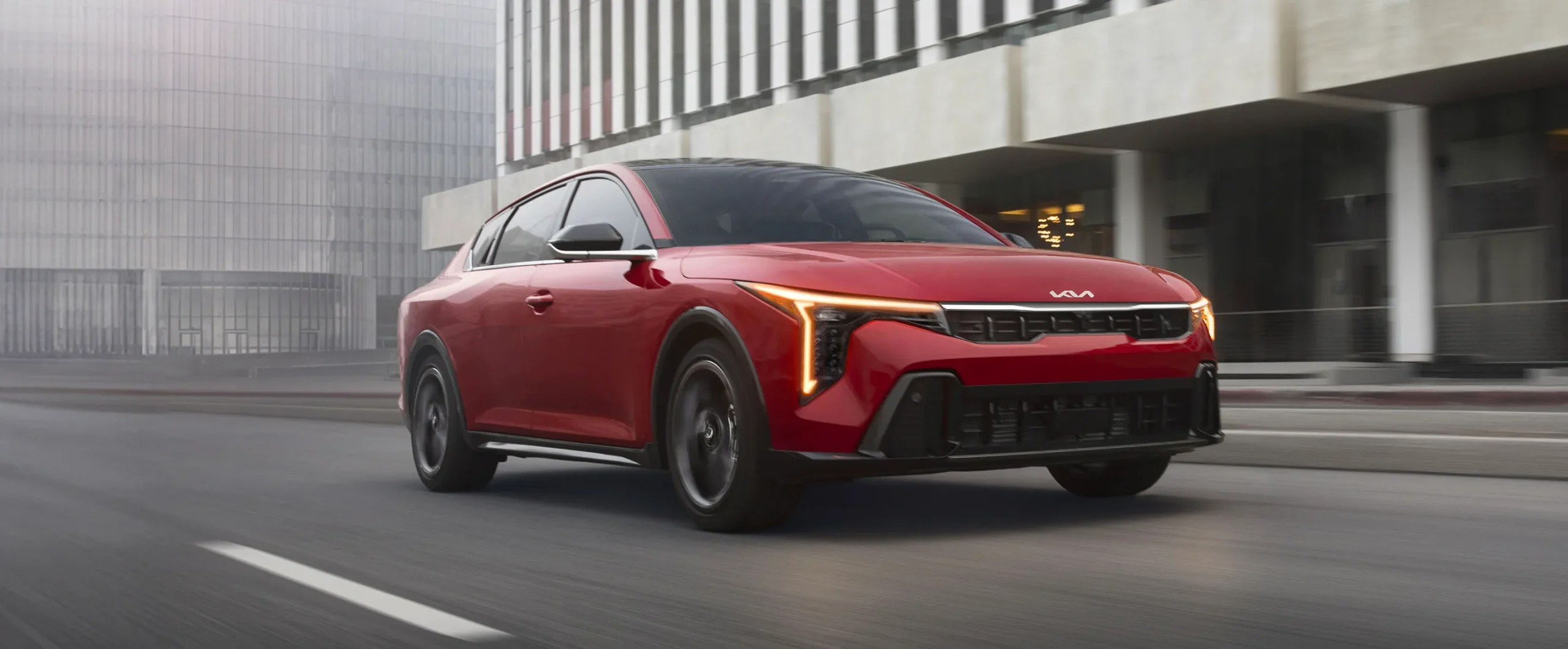
The Kia K4 is estimated to cost approximately $33,333 to own over five years. It replaced the Forte in Kia’s US lineup and offers modern styling, a contemporary cabin, and a competitive starting price. Its position in the ranking shows how an affordable purchase price can help keep projected ownership expenses below the $35,000 mark.
Styling is a major part of the K4’s appeal. Its distinctive exterior design helps it stand apart from more conservative compact sedans, while the cabin offers a modern appearance.
Depending on configuration, drivers may have access to digital displays, smartphone integration, and a range of driver-assistance technologies. Checking the standard equipment list is essential because features can differ substantially between trims.
For everyday transportation, the K4 provides the conventional advantages of a compact sedan. It can serve as a commuter car, carry passengers on short trips, and handle routine family errands.
Buyers should assess the seating position, visibility, rear legroom, and trunk opening in person. A test drive also reveals whether the ride and steering suit the roads the owner uses most frequently.
Depreciation is worth watching closely. CarEdge’s published comparison estimates that the K4 loses a larger share of its value than some competitors, which can offset part of the savings from its initial price. Resale performance is never fixed, however. Market demand, incentives on new vehicles, mileage, condition, and the timing of a sale all affect what a second owner might pay.
7. Nissan Versa: $33,735 over five years
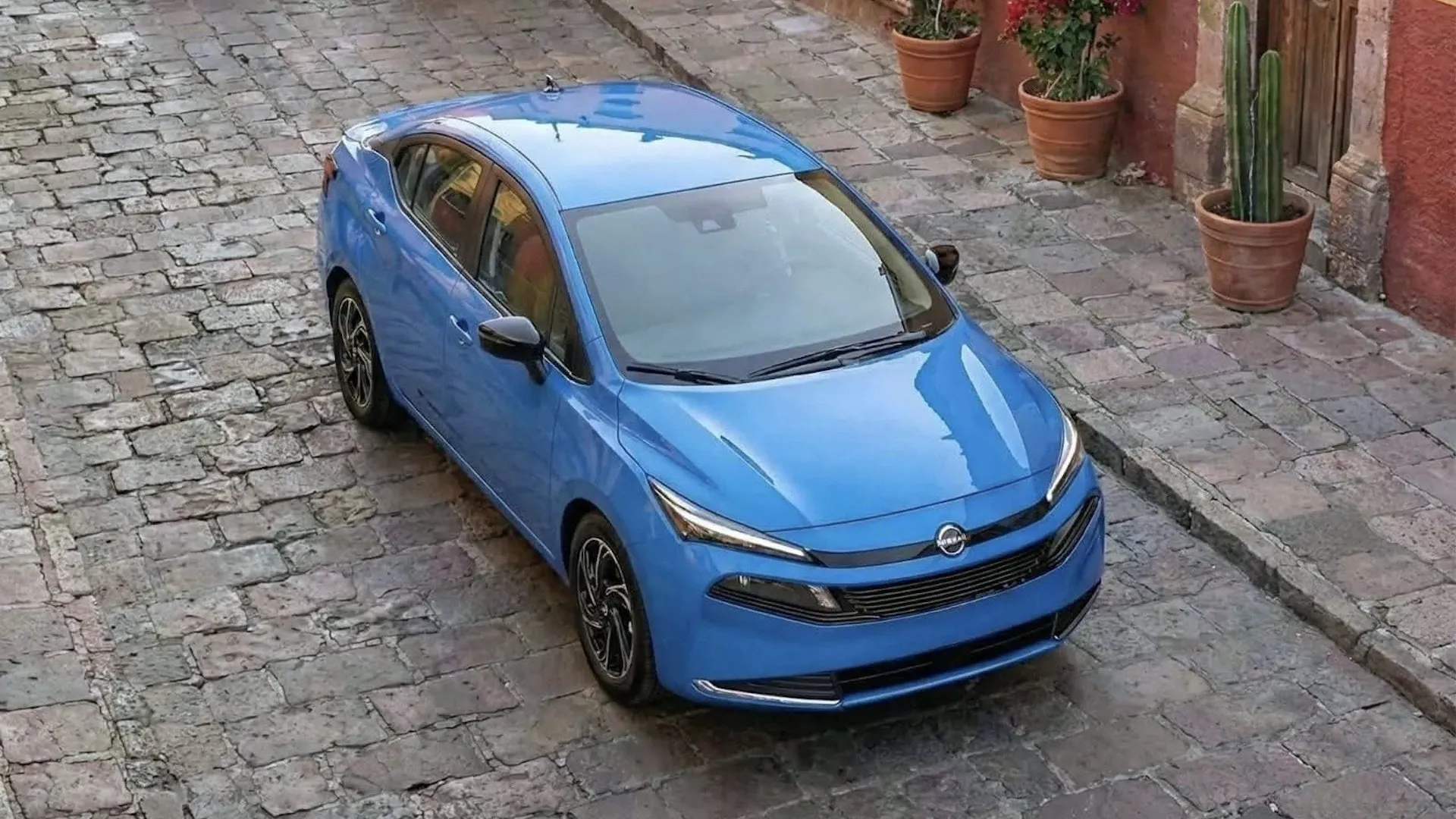
The Nissan Versa has a projected five-year ownership cost of $33,735 in the cited ranking. Its low purchase price has historically made it an attractive choice for first-time buyers and people who simply need dependable basic transportation. However, the model’s availability requires special attention because Nissan ended US production of the Versa in December 2025, according to the 2026 cost comparison.
Its main strength is straightforward practicality. The compact sedan is designed to handle commuting, shopping, and routine journeys without the size or expense of a larger vehicle.
The cabin accommodates everyday passenger needs, while the trunk offers a dedicated place for luggage. Buyers considering remaining new inventory should confirm the model year, exact specification, and warranty terms before making a commitment.
Fuel efficiency can contribute to affordable day-to-day use. A small petrol engine generally requires less fuel than a larger engine under comparable conditions, though traffic and driving habits make a difference.
Drivers covering relatively short distances may benefit from low fuel consumption, while those traveling long highway routes should calculate expenses using their anticipated annual mileage.
With a discontinued model, future ownership planning becomes particularly important. Discontinuation does not automatically mean that parts or service will disappear, but buyers should check local dealer support and the availability of replacement components.
A well-maintained used Versa can still be a practical purchase, provided an inspection confirms its mechanical condition, and the price reflects its age and mileage.
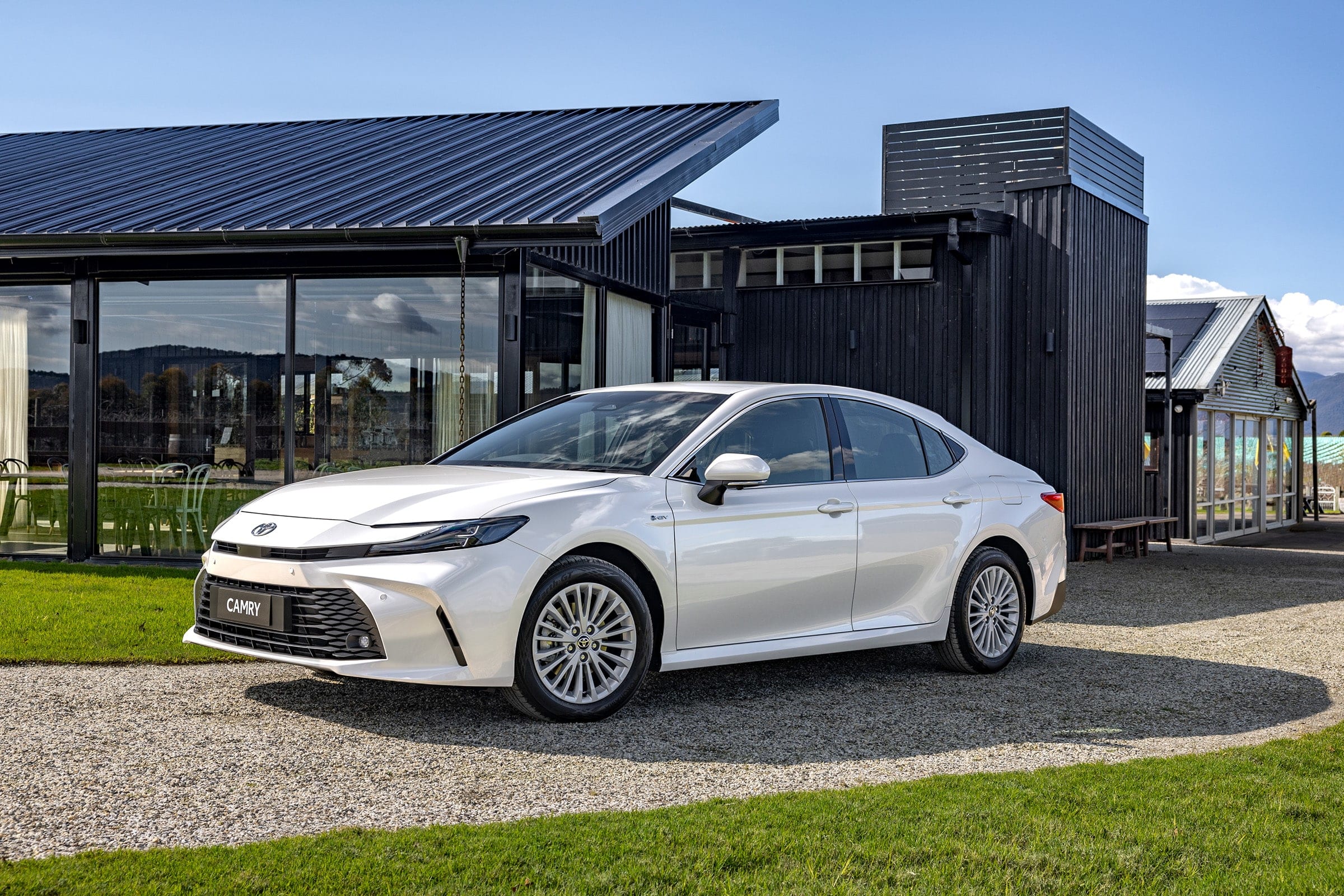
8. Toyota Camry: $34,297 over five years
The Toyota Camry is the larger sedan in this group, with a projected five-year ownership cost of $34,297. Its higher starting price places it close to the $35,000 limit, but it offers more room and a different driving experience from entry-level compact cars. The 2026 US-market Camry lineup is hybrid-focused, making fuel efficiency a key part of its ownership proposition.
Passenger comfort is a major advantage. The Camry provides a more substantial cabin than many small sedans, making it appealing to families, professionals, and drivers who spend long periods on the road.
Rear-seat accommodation and luggage space are useful for regular trips with passengers. Trim levels can change the available comfort, convenience, and technology features, so comparing specifications is worthwhile.
Hybrid power combines a petrol engine with electric assistance to reduce fuel consumption in suitable driving conditions. The system can be especially beneficial in traffic, where regenerative braking recovers some energy that would otherwise be lost.
Actual savings depend on the route, weather, mileage, and fuel prices. Buyers should compare the hybrid Camry with other efficient sedans using realistic annual driving figures.
A higher purchase price can be offset partly by reduced fuel expenses, but it does not guarantee a lower total bill. Insurance, depreciation, financing, taxes, and maintenance still matter.
The Camry’s estimated cost also sits relatively close to the spending ceiling, leaving less room for expensive options or unexpectedly high local charges. A buyer should calculate the full out-the-door price rather than rely on the advertised starting figure.
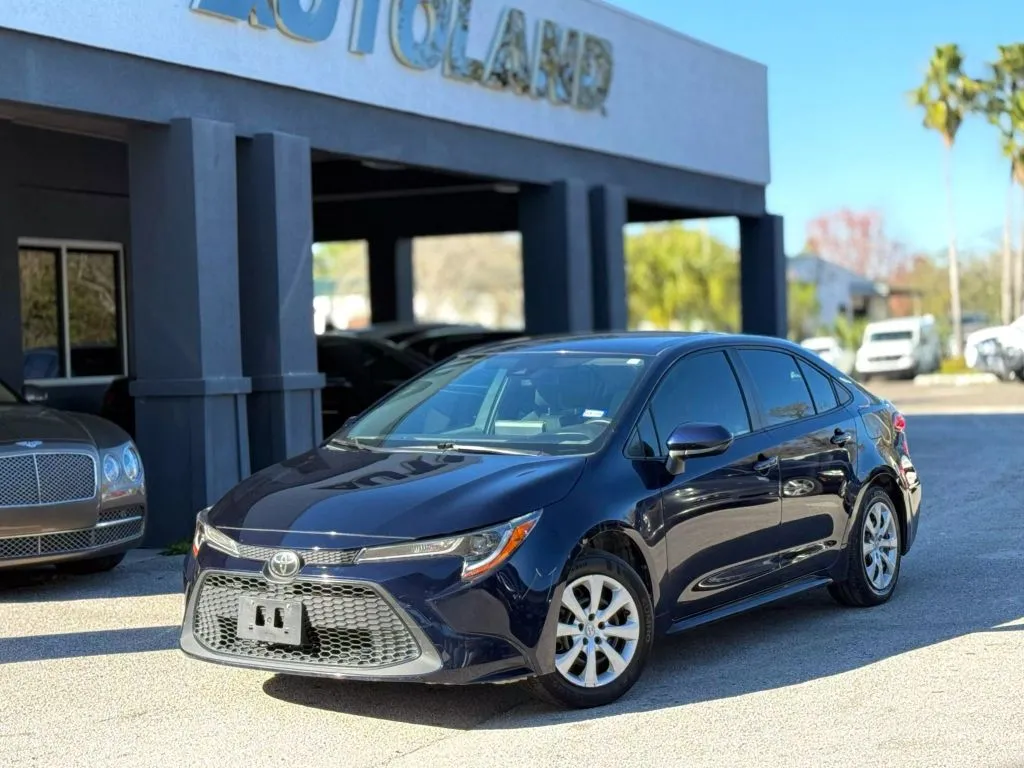
9. Toyota Corolla Sedan: $34,616 over five years
The Toyota Corolla Sedan has an estimated five-year ownership cost of $34,616 in CarEdge’s 2026 ranking. Its conventional sedan layout and established reputation for practical everyday use make it a familiar choice for budget-conscious buyers.
Although its estimated total is higher than that of the Corolla Hatchback, it remains below the $35,000 threshold in this particular comparison.
The sedan’s appeal lies in its straightforward design and everyday versatility. It can accommodate commuting, shopping, school runs, and regular highway travel without requiring the space of a larger vehicle. A separate trunk keeps luggage away from the passenger compartment, while the compact exterior helps make parking easier. Buyers should check the rear seating area if adults will travel in the back frequently.
Fuel economy is a key consideration for drivers who cover many miles each year. The Corolla’s petrol powertrain is designed for ordinary transportation rather than high performance, helping it remain a practical option for routine journeys.
Actual consumption depends on traffic, driving speed, terrain, and weather. Reviewing the fuel rating for the exact model and transmission provides a better estimate than relying on general claims about the model family.
Reliability expectations and resale value can influence the Corolla’s longer-term financial appeal. Regular servicing, careful driving, and complete maintenance records help preserve condition, though they cannot eliminate every potential repair. The vehicle’s resale price will also depend on the used-car market when it is sold.
Buyers should compare expected depreciation with competing models rather than assuming a strong reputation guarantees a particular future value.
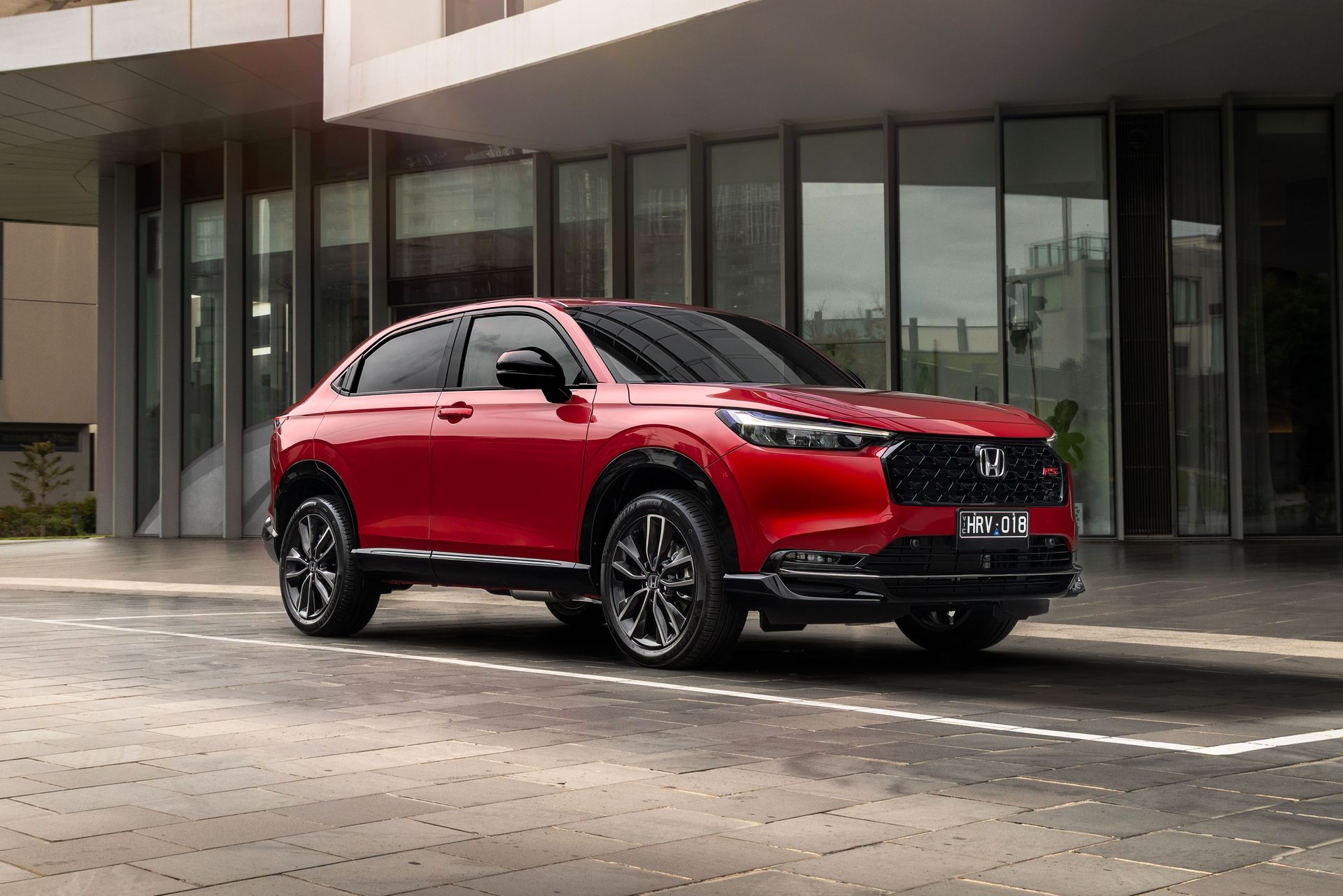
10. Honda HR-V: $34,718 over five years
The Honda HR-V rounds out the list with a projected five-year ownership cost of $34,718. Its estimated total is the highest of these ten vehicles while remaining under the stated limit. As a small crossover, it offers a raised seating position and a more versatile body style than a traditional compact sedan, making it attractive to buyers who prefer SUV practicality.
The HR-V’s cabin and cargo arrangement make it useful for everyday family duties. Its hatch-style rear opening provides convenient access to the luggage area, while the rear seats can be folded to accommodate larger items.
This flexibility is useful for shopping, carrying sports equipment, or taking weekend trips. Buyers should test the cargo space with their own typical belongings to ensure it meets their requirements.
A small crossover can offer useful visibility and an easier entry height for some drivers, but the SUV shape does not automatically make it more economical than a sedan. Vehicle weight, aerodynamics, tires, and powertrain all affect fuel use. Drivers who rarely need extra cargo room may find that a compact sedan delivers comparable everyday practicality with a lower purchase price.
Because the HR-V sits close to the spending limit, careful budgeting matters. Insurance premiums, local taxes, accessories, financing charges, and optional equipment could push the actual five-year bill beyond $35,000.
The estimate should therefore be treated as a comparison benchmark rather than a promise. Obtain a personalized insurance quote and calculate fuel costs using the mileage you expect to drive.