

A smooth-riding sedan makes every journey more comfortable, whether you are driving through busy city streets, cruising along the highway, or spending hours behind the wheel on a family trip. The best sedans combine well-tuned suspension, supportive seats, quiet cabins, and stable handling to reduce the impact of rough roads.
Some models are designed for affordable everyday comfort, while others deliver a luxurious experience with advanced suspension systems and premium interiors.
This guide highlights ten sedans known for their comfortable ride quality, explaining what makes each model appealing and what buyers should consider before choosing their next car.
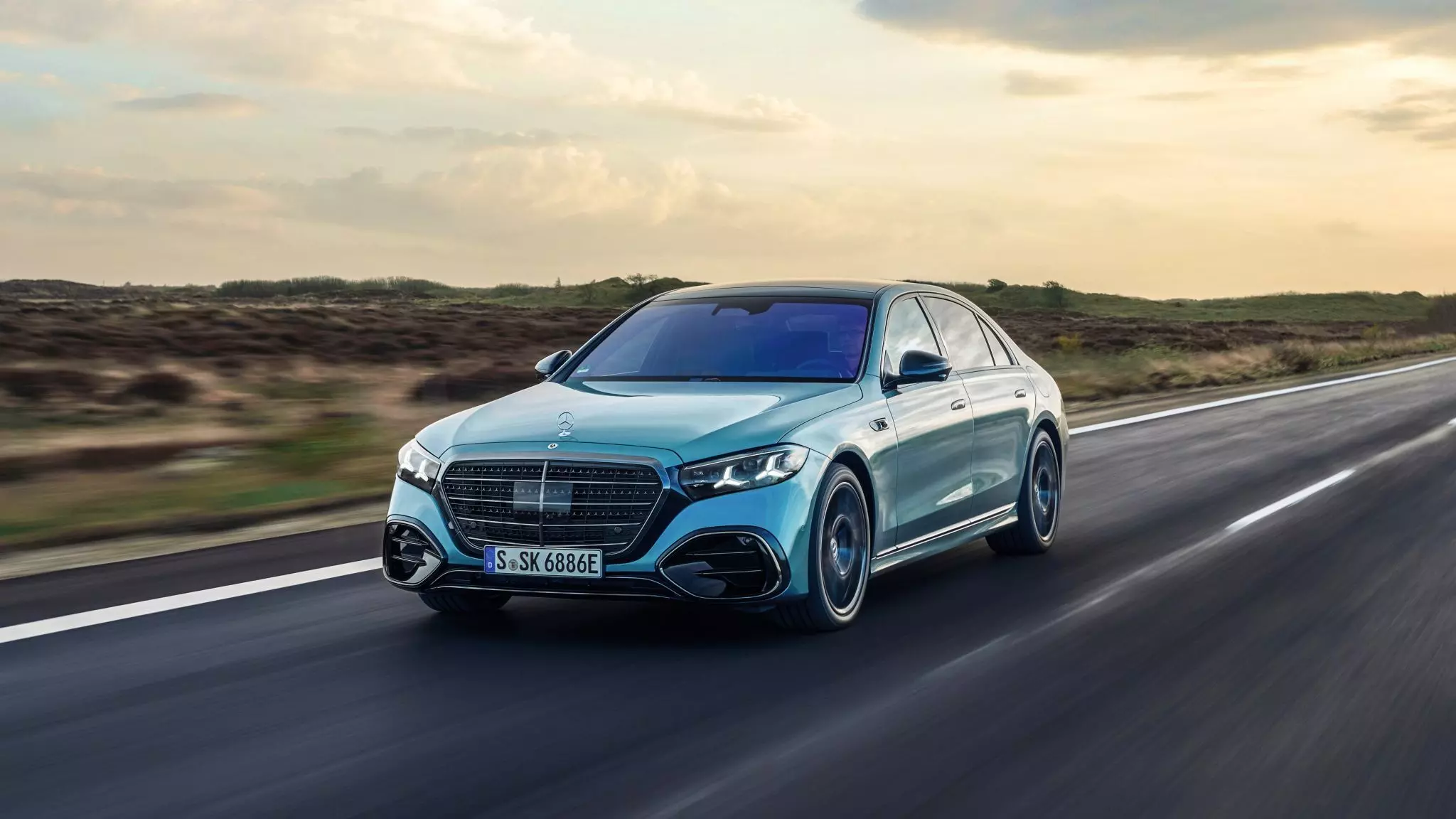
1. Mercedes-Benz S-Class: The Benchmark for Luxury Ride Comfort
The Mercedes-Benz S-Class has earned a strong reputation for delivering exceptional ride comfort. Its long wheelbase, carefully developed suspension, and refined cabin help passengers enjoy a calm experience on highways and city roads.
The car is designed to reduce the discomfort caused by uneven pavement, expansion joints, and small road imperfections. For drivers who value comfort above sporty handling, the S-Class remains a compelling luxury sedan.
Suspension technology plays a major role in the S-Class driving experience. Depending on the model year and equipment, available systems can adjust damping to suit road conditions and driving demands.
Certain versions feature advanced air suspension and road-scanning technology that can prepare the suspension for upcoming bumps. These systems help the car maintain a composed body movement, especially on long journeys where consistent comfort matters.
The interior adds to the relaxed feeling. High-quality upholstery, supportive seats, effective climate control, and extensive sound insulation create a peaceful environment for both front and rear passengers.
Rear-seat comfort can be particularly impressive in versions with extended wheelbases and additional luxury equipment. Road noise is managed carefully, allowing conversations and music to remain pleasant without requiring excessive volume.
The S-Class also demonstrates that a smooth ride depends on more than soft suspension. Its stable highway manners, predictable steering, and controlled braking help occupants feel settled during everyday driving.
A well-calibrated chassis prevents excessive bouncing while still absorbing many road imperfections. This balance is valuable because an overly soft car can feel unsettled when changing direction or travelling over repeated bumps.
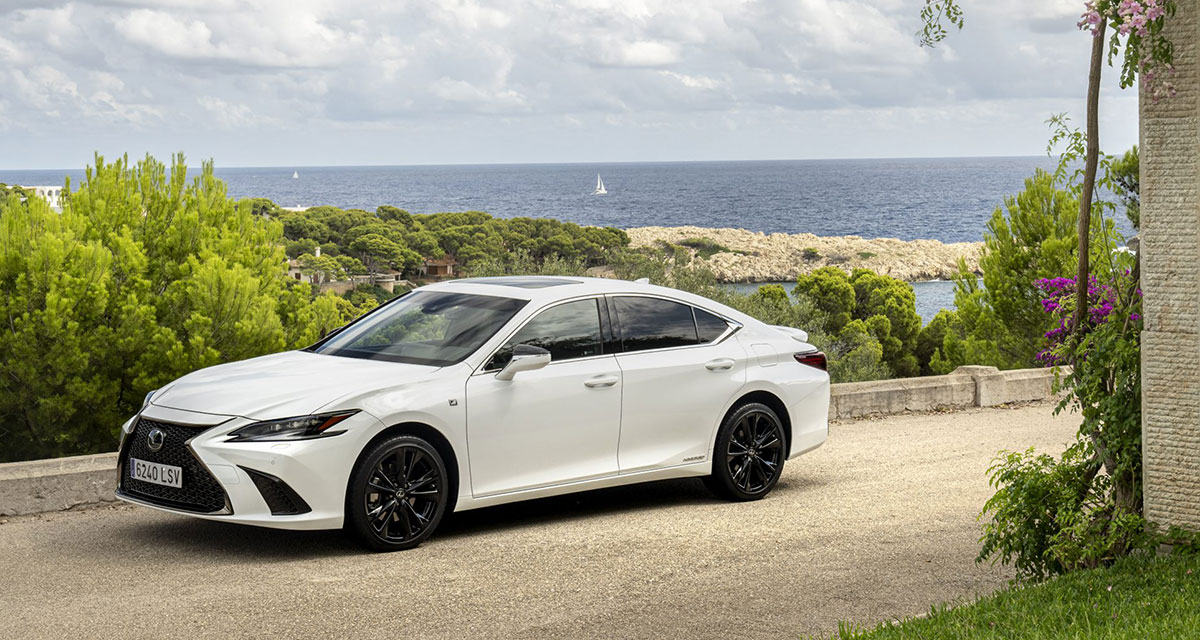
2. Lexus ES: Quiet Comfort for Everyday Driving
The Lexus ES is a strong choice for drivers who want a comfortable luxury sedan without making the driving experience feel complicated. Its suspension is generally tuned to absorb ordinary road imperfections while keeping the cabin calm and composed. The ES is particularly appealing to commuters, families, and professionals who spend considerable time travelling between home, work, and other destinations.
Lexus places considerable emphasis on reducing unwanted noise and vibration. The cabin uses sound insulation and carefully selected materials to limit the amount of road and wind noise entering the passenger compartment.
This creates a relaxed atmosphere on motorways and during longer journeys. The result is especially noticeable when travelling on reasonably maintained roads, where the car can feel quiet and settled.
Seat comfort is another important part of the ES experience. The front seats are designed to provide support during extended periods behind the wheel, while the rear seating area offers a comfortable environment for passengers.
Depending on the trim, buyers may receive additional seat adjustments, heating, ventilation, or other convenience features. These details can make a meaningful difference for people who regularly undertake long commutes.
Different ES powertrains offer slightly different driving characteristics. Petrol versions generally deliver smooth power, while hybrid models combine a petrol engine with an electric motor for efficient everyday operation.
The hybrid system can feel particularly refined in low-speed traffic because electric assistance allows quieter movement under suitable conditions. Acceleration remains measured and comfortable rather than focused on aggressive performance.
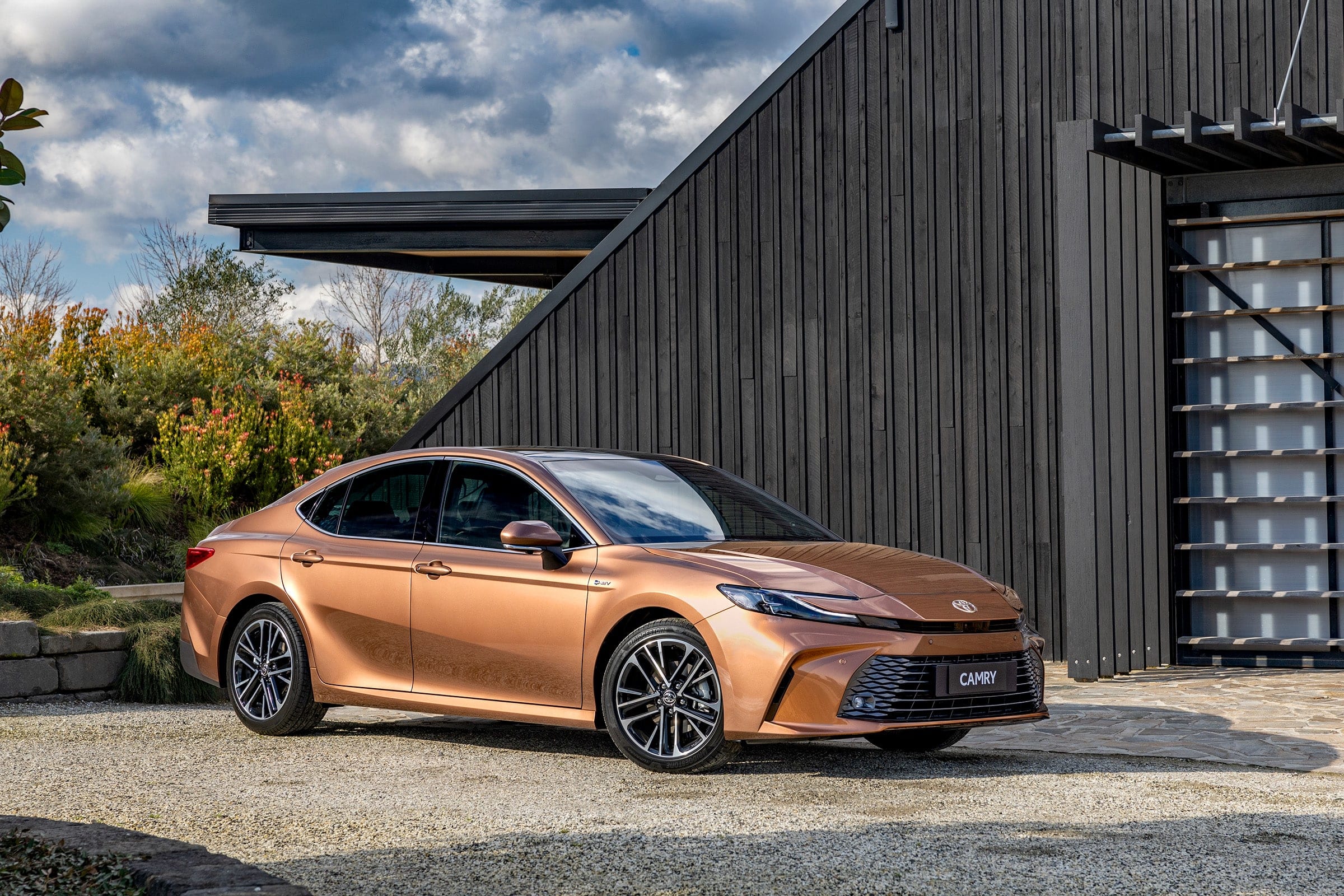
3. Toyota Camry: Reliable Comfort for Daily Travel
The Toyota Camry has remained popular with drivers who appreciate a practical sedan that balances comfort, space, and everyday usability. Its suspension is designed to handle ordinary road conditions without making passengers feel every minor imperfection.
This quality makes the Camry suitable for commuting, family transport, and regular highway travel. Its appeal comes from a sensible approach to comfort rather than extravagant luxury features.
A well-tuned suspension helps the Camry absorb bumps while maintaining predictable handling. The chassis is generally intended to feel stable and reassuring, giving drivers confidence on straight roads and through sweeping bends.
On broken city surfaces, the ride will still depend on the condition of the road, the tyres, and the particular model year. Even so, comfort remains an important part of the Camry’s design philosophy.
The cabin supports its reputation as an everyday family sedan. Front passengers receive a practical seating position, while the rear seats provide room for adults in many model years.
Controls are arranged for regular use, and the interior generally prioritises convenience over unnecessary complexity. Depending on the trim, features such as dual-zone climate control, powered seats, and improved audio systems can make daily journeys more pleasant.
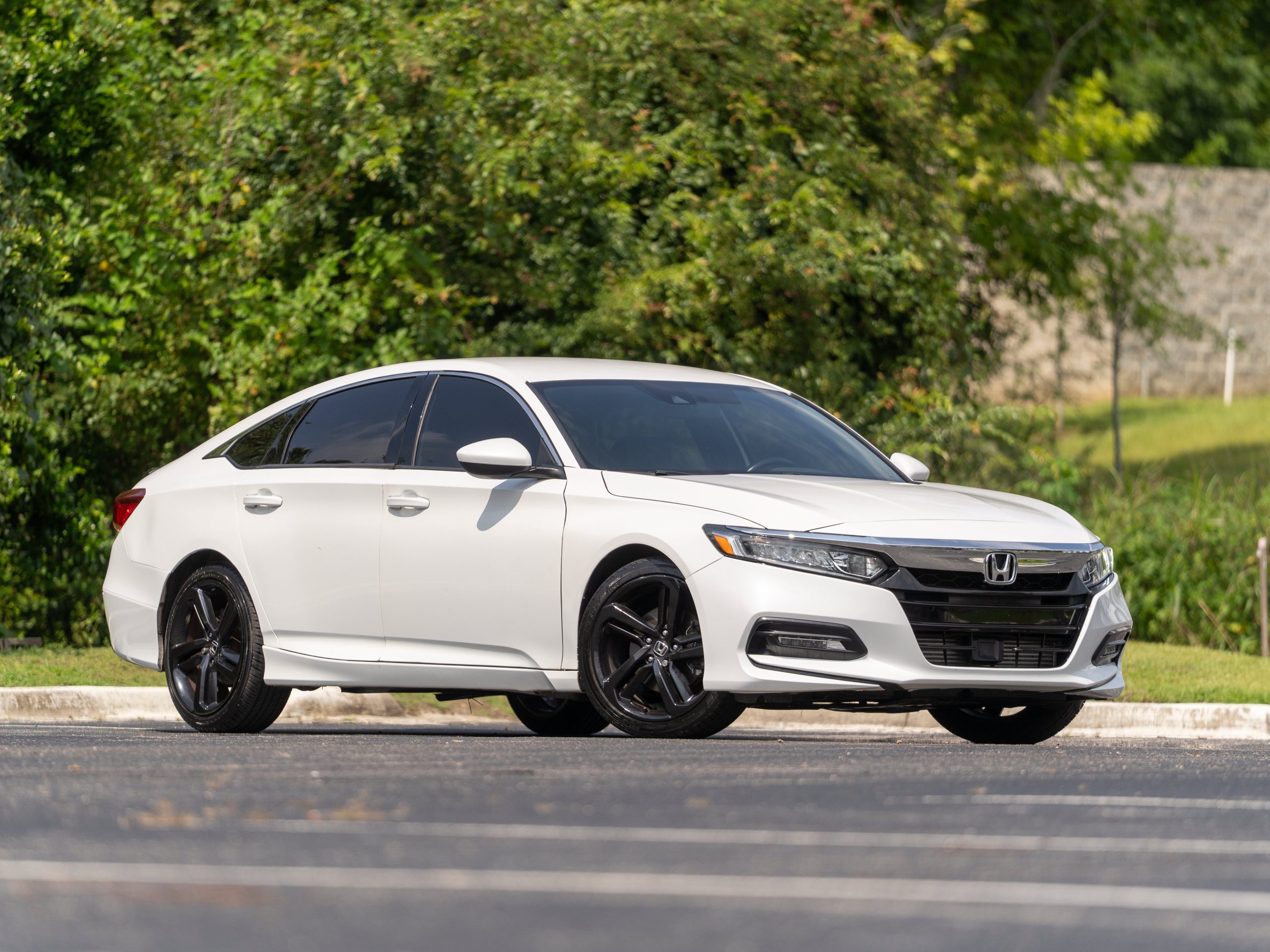
4. Honda Accord: A Comfortable Sedan with Confident Handling
The Honda Accord is well suited to drivers who want a comfortable ride without sacrificing responsive handling. Its suspension is designed to balance bump absorption with body control, helping the car feel stable on highways and predictable on winding roads. This combination appeals to people who enjoy driving but still need a sedan that remains comfortable during everyday commuting and family trips.
The Accord’s suspension tuning varies by generation and trim. Many versions use independent front suspension and a rear suspension arrangement designed to keep the tyres in contact with the road while managing bumps.
When properly maintained, the system can reduce harsh impacts and prevent excessive body movement. The result is a ride that feels controlled rather than excessively soft, especially when travelling at steady highway speeds.
Inside the cabin, the Accord offers a practical layout with comfortable seating and useful passenger space. The driving position generally provides good visibility, while the rear seat can accommodate adults comfortably on longer trips.
Cabin insulation and seat design vary between generations, so buyers should test the exact version they intend to purchase. A comfortable driving position is particularly important for people who spend several hours each day behind the wheel.
Depending on the market and model year, Accord buyers may find naturally aspirated petrol engines, turbocharged petrol engines, or hybrid powertrains.
Each option has different strengths, but smooth acceleration is an important part of the sedan’s appeal. Hybrid variants can be especially quiet in low-speed conditions, while petrol models offer familiar driving characteristics. Transmission behaviour, engine mounting condition, and tyre choice can all influence perceived refinement.
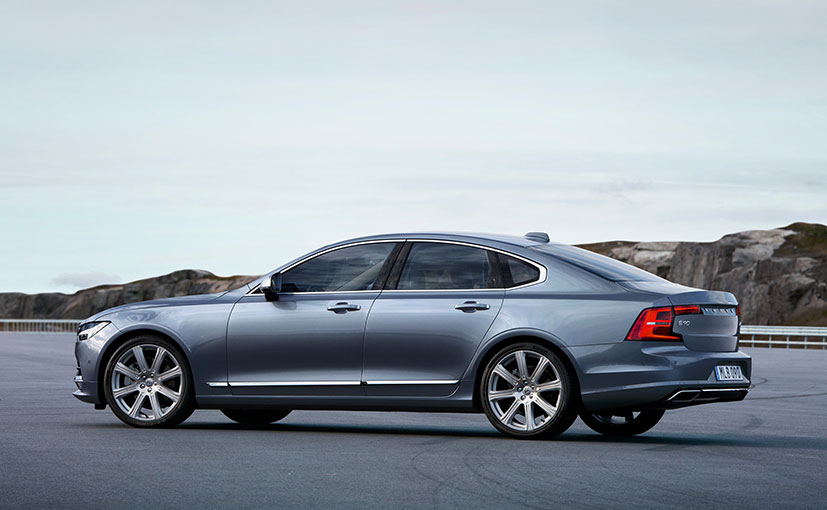
5. Volvo S90: Relaxed Long-Distance Luxury
The Volvo S90 approaches ride comfort with a focus on relaxation, passenger well-being, and understated luxury. Its long body and generous cabin proportions create a spacious atmosphere that suits extended journeys.
Suspension tuning varies with the model year and specification, but the S90 is designed to provide stable road manners and a comfortable environment for drivers and passengers who regularly travel long distances.
The sedan’s suspension works alongside its chassis to manage uneven surfaces while keeping body movement controlled. Available suspension equipment differs between versions, so not every S90 will deliver exactly the same ride quality. Models fitted with suitable adaptive or air suspension equipment may offer additional flexibility, depending on the year and market. Tyre condition and wheel size also affect how gently the vehicle responds to rough pavement.
Interior design contributes substantially to the S90’s appeal. Its cabin often features clean styling, quality materials, supportive seating, and a restrained arrangement of controls.
The front seats are intended to support the body during extended drives, while the rear compartment offers useful space for passengers. Climate control, available seat heating, and other comfort equipment can improve the experience in different weather conditions.
On highways, the S90 can feel reassuringly stable, with a refined character that suits relaxed cruising. The steering and chassis are designed to provide predictable responses rather than encourage aggressive driving.
Effective cabin insulation helps manage wind and road noise, though the amount of noise reaching the interior depends on tyres, road texture, and vehicle condition. These characteristics make the sedan appealing to people who spend substantial time on motorways.
Potential owners should research the specific engine, drivetrain, suspension package, and maintenance requirements before buying. Premium components can be expensive to repair as a vehicle ages, particularly when electronically controlled suspension equipment is involved.
A thorough inspection and documented service history are essential for used examples. For drivers seeking Scandinavian styling, a spacious interior, and a relaxed touring experience, the S90 is a strong candidate.
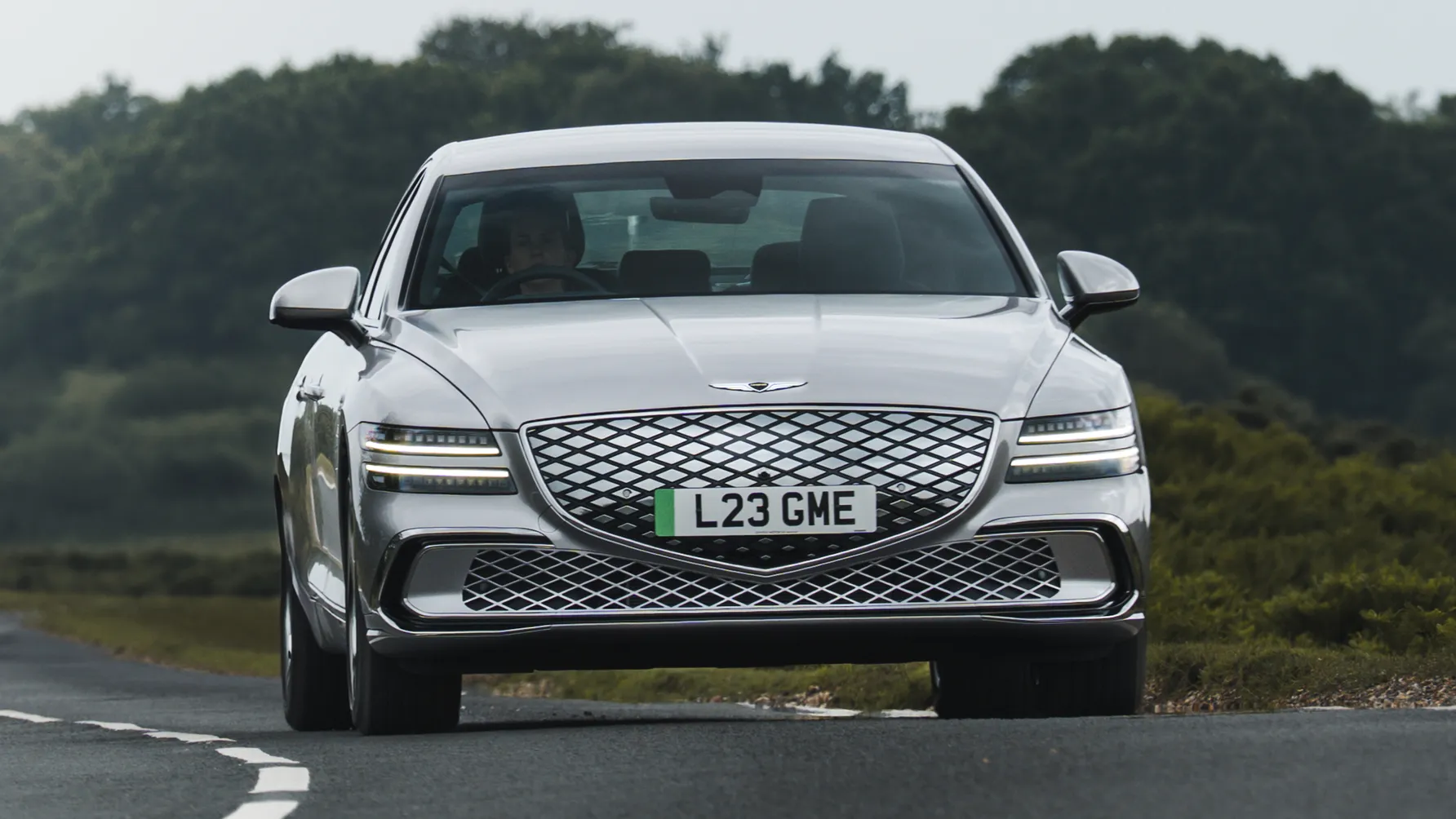
6. Genesis G80: Premium Comfort with Modern Technology
The Genesis G80 offers a premium sedan experience built around comfort, refined styling, and modern equipment. It is designed for buyers who want generous interior space and a quiet cabin without automatically choosing a traditional European luxury brand.
Its suspension and chassis are developed to provide composed road manners, making the G80 a suitable option for commuting, business travel, and extended highway journeys.
Depending on the model year and trim, the G80 may feature electronically controlled suspension technology and other systems designed to improve ride quality.
Certain versions can adapt suspension behaviour to driving conditions, helping balance comfort with stability. These features do not eliminate every bump, but they can help the vehicle respond more appropriately to changing road surfaces. Actual performance depends on the equipment fitted to the individual car.
The interior is a major part of the G80’s appeal. Many versions feature high-quality materials, carefully designed seating, generous legroom, and a layout intended to feel sophisticated without becoming difficult to use.
Available equipment may include powered seats, heating, ventilation, advanced climate control, and premium audio systems. Such features can improve comfort for both drivers and passengers during regular journeys.
Powertrain options vary by market and model year, with some versions offering turbocharged petrol engines and others providing different engine configurations. The G80 generally aims to deliver strong, smooth acceleration alongside a comfortable driving experience.
Engine noise, transmission calibration, and suspension behaviour can differ across trims, so buyers should test the exact configuration they are considering. A luxury sedan should feel composed during gentle acceleration as well as steady cruising.
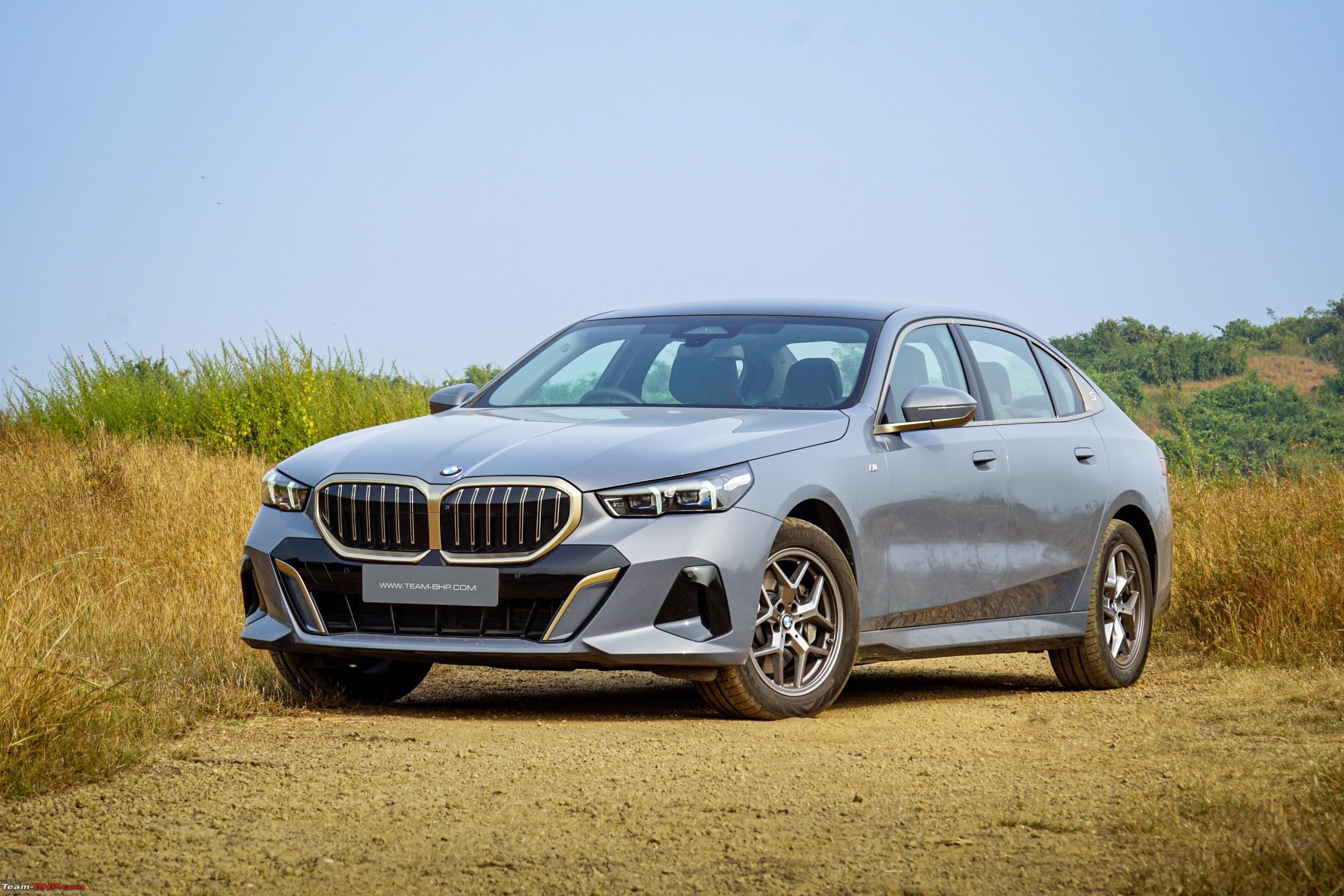
7. BMW 5 Series: Smooth Comfort with Precise Handling
The BMW 5 Series is known for combining executive-class comfort with engaging driving dynamics. Rather than focusing exclusively on softness, it aims to keep passengers comfortable while giving the driver a strong sense of control.
This approach makes the 5 Series suitable for people who travel long distances but still appreciate responsive steering, stable cornering, and confident performance on open roads.
Its suspension design varies across generations and model specifications. Many versions use sophisticated independent suspension arrangements, while certain trims offer adaptive damping or other chassis technologies.
These systems can help manage body movement and improve the response to changing surfaces. When the suspension is properly matched to the road and tyres, the vehicle can feel composed over undulations without becoming unnecessarily harsh.
Seat design and cabin refinement are important strengths. The front seats in many versions provide useful adjustment and support, helping drivers find a comfortable position for extended trips. Rear passenger space depends on the generation and body configuration, but the sedan generally caters to executive and family use. Sound insulation, climate control, and available seat features contribute to a calm environment on motorways.
The 5 Series can deliver smooth power from a variety of engines, depending on the market and model year. Petrol, diesel, plug-in hybrid, and other electrified options have been offered across different generations and regions.
Their characteristics differ, but the sedan is designed to combine confident acceleration with controlled road behaviour. Drivers should compare engine and transmission combinations carefully because refinement and running costs vary between versions.

8. Audi A6: A Refined Sedan for Everyday Luxury
The Audi A6 is designed to provide a comfortable and composed driving experience with understated luxury. Its cabin, suspension, and road manners make it suitable for daily commuting, business travel, and long highway journeys.
Depending on the generation, the A6 may prioritise traditional ride comfort, sharper handling, or a balance between the two. This variety gives buyers several options when choosing a sedan to suit their driving habits.
The suspension system plays an important role in keeping the A6 settled on uneven roads. Many generations use independent suspension, and selected versions offer adaptive damping or air suspension.
These features can adjust how the vehicle responds to different driving conditions, depending on the fitted equipment. On smooth motorways, a properly maintained A6 can feel stable and refined, while its suspension helps soften many ordinary road imperfections.
Audi’s interior design generally places emphasis on a clean appearance, quality materials, and a well-organised driving position. The seats provide support for regular commuting, and the rear compartment can accommodate passengers comfortably, depending on the model generation.
Available equipment may include multi-zone climate control, powered seating, and advanced infotainment features. These conveniences are useful for drivers who want an upscale cabin without unnecessary visual clutter.
Engine choices vary by region and model year. Buyers may encounter petrol and diesel engines, as well as mild-hybrid or plug-in hybrid configurations in selected markets and generations.
Certain versions use all-wheel drive, while others are front-wheel drive. The precise drivetrain affects traction, fuel consumption, weight, and maintenance requirements. Regardless of the configuration, a smooth ride also depends on good tyres and a suspension system in sound condition.
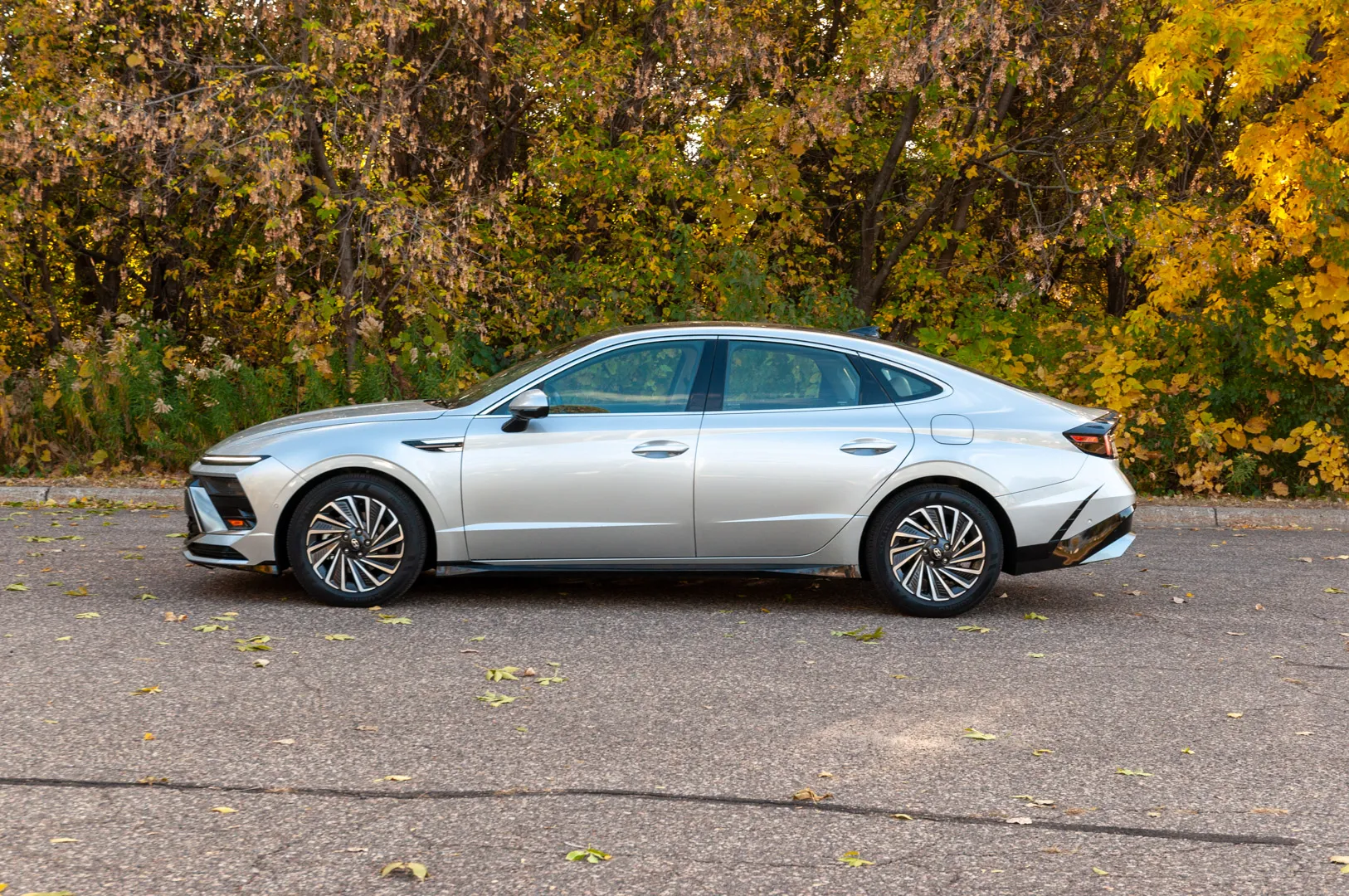
9. Hyundai Sonata: Everyday Comfort with Modern Features
The Hyundai Sonata is a practical choice for buyers who want a modern midsize sedan with a comfortable ride and a generous range of convenience features. Its design is aimed at everyday usability, making it suitable for commuting, family travel, and longer journeys.
Ride characteristics vary between generations and trims, but many Sonata models seek a sensible balance between bump absorption, stability, and predictable handling.
A carefully tuned suspension helps reduce the discomfort caused by ordinary road imperfections. On well-maintained highways, the Sonata can feel settled and easy to drive, while its chassis helps maintain control when the road begins to curve.
Rough surfaces can still be noticeable, particularly on versions equipped with larger wheels or low-profile tyres. Buyers should consider local road conditions when deciding which trim and wheel package best suits their needs.
The cabin offers practical space and a straightforward approach to daily comfort. Front passengers generally receive useful seat adjustment, while the rear bench can provide sufficient room for adults in many model years.
Depending on the specification, equipment may include heated seats, ventilated front seats, automatic climate control, and modern infotainment features. These amenities can make regular journeys more pleasant, particularly in regions with hot summers or cold winters.
The Sonata has been sold with different powertrains across markets, including conventional petrol engines and hybrid options in selected versions. Hybrid models can reduce fuel consumption and may operate quietly at low speeds when their electric systems are active.
Conventional petrol versions offer familiar performance and may appeal to buyers who prefer simpler powertrain arrangements. Fuel economy and acceleration vary with engine choice, traffic, temperature, and driving style.
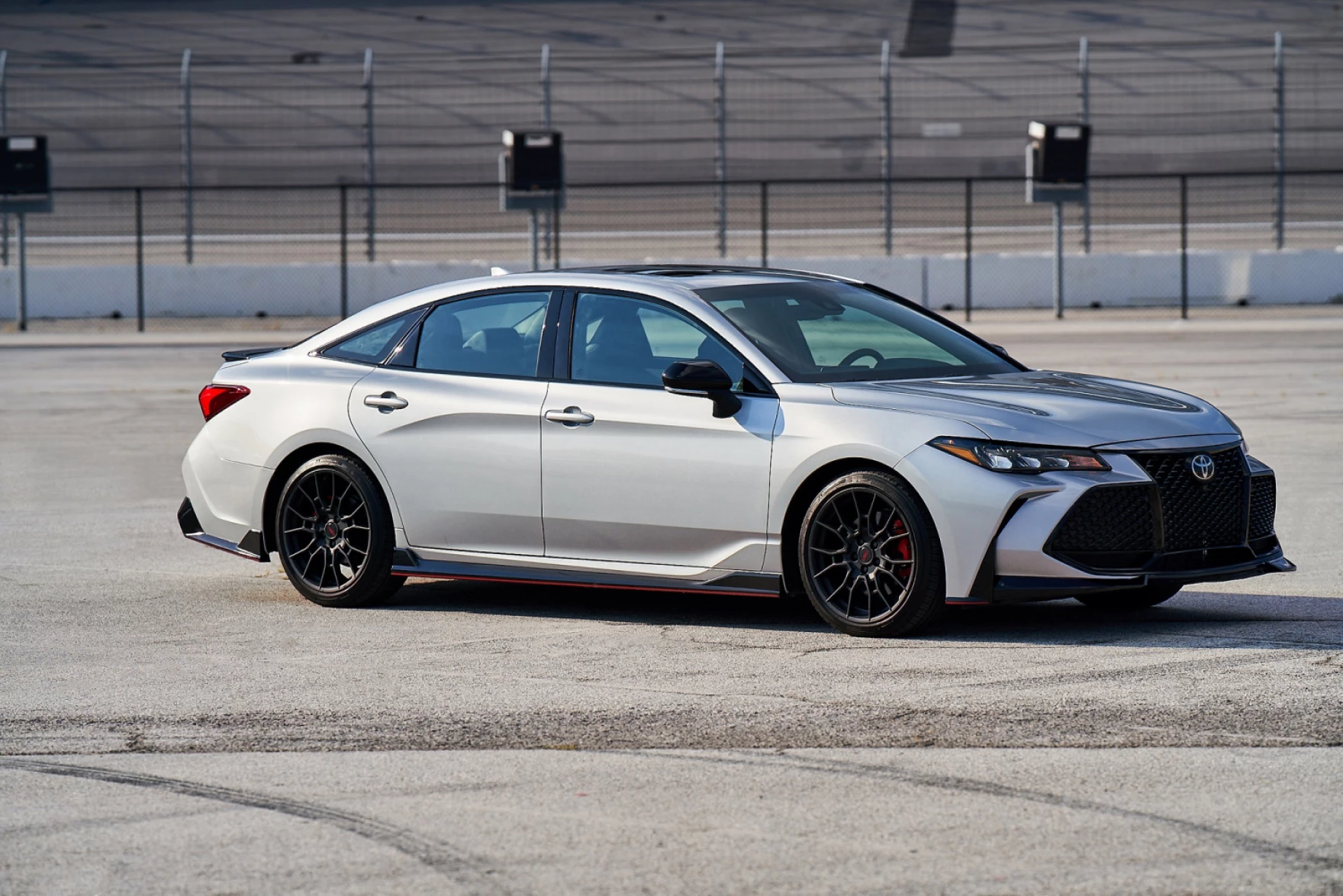
10. Toyota Avalon: Spacious Comfort for Long Journeys
The Toyota Avalon is a full-size sedan that has traditionally placed considerable emphasis on passenger comfort and relaxed driving. Sold in selected markets, particularly North America, across multiple generations, it has appealed to people seeking more interior space than a typical midsize car provides.
Its long wheelbase and comfort-oriented character can make it a pleasant companion for extended road trips and regular highway travel.
The Avalon’s suspension is generally tuned to deliver a composed ride rather than an aggressively sporty response. It is designed to absorb many everyday road imperfections while keeping the car stable at cruising speeds.
Exact suspension equipment and ride characteristics vary between generations and trims. A well-maintained example with appropriate tyres can feel comfortable on long journeys, but damaged wheels, worn dampers, or poor alignment can quickly undermine that experience.
Passenger space is a major advantage. The Avalon provides a broad cabin and generous rear seating in many model years, making it suitable for families and adults who regularly travel together. Supportive seats, convenient controls, and available comfort features add to its appeal.
The interior may not offer the same premium materials as the most expensive luxury sedans, but its practical layout and generous proportions help create a relaxed travel environment.
Many Avalon versions use petrol engines, while later generations also offered hybrid powertrains in certain markets. The petrol models provide straightforward acceleration, while hybrid versions can improve fuel efficiency during suitable driving conditions.
Neither configuration guarantees a perfect ride on every road, but both can support comfortable everyday travel when properly maintained. Buyers should compare the relevant generation’s safety equipment, fuel economy, and servicing needs before choosing.
