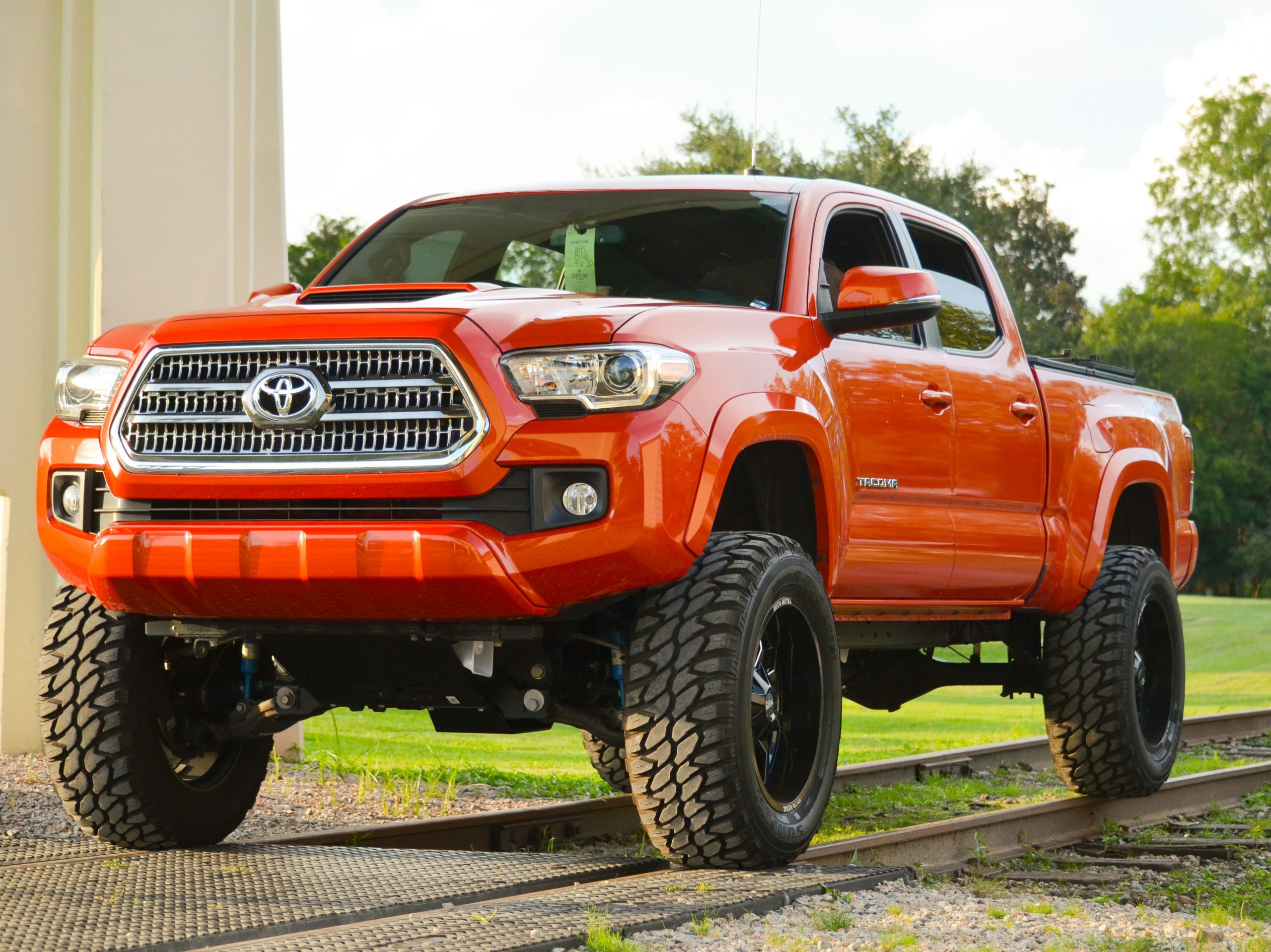
Car preferences vary significantly across the United States, and Alaska and Hawaii offer two particularly interesting examples. Both states have distinctive geography, weather conditions, lifestyles, and transportation needs that influence vehicle registrations.
While drivers in Alaska often prioritize all-wheel drive, ground clearance, durability, and winter performance, Hawaii motorists frequently favor fuel efficiency, compact dimensions, reliability, and everyday practicality. Experian registration data offers a useful way to examine these differences.
Looking at popular vehicle models across both states helps explain how local driving conditions, household needs, and regional preferences shape America’s automotive market.
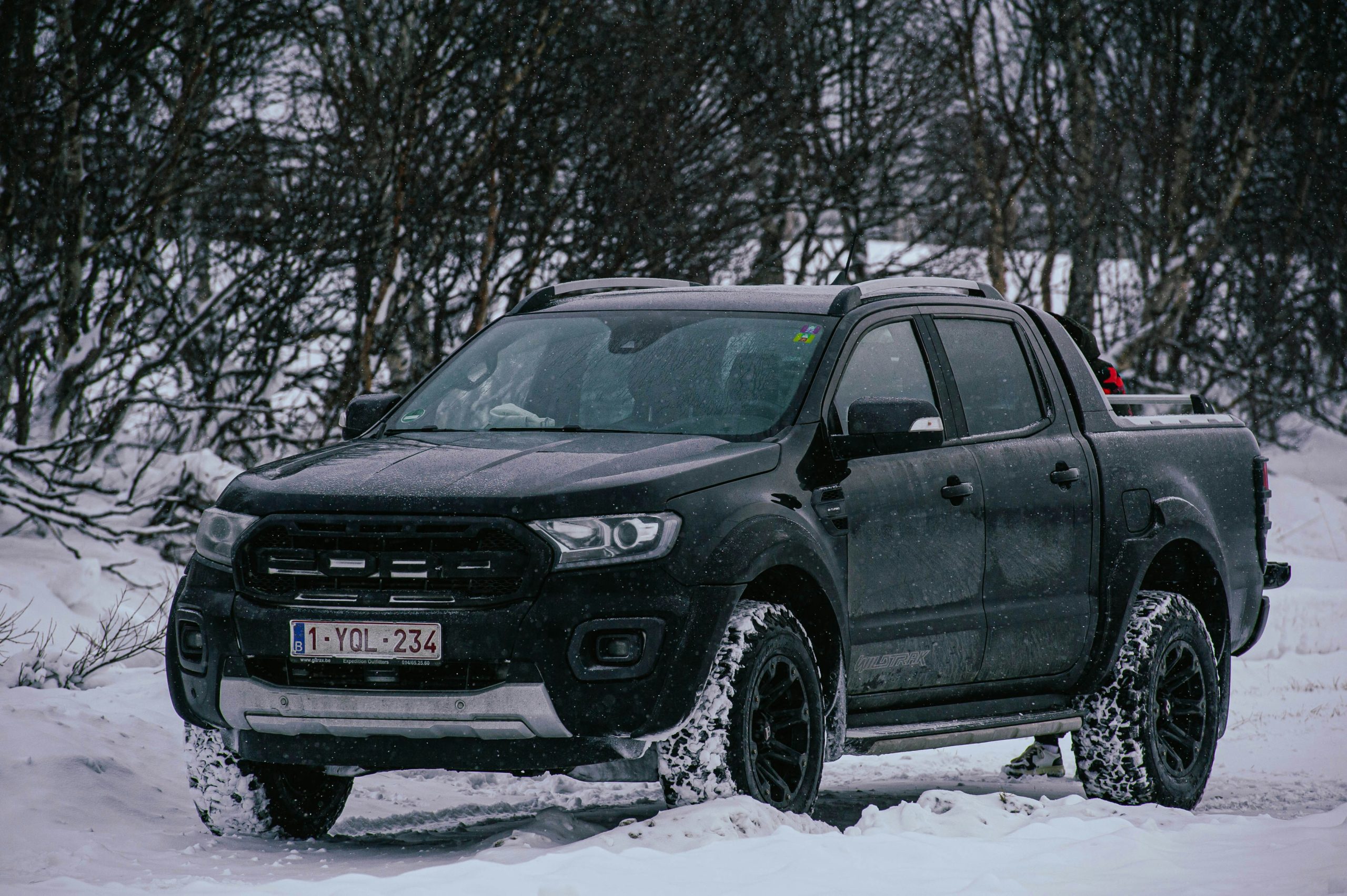
1. Ford F-150
The Ford F-150 represents the type of vehicle that makes sense for Alaska’s demanding driving environment. As a full-size pickup, it offers substantial towing capacity, multiple engine configurations, four-wheel-drive availability, and a practical cargo bed.
These features appeal to residents who regularly travel beyond city streets, transport equipment, haul building materials, or tow recreational vehicles. Alaska has extensive rural areas where drivers may encounter unpaved roads, snow-covered surfaces, and challenging weather. A capable pickup can handle many of these everyday responsibilities while providing the flexibility needed for work and recreation.
Another important consideration is the state’s outdoor-oriented lifestyle. Fishing, hunting, camping, boating, and other recreational activities often involve carrying bulky equipment or towing trailers. The F-150 provides the space and capability required for these activities without forcing owners to purchase a separate utility vehicle.
Its available four-wheel-drive systems can also provide additional traction when road conditions become difficult. For households that combine work-related transportation with outdoor adventures, this flexibility makes a full-size pickup an attractive ownership option.
The F-150 is also available in different cab configurations, bed lengths, and trim levels. Buyers can select a relatively practical work truck or a more luxurious version with advanced technology and comfortable seating. This range allows the vehicle to serve different income groups and household requirements.
In Alaska, where distances between communities can be considerable, cabin comfort and highway performance matter alongside utility. A spacious interior, available heated seating, and modern driver assistance features can make longer journeys more comfortable.
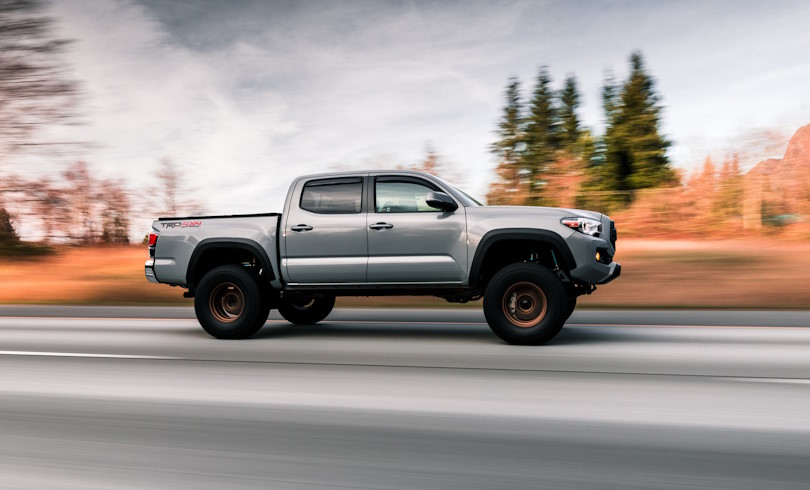
2. Toyota Tacoma
The Toyota Tacoma is another vehicle that suits Alaska’s combination of rural roads, outdoor recreation, and demanding seasonal conditions. Unlike a full-size pickup, the Tacoma occupies the midsize category, making it somewhat easier to maneuver and park while retaining useful cargo and towing capabilities.
Its available four-wheel-drive configurations and relatively compact footprint appeal to drivers who need a capable vehicle without the dimensions of a larger truck. This balance is especially useful for people who travel between residential areas, outdoor destinations, and smaller communities.
Alaska creates transportation challenges that extend beyond ordinary winter commuting. Some drivers regularly encounter gravel roads, uneven surfaces, steep approaches, and remote recreational routes.
A properly equipped Tacoma can provide the ground clearance and traction required for many of these situations. Certain trims also include off-road equipment designed for rougher terrain.
These characteristics help explain why midsize pickups have a strong practical appeal among drivers who enjoy outdoor activities and require dependable transportation.
The Tacoma also attracts buyers who want a pickup for personal use rather than heavy commercial work. Its cargo bed can accommodate camping supplies, tools, sports equipment, and other belongings.
Owners can also use it for smaller trailers and recreational equipment, subject to the vehicle’s specific towing rating. This versatility gives the Tacoma a place between conventional passenger cars and larger work-oriented trucks. For some households, it can serve as their primary vehicle throughout the year.
Toyota’s reputation for long-term reliability is another factor that contributes to the Tacoma’s appeal. Many buyers consider expected ownership costs, resale value, service availability, and durability before purchasing a vehicle.
The Tacoma has established a recognizable position in the American midsize pickup market. Its strong resale reputation can be attractive to buyers who plan to change vehicles after several years. Actual reliability and running expenses still depend on maintenance, driving conditions, and the particular model year.
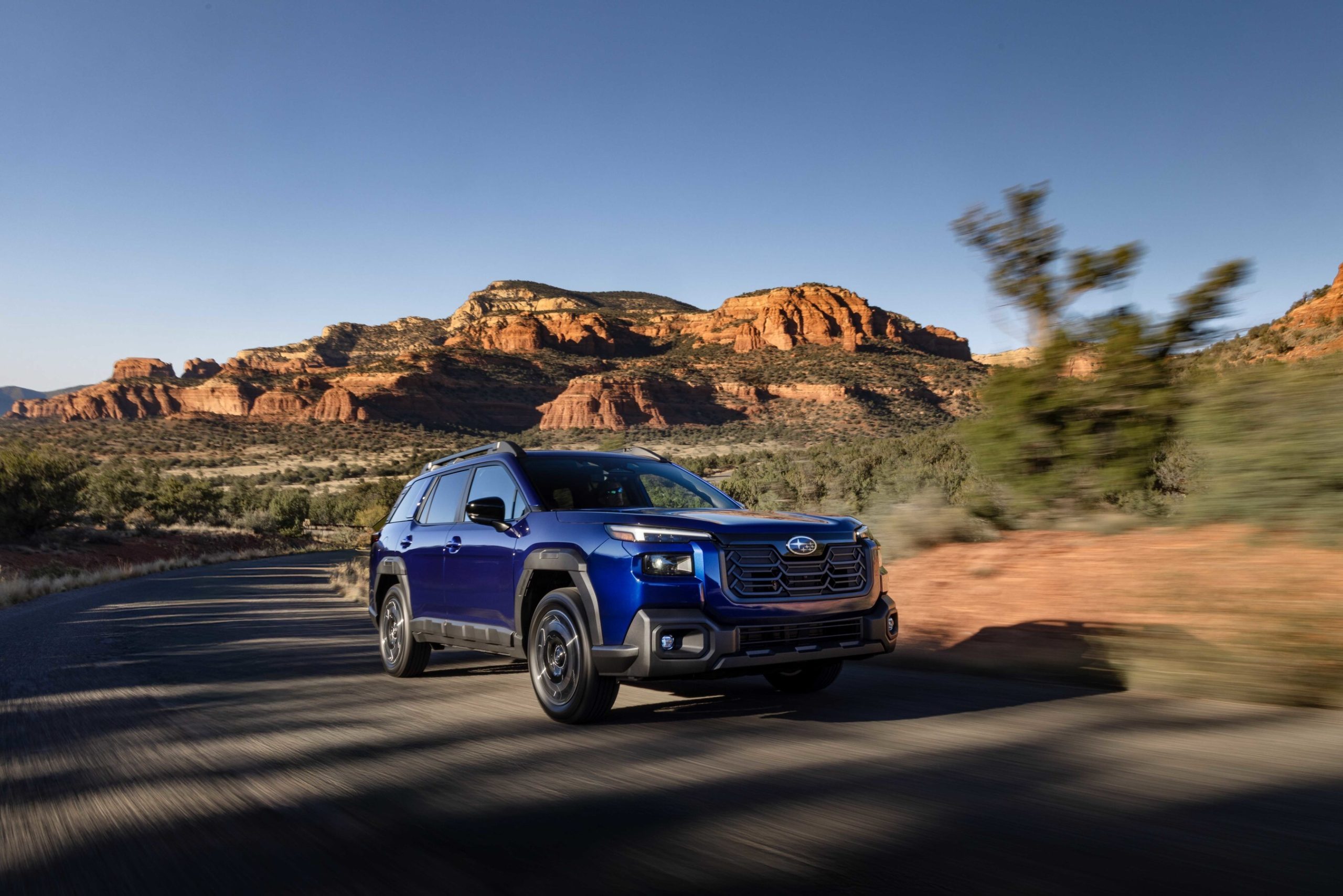
3. Subaru Outback
The Subaru Outback offers a different approach to transportation in Alaska. Rather than relying on a pickup-style body, it combines the comfort of a passenger vehicle with the practical design of a crossover wagon.
Subaru’s standard symmetrical all-wheel-drive system is a particularly relevant feature for drivers who regularly encounter snow, rain, and changing road conditions. The Outback also offers useful ground clearance, making it more versatile than many conventional passenger cars when traveling on uneven surfaces.
Winter performance is an important consideration for Alaska residents. Snow accumulation, icy roads, and low temperatures can make daily travel difficult, especially in areas that receive substantial snowfall. The Outback’s all-wheel-drive system can help distribute power between the wheels when traction conditions change.
However, drivers should remember that all-wheel drive does not eliminate stopping-distance limitations. Proper winter tires, sensible speeds, and careful driving remain essential for safe transportation.
The Outback is also attractive to households that want interior space without purchasing a full-size SUV. Its cargo area can accommodate luggage, groceries, camping equipment, and outdoor gear.
The rear seating area provides room for passengers, making the vehicle suitable for family transportation, for DCA residents who regularly travel long distances, a comfortable cabin and practical cargo arrangement can be more important than maximum towing capacity.
Fuel economy is another consideration. Depending on the engine, model year, and driving conditions, the Outback may consume less fuel than a large pickup or full-size SUV.
This can make a difference for households that cover significant distances. Alaska’s communities are spread across a large geographic area, and some journeys involve long stretches of highway. A vehicle that balances space, traction, and reasonable fuel consumption can provide practical value over several years of ownership.
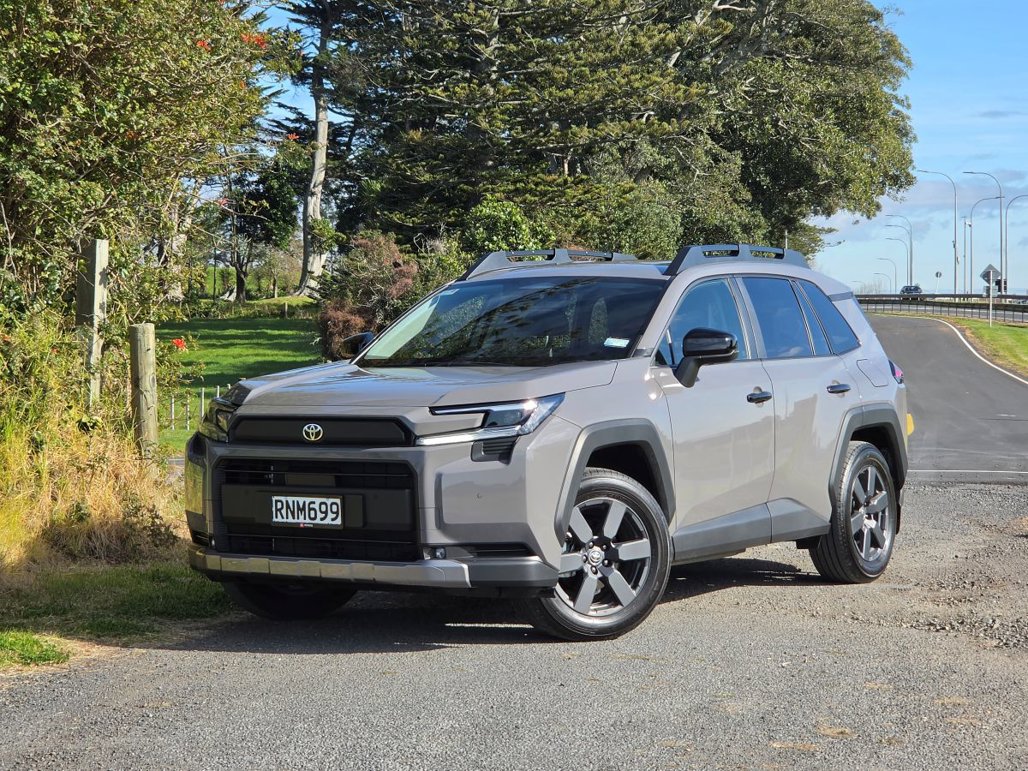
4. Toyota RAV4
The Toyota RAV4 is a compact SUV that offers a practical combination of passenger comfort, cargo capacity, and available all-wheel drive. Its relatively manageable dimensions make it suitable for urban driving, shopping trips, commuting, and longer journeys.
For Alaska households that do not need the towing capability of a pickup, the RAV4 can provide sufficient versatility for everyday transportation. Its crossover design also makes entering and exiting the vehicle convenient for many drivers.
Available all-wheel-drive configurations are relevant to residents who regularly encounter slippery roads. The RAV4 is not designed to replace a specialized off-road truck, but its traction systems can assist with ordinary winter driving when used appropriately.
Tire selection remains particularly important. Dedicated winter tires can improve braking and handling on snow and ice, while all-wheel drive mainly helps the vehicle accelerate and maintain traction under certain conditions.
The RAV4 also offers a practical interior for households with different transportation needs. Families can use it for school journeys, grocery shopping, weekend trips, and recreational activities.
Its rear cargo area provides space for luggage and everyday purchases. Folding the rear seats creates additional room for larger belongings. This flexibility is valuable for buyers who prefer a single vehicle that can handle several responsibilities throughout the week.
Toyota’s hybrid RAV4 versions also provide an option for buyers interested in improving fuel efficiency. Hybrid technology combines a gasoline engine with electric motor assistance to reduce fuel consumption under suitable driving conditions.
In Alaska, cold temperatures can affect hybrid efficiency and battery performance, so actual fuel economy may differ from advertised figures. Nevertheless, the availability of conventional and hybrid versions gives buyers more flexibility when choosing a vehicle.
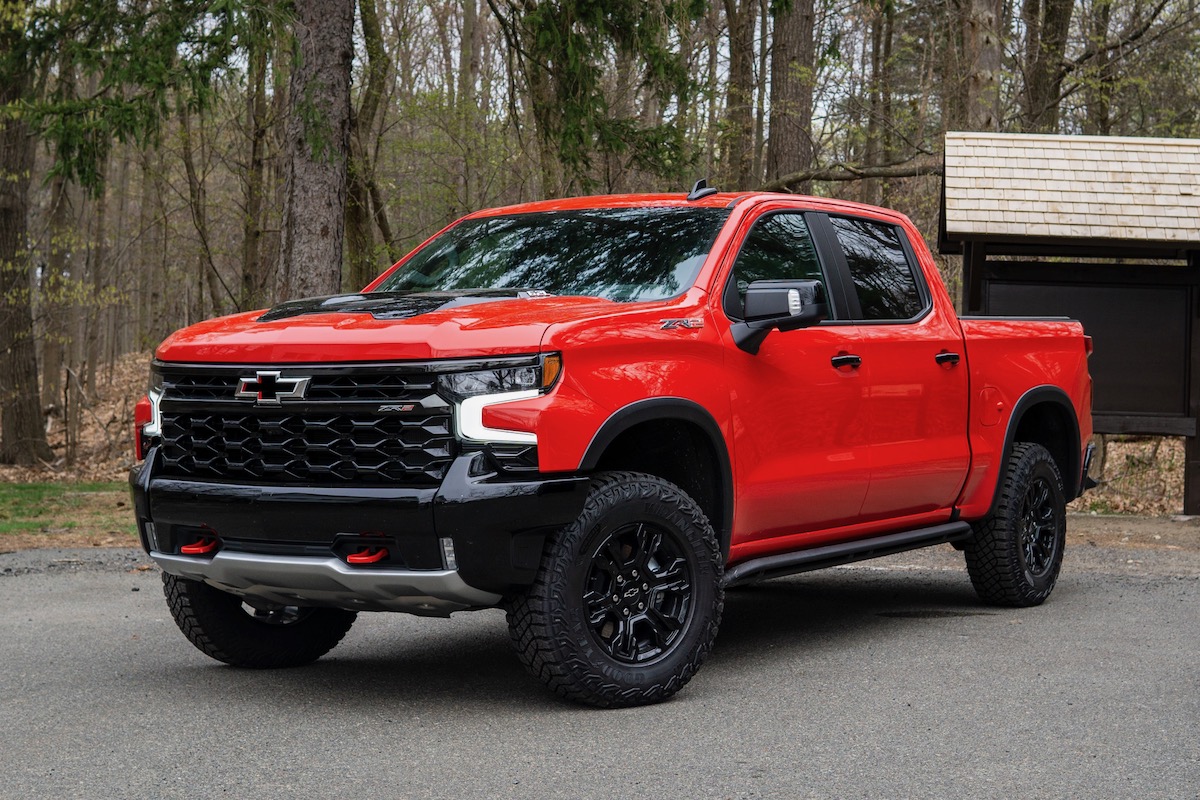
5. Chevrolet Silverado 1500
The Chevrolet Silverado 1500 is another full-size pickup associated with the transportation requirements found in Alaska. It offers substantial towing and hauling capabilities, multiple engine choices, and available four-wheel drive.
These characteristics make it useful for construction workers, tradespeople, business owners, and residents who regularly transport heavy equipment. Its combination of strength and passenger comfort allows it to serve as both a work vehicle and a personal transportation option.
Alaska’s rural environment creates situations where a vehicle’s ability to carry supplies and tow trailers becomes particularly important. Some residents need to transport construction materials, snowmobiles, boats, or camping equipment.
A properly equipped Silverado can support these activities within its specified towing and payload limits. Its cargo bed also provides practical storage for tools and outdoor belongings that may not fit comfortably inside a conventional passenger car.
The availability of different cab styles gives buyers several choices. Crew Cab versions provide additional passenger room, while different bed configurations allow owners to prioritize cargo capacity.
Higher trim levels offer additional comfort and technology, making the Silverado suitable for long-distance travel. This flexibility is valuable in a state where the same vehicle may be used for commuting during the week and recreational activities during weekends.
Fuel costs and maintenance remain important considerations. Full-size trucks generally consume more fuel than smaller passenger vehicles, especially when carrying heavy loads or towing trailers. Tire replacement and routine maintenance can also contribute to ownership expenses.
Buyers should compare the truck’s capability with their actual needs instead of purchasing a larger vehicle solely for appearance. The Silverado makes the most sense for owners who regularly use its utility features.
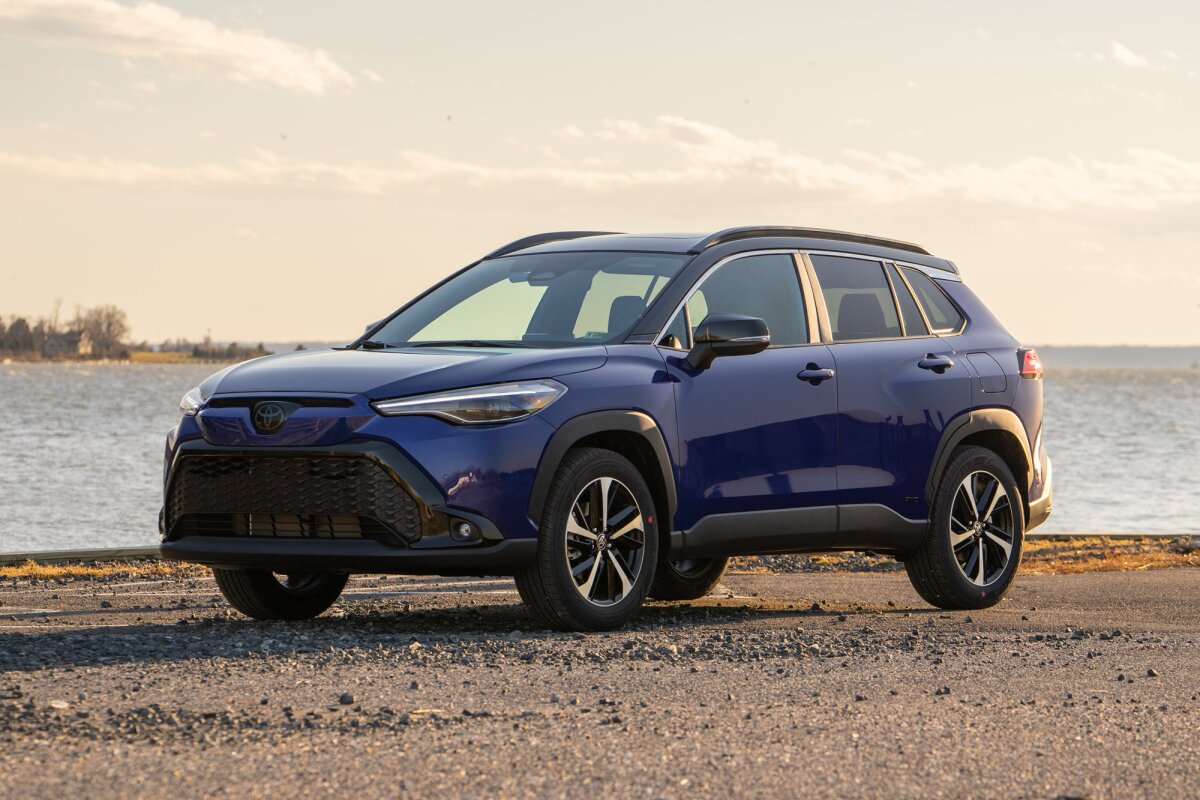
6. Toyota Corolla
The Toyota Corolla is a practical choice for Hawaii drivers who prioritize affordable transportation, fuel efficiency, and convenient everyday use. Its compact dimensions make it suitable for urban and suburban driving, particularly in areas where traffic congestion and limited parking can make larger vehicles inconvenient.
The Corolla has a long history in the American passenger car market, and its reputation for practicality makes it a recognizable choice among households seeking dependable transportation.
Fuel efficiency is particularly relevant in Hawaii because gasoline prices have often been higher than the national average. Drivers who commute regularly may pay close attention to the amount of fuel their vehicles consume.
A compact sedan generally requires less fuel than a large SUV or pickup, helping reduce routine transportation expenses. Hybrid Corolla versions offer an additional option for buyers who want lower fuel consumption, depending on their driving habits and vehicle availability.
The Corolla’s size also makes it convenient for navigating busy roads and finding parking. Honolulu and surrounding communities contain areas with considerable traffic and limited parking availability.
A smaller sedan can be easier to position in tight spaces than a full-size truck. This advantage is especially relevant for commuters, students, and households that regularly travel through commercial districts.
Passenger comfort and everyday practicality are further strengths. The Corolla provides seating for a small family, a useful trunk, and modern infotainment and safety technology on many recent versions.
It may not offer the cargo flexibility of an SUV, but its design suits buyers whose transportation needs mainly involve commuting, shopping, and regular household journeys. The sedan’s straightforward layout can also make it easier for drivers transitioning from older passenger cars.
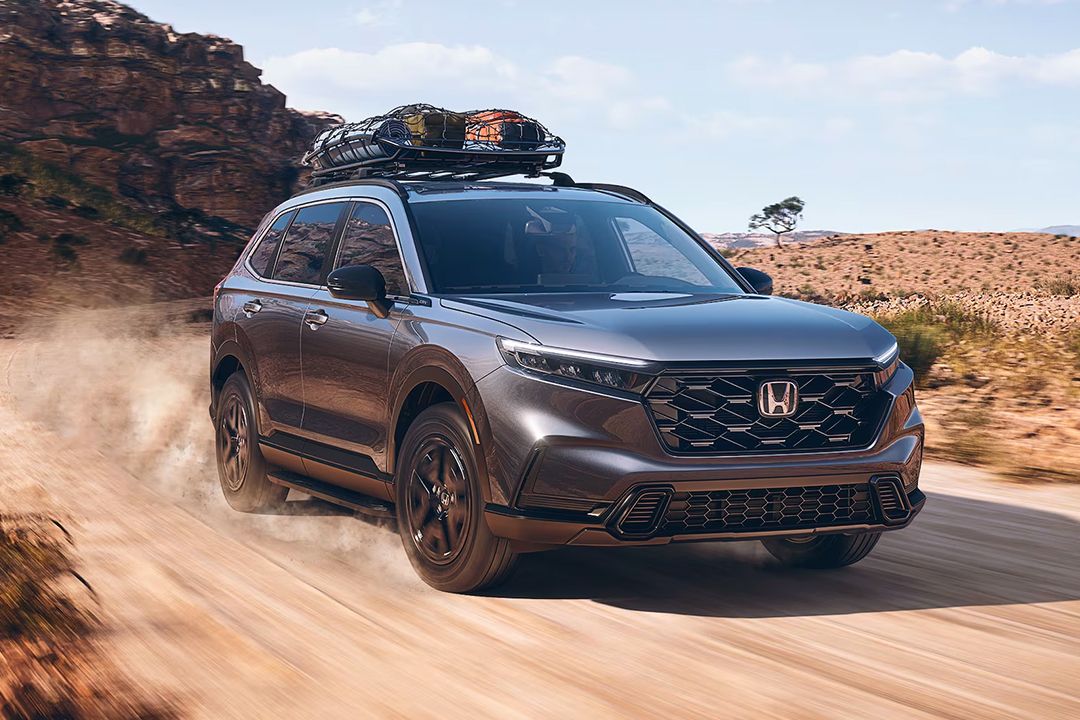
7. Honda CR-V
The Honda CR-V offers a balance of passenger comfort, cargo flexibility, and manageable exterior dimensions. In Hawaii, these qualities are useful for families, working professionals, and individuals who want more interior space than a traditional sedan provides. Its crossover design makes it suitable for everyday commuting while providing additional room for luggage, groceries, sports equipment, and recreational belongings.
The CR-V is particularly attractive to households that need flexible seating and storage. Its rear seating area can accommodate passengers, while the cargo compartment provides space for shopping bags, suitcases, and everyday equipment.
Folding the rear seats increases cargo capacity when transporting larger objects. This flexibility can be useful for residents who enjoy outdoor activities but do not require the open cargo bed of a pickup.
Fuel efficiency is another important factor. Depending on the model year and powertrain, the CR-V is available with conventional gasoline and hybrid options.
Hybrid versions can help reduce gasoline consumption during suitable driving conditions. For Hawaii residents who frequently commute, shop, and travel between different communities, lower fuel consumption can contribute to meaningful savings over the ownership period.
The CR-V’s dimensions also suit the driving environment found in many Hawaiian communities. It provides a relatively high seating position without the size of a large SUV.
Drivers can benefit from easier access to the cabin and a useful view of surrounding traffic. Modern safety features, including available collision mitigation and adaptive cruise control systems, add further convenience for daily journeys.
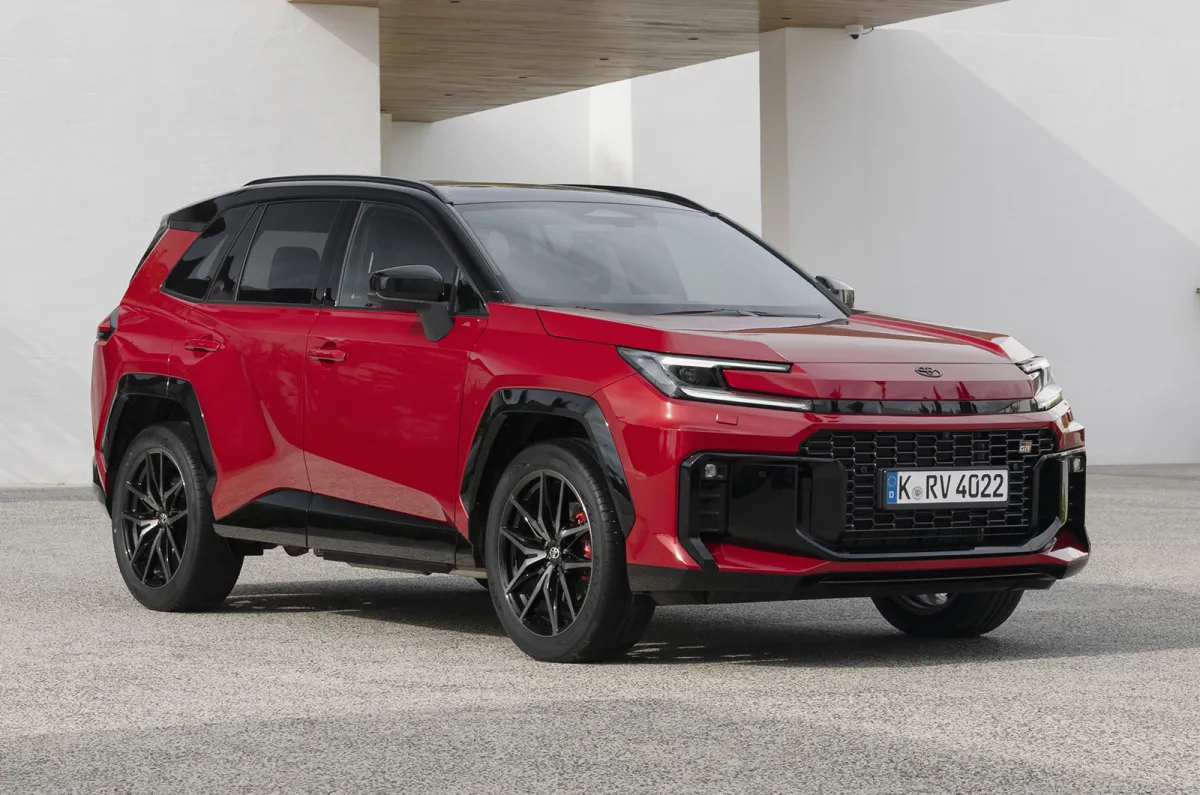
8. Toyota RAV4
The Toyota RAV4 is particularly relevant to Hawaii’s passenger vehicle market because it combines SUV practicality with a relatively compact design. It provides more cargo flexibility than a traditional sedan while remaining easier to maneuver than a full-size SUV.
For families and individuals who regularly travel between residential areas, workplaces, beaches, and shopping destinations, the RAV4 can serve as a versatile everyday vehicle.
Hawaii’s outdoor lifestyle creates practical reasons for choosing a crossover. Residents may need room for beach equipment, luggage, camping supplies, sports gear, and grocery purchases.
The RAV4’s cargo area can accommodate these belongings, while its rear seating makes it suitable for transporting family members and friends. This arrangement is convenient for households that prefer a single vehicle for commuting and recreational activities.
Fuel economy is a major consideration for buyers in Hawaii. The RAV4 is available in gasoline and hybrid configurations, with additional plug-in hybrid options in certain model years.
Hybrid models can deliver improved fuel economy compared with conventional gasoline versions, depending on driving conditions. Since many Hawaiian journeys involve urban and suburban traffic, efficient powertrains can provide meaningful ownership benefits.
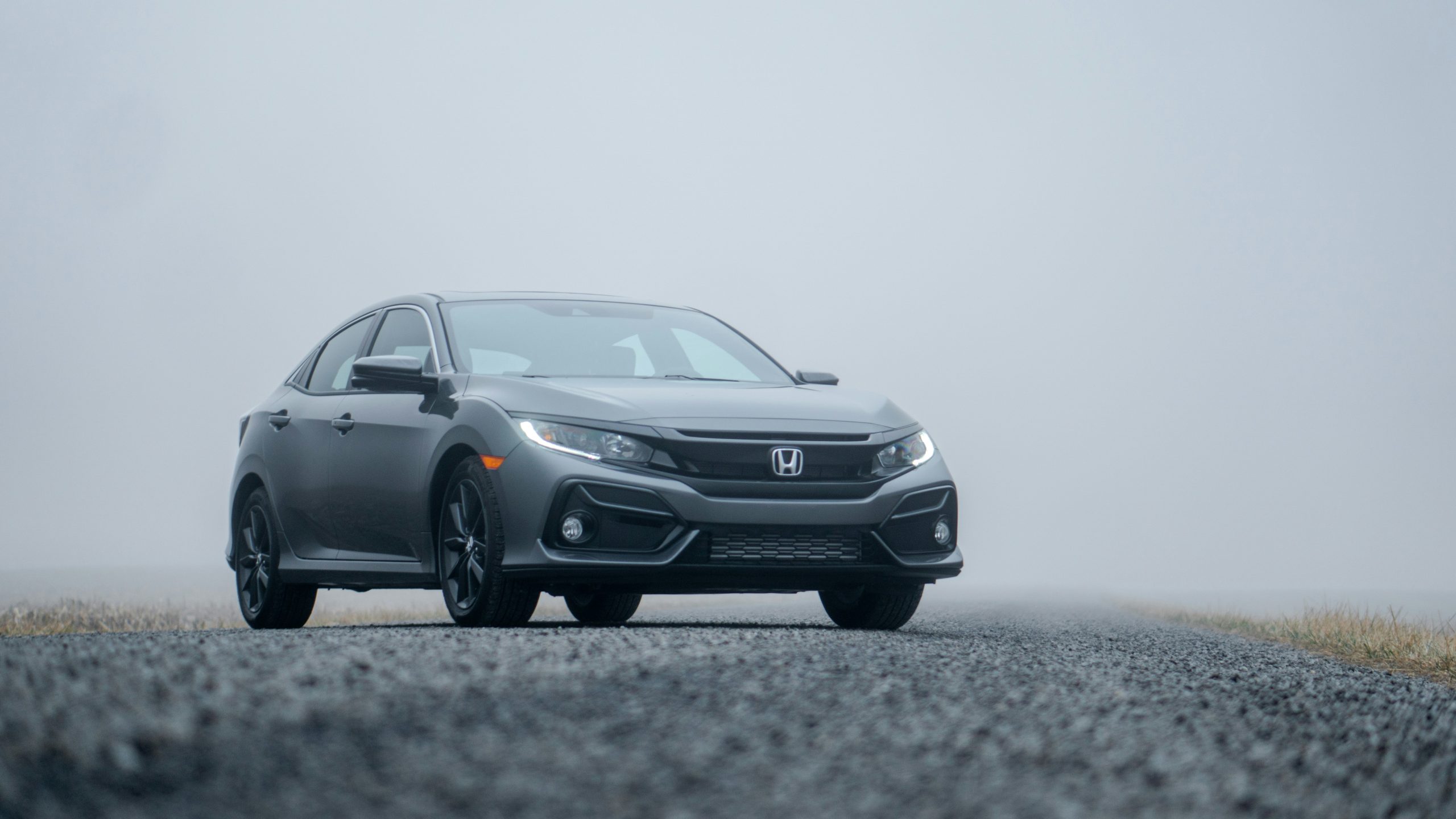
9. Honda Civic
The Honda Civic is another passenger car that fits the transportation needs of Hawaii residents. Its compact size, efficient powertrains, and everyday practicality make it suitable for commuting and regular household travel.
The Civic has maintained a recognizable position in the American automotive market for decades, attracting buyers who want a passenger car that balances driving comfort, economy, and useful technology.
Fuel consumption is an important factor behind the appeal of compact sedans. Hawaii’s transportation expenses can be affected by the cost of imported fuel and the distances residents travel between work, school, and other destinations.
A fuel-efficient vehicle can help reduce the amount spent on gasoline. Civic models offer different engine configurations across model years, allowing buyers to choose between everyday efficiency and stronger performance.
The Civic’s exterior dimensions also make it convenient for urban environments. Parking spaces can be limited in busy areas, and narrow residential streets may make larger vehicles less convenient.
A compact sedan can simplify these everyday situations. Its handling and relatively low operating requirements also appeal to people who want a straightforward vehicle for regular commuting rather than a large utility vehicle.
Interior design and technology have become increasingly important in modern Civic models. Depending on the version, buyers can find touchscreen infotainment systems, smartphone integration, advanced driver assistance features, and comfortable passenger seating.
The vehicle also offers a practical trunk for groceries, shopping bags, and luggage. Although it cannot match an SUV’s cargo flexibility, it provides sufficient space for many everyday requirements.