America’s automotive market has changed dramatically since 1980, with new technologies, changing consumer preferences, and growing demand for fuel-efficient vehicles reshaping the industry. Yet several familiar car names have maintained their appeal across generations.
From dependable family sedans to powerful American pickups and legendary sports cars, certain models have earned lasting recognition among drivers. Looking at historical sales patterns alongside today’s market highlights how established nameplates continue to influence buying decisions.
This article examines ten recognizable vehicles connected to America’s automotive history, comparing their early popularity, lasting appeal, and position in today’s competitive automobile market.
The following ten vehicles have maintained a notable presence in the American market over several decades. They offer a look at how familiar nameplates have evolved, rather than a confirmed ranking of the ten best-selling identical models in both 1980 and 2026.
Vehicle generations, model names, and sales classifications have changed, so historical comparisons require care. Cox Automotive’s modern market reporting provides useful context for today’s vehicle sales, but should not be treated as a complete source for 1980 model rankings.
1. Ford F-Series: America’s Longstanding Pickup Favorite
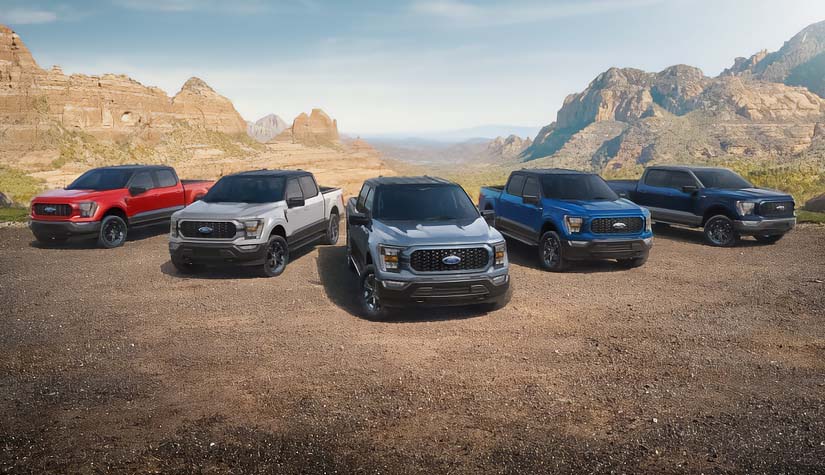
The Ford F-Series has played a major role in America’s automotive market for generations. Its history stretches back to 1948, and by 1980, Ford’s pickup lineup had established a strong presence among American buyers.
The F-Series appealed to customers who needed practical transportation, dependable work vehicles, and trucks capable of handling demanding jobs. Its popularity reflected the importance of pickup trucks in American daily life.
During the 1980 model year, Ford offered several F-Series configurations, including the F-100, F-150, and heavier-duty versions. Buyers could choose different engines, body styles, cab arrangements, and equipment levels. This flexibility helped Ford serve farmers, construction workers, business owners, and families. The truck’s broad usefulness contributed to its strong reputation in a competitive market.
The F-Series maintained its position through continuous engineering improvements. Ford introduced more efficient engines, improved transmissions, enhanced safety equipment, and increasingly comfortable interiors.
As consumer expectations changed, the pickup gradually became more than a basic work vehicle. Features such as advanced infotainment, driver assistance technology, premium seating, and sophisticated towing systems helped attract a wider range of customers.
In today’s American market, the F-Series remains a major sales leader. The modern F-150 offers multiple powertrain choices, including conventional gasoline engines, hybrid technology, and electric versions in the wider F-Series family.
Its appeal extends from commercial fleets to recreational drivers. Cox Automotive’s reporting on recent American vehicle sales provides important context for understanding the continued strength of full-size pickups.
2. Chevrolet C/K: The Foundation of Today’s Silverado
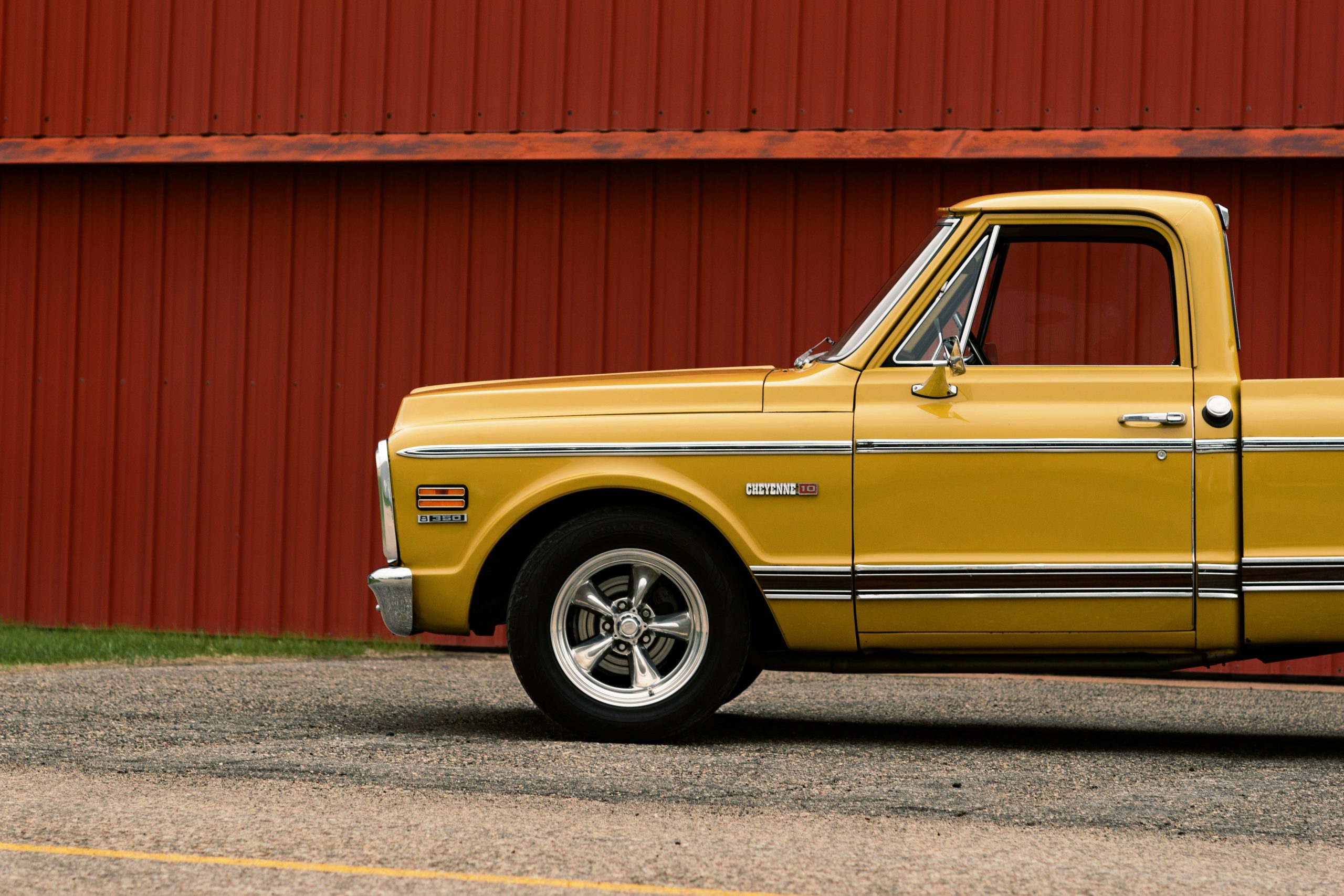
The Chevrolet C/K was a significant part of Chevrolet’s American vehicle lineup in 1980. These pickups served customers who wanted a practical vehicle for work, transportation, and recreation. The C/K range offered different configurations, allowing buyers to select a truck according to their hauling needs, preferred engine, and intended use. Its presence reflected the importance of domestic pickups in the United States.
Chevrolet designed the C/K series to appeal to a broad customer base. The trucks were available with different cab styles, bed lengths, and engine options.
Their straightforward construction made them suitable for demanding working conditions, while more comfortable trims attracted private buyers. This combination of utility and everyday usability helped the series maintain a recognizable position in the American truck market.
As the decades passed, Chevrolet updated its pickup technology and product strategy. Improvements included stronger frames, more refined suspensions, better fuel management, improved cabin materials, and modern safety features.
The C/K name eventually gave way to the Silverado branding for Chevrolet’s mainstream full-size pickup lineup. This transition marked a new chapter rather than the disappearance of Chevrolet’s established truck identity.
The modern Chevrolet Silverado carries forward much of the practical appeal associated with the earlier C/K models. Today’s Silverado offers multiple trims, powertrain configurations, advanced connectivity, and substantial towing capabilities. Its customer base includes tradespeople, commercial operators, outdoor enthusiasts, and households looking for a versatile full-size pickup.
The connection between the 1980 C/K and today’s Silverado demonstrates how vehicle manufacturers preserve established product strengths while adapting to new expectations.
The designs and technologies are considerably different, so their sales figures should not be combined as though they represented an unchanged model. Their shared place in Chevrolet’s truck history, however, makes this family an important part of America’s automotive story.
3. Toyota Corolla: A Global Bestseller With American Staying Power
The Toyota Corolla became a familiar name among American motorists well before the 1980s. Its reputation was built on practical engineering, manageable running costs, and straightforward transportation.
During the 1980 model year, the Corolla was part of Toyota’s growing American presence, appealing to customers interested in compact vehicles that offered an alternative to larger domestic cars.
Fuel economy was an important consideration for many American households during this period. The oil crises of the 1970s had increased awareness of fuel consumption, making compact imported cars attractive to buyers. The Corolla benefited from this shift. Its relatively small size also made it suitable for urban driving, commuting, and households seeking an affordable second vehicle.
Toyota continued improving the Corolla through successive generations. Changes in styling, cabin design, safety equipment, engine performance, and convenience features helped the car respond to changing consumer preferences.
The model gradually developed from a basic compact into a more sophisticated everyday vehicle. Its international reputation also strengthened, giving Toyota an important product with recognition across numerous markets.
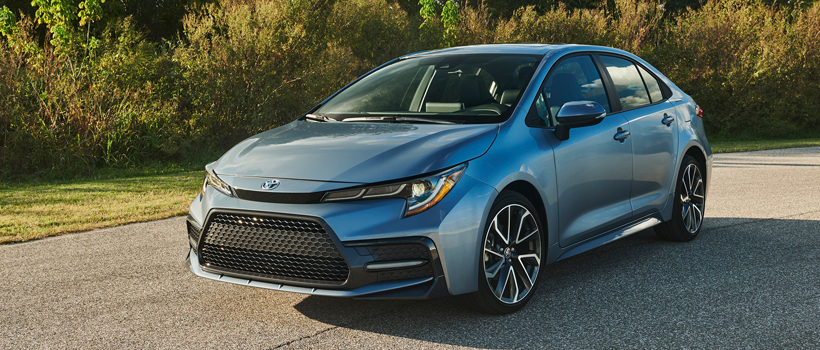
The current Corolla continues to target buyers who value practicality and predictable ownership costs. Depending on the market and model year, the lineup includes conventional gasoline and hybrid versions.
Modern equipment can include smartphone connectivity, advanced driver assistance systems, and improved cabin technology. These features help the Corolla remain competitive against other compact cars and small crossovers.
The Corolla’s history illustrates the lasting value of a clear product identity. Buyers in 1980 wanted economical transportation that could handle regular commuting without unnecessary complexity.
Today’s customers still consider efficiency, reliability, affordability, and ease of use important when choosing a passenger car. Its continued presence in Toyota’s lineup demonstrates how a compact car can remain relevant as the industry changes.
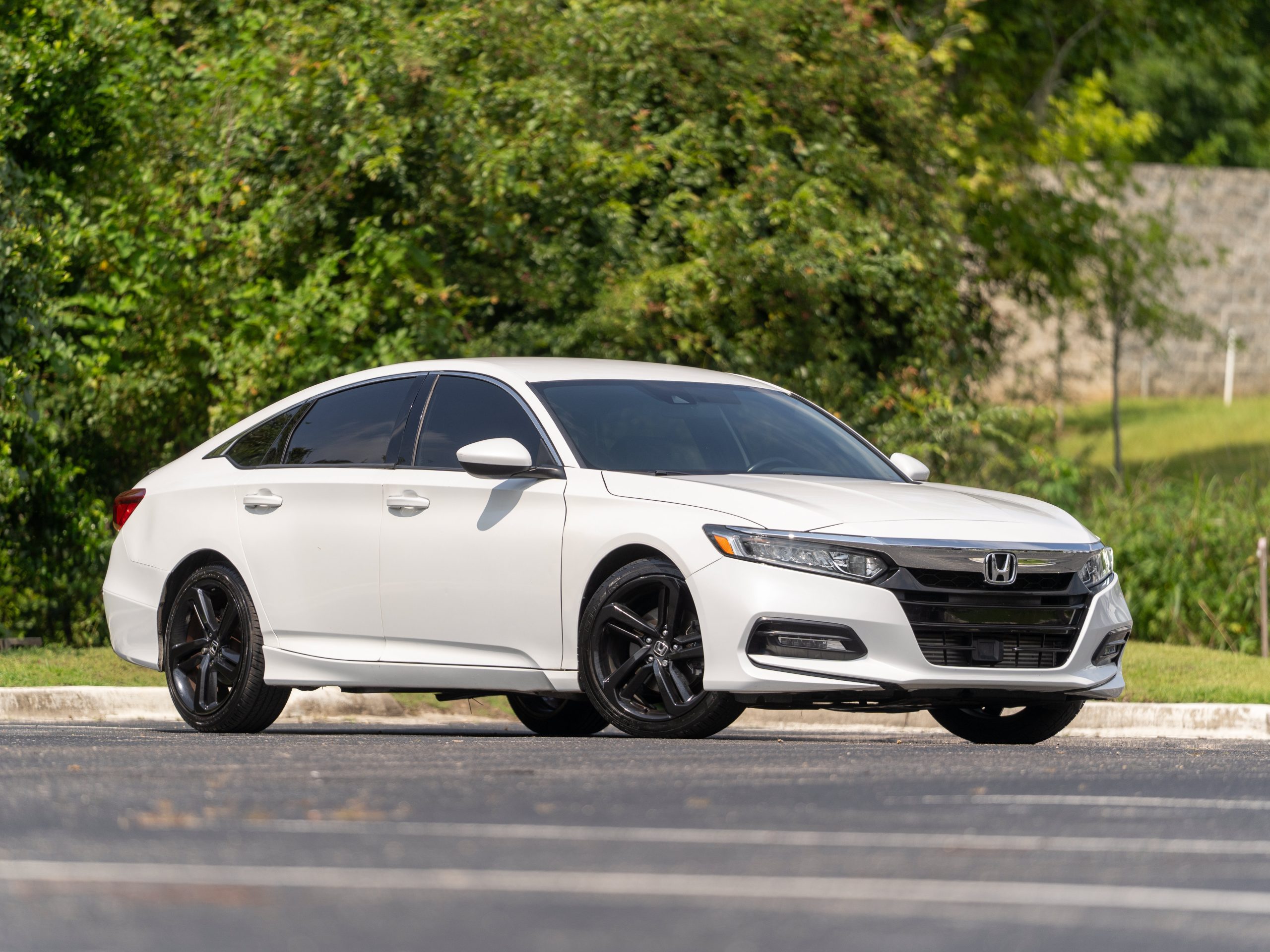
4. Honda Accord: A Family Sedan That Grew With American Buyers
The Honda Accord entered the American market during the 1970s and quickly developed a reputation for efficient, practical transportation. By 1980, it was an established option for American households considering imported vehicles. Its compact dimensions, sensible engineering, and useful interior made it attractive to drivers who wanted something more manageable than many traditional full-size domestic sedans.
The early Accord reflected Honda’s approach to designing vehicles for everyday use. Its hatchback configuration provided useful cargo flexibility, while its efficient engine helped appeal to motorists concerned about fuel expenses.
The car also offered a relatively comfortable driving experience for its class. These characteristics helped Honda establish stronger brand recognition among American customers.
Over time, the Accord grew in size and evolved into a midsize sedan. Honda introduced larger interiors, more powerful engines, improved suspension systems, and additional safety equipment.
The company also developed higher-quality cabin materials and more advanced convenience features. These changes allowed the Accord to compete for customers who previously might have considered larger American family sedans.
Modern Accord models continue to emphasize passenger comfort, useful interior space, and everyday driving efficiency. Recent generations have placed greater attention on hybrid powertrains, digital displays, smartphone connectivity, and driver assistance technology. The model’s traditional strengths remain important, even as the broader market shifts toward sport utility vehicles and crossovers.
The Accord’s long history demonstrates the value of adapting a vehicle to the needs of changing households. In 1980, customers appreciated its economical design and practical packaging.
Current buyers expect a more refined driving experience, improved technology, and advanced safety systems. The Accord’s evolution shows how a familiar family-car name can maintain recognition through substantial changes in engineering and design.
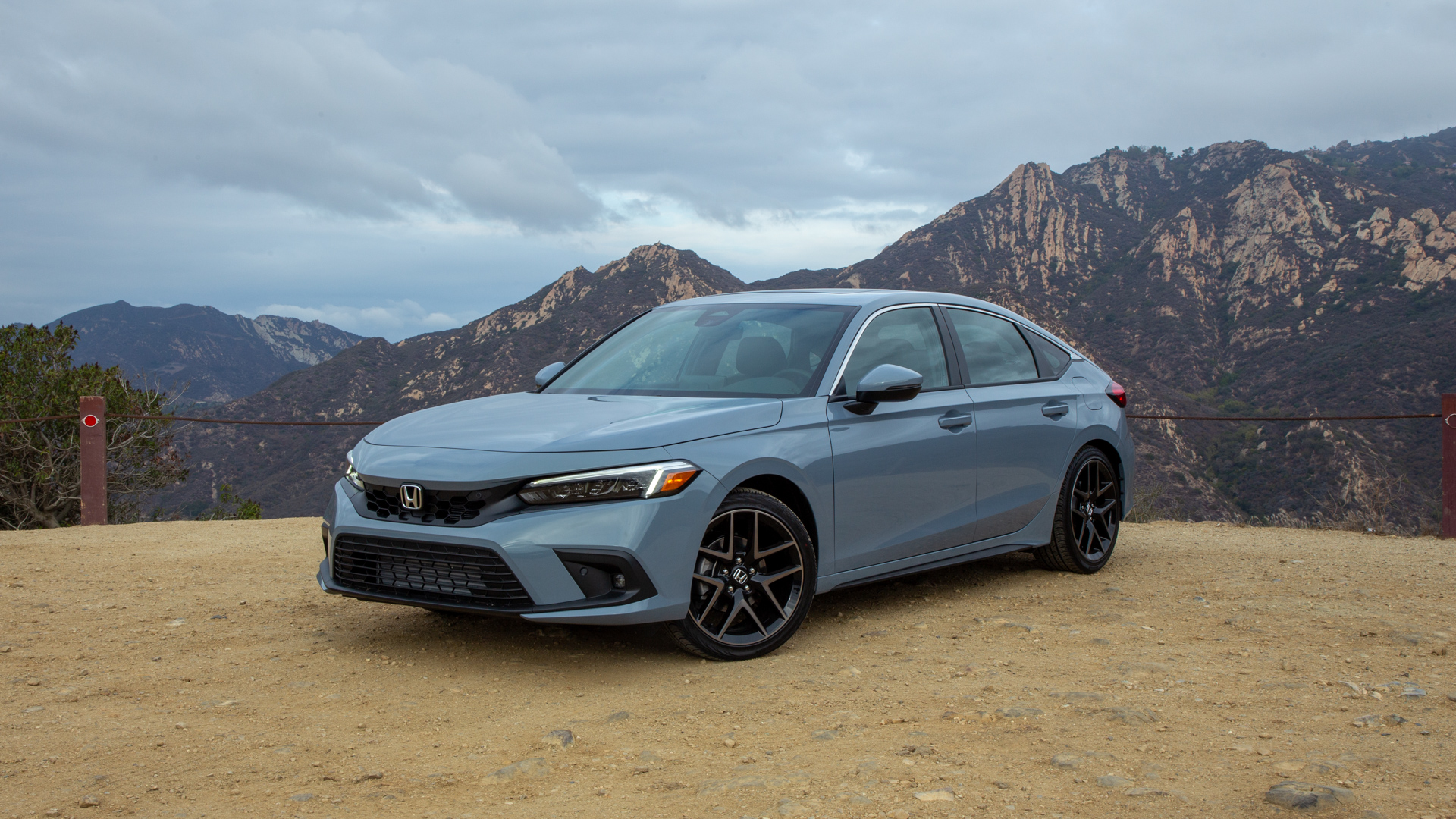
5. Honda Civic: Compact Transportation That Continues to Matter
The Honda Civic became an important part of the American automotive market during the 1970s. By 1980, it had already established a strong identity as a small, efficient, and practical car. Its appeal was closely connected to changing consumer attitudes toward fuel consumption, vehicle size, and affordable transportation. Many American motorists were becoming more interested in compact imports.
The second-generation Civic, introduced for the 1980 model year, brought improvements in design, interior space, and driving refinement. Honda offered different body styles to serve customers with varying needs.
The compact dimensions made parking and city driving easier, while its efficient engineering helped keep operating expenses manageable. These characteristics were particularly useful for commuters and younger households.
As the Civic developed, Honda introduced sportier versions, improved engines, more sophisticated transmissions, and better safety equipment. The vehicle also became available in a wider range of body styles and trims. Its reputation expanded beyond basic transportation, with performance-oriented models attracting enthusiasts interested in affordable driving enjoyment and modification potential.
Today’s Civic is considerably more advanced than its early predecessors. Modern versions offer improved crash protection, contemporary infotainment, sophisticated suspension engineering, and a range of driver assistance features.
Depending on the market, buyers can choose conventional or hybrid powertrains, while performance-focused variants continue to serve customers looking for a more engaging driving experience.
The Civic’s continued importance reflects the enduring demand for compact vehicles that combine reasonable operating costs with useful everyday features.
American preferences have shifted toward larger vehicles, but compact sedans and hatchbacks still serve commuters and households that value efficiency. The Civic’s journey from a simple economical car to a technologically advanced compact demonstrates the strength of consistent product development.
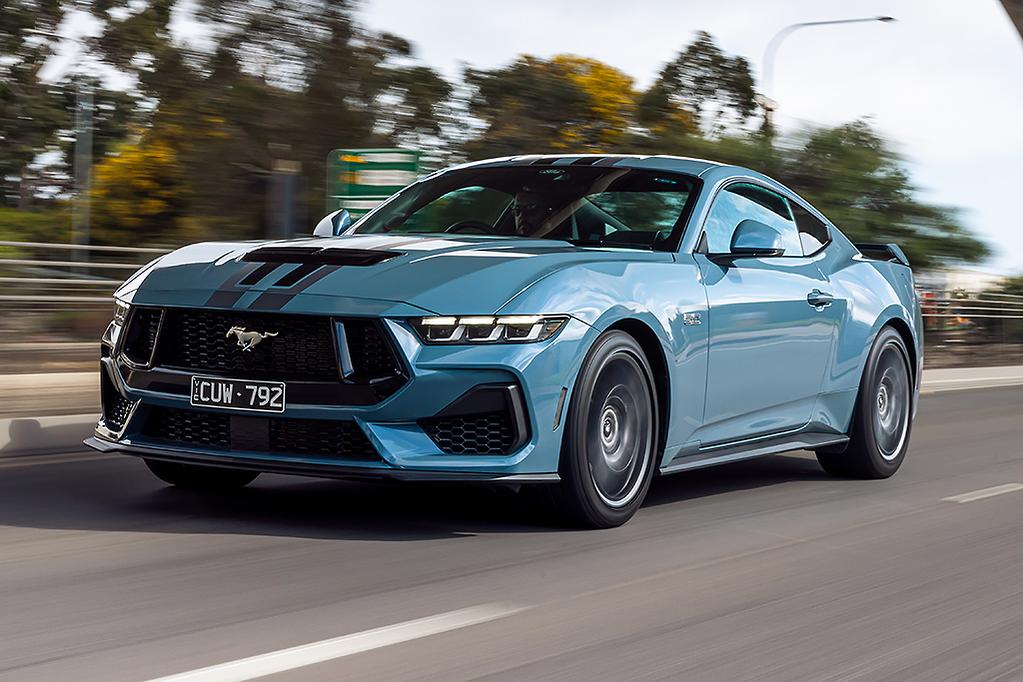
6. Ford Mustang: An American Performance Icon
The Ford Mustang has been closely associated with American car culture since its introduction in 1964. By 1980, the Mustang had already experienced several design changes and had developed a dedicated customer following.
The model remained important to Ford’s passenger-car identity, particularly among buyers interested in sporty styling, affordable performance, and a distinctive driving experience.
The 1980 Ford Mustang belonged to the third generation, commonly known as the Fox Body era, which began in 1979 and replaced the Mustang II. Ford offered the 1980 model in coupe and hatchback body styles, with several engine options, including a four-cylinder, an inline-six, and a V8. The lineup reflected the automotive industry’s growing emphasis on fuel efficiency and stricter emissions regulations during the late 1970s and early 1980s.
Fuel economy had become an important consideration following the energy crises of the 1970s. Consequently, the company had to balance the Mustang’s performance heritage with practical concerns about operating costs.
The arrival of the Fox-body Mustang in 1979 marked a major turning point. Its lighter platform and updated design helped restore interest in the model among performance enthusiasts.
Through the 1980s, Ford developed more powerful versions and improved handling characteristics. The Mustang gradually strengthened its reputation as an accessible American performance car with considerable modification potential.
Modern Mustang models have expanded this heritage with advanced engine technology, improved chassis engineering, sophisticated braking systems, and contemporary driver assistance features.
Buyers can choose from different performance configurations, including turbocharged four-cylinder models and powerful V8 versions. The Mustang has also entered the electric era through the separate Mustang Mach-E nameplate, expanding the brand’s reach into the crossover segment.
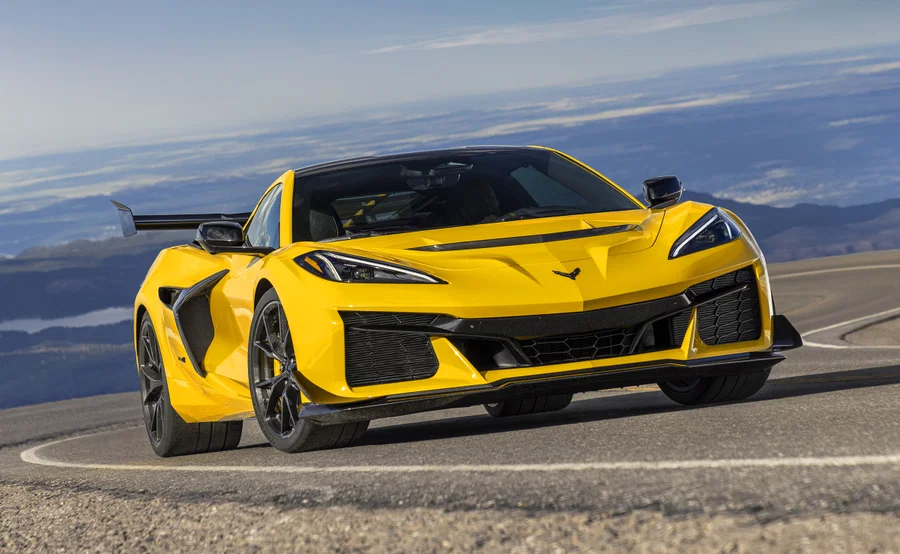
7. Chevrolet Corvette: Decades of American Sports-Car Heritage
The Chevrolet Corvette has occupied a distinctive position in American automotive history since 1953. By 1980, the Corvette was already a recognized sports car with a loyal customer base.
Its long hood, distinctive body styling, and performance-focused character helped it stand apart from ordinary passenger vehicles. It represented Chevrolet’s ambition to offer an American sports car with international appeal.
The 1980 Corvette belonged to the third-generation C3 series, which had been introduced in 1968. Its styling featured a low profile, curved bodywork, and a driver-focused cockpit. The vehicle was offered with V8 engine options, though performance and output were affected by emissions regulations and changing fuel requirements. These conditions shaped the American sports-car market during that period.
Chevrolet continued developing the Corvette through subsequent generations. Engineers worked on improving engine performance, chassis rigidity, suspension design, braking systems, and handling.
The C4, C5, C6, and C7 generations introduced substantial changes in technology and construction. Each generation sought to maintain the Corvette’s recognizable identity while competing with increasingly sophisticated sports cars.
The eighth-generation Corvette, introduced for the 2020 model year, brought a major engineering change by adopting a mid-engine layout. This configuration improved weight distribution and created a different driving experience from earlier front-engine models.
Modern versions feature advanced electronic systems, powerful V8 engines, improved aerodynamics, and a more technologically advanced cabin. Higher-performance variants extend the model’s appeal to serious enthusiasts.
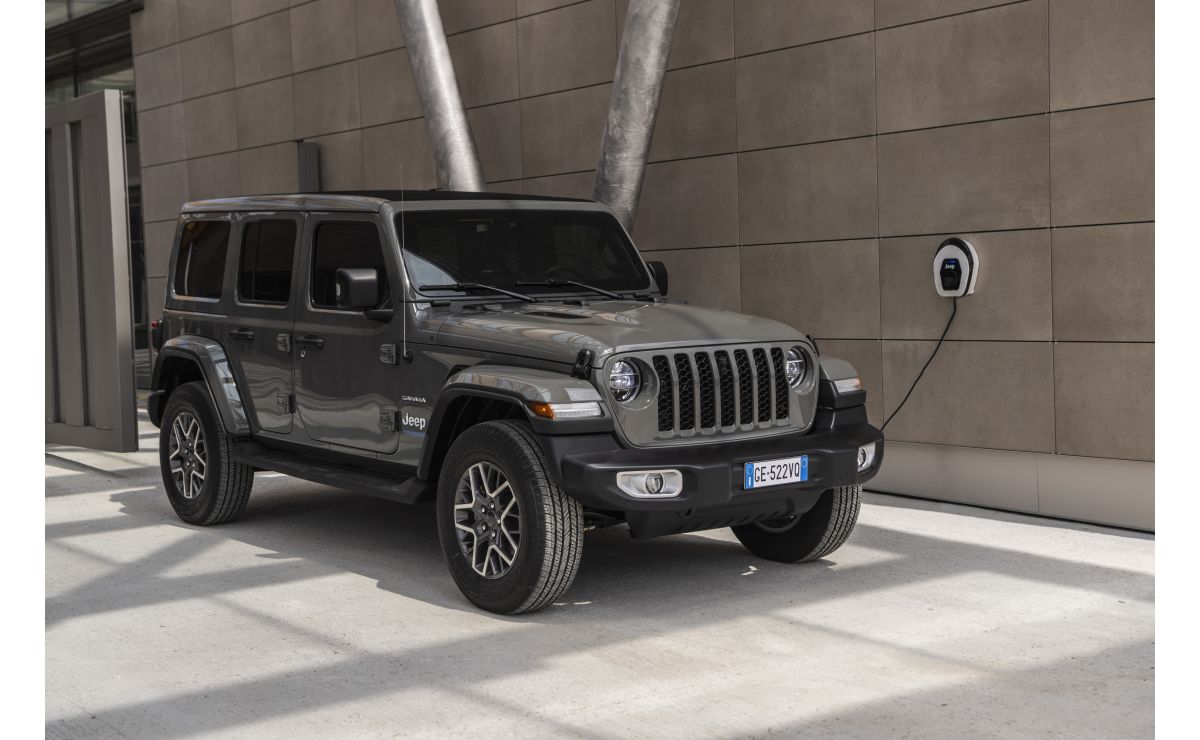
8. Jeep CJ and Wrangler: The Evolution of an American Off-Road Legend
The Jeep CJ had a strong identity among American motorists long before 1980. Developed from the military Jeep heritage, the civilian CJ series became known for its rugged construction, open-air driving experience, and ability to travel across difficult terrain.
During 1980, the CJ-5 and CJ-7 were recognizable choices for customers who wanted an off-road vehicle with a distinctive character.
Unlike conventional family sedans, the CJ models were designed primarily around utility and outdoor capability. Their compact bodies, removable tops, solid-axle construction, and four-wheel-drive systems made them suitable for recreational driving and demanding terrain.
Some buyers also used them for agricultural work and other practical activities. This specialized appeal helped Jeep maintain a recognizable position in the American automotive market.
The CJ series eventually gave way to the Jeep Wrangler in 1986. The Wrangler retained many familiar characteristics while introducing updated engineering, improved comfort, and more modern equipment. Jeep continued developing the vehicle through several generations, adding stronger engines, improved suspension systems, modern safety features, and more sophisticated four-wheel-drive technology.
Today’s Wrangler remains closely associated with off-road capability. Modern versions offer removable doors and roof panels, advanced traction systems, multiple trim levels, and specialized equipment for challenging driving conditions.
The lineup has also incorporated newer powertrain technologies, including plug-in hybrid options in selected markets. These changes allow the Wrangler to serve both traditional off-road enthusiasts and customers interested in a distinctive everyday SUV.
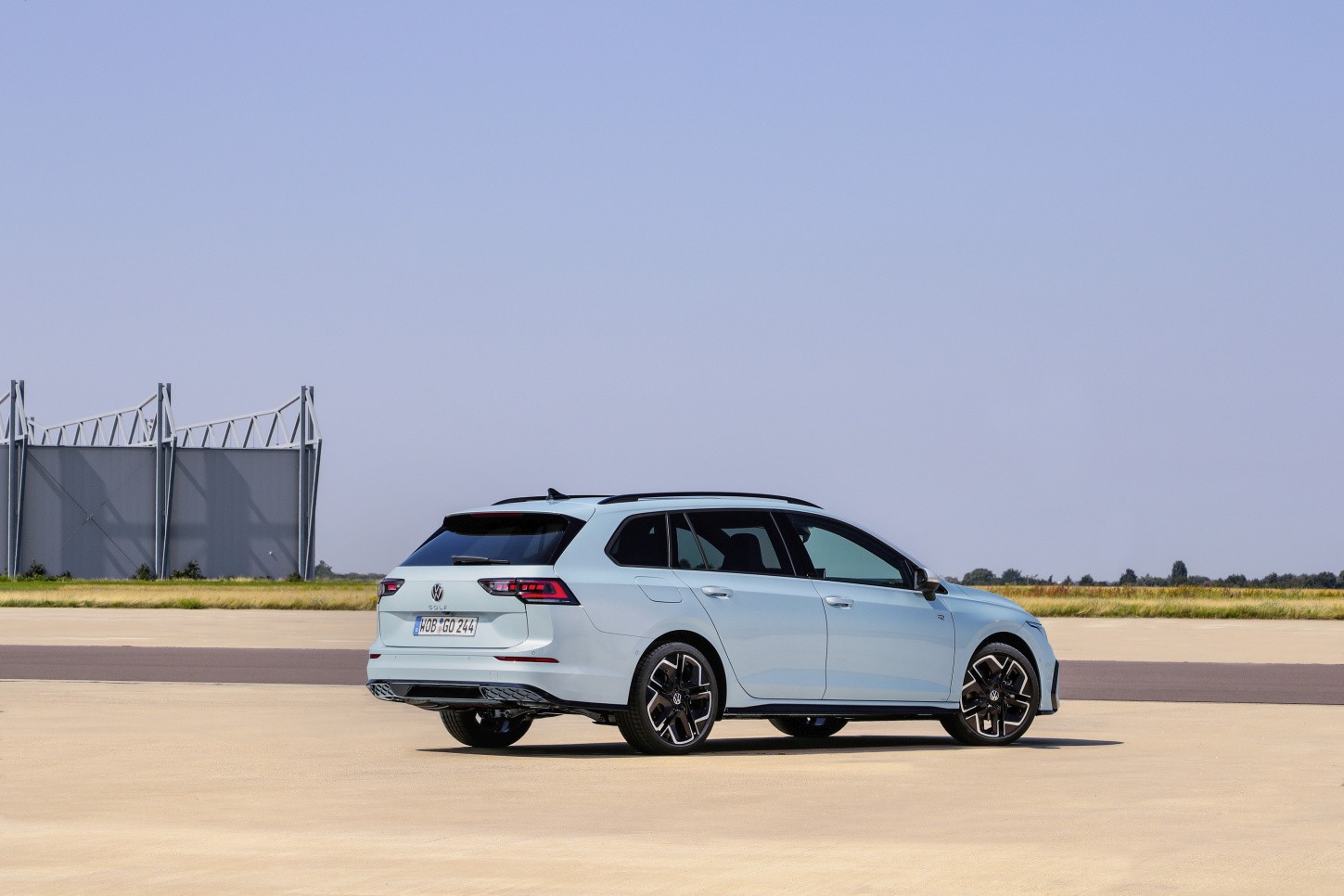
9. Volkswagen Rabbit and Golf: The Compact Hatchback’s American Story
The Volkswagen Rabbit was the American-market name for the first-generation Volkswagen Golf. By 1980, the Rabbit had developed a recognizable identity among buyers looking for a compact European vehicle. Its front-wheel-drive layout, practical hatchback body, and relatively efficient engines offered an alternative to many larger American passenger cars.
The Rabbit appealed to drivers who appreciated its useful interior packaging and manageable exterior dimensions. Its hatchback design provided cargo flexibility without requiring the size of a traditional station wagon.
The model was also known for its distinctive European driving characteristics. These qualities helped Volkswagen establish a stronger presence among American customers interested in compact imported vehicles.
During the following decades, the Golf name became increasingly important in international markets. Volkswagen introduced successive generations with improved engines, upgraded interiors, more advanced safety technology, and refined suspension systems.
The GTI performance version developed a particularly strong reputation among enthusiasts, helping establish the modern hot-hatch segment as an appealing combination of practicality and performance.
Modern Golf models continue this tradition in international markets, while the availability of specific versions in the United States has changed over time.
The Golf GTI and high-performance Golf R have maintained particular importance among American enthusiasts. They combine compact dimensions with turbocharged engines, advanced electronics, refined handling, and useful everyday interiors.
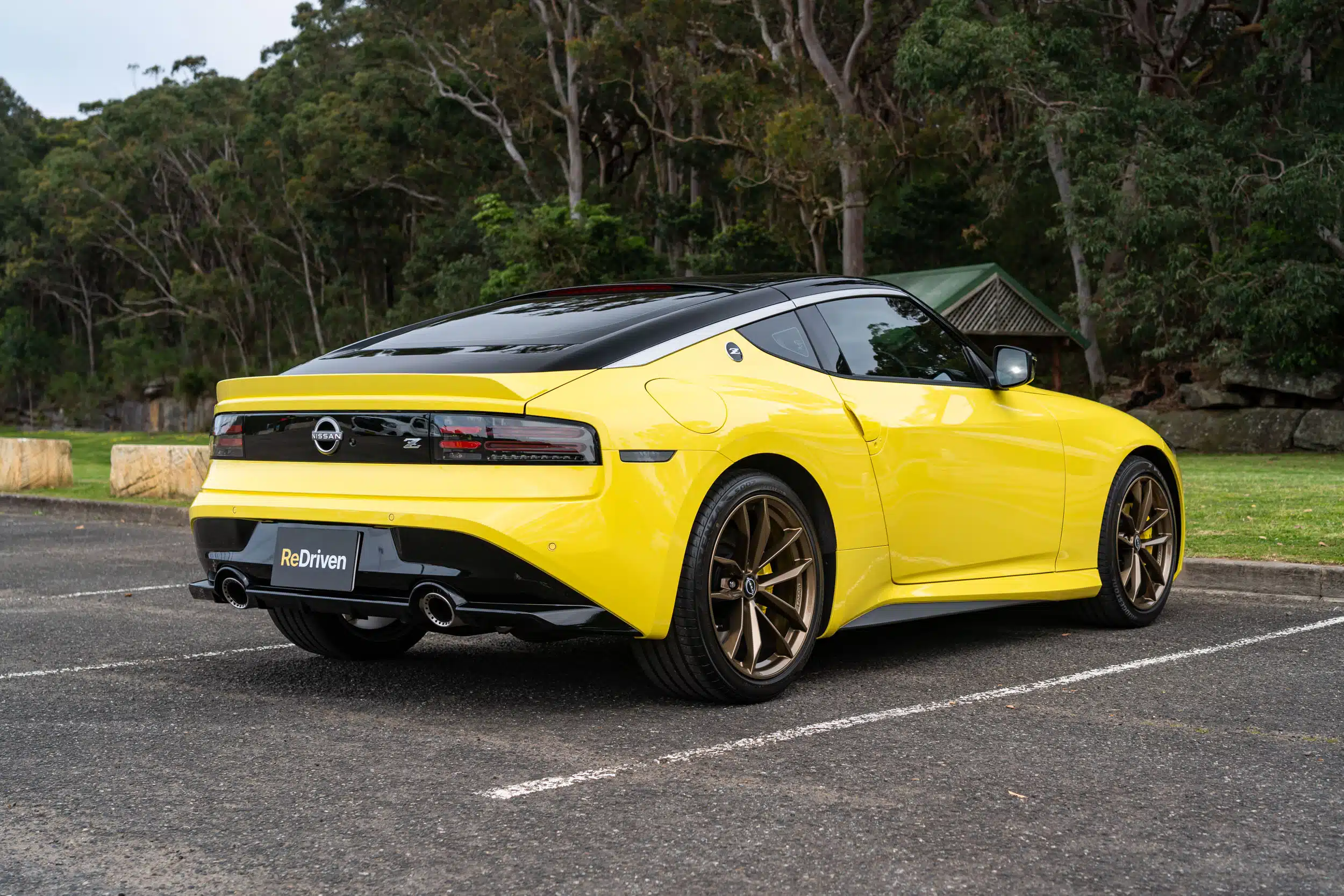
10. Nissan Z: A Japanese Sports Car With Lasting American Recognition
The Datsun 280ZX was an important sports car in the American market around 1980. It belonged to a vehicle family that had gained recognition through the earlier Datsun 240Z and 260Z models. The 280ZX offered a combination of distinctive styling, rear-wheel drive, and six-cylinder performance that attracted buyers interested in affordable imported sports cars.
The 280ZX represented a different approach from traditional American performance vehicles. Its design emphasized a comfortable grand-touring experience alongside sporting ability.
Buyers could select different body configurations, including coupe and two-seat versions. The model also incorporated features intended to make longer journeys more comfortable, giving it appeal beyond drivers interested exclusively in aggressive performance.
Nissan continued developing the Z family through several generations. The 300ZX brought substantial advances in design and technology, including more sophisticated engine options and improved cabin equipment.
Later generations strengthened the Z’s international reputation. The name became associated with Japanese sports-car engineering, rear-wheel-drive performance, and a balance between everyday usability and enthusiast appeal.
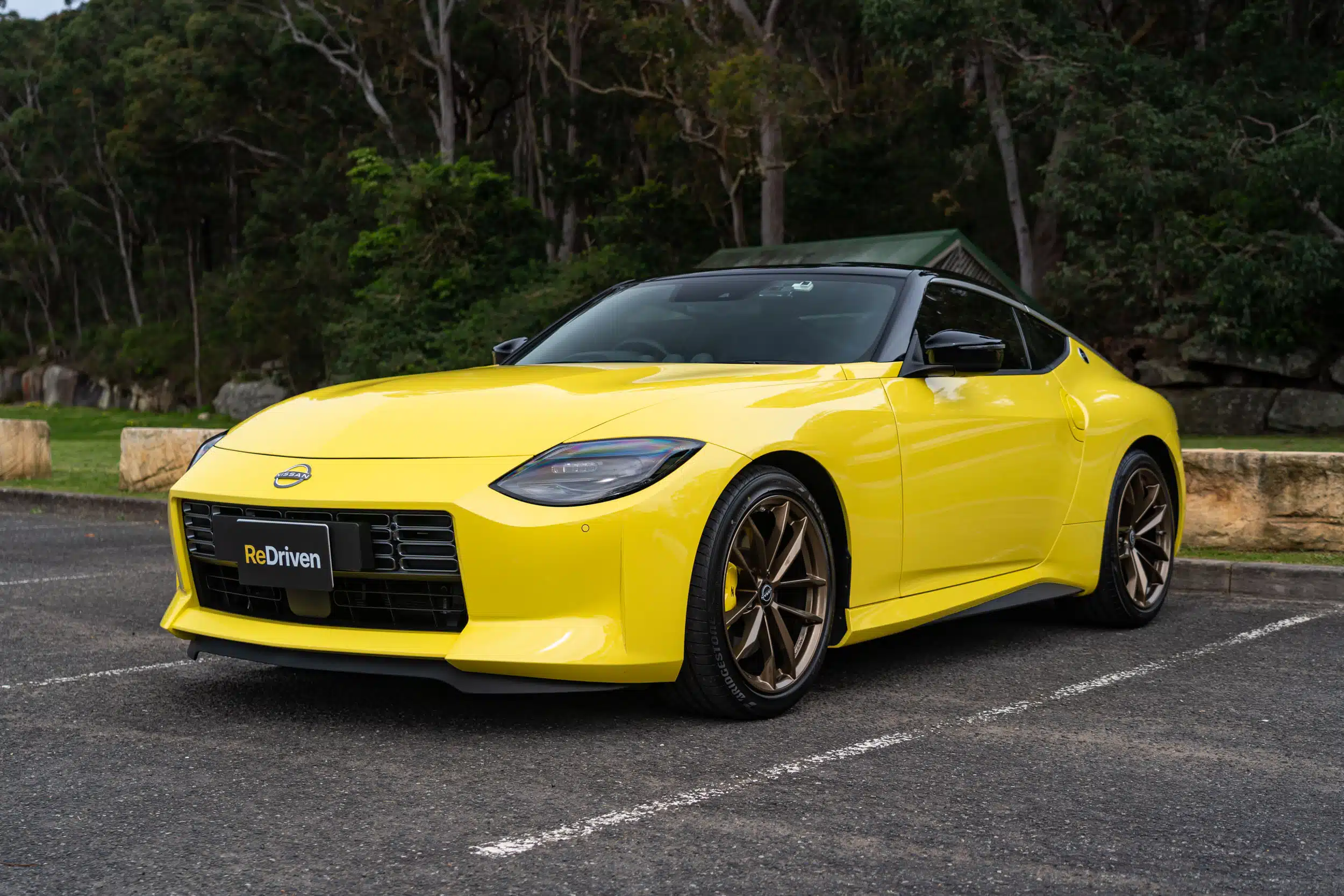
The modern Nissan Z continues the basic formula established by its predecessors. Recent models feature a twin-turbocharged V6 engine, rear-wheel drive, modern transmission options, and updated electronic equipment. Its styling references earlier Z generations while incorporating contemporary lighting, body proportions, and cabin technology. This combination allows Nissan to connect the modern sports car with a recognizable heritage.