Aluminum truck bodies have changed the commercial vehicle industry by reducing vehicle weight, improving fuel efficiency, and increasing payload capacity. However, these benefits come with new repair challenges for truck owners, fleet operators, and automotive technicians.
Aluminum behaves differently from traditional steel, requiring specialized equipment, repair procedures, and trained professionals. Some common repairs can take longer and cost significantly more when aluminum components are involved.
Understanding these differences helps businesses plan maintenance budgets, avoid unnecessary expenses, and protect vehicle performance. Here are ten truck repairs that can become considerably more complicated with aluminum bodies.

1. Collision Damage and Body Panel Repairs
Collision damage is among the most noticeable repair challenges associated with aluminum truck bodies. Commercial trucks regularly operate in crowded loading areas, narrow streets, warehouses, construction sites, and busy highways.
Minor accidents can damage doors, side panels, cargo compartments, and exterior body sections. With conventional steel bodies, technicians often have familiar repair methods available for reshaping damaged panels.
Aluminum requires a different approach because its physical properties affect how the material responds to impact and repair pressure.
Aluminum panels can develop sharp creases, cracks, and permanent deformations during collisions. Unlike some steel panels, aluminum does not always return to its original shape after being stretched or bent. Excessive pulling, heating, or hammering can weaken the material and create additional damage.
Technicians must carefully assess whether a panel can be repaired safely or needs complete replacement. This evaluation is important because an incorrect repair can affect the appearance, strength, and durability of the truck body.
Repairing collision damage also requires specialized tools. Aluminum-specific pulling equipment, approved heating systems, measuring devices, and repair accessories may be necessary. Traditional steel repair equipment can contaminate aluminum surfaces with steel particles, potentially causing corrosion problems.
Workshops that handle both materials often need separate working areas and dedicated tools. These requirements increase equipment investment and can add to the labor involved in collision repairs.
Another challenge involves matching replacement panels with the original truck body. Different manufacturers use different aluminum alloys, thicknesses, and construction methods. A replacement panel must meet the vehicle manufacturer’s specifications to maintain proper fit and structural performance.
Technicians also need to check mounting points, adjoining components, and protective coatings before completing the installation. Poorly fitted panels can produce vibration, water leaks, unwanted noise, and premature wear during regular operation.
2. Aluminum Welding and Structural Repairs
Welding is a critical repair process in commercial truck manufacturing and maintenance. Aluminum truck bodies frequently use welded joints in cargo structures, mounting brackets, frames, and support sections.
When these areas become damaged, technicians must understand the specific welding requirements of aluminum. Steel welding experience alone is not enough because aluminum responds differently to heat and requires suitable welding equipment and techniques.
Aluminum has high thermal conductivity, meaning heat spreads quickly through the material during welding. It also develops an oxide layer that melts at a much higher temperature than the underlying aluminum.
These characteristics make surface preparation, temperature control, and welding technique especially important. If the technician does not prepare the surface correctly, the finished weld may contain defects that reduce joint strength and reliability.
The equipment needed for aluminum welding can also increase workshop expenses. Depending on the application, technicians may require MIG or TIG welding machines, suitable shielding gas, dedicated cleaning tools, and compatible filler materials.
Welding consumables must match the aluminum alloy and the manufacturer’s repair requirements. Using an unsuitable filler material can affect the mechanical properties of the joint and increase the possibility of cracking.
Structural repairs require additional attention because truck bodies experience repeated vibration, loading forces, and movement during transportation. A poorly repaired joint can gradually develop fatigue cracks.
This is particularly important around cargo supports, crossmembers, mounting brackets, and other load-bearing sections. Technicians must inspect the surrounding material rather than focusing only on the visible damage. Manufacturer-approved repair procedures should guide decisions about welding, reinforcement, or component replacement.
3. Corrosion and Surface Protection Repairs
Aluminum is naturally resistant to corrosion because it develops a thin protective oxide layer when exposed to air. This characteristic makes it useful for commercial truck bodies that regularly encounter rain, moisture, and changing weather conditions.
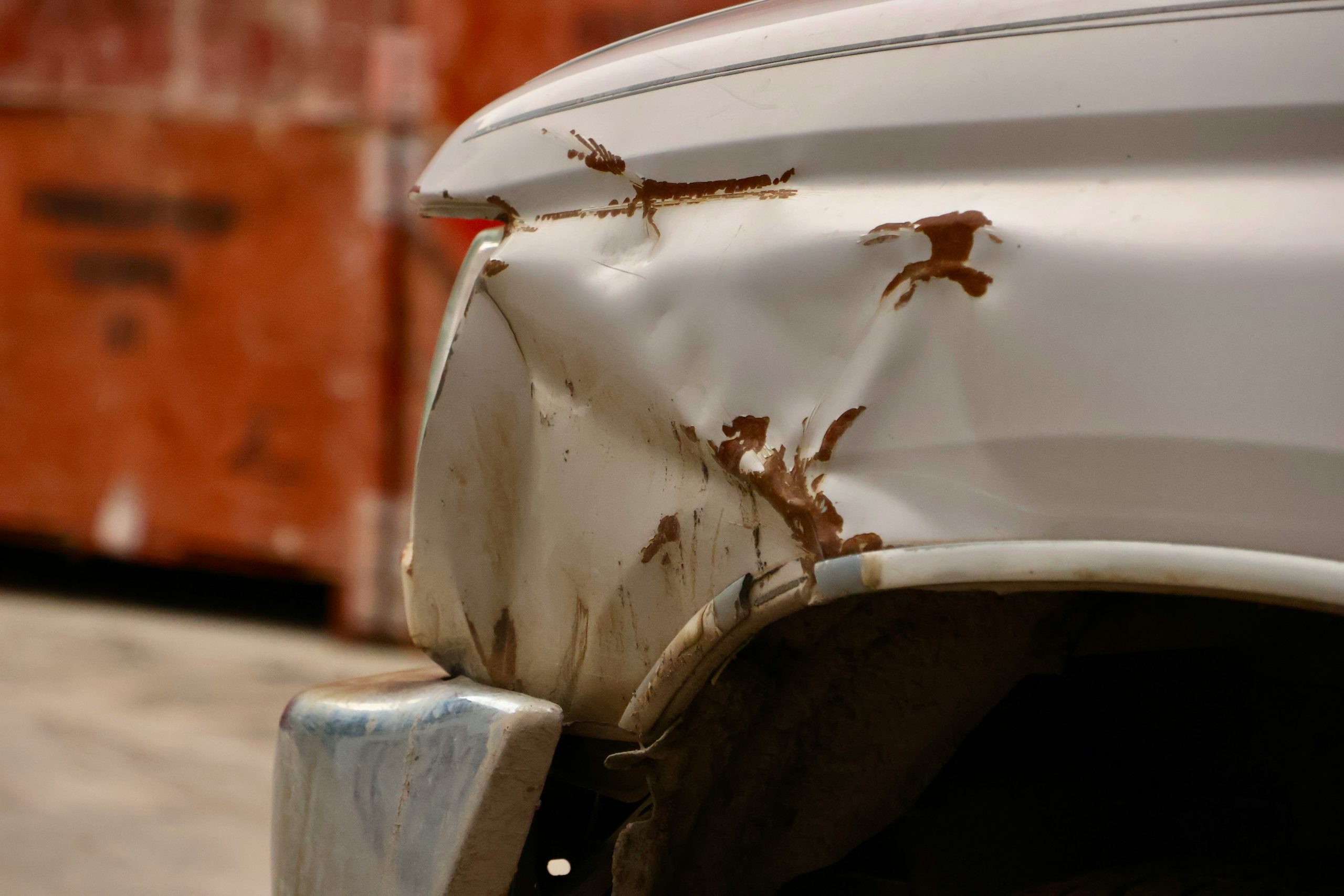
However, aluminum is not completely immune to corrosion. Damage to protective coatings, contact with incompatible metals, road chemicals, and poor maintenance can create problems that require professional attention.
Galvanic corrosion is a particular concern when aluminum comes into direct contact with certain other metals in the presence of moisture. This electrochemical reaction can gradually damage the aluminum surface.
Truck bodies contain numerous fasteners, brackets, hinges, mounting points, and accessories. If incompatible materials are installed without suitable isolation, corrosion may develop around these connections.
Surface preparation is important when repairing affected areas. Technicians must identify the source of corrosion before applying protective coatings or replacing damaged components.
Simply painting over an affected area may hide the visible problem without addressing the underlying cause. Proper treatment may involve removing damaged material, cleaning the surface, applying compatible primers, and restoring protective finishes according to manufacturer specifications.
Repair expenses can increase when corrosion spreads into joints, panel edges, mounting locations, or concealed sections. Removing adjacent components may be necessary to inspect the affected area properly.
In severe cases, replacement of damaged brackets or panels becomes more appropriate than surface treatment. These additional operations require labor, materials, and inspection time.
4. Dent Removal and Panel Reshaping
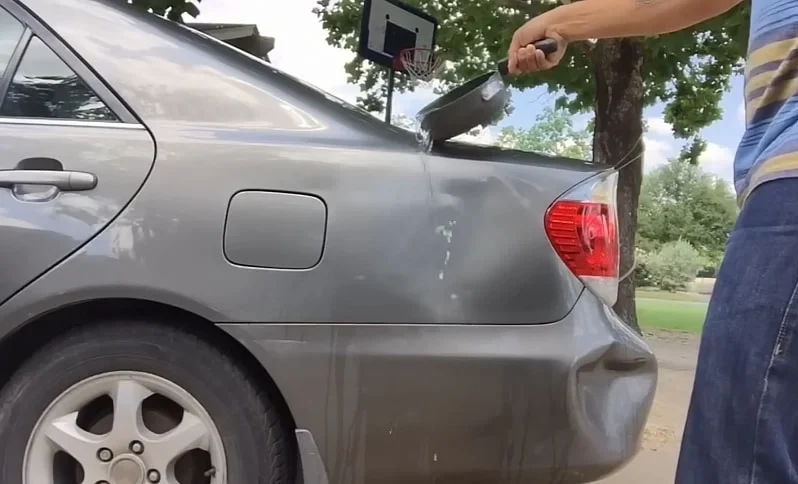
Dent removal is a routine part of commercial truck body maintenance. Loading equipment, warehouse structures, falling objects, and minor road accidents can leave dents across truck doors and side panels.
Aluminum bodies may appear easier to handle because the material is lightweight, but repairing damaged aluminum panels can require considerable skill. The material has different stretching and work-hardening characteristics compared with conventional automotive steel.
When aluminum panels receive an impact, the surrounding material may stretch or develop sharp creases. Technicians must evaluate the location, depth, and size of the dent before choosing a repair method.
Some minor damage can be corrected using specialized pulling and reshaping equipment. More serious deformation may require panel replacement, particularly when cracks or structural weaknesses are present.
Traditional dent-removal methods cannot always be transferred directly to aluminum. Excessive hammering may damage the surface or create additional stretching.
Aluminum can also become harder as it is worked, making repeated reshaping difficult. Controlled techniques and suitable tools help reduce unnecessary damage. The technician must understand the material’s limitations and avoid applying excessive force during the repair process.
Access to the damaged area can also influence repair time. Some truck panels are attached to internal supports, insulation, mounting brackets, or other structural components. Removing these parts may be necessary before technicians can reach the affected surface.
Once the dent has been repaired, the panel must be checked for correct alignment and compatibility with nearby components. This additional work can make a relatively small dent more expensive to fix.
5. Paint Preparation and Refinishing
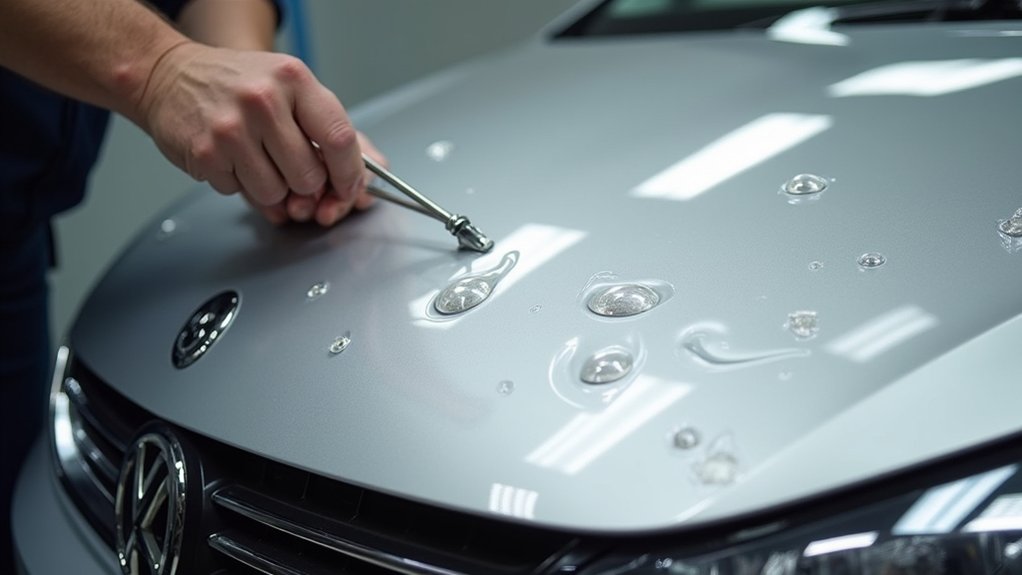
Painting aluminum truck bodies involves several preparation steps that differ from standard steel refinishing. Aluminum surfaces require suitable cleaning, pretreatment, and primer selection to achieve reliable paint adhesion.
If technicians skip important preparation stages, the paint may peel, bubble, or lose its finish over time. These problems can create additional repair expenses and reduce the professional appearance of commercial vehicles.
Surface contamination is a major concern during refinishing. Aluminum panels can collect oil, dust, oxidation, and other materials that interfere with paint adhesion. Technicians must clean the surface using compatible products and follow the coating manufacturer’s recommendations.
Steel particles from shared sanding equipment can also contaminate aluminum surfaces. Dedicated tools help reduce this risk and improve the quality of the finished work.
Primer selection is equally important. Aluminum generally requires suitable primers or conversion treatments designed for the specific substrate. The correct preparation system helps the paint adhere properly and provides an additional protective layer.
Applying an incompatible product can result in poor adhesion and premature coating failure. Repair professionals must consider the aluminum alloy, existing coating condition, and manufacturer’s refinishing requirements before beginning work.
The refinishing process may also involve color matching and blending. Commercial trucks often use company branding, fleet colors, reflective markings, and customized graphics.
Matching the original finish requires suitable paint products and careful application. Large cargo bodies can demand significant preparation and spray-booth time, particularly when several panels require refinishing. These requirements can increase labor and material expenses.
6. Rivet and Fastener Replacement
Rivets and fasteners play an important role in aluminum truck body construction. They connect panels, secure support structures, and help maintain the alignment of different body components.
Commercial vehicles experience constant vibration, road movement, loading pressure, and repeated opening and closing of doors. Over time, these forces can loosen fasteners or damage the surrounding material, making replacement necessary.
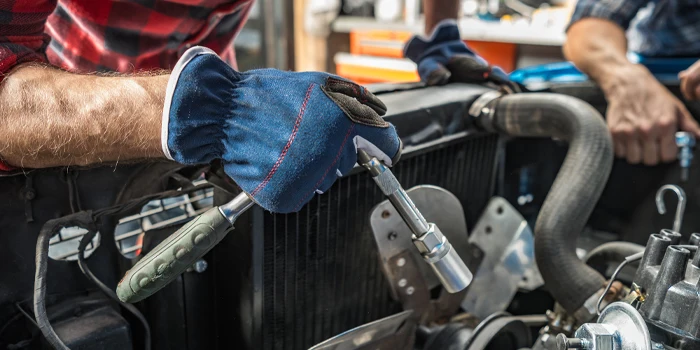
Aluminum truck bodies may use different types of rivets and mechanical fasteners depending on their construction. Solid rivets, structural blind rivets, and manufacturer-specific fastening systems each have different installation requirements.
Replacing a damaged fastener with an unsuitable alternative can compromise the connection. Technicians must identify the correct fastener type, size, material, and installation method before completing the repair.
Removing damaged rivets requires careful handling. Excessive force or incorrect drilling can enlarge mounting holes and damage the surrounding aluminum panel. Once a hole becomes distorted, installing a replacement fastener may not provide the required holding strength.
Depending on the manufacturer’s instructions, the affected area may need additional repair or component replacement. These procedures can make a seemingly simple fastening problem more complicated.
Fastener compatibility is another consideration. When aluminum comes into contact with certain dissimilar metals, galvanic corrosion may develop under suitable environmental conditions.
Appropriate coatings, isolating materials, and compatible fasteners help reduce this risk. Technicians should also inspect the surrounding area for corrosion, cracking, or deformation instead of replacing only the visibly damaged fastener.
7. Door, Hinge, and Latch Repairs
Truck doors experience considerable wear because they are opened and closed frequently during loading and unloading operations. Aluminum cargo doors are designed to reduce vehicle weight while providing practical access to stored goods.
However, hinges, latches, handles, and mounting points can become damaged through repeated use, accidental impacts, and excessive loading. Repairing these components may require more attention when their mounting structures are made from aluminum.
Hinge alignment is particularly important for large commercial truck doors. A door that hangs unevenly can place additional pressure on hinges and surrounding mounting points. Over time, this may lead to loosened fasteners, damaged holes, and cracks around attachment areas.
Technicians must examine both the door and the supporting body structure before making adjustments. Replacing the hinge alone may not solve the problem if the aluminum mounting area has already deteriorated.
Latch systems also require careful inspection. Damaged locking mechanisms can prevent cargo doors from closing securely. Since commercial trucks carry valuable goods, reliable door operation is essential for transportation safety and cargo protection.
Technicians may need to replace locking components, adjust alignment, inspect mounting brackets, and check the condition of surrounding panels. Using compatible hardware is important for maintaining proper operation.
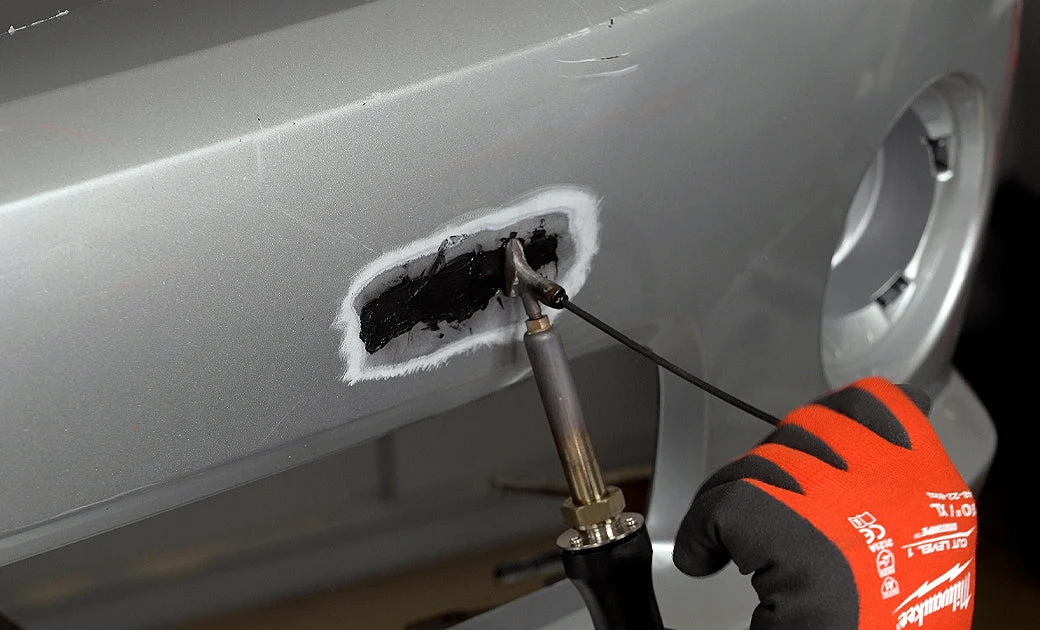
Another challenge involves repairing damaged aluminum around hinge and latch attachment points. Aluminum can crack or become distorted when excessive force is applied to a mounting area.
In these situations, technicians must follow approved repair methods rather than simply tightening fasteners or adding improvised reinforcement. Some damaged sections may require replacement to restore the intended structural performance.
8. Truck Bed and Cargo Floor Repairs
Cargo floors are exposed to some of the harshest operating conditions in commercial trucks. Heavy pallets, industrial equipment, construction materials, machinery, and loose cargo can place significant pressure on the floor surface.
Aluminum cargo floors help reduce vehicle weight, but repeated loading and unloading can still cause scratches, dents, deformation, and localized structural damage. The severity of these problems depends on the material thickness, support arrangement, and intended load capacity.
Concentrated loads are particularly important. A heavy object placed on a small area can create more pressure than evenly distributed cargo of the same weight. Forklift operations may also damage floor panels when operators use excessive force or unsuitable equipment.
Over time, repeated loading can contribute to surface deformation and fatigue around joints or supporting structures. Regular inspection helps identify these problems before they become more serious.
Repairing an aluminum cargo floor requires understanding the construction beneath the visible surface. Some floors consist of interlocking extrusions, while others use sheet panels supported by crossmembers.
A technician must determine whether the damage affects only the surface or extends into the supporting structure. Replacing an individual panel may be possible, but extensive damage can require removal of several adjoining components.
Water intrusion is another concern. Damaged joints, worn seals, and poorly repaired floor connections can allow moisture to enter concealed sections.
Although aluminum naturally forms a protective oxide layer, trapped moisture and contact with incompatible materials can still contribute to corrosion. Proper sealing and compatible fastening systems are therefore important parts of cargo floor repairs.
9. Roof Panel and Sidewall Repairs
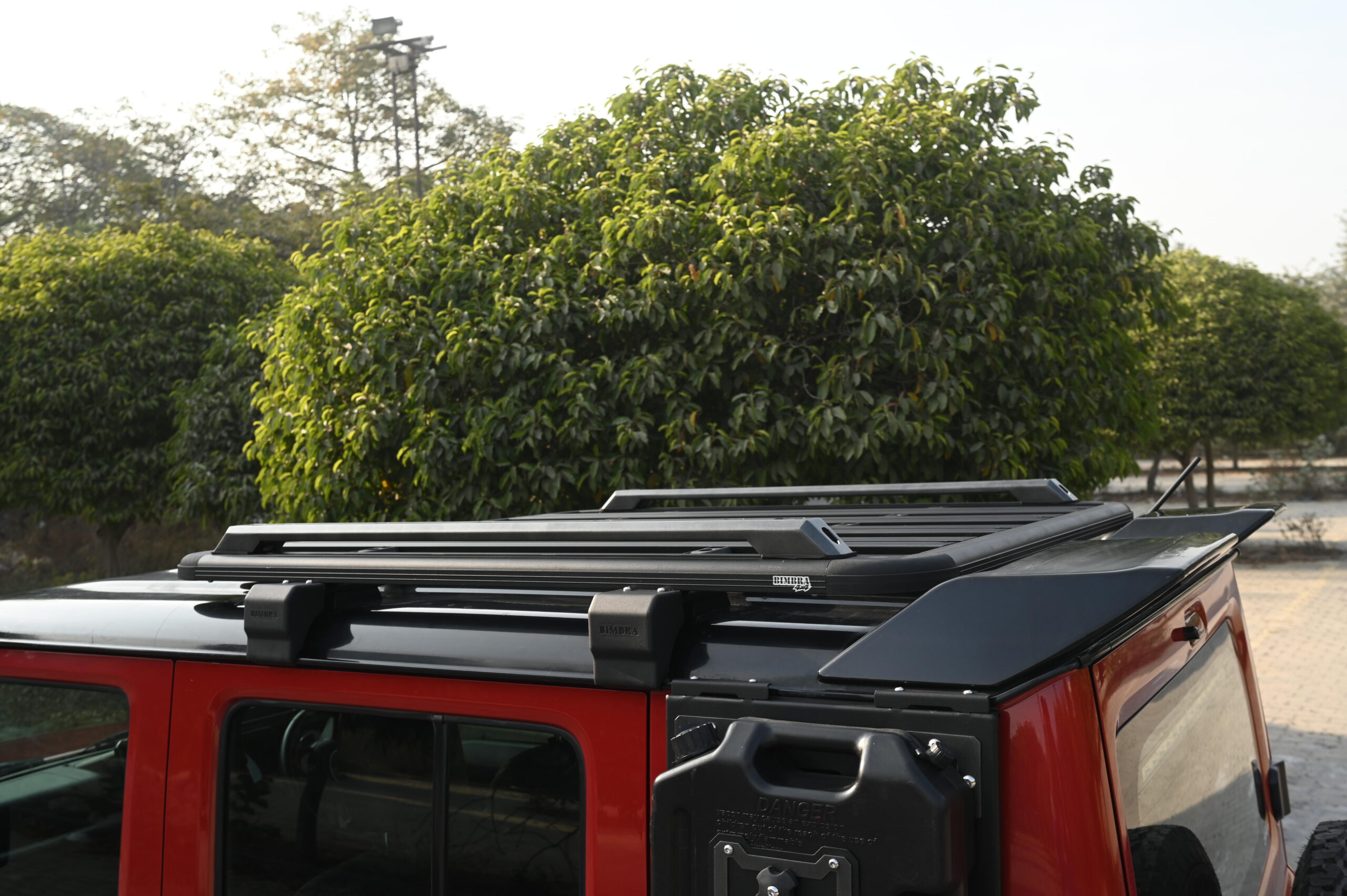
Truck roofs and sidewalls protect cargo from weather, road debris, and external damage. Aluminum construction offers a useful combination of strength and reduced weight, making it common in different types of commercial truck bodies.
However, large roof panels and sidewall sections can be difficult to repair when they develop cracks, punctures, dents, or damaged joints. Their size and location can increase workshop labor requirements.
Roof damage may result from low-clearance structures, falling branches, loading equipment, and accidental contact with overhead objects. Even a relatively small puncture can allow water to enter the cargo compartment.
Moisture may damage transported goods and affect electrical components or internal materials. Technicians must locate the source of the leak, inspect surrounding connections, and restore the roof’s protective function.
Sidewall damage can be equally challenging. Large aluminum panels may develop dents or cracks following collisions with loading docks, vehicles, or stationary objects.
If the damaged area includes structural supports, technicians must determine whether repair or replacement is appropriate. Surface-level corrections may be sufficient for minor damage, but more serious deformation can affect panel alignment and body rigidity.
Working on roof sections may also require specialized access equipment. Technicians need safe working platforms, suitable lifting arrangements, and appropriate repair tools.
Removing roof accessories, interior linings, or adjacent panels can add to the total labor involved. After completing the repair, the roof must be checked for proper sealing and compatibility with the rest of the body structure.
10. Aluminum Frame and Mounting Structure Repairs
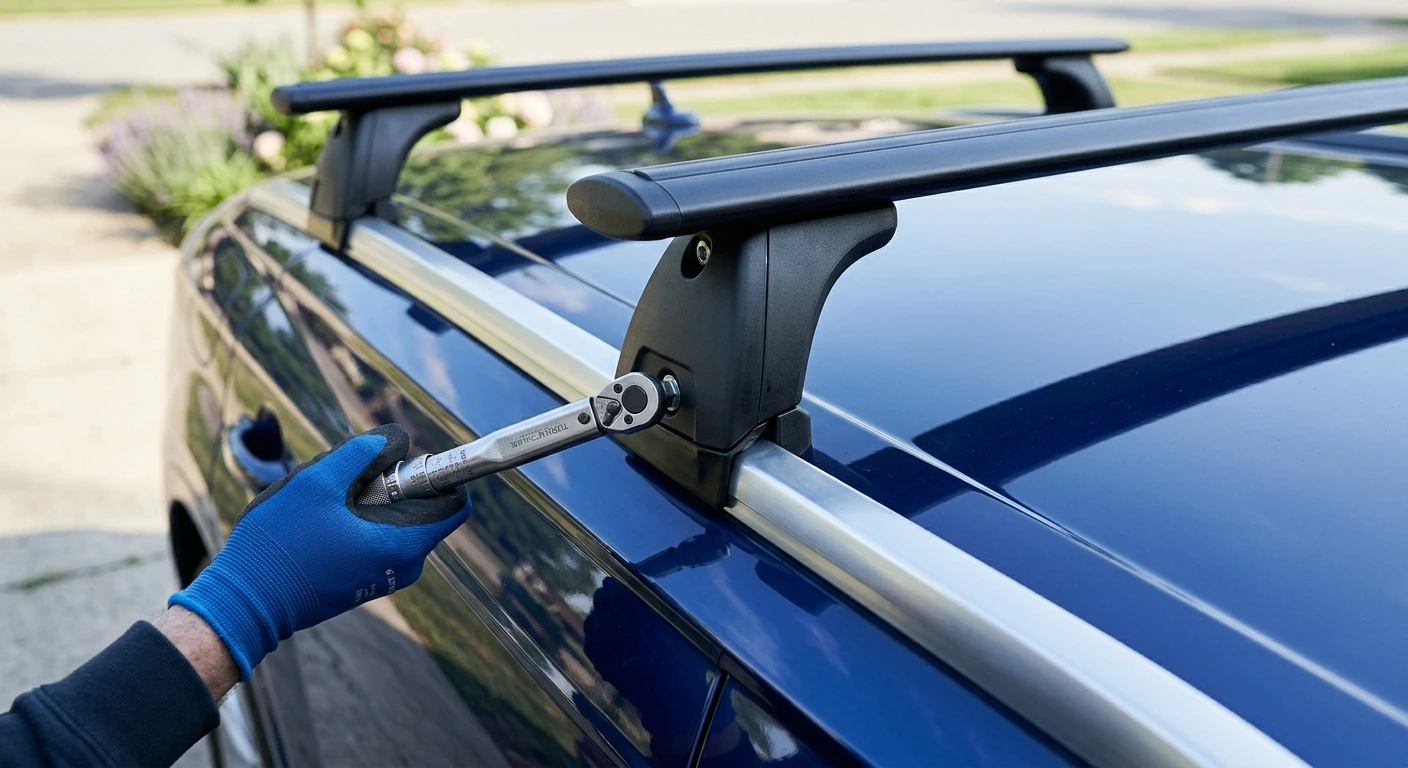
Aluminum frames and mounting structures support important truck body components, including cargo compartments, equipment platforms, storage systems, and external accessories. These structures must withstand vehicle movement, cargo weight, road vibration, and repeated loading forces.
Damage to a mounting point or structural member can affect the performance of several connected components. For this reason, aluminum frame repairs require detailed inspection and careful assessment.
Cracks can develop around highly stressed areas, particularly where brackets, crossmembers, and mounting points connect. Repeated vibration and excessive loading may contribute to material fatigue.
Unlike visible panel damage, structural problems are not always easy to identify during a basic exterior inspection. Technicians may need to remove surrounding covers or components to examine concealed sections and determine the extent of the damage.
Repairing aluminum mounting structures requires knowledge of the specific alloy and construction method. Some components may be welded, while others use mechanical fasteners or manufacturer-specific joining systems.
A repair that works for a non-structural panel may not be suitable for a load-bearing member. The manufacturer’s repair documentation should guide decisions about reinforcement, replacement, and permitted joining methods.
The cost of structural repairs can increase when several connected components are affected. A damaged mounting point may require removal of the cargo body, replacement of brackets, inspection of adjacent crossmembers, and reinstallation of equipment.
These operations can involve specialized lifting equipment and additional labor. Structural repairs should never be rushed simply to return a vehicle to service sooner.