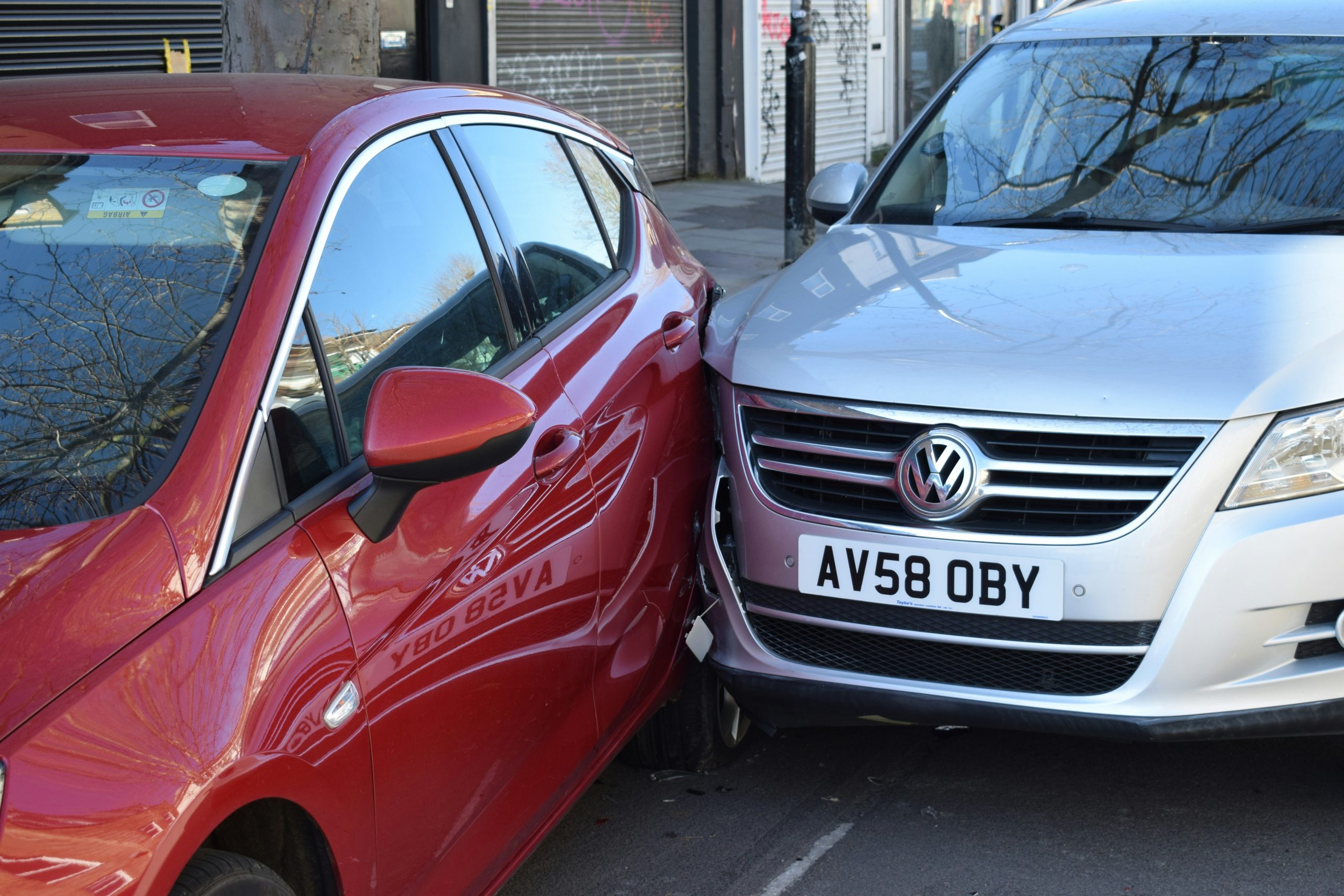
Receiving a car insurance renewal notice with a higher premium can be frustrating, especially when you were not responsible for the accident that caused the increase. Many drivers assume their insurance costs should remain unchanged when another person causes a collision.
However, insurance companies consider several factors when calculating premiums, including claims history, accident records, repair expenses, regional risks, and policy changes.
Understanding why your car insurance rate increased after someone else’s crash can help you identify the cause, review your coverage, and find ways to reduce future costs without sacrificing important financial protection.

1. Your Insurance Company Considers Accident History When Calculating Premiums
Car insurance companies examine accident records when evaluating the financial risk associated with a policy. Even when you were not driving the vehicle involved in a collision, certain circumstances surrounding the incident may influence how the insurer assesses your coverage.
For example, if another driver crashed into your parked car, the claim could appear in insurance databases used during policy reviews.
This does not automatically mean your premium must increase, but the information may become part of the company’s broader risk assessment. Insurers generally consider several details before deciding whether an accident should affect future pricing.
A major distinction exists between being responsible for an accident and simply being involved in one. At-fault accidents usually carry greater consequences because they suggest that a policyholder may present a higher financial risk.
Not-at-fault accidents are treated differently, depending on state regulations, insurer policies, and the circumstances surrounding the collision. Some companies may increase premiums following certain claims, while others have protections that prevent increases after accidents where the customer was not responsible. Understanding this difference is important when reviewing an unexpected renewal increase.
Insurance companies also examine the frequency of claims associated with a particular policy. A single incident may have little influence on pricing, particularly when another motorist clearly caused the damage.
However, multiple claims within a relatively short period can attract additional attention during underwriting. The company may consider whether the vehicle is regularly exposed to risky driving environments, whether the policy has experienced repeated losses, or whether certain coverage arrangements need reassessment.
These considerations can affect pricing even when individual incidents have different causes.
2. Your Insurance Company May Have Paid for Repairs Before Recovering the Money
When another driver crashes into your vehicle, your insurance company may initially pay for repairs through your collision coverage. This can happen when you want your vehicle repaired quickly or when the other driver’s insurer has not accepted responsibility. Your insurer may cover eligible repair expenses after applying your deductible.
Later, the company can attempt to recover the money from the responsible driver’s insurance provider. This process is commonly known as subrogation. While it helps insurers recover claim payments, the initial claim may still appear in your insurance records.
Subrogation involves one insurance company seeking reimbursement from another party that was legally responsible for the accident. For example, imagine someone runs a red light and damages your vehicle. Rather than waiting for the other driver’s insurance company to complete its investigation, you file a claim with your own insurer.
Your company pays for covered repairs and then pursues reimbursement from the responsible driver’s insurer. Depending on the outcome, you may also receive some or all of your deductible back. The process can take time because liability disputes and settlement negotiations sometimes delay reimbursement.
The existence of a claim does not necessarily mean your insurer will increase your premium. However, some companies evaluate claim activity when reviewing policyholders, even when the customer did not cause the accident.
State laws may restrict or prohibit certain premium increases associated with not-at-fault collisions. Other insurers may use claim frequency as part of broader pricing calculations. This is why two drivers with similar accident histories can experience different renewal outcomes depending on their insurer and location.
3. Your Insurance Company May Have Increased Rates Across Your Entire Area
Sometimes your car insurance premium increases even when your personal driving history has not changed. This happens because insurance companies regularly adjust prices according to the financial risks associated with particular regions.
If accident frequency rises in your city, insurers may experience higher claim expenses across their customer base. Increased traffic congestion, expensive vehicle repairs, severe weather, and theft can all contribute to higher insurance costs. These changes may affect thousands of drivers, including people who have never caused an accident.
Insurance companies calculate premiums by examining expected losses within different geographic areas. A neighborhood with frequent collisions may present greater financial exposure than an area with fewer reported incidents.
However, insurers also consider other regional factors, including vehicle theft rates, vandalism, road conditions, population density, and the availability of repair facilities. If these expenses increase, insurance companies may revise premiums to maintain sufficient funds for future claims. Consequently, your renewal price may rise even when you have maintained a clean driving record.
Traffic congestion is another important consideration. Areas with heavy vehicle movement often experience more minor collisions, parking accidents, and traffic-related damage. Stop-and-go traffic creates situations where drivers may accidentally strike vehicles ahead of them.
Crowded parking facilities also increase the possibility of scratches, dents, and broken mirrors. When these incidents become more common within a particular area, insurers may adjust their pricing models to reflect the greater likelihood of future claims.
4. The Cost of Vehicle Repairs Has Increased
Vehicle repair costs have changed significantly as automobiles have become more technologically advanced. Modern cars contain sophisticated components that help drivers park, maintain safe distances, detect obstacles, and monitor surrounding traffic.
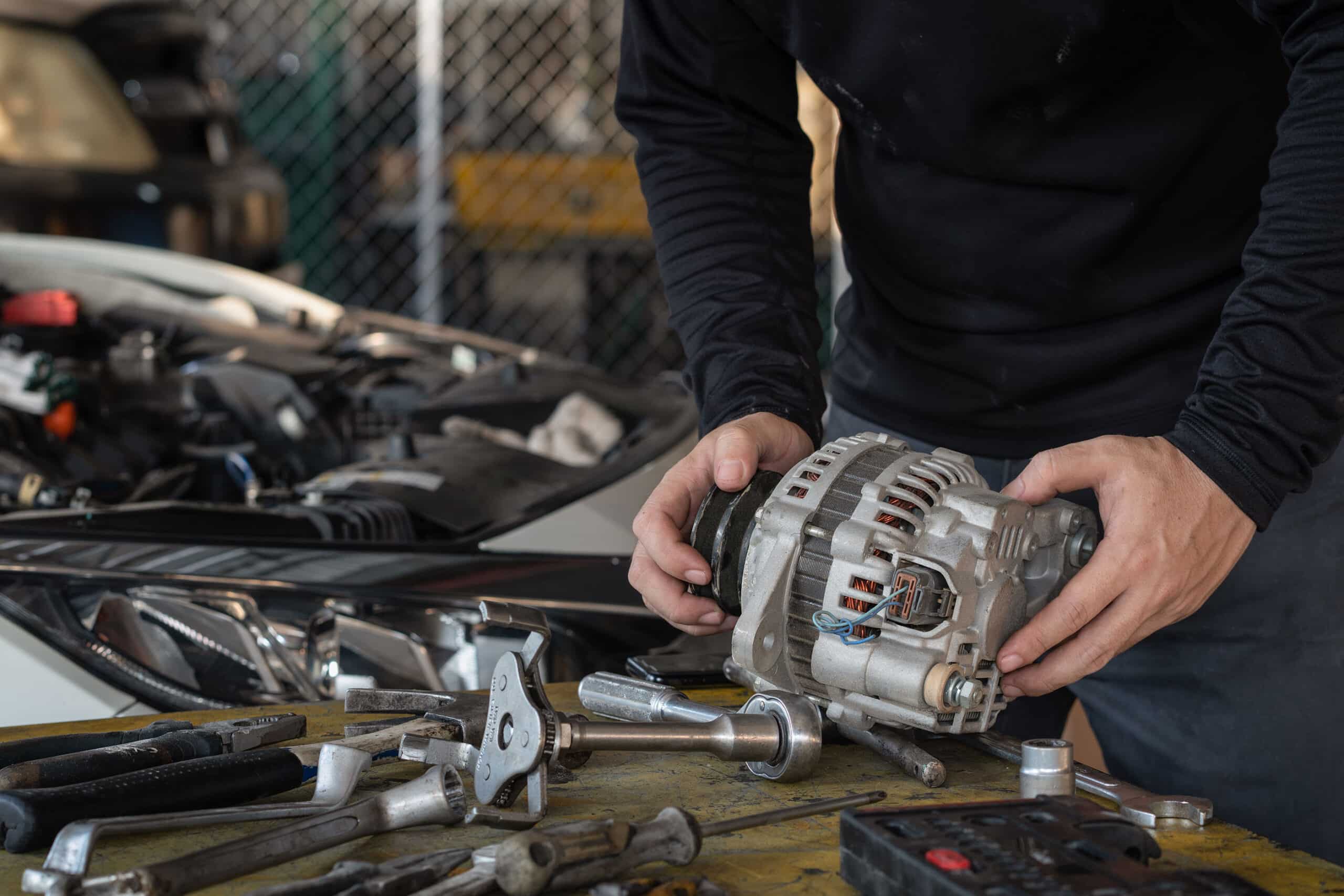
These systems can improve safety and convenience, but repairing them after a collision can be expensive. Even a seemingly minor accident may damage sensors, cameras, wiring, or other electronic equipment hidden behind exterior panels. When insurers pay more for repairs, they may eventually adjust premiums to account for the higher cost of future claims.
Replacement parts are another major contributor to repair expenses. Manufacturers design many vehicles with specialized components that are not interchangeable with parts from other models. Certain body panels, headlights, mirrors, and electronic modules may require specific replacement components.
If parts are difficult to obtain, repair facilities may experience delays that increase labor and administrative expenses. Insurance companies must account for these costs when estimating the financial impact of collisions. Higher repair bills can therefore influence premiums across different customer groups.
Labor expenses also play a significant role. Modern vehicles frequently require specialized diagnostic equipment and trained technicians. Repairing a damaged bumper may involve removing components, checking sensors, recalibrating safety systems, and conducting additional inspections.
These procedures take time and require professional expertise. When workshops charge higher labor rates, insurers must pay more to restore vehicles to their pre-accident condition. This trend can contribute to higher premiums even when the number of accidents remains relatively stable.
5. Your Insurance Policy May Have Lost an Accident Forgiveness Benefit
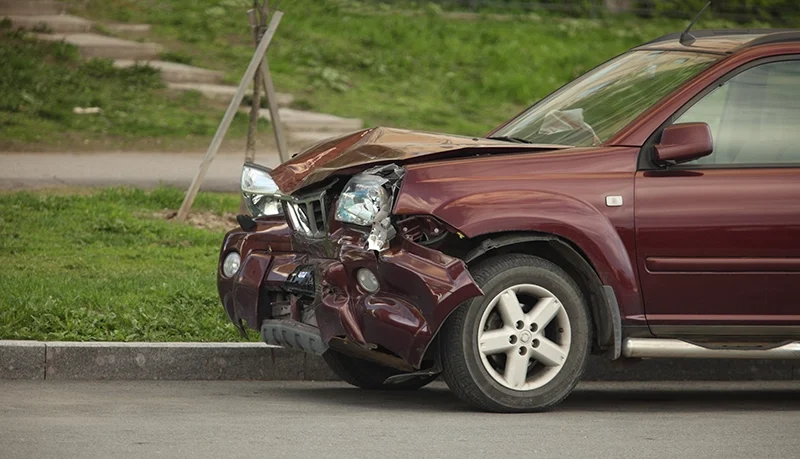
Accident forgiveness is an insurance feature designed to protect eligible drivers from certain premium increases following a qualifying accident. Depending on the insurer, the benefit may prevent an at-fault collision from affecting your rate for a specified period or under particular conditions.
Some policies include accident forgiveness automatically, while others offer it as an optional feature for an additional cost. If your policy changes during renewal, you may lose access to this protection. This can make a premium increase appear connected to an unrelated accident.
Insurance companies generally establish eligibility requirements for accident forgiveness. A driver may need to maintain a clean record for a specific number of years, hold an eligible policy, or meet other underwriting conditions.
Certain providers limit the benefit to the first qualifying accident, while others impose restrictions based on claim severity or policy history. The exact rules vary considerably. It is important to understand what your insurer promises rather than assuming accident forgiveness protects every collision under every circumstance.
Another source of confusion involves the difference between accident forgiveness and a general premium guarantee. Accident forgiveness typically protects against a specific type of rate increase associated with an eligible accident.
It does not necessarily prevent premiums from rising because of inflation, changes in repair costs, regional risk adjustments, or revised insurance company pricing. Therefore, a driver can receive accident forgiveness and still experience a higher renewal premium for unrelated reasons.
6. Your Insurance Company May Have Changed Its Risk Assessment
Insurance companies regularly evaluate the risks associated with individual policies. Their calculations may consider driving history, vehicle characteristics, location, annual mileage, claims information, and other legally permitted rating factors.
A collision involving someone else may contribute information to the company’s records, but it is not necessarily the only factor affecting the final premium. During renewal, an insurer may reassess your policy using updated information and revised underwriting guidelines. This can result in a higher price even when you have not personally caused an accident.
Risk assessment is designed to estimate how much an insurance company might need to pay in future claims. Companies use historical information and statistical models to estimate the likelihood and potential cost of losses.
For example, a vehicle driven regularly through heavily congested areas may have a different risk profile from a vehicle used occasionally in a quiet rural location. Insurers may also consider the type of vehicle, its repair costs, and the coverage selected by the customer. These factors help determine the premium required to provide financial protection.
Changes in underwriting rules can also influence renewal prices. An insurer may decide that certain vehicles, locations, or coverage arrangements require different pricing because its claims experience has changed. These adjustments can apply to existing customers without any new accident appearing on their personal records.
A company may also revise how it evaluates claim frequency or particular types of losses. Such changes explain why a driver can receive a higher renewal quote even after several years of responsible driving.
7. Your Deductible or Coverage Selection May Have Changed
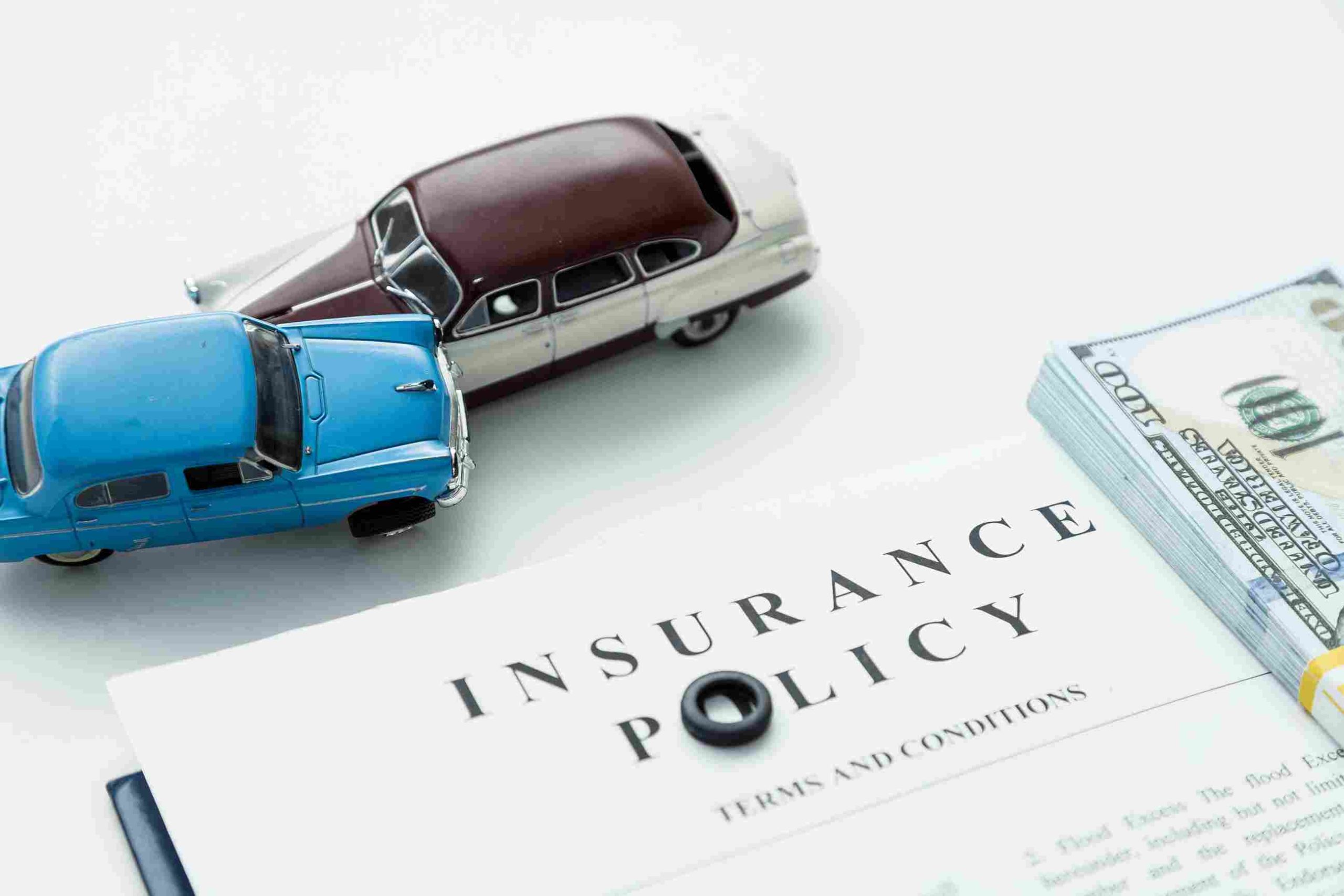
Your car insurance premium is influenced by the amount and type of protection included in your policy. If your insurer changes coverage limits, deductibles, or optional benefits, your renewal price may increase. This can happen independently of an accident caused by another driver.
For example, you may have selected a higher level of collision protection or added roadside assistance during a previous policy update. When reviewing your renewal, it is important to identify whether the premium increase reflects changes in coverage rather than your accident history.
A deductible is the amount you agree to pay toward a covered claim before your insurance company contributes its share. In many cases, selecting a higher deductible can reduce the premium because you accept more responsibility for smaller repair expenses.
A lower deductible generally means the insurer may need to pay more when a covered claim occurs. This difference influences pricing. If your deductible was reduced during a policy adjustment, your premium may rise even if your driving record remains unchanged.
Coverage limits can also affect your insurance costs. Liability coverage helps pay for covered injuries or property damage for which you are legally responsible, subject to policy terms and limits.
Collision coverage generally helps pay for damage to your vehicle resulting from a collision, while comprehensive coverage typically addresses certain non-collision losses such as theft, vandalism, or hail damage.
Higher protection limits or additional coverage options may increase your premium because the insurer assumes greater potential financial responsibility.

8. Your Insurance Discounts May Have Expired or Changed
Insurance discounts can significantly influence the amount you pay for coverage. Many providers offer savings to eligible customers who maintain safe driving records, insure multiple vehicles, combine home and auto policies, or use approved payment methods.
However, discounts often come with conditions. If you no longer qualify for a particular benefit, your renewal premium may increase. This change can occur at the same time as an accident involving another driver, making it appear that the collision directly caused the higher price.
Safe driver discounts are particularly important for people who have maintained a clean driving record. Some insurers offer reduced premiums after customers complete a specified period without qualifying accidents or violations.
Others use telematics programs to evaluate driving behavior, including braking patterns, mileage, and driving times. If your eligibility changes or you stop participating in a qualifying program, the discount may disappear. The resulting premium adjustment can be noticeable even when you were not responsible for another person’s accident.
Bundling discounts can also influence insurance costs. Some companies reduce premiums when customers purchase multiple policies through the same provider. For example, combining home and auto coverage may qualify you for a discount, depending on the insurer and location.
If you cancel one of the policies, change providers, or become ineligible for the offer, the remaining insurance may become more expensive. The increase does not necessarily reflect a change in your driving risk.
9. The Accident May Have Revealed Incorrect Information in Your Driving Record
Insurance companies depend on accurate information when evaluating policies and processing claims. Accident reports, claim histories, vehicle records, and driver information can influence how an insurer calculates premiums.
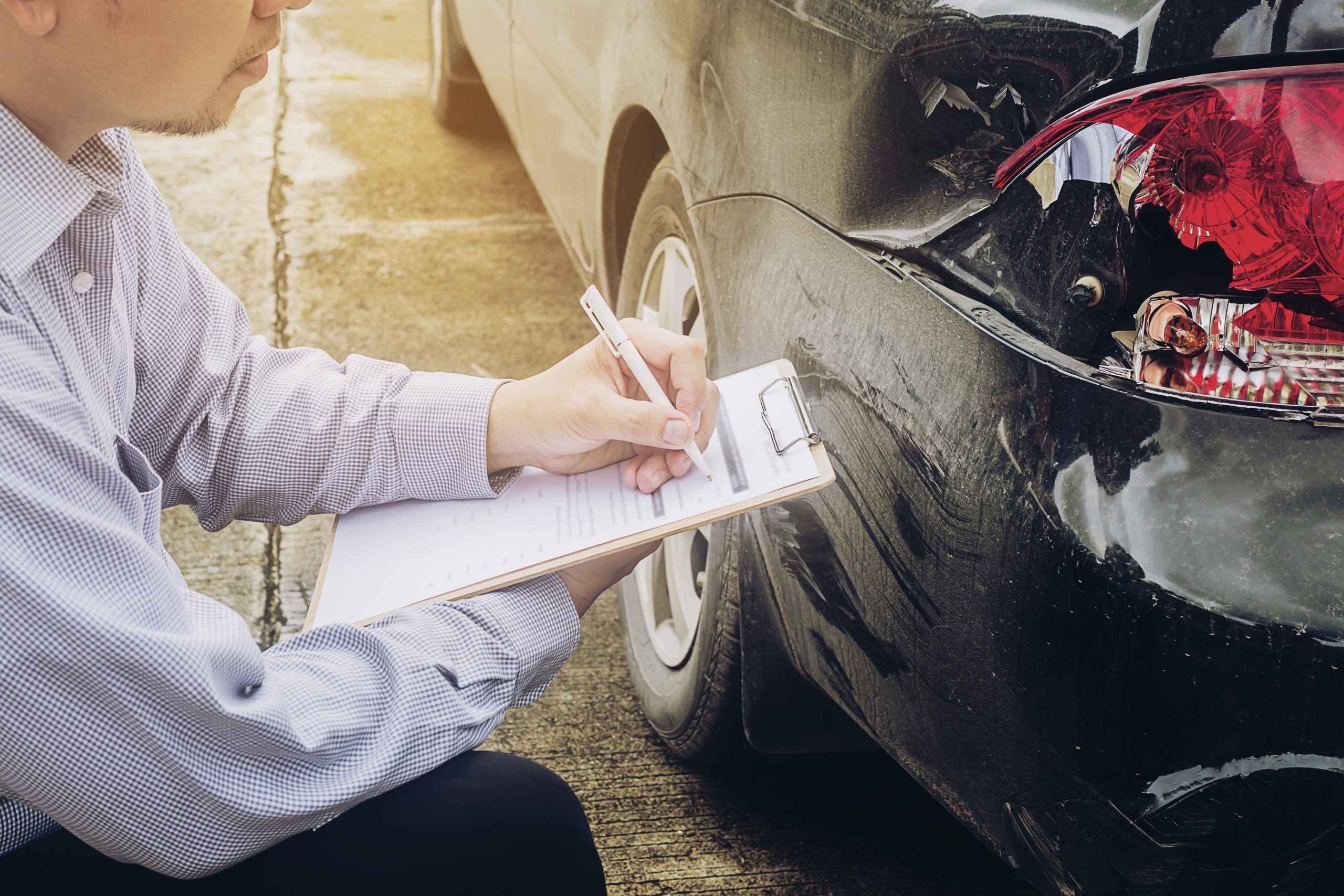
If another person crashes into your car, the resulting paperwork may introduce information that needs clarification. For example, a claim could be incorrectly recorded as partially at fault, or an accident report might contain incomplete details about the circumstances. If such information is used during renewal, it could contribute to an unfair premium increase.
Accident responsibility is not always immediately clear after a collision. Insurance companies may investigate witness statements, photographs, traffic reports, vehicle damage, and other available evidence. During this process, the insurer may initially classify responsibility as undetermined.
Later findings could change the classification. If the final record does not reflect the evidence, you may need to request a correction. An incorrect classification can have financial consequences, particularly if the insurer treats the event as an at-fault accident.
Errors can also involve personal or vehicle information. A policy might contain an incorrect address, outdated vehicle details, or inaccurate annual mileage. These mistakes may influence the premium calculation because insurers use such information to estimate risk.
A wrong vehicle identification number or incorrect model description can also cause problems when processing claims. Reviewing policy documents regularly helps identify discrepancies before they become more difficult to resolve.

10. Your Insurance Provider Has Increased Its Prices to Manage Rising Business Costs
Insurance companies operate businesses that must collect enough premiums to cover claims, operating expenses, and other financial obligations. When the cost of providing coverage increases, insurers may request or implement premium adjustments, subject to applicable regulatory requirements.
These adjustments can affect customers with excellent driving records, including people who have never caused an accident. If your renewal price increases after someone else crashes into your vehicle, the timing may be coincidental rather than a direct consequence of the incident.
One major business expense is the payment of insurance claims. Companies must compensate eligible policyholders and injured third parties according to applicable policy terms and legal responsibilities. When claim costs rise, insurers may need additional revenue to maintain their ability to meet future obligations.
Higher medical expenses, repair costs, vehicle replacement prices, and litigation expenses can all contribute to increased claim payouts. These financial pressures can influence premium levels across an insurer’s customer base.
Administrative expenses are another consideration. Insurance companies spend money on customer service, claims investigations, technology systems, fraud prevention, legal support, and regulatory compliance. Changes in these operating expenses can influence the company’s financial performance.
Insurers may also invest in digital platforms, improved claims processing, and advanced risk assessment systems. Although these investments can improve customer experiences, they still contribute to the cost of running an insurance business.
Economic conditions can affect insurance pricing too. Inflation may increase the price of vehicle parts, professional labor, medical services, and replacement vehicles. Interest rates and investment returns can also influence an insurer’s broader financial position.
Companies consider these factors when evaluating their future obligations and determining appropriate pricing. The result may be a general premium increase that affects customers regardless of their individual accident history.