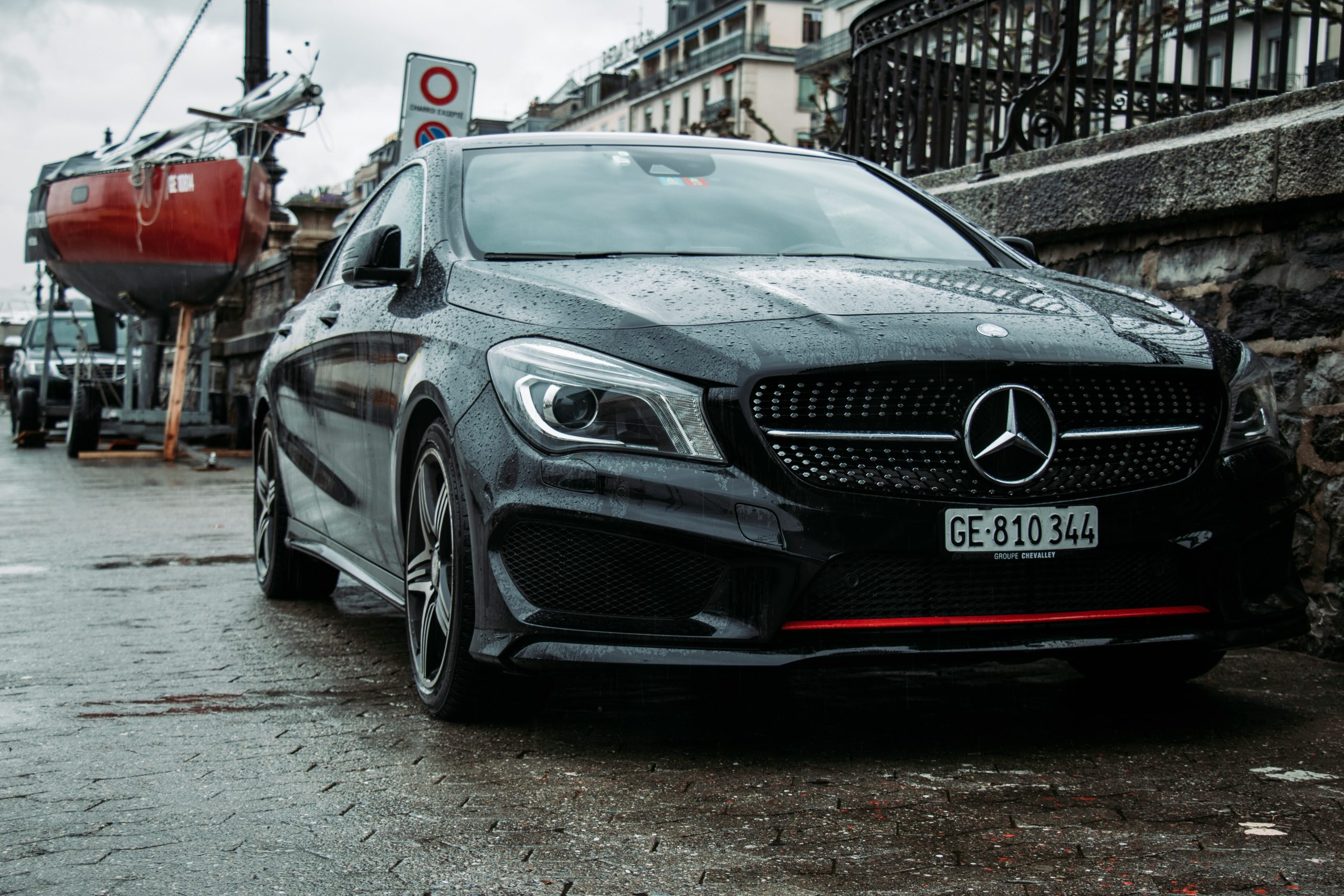
Winter temperatures can expose weaknesses in vehicles that remain hidden during warmer months. A sedan that starts effortlessly in autumn may struggle with weak batteries, thick engine oil, frozen fuel lines, reduced electric range, and unreliable starting systems when temperatures fall below freezing.
Some models require additional attention because of their powertrain designs, battery condition, or sensitivity to neglected maintenance. This guide examines eight sedans that can experience troublesome cold-weather performance, explaining their common weaknesses, warning signs, and practical solutions.
Understanding these problems helps drivers prepare their vehicles before winter creates expensive and inconvenient breakdowns.
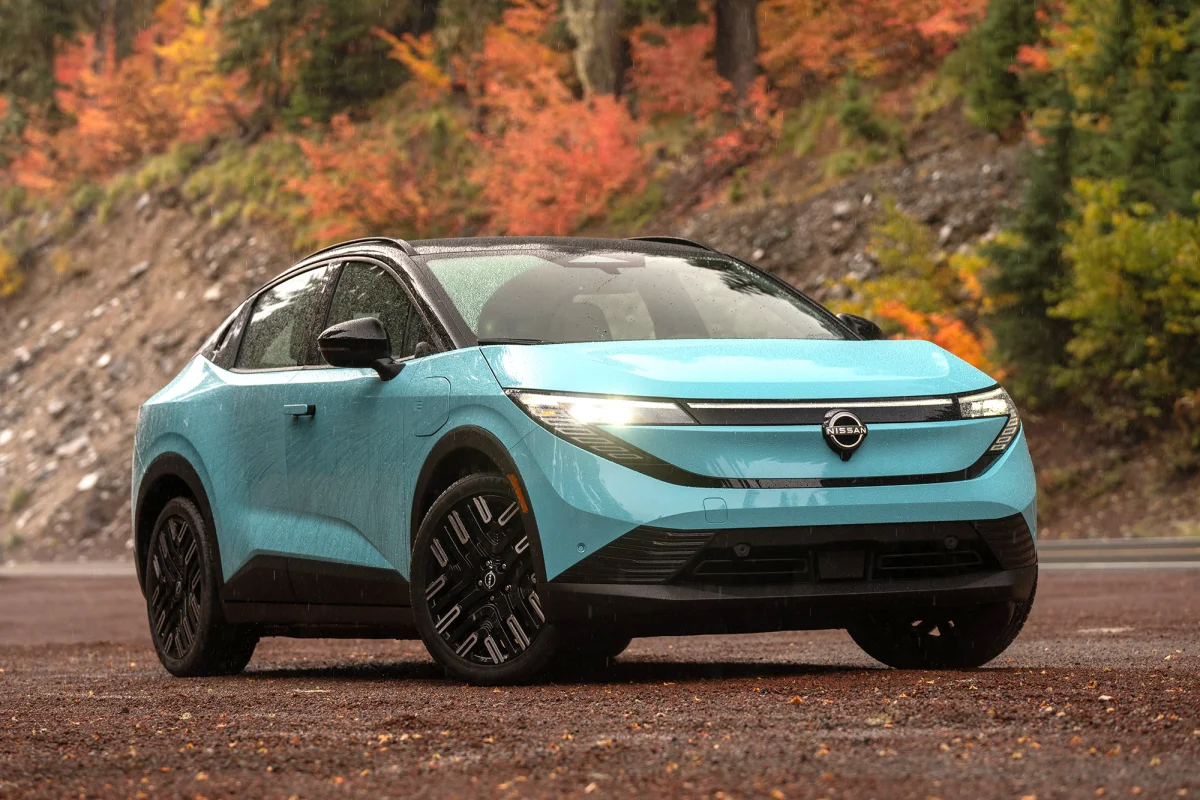
1. Nissan Leaf: Electric Range Drops Sharply in Freezing Weather
The Nissan Leaf is a familiar name in the affordable electric vehicle market, but winter conditions can create serious challenges for drivers who depend on predictable daily range. Its battery stores less usable energy in cold conditions, while cabin heating requires additional electricity.
These two factors can reduce the distance available on a full charge. Drivers who regularly complete longer journeys may discover that their usual charging routine no longer provides enough energy during the first week of freezing temperatures.
Battery temperature plays an important role in the Leaf’s winter performance. Lithium-ion batteries operate most efficiently within a moderate temperature range, and cold weather slows the chemical reactions that support energy delivery.
Older Leaf versions with smaller battery packs can be particularly challenging for drivers who already have limited range. The problem becomes more noticeable when a vehicle remains parked outside overnight without access to a charging connection or a sheltered parking space.
Cabin heating can create additional pressure on the available battery capacity. Unlike conventional petrol sedans, electric vehicles cannot simply use waste engine heat to warm the interior.
The heating system draws electricity from the traction battery, which can reduce driving range. Some Leaf versions offer a heat pump, which can improve heating efficiency in certain conditions. However, its effectiveness depends on temperature, equipment, and vehicle configuration.
Charging performance may also become slower when the battery is extremely cold. The vehicle’s battery management system can limit charging power to protect the battery cells. Drivers may notice that public charging sessions take longer than expected, especially during particularly cold mornings.
Regenerative braking can also be temporarily reduced until the battery reaches a suitable operating temperature. These changes are normal protective measures rather than proof that the vehicle has developed a mechanical fault.
The best way to prepare a Nissan Leaf for winter is to charge it regularly, preheat the cabin while connected to a charger, and avoid allowing the battery to remain at a very low charge level. Drivers should also plan longer journeys around available charging stations and leave extra range for unexpected delays.
Checking battery health before winter is particularly important for older examples. The Leaf can remain useful in cold climates, but drivers need realistic expectations about its winter range.
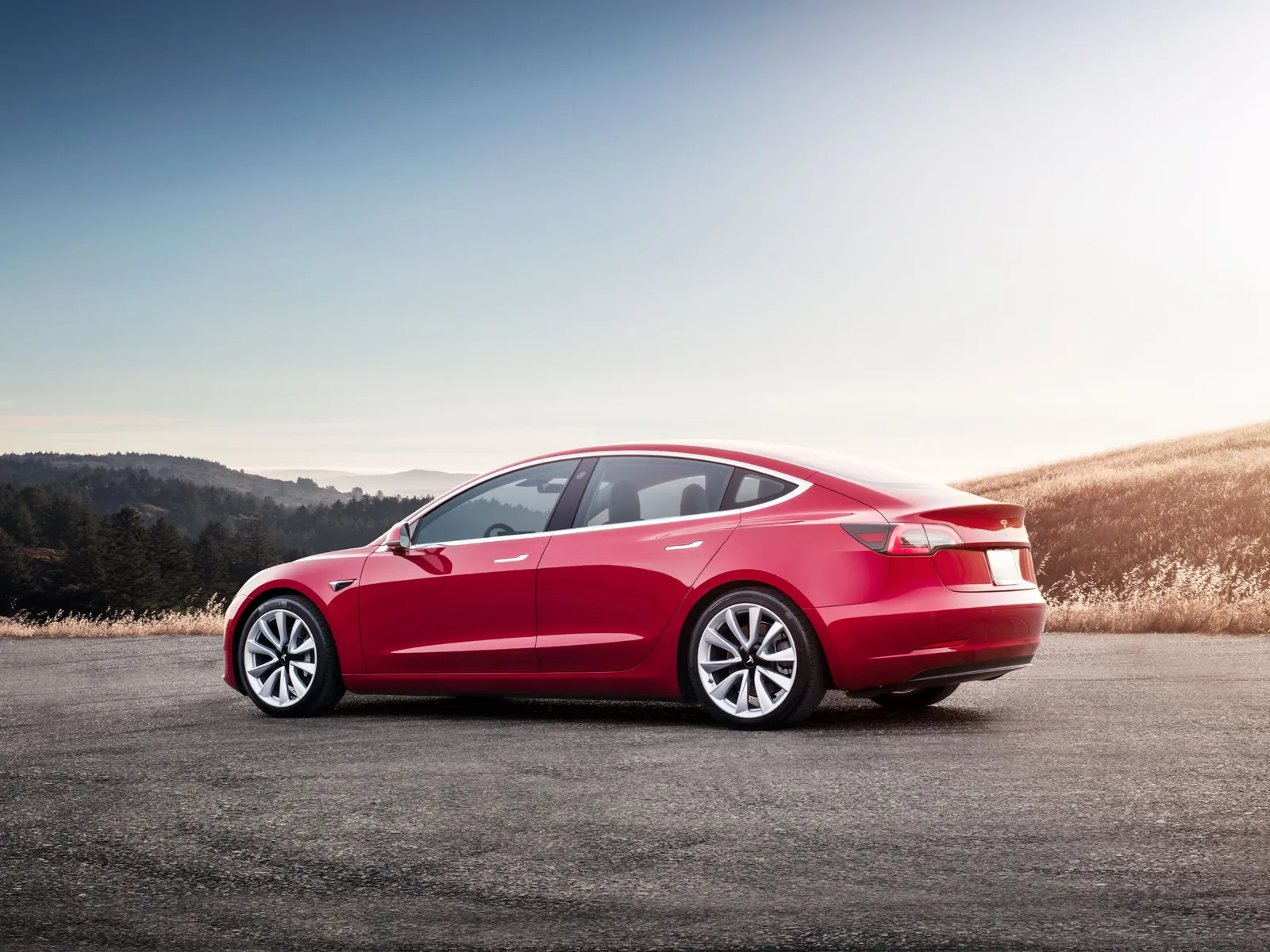
2. Tesla Model 3: Battery Temperature Creates Winter Driving Challenges
The Tesla Model 3 offers impressive acceleration, modern technology, and competitive electric driving range. However, freezing temperatures can change its everyday performance. Cold battery cells accept and deliver energy differently, which may temporarily affect charging speed, regenerative braking, and available driving range.
Drivers who purchase the vehicle expecting identical performance throughout the year can be surprised by these seasonal changes, particularly when temperatures remain below freezing for several consecutive days.
The battery management system monitors temperature and adjusts operation to protect the battery. During particularly cold mornings, the car may display reduced regenerative braking or limit certain performance features until the battery warms up.
Drivers can also experience slower acceleration response under specific cold conditions. These restrictions are designed to protect expensive battery components. They should not automatically be interpreted as evidence of a defective vehicle, but repeated warning messages deserve professional attention.
Another concern is the electricity consumed by interior heating. The Model 3 uses an electric climate control system, and heating the cabin requires energy from the battery.
Newer versions equipped with heat pump technology generally manage heating energy more efficiently than earlier configurations in suitable conditions. Even so, extremely low temperatures can increase energy consumption. Short journeys can become particularly inefficient because the vehicle repeatedly needs to warm the cabin.
Charging habits become especially important during winter. Drivers who rely on public fast chargers may encounter reduced charging speeds when the battery has not reached its preferred temperature.
Using the vehicle’s navigation system to prepare the battery for a compatible charging stop can help improve charging performance. Keeping the car plugged in at home whenever practical also makes it easier to manage battery temperature and maintain a dependable charge level.
Owners should prepare their Model 3 before the first serious cold spell by checking tire pressure, reviewing battery health, and learning how scheduled preconditioning works. Winter tires are valuable in areas with frequent snow and ice because electric power alone cannot compensate for insufficient traction.
Drivers should also avoid assuming that the displayed summer range will remain available throughout winter. Good charging habits and realistic journey planning can make the Model 3 considerably easier to live with during freezing weather.
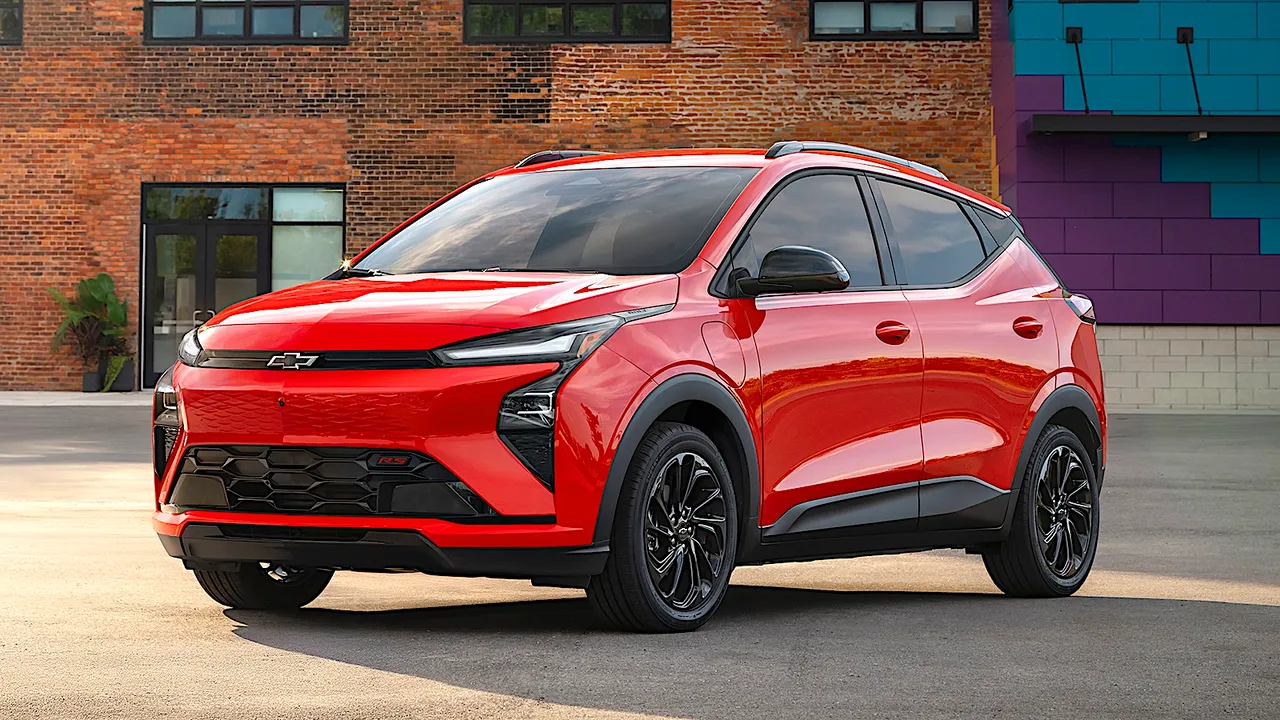
3. Chevrolet Bolt EV: Cold Weather Can Reduce Available Driving Distance
The Chevrolet Bolt EV has earned attention for providing practical electric transportation at a relatively accessible price. Its battery capacity can support everyday commuting, but winter temperatures introduce limitations that drivers should understand.
Cold conditions reduce battery efficiency, while heating systems increase electricity consumption. The result can be a noticeable reduction in driving range. For owners who regularly travel close to the vehicle’s maximum practical range, this seasonal difference can create inconvenience.
Battery temperature affects how efficiently the Bolt EV delivers electrical power. When the battery becomes very cold, the vehicle may restrict charging and regenerative braking to protect its cells.
These restrictions can remain noticeable until the battery reaches a more suitable temperature. Drivers should not expect the same charging speed during a freezing morning as they would during mild weather. Allowing additional time for charging is a sensible precaution during winter.
The heating system is another factor worth considering. Unlike a petrol sedan, the Bolt EV does not have a continuously running combustion engine producing waste heat for the cabin. It must use electrical energy to generate warmth.
This demand becomes especially significant when the car is used for repeated short trips. Drivers may notice that their estimated remaining range changes more quickly when the climate control system operates at higher settings.
Tire pressure can also become a concern when temperatures drop. Air pressure naturally decreases as surrounding temperatures fall, which means tires that appeared properly inflated in autumn may become underinflated during winter.
Incorrect tire pressure can increase rolling resistance and affect handling. On icy roads, unsuitable tires create an additional safety concern. Regular inspections help prevent these problems from being mistaken for battery-related performance issues.
Bolt EV owners can improve winter reliability by charging overnight, using scheduled cabin heating when connected to electricity, and maintaining appropriate tire pressure. Battery condition should also be checked, particularly on older vehicles or examples with a complicated service history.
Drivers should confirm that any applicable battery recalls or service campaigns have been addressed. The Bolt EV does not automatically become unreliable below freezing, but its available range and charging behavior can change enough to require careful planning.
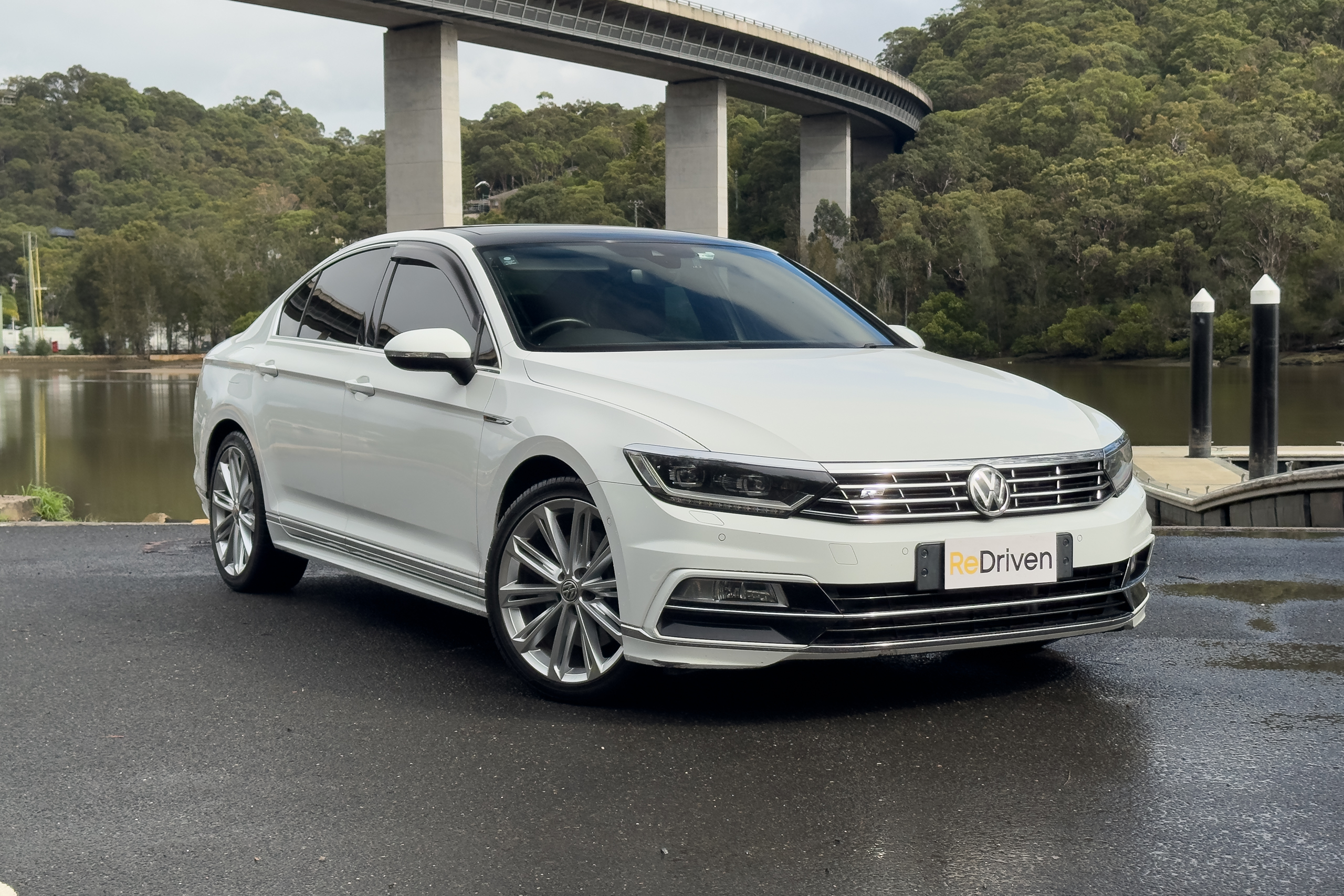
4. Volkswagen Passat TDI: Diesel Starting Problems Become More Noticeable
The Volkswagen Passat TDI is known for its fuel efficiency and comfortable long-distance driving characteristics. However, diesel engines have specific requirements when temperatures fall below freezing.
Cold weather makes diesel fuel more vulnerable to wax crystal formation, which can restrict fuel flow if the fuel is unsuitable for the prevailing conditions. Older vehicles with neglected fuel systems, weak batteries, or worn glow plugs may experience starting difficulties during the first several cold mornings.
Glow plugs are essential components in many diesel engines because they help heat the combustion chambers during cold starts. When these components become worn or fail, the engine may take longer to start.
Drivers might notice repeated cranking, rough initial running, or excessive exhaust smoke after ignition. A dashboard glow plug warning light that behaves abnormally should not be ignored. Checking the glow plug system before winter can prevent an inconvenient breakdown.
The fuel filter deserves attention as well. Diesel fuel can contain moisture and contaminants that interfere with proper fuel delivery. In freezing weather, water trapped in the fuel system may freeze and obstruct flow.
Modern winter-grade diesel is formulated to improve cold-weather performance, but availability and specifications vary by region. Drivers who travel through colder areas should use fuel appropriate for local winter conditions and follow the manufacturer’s maintenance recommendations.
Engine oil viscosity can influence cold starting too. When temperatures fall, oil becomes thicker and takes longer to circulate through engine components. Using an incorrect oil grade can increase resistance during startup and place additional demands on the starter motor and battery.
A Passat with an aging battery may struggle to turn over its diesel engine, particularly after sitting outside overnight. Proper servicing and the correct manufacturer-approved oil specification are essential.
Preventive maintenance makes a considerable difference to winter diesel reliability. Owners should test the battery, inspect glow plugs, replace overdue fuel filters, and check the charging system before freezing conditions arrive.
They should also avoid repeatedly cranking an engine that refuses to start, as excessive attempts can drain the battery. A well-maintained Passat TDI can operate in cold climates, but neglected diesel components can turn an ordinary winter morning into an expensive inconvenience.
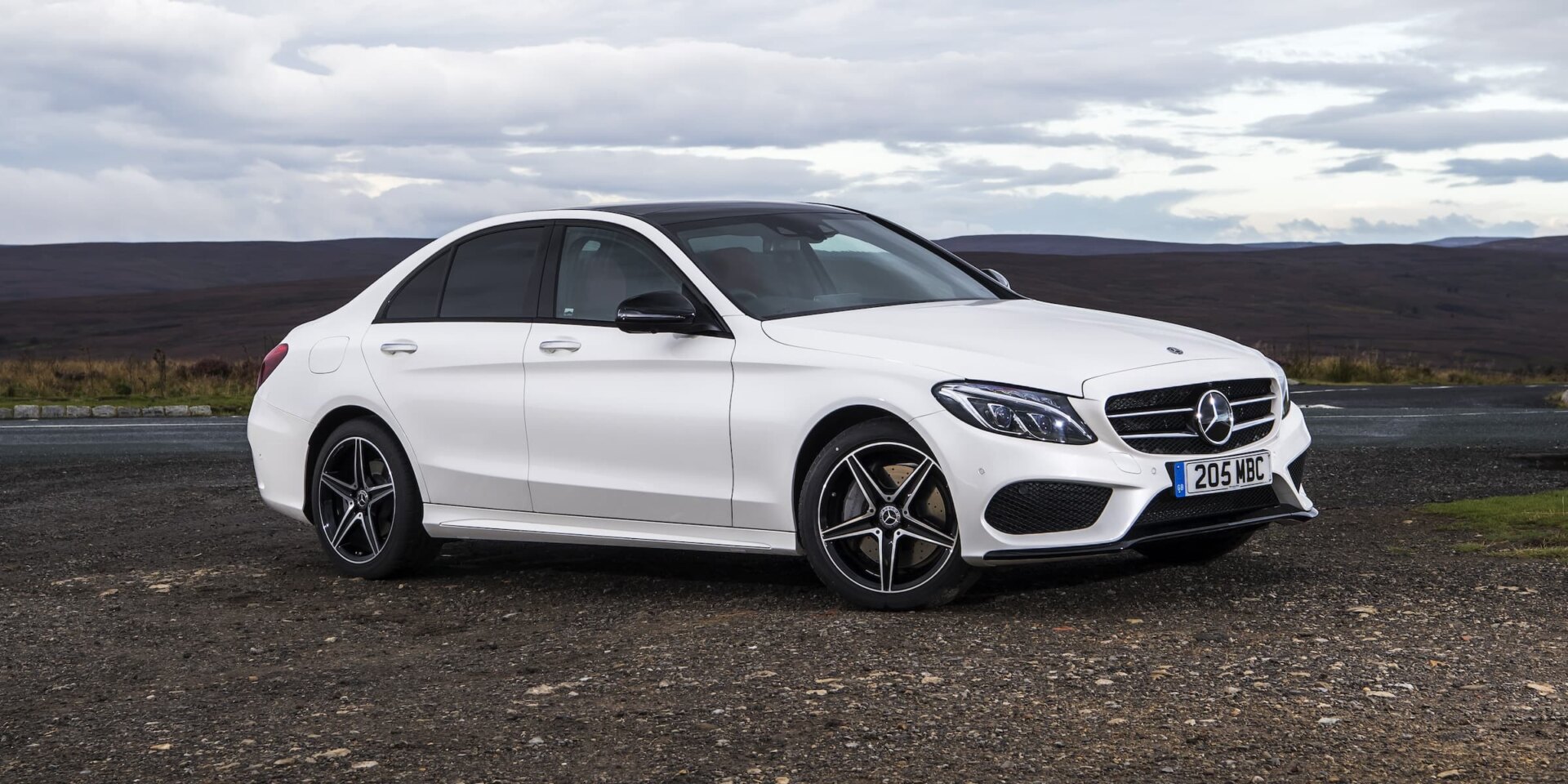
5. Mercedes-Benz C-Class Diesel: Complex Components Need Winter Attention
The Mercedes-Benz C-Class combines premium comfort with sophisticated engine technology. Diesel-powered versions offer strong fuel economy and substantial torque, but their additional mechanical systems require proper maintenance in freezing weather.
A weak battery, malfunctioning glow plugs, or an aging fuel system can make cold starting more difficult. Owners of older examples may discover that components which performed adequately during warmer months become noticeably less dependable after several nights of freezing temperatures.
Modern Mercedes diesel engines use electronic management systems to regulate fuel injection, emissions equipment, and engine temperature. These systems are designed to maintain efficient operation across different weather conditions.
However, aging sensors, electrical connections, and worn components can create starting problems. A vehicle that displays warning messages or struggles to start should receive a diagnostic inspection rather than repeated attempts to force the engine into operation.
Battery condition deserves particular attention in luxury sedans. The C-Class may use several electronic systems that remain active even when the engine is switched off. Depending on the model year and equipment, these systems can place additional demands on the electrical supply.
A deteriorating battery may struggle to deliver sufficient power to the starter motor and control modules during cold mornings. Drivers may notice slower cranking, dashboard warnings, or unusual electronic behavior.
Diesel fuel quality is equally important. In colder climates, ordinary diesel may become less suitable for low temperatures because paraffin crystals can develop and restrict fuel movement. The correct winter-grade fuel reduces this risk.
Owners should also follow recommended fuel-filter replacement intervals and investigate any signs of water contamination. Ignoring fuel system maintenance can result in poor starting, rough running, or an engine that stops unexpectedly.
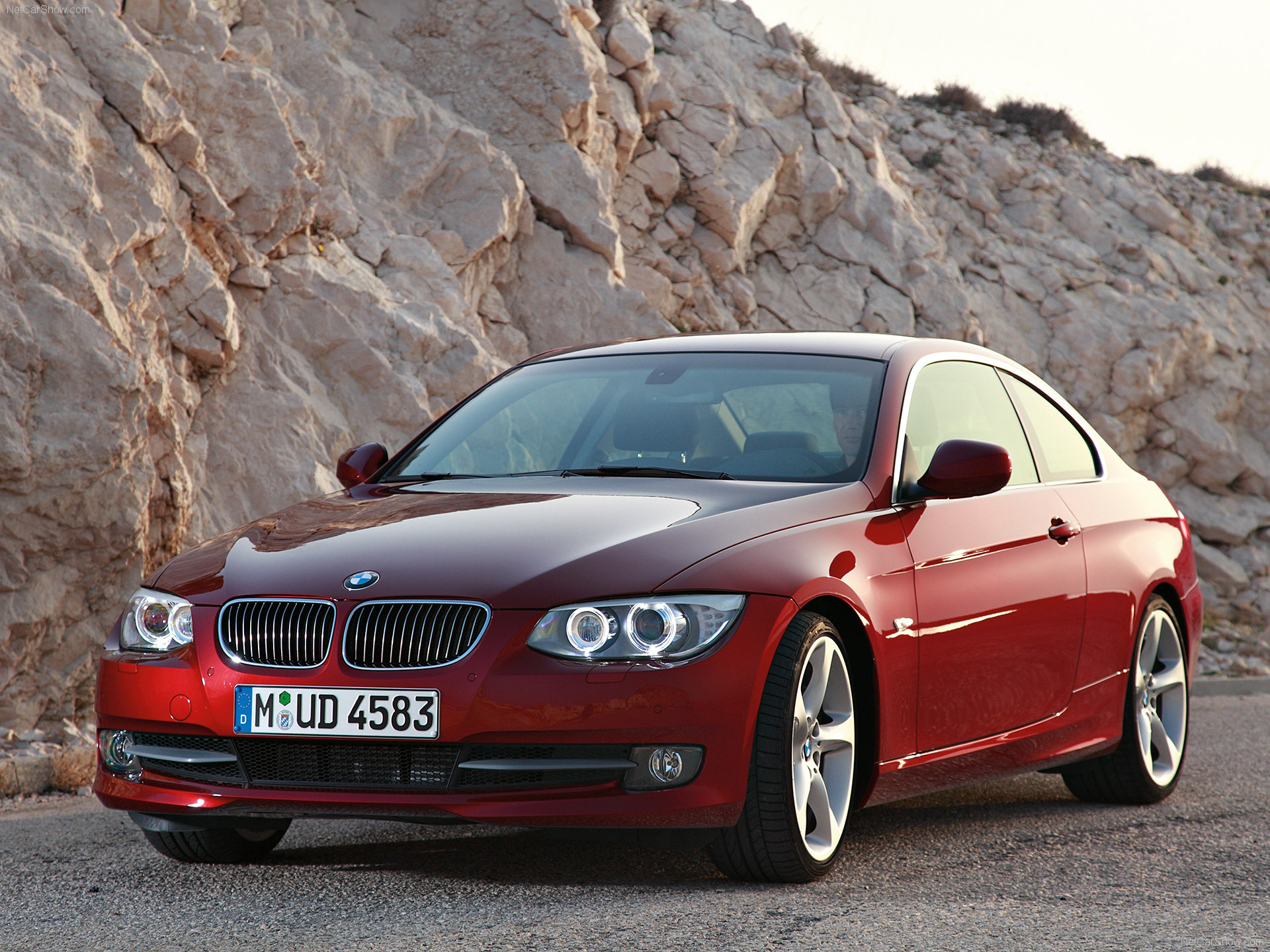
6. BMW 3 Series: Weak Batteries and Cold Starts Can Cause Trouble
The BMW 3 Series has a reputation for responsive handling, refined engines, and enjoyable driving characteristics. Diesel versions, particularly older high-mileage examples, can face additional challenges during freezing weather.
Their performance depends on several components working together, including the battery, glow plugs, fuel delivery system, and engine management electronics. When temperatures fall below freezing, weaknesses in any of these areas can become more noticeable, creating starting difficulties and inconsistent engine operation.
The battery is a particularly important component in the 3 Series. Diesel engines generally require substantial electrical power to operate their starter motors, especially when the engine oil is cold. An aging battery may provide sufficient power during mild weather but struggle during a freezing morning.
Drivers might hear slow cranking, notice dim dashboard lighting, or experience repeated starting attempts. A professional battery load test can help identify problems before the vehicle becomes completely immobilized.
Glow plug performance is another concern for older diesel-powered BMW models. These components assist combustion during cold starts, and worn glow plugs can cause rough ignition or extended cranking. Some vehicles may also display warning messages associated with the glow plug system.
When several components begin to deteriorate simultaneously, the engine can become noticeably less dependable. Replacing faulty parts before winter is generally less expensive than dealing with an emergency breakdown.
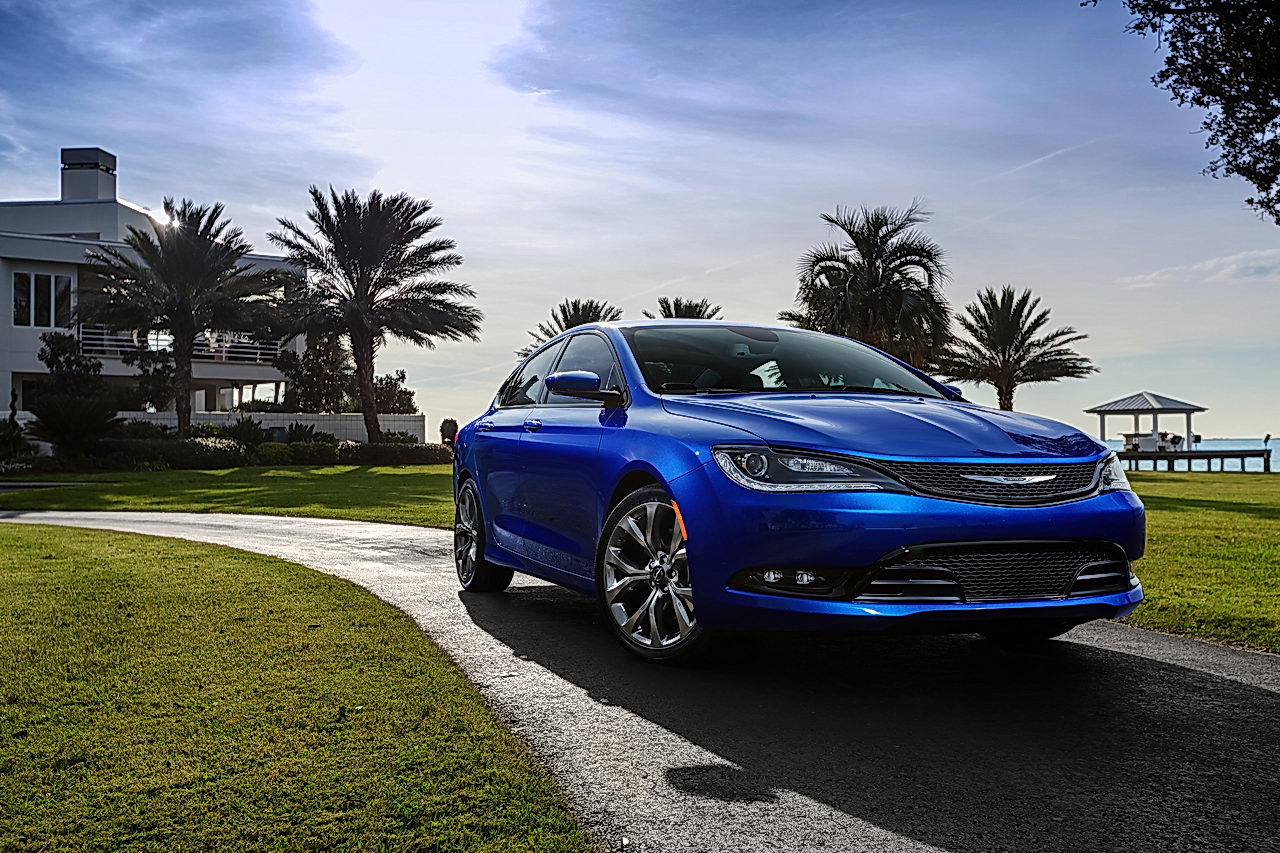
7. Chrysler 200: Aging Electrical Systems Can Become a Winter Weakness
The Chrysler 200 is a discontinued midsize sedan that can still be found in the used-car market. Its affordability makes it appealing to buyers looking for practical transportation, but age and maintenance history matter considerably when winter arrives.
Older examples may have weakened batteries, deteriorating electrical connections, or aging starter components. These problems can remain unnoticed during warmer weather before becoming more serious when overnight temperatures drop below freezing.
A weak battery is a common reason older vehicles struggle to start in winter. Low temperatures reduce battery performance while increasing the amount of effort required to start a cold engine.
If the battery is already several years old, it may not provide enough power after the vehicle sits outside overnight. Drivers may experience slow cranking, clicking sounds, or complete electrical failure. Battery testing before winter is a practical way to reduce this risk.
The starter motor and charging system also deserve attention. A worn starter may operate inconsistently, particularly when the engine requires additional effort to turn over. Meanwhile, a failing alternator can prevent the battery from receiving sufficient charge during normal driving.
These problems can produce similar symptoms, which makes proper diagnosis important. Replacing a battery without checking the charging system may leave the underlying problem unresolved.
Cooling system maintenance is another important part of winter preparation. The engine coolant must contain the correct antifreeze concentration to prevent freezing and protect internal components. Old coolant or an unsuitable mixture can increase the risk of damage during extreme cold.
Hoses, belts, and radiator connections should also be inspected for deterioration. Small leaks that appear manageable during mild weather can become more troublesome when temperatures fluctuate.
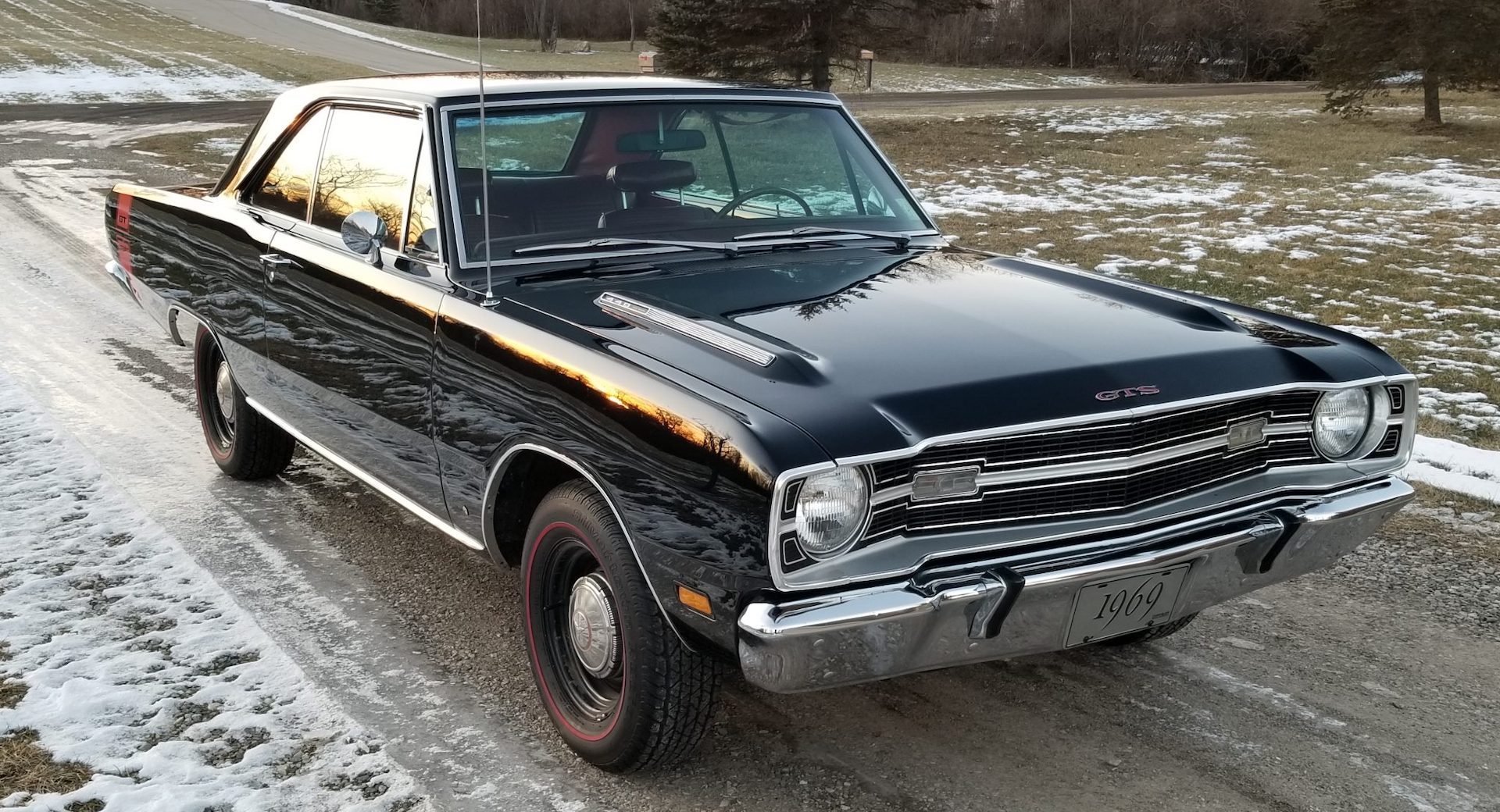
8. Dodge Dart: Cold Weather Exposes Electrical and Starting Issues
The Dodge Dart is another discontinued sedan that remains available in the used-car market. It offers compact dimensions and everyday practicality, but individual vehicle condition plays a major role in winter reliability.
Older examples may experience battery deterioration, starter problems, sensor faults, or electrical connection issues. Freezing temperatures can make these weaknesses more apparent, especially when the car is parked outside for extended periods without regular use.
The electrical system is particularly important during winter. Modern vehicles depend on electronic control modules, sensors, and electrical connections to manage engine operation. When a battery becomes weak, these systems may not receive stable power during startup.
Drivers can experience unusual warning lights, slow cranking, or intermittent electrical behavior. A battery that seems acceptable during autumn may struggle after several nights of freezing temperatures, especially if it is already near the end of its service life.
The engine starting system should also receive proper attention. A worn starter motor can struggle when cold engine oil increases resistance inside the engine.
Damaged electrical connections or corroded battery terminals can create similar symptoms. Drivers should avoid assuming that every starting problem requires a replacement battery. A technician can test the battery, starter motor, alternator, and associated wiring to determine the actual cause.
Tire condition and engine oil selection also influence winter performance. Underinflated tires can reduce handling stability and increase rolling resistance, while unsuitable oil can make cold starts more demanding.
The correct oil viscosity should always follow the manufacturer’s specifications for the particular engine and climate. Drivers in areas that experience snow and ice should also consider dedicated winter tires rather than depending entirely on standard all-season rubber.