
Car inspection rules are changing in 2026, bringing new responsibilities for vehicle owners, drivers, and automotive businesses. Governments are placing greater attention on road safety, vehicle emissions, mechanical condition, and modern automotive technology.
These changes may affect how cars are tested, what inspectors examine, and how frequently certain vehicles require inspections. Understanding the updated requirements can help drivers avoid unexpected expenses, inspection failures, and legal complications.
Whether you own an older vehicle, a family car, or a newer model, staying informed about inspection requirements is essential for maintaining compliance and keeping your vehicle safe.
1. Stricter Vehicle Emissions Testing Requirements
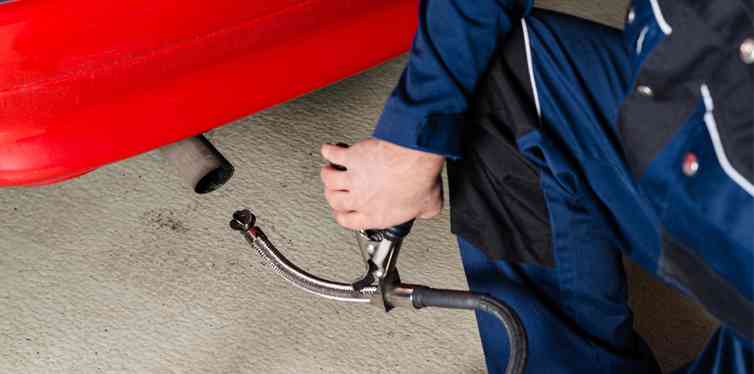
Vehicle emissions testing remains an important part of road safety and environmental protection policies. In 2026, authorities in some regions are introducing or considering stricter testing standards to identify vehicles that release excessive pollutants.
These measures are intended to reduce harmful exhaust emissions, improve urban air quality, and encourage responsible vehicle maintenance. Petrol and diesel vehicles may face different testing procedures depending on their age, engine technology, and applicable environmental standards.
Owners should understand that passing an emissions inspection may require more than simply keeping the engine running properly. The condition of the exhaust system, fuel delivery components, and emissions control equipment can also influence test results.
Modern emissions inspections increasingly rely on electronic testing equipment that measures pollutants produced during vehicle operation. Depending on local regulations, inspectors may examine carbon monoxide, hydrocarbons, nitrogen oxides, and other regulated substances.
Some testing programs also use onboard diagnostic information to identify engine problems connected with emissions performance. A vehicle displaying an active emissions-related warning light may require repairs before receiving approval.
These checks help identify problems that ordinary visual inspections might miss. Drivers should pay attention to dashboard warnings and arrange professional servicing when their vehicle shows signs of an engine or exhaust malfunction.
Older vehicles can face additional challenges when emissions standards become stricter. Age-related deterioration, damaged sensors, worn catalytic converters, and poorly maintained engines can increase pollution levels.
Regular maintenance helps reduce the likelihood of inspection problems while supporting better fuel efficiency. Vehicle owners should follow the manufacturer’s recommended servicing schedule and use suitable replacement components.
Replacing defective emissions equipment with low-quality or incompatible parts may create further problems during testing. Keeping maintenance records can also help demonstrate that the vehicle has received appropriate attention when inspection authorities request supporting information.
Diesel vehicles may receive particular attention because their exhaust systems can produce particulate matter and nitrogen oxides. Depending on the inspection program, testing may involve checking visible smoke, exhaust opacity, or the condition of emissions control components.
Diesel particulate filters and other pollution-control systems need proper maintenance to function effectively. Removing or disabling legally required emissions equipment can result in inspection failure and penalties in jurisdictions where such modifications are prohibited. Drivers should avoid unauthorized alterations and consult qualified technicians when an emissions warning appears.
2. More Detailed Brake System Inspections
Brake inspections are essential because a vehicle’s stopping ability directly affects the safety of its occupants and other road users. In 2026, some inspection programs may place greater emphasis on identifying worn brake components and detecting performance problems earlier.
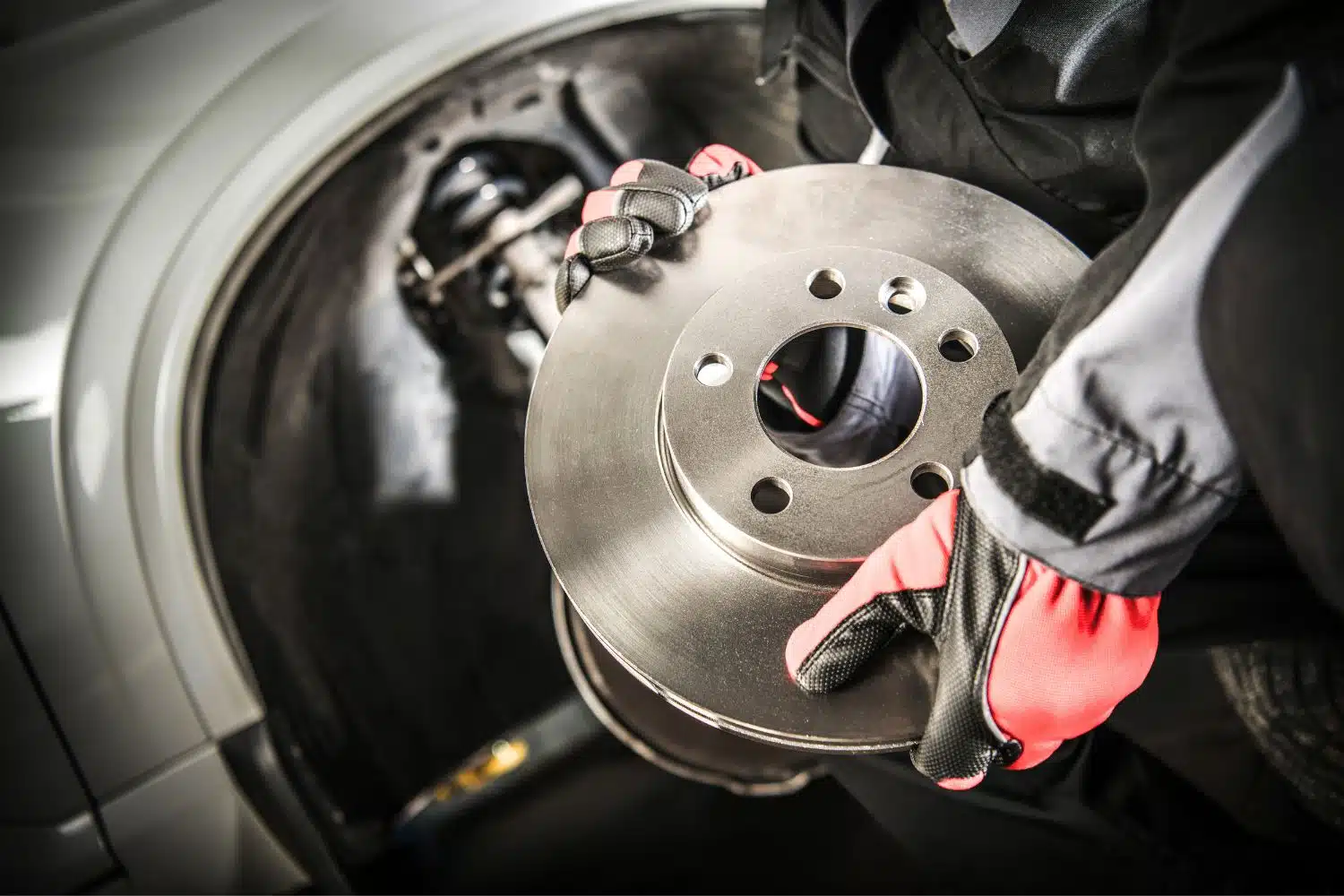
Inspectors commonly examine brake pads, discs, drums, hydraulic lines, and other essential parts. The purpose is to confirm that the braking system can operate safely under normal driving conditions. A vehicle with damaged or poorly maintained brakes can create serious risks, particularly during emergency stops, wet weather, or heavy traffic.
Brake pads gradually become thinner through regular use, making periodic inspection necessary. Excessive wear can reduce braking effectiveness and damage other components, including brake discs. Drivers may notice warning signs such as squealing noises, grinding sounds, vibration, or a longer stopping distance.
These symptoms should not be ignored until the next scheduled inspection. A qualified mechanic can measure brake pad thickness, examine disc condition, and identify problems before they become more expensive. Addressing minor issues early can help prevent extensive repairs and reduce the likelihood of inspection failure.
Hydraulic braking systems also require careful attention. Brake fluid transfers pressure through the system, allowing the driver to operate the brakes effectively. Contaminated fluid, leaks, damaged hoses, or faulty cylinders can interfere with normal braking performance.
Inspectors may check for visible leaks and examine the condition of accessible components. Some vehicles also use electronic braking systems that require diagnostic checks when warning indicators appear. Regular maintenance helps ensure that both conventional and electronically controlled braking components function as intended.
Parking brakes may also receive attention during vehicle inspections. This system helps keep a parked vehicle stationary, especially on slopes or uneven surfaces. A poorly adjusted parking brake, damaged cable, or faulty electronic mechanism can reduce its effectiveness.
Drivers should notice whether the vehicle remains securely parked when the brake is applied. Electronic parking brakes may also display dashboard warnings when a malfunction occurs. Any unusual operation should be checked by a technician before the vehicle undergoes an official inspection.
3. Increased Attention to Tyre Condition and Safety
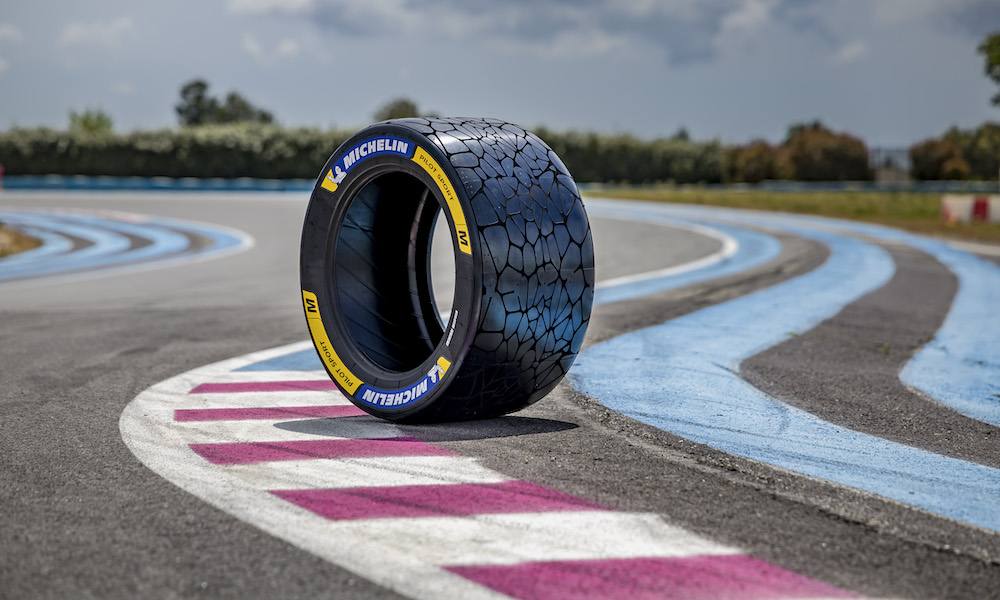
Tyres play a major role in vehicle handling, braking, and road stability. Inspection authorities commonly examine tyre condition to identify problems that could affect driving safety. In 2026, some regions may strengthen existing requirements or increase attention to tyre wear, damage, and suitability.
Inspectors can check tread depth, sidewall condition, inflation, and whether tyres meet the specifications approved for the vehicle. These checks are particularly important because tyres are the only parts of a car that maintain direct contact with the road surface. Poor tyre condition can increase stopping distances and reduce control during difficult driving conditions.
Tread depth is an important factor in tyre safety. As the tread wears down, the tyre becomes less effective at moving water away from its contact area. This can increase the risk of aquaplaning on wet roads. Different countries establish their own minimum legal tread-depth requirements, so drivers should confirm the standard applicable to their location.
Measuring tread depth regularly can help identify when replacement is necessary. Waiting until the tyre becomes visibly smooth is not a safe maintenance strategy, particularly for vehicles frequently driven in heavy rain.
Sidewall damage is another concern during inspections. Cracks, bulges, cuts, and exposed internal materials can indicate structural deterioration. Such defects may increase the likelihood of sudden tyre failure, especially at higher speeds or when carrying heavy loads.
A tyre with serious sidewall damage should be assessed by a professional and replaced when necessary. Temporary repair products are not suitable for every type of damage, and some defects cannot be repaired safely. Drivers should also examine tyres after striking potholes or kerbs because internal damage may not always be immediately visible.
4. Greater Focus on Vehicle Lighting and Electrical Systems
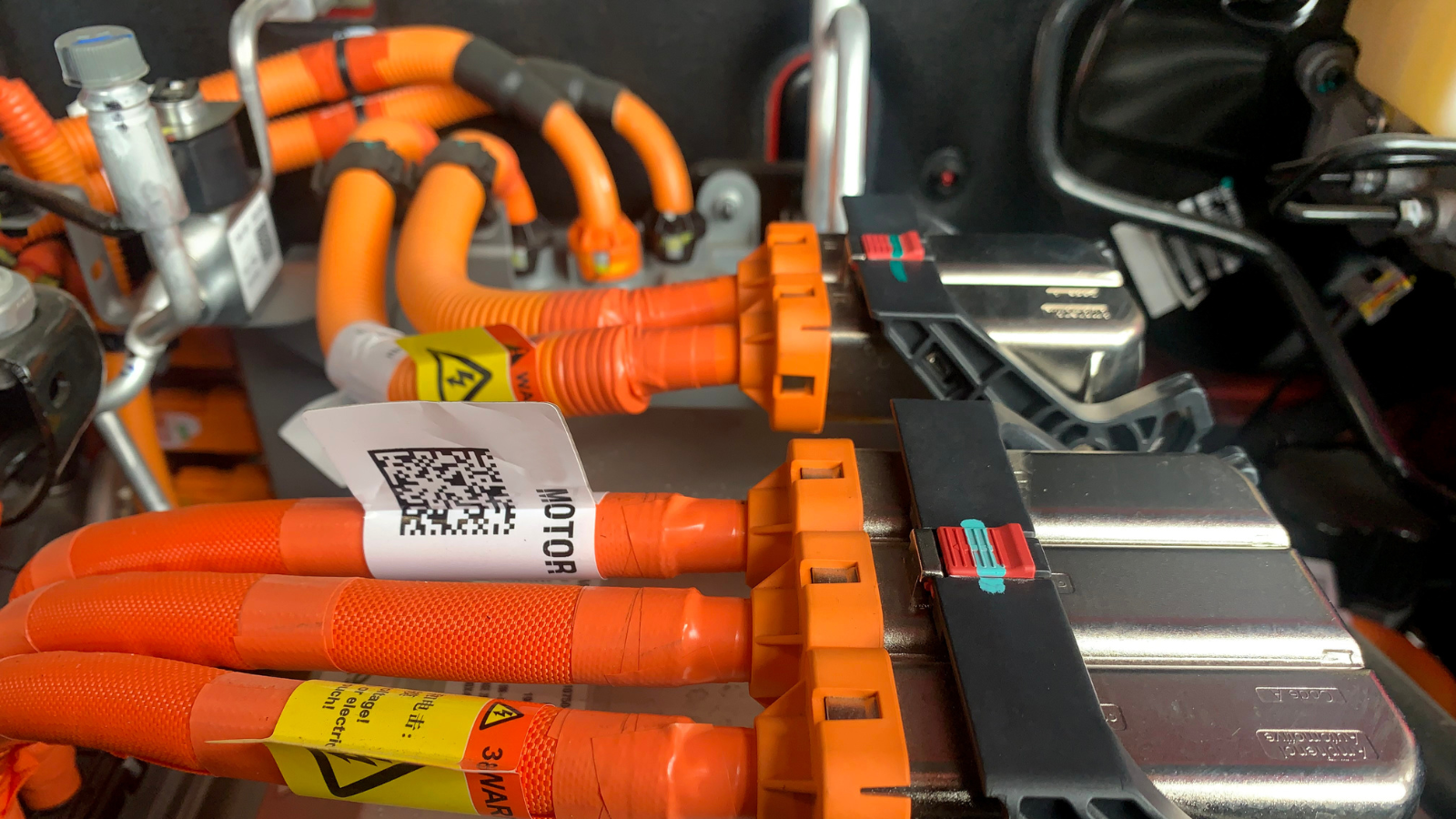
Vehicle lighting systems are essential for visibility and communication between road users. Headlights, brake lights, indicators, reversing lights, and number plate illumination help drivers operate safely in different conditions.
Inspection authorities regularly examine these components to identify defective bulbs, damaged lenses, incorrect positioning, and electrical faults. In 2026, some inspection programs may give greater attention to lighting performance as modern vehicles increasingly use advanced LED systems and electronic controls.
Drivers should ensure that every required light operates correctly before presenting their vehicle for inspection.
Headlights are particularly important because they allow drivers to see the road and help other motorists identify approaching vehicles. Poorly adjusted headlights can reduce visibility or direct excessive light toward oncoming traffic.
Inspectors may examine brightness, alignment, colour, and general condition according to local standards. Damaged headlight covers can also reduce lighting effectiveness by allowing moisture inside or affecting the light pattern. Regular cleaning and timely replacement of faulty components can help maintain appropriate illumination.
Brake lights and indicators are equally important because they communicate a driver’s intentions. A faulty brake light may prevent vehicles behind from recognizing when a car is slowing down. Defective indicators can make turning or lane changes less predictable for other road users.
Drivers should check these lights regularly, particularly before long journeys. Some vehicles provide dashboard notifications when a bulb fails, while others require manual checks. Replacing faulty bulbs or repairing electrical connections promptly can help avoid inspection complications.
5. Expanded Onboard Diagnostic System Checks
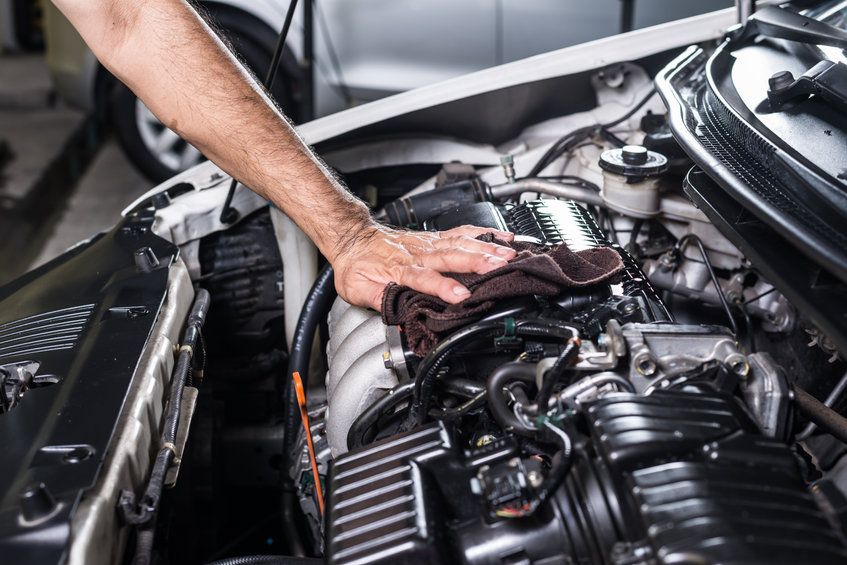
Onboard diagnostic systems have become an important part of modern vehicle maintenance. These systems monitor various engine and emissions-related functions and can record information when a problem occurs.
Inspection programs in some jurisdictions use diagnostic equipment to identify faults that may not be visible during a traditional mechanical examination. In 2026, additional attention to electronic diagnostic information may form part of inspection changes in certain regions.
However, the exact requirements depend on the vehicle category, model year, and regulations established by the relevant authority.
The check engine light is among the most familiar indicators connected with onboard diagnostics. It may illuminate when the engine management system identifies a fault involving sensors, emissions equipment, fuel delivery, or other monitored components.
A warning light does not automatically mean that a vehicle is unsafe to drive, but it should never be ignored. Some problems are relatively minor, while others can affect emissions performance or engine operation. A diagnostic scan can help identify stored fault information and guide the repair process.
Inspection authorities may also examine whether required diagnostic readiness monitors have completed their testing cycles. These monitors allow the vehicle’s computer to evaluate different systems under suitable operating conditions.
If a battery has recently been disconnected or diagnostic information has been cleared, some monitors may need time to complete their checks. Local inspection programs determine how incomplete monitors are treated. Drivers should therefore avoid unnecessary last-minute resets and ask a qualified technician whether the vehicle is ready for testing.
6. Stronger Checks for Vehicle Identification and Documentation
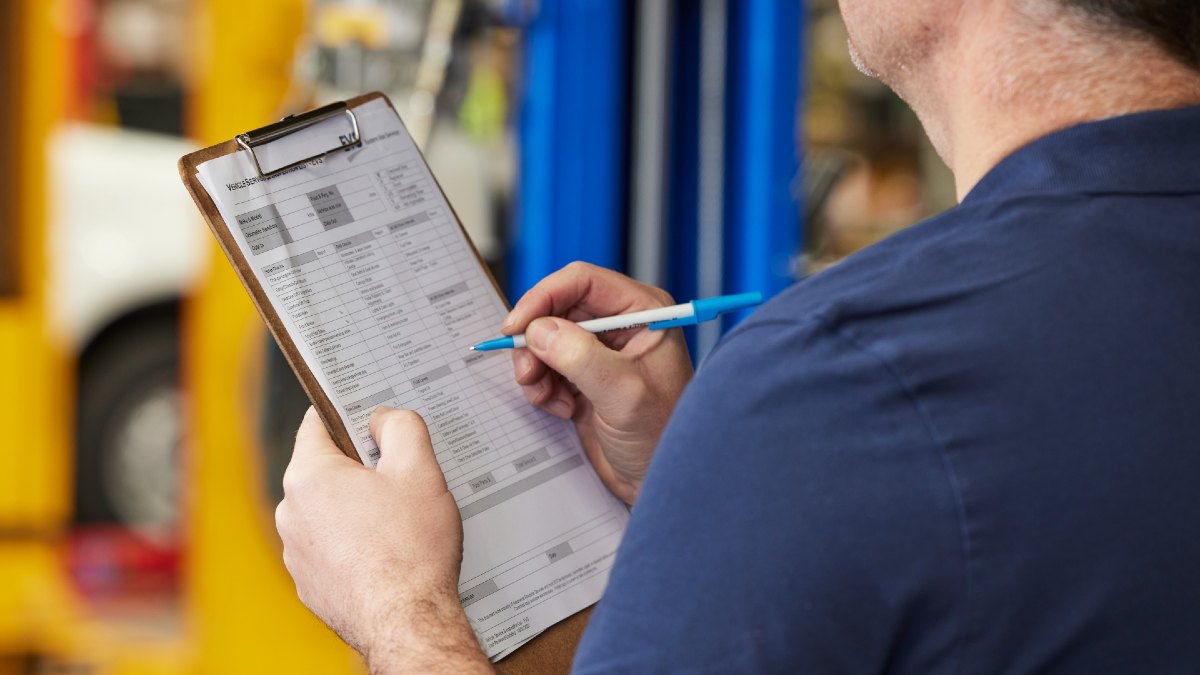
Vehicle identification and documentation are important parts of the inspection process. Authorities need to confirm that a vehicle presented for inspection matches its registration information and complies with applicable legal requirements.
These checks can involve examining the vehicle identification number, registration details, engine information where applicable, and other official records. Some jurisdictions may introduce updated verification procedures in 2026 to improve record accuracy and reduce fraudulent vehicle documentation.
The specific requirements depend on the national or regional transport authority.
The vehicle identification number, commonly known as the VIN, provides a unique identifier for an individual vehicle. It is generally used to connect the vehicle with manufacturing information, registration records, and other official documentation.
Inspectors may compare the VIN displayed on the vehicle with the details recorded in official documents. A missing, damaged, altered, or unreadable identification marking can create complications. Owners should avoid modifying identification markings and seek guidance from the appropriate authority if an identification issue occurs.
Registration documents also play an important role in confirming vehicle ownership and legal status. Depending on local rules, drivers may need to provide a registration certificate, inspection history, insurance information, or other required paperwork.
Digital registration systems are becoming more common in various countries, but the acceptance of electronic documents depends on the relevant authority. Vehicle owners should check which documents must be presented before visiting an inspection centre. Keeping accurate records can reduce delays and help prevent administrative problems.

7. More Attention to Safety Features and Advanced Driver Assistance Systems
Modern cars include numerous safety technologies designed to help drivers avoid accidents and reduce the severity of collisions. These features may include anti-lock braking systems, electronic stability control, airbags, parking sensors, and advanced driver assistance systems.
As these technologies become more common, inspection authorities in some regions may place greater emphasis on their condition. In 2026, certain inspection programs may introduce additional checks or updated procedures for electronically controlled safety equipment. Requirements will vary according to local legislation and vehicle specifications.
Airbags are among the most important safety components in modern vehicles. They are designed to provide additional protection during certain collisions and work alongside seat belts. An illuminated airbag warning light may indicate a problem involving sensors, wiring, control modules, or the airbag system itself.
Such faults require professional attention because they can affect the system’s ability to operate correctly. Drivers should never attempt unauthorized repairs or modifications to airbag components. A qualified technician can inspect the system and recommend appropriate repairs.
Anti-lock braking systems help prevent wheel lock during hard braking, allowing drivers to maintain greater steering control under suitable conditions. Electronic stability control can help reduce the risk of skidding by adjusting braking and engine power when the system detects certain types of instability.
These technologies rely on sensors and electronic control units that must function correctly. Warning lights may indicate a problem requiring diagnosis. Inspection procedures may include checking warning indicators or using diagnostic equipment, depending on local requirements.
8. Updated Inspection Requirements for Older Vehicles
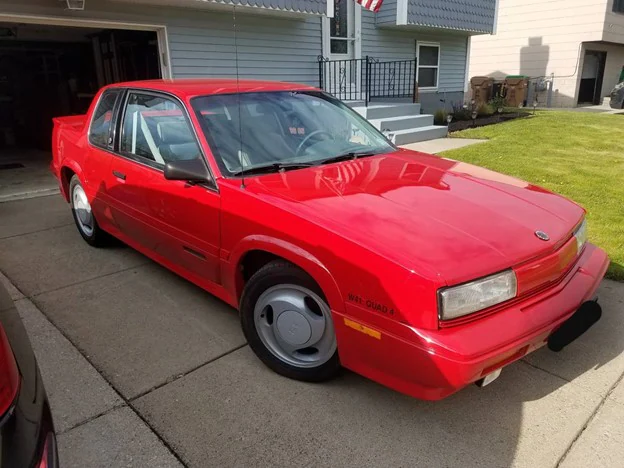
Older vehicles often require additional maintenance because their mechanical and electrical components experience gradual wear. Inspection authorities may apply different testing procedures according to vehicle age, type, and registration category.
In some regions, 2026 could bring changes to inspection frequency or additional checks for older cars. However, there is no universal international rule requiring every older vehicle to follow the same inspection schedule. Owners should consult the relevant transport authority to understand the requirements that apply to their particular vehicle.
Age-related deterioration can affect several important vehicle components. Rubber hoses may become brittle, suspension parts can wear, and electrical connections may deteriorate over time. Engine mounts, steering components, wheel bearings, and exhaust systems may also require attention.
These problems can develop gradually, meaning drivers may not notice them during ordinary use. Routine servicing and periodic mechanical examinations can identify deterioration before it creates serious safety concerns. Older vehicles benefit from maintenance that considers their mileage, operating conditions, and service history.
Rust and structural corrosion can also become significant concerns as vehicles age. Corrosion may affect body panels, underbody sections, suspension mounting points, and other structural areas.
Surface rust does not always indicate a serious problem, but corrosion affecting important load-bearing structures can compromise vehicle safety. Inspection authorities may examine accessible areas for signs of significant deterioration.
Owners should arrange professional assessments when rust appears around structural components or when previous accident damage has not been properly repaired.
9. Greater Scrutiny of Vehicle Modifications
Vehicle modifications can change a car’s appearance, performance, handling, and mechanical characteristics. Some modifications are permitted under local laws, while others require approval or may be prohibited.
Inspection authorities may examine modified vehicles to determine whether important components remain safe and compliant. In 2026, some regions may update their procedures for assessing modified vehicles, particularly where changes affect emissions, noise levels, structural integrity, or road safety. Owners should understand the relevant rules before making alterations.
Changes to suspension systems can affect vehicle height, handling, steering geometry, and tyre clearance. Lowering or raising a car beyond permitted limits may create problems with stability and component compatibility.
Poorly installed suspension modifications can also increase stress on other mechanical parts. Inspection authorities may examine whether modified components are securely fitted and suitable for the vehicle. Owners should choose reputable workshops and confirm that proposed changes meet applicable technical and legal requirements.
Exhaust modifications can also attract inspection attention. Replacing an exhaust system may affect noise levels, emissions performance, and the operation of pollution-control equipment.
Certain aftermarket systems may be permitted when they meet relevant standards, while excessively noisy or non-compliant equipment may lead to penalties. Removing required emissions components can also violate local environmental regulations.
Drivers should select approved replacement parts and retain documentation showing that modifications meet the applicable requirements.
10. Changes in Inspection Scheduling and Digital Certification
Vehicle inspection scheduling is gradually becoming more digital in many regions. Online booking systems, electronic records, and digital certificates can make administrative procedures more convenient for vehicle owners. Some authorities may introduce updated systems in 2026 to improve inspection management and recordkeeping.
These developments can help reduce paperwork and make it easier to access vehicle inspection information. However, the availability of digital services and the legal acceptance of electronic certificates depend on the relevant transport department.
Digital booking systems allow drivers to arrange inspection appointments through official websites or approved applications where these services are available. Such platforms may provide information about available inspection centres, appointment dates, required documents, and applicable fees.
Electronic reminders can also help owners avoid missing important deadlines. Drivers should use official government platforms or authorized service providers rather than relying on unfamiliar websites that request unnecessary personal information.
Electronic inspection certificates can simplify record management by storing important information in digital formats. Depending on local regulations, these records may include inspection dates, vehicle identification details, test results, and certificate validity periods.
Digital records can help authorities verify compliance and may reduce the need for physical paperwork. Vehicle owners should still understand whether they are required to carry a printed certificate or provide electronic proof during roadside checks.
