Gas prices can take a significant bite out of a household budget, especially for Americans who depend on their vehicles for commuting, errands, family trips, and daily responsibilities. Many drivers try to save money by following common fuel-saving advice, but not every popular tip delivers the promised results.
Some habits waste fuel, while others offer little financial benefit. Understanding how gas mileage works can help drivers make smarter decisions at the pump and behind the wheel. Here are eight common gas mileage myths that may be costing American motorists money, and what actually works to improve fuel efficiency.
1. Premium Gasoline Always Improves Gas Mileage
Many American drivers believe premium gasoline automatically delivers better fuel economy. Since premium fuel usually costs more than regular gasoline, it can seem like a higher-quality option that helps a vehicle travel farther. However, this assumption is not accurate for most everyday cars.
Premium gasoline has a higher octane rating, which means it offers greater resistance to engine knocking. It does not automatically contain more energy than regular gasoline. Its primary purpose is to meet the requirements of engines designed for higher-octane fuel.
Most standard passenger vehicles sold in the United States are designed to operate on regular 87-octane gasoline. Using premium fuel in these vehicles generally provides little or no improvement in mileage or everyday performance.
Some vehicles have turbocharged or high-compression engines that recommend premium gasoline. Following the manufacturer’s recommendation can help maintain the intended engine performance and efficiency. Ignoring a premium-fuel requirement may affect performance, depending on the vehicle’s design and engine management system.
Drivers should check the owner’s manual before choosing a fuel grade. The manual explains whether regular gasoline is acceptable, premium is recommended, or premium is required. This small step can prevent unnecessary spending.
For example, consider a driver who purchases premium gasoline at an additional 50 cents per gallon and fills a 15-gallon tank. That decision adds $7.50 to each fill-up. Over 12 fill-ups, the additional expense reaches $90 without a guaranteed improvement in fuel economy.
The smarter approach is to purchase the fuel grade recommended by the manufacturer. Paying more for gasoline that your engine does not need is rarely a useful fuel-saving strategy.
2. Warming Up Your Car for Several Minutes Saves Fuel
For many years, American motorists believed they needed to warm up their vehicles for several minutes before driving, particularly during winter. This habit became common when older vehicles required more time to operate properly in cold conditions.
Modern vehicles use electronic fuel injection systems that automatically adjust the air and fuel mixture when the engine is cold. These systems allow most modern gasoline-powered cars to begin driving shortly after starting.
Leaving an engine running for five or ten minutes while parked consumes gasoline without covering any distance. The vehicle’s fuel economy during this period is effectively zero miles per gallon.
A better approach is to start the engine, allow a short period for the oil to circulate, and begin driving gently. Avoid aggressive acceleration and high engine speeds until the engine reaches normal operating temperature.
Cold weather can still affect fuel economy. Engines take longer to warm up, tires may have higher rolling resistance, and winter gasoline blends can contain less energy per gallon. Short trips are particularly inefficient because the engine may never reach its ideal operating temperature.
Drivers in colder US states, including Minnesota, Michigan, Wisconsin, and North Dakota, should pay attention to winter driving habits. Parking inside a garage when possible can reduce exposure to extremely cold temperatures.
Remote starters can provide convenience and help defrost windows, but using them for extended periods simply burns additional fuel. Drivers should also follow local idling regulations and never warm up a vehicle inside an enclosed garage.
A brief start-up period followed by gentle driving is generally more economical than letting a modern vehicle idle for several minutes every morning.
3. Driving With the Windows Open Always Wastes More Gas
Many drivers believe keeping their car windows open always reduces fuel efficiency because outside air creates resistance against the vehicle. This belief has some scientific support, but the actual effect depends on driving speed and weather conditions.
At highway speeds, open windows can increase aerodynamic drag. The vehicle must work harder to push through the air, which can increase fuel consumption.
However, at lower speeds, the aerodynamic penalty from open windows is generally smaller. In these situations, using the vehicle’s air conditioning may consume more energy than allowing fresh air into the cabin.
Air conditioning systems place an additional load on the engine in conventional gasoline vehicles. The compressor requires power, which can increase fuel consumption.
This creates a practical difference between city driving and highway driving. Opening windows may be a reasonable option when traveling slowly through residential streets or local roads.
At higher speeds, using the air conditioner with the windows closed can be more fuel-efficient, particularly when open windows significantly disturb airflow around the vehicle.
The exact point where air conditioning becomes more efficient than open windows varies by vehicle design, speed, outside temperature, and air conditioning settings. There is no universal speed that applies to every car.
Drivers should also consider comfort and safety. Extremely hot cabin temperatures can cause fatigue and discomfort, especially during long summer journeys across states such as Texas, Arizona, Nevada, and Florida.
Instead of following a strict rule, choose the ventilation method that offers reasonable comfort without unnecessarily increasing energy use. The best decision depends on the road, weather, and vehicle.
4. Driving Faster Saves Fuel Because You Reach Your Destination Sooner
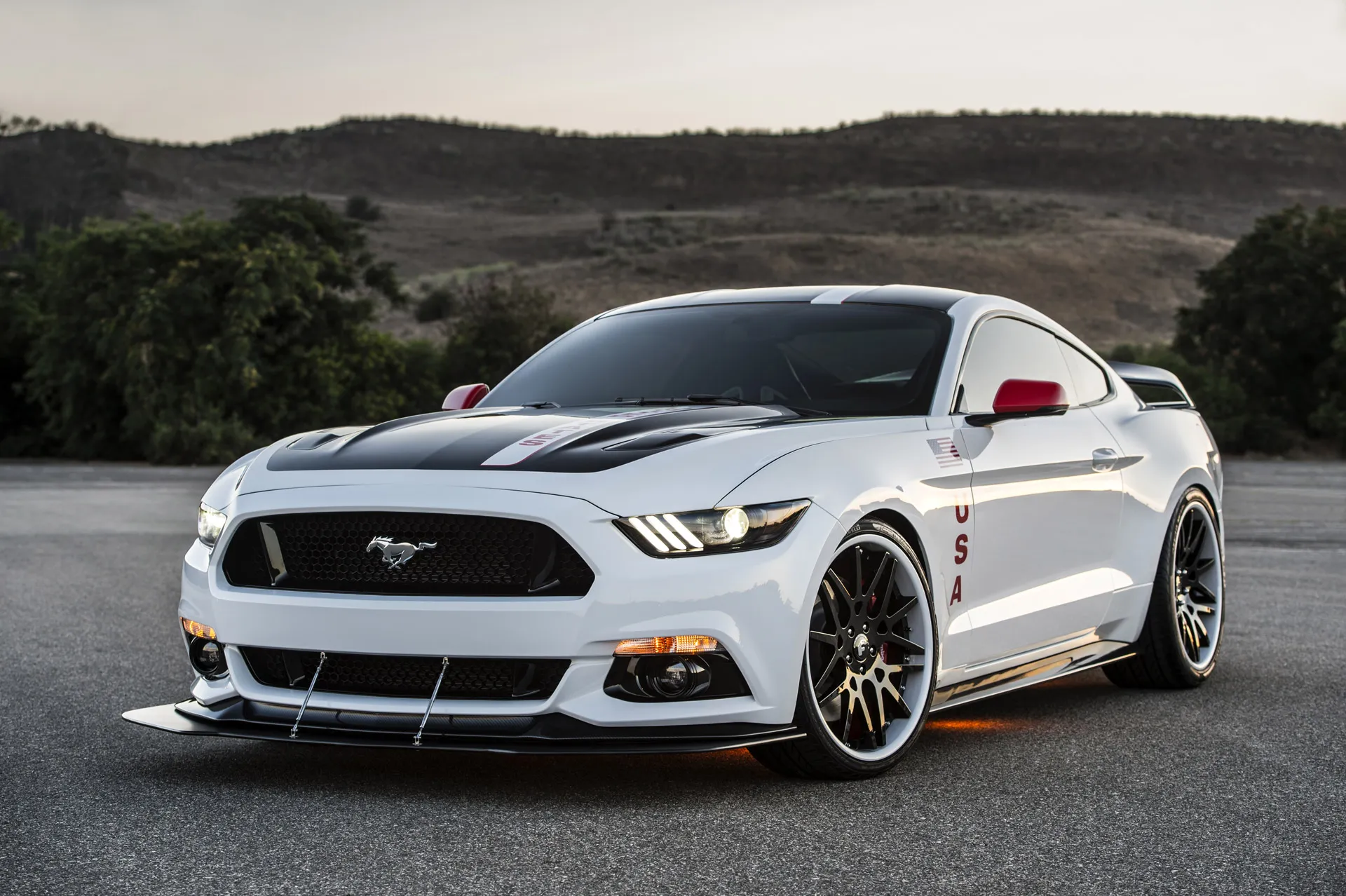
Some motorists believe driving faster helps save money because it reduces travel time and allows them to complete more journeys throughout the day. However, higher speeds generally increase fuel consumption, particularly once a vehicle reaches highway speeds.
Aerodynamic drag rises rapidly as speed increases. At higher speeds, the engine must produce considerably more power to overcome air resistance.
For most passenger cars, fuel economy begins to decline noticeably as highway speeds increase beyond moderate cruising speeds. The exact results depend on vehicle shape, engine type, transmission, and road conditions.
For example, a sedan traveling at 65 miles per hour may achieve better fuel economy than the same vehicle traveling at 80 miles per hour. The faster trip might save a few minutes, but it can consume noticeably more gasoline.
Maintaining a steady speed is also important. Frequent acceleration and braking waste energy because the engine repeatedly works harder to increase vehicle speed.
Drivers can improve efficiency by using cruise control on suitable highways with relatively flat terrain. This feature helps maintain a consistent speed and reduces unnecessary acceleration.
However, cruise control is not always ideal on steep hills, winding roads, or slippery surfaces. Drivers should remain attentive and adjust their speed to match traffic, weather, and road conditions.
Speed limits exist for safety, not fuel economy alone. Driving below the posted limit when conditions allow can help reduce fuel consumption, but drivers should never obstruct traffic or create unsafe situations.
The most effective approach is to maintain a legal, consistent speed and avoid unnecessary bursts of acceleration. Saving fuel does not require arriving late or driving uncomfortably slowly.
5. Filling Your Gas Tank in the Morning Gives You More Fuel
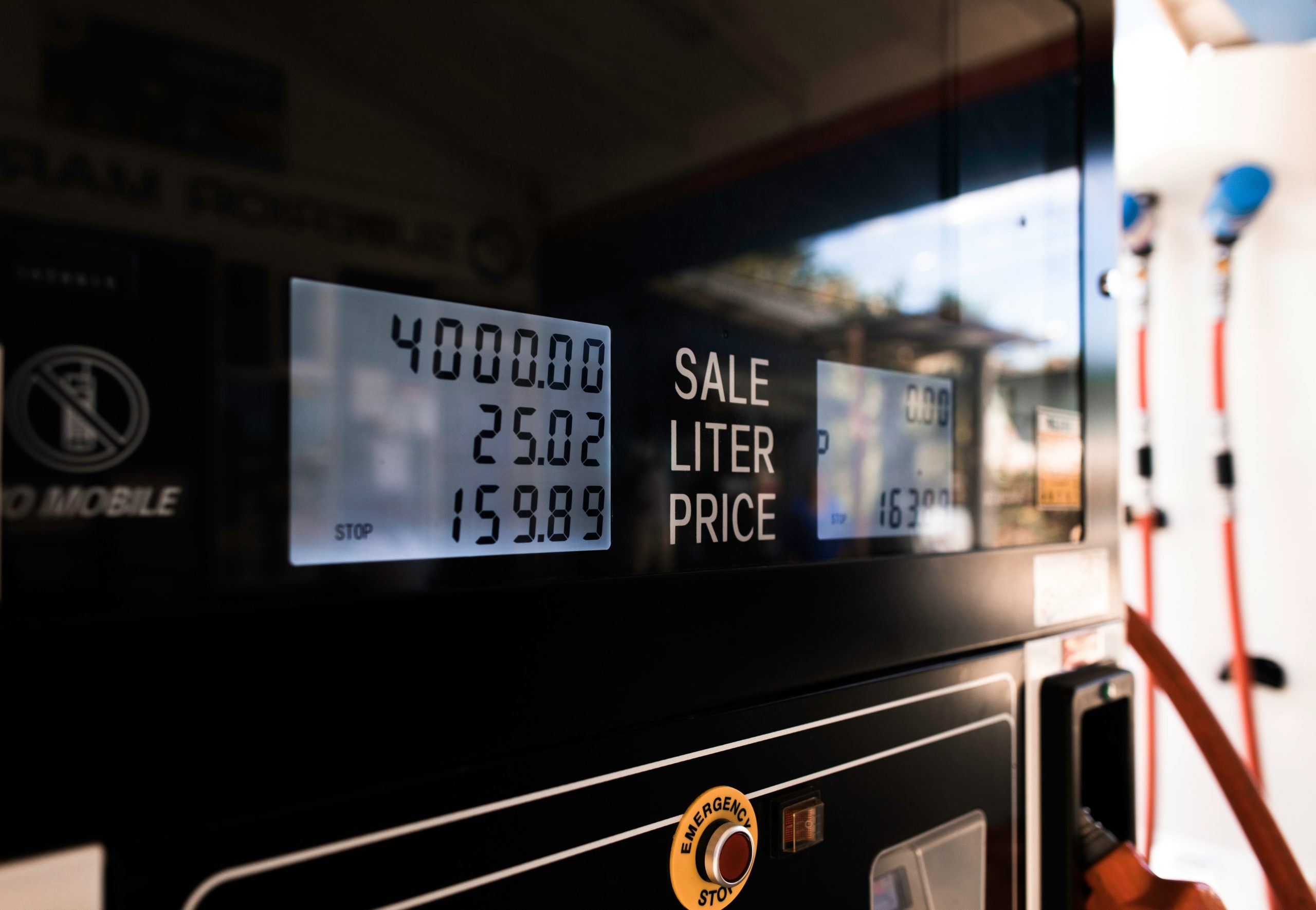
A popular fuel-saving belief suggests that drivers should purchase gasoline early in the morning because cooler temperatures make fuel denser. According to this theory, a gallon of gasoline purchased during colder hours contains more fuel energy than a gallon purchased during the afternoon.
Gasoline does expand and contract with temperature changes. Its volume generally increases as it becomes warmer and decreases as it cools. This physical property gives the myth some scientific foundation.
However, retail gasoline storage tanks at most American gas stations are buried underground. Underground temperatures remain relatively stable compared with outdoor air temperatures.
As a result, the temperature difference between morning and afternoon gasoline is usually much smaller than many drivers imagine. The potential savings from timing a purchase are generally negligible.
Modern fuel pumps also measure the volume of gasoline dispensed. They are designed to meet applicable measurement and accuracy requirements, although the exact fuel temperature can vary.
Waiting until early morning to fill the tank may also create inconvenience. A driver who makes a special trip to purchase gasoline could easily spend more fuel reaching the station than any theoretical savings would justify.
Instead, motorists should focus on comparing fuel prices at nearby stations. Even a difference of five or ten cents per gallon can produce more meaningful savings over repeated fill-ups.
Drivers can also use legitimate fuel-price comparison apps to locate reasonably priced stations along their regular routes. The key is to avoid making unnecessary detours for a small price difference.
Buying gasoline when it fits your schedule is generally more practical than planning every fuel stop around outdoor temperatures.
6. Changing Your Engine Oil More Frequently Always Improves Gas Mileage
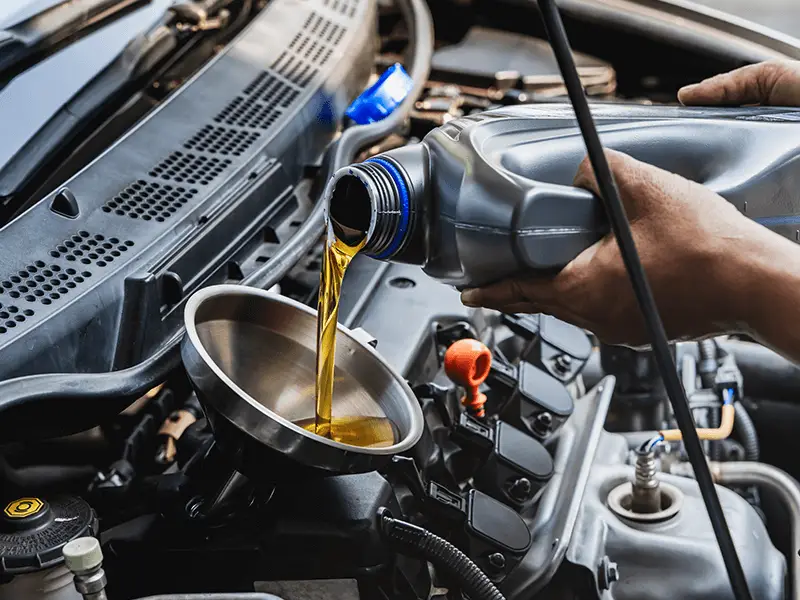
Regular oil changes are essential for maintaining engine health, but changing the oil more frequently than necessary does not automatically improve gas mileage. This belief often causes drivers to spend money on unnecessary maintenance.
Engine oil reduces friction between moving components, helps manage heat, and carries contaminants toward the oil filter. Using the correct oil protects the engine and supports efficient operation.
Modern vehicles are designed to operate with specific oil grades and specifications. These recommendations can be found in the owner’s manual or maintenance information provided by the manufacturer.
Some manufacturers recommend synthetic oil because it performs well across a wide temperature range and offers strong protection against wear. Certain low-viscosity oils are also designed to reduce internal engine friction.
Using the wrong oil viscosity can affect engine operation. For example, choosing thicker oil than recommended may increase resistance inside the engine, potentially affecting fuel economy.
However, this does not mean every driver needs to purchase the most expensive synthetic oil available. The correct choice depends on the vehicle’s engine design and manufacturer requirements.
Oil change intervals also vary. Many modern vehicles can travel several thousand miles between services, depending on driving conditions, oil type, and the manufacturer’s recommendations. Some vehicles include an oil-life monitoring system that helps determine when service is due.
Drivers who frequently make short trips, drive in extreme temperatures, tow heavy loads, or spend considerable time in stop-and-go traffic may need a different maintenance schedule.
Following the recommended oil grade and service interval provides a sensible balance between engine protection and maintenance costs. Paying for unnecessary oil changes will not guarantee better fuel economy.

7. Keeping Your Tires Inflated Slightly Below the Recommended Pressure
Tire pressure is an important factor in fuel economy, yet many drivers misunderstand how inflation affects their vehicles. Some believe slightly underinflated tires create a softer ride and improve grip without significantly affecting mileage.
In reality, underinflated tires increase rolling resistance. The engine must use more energy to keep the vehicle moving, which can reduce fuel efficiency.
Tires that are significantly below their recommended pressure also generate additional heat. This can increase tire wear and raise the risk of tire failure, especially during long highway journeys.
The US Department of Energy has highlighted the relationship between correct tire inflation and fuel economy. Maintaining proper pressure can help drivers reduce unnecessary fuel consumption.
However, drivers should not inflate tires to the maximum pressure printed on the tire sidewall unless that figure matches the vehicle manufacturer’s recommendation. The sidewall maximum is not the standard operating pressure for every vehicle.
Instead, check the tire information label, usually located inside the driver’s door frame. This label provides the recommended cold tire pressure for the vehicle.
Tire pressure should ideally be checked when the tires are cold, before driving for an extended period. Driving heats the tires and increases pressure readings, which can make measurements less accurate.
Seasonal temperature changes also matter. Tire pressure generally decreases as temperatures drop, meaning drivers in colder regions may need to check inflation more frequently during winter.
A simple tire pressure gauge or a reliable tire pressure monitoring system can help identify problems. Maintaining proper inflation supports better fuel economy, improves handling, and helps extend tire life.

8. Idling Uses Almost No Gasoline, So It Is Cheaper Than Restarting Your Engine
Many drivers leave their engines running while waiting in parking lots, drive-through lanes, school pickup areas, and busy traffic queues. They often believe restarting an engine consumes more gasoline than allowing it to idle.
This assumption is outdated for most modern gasoline-powered vehicles. Fuel injection systems have made engine restarting more efficient than it was in older carbureted cars.
When a vehicle remains stationary with its engine running, it continues consuming fuel without producing any distance traveled. The amount depends on engine size, vehicle type, air conditioning use, and other accessories.
For many modern passenger vehicles, idling consumes roughly a quarter to half a gallon of gasoline per hour, though actual consumption varies considerably. Larger engines and heavy accessory loads can consume more.
Short periods of idling may not create a major expense, but repeated unnecessary idling can add up over weeks and months.
For instance, a driver who leaves a vehicle running for 10 minutes each day may accumulate more than 60 hours of idling over a year. That represents fuel consumption without any additional mileage.
Many newer vehicles include automatic start-stop technology. This system temporarily shuts down the engine when the vehicle stops and restarts it when the driver is ready to move.
These systems are designed to reduce fuel consumption during stop-and-go driving. They also account for factors such as battery condition, engine temperature, and cabin climate requirements.
Drivers should avoid unnecessary idling when waiting for someone, sitting in a parking space, or standing in a long pickup queue. However, they should follow manufacturer guidance and avoid repeatedly switching the engine off in situations where doing so would be unsafe or impractical.
Reducing unnecessary idling is a simple habit that can lower fuel expenses while also reducing exhaust emissions in crowded urban areas.