
Car insurance costs across the United States have become a growing concern for motorists as higher repair bills, expensive vehicle technology, severe weather, medical expenses, and accident claims put pressure on premiums.
Drivers in several states face particularly challenging insurance markets, where annual renewals can bring noticeable increases even without a recent accident or traffic violation. Understanding where rates are climbing and what causes these changes can help households make better financial decisions.
This guide examines ten states facing strong upward pressure on car insurance costs and explains what drivers can do to manage their coverage expenses.
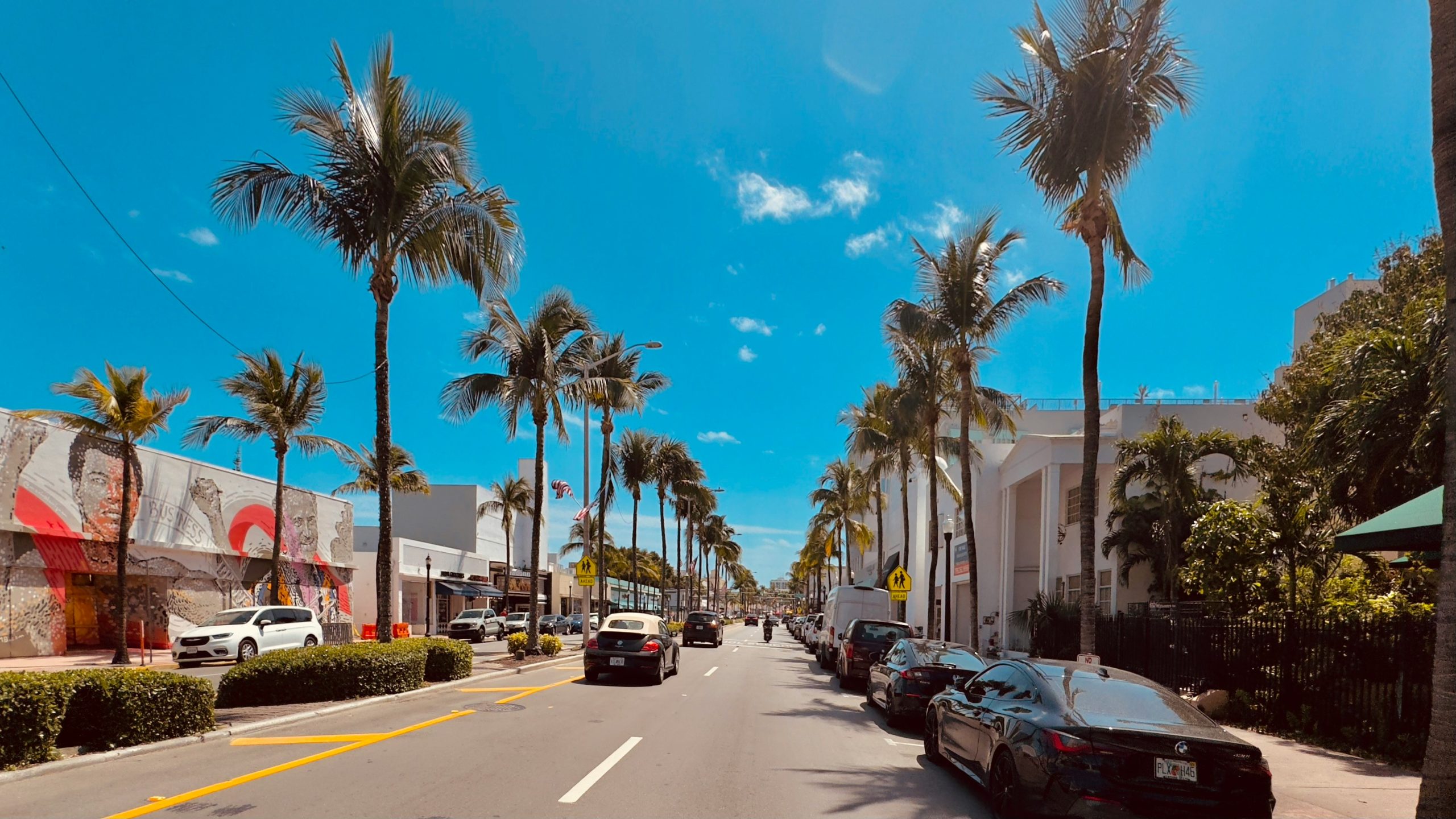
1. Florida: Expensive Coverage Amid Weather and Accident Risks
Florida frequently experiences significant pressure on its auto insurance market. High vehicle ownership, heavy traffic, severe storms, and expensive claims contribute to the challenges faced by insurance companies operating throughout the state.
Hurricanes and tropical storms create substantial risks for vehicle owners. Flooding, falling trees, strong winds, and flying debris can damage cars parked in residential neighborhoods, commercial areas, and public parking facilities.
Florida also has a large population of seasonal residents and tourists. Popular destinations attract substantial traffic, particularly during holidays and winter months. Increased vehicle activity can contribute to accident exposure.
Insurance fraud and litigation expenses have historically created additional challenges in the Florida market. Disputes involving injury claims and repair costs can increase the financial burden on insurers.
Drivers in Miami, Tampa, Orlando, and Fort Lauderdale may encounter different pricing conditions because traffic patterns, theft exposure, population density, and claim frequency vary between locations.
Vehicle owners can manage some expenses by comparing insurers, reviewing comprehensive coverage, and selecting deductibles that fit their financial circumstances. Keeping vehicles in secure parking areas may also help reduce certain risks.
Florida drivers should review their policies before hurricane season. Understanding flood exclusions, comprehensive coverage, rental reimbursement, and deductibles can prevent unpleasant surprises when severe weather damages a vehicle.

2. Louisiana: High Accident Costs and Severe Weather Exposure
Louisiana has long faced challenging auto insurance conditions. Its combination of severe weather, accident exposure, insurance litigation, and regional economic pressures can make vehicle coverage expensive for residents.
Hurricanes and tropical storms create significant property damage risks. Heavy rainfall and flooding can affect vehicles in residential neighborhoods, highways, and low-lying communities.
Road conditions also influence insurance claims. Poorly maintained roads, construction areas, and congested urban routes can increase the likelihood of vehicle damage and collisions.
Baton Rouge and New Orleans experience substantial traffic activity. Commuters, commercial vehicles, tourists, and local drivers share busy road networks, creating different levels of accident exposure throughout the day.
Uninsured and underinsured motorists can create additional financial complications. When an accident involves a driver without adequate insurance, recovering compensation may become difficult.
Insurance companies must also account for the cost of repairing damaged vehicles and settling injury claims. Higher labor charges, replacement parts, and medical bills can contribute to premium pressure.
Louisiana motorists should compare quotes from several companies and carefully examine liability limits. Maintaining a clean driving record, choosing appropriate deductibles, and asking about available discounts can help reduce annual expenses.

3. California: Repair Expenses and Insurance Market Challenges
California has a large and diverse auto insurance market. Drivers face different insurance conditions depending on their location, vehicle type, driving history, and exposure to natural disasters.
Vehicle repair costs are a significant consideration. Labor expenses, specialized replacement parts, and advanced automotive technology can make even moderate collision repairs expensive.
Traffic congestion creates additional risks in major metropolitan areas. Los Angeles, San Francisco, San Diego, and San Jose have busy road networks where frequent commuting increases exposure to accidents.
Wildfires also present challenges for California vehicle owners. Smoke, falling debris, evacuations, and direct fire damage can result in expensive comprehensive insurance claims.
The state’s insurance regulations influence how companies calculate and approve premiums. Insurers must follow applicable state requirements when filing rates and determining the factors used in pricing.
California drivers may notice different premiums when moving between ZIP codes. Areas with higher theft rates, accident frequency, or repair expenses can carry different insurance costs.
Motorists can control certain expenses by maintaining continuous coverage, reviewing mileage estimates, and comparing available policies. Drivers who work remotely may qualify for lower-mileage pricing with some companies.

4. Texas: Population Growth and Severe Weather Increase Insurance Pressure
Texas has experienced substantial population growth in several metropolitan regions. More residents and vehicles can increase traffic congestion, accident exposure, and demand for auto insurance coverage.
Houston, Dallas, Austin, and San Antonio contain busy transportation networks. Long commutes and extensive highway systems create regular opportunities for collisions.
Severe weather presents another important challenge. Hailstorms can damage thousands of vehicles, while hurricanes and flooding create additional comprehensive insurance claims along the Gulf Coast.
Texas also experiences extreme temperatures. High summer heat can contribute to vehicle problems, while sudden storms can create hazardous driving conditions.
Expensive pickup trucks and SUVs are common across the state. Larger vehicles may have higher replacement values, and specialized components can increase repair expenses after accidents.
Insurance costs can vary significantly between urban and rural communities. Population density, traffic volume, theft exposure, and local claim patterns influence the premiums offered by insurers.
Texas drivers should obtain multiple quotes before renewing coverage. Reviewing deductibles, maintaining safe driving habits, and checking eligibility for bundling or telematics discounts can help control costs.
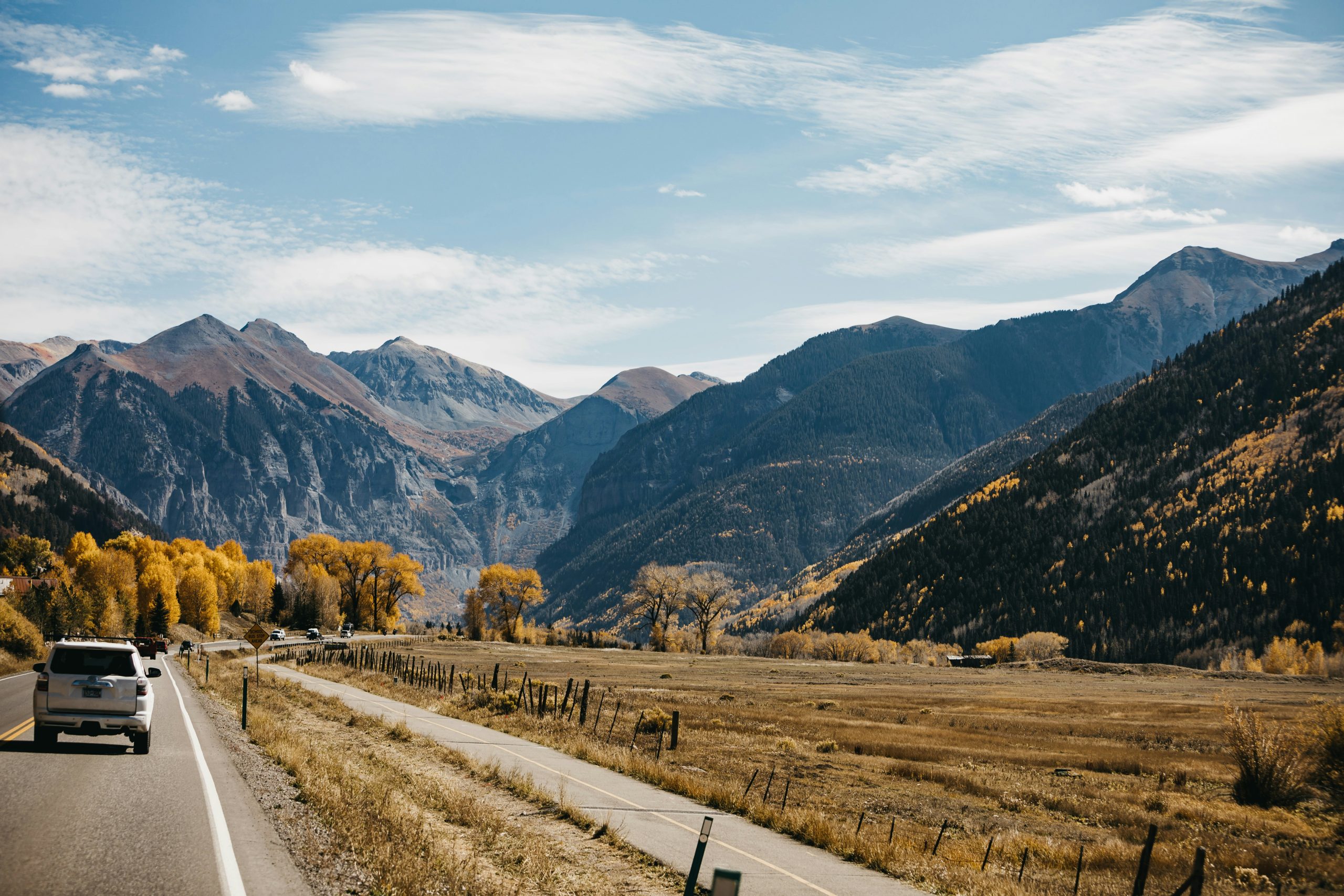
5. Colorado: Hailstorms and Growing Repair Costs
Colorado’s auto insurance market faces considerable weather-related pressure. Hailstorms are particularly important because they can damage large numbers of vehicles in a single event.
The Denver metropolitan area regularly experiences changing weather conditions. Hail, heavy snowfall, icy roads, and sudden temperature changes can create additional driving hazards.
Vehicle repair costs have also increased with the growing use of advanced automotive technology. Replacing windshields, sensors, cameras, and electronic components can make repairs more expensive.
Colorado’s mountain highways present different challenges from its urban roads. Snow-covered surfaces, steep inclines, wildlife crossings, and reduced visibility can increase accident risks.
Population growth around Denver, Colorado Springs, and Fort Collins has contributed to heavier traffic in several communities. More vehicles on the road can increase the frequency of collisions.
Comprehensive coverage is particularly important for drivers concerned about hail, falling branches, and other non-collision damage. However, policyholders should understand their deductibles and coverage limits.
Colorado motorists can reduce some risks by parking vehicles in garages or covered spaces, maintaining safe following distances, and comparing insurers that offer competitive rates for their driving profiles.

6. Georgia: Urban Congestion and Accident-Related Expenses
Georgia has a growing transportation network, with Atlanta serving as a major center for employment, business, and commercial activity. Heavy traffic contributes to insurance risk in the region.
Atlanta’s highways experience substantial congestion during commuting hours. Frequent lane changes, sudden braking, and stop-and-go traffic can increase the likelihood of collisions.
The state also has significant differences between urban and rural insurance markets. Drivers in densely populated areas may face different premiums from motorists living in smaller communities.
Vehicle theft and vandalism can affect insurance costs in certain locations. Insurers consider local claim patterns when assessing comprehensive coverage risks.
Repair expenses are another important consideration. Modern vehicles require specialized parts and trained technicians, which can increase the cost of repairing collision damage.
Georgia drivers should pay attention to their coverage limits and liability protection. Selecting insufficient coverage simply to obtain a lower premium can create serious financial problems after a major accident.
Shopping around, maintaining a clean driving record, and reviewing available discounts can help motorists find more affordable policies. Drivers should compare coverage details rather than focusing exclusively on the lowest advertised price.

7. Michigan: Insurance Reform and Continuing Premium Challenges
Michigan has a distinctive auto insurance market because of its personal injury protection requirements and insurance reform history. These factors make the state’s coverage structure different from many other parts of the country.
The state’s no-fault insurance system requires drivers to carry personal injury protection coverage. Policyholders can generally choose from several medical coverage options, subject to eligibility requirements and applicable rules.
Detroit and surrounding communities have historically experienced relatively expensive auto insurance. Population density, vehicle theft, accident frequency, and claim expenses contribute to regional pricing differences.
Michigan’s insurance reforms introduced changes intended to provide more coverage choices and address affordability concerns. However, individual premiums continue to depend on several personal and location-based factors.
Winter weather adds another layer of risk. Snow, ice, freezing rain, and reduced visibility can increase the chances of collisions across the state.
Drivers should understand their personal injury protection selection and the consequences of changing coverage limits. Lower medical coverage options may reduce premiums but can leave households exposed to additional expenses.
Michigan motorists should request detailed renewal quotes and compare insurers. Reviewing collision coverage, deductibles, and available discounts can help identify opportunities for savings without sacrificing essential protection.

8. Nevada: Population Growth and High-Risk Driving Conditions
Nevada has experienced significant population growth, particularly around Las Vegas and Reno. Increasing vehicle activity can place additional pressure on local transportation networks and insurance markets.
Las Vegas attracts tourists throughout the year. Rental vehicles, visitors unfamiliar with local roads, commercial traffic, and local commuters all contribute to a busy driving environment.
Accident frequency and vehicle theft can affect insurance pricing in specific areas. Insurers examine local claim information when determining the risk associated with different ZIP codes.
Extreme summer temperatures create additional challenges for vehicles. Heat can affect tires, batteries, cooling systems, and other components, potentially increasing roadside incidents.
Nevada’s highways connect major population centers with remote desert communities. Long distances, high speeds, and limited services in some areas can make certain accidents more complicated.
The cost of repairing modern vehicles also affects premiums. Advanced safety systems, electronic components, and specialized replacement parts can increase the expenses associated with insurance claims.
Nevada drivers can compare quotes, maintain appropriate liability coverage, and consider comprehensive protection where suitable. Safe driving practices and secure vehicle parking may also help reduce certain risks.

9. New York: Dense Traffic and Expensive Claims
New York has a complex auto insurance market shaped by population density, high vehicle values, medical expenses, and differences between urban and rural driving conditions.
New York City presents particular challenges because of crowded streets, frequent traffic congestion, limited parking, and substantial pedestrian activity.
Accidents involving multiple vehicles can generate expensive property damage and injury claims. Insurers must account for these potential costs when calculating premiums.
New York also has no-fault insurance requirements. Personal injury protection coverage helps pay eligible medical expenses and certain other losses following covered accidents, regardless of who caused the collision.
The cost of living and operating a vehicle is relatively high in many parts of the state. Labor, replacement parts, vehicle storage, and repair services can add to claim expenses.
Insurance premiums differ considerably across New York. A driver in Manhattan may receive a very different quote from someone living in a smaller upstate community.
Motorists should review their policy limits, liability protection, and optional coverage. Comparing multiple insurers and maintaining a consistent insurance history can help identify more competitive options.
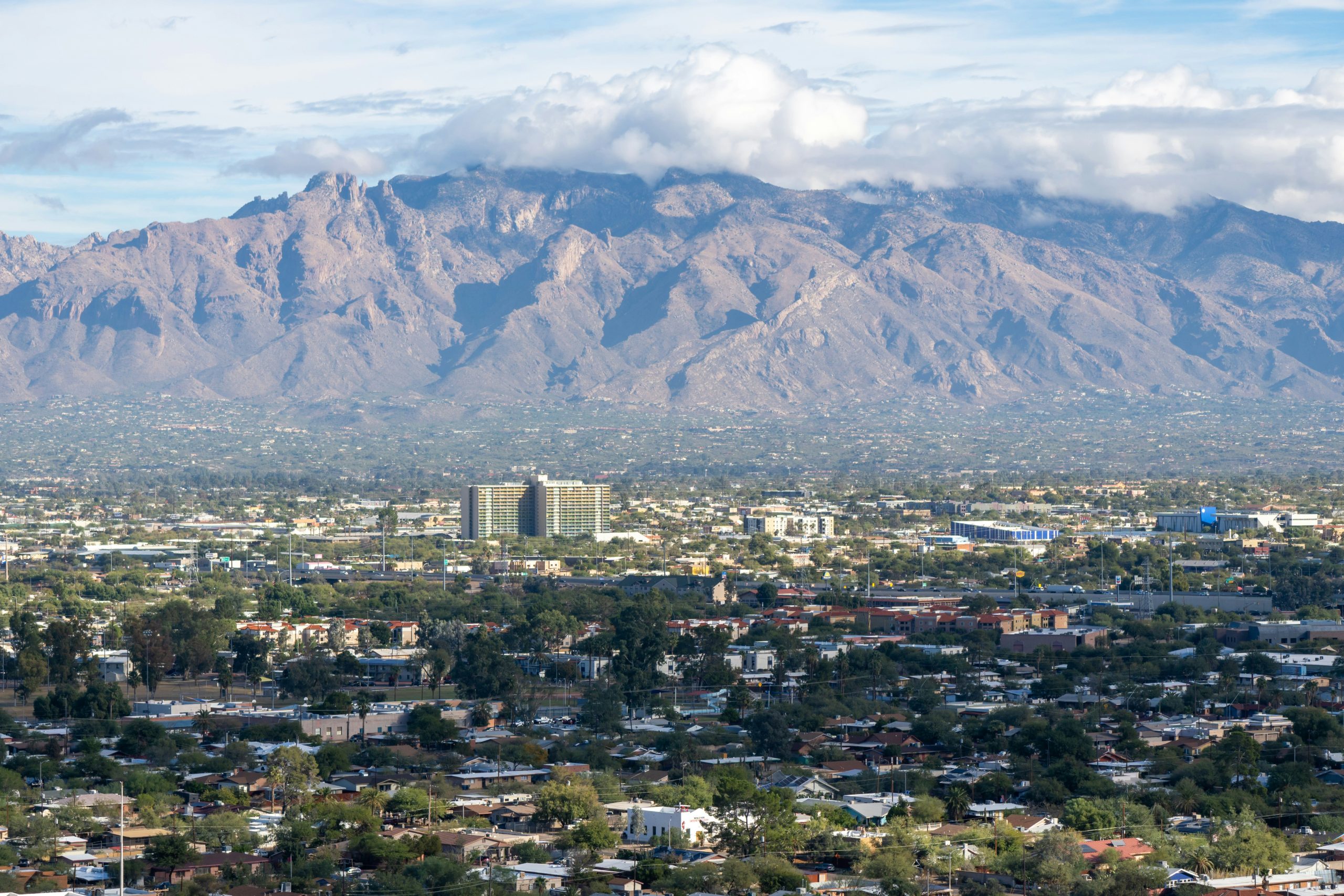
10. Arizona: Rising Vehicle Ownership and Weather-Related Risks
Arizona’s growing population has increased demand for transportation across several metropolitan areas. Phoenix, Tucson, and surrounding communities have experienced continued development, bringing more vehicles onto local roads.
Heavy traffic can increase accident exposure, particularly during peak commuting hours. Busy intersections, highway merging, and distracted driving remain important safety concerns.
Extreme summer temperatures can create difficult driving conditions. Tire failures, battery problems, and overheating can contribute to roadside emergencies and vehicle damage.
Dust storms also present a distinctive hazard. Reduced visibility during severe dust events can create dangerous conditions on highways and increase the risk of multi-vehicle accidents.
Vehicle theft and vandalism may affect premiums in particular neighborhoods. Insurance companies evaluate local claim patterns when estimating the cost of providing coverage.
Arizona’s expanding metropolitan areas also create differences in insurance pricing. Drivers in central Phoenix may face different premiums from residents in less densely populated communities.
Motorists should compare coverage from several insurers and check whether low-mileage or safe-driving discounts are available. Keeping vehicles properly maintained and avoiding high-risk driving behavior can also help limit insurance-related expenses.