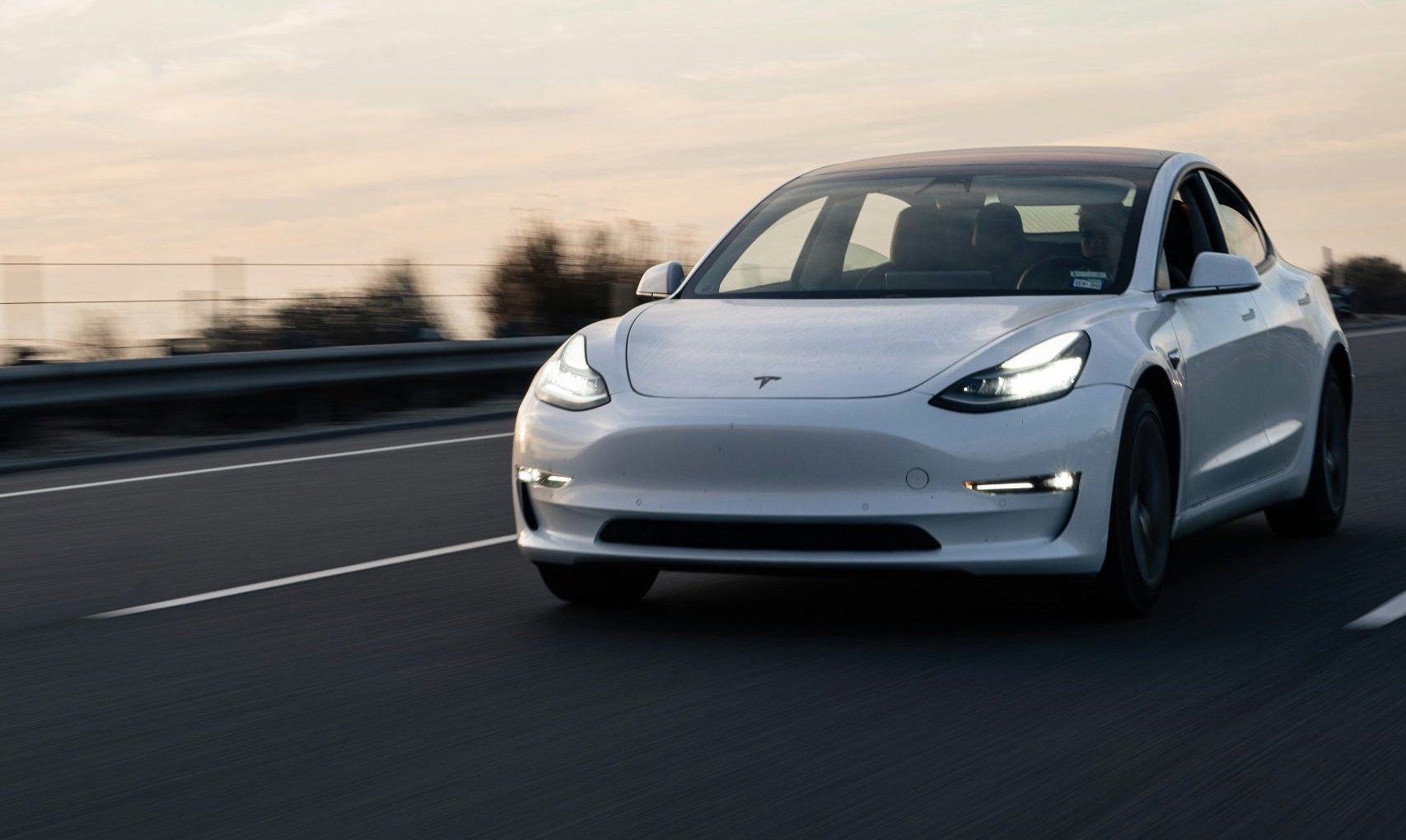
Fuel expenses are an important part of vehicle ownership, but they do not affect every car owner’s budget equally. Some vehicles use so little gasoline or electricity relative to their total ownership expenses that energy accounts for less than 15 percent of the cost.
AAA’s annual driving cost analysis offers a useful way to understand how fuel, depreciation, insurance, maintenance, and financing shape the real price of owning a vehicle.
By examining efficient hybrids and electric cars, buyers can identify models that help control running expenses. Here are ten vehicles worth considering when comparing long-term ownership costs.
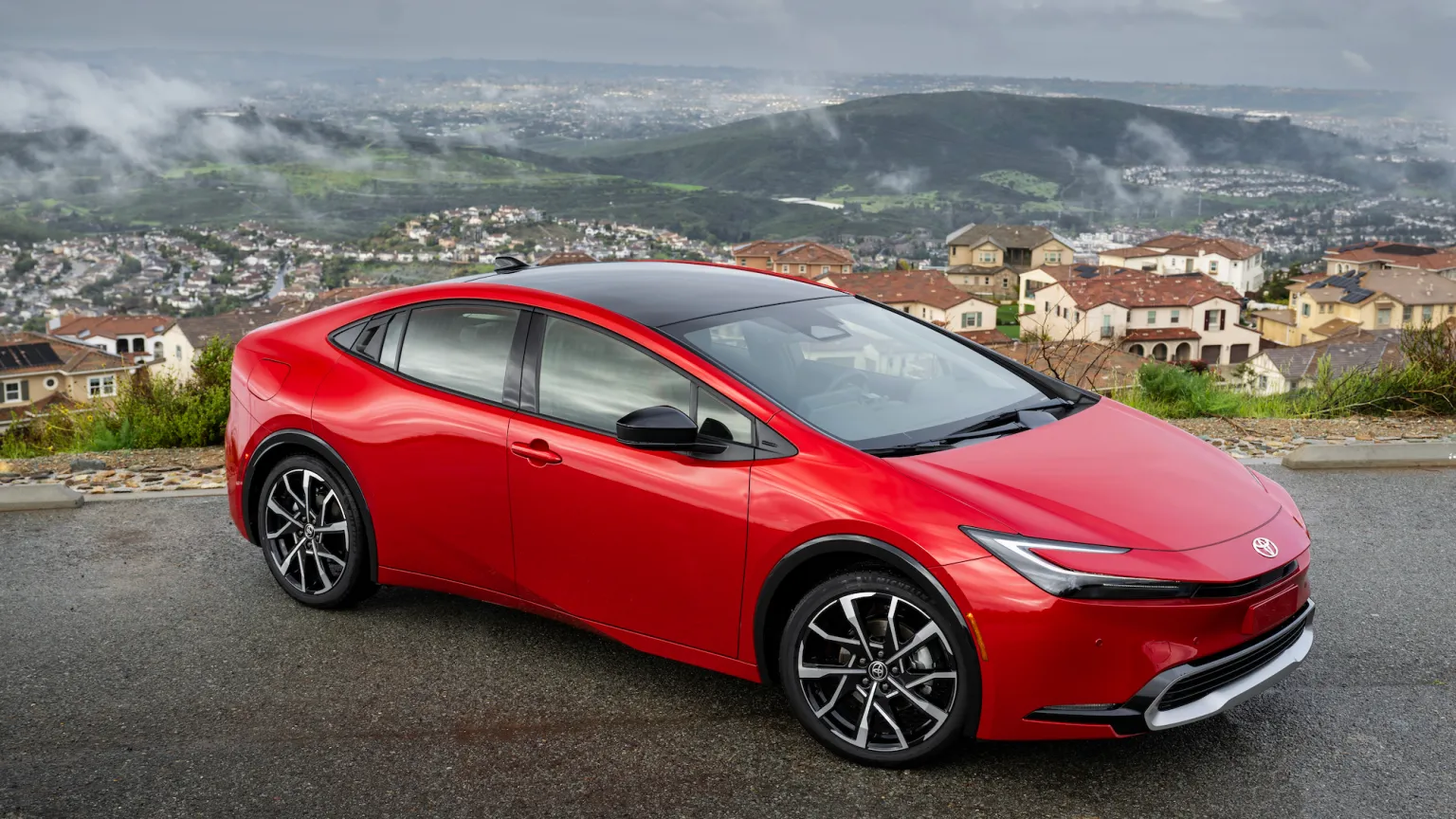
1. Toyota Prius
The Toyota Prius has built its reputation around fuel efficiency and affordable everyday transportation. Its hybrid powertrain combines a gasoline engine with an electric motor, reducing the amount of fuel required during regular driving. This makes it a strong candidate for buyers who want lower operating expenses.
The Prius is particularly effective in urban traffic, where frequent braking allows its regenerative braking system to recover energy. The stored electricity helps the vehicle operate more efficiently during acceleration and low-speed driving.
Fuel consumption is only part of the ownership equation. Insurance, depreciation, maintenance, financing, and registration fees also contribute to the total cost. When these expenses are included, the Prius can maintain a relatively small fuel share.
Toyota’s hybrid technology has also developed over several generations. Its established engineering and widespread availability of service facilities make routine ownership easier for many drivers.
The vehicle is suitable for commuters, small families, and people who regularly travel through congested city streets. Its practical interior and useful cargo space add value beyond its fuel-saving capabilities.
Hybrid batteries and other specialized components should still be considered when estimating long-term expenses. Buyers should review the warranty, vehicle history, and expected maintenance requirements before purchasing a used model.
For drivers who want a conventional vehicle with excellent fuel economy, the Prius remains a practical choice. Its combination of efficiency, everyday usability, and established hybrid technology can help keep energy expenses relatively low.
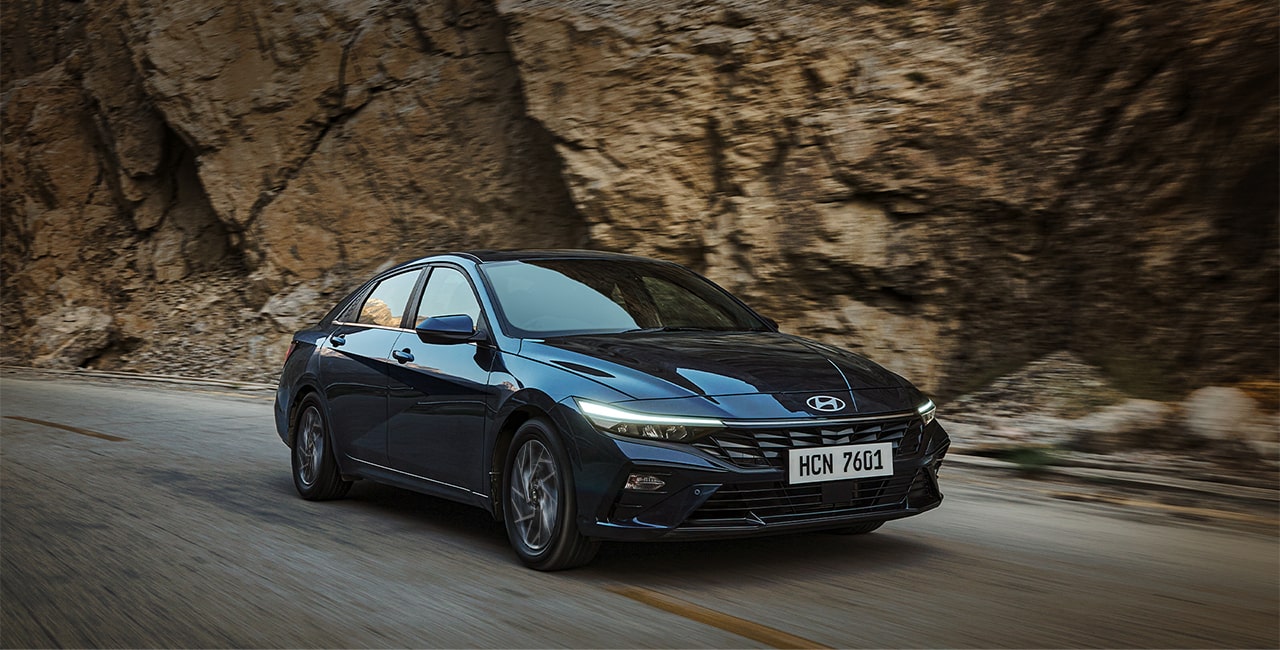
2. Hyundai Elantra Hybrid
The Hyundai Elantra Hybrid combines a traditional compact sedan design with a gasoline-electric powertrain. It offers buyers an efficient alternative to conventional gasoline sedans without requiring charging equipment or changes to everyday driving habits.
Its hybrid system uses an electric motor to support the gasoline engine. This arrangement reduces fuel consumption during acceleration and low-speed operation, particularly in traffic conditions where conventional engines can be less efficient.
The Elantra Hybrid is attractive to people who commute regularly. Lower gasoline consumption can make a meaningful difference for drivers covering substantial distances throughout the year.
AAA’s ownership cost framework also highlights the importance of expenses beyond fuel. Insurance premiums, depreciation, financing, maintenance, and registration can influence the final amount paid by an owner.
Hyundai’s warranty coverage is another consideration when comparing the vehicle with competing compact sedans. Buyers should check the specific warranty terms, particularly those covering hybrid components and the battery.
The cabin provides practical seating and technology for everyday use. Its sedan configuration also makes parking and maneuvering easier in crowded residential areas and city streets.
For drivers seeking a balance between purchase price and fuel economy, the Elantra Hybrid deserves consideration. Its efficient powertrain can help reduce the proportion of household transportation spending devoted to gasoline.
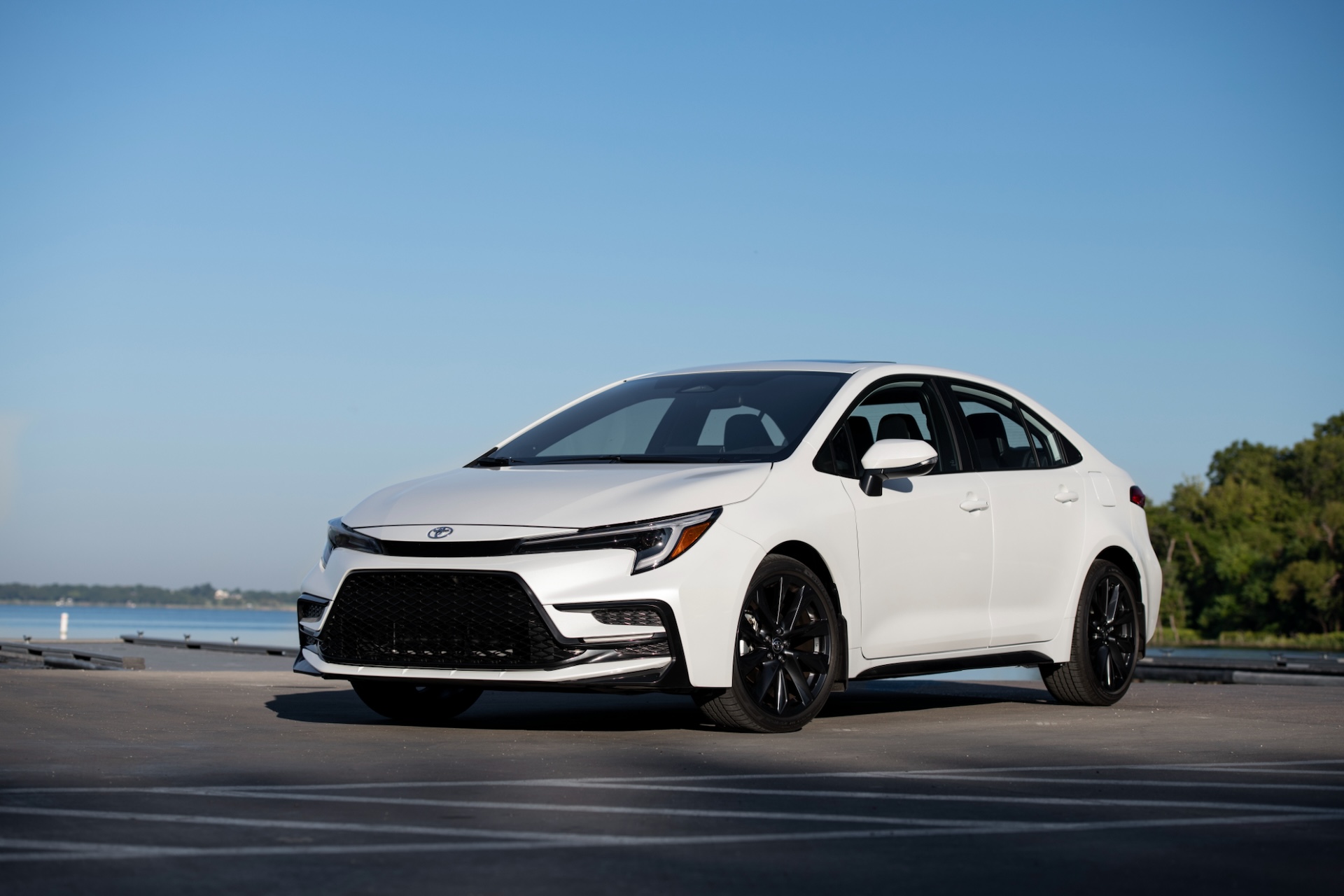
3. Toyota Corolla Hybrid
The Toyota Corolla Hybrid brings fuel-saving technology to a familiar compact sedan. The Corolla name is associated with practical transportation, and its hybrid version adds improved efficiency without changing the basic purpose of the vehicle.
Its gasoline-electric system automatically manages power delivery. Drivers do not need to select between gasoline and electric operation because the vehicle’s computer coordinates both power sources according to driving conditions.
This technology is especially useful during stop-and-go commuting. Electric assistance can reduce the workload placed on the gasoline engine, helping the vehicle use less fuel during ordinary journeys.
The Corolla Hybrid also benefits from a relatively straightforward sedan design. Its compact dimensions make it convenient for city driving, while its cabin offers practical space for daily passengers and belongings.
When calculating ownership expenses, buyers should look beyond the advertised fuel economy. Depreciation, insurance, loan interest, taxes, and maintenance can account for a considerable portion of the total cost.
Toyota’s established hybrid experience is an advantage for buyers concerned about long-term ownership. Nevertheless, used-car shoppers should inspect battery condition and maintenance records before making a purchase.
The Corolla Hybrid is a sensible option for commuters and small households. Its combination of familiar design, efficient operation, and everyday practicality can help keep gasoline spending below a relatively small share of total ownership costs.
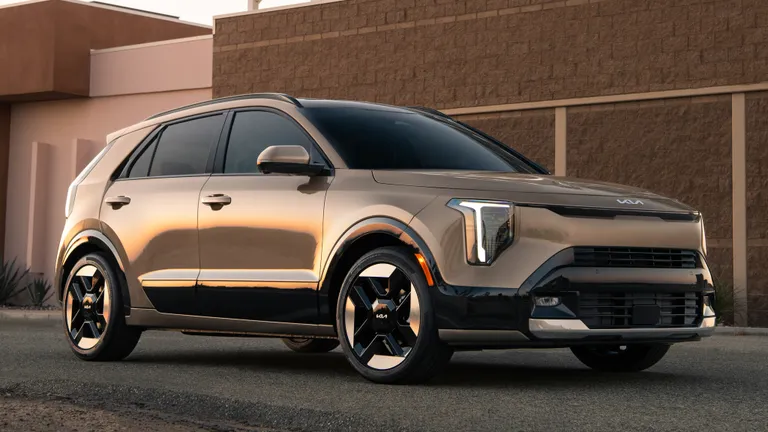
4. Kia Niro Hybrid
The Kia Niro Hybrid offers a practical crossover-style body with a gasoline-electric powertrain. It appeals to drivers who prefer a higher seating position and flexible cargo space but do not want the fuel consumption commonly associated with larger SUVs.
Its hybrid technology uses an electric motor to support the gasoline engine. This arrangement helps reduce fuel requirements during regular driving, making the Niro particularly useful for mixed urban and highway journeys.
The crossover configuration gives the vehicle additional versatility. Families can use it for shopping, commuting, school transportation, and weekend travel without moving to a substantially larger vehicle.
Fuel expenses can represent a smaller part of ownership spending when the vehicle is driven efficiently. However, actual results depend on annual mileage, road conditions, driving habits, and local gasoline prices.
The Niro’s ownership expenses should include insurance, scheduled maintenance, depreciation, financing, and registration. Comparing these categories provides a more reliable picture than looking at fuel economy alone.
Potential buyers should compare trim levels carefully. Equipment, wheel sizes, purchase prices, and insurance costs can influence the total amount spent throughout the ownership period.
For households seeking an efficient alternative to a conventional compact SUV, the Kia Niro Hybrid offers a useful combination of practicality and economical operation.
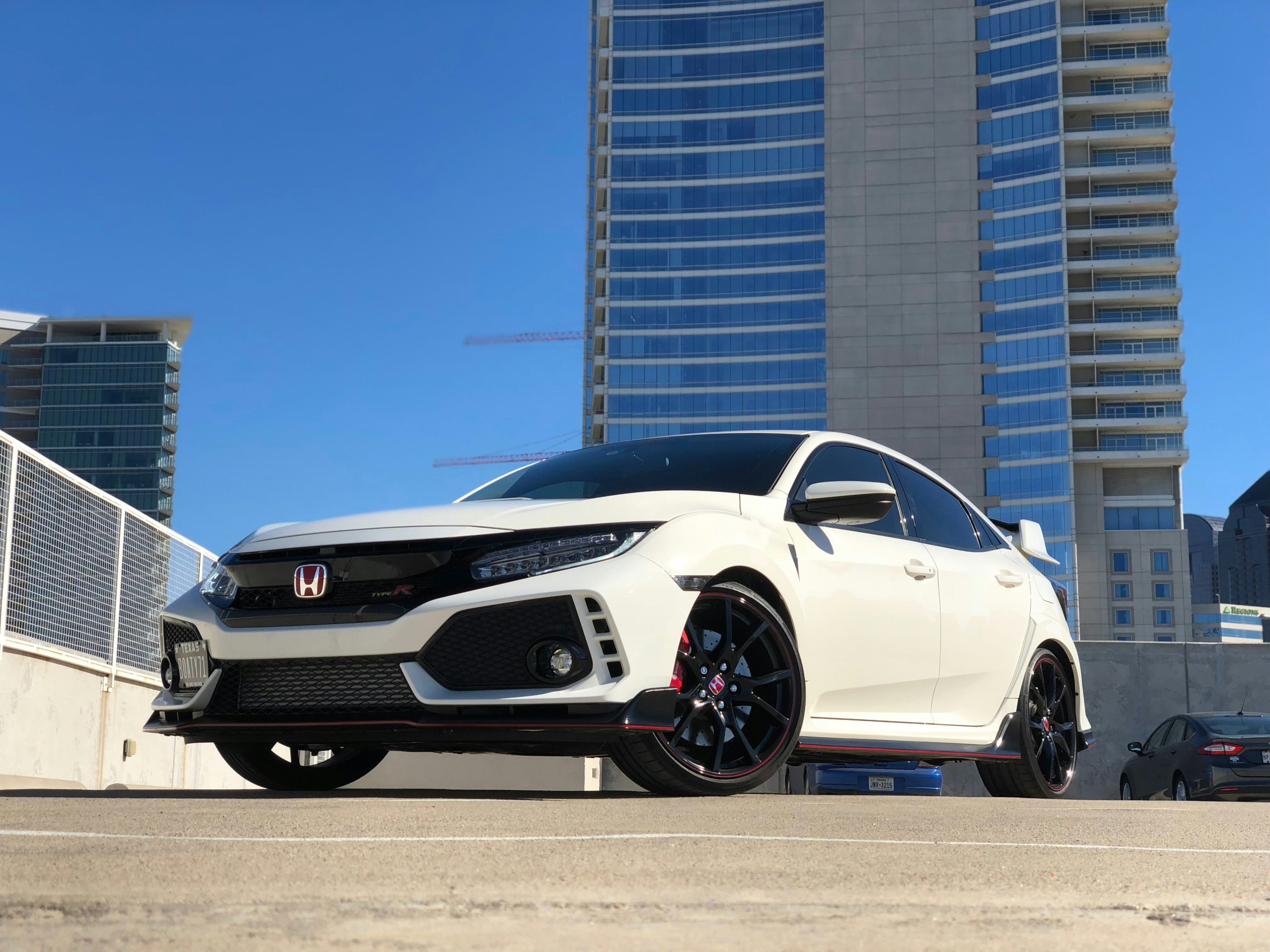
5. Honda Civic Hybrid
The Honda Civic Hybrid combines the familiar usability of the Civic with a modern hybrid powertrain. It is designed for drivers who want an efficient sedan without sacrificing comfort, everyday performance, or convenient interior space.
Honda’s hybrid system can rely heavily on electric assistance during appropriate driving conditions. The gasoline engine works alongside the electric motor to provide power while controlling fuel consumption.
This approach is particularly useful for regular commuters. Drivers who encounter traffic congestion and frequent stops can benefit from the efficiency advantages of hybrid technology.
The Civic Hybrid also offers a refined driving experience. Its comfortable cabin, practical seating arrangement, and useful technology make it suitable for individuals and families who spend considerable time on the road.
From an ownership perspective, fuel savings need to be considered alongside purchase price and depreciation. A vehicle that costs more initially may still be economical over several years, depending on mileage and resale value.
Insurance and maintenance costs also deserve attention. Buyers should compare insurance quotations and review the manufacturer’s maintenance recommendations before choosing between hybrid and conventional Civic versions.
For those who want an efficient sedan with a more engaging driving character, the Civic Hybrid is worth considering. Its reduced gasoline requirements can help keep energy expenses relatively low compared with total ownership spending.

6. Toyota Camry Hybrid
The Toyota Camry Hybrid is a midsize sedan designed for drivers who need additional passenger space without accepting the fuel consumption of a conventional larger vehicle. Its hybrid system provides a balance between comfort and efficiency.
The electric motor assists the gasoline engine during acceleration and other driving situations. This reduces the amount of gasoline required for many journeys, especially when compared with less efficient midsize sedans.
The Camry is particularly suitable for families and professionals who travel frequently. Its spacious cabin and comfortable seating make longer journeys more convenient for passengers.
A vehicle’s total cost of ownership includes considerably more than its fuel bill. Depreciation, insurance, financing, maintenance, and registration all contribute to the amount spent during the ownership period.
The Camry Hybrid can be attractive to buyers who want to combine a comfortable vehicle with lower fuel consumption. However, its purchase price and insurance expenses should be compared with competing models.
Maintenance planning remains important. Owners should follow the recommended service schedule and pay attention to hybrid-system inspections and other routine requirements.
For buyers who need midsize sedan practicality, the Camry Hybrid offers a compelling combination of space, efficiency, and established engineering. Its gasoline expenses can represent a relatively modest part of the total ownership budget.
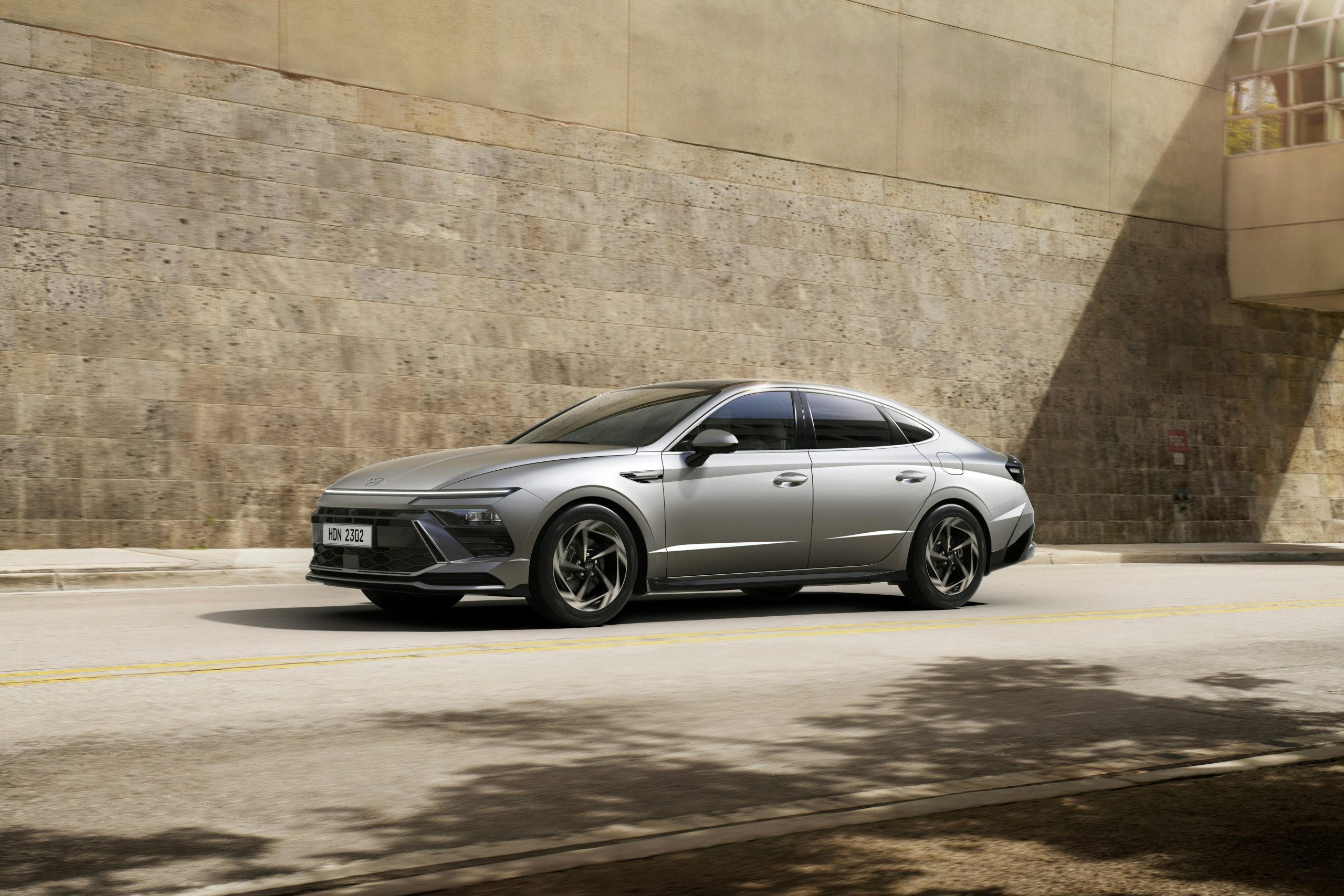
7. Hyundai Sonata Hybrid
The Hyundai Sonata Hybrid is another midsize sedan that uses hybrid technology to reduce gasoline consumption. Its larger body provides comfortable passenger accommodation while its powertrain focuses on improving everyday efficiency.
The vehicle combines an internal combustion engine with an electric motor. This setup allows the system to manage energy use according to acceleration demands, traffic conditions, and driving speed.
Its sedan configuration makes it suitable for families and professionals who prefer traditional passenger cars. The spacious cabin and practical luggage area also support regular long-distance travel.
Fuel economy is an important advantage, but it should not be the only factor in a purchase decision. The vehicle’s depreciation rate, insurance premium, financing expenses, and scheduled servicing all influence ownership costs.
The Sonata Hybrid may be especially attractive to drivers with predictable commuting routines. Regular journeys provide an opportunity to benefit from the hybrid system’s ability to reduce unnecessary fuel consumption.
Buyers should compare available versions and check warranty coverage before making a decision. The purchase price and equipment level can change the vehicle’s financial appeal.
For people who want a comfortable midsize sedan with lower gasoline requirements, the Sonata Hybrid is a worthwhile option. Its hybrid technology can help reduce energy expenses relative to the full cost of ownership.
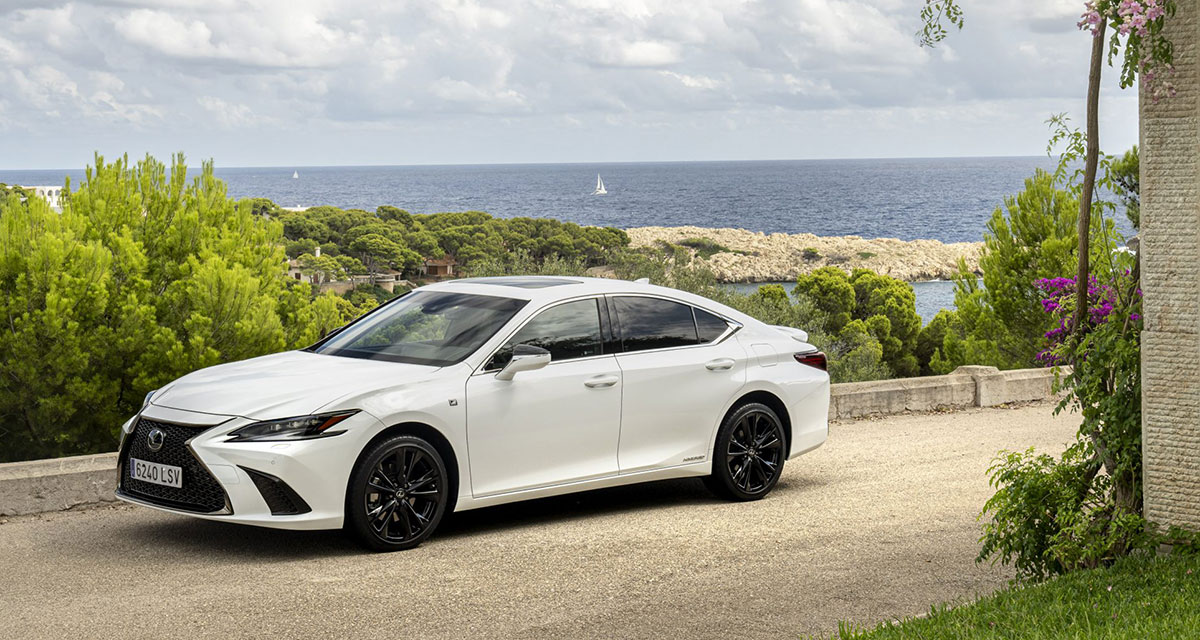
8. Lexus ES 300h
The Lexus ES 300h demonstrates how hybrid technology can be incorporated into a premium luxury sedan. It combines a comfortable interior and upscale equipment with a powertrain designed to use gasoline efficiently.
Its hybrid system pairs a gasoline engine with an electric motor. This arrangement supports smooth acceleration and can reduce fuel consumption during city driving and other suitable conditions.
Luxury vehicles generally involve additional ownership expenses. Insurance, replacement parts, depreciation, and specialized servicing can increase the amount paid over several years.
The ES 300h addresses part of this financial challenge through its efficient hybrid powertrain. Lower gasoline requirements can help offset some of the expenses associated with owning a premium vehicle.
Comfort is a central part of its appeal. The cabin provides a refined environment for passengers, while its sedan layout makes it suitable for business travel and everyday commuting.
Potential buyers should examine insurance quotations and maintenance costs before purchasing. Luxury vehicle expenses can vary significantly according to location, coverage, vehicle age, and service requirements.
The Lexus ES 300h is worth considering for drivers who value comfort but still want to control fuel consumption. Its hybrid system can make gasoline a relatively small component of the complete ownership budget.
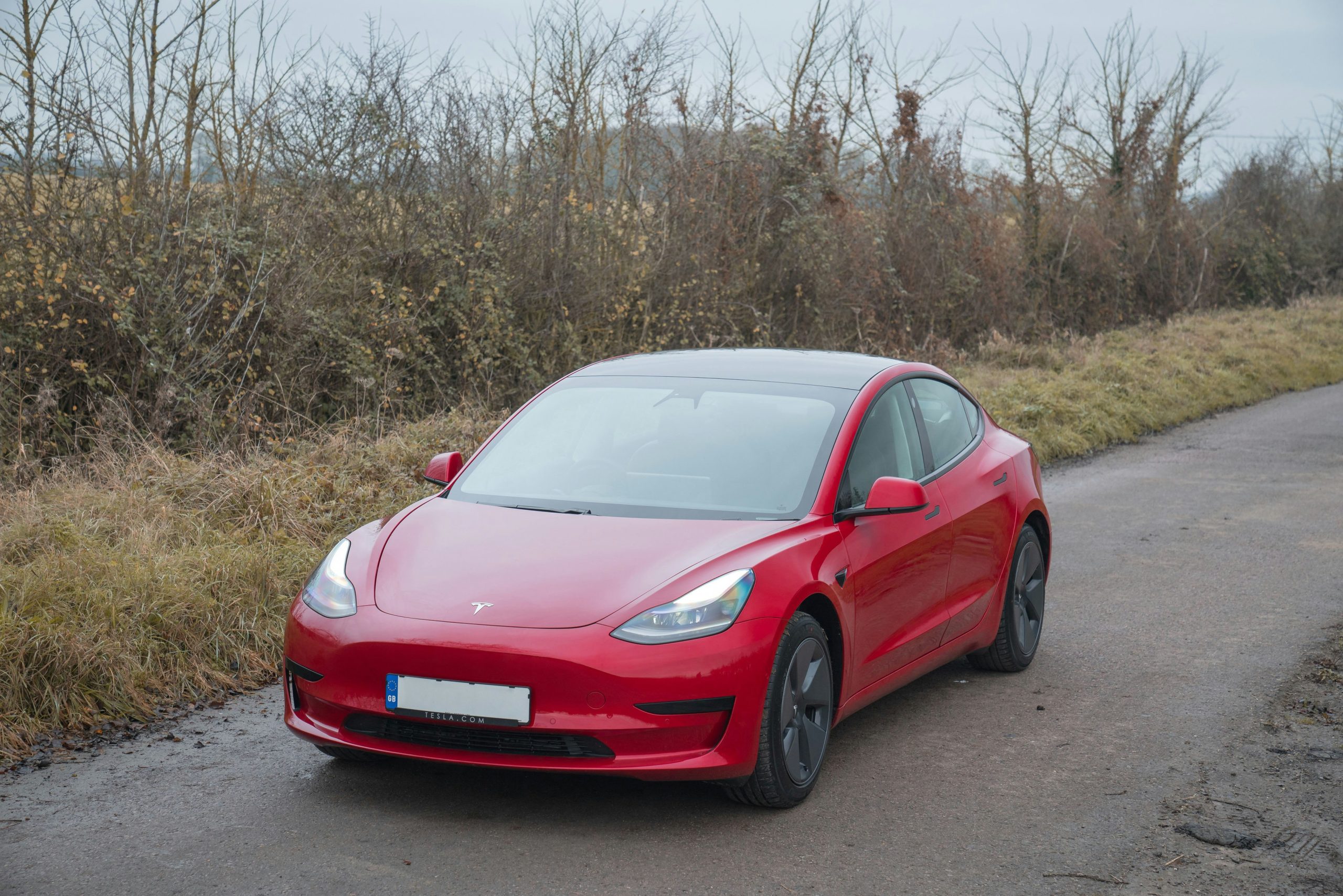
9. Tesla Model 3
The Tesla Model 3 takes a different approach to reducing transportation energy costs. Instead of using gasoline, it relies entirely on electricity, eliminating regular visits to petrol stations for conventional fuel.
Its electric powertrain converts stored battery energy into movement. Regenerative braking also recovers some energy when the vehicle slows down, helping improve driving efficiency.
Charging expenses depend on where and when the vehicle is charged. Home charging may be economical in areas with favorable electricity rates, while public fast-charging networks can cost more.
AAA’s ownership cost framework remains useful when assessing electric vehicles. Electricity expenses should be considered alongside depreciation, insurance, financing, maintenance, and registration.
Battery condition and warranty coverage are important purchasing considerations. Buyers should understand the available battery protection and evaluate the vehicle’s range against their regular travel requirements.
The Model 3 also has fewer routine powertrain maintenance requirements than a conventional gasoline car. However, tires, brakes, suspension components, cabin filters, and other items still require attention.
For drivers with convenient charging access, the Model 3 can significantly reduce direct energy spending. Electricity replaces gasoline, and the resulting cost share depends on local charging prices and the vehicle’s total ownership expenses.
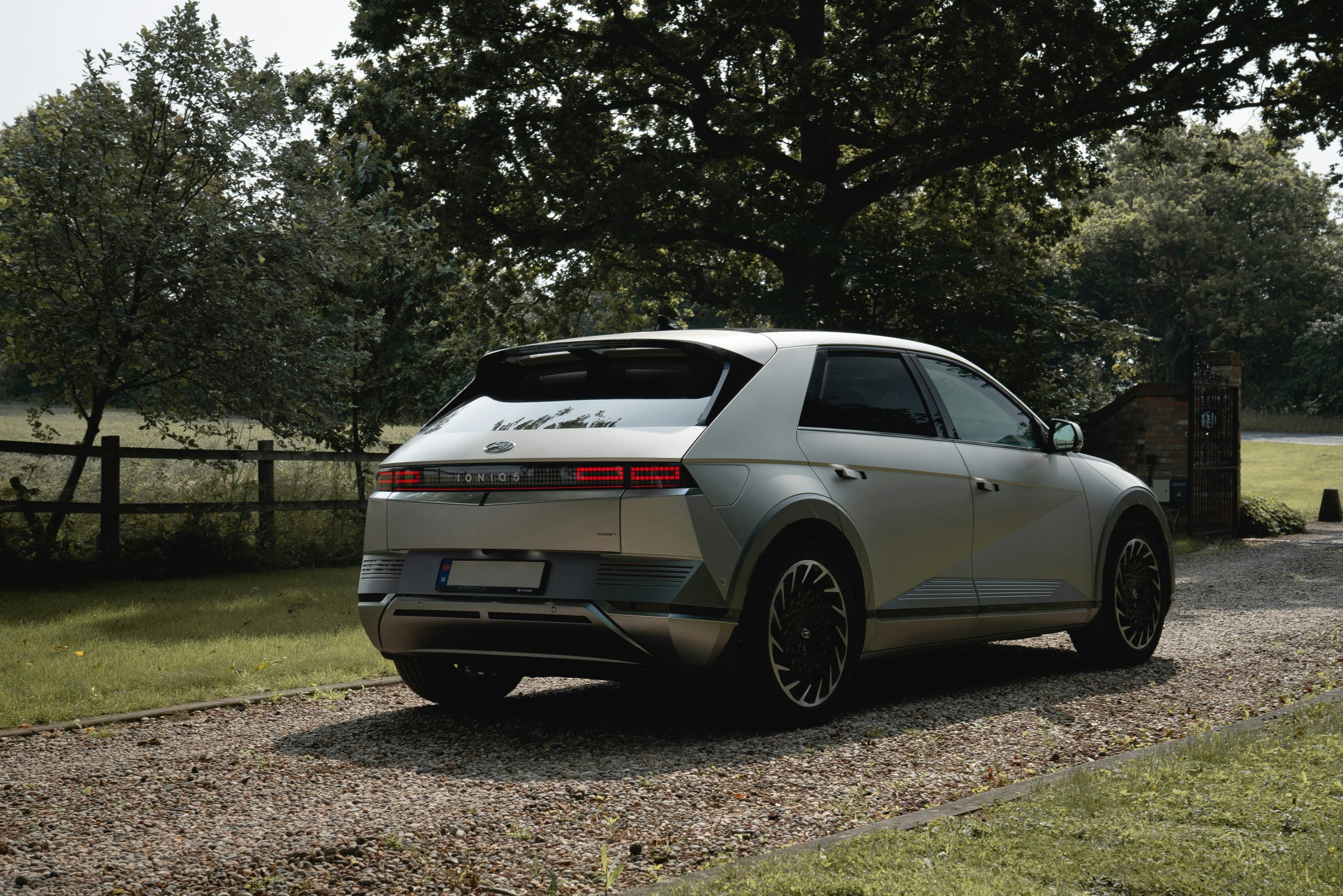
10. Hyundai Ioniq 5
The Hyundai Ioniq 5 is a fully electric crossover designed for drivers who want to eliminate gasoline consumption. Its electric powertrain provides everyday transportation without a conventional combustion engine or petrol tank.
The vehicle uses a rechargeable battery to supply electricity to its motors. Owners can charge at home or use compatible public charging stations, depending on their travel requirements and location.
Electricity costs are generally influenced by local utility rates, charging efficiency, and driving distance. Home charging can be particularly convenient for people who have access to private parking and suitable electrical equipment.
The Ioniq 5 also offers a spacious interior and a flexible cabin layout. These features make it suitable for families and drivers who need the practicality of a crossover.
Its total ownership expenses still require careful consideration. Insurance, depreciation, purchase financing, tires, registration, and charging equipment can affect the final financial picture.
Battery warranty terms and charging compatibility should be reviewed before purchasing. Buyers should also consider the availability of charging stations along their usual routes.
For households seeking a gasoline-free vehicle with practical passenger and cargo space, the Ioniq 5 is a strong candidate. Its electricity expenses may account for less than 15 percent of total ownership costs under suitable pricing and usage conditions.