
Buying a new vehicle involves more than comparing showroom prices. Fuel expenses, insurance, maintenance, depreciation, and financing can significantly influence the total cost of ownership. Hybrid vehicles promise better fuel economy, but their higher purchase prices do not always translate into lower long-term expenses.
For American drivers, choosing between gasoline-powered and hybrid models requires careful consideration of driving habits and ownership periods.
Data from the American Automobile Association (AAA) and the Environmental Protection Agency (EPA) provide useful ways to evaluate these differences and understand when a conventional gasoline vehicle may offer better financial value.

1. Honda CR-V Gasoline vs. Honda CR-V Hybrid
The Honda CR-V is a popular compact SUV in the American automotive market. It offers practical passenger space, comfortable seating, useful cargo capacity, and a reputation for everyday usability. Buyers can compare conventional gasoline versions with hybrid trims to understand how the purchase price affects the ownership budget.
The gasoline CR-V is generally positioned as an accessible option within the model lineup. Its conventional powertrain appeals to customers who want an SUV without paying the additional price associated with hybrid equipment.
For households with limited vehicle budgets, the difference in initial pricing can influence the purchasing decision.
The CR-V Hybrid uses a gasoline engine and electric motor system to improve fuel efficiency.
This arrangement can reduce fuel consumption, particularly in urban traffic where frequent acceleration and deceleration allow the hybrid system to recover energy. Drivers who spend substantial time in congested cities may benefit from its operating characteristics.
However, the hybrid’s higher purchase price must be considered alongside potential fuel savings. A driver who primarily travels short distances or covers relatively few miles annually may need several years to recover the additional expense. The gasoline version may therefore remain financially attractive for certain ownership patterns.
Fuel economy comparisons should be based on the exact model year and trim. EPA ratings can differ according to drivetrain configuration, wheel size, and other vehicle specifications. Buyers should avoid comparing an entry-level gasoline trim with a more expensive hybrid configuration without considering their equipment differences.
Maintenance costs also deserve attention. Both versions require regular servicing, including tire inspections, brake checks, and scheduled maintenance. Hybrid braking systems may experience different wear patterns because regenerative braking reduces reliance on conventional friction brakes under many driving conditions.
The most appropriate choice depends on how frequently the vehicle will be driven. Families covering extensive annual distances may recover more of the hybrid’s additional purchase price through fuel savings.
Buyers who prioritize a lower initial investment and drive moderate distances may find the gasoline CR-V more suitable.

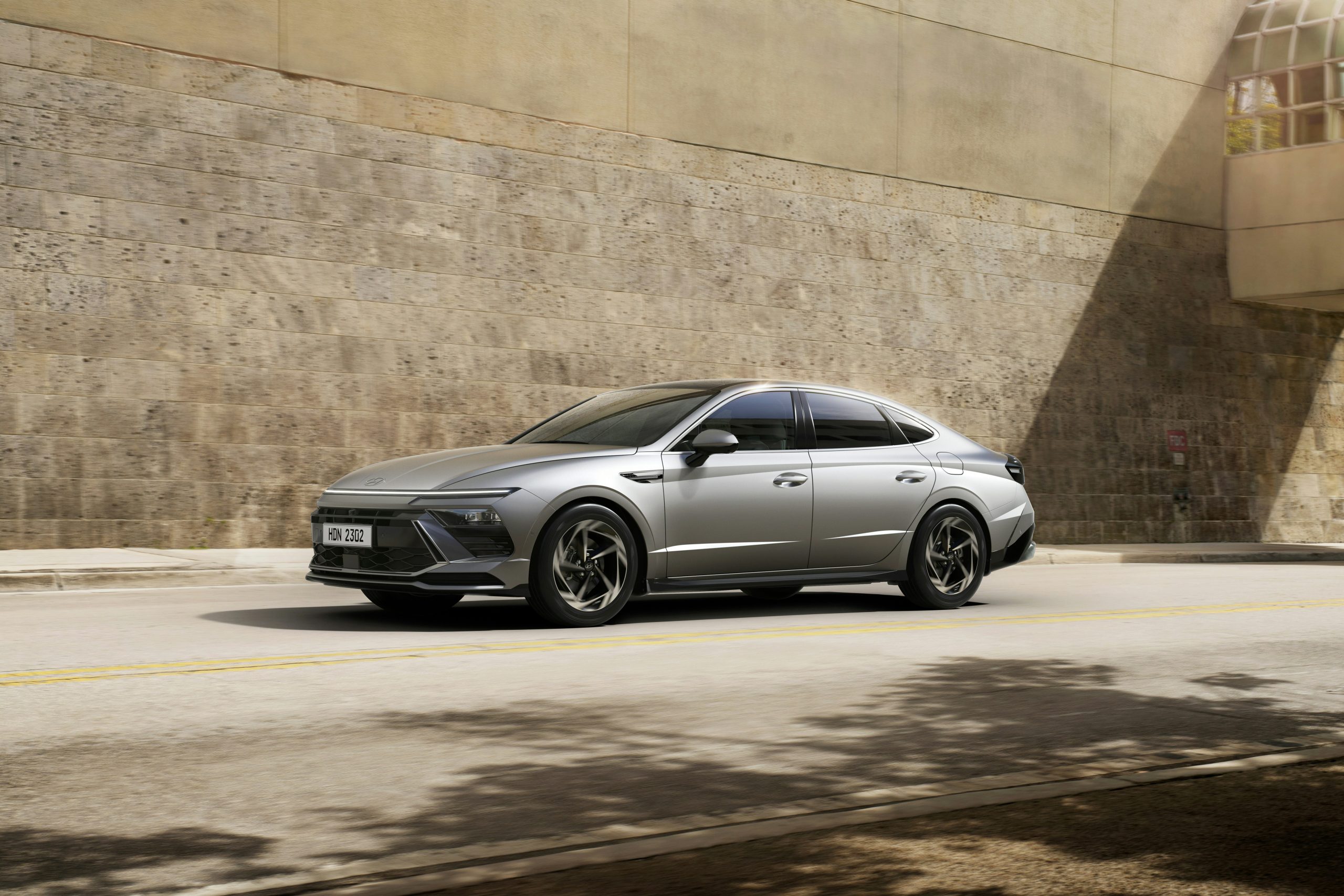
2. Honda Accord Gasoline vs. Honda Accord Hybrid
The Honda Accord is a midsize sedan designed for drivers seeking comfortable transportation, interior space, and practical everyday performance. It has historically offered conventional gasoline and hybrid powertrain choices, making it a useful example when evaluating differences between the two technologies.
The gasoline Accord can appeal to customers who prefer a straightforward purchasing decision. Its lower entry-level pricing in applicable model years may provide an advantage for buyers working within a fixed budget. It also offers familiar gasoline-powered driving characteristics.
The Accord Hybrid focuses on fuel efficiency while retaining the practicality expected from a midsize sedan. Its hybrid system combines gasoline and electric power to reduce fuel consumption. The technology is particularly useful in situations involving frequent stops, moderate acceleration, and urban driving.
The financial comparison depends heavily on annual mileage. A driver commuting long distances every weekday may consume enough fuel to make the hybrid’s additional purchase price worthwhile. Someone who primarily uses the vehicle for occasional errands may experience much smaller savings.
Insurance costs can also influence the comparison. Insurance premiums depend on the driver’s location, age, driving history, coverage selections, and vehicle configuration. Buyers should obtain quotes for both versions instead of assuming that their insurance expenses will be identical.
Depreciation is another important factor. A vehicle’s resale value depends on market demand, mileage, condition, equipment, and the availability of newer models. Hybrid vehicles may attract buyers interested in fuel efficiency, but their resale performance should be evaluated using actual market data.
The Accord comparison demonstrates why the lowest advertised fuel consumption does not automatically establish the lowest ownership cost.
A conventional gasoline sedan can be financially sensible when the purchase price difference is significant and annual mileage is limited. The hybrid becomes more attractive as fuel savings accumulate.
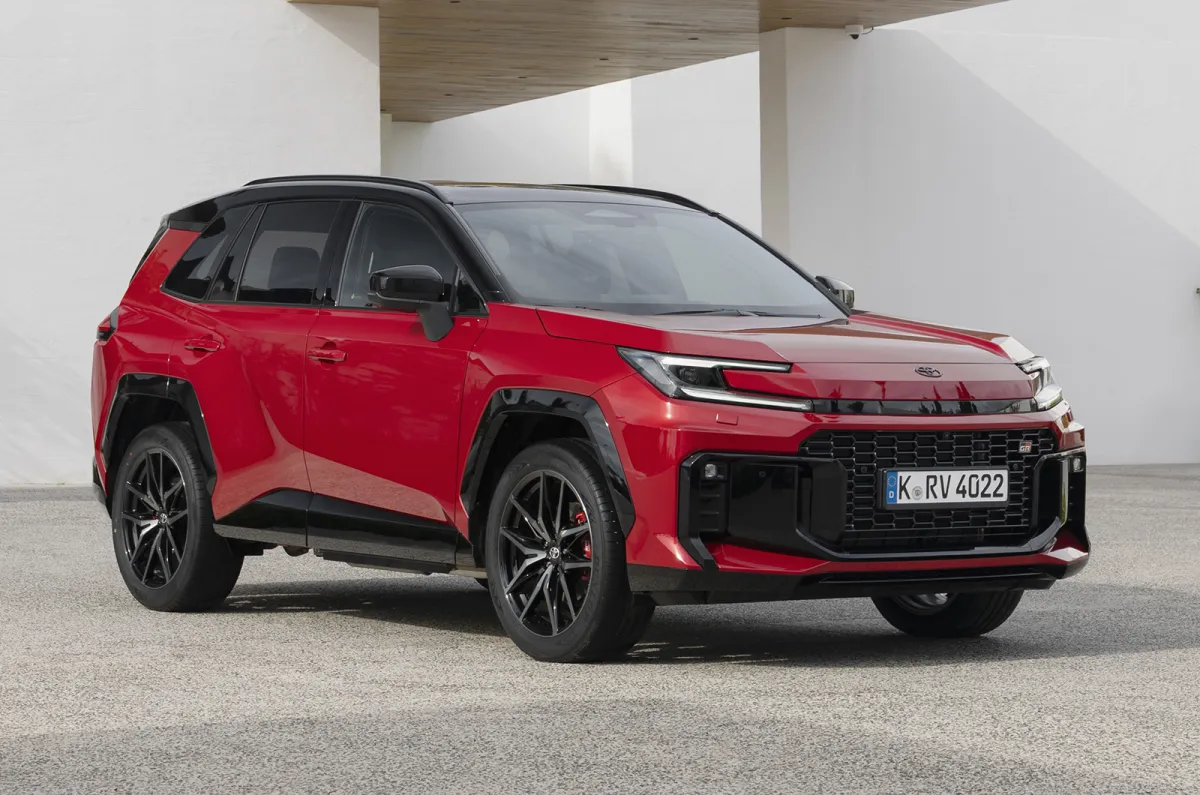
3. Toyota RAV4 Gasoline vs. Toyota RAV4 Hybrid
The Toyota RAV4 is a widely recognized compact SUV in the United States. It offers a practical combination of passenger capacity, cargo space, and everyday driving convenience. Its gasoline and hybrid configurations have made it a relevant comparison for households considering different powertrain options.
The gasoline RAV4 attracts buyers who want a conventional SUV experience. Depending on the model year and configuration, its starting price may be lower than that of the corresponding hybrid version. This difference can help reduce the amount financed and the interest paid over a loan period.
The RAV4 Hybrid uses Toyota’s hybrid technology to improve fuel economy. It combines a gasoline engine with electric motor assistance and can operate electrically under certain driving conditions. This system is particularly useful in traffic situations where conventional gasoline engines may consume more fuel.
Fuel savings are an important consideration for RAV4 buyers. Families who regularly commute, travel between cities, or drive long distances may accumulate substantial fuel expenses.
A hybrid can help reduce those expenses, but the actual savings depend on fuel prices and driving conditions.
The gasoline RAV4 may be a reasonable choice for motorists who drive relatively few miles. Its lower initial price can offset some of the additional gasoline expenses, particularly during shorter ownership periods. This possibility becomes more relevant when financing costs are included.
Buyers should also consider whether they need the additional efficiency offered by the hybrid. Drivers who regularly travel on highways may experience a different fuel economy advantage compared with those who spend most of their time in urban traffic. EPA combined ratings provide a useful starting point for the comparison.
Toyota’s reputation for hybrid technology has helped make hybrid SUVs more familiar to American consumers. However, the correct purchasing decision still depends on individual financial circumstances.
Comparing the exact model year, equipment, purchase price, and expected annual mileage provides a more reliable result than choosing solely based on fuel economy.
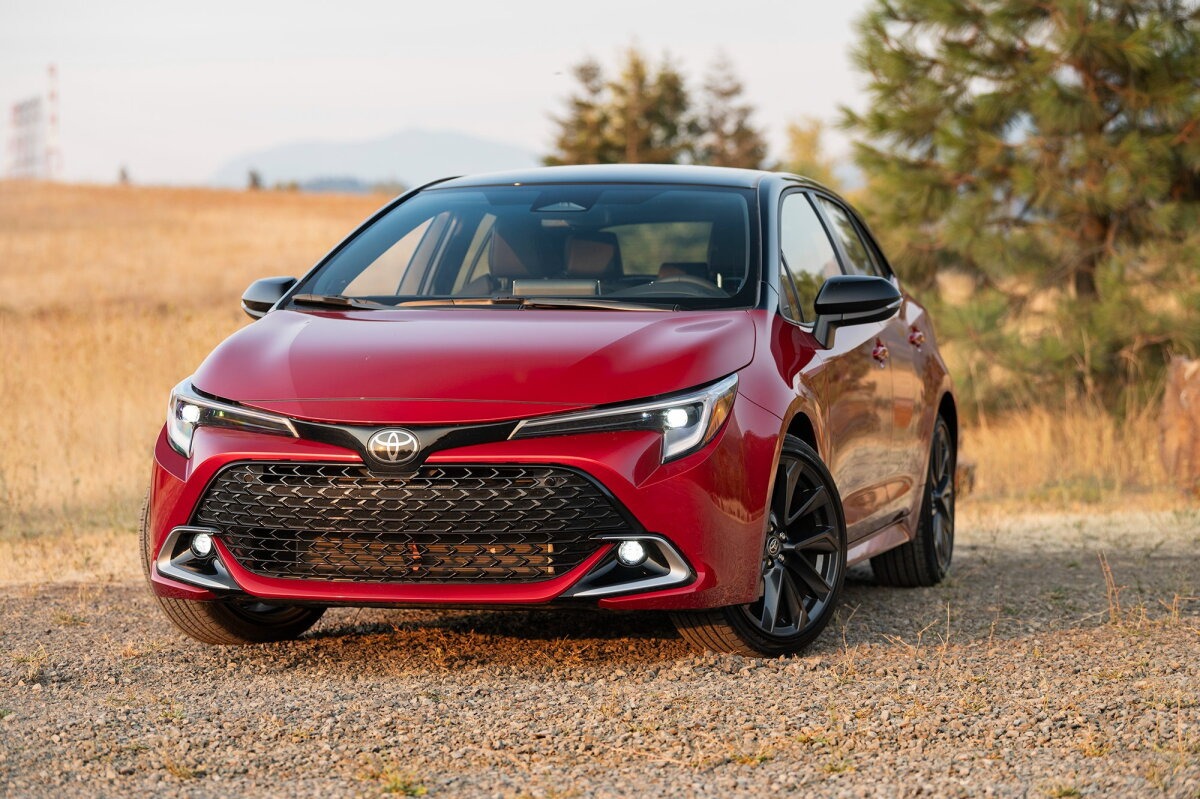
4. Toyota Corolla Gasoline vs. Toyota Corolla Hybrid
The Toyota Corolla is known for its compact dimensions, everyday practicality, and accessible pricing. It is frequently considered by American consumers looking for dependable transportation without the expense of a larger vehicle.
The conventional Corolla is generally among the more affordable options in Toyota’s sedan lineup. Its gasoline powertrain provides familiar operation and avoids the additional hybrid equipment associated with electrified versions. Buyers who want to minimize their initial spending may find this arrangement appealing.
The Corolla Hybrid is designed to deliver improved fuel efficiency. Its electric motor assists the gasoline engine, reducing fuel consumption under suitable driving conditions. This can be particularly useful for commuters who regularly encounter stop-and-go traffic.
The price difference between the two versions is central to the financial calculation. A buyer should compare equivalent equipment levels rather than simply looking at the starting prices. Safety technology, infotainment features, comfort equipment, and optional packages can influence the actual transaction price.
Fuel expenses are relatively important for compact sedan owners because many purchase these vehicles for commuting. Drivers covering significant distances may benefit from the hybrid’s improved efficiency. However, individuals who drive occasionally may not generate enough fuel savings to offset the higher purchase price.
The EPA fuel economy label can help buyers estimate annual gasoline expenses. It provides standardized information based on testing procedures and an assumed annual driving distance. Consumers can adjust these estimates to reflect their own driving habits and local gasoline prices.
The Corolla comparison highlights the importance of matching a vehicle to its intended use. The gasoline version may provide an appealing combination of affordability and practicality.
The hybrid can offer better fuel economy, but its financial advantage depends on how much the owner drives and how long the vehicle remains in service.
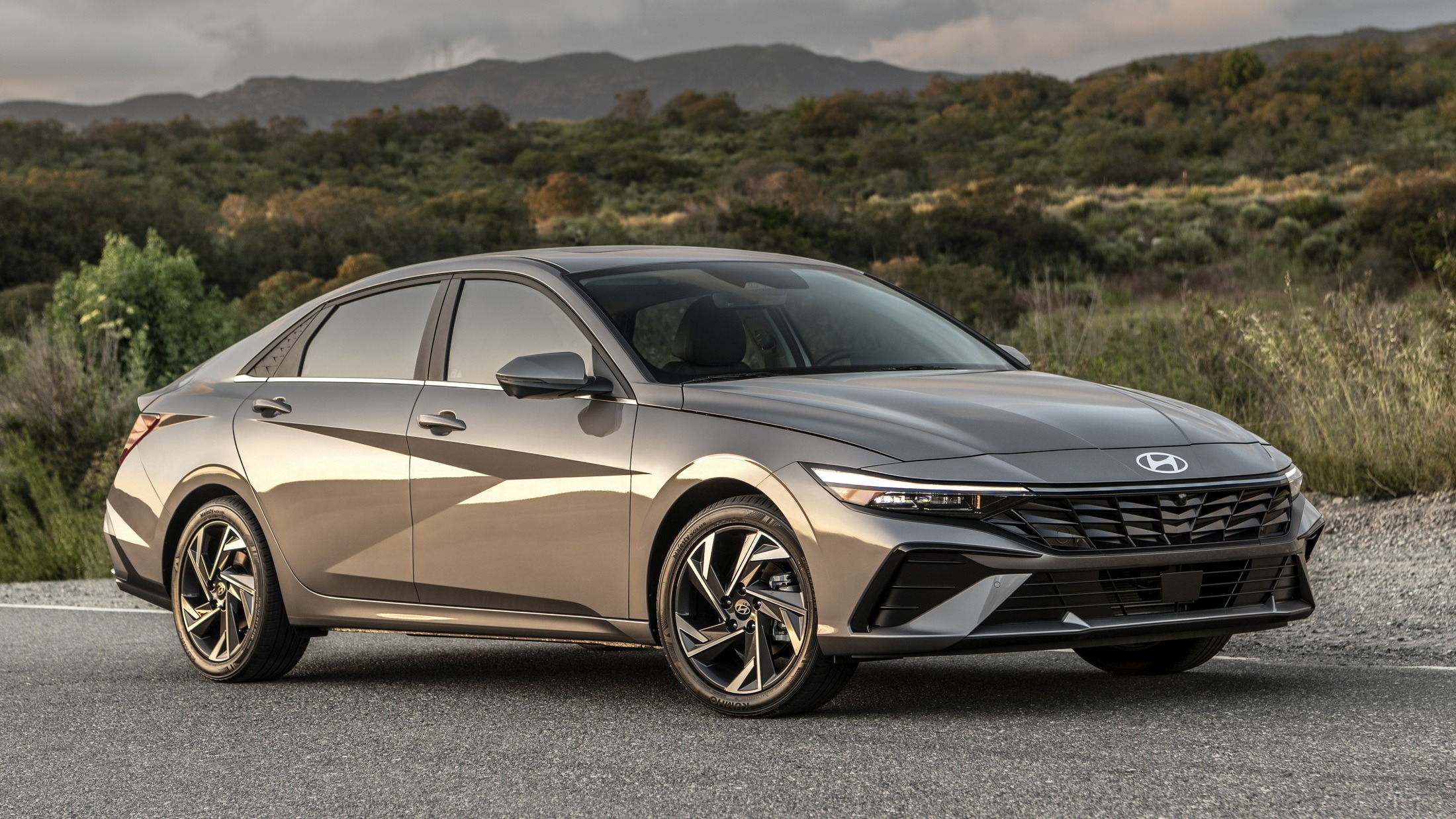
5. Hyundai Elantra Gasoline vs. Hyundai Elantra Hybrid
The Hyundai Elantra is another compact sedan worth considering when comparing conventional and hybrid powertrains. It offers modern styling, passenger-friendly interior space, and a range of equipment options. Its different powertrain configurations serve buyers with varying priorities.
The gasoline Elantra generally offers a lower entry price than its hybrid counterpart. This can make it attractive to first-time buyers, students, and households looking for affordable transportation. A smaller loan amount can also help reduce monthly payments.
The Elantra Hybrid is intended for drivers who want lower gasoline consumption. Its powertrain combines a gasoline engine and electric motor, allowing the vehicle to use energy more efficiently under suitable conditions. This is especially relevant for commuters who regularly drive through urban areas.
The difference in fuel economy should be compared using EPA ratings for the same model year. Actual consumption can vary because of traffic, weather, tire condition, driving speed, and vehicle maintenance. Buyers should treat published figures as standardized estimates rather than guaranteed results.
The conventional model may have a financial advantage for drivers with low annual mileage. If a vehicle travels only a few thousand miles annually, the amount of gasoline saved by the hybrid may be relatively small. In that situation, the initial purchase price becomes a more significant factor.
Ownership expenses also include insurance and depreciation. Hyundai models can have different insurance costs depending on trim, location, and driver profile. The buyer should compare actual insurance quotations and available resale information before making a decision.
The Elantra provides a useful example of how affordable sedans compete with more fuel-efficient alternatives. The gasoline version can make sense for buyers who value a lower starting price, while the hybrid may suit people with regular commuting requirements and higher annual mileage.
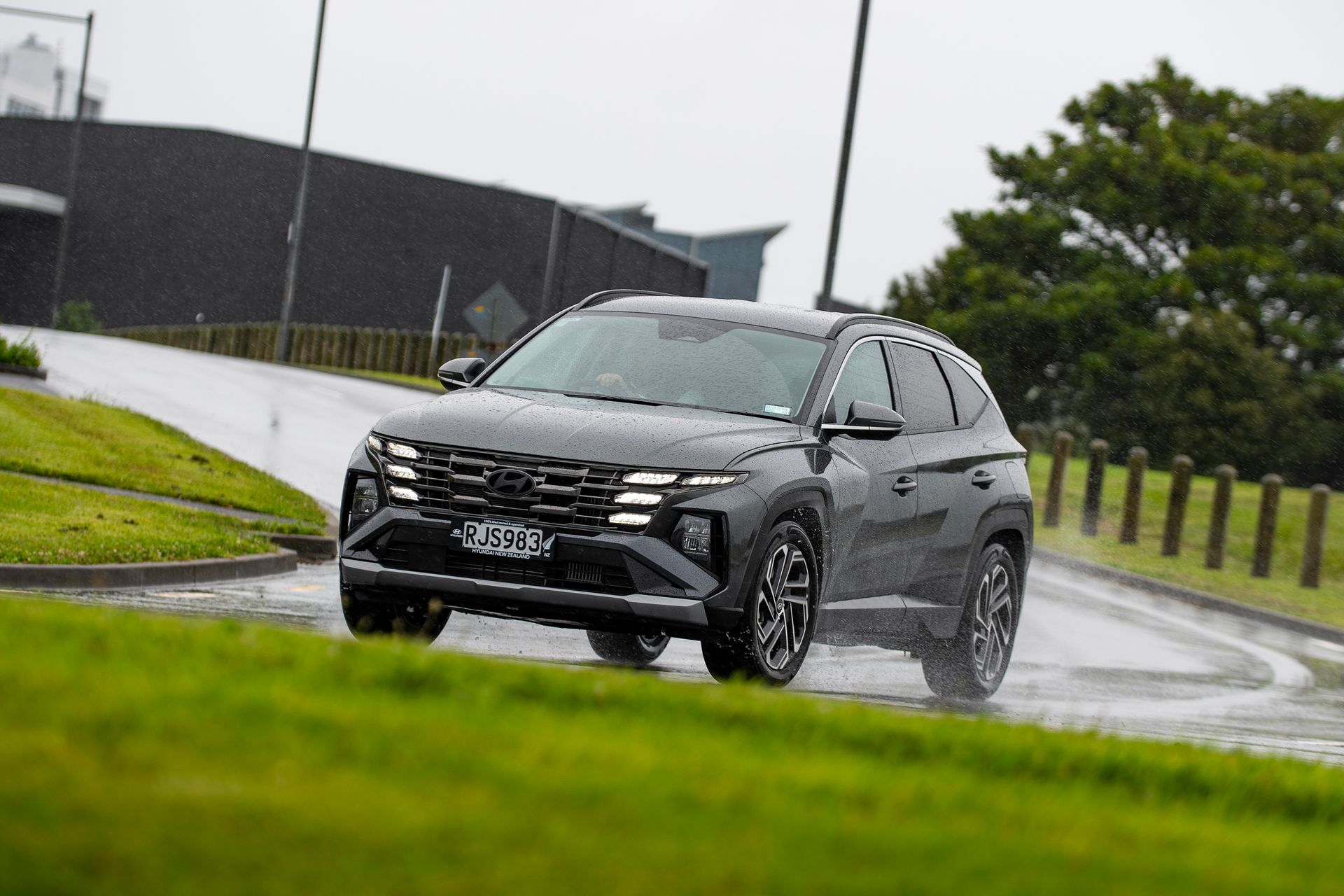
6. Hyundai Tucson Gasoline vs. Hyundai Tucson Hybrid
The Hyundai Tucson is a compact SUV aimed at families and individuals who want additional passenger space and cargo flexibility. It competes in a segment where fuel efficiency and purchase price both play important roles.
The gasoline Tucson provides a conventional powertrain option with a lower entry price in applicable model years. It can appeal to buyers who want the practicality of an SUV without paying extra for hybrid technology. Its affordability may be particularly important for families financing a vehicle.
The Tucson Hybrid combines a gasoline engine with electric assistance. This configuration is designed to reduce fuel consumption while maintaining the utility of a compact SUV. Drivers who regularly travel through congested areas may benefit from its improved efficiency.
The hybrid version’s additional purchase price needs to be compared with projected fuel savings. A family driving long distances every month may recover the difference more quickly than someone who uses the SUV mainly for weekend trips. Annual mileage should therefore be a central part of the buying decision.
Another consideration is the vehicle’s weight and configuration. Larger SUVs generally require more energy to move than smaller sedans. As a result, fuel economy differences can have a noticeable effect on household transportation expenses over several years.
The EPA’s vehicle comparison tools can help consumers evaluate gasoline consumption and estimated annual fuel costs. Buyers should use the exact model year and drivetrain information because ratings change with equipment and mechanical updates.
The Tucson illustrates the balance between affordability and efficiency. A conventional gasoline model can reduce the initial financial commitment, while the hybrid can lower recurring fuel expenses. The better financial outcome depends on the owner’s mileage, purchase price, and expected ownership period.
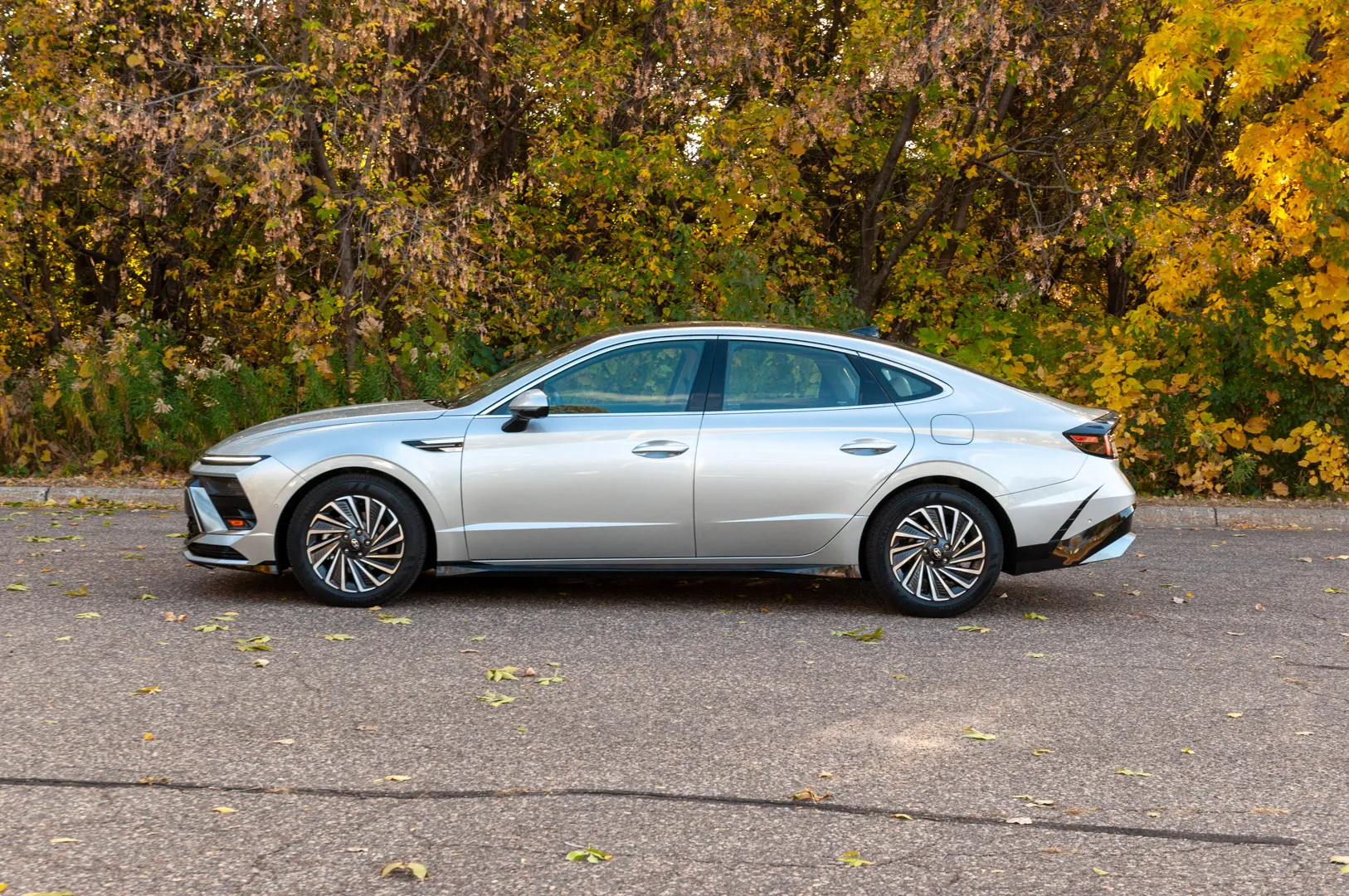
7. Hyundai Sonata Gasoline vs. Hyundai Sonata Hybrid
The Hyundai Sonata is a midsize sedan offering a comfortable interior, modern technology, and a design suited to everyday family transportation. Its gasoline and hybrid configurations provide an opportunity to compare the costs of conventional and electrified driving.
The gasoline Sonata has traditionally served buyers seeking a spacious sedan at a competitive price. Depending on the model year, it can offer a lower starting price than the hybrid version. This makes it a consideration for people who prioritize purchase affordability.
The Sonata Hybrid is designed to use less gasoline through electric motor assistance and an efficient powertrain. Its benefits may be especially noticeable for drivers with frequent city journeys and regular commuting requirements.
A buyer should consider the total amount spent on fuel over the expected ownership period. For example, someone driving 12,000 miles each year will generally use more gasoline than someone driving 5,000 miles. However, the actual savings depend on the EPA-rated fuel economy of the selected trims.
Financing costs can change the comparison. A more expensive hybrid may require a larger down payment or a higher loan balance. Interest expenses can increase the effective purchase-price difference, particularly when loan terms are extended.
Maintenance should be assessed using the manufacturer’s recommended service schedule. Both powertrains require routine inspections and maintenance, but hybrid-specific systems may have additional components that buyers should understand. Service availability and warranty coverage are also worth checking.
The Sonata comparison is particularly relevant to buyers who prefer sedans over SUVs. A gasoline version may offer a lower upfront cost, while a hybrid can reduce fuel expenses over time. The final decision should reflect the actual transaction price and expected annual mileage.
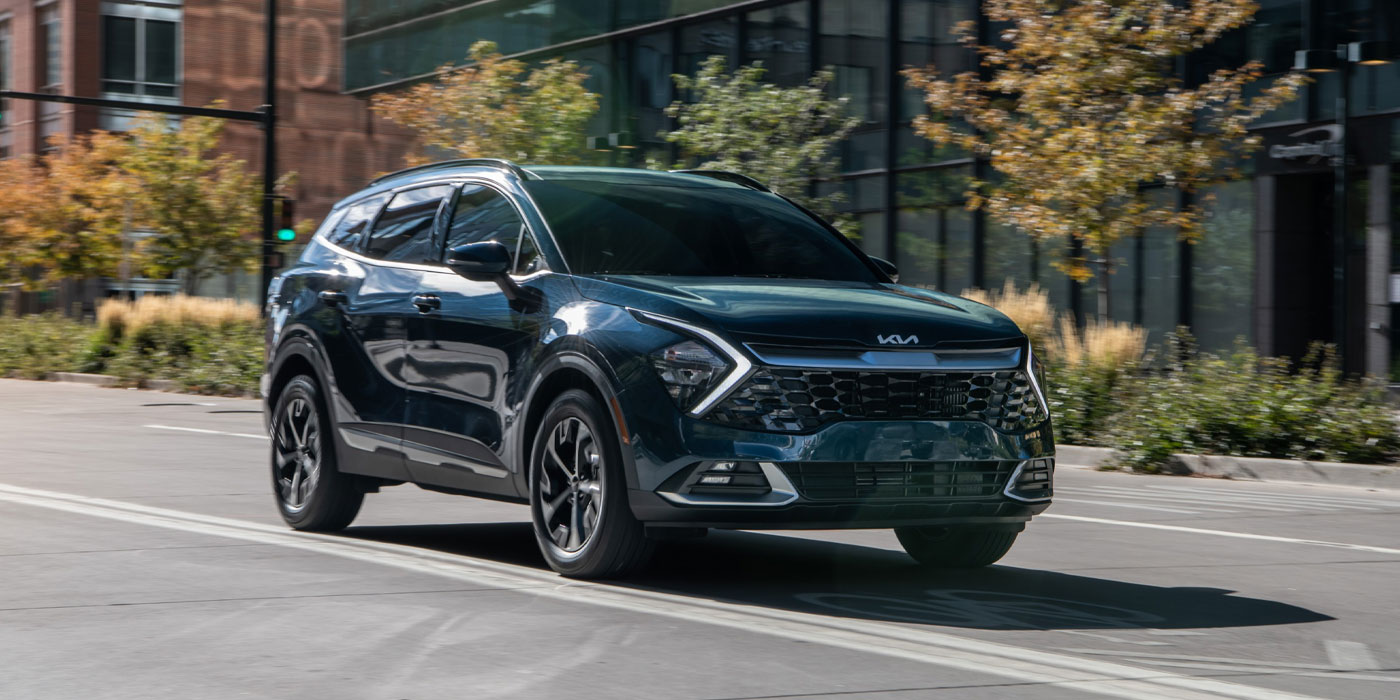
8. Kia Sportage Gasoline vs. Kia Sportage Hybrid
The Kia Sportage is a compact SUV that appeals to buyers looking for passenger space, modern features, and everyday versatility. Its gasoline and hybrid options make it relevant to consumers comparing purchase costs with long-term fuel expenses.
The gasoline Sportage generally offers a lower starting price than the hybrid configuration in comparable model years. For buyers who want an SUV but have a limited budget, this difference can influence the decision. A smaller purchase price may also help reduce financing expenses.
The Sportage Hybrid combines a gasoline engine and electric motor to improve fuel economy. It is intended for consumers who want the flexibility of an SUV with lower gasoline consumption. Urban commuters may benefit from its powertrain efficiency.
However, the fuel savings need to be measured against the actual purchase-price difference. If the hybrid costs several thousand dollars more, the owner must determine how many years of fuel savings would be required to recover that amount.
The vehicle’s driving environment is another important consideration. Hybrid systems can be particularly efficient in traffic involving frequent slowing and acceleration. Highway driving can produce different results, so consumers should compare the relevant EPA city, highway, and combined ratings.
Kia’s warranty coverage should also be considered when evaluating the two configurations. Buyers should review the applicable warranty terms, exclusions, mileage limits, and conditions for hybrid components. Warranty coverage can influence long-term ownership confidence.
The Sportage comparison shows why an SUV’s initial price deserves attention. A gasoline version may be appropriate for drivers with moderate annual mileage, while the hybrid may be financially appealing to households that accumulate substantial mileage and can benefit from lower fuel consumption.
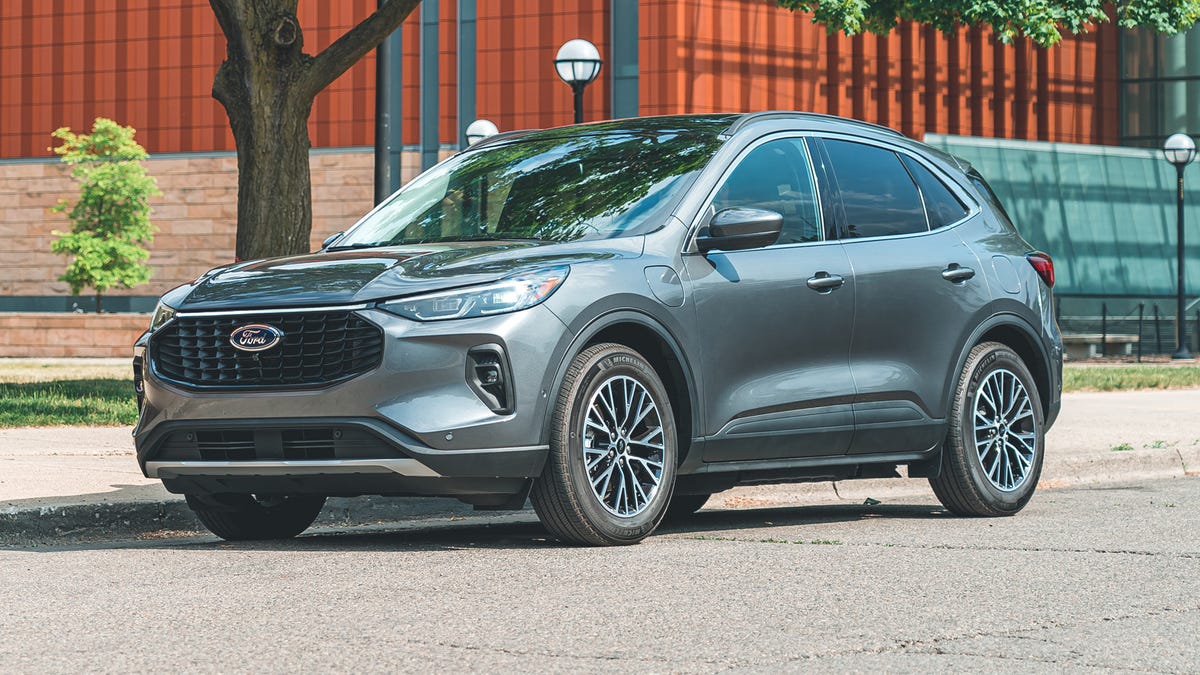
9. Ford Escape Gasoline vs. Ford Escape Hybrid
The Ford Escape has offered conventional gasoline and hybrid configurations in recent model years. It is a practical option for American buyers seeking a compact SUV with comfortable seating, useful cargo capacity, and different powertrain choices.
The gasoline Escape can offer a lower purchase price depending on the model year and trim. This is relevant for buyers who want to keep their initial vehicle expenses under control. A lower purchase price can also make it easier to qualify for financing within a specific budget.
The Escape Hybrid uses an electric motor alongside its gasoline engine. This arrangement helps improve fuel economy and can be useful for motorists who frequently drive in urban conditions. The system manages power delivery automatically without requiring conventional external charging.
The conventional gasoline version may be financially attractive to people who drive relatively few miles. Its lower initial price can compensate for some of the additional fuel expenses, especially when the vehicle is sold after a short ownership period.
The hybrid version becomes more interesting when annual mileage increases. Regular commuters can accumulate meaningful fuel savings, particularly if they travel through congested areas. These savings should be calculated using local gasoline prices and the exact EPA ratings.
Insurance and depreciation can also influence the outcome. Buyers should obtain insurance quotations for the specific trims and examine used-vehicle prices for comparable model years. Resale values can change as consumer preferences and fuel prices shift.
The Escape provides another example of why powertrain selection should be based on individual use. The gasoline model may be a practical choice for motorists prioritizing affordability, while the hybrid can provide lower operating expenses for drivers who travel more frequently.
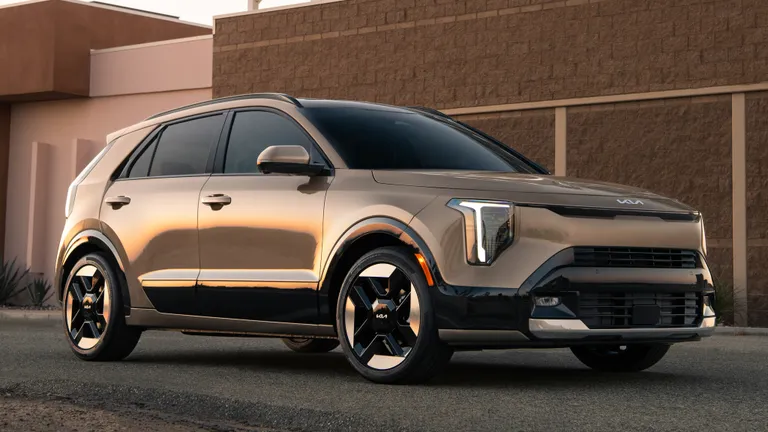
10. Kia Niro Gasoline Comparisons
The Kia Niro deserves separate consideration because it illustrates an important distinction in vehicle comparisons.
The Niro lineup has focused on electrified powertrains, including hybrid and plug-in hybrid versions, rather than providing a straightforward conventional gasoline-only counterpart in recent US model years.
For that reason, it should not be presented as a verified gasoline-versus-hybrid comparison. Doing so would create an inaccurate impression about the available American model lineup. Buyers should instead compare the Niro Hybrid with other similarly sized conventional gasoline crossovers.
A conventional gasoline crossover may have a lower purchase price than a hybrid Niro, depending on the selected models and equipment. However, differences in interior space, standard features, performance, and warranty coverage need to be considered before drawing a financial end.
The Niro Hybrid is designed for buyers who want better fuel economy without depending on external charging. Its hybrid powertrain can reduce gasoline consumption and may be particularly useful for drivers who spend considerable time in urban traffic.
The financial comparison should use vehicles from the same model year whenever possible. Comparing a newly released hybrid with an older gasoline crossover can produce misleading results because equipment, safety systems, pricing, and market conditions may differ.
EPA fuel economy information can help determine whether the hybrid’s operating savings justify its price. Consumers should also consider insurance, depreciation, financing, and maintenance. These expenses can change the result significantly.
This comparison demonstrates why buyers should confirm the availability of each powertrain before evaluating ownership costs. A fair comparison requires vehicles with similar capabilities and equipment. It also requires accurate purchase prices and realistic estimates of annual driving distances.
