
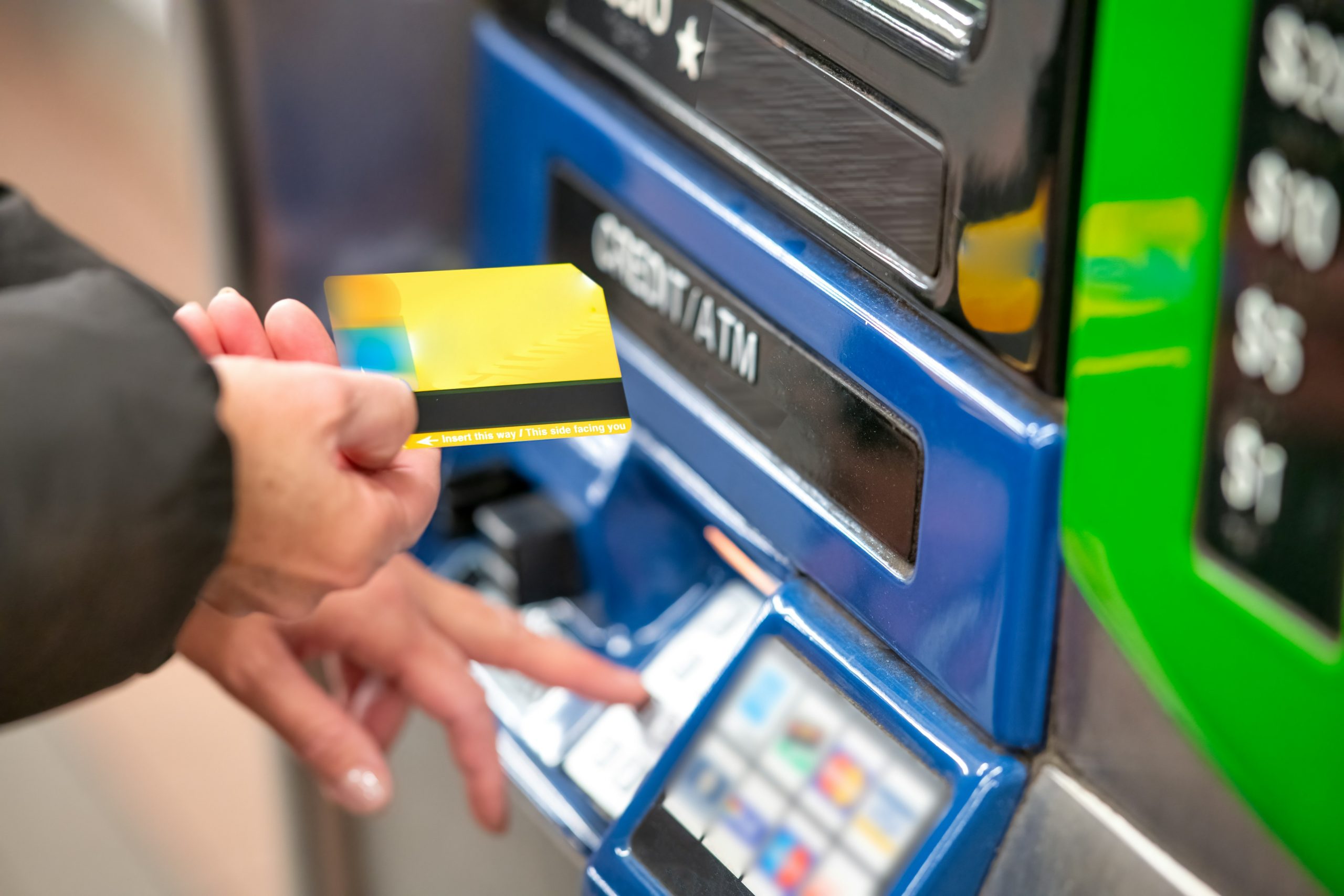
Gas station card skimmers are a growing concern for drivers who pay at the pump. These small devices can steal payment card information without making the transaction appear unusual.
Criminals often place them inside or over legitimate payment terminals, making them hard for unsuspecting customers to detect. Knowing what to look for before inserting a debit or credit card can help protect your financial information.
From loose card readers to unusual keypad behavior, several warning signs may indicate tampering. Understanding these signs can help drivers make safer payment decisions, recognize suspicious equipment, and reduce the risk of payment card fraud.
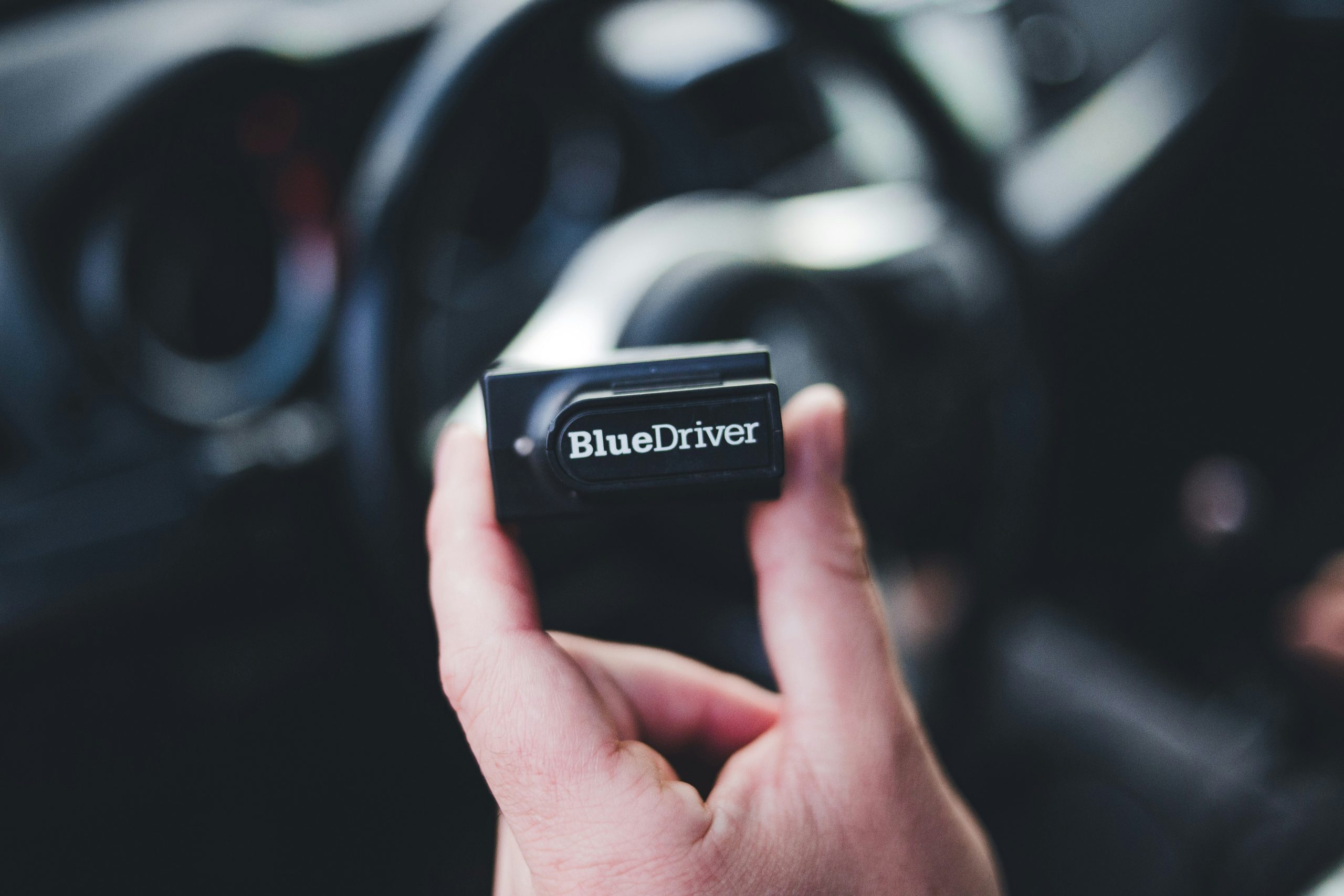
1. The Card Reader Looks Loose or Misaligned
A loose or misaligned card reader is a warning sign that deserves attention. Gas station payment terminals are designed to keep their components firmly attached. When a card reader appears crooked, raised, or slightly separated from the surrounding panel, it may indicate unauthorized interference.
Criminals sometimes attach skimming equipment to legitimate payment terminals. These devices can be designed to resemble original card readers, making them difficult to recognize at first glance. A poorly fitted attachment may create visible gaps around the slot.
Before paying, take a moment to examine the card reader. Look at how it sits within the payment terminal. Compare its position with other components around it. Anything that appears unusually loose or uneven should make you cautious.
A reader that moves when lightly touched may also deserve attention. Legitimate payment equipment should feel stable and securely installed. However, avoid pulling, twisting, or attempting to remove any suspicious component.
Pay attention to differences between nearby pumps. Gas stations often use similar payment terminals across their locations. If one reader looks noticeably different from the others, it may have been modified or damaged.
Misalignment does not automatically mean a skimmer is present. Regular wear, accidental damage, and maintenance issues can also affect payment equipment. However, an unusual appearance is a good reason to choose another pump.
If something seems suspicious, do not insert your card. Move to a different payment terminal and inform the gas station attendant or manager. They can arrange an inspection before the equipment is used again.
Taking a few seconds to check the reader can help prevent unnecessary financial problems. A simple visual inspection is a practical habit for anyone who regularly pays for fuel at the pump.
2. There Are Unusual Attachments Around the Card Slot
Unexpected attachments around a card slot can indicate possible payment terminal tampering. Gas station card readers should have a clean, consistent appearance without unnecessary plastic covers, extensions, or additional pieces surrounding the opening.
A card skimmer may be designed to look like part of the original terminal. However, some unauthorized devices have noticeable differences in shape, color, thickness, or finish. These differences can become easier to recognize when the reader is inspected carefully.
Look for components that appear separate from the main payment terminal. An unusual attachment may not match the surrounding equipment. Differences in material or finish can also raise questions about whether the reader has been altered.
Pay attention to the general condition of the card slot. A legitimate payment terminal should not have unexplained additions that interfere with its original design. If the area looks unusually bulky or uneven, consider using another payment method.
Do not assume that every additional component is suspicious. Some terminals contain legitimate security covers, contactless payment sensors, and manufacturer-installed features. These are normal parts of certain payment systems.
The important factor is whether the equipment looks consistent with the station’s other payment terminals. If you notice something unusual, avoid using the reader until an employee has checked it.
You should also avoid attempting to remove unfamiliar attachments yourself. A suspected skimming device may contain evidence that station personnel or law enforcement need to examine.
Report your concerns to the station manager and provide the exact pump number. This makes it easier for staff to identify the equipment and arrange a proper inspection.
3. The Keypad Feels Different or Looks Unusual
The keypad is another important part of a gas station payment terminal that deserves attention. Customers generally focus on entering their PIN or ZIP code, but checking the keypad before using it can help identify possible tampering.
A legitimate keypad should fit securely into the terminal. Its buttons should have a consistent appearance and respond normally when pressed. Unusual coverings, loose edges, or unexplained differences in the keypad may indicate that something has been changed.
Some payment card skimming operations also involve devices designed to capture PIN information. These devices may be placed near or over legitimate keypad components. This creates an additional risk for customers using debit cards.
Look for obvious differences between the keypad and the rest of the payment terminal. A component that appears poorly fitted, unusually thick, or inconsistent with the manufacturer’s design deserves attention.
You should also be cautious if the keypad appears damaged or has unexplained material around its edges. Ordinary wear can affect payment equipment, but unexpected modifications should not be ignored.
Never enter your PIN if you suspect the keypad has been altered. Using a different pump or paying inside the station is a safer choice. If possible, use a credit card rather than a debit card to reduce the potential exposure of your bank account.
When entering a PIN at a legitimate terminal, use your free hand to shield the keypad from nearby cameras or people. This simple habit can help protect your confidential information.
Report suspicious keypad conditions to station personnel. Avoid testing the equipment repeatedly or pressing unusual components to determine whether they are attached securely.
4. The Card Reader Is Different From Other Pumps
Differences between payment terminals at the same gas station can provide useful clues. Most stations install similar payment equipment across their pumps, so major visual inconsistencies deserve attention.
For example, one pump may have a card reader with a different color, shape, or design. Its card slot may also appear thicker or have a different surrounding panel. These differences do not prove criminal activity, but they are worth checking.
Start by observing the general appearance of the payment terminal. Look at the screen, keypad, card slot, and contactless payment area. Compare these components with those on nearby pumps if it is convenient and safe to do so.
A replacement payment terminal may look different because of routine maintenance. Gas stations also upgrade equipment at different times, meaning every pump may not have an identical design.
However, unexplained differences should not be dismissed. If one pump appears to have an additional component or an unusual card reader, choose a different terminal.
The location of the pump can also provide useful context. Criminals may target payment terminals that receive less attention from employees or customers. However, a quiet location alone is not evidence of a skimming device.
Do not rely on appearance alone to determine whether a terminal is safe. Some skimming equipment is designed to blend into legitimate payment systems. Regular inspection and sensible payment habits provide better protection.
If you notice a suspicious difference, tell the station manager which pump is involved. Staff can compare the equipment with the station’s approved payment terminal design.
Choosing a pump with familiar, undamaged equipment is a sensible precaution. When something does not look right, there is little reason to take a financial risk just to complete a transaction at that particular terminal.
5. The Card Slot Has Unusual Resistance
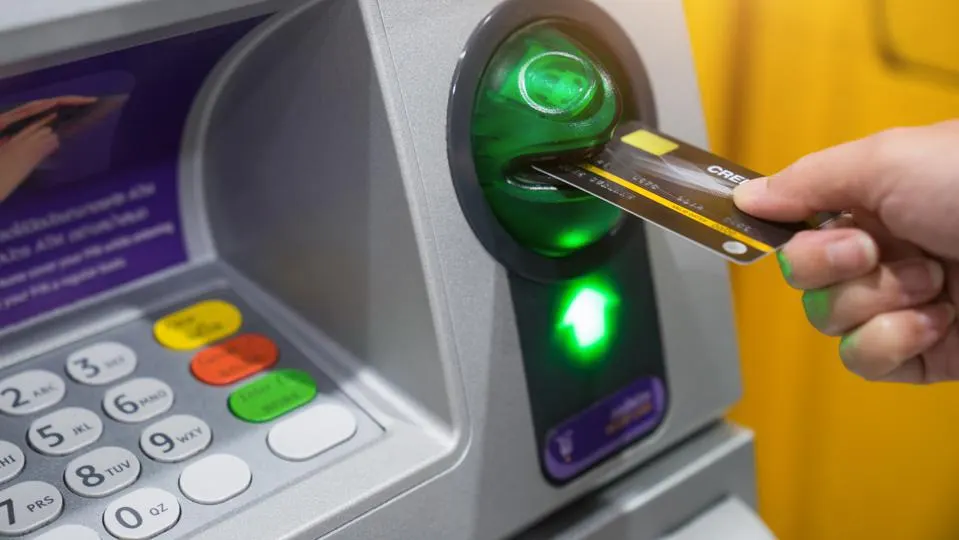
A payment card reader should allow customers to insert and remove their cards without unusual difficulty. If your card suddenly encounters unexpected resistance, it may be a sign that the equipment needs inspection.
A skimming device or other unauthorized modification can sometimes interfere with the original card slot. This may change the way a card enters the reader or how it moves during a transaction.
Pay attention to how the card behaves when you use the terminal. If it feels unusually tight, gets stuck, or requires unexpected pressure, stop the transaction rather than forcing it into the slot.
However, resistance does not always indicate criminal activity. Dust, debris, mechanical problems, damaged cards, and ordinary equipment wear can also cause reading difficulties.
The key is to recognize when something feels different from a normal payment experience. If the reader behaves unusually, avoid repeated attempts to insert your card.
Do not push your card deeper into a slot that appears blocked. Forcing it may damage your payment card or make it difficult to retrieve. More importantly, continuing to use suspicious equipment could expose your financial information.
Consider paying inside the gas station instead. You can also use a different pump with a payment terminal that appears to be functioning normally.
If your card becomes stuck, contact the station attendant immediately. Do not leave the location without confirming that you have recovered your card or contacted your bank if necessary.
Unusual resistance is not definitive proof of a skimmer, but it is a practical reason to stop and investigate through the appropriate station personnel.
6. The Security Seal Appears Broken or Damaged
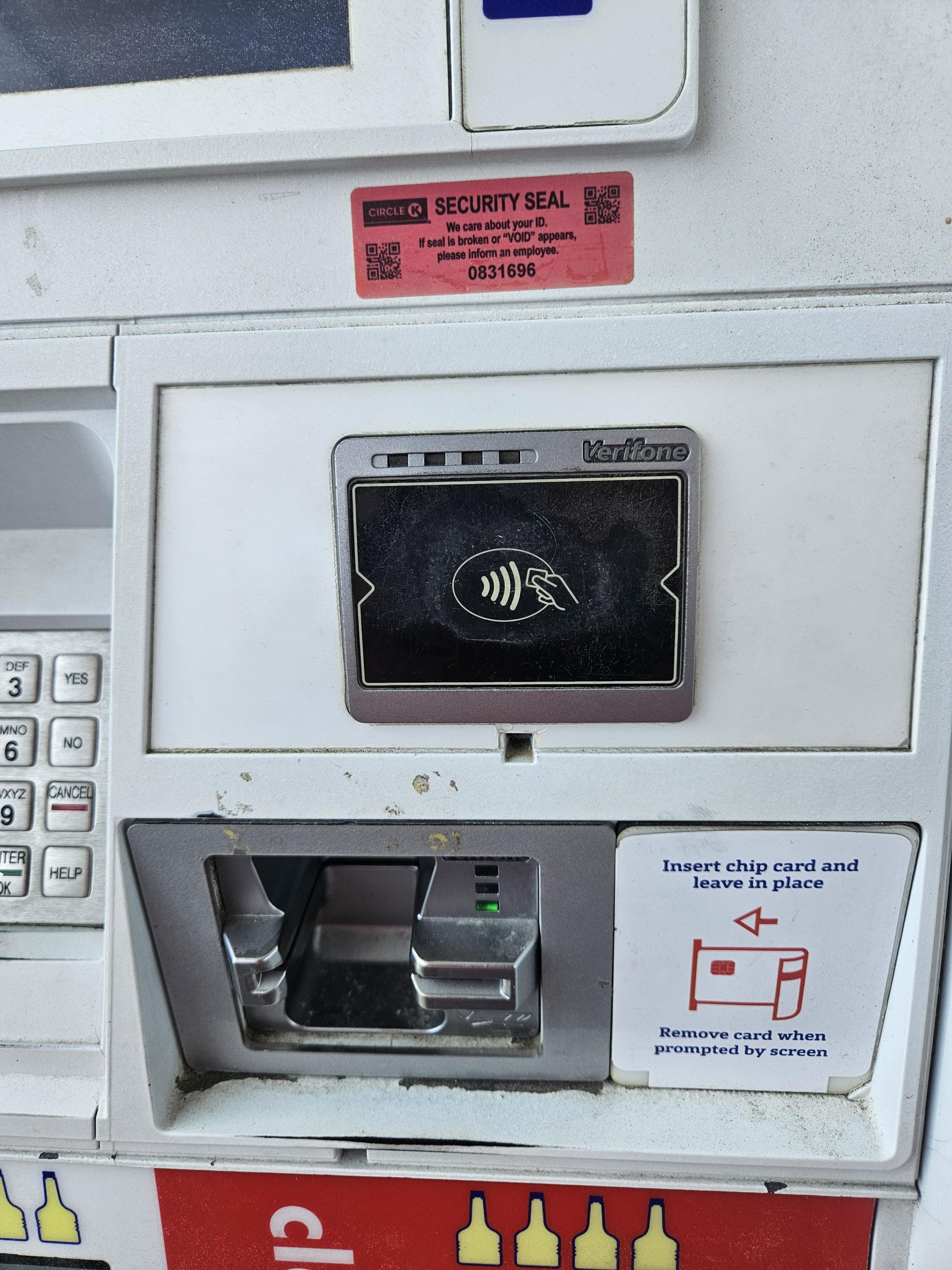
Many gas stations use security seals or tamper-evident labels to help employees identify unauthorized access to payment terminals. These labels are designed to show visible signs when someone opens or interferes with protected equipment.
A damaged security seal can be an important warning sign. If the label is torn, missing, lifted, or visibly disturbed, the payment terminal may have been accessed without authorization.
Before inserting your card, look for a security sticker or seal on the payment terminal. Its placement and appearance may vary depending on the equipment and the station’s security procedures.
A legitimate security label should generally appear intact and properly attached. If it looks damaged or has been replaced with a different label, it is reasonable to question whether the terminal has been inspected.
Some criminals may attempt to access the internal components of a payment terminal to install unauthorized equipment. Tamper-evident labels can help employees identify possible interference.
However, a damaged seal does not automatically confirm that a skimmer has been installed. Routine servicing, accidental damage, and weather exposure can also affect security labels.
Customers should never attempt to repair, replace, or remove these seals. Their condition should be checked by authorized station personnel.
If you notice a broken or suspicious security label, avoid using that pump. Inform the manager and explain what you observed. Providing the pump number can help employees locate the affected terminal quickly.
Gas station employees should inspect payment equipment regularly and replace damaged security labels according to their security procedures. Customers can support these efforts by reporting anything unusual.
7. The Payment Terminal Behaves Unusually
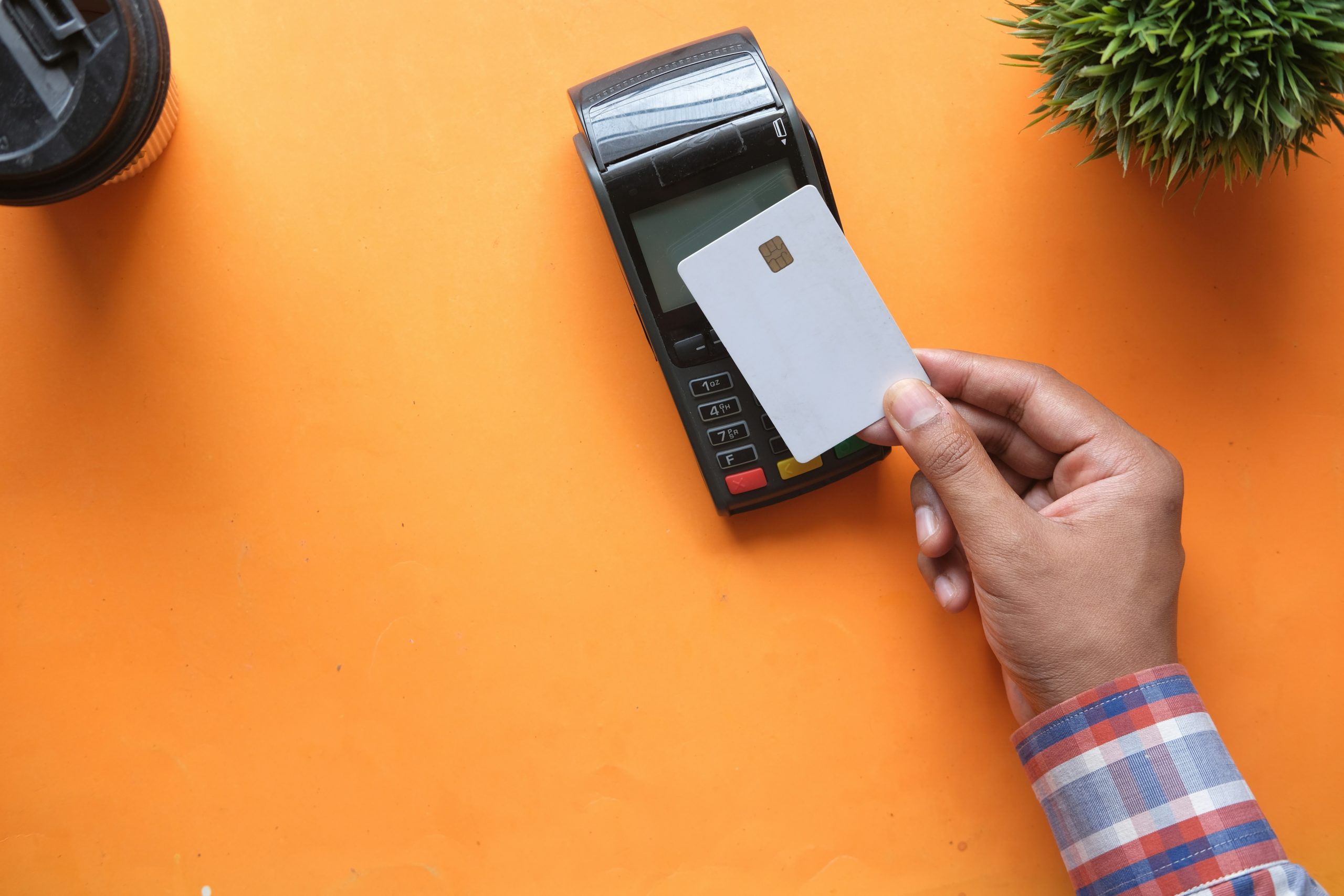
Unusual payment terminal behavior can be another indication that something is wrong. Most modern gas station payment systems follow a predictable process. Customers insert or tap a card, follow the instructions on the screen, and complete the transaction.
If the terminal repeatedly freezes, restarts, displays unexpected messages, or behaves differently from normal, it may need inspection.
A compromised or damaged payment terminal may not function as expected. However, technical problems can also result from poor network connectivity, outdated software, power interruptions, or temporary communication failures.
Pay attention to unexpected prompts during a payment. If the screen requests unusual information that does not appear necessary for a fuel purchase, stop and ask an employee for assistance.
You should also be cautious if the machine appears to process your payment repeatedly or displays an unfamiliar message after you insert your card. Do not keep entering your payment information to make the transaction work.
A legitimate payment terminal should provide clear instructions. If you cannot understand what the screen is asking you to do, it is better to cancel the transaction and seek assistance.
Never provide your card PIN, banking password, or other confidential information to a person who approaches you unexpectedly and claims to be helping with a malfunctioning pump.
If a payment terminal repeatedly fails, use another pump or pay inside. Make sure you check your banking application or transaction history if you suspect an unusual payment has occurred.
Report persistent technical problems to station employees. They can contact the payment service provider or maintenance team to determine whether the equipment requires inspection.
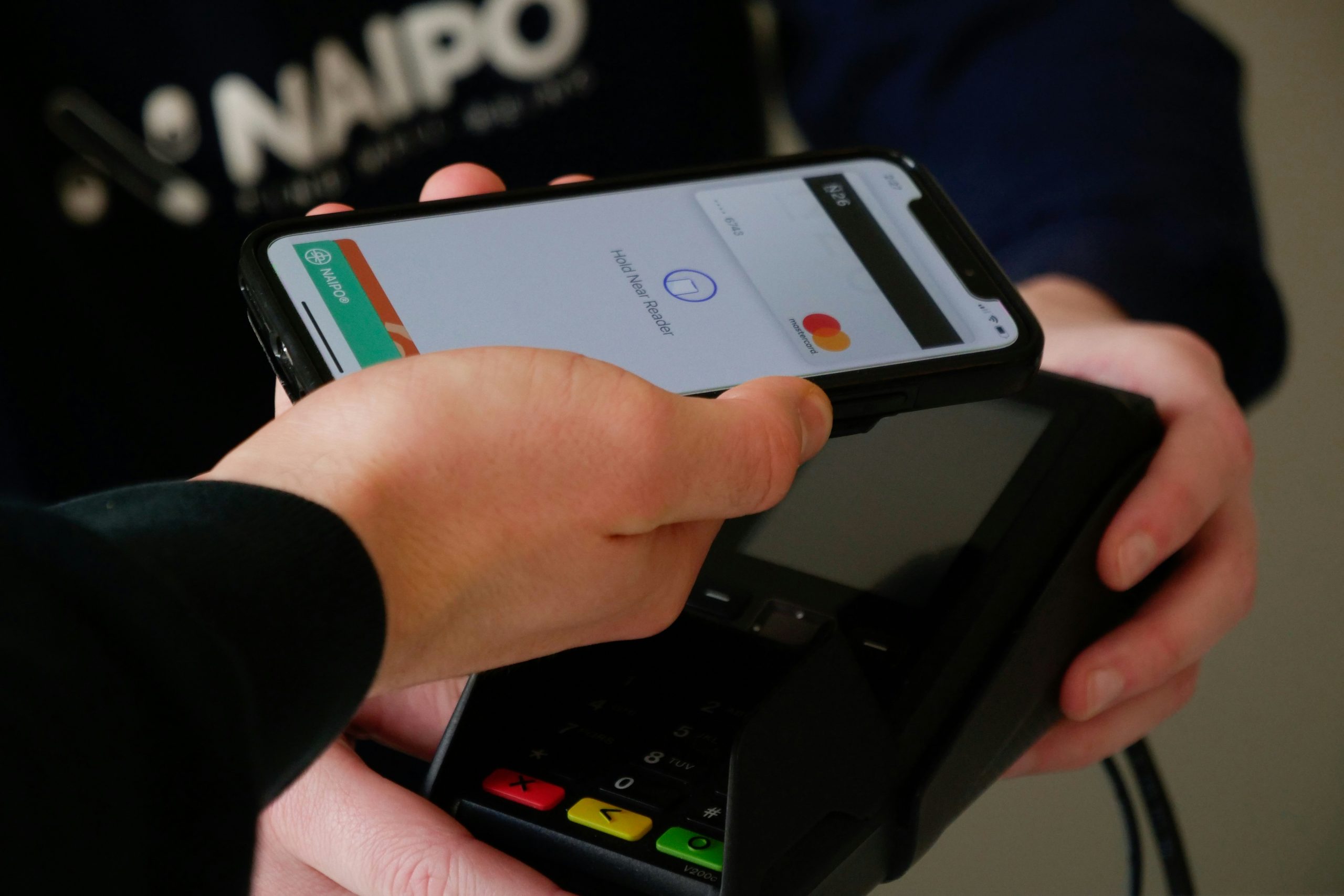
8. There Is Suspicious Activity Around the Pump
The people and activities around a gas pump can sometimes provide useful context when assessing payment security. While most customers and employees are simply carrying out normal activities, certain situations may deserve closer attention.
For example, be cautious if you notice someone repeatedly handling a payment terminal without appearing to perform authorized maintenance. Unexplained access to payment equipment should be reported to station personnel.
Gas station payment terminals contain sensitive financial technology. Access to their internal components is generally restricted to authorized employees and service professionals.
Customers should not attempt to investigate suspicious individuals directly. Confronting someone could create an unnecessary personal safety risk, especially if the situation involves criminal activity.
Instead, inform the station manager about what you observed. Provide the pump number and a description of the activity if you can do so safely.
Another concern is an individual who appears unusually interested in customers entering their PINs or completing card transactions. Someone standing too close may be attempting to observe confidential payment information.
Maintain a reasonable distance from other customers while entering payment details. Use your hand to shield the keypad whenever you enter a PIN.
Remember that suspicious behavior does not automatically mean someone is involved in card skimming. Gas station employees regularly inspect equipment, and customers may occasionally need help with payment problems.
Focus on observable behavior rather than assumptions about a person’s appearance. Report specific concerns through the appropriate channels instead of making accusations.
Staying aware of your surroundings can help protect both your financial information and personal safety while purchasing fuel.

9. Your Bank Reports Unusual Card Transactions
Unexpected bank transactions can be a serious warning that your payment card information may have been compromised. In some situations, customers discover possible card fraud only after using a payment terminal.
Card skimming devices are designed to collect payment information without necessarily interrupting the normal transaction. This means a customer may complete a fuel purchase without realizing that their card details have been exposed.
Watch your bank account and credit card statements for transactions you do not recognize. Pay particular attention to unfamiliar purchases, unexpected withdrawals, and repeated small charges.
Some fraudulent transactions may appear shortly after a compromised card has been used. Others may occur days or weeks later. The timing depends on how the stolen information is used.
If you notice an unauthorized transaction, contact your bank or card issuer immediately. Use the official phone number on your card or the bank’s verified mobile application rather than responding to suspicious messages.
Ask the bank to block or freeze the affected card. Depending on the circumstances, you may need a replacement card and a formal dispute for unauthorized transactions.
If you suspect that your debit card PIN was also exposed, tell your bank. Request guidance on changing the PIN and securing your account.
Review recent transactions carefully and report every payment you do not recognize. Keeping records of suspicious transactions can make it easier to explain the situation during the bank’s investigation.
You should also notify the gas station if you believe a particular pump may have compromised your card information. Provide the date, approximate time, and pump number whenever possible.
Regular account monitoring is an important part of payment security. Even careful customers can encounter compromised equipment, so checking transactions after fuel purchases is a sensible habit.
