
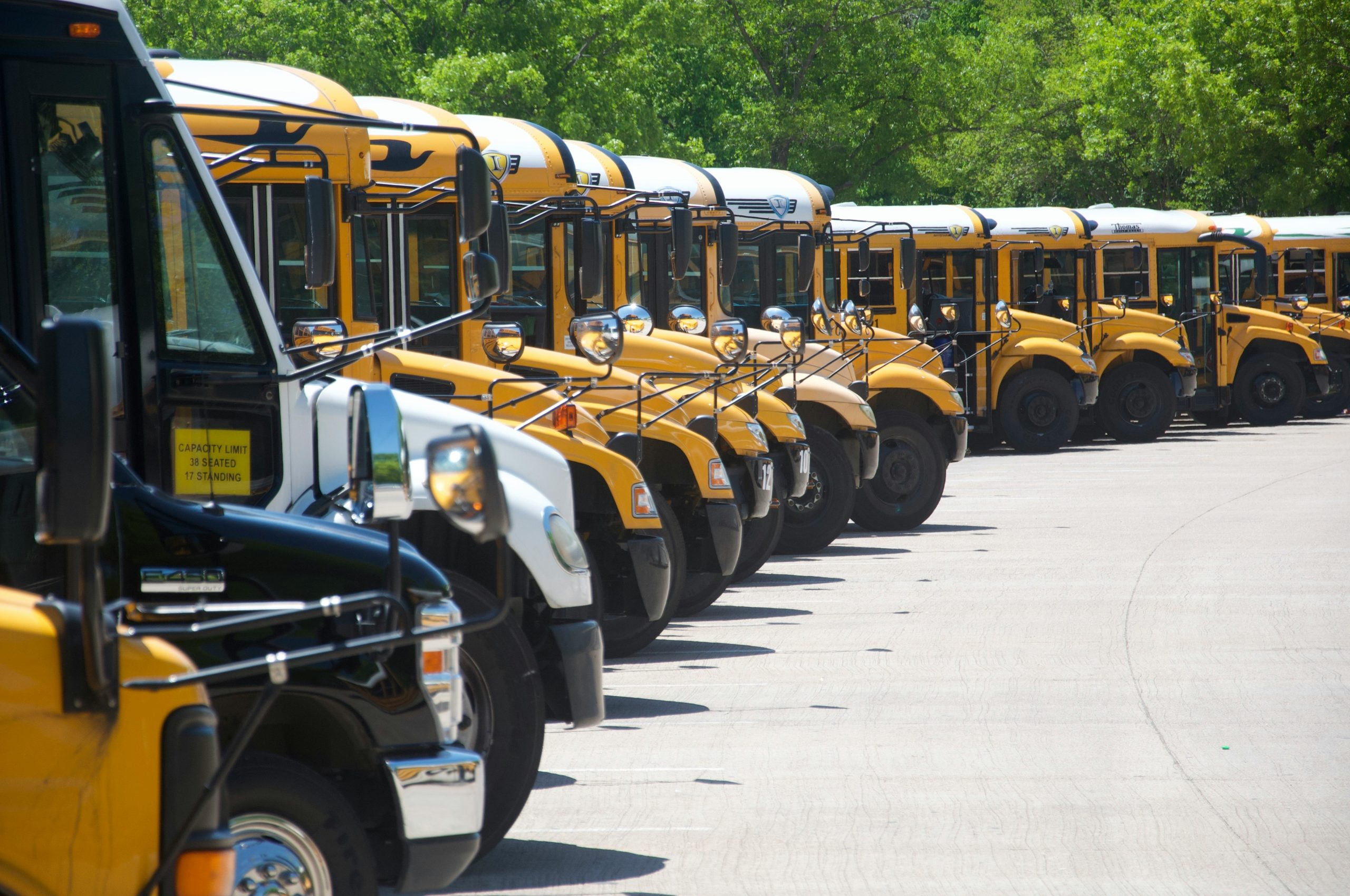
School buses play an essential role in safely transporting children to and from school, yet many motorists misunderstand the traffic laws that apply to them. From stopping for flashing red lights to respecting crossing zones, small driving mistakes can create serious risks for young passengers.
The Governors Highway Safety Association (GHSA) highlights the importance of safe driving practices and strong road safety measures to protect children. Understanding school bus rules is not just a legal responsibility but also a shared duty among all road users.
Knowing these ten commonly misunderstood rules can help drivers avoid violations and prevent dangerous accidents.

1. Failing to Stop for a School Bus With Flashing Red Lights
A school bus flashing red lights indicates that children are boarding or leaving the vehicle. Drivers approaching a stopped school bus must understand that these signals require immediate attention. Ignoring them can put children at serious risk.
Many motorists mistakenly believe they only need to slow down when they see a school bus stopped near a school or residential area. This is incorrect. Flashing red lights generally require approaching traffic to stop according to applicable state laws.
When a school bus activates its red warning lights and extends its stop arm, drivers must stop before reaching the bus. They should remain stationary until the lights stop flashing, the stop arm is withdrawn, and it is safe to proceed.
Passing a stopped school bus is a serious traffic violation in many states. Penalties can include substantial fines, points on a driver’s license, and other legal consequences. Repeat violations may result in stricter penalties.
Some drivers assume that stopping is unnecessary when they do not see children nearby. However, children may be approaching the bus from behind parked vehicles, sidewalks, driveways, or other areas that are difficult to observe.
The GHSA emphasizes the importance of preventing crashes involving vulnerable road users. School bus safety depends on motorists understanding that children can enter the roadway unexpectedly while approaching or leaving their bus.
Drivers should develop the habit of looking for school buses, warning lights, and stop arms, particularly during morning and afternoon school transportation hours. A few seconds of patience can prevent a life-changing accident.
2. Assuming All Roads Have the Same School Bus Stopping Rules
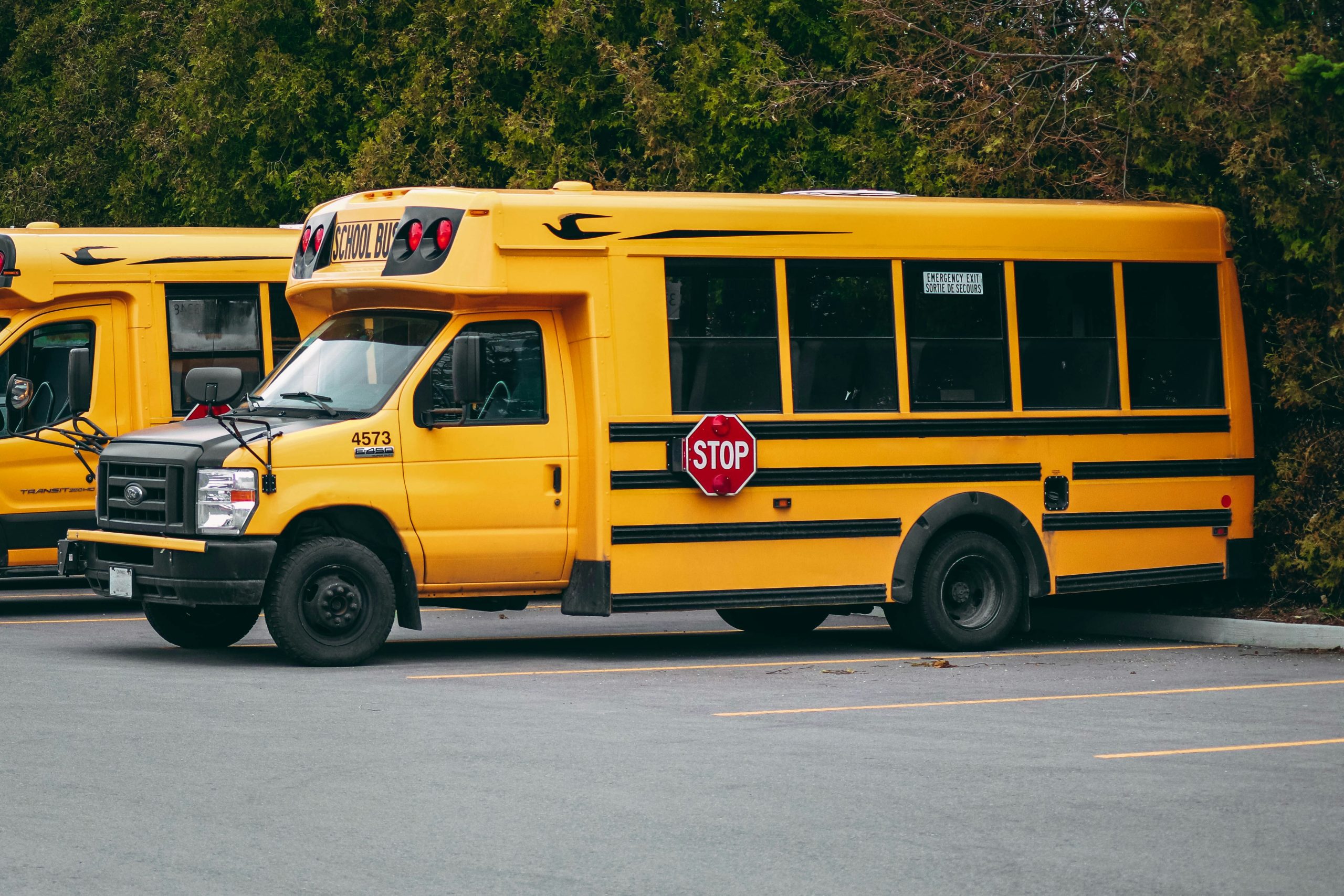
School bus stopping laws are not identical throughout the United States. Many motorists believe that the same stopping requirements apply to every road, but state laws can differ based on road design and traffic direction.
On a conventional two-lane road, traffic approaching a stopped school bus from either direction is generally required to stop when its red warning lights are activated. This allows children to cross safely when necessary.
Divided highways create a different situation in some states. Depending on the road’s physical separation and local traffic laws, vehicles traveling in the opposite direction may not be required to stop.
A painted center line does not necessarily count as a physical divider. Raised medians, barriers, and other permanent roadway structures may affect the legal stopping requirement.
Drivers should never assume that a wide road automatically allows them to pass a stopped school bus. The actual requirements depend on state law and the type of roadway.
Some motorists become confused when they encounter a school bus on a multilane road. They may see other vehicles continuing to move and assume passing is permitted. Following other drivers without understanding the law can lead to serious violations.
Before driving regularly in a new state, motorists should review its school bus stopping requirements. This is particularly important for people who commute across state borders or frequently travel through unfamiliar communities.
Knowing the difference between divided and undivided roads helps drivers make safer decisions. When the stopping requirement is unclear, motorists should exercise caution and avoid passing until they can confirm it is legal and safe.
3. Ignoring the School Bus Stop Arm
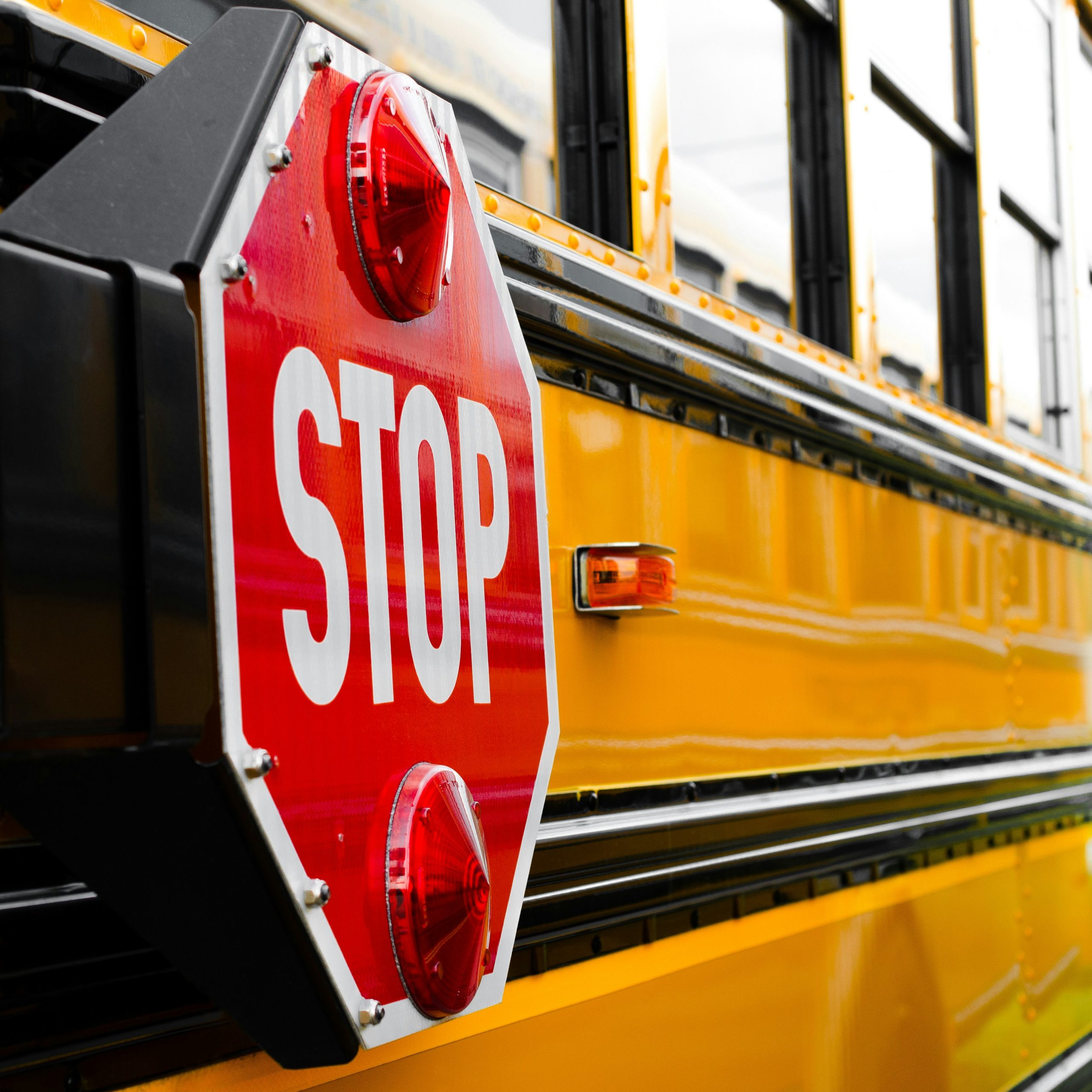
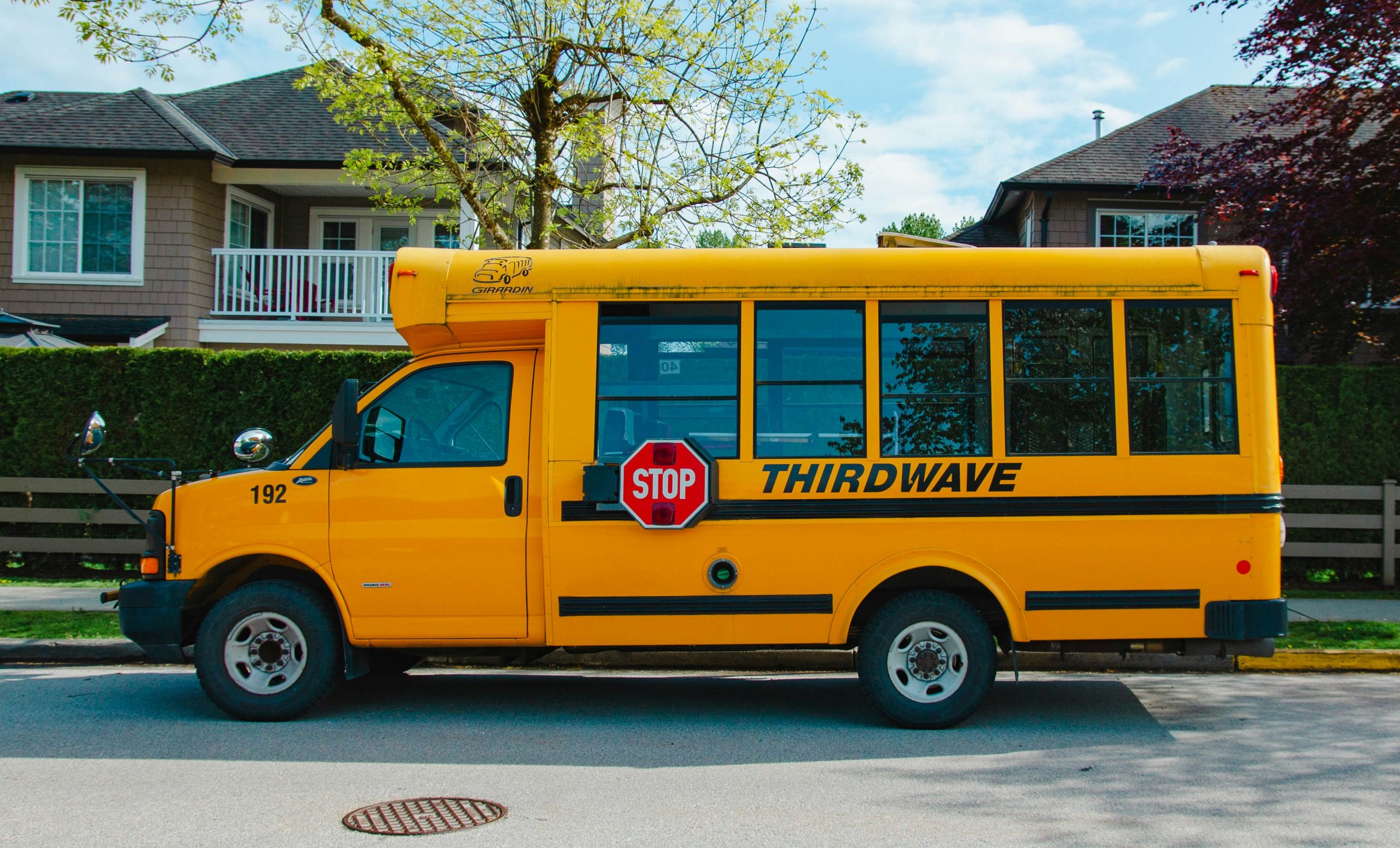
The school bus stop arm is a critical safety feature designed to warn nearby motorists that children may be entering or leaving the bus. Some drivers pay attention to flashing lights but overlook the importance of this extended signal.
The stop arm usually extends from the driver’s side of the bus when children are boarding or exiting. It provides an additional warning that motorists must take seriously.
A common mistake is believing that the stop arm is simply a visual reminder rather than a legally significant warning. In many jurisdictions, passing a bus with an extended stop arm violates traffic laws.
Drivers should watch for both the flashing red lights and the stop arm. These signals work together to make the bus more visible and communicate that children may be crossing nearby.
Modern school buses may also have cameras that record vehicles illegally passing the bus. These systems can provide evidence for traffic enforcement, depending on state laws and local procedures.
Motorists sometimes attempt to pass immediately after seeing the stop arm begin to retract. This can be dangerous because children may still be crossing the road or moving toward the sidewalk.
The safest approach is to wait until the bus has completed its stop, the warning signals have ended, and the roadway is clear. Drivers should never use a changing signal as an excuse to rush past.
Respecting the stop arm protects children who may be difficult to see from a moving vehicle. It also reinforces the importance of following school transportation safety procedures.
4. Passing a School Bus Because It Appears to Be Taking Too Long
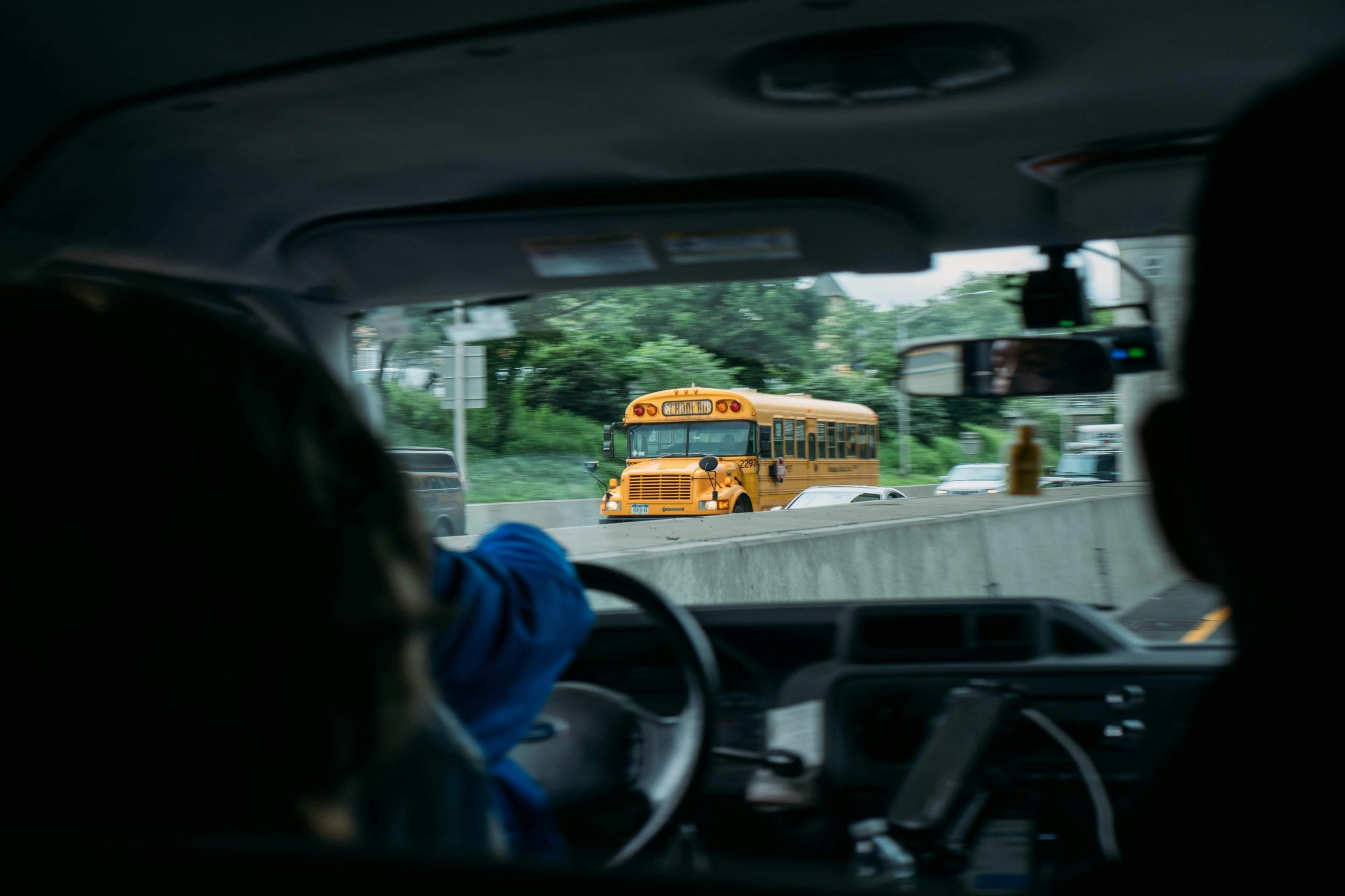
Traffic delays can frustrate motorists, particularly during busy morning and afternoon commutes. Some drivers become impatient when a school bus remains stopped for several seconds. However, waiting is part of responsible driving.
School buses may need additional time because several children are boarding or leaving at different stops. Younger students may require assistance, and some passengers may need extra time to reach the sidewalk safely.
A motorist who passes a stopped bus simply to save time may create a dangerous situation. Children can emerge from the front or rear of the vehicle and enter the road unexpectedly.
Drivers must remember that school buses operate according to designated routes and schedules. Their stops are planned to provide children with access to transportation while reducing exposure to traffic hazards.
Passing a stopped bus is not justified by a busy schedule, an important appointment, or a long line of vehicles behind the driver. Traffic laws apply regardless of personal inconvenience.
Another common misconception is that drivers can pass if the bus has been stopped for an extended period. The length of the stop does not automatically change the legal requirement.
Motorists should maintain a safe distance and remain patient whenever a school bus stops. They should avoid aggressive acceleration, sudden lane changes, or attempts to squeeze around the vehicle.
A few minutes of delay are insignificant compared with the potential consequences of striking a child. Responsible drivers understand that school transportation safety must take priority over saving travel time.
5. Driving Too Fast Near School Buses and School Zones
Speeding near school buses is a serious safety concern. Children may move unpredictably, particularly when they are excited, distracted, or unfamiliar with traffic conditions.
Many drivers reduce their speed only when they see a school zone sign. However, school bus stops can also be located in residential neighborhoods, rural roads, and other areas without clearly marked school zones.
Speed limits in school zones may be lower during designated hours or when children are present. Drivers must observe posted signs and follow the applicable local requirements.
A common mistake is assuming that driving slightly above the posted speed limit is harmless. Even a small increase in speed can affect stopping distance and the severity of a collision.
Motorists should maintain additional caution when approaching a school bus, especially during pickup and drop-off periods. Children may be waiting near the roadside or approaching the vehicle from areas outside the driver’s direct line of sight.
Wet pavement, poor lighting, fog, and heavy traffic can make stopping more difficult. Reducing speed provides additional time to recognize hazards and respond safely.
Drivers should also avoid sudden acceleration when a school bus begins moving again. Children may still be near the vehicle, and the driver should make sure the roadway is clear before proceeding.
Safe speeds give motorists more control and improve their ability to respond to unexpected movements. Following school zone limits and adjusting speed to road conditions are essential parts of responsible driving.

6. Assuming Children Will Always Cross in Front of the Bus
Many school bus safety procedures teach children to cross in front of the bus rather than behind it. However, motorists should never assume that every child will follow this instruction perfectly.
Children may become distracted, forget safety directions, or move toward a friend or family member standing across the road. Their behavior can be unpredictable, especially in crowded pickup areas.
A child who drops a backpack or personal item may suddenly move away from the designated crossing area. Drivers who are focused only on the bus may fail to notice this movement.
The front of a school bus also contains blind spots. A child standing close to the vehicle may not be visible to the bus driver or nearby motorists.
Drivers should avoid moving immediately when the bus begins to pull away. They should first check the surrounding roadway for children who may still be crossing or standing near the vehicle.
Motorists should never attempt to drive around a school bus while children are boarding or exiting. The bus driver’s view and the driver’s own visibility may both be limited.
Parents can support safer behavior by teaching children to use designated crossing areas, wait for the driver’s signal when required, and avoid running near moving vehicles.
The most important lesson is that drivers must anticipate mistakes rather than expect children to behave perfectly. Defensive driving means allowing enough time and space to respond to unexpected movements.
7. Misunderstanding Yellow Flashing School Bus Lights
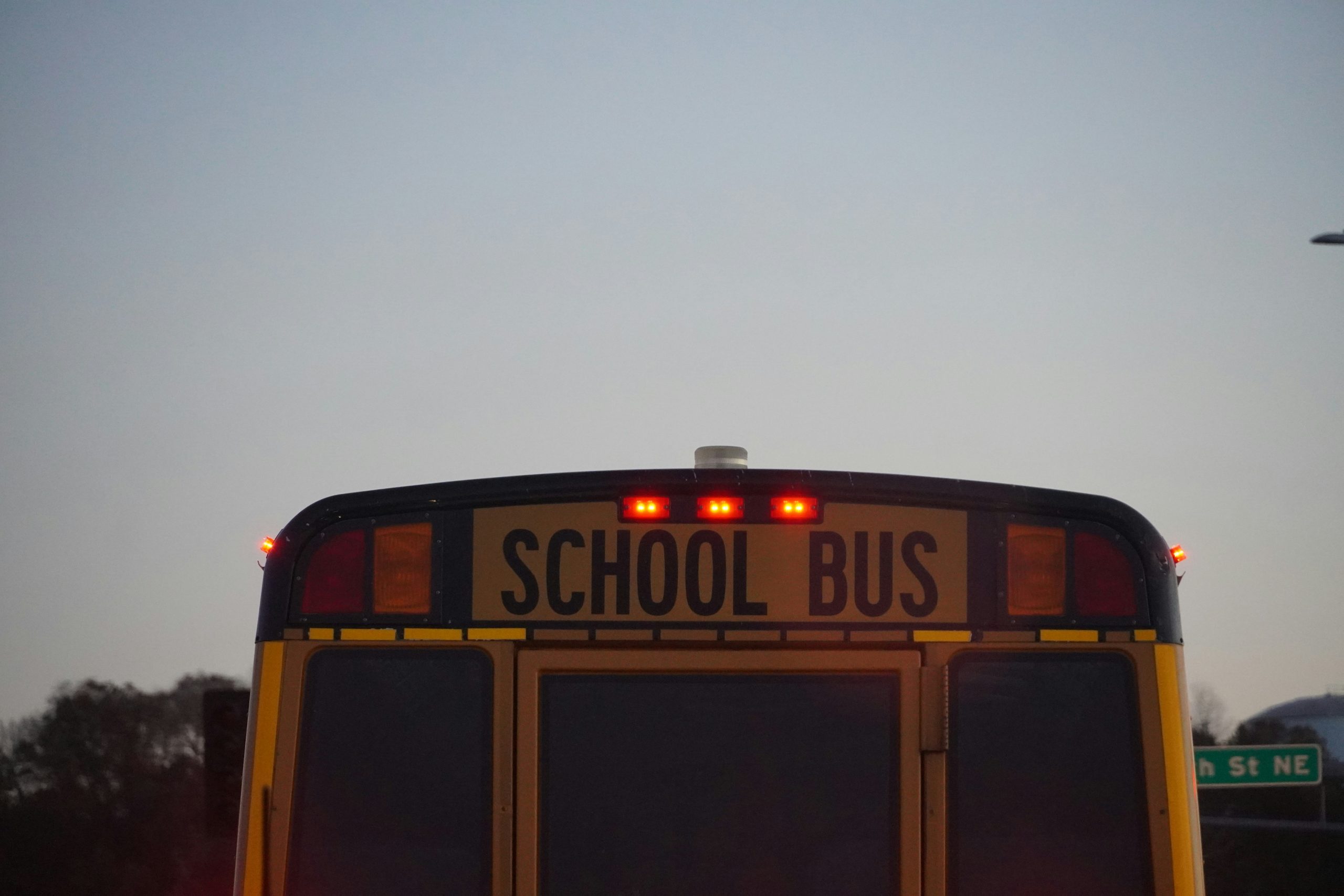
Yellow or amber flashing lights on a school bus serve as an advance warning that the vehicle is preparing to stop. Many drivers misunderstand these signals and react too late.
When amber warning lights activate, motorists should prepare to slow down and stop. The bus may be approaching a designated pickup or drop-off location.
Some drivers mistakenly believe that yellow lights mean they should accelerate to pass the bus before it stops. This reaction can create unnecessary danger, particularly when children are waiting nearby.
The correct response is to reduce speed, remain alert, and prepare for the possibility that the bus will activate its red lights and extend its stop arm.
Drivers should avoid making sudden lane changes when amber lights appear. A hurried maneuver can create a collision risk for vehicles traveling alongside or behind them.
It is also important to understand that amber lights do not provide permission to pass in every situation. Motorists must consider the bus’s movement, surrounding traffic, and applicable traffic laws.
Once the red warning lights begin flashing, drivers must follow the relevant school bus stopping requirements. They should not attempt to continue through the area simply because they were already approaching the bus.
Recognizing the difference between amber and red signals helps motorists respond appropriately. Paying attention to early warnings gives drivers more time to slow down and protect children.
8. Following a School Bus Too Closely
Tailgating a school bus is a dangerous driving habit that many motorists underestimate. Large vehicles have different braking and visibility characteristics, and following too closely reduces the time available to respond to sudden changes.
School buses make frequent stops throughout their routes. A driver traveling too close may not have enough room to stop safely when the bus activates its warning lights or brakes unexpectedly.
Large buses also create substantial visual obstructions. Motorists following directly behind them may have difficulty seeing traffic signals, intersections, pedestrians, and road conditions ahead.
Drivers should maintain an appropriate following distance based on speed, weather, road conditions, and vehicle characteristics. Additional space is particularly important during rain, snow, or reduced visibility.
Some motorists follow buses closely because they want to reach their destination faster. This behavior increases the possibility of rear-end collisions and reduces their ability to react to sudden stops.
Following a school bus too closely can also interfere with the bus driver’s ability to observe surrounding traffic. Maintaining sufficient distance allows both vehicles to operate more safely.
Motorists should avoid attempting to overtake a school bus simply because it is traveling below the speed limit. They should wait until passing is legal, safe, and permitted by the bus’s warning signals.
A safe following distance provides valuable reaction time. It also gives drivers a clearer view of the roadway and helps prevent avoidable traffic incidents.
9. Ignoring School Bus Laws in Parking Lots and Private Areas
Some motorists believe school bus traffic laws only apply to public roads. This misunderstanding can create dangerous situations around school campuses, private driveways, parking facilities, and residential communities.
School buses regularly operate in areas where children are walking between buildings, waiting for transportation, or being picked up by parents. These locations require careful driving even when ordinary road conditions are different.
A driver entering a school parking lot should watch for buses maneuvering through designated loading areas. Children may walk between parked vehicles, making them difficult to see.
Parking lots often have limited visibility, narrow driving lanes, and frequent pedestrian movement. Motorists should reduce speed and follow posted signs and directions from school staff.
The exact legal application of school bus stopping laws in private areas depends on state law and the location. Drivers should not assume that private property automatically removes their safety responsibilities.
Parents sometimes make unsafe decisions when dropping off or collecting children. Stopping in unauthorized areas, driving around buses, or ignoring traffic instructions can expose children to moving vehicles.
Motorists should use designated pickup and drop-off locations whenever possible. They should also avoid blocking bus loading zones, sidewalks, and pedestrian crossing areas.
Safe driving behavior must continue beyond public streets. Respecting school transportation procedures in parking lots and private communities helps create a safer environment for students and school staff.
10. Failing to Check State Laws and School Bus Safety Requirements
A frequent mistake among motorists is assuming they already know every school bus traffic rule. Traffic laws can change, and requirements vary between states, making it important to stay informed.
The Governors Highway Safety Association provides information about traffic safety policies and state-level highway safety practices. Its resources can help motorists understand broader transportation safety concerns and identify relevant state authorities.
Drivers who move to a new state should review local school bus laws rather than rely entirely on the rules they followed previously. Differences in divided highway requirements can be particularly important.
Some states have introduced stop-arm camera programs to help identify vehicles that illegally pass school buses. However, program availability, enforcement procedures, and penalties vary by jurisdiction.
Motorists should also understand the meaning of different school bus warning systems. Knowing when amber lights activate, when red lights require stopping, and how stop arms operate can prevent confusion.
Drivers should check their state’s Department of Motor Vehicles, Department of Transportation, or highway safety agency for official information. These agencies provide details about traffic regulations and applicable penalties.
Parents and caregivers can also help by teaching children basic school bus safety habits. Children should know where to wait, how to approach the bus, and how to cross roads safely.
Staying informed is a continuing responsibility. Reviewing current traffic regulations and practicing defensive driving can help motorists avoid violations while protecting students who depend on school transportation.
