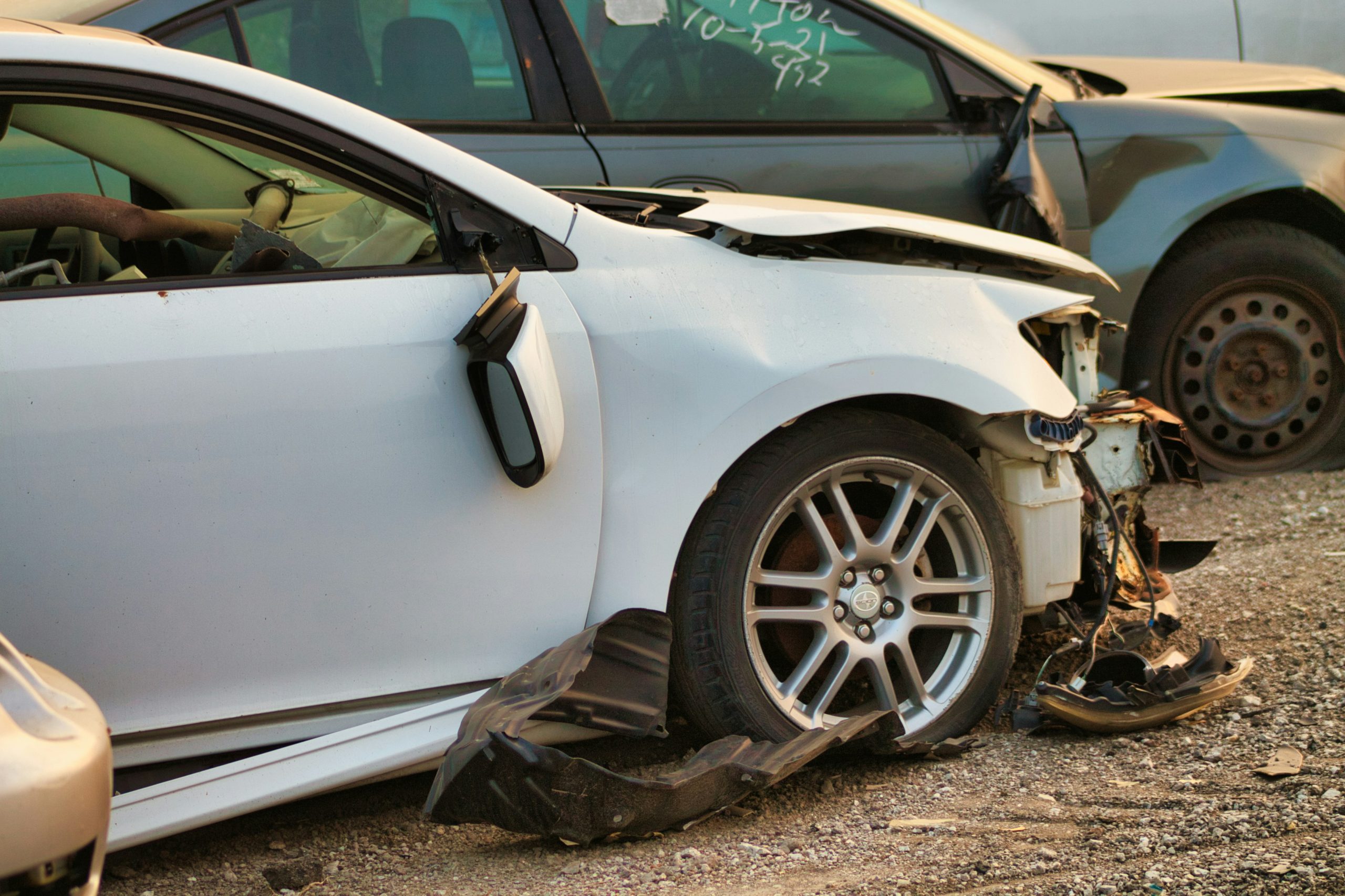
Car insurance provides financial protection when unexpected damage, accidents, or vehicle-related losses occur. However, filing a claim every time your car suffers damage may not always be the smartest financial decision.
Some claims can increase future premiums, affect your No Claim Bonus, or cost more in the long run than paying for repairs yourself.
Understanding when to use your insurance and when to handle expenses independently can help you make better financial decisions. Before submitting a claim, consider the repair cost, policy deductible, coverage limits, and potential impact on your future insurance benefits.
1. When the Repair Cost Is Lower Than Your Deductible
A deductible is the amount you must pay from your own pocket before your insurance company contributes towards an approved claim. If the repair cost is lower than your deductible, filing a claim will not provide any financial benefit. You will still need to cover the entire repair expense.
Many car owners assume that insurance should cover every repair expense. However, insurance policies are designed primarily to protect against significant financial losses rather than every small maintenance or repair requirement. Understanding this distinction can prevent unnecessary paperwork and frustration.
Before contacting your insurance provider, check the deductible mentioned in your policy documents. Different policies may have different deductible requirements based on the coverage selected, vehicle type, and applicable insurance regulations.
You should also consider whether your policy includes compulsory and voluntary deductibles. A compulsory deductible is determined by the insurer or applicable regulations, while a voluntary deductible is an additional amount you agree to pay in exchange for a potentially lower premium.
When the total repair expense falls below the combined deductible amount, paying for the work independently is generally more practical. It allows you to avoid a claim that provides no meaningful financial assistance.
However, do not ignore damage simply because it appears inexpensive to repair. Ask a qualified mechanic to inspect the affected area and confirm that there are no hidden problems that could increase repair expenses later.
Paying for minor repairs yourself can help preserve your insurance benefits for situations involving significant damage, expensive replacement parts, or unexpected accidents. Always compare the actual repair estimate with your deductible before making a decision.
2. When the Damage Is Very Minor
Small dents, scratches, broken mirror covers, and minor paint damage are common problems for vehicle owners. These issues can happen while parking, driving through narrow streets, or navigating crowded areas. In many situations, paying for minor repairs yourself may be more sensible than filing an insurance claim.
A small scratch on a car door may require only polishing or a minor paint correction. If the repair cost is relatively low, using your insurance coverage could create unnecessary complications without providing substantial financial relief.
Insurance companies generally maintain records of claims made under a policy. Depending on the insurer, policy terms, and local regulations, previous claims may influence future premium calculations or renewal conditions.
Frequent claims for inexpensive repairs can also affect your eligibility for certain insurance benefits. For example, you may lose an accumulated No Claim Bonus if you make a claim during the relevant policy period under a policy where that benefit applies.
Before filing a claim, obtain a repair estimate from a reliable workshop. A professional assessment helps determine whether the damage is limited to the exterior or involves important components beneath the visible surface.
It is also important to distinguish cosmetic damage from structural damage. A dent might appear harmless, but it could affect a door mechanism, bumper mounting, sensor, or other vehicle component. Such problems deserve proper inspection.
If the mechanic confirms that the damage is purely cosmetic and inexpensive to fix, paying independently may be a reasonable option. You can complete the repair without starting a formal insurance claim process.
However, never assume that all visible damage is minor. If the vehicle has suffered a significant impact, arrange an inspection before deciding against a claim. Safety-related damage should receive immediate attention, regardless of the repair estimate.
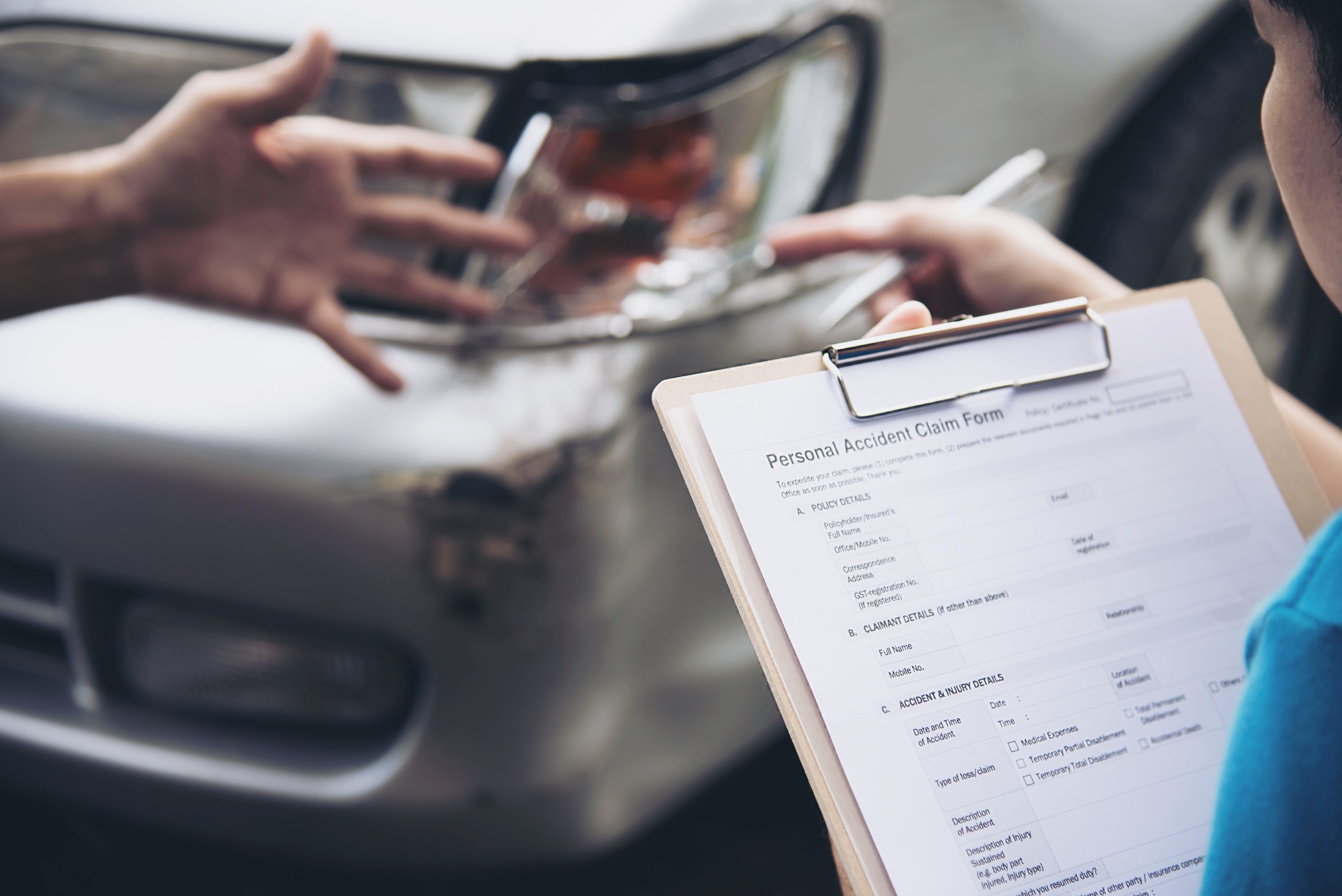
3. When Filing a Claim Could Affect Your No Claim Bonus
A No Claim Bonus, commonly called NCB, is a benefit offered under eligible motor insurance policies for claim-free periods. In India, it generally applies to the own-damage component of comprehensive or standalone own-damage insurance, subject to policy conditions.
The bonus can reduce the premium payable for the own-damage portion when you renew your policy. The applicable discount increases with qualifying claim-free years, according to the insurer’s rules and relevant regulations.
When you make an eligible claim, your accumulated NCB may be reduced or lost at renewal. This can make your next insurance premium higher than expected, even if the original repair expense was relatively small.
The financial impact depends on your existing NCB percentage, current premium, deductible, claim amount, and policy conditions. Therefore, it is important to calculate the possible loss before submitting a claim.
Some policies offer an NCB protection add-on. This feature may help preserve your accumulated bonus after a limited number of eligible claims, depending on the terms and restrictions. It does not automatically mean every claim is financially worthwhile.
Check whether your policy includes NCB protection and understand its conditions. Some insurers restrict the number of permitted claims, while others impose additional requirements before the benefit becomes available.
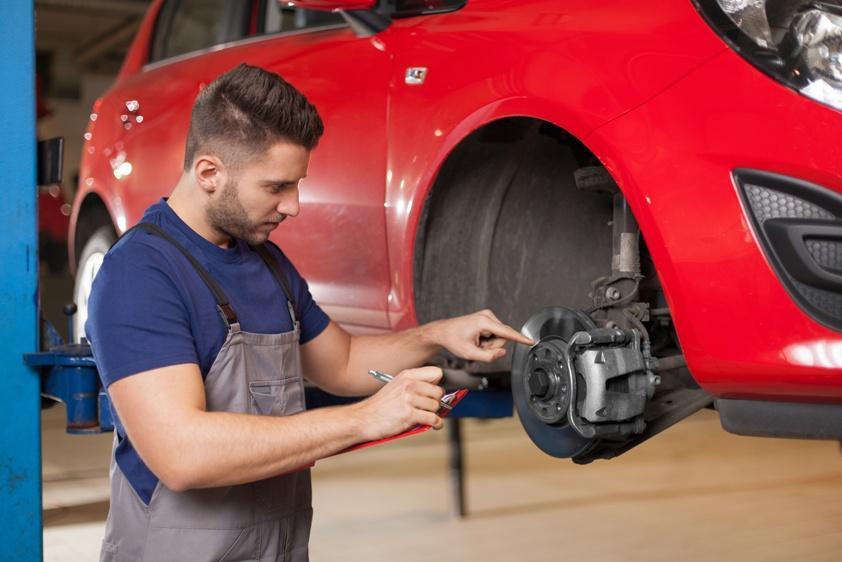
4. When You Can Afford to Pay for Repairs Yourself
Car insurance is designed to provide financial protection against unexpected expenses. However, using it for every repair is not always necessary, particularly when you have sufficient savings to manage minor vehicle-related costs.
If your car suffers a small dent, a damaged indicator cover, or limited paint damage, paying for the repair independently may be a practical choice. This approach can help you avoid unnecessary claims and preserve available policy benefits.
Before deciding, review your monthly budget and emergency savings. If the repair expense can be managed comfortably without affecting essential financial commitments, paying out of pocket may make sense.
You should also consider the long-term financial consequences of filing a claim. A claim can affect your NCB and may influence renewal costs, depending on the policy and insurer’s underwriting practices.
However, having enough savings does not mean you should avoid insurance for every accident. Major collisions, expensive mechanical damage resulting from covered accidental events, and substantial vehicle losses can create financial pressure that insurance is intended to reduce.
The purpose of car insurance is to protect your financial position against losses that would be difficult to manage independently. Using personal savings for small repairs can help reserve insurance coverage for more serious incidents.
It is also useful to maintain a separate vehicle maintenance fund. Regular contributions can help cover minor repairs, replacement accessories, routine servicing, and other expenses that may not qualify for insurance coverage.
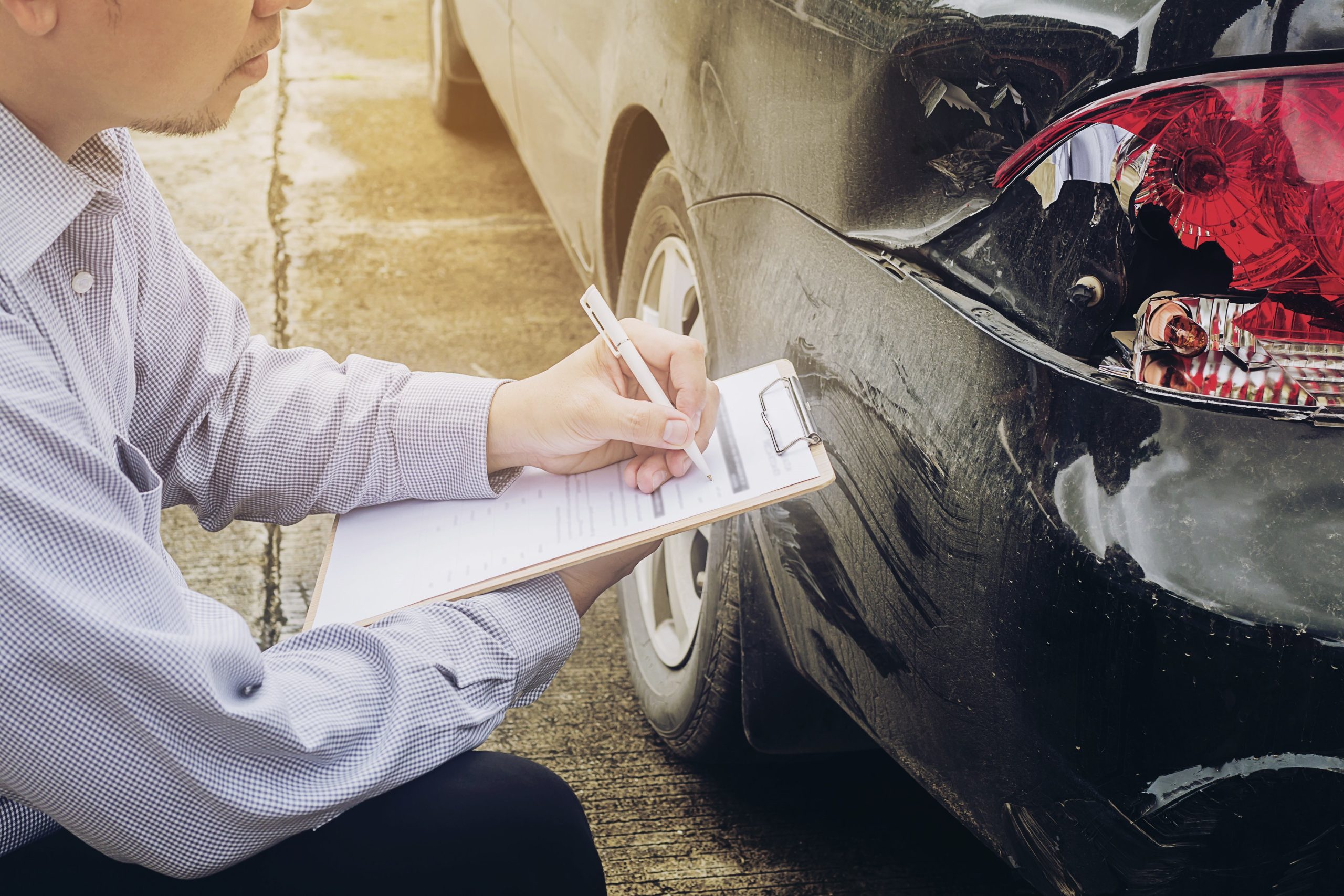
5. When the Accident Was Caused by Your Own Negligence and the Damage Is Small
Accidents can happen because of misjudgment, careless parking, or simple driving mistakes. A vehicle owner may accidentally hit a wall, scrape a pillar, or damage a bumper while reversing. When the resulting damage is minor, filing a claim may not always be financially beneficial.
Comprehensive car insurance generally covers certain accidental damage to the insured vehicle, subject to exclusions, deductibles, and policy conditions. However, having coverage does not automatically mean making a claim is the most economical option.
Suppose you accidentally scrape your car against a parking wall. The damage is limited to a small section of the bumper, and a local workshop provides an affordable repair estimate. Paying for the repair yourself may be more practical than using your insurance.
The situation becomes different when the accident causes significant damage. A collision involving the vehicle’s frame, suspension, headlights, or safety systems can result in substantial repair expenses. In such cases, an eligible insurance claim may provide valuable financial assistance.
You should also consider whether the accident involved another vehicle, pedestrian, or property. Third-party injury and property damage can create legal and financial responsibilities that require immediate attention.
Never leave an accident unreported when reporting is required by law or your policy. Even if you decide to pay for your own vehicle’s minor repairs, you must fulfil applicable reporting, documentation, and legal obligations.

6. When the Damage Is Not Covered by Your Insurance Policy
Not every type of vehicle damage qualifies for insurance compensation. Car insurance policies contain specific coverage provisions, exclusions, conditions, and limitations that determine which expenses an insurer will pay.
For example, a standard own-damage policy generally does not cover routine wear and tear. Parts that deteriorate through regular use, including certain tyres, brake components, and other consumables, are normally treated as maintenance expenses unless a specific covered event or add-on applies.
Similarly, mechanical or electrical breakdowns are not automatically covered under standard motor insurance. If your engine stops working because of an internal mechanical failure, your insurer may reject the claim unless an applicable policy extension provides coverage.
Damage caused by regular ageing, poor maintenance, or gradual deterioration is also commonly excluded. Insurance is intended to cover specified unexpected events rather than ordinary vehicle ownership expenses.
Some policies offer additional protection through optional add-ons. These may include engine protection, zero depreciation, consumables cover, or roadside assistance. The exact coverage depends on the selected product and its conditions.
Before filing a claim, read the exclusions section of your policy document. Understanding these details can help you avoid spending time on a claim that has little chance of approval.
If the damage is clearly outside your coverage, paying for the necessary repair independently may be more practical. You should also request clarification from your insurer if the coverage situation is uncertain.
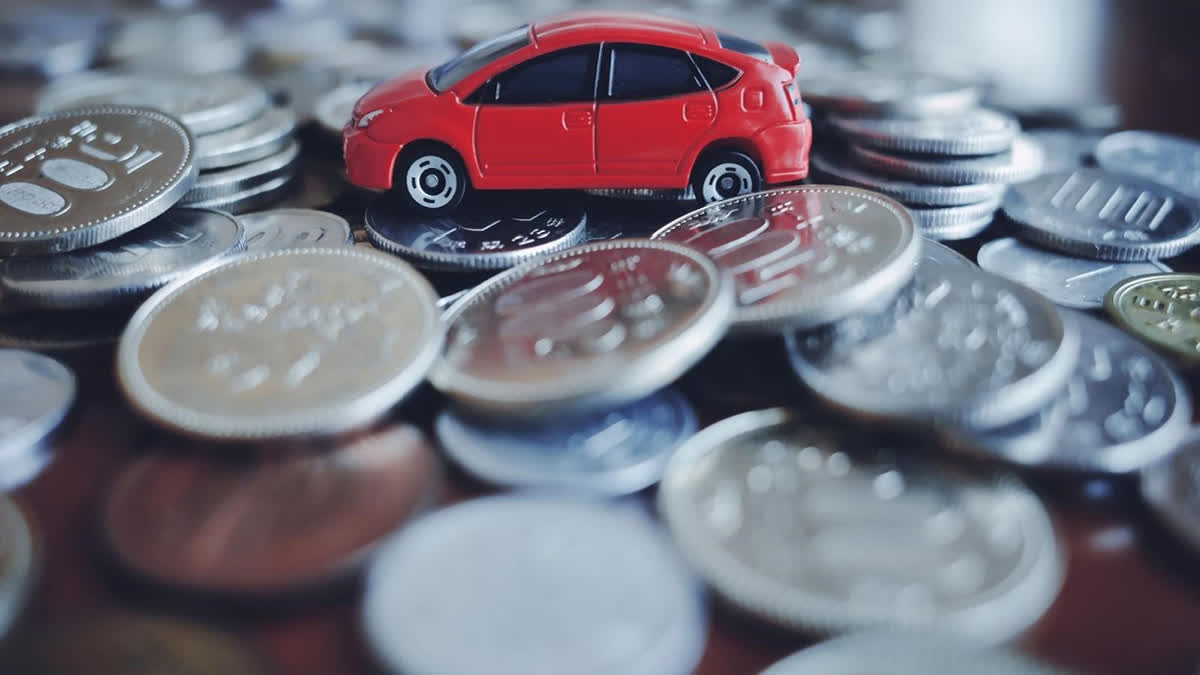
7. When the Claim Amount Is Too Small Compared to Future Premium Costs
The amount an insurance company pays is not the only factor you should consider before filing a claim. The potential effect on future insurance premiums can also influence whether making a claim is financially worthwhile.
Some insurers consider claims history when calculating renewal premiums or assessing risk. The extent of this impact depends on the insurance product, local regulations, underwriting rules, and individual policy conditions.
If making the claim also results in the loss of your accumulated NCB, the financial benefit could become even smaller. Paying for the repair independently might save more money over the next renewal period.
However, premium increases are not automatic in every case. Some insurers may apply different renewal pricing methods, and a single claim does not guarantee that your premium will increase by a particular amount.
You should request information about how the claim could affect your renewal benefits. Your insurer or insurance agent may help explain the potential financial consequences under your current policy.
It is also worth comparing the claim amount with your annual insurance premium. A relatively small payout may not justify losing a substantial renewal discount or paying additional expenses in the future.
Keep in mind that the calculation should include all relevant factors. These include the deductible, NCB reduction, expected renewal costs, applicable add-ons, and the final approved claim amount.
8. When You Have Already Used Your Available Claim Benefits
Some motor insurance policies include additional benefits through optional add-ons or special coverage arrangements. These features may provide extra financial protection, but they often come with specific limits and conditions.
For example, an NCB protection add-on may permit a limited number of claims without affecting the accumulated bonus. However, the permitted claim frequency and eligibility conditions vary between insurers.
Similarly, certain policies include roadside assistance or other supplementary services with defined usage restrictions. If you have already exhausted a particular benefit, additional expenses may not qualify under the same provision.
Before submitting a fresh claim, review your policy history and check which benefits remain available. This helps you understand the actual financial assistance you can receive.
You should also distinguish between an insurance claim and a service request. Using roadside assistance for towing or a flat tyre may not be treated in the same way as making an own-damage insurance claim, depending on the product.
If your policy has already reached the applicable limit for a specific benefit, filing another request may result in rejection or additional out-of-pocket expenses.
In such circumstances, paying for a minor repair independently may be more convenient than starting a process that cannot provide the expected coverage.
However, never assume that all benefits have been exhausted simply because you have made previous claims. Different coverage sections may operate independently, and you may still have valid protection for other insured events.

9. When the Damage Involves an Uninsured or Uncovered Accessory
Modern cars often contain additional accessories and equipment that are not necessarily included in the standard insured value. These may include aftermarket music systems, custom alloy wheels, additional lighting, decorative fittings, and certain electronic devices.
When these accessories are damaged, owners sometimes assume that their comprehensive insurance policy will automatically cover the replacement cost. However, coverage depends on the policy wording and whether the relevant accessories have been properly declared and insured.
For example, suppose you install an expensive aftermarket music system in your vehicle. If the accessory is not included in your policy’s insured coverage, damage to the equipment may not qualify for compensation.
Filing a claim without understanding the coverage can lead to disappointment. The insurer may approve the vehicle repair while excluding the cost of the uninsured accessory.
Some insurers allow owners to purchase additional accessory coverage. This may protect eligible electrical and non-electrical accessories, subject to declared values, premiums, deductibles, and specific policy conditions.
Before submitting a claim, check the insured value of your vehicle and review any accessory-related declarations. Confirm whether the damaged item appears in your policy schedule.
If the accessory is not covered, paying for its replacement independently may be the only practical option. However, if the same accident also damaged insured vehicle components, you may still have a valid claim for those repairs.
You should evaluate each damaged component separately rather than assuming that the entire incident is either covered or excluded. This distinction can help you understand the financial assistance available under your policy.
10. When You Have Not Properly Assessed the Damage or Gathered Required Information
Filing a car insurance claim immediately after an incident without assessing the damage can lead to avoidable complications. Before submitting a request, take time to understand what happened, identify the visible damage, and collect the necessary information.
Start by checking whether everyone involved is safe. If anyone is injured, seek emergency medical assistance and follow the applicable legal reporting requirements. Personal safety should always come before vehicle repairs or insurance paperwork.
Next, document the incident using photographs and videos, provided it is safe and lawful to do so. Capture the damaged areas, vehicle position, registration details, and relevant surroundings.
If another vehicle or person is involved, exchange the necessary contact and insurance information. Avoid making unsupported statements about fault or accepting liability without understanding the circumstances.
You should also obtain a professional repair estimate before deciding whether to file a claim. A workshop inspection can reveal hidden damage that may not be visible immediately after an accident.
Review your policy documents to understand the reporting deadline, claim procedure, required evidence, and applicable exclusions. Some policies require prompt notification, so delaying communication simply to calculate expenses may create problems.
If you intend to make a claim, contact the insurer before authorising repairs when your policy requires an inspection or approval. Starting repairs without following the prescribed process could affect claim settlement.
However, if the damage is minor and you decide to pay independently, you should still maintain appropriate records. Keep photographs, repair invoices, and other relevant documents for future reference.