Regular oil changes play an important role in keeping a car’s engine healthy, efficient, and reliable. Engine oil lubricates moving components, controls heat, removes contaminants, and helps prevent premature wear. When drivers ignore scheduled oil changes, the oil gradually loses its ability to protect the engine.
This can lead to several mechanical problems, higher maintenance expenses, and reduced vehicle performance. Skipping an oil change once may not cause immediate damage, but repeatedly delaying this essential service can create serious complications.
Understanding what happens when you skip a car oil change can help you protect your vehicle and avoid expensive repairs.
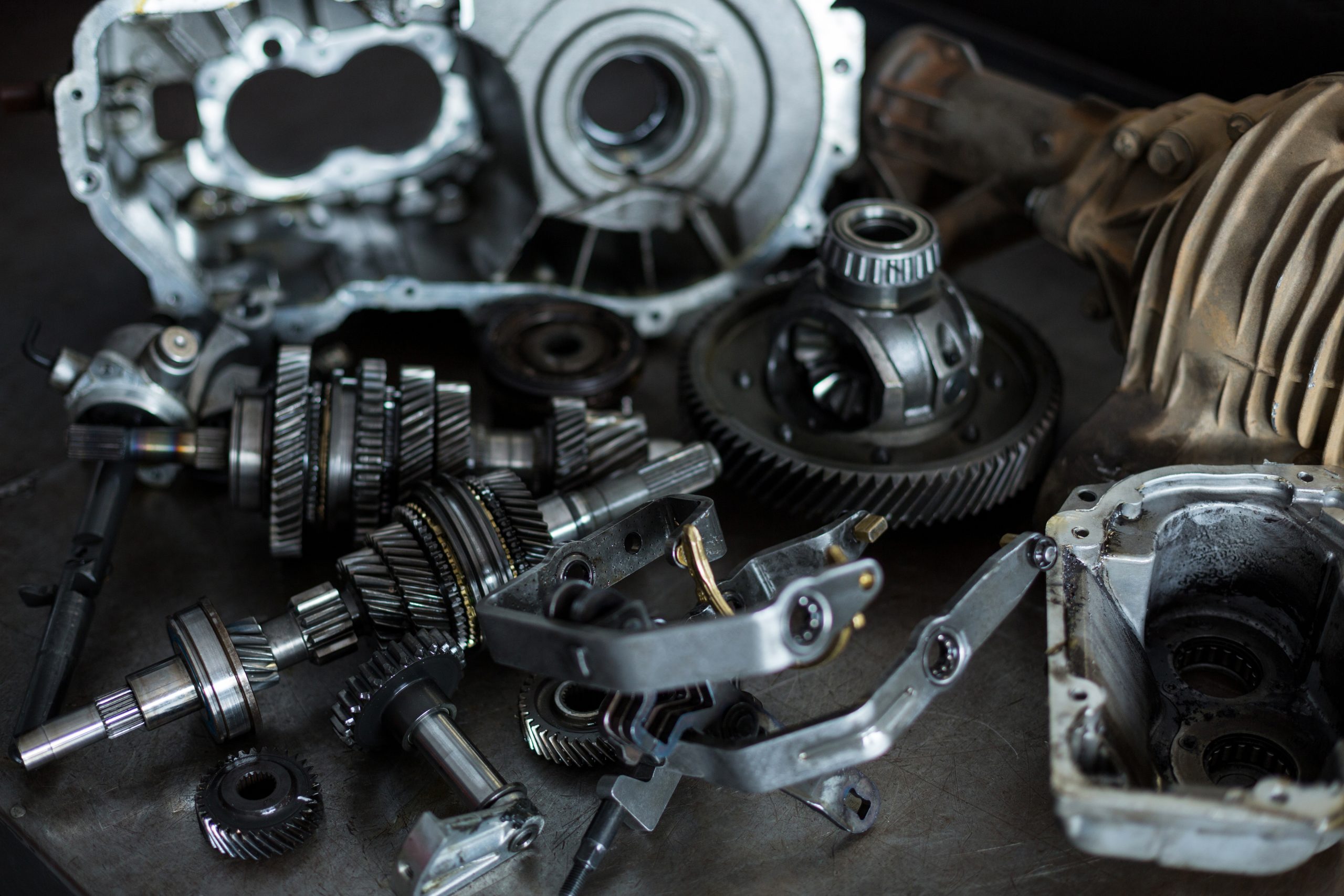
1. Engine Parts Experience Increased Wear and Tear
Engine oil creates a protective film between moving metal components. Parts such as pistons, crankshafts, camshafts, and bearings constantly move while the engine operates.
Proper lubrication reduces direct metal-to-metal contact and helps these components function smoothly. When oil becomes old or contaminated, its ability to provide sufficient protection gradually decreases.
Fresh engine oil contains additives that help maintain lubrication under different operating conditions. Over time, these additives become depleted through heat exposure, oxidation, and normal engine operation.
As the oil deteriorates, the protective film may become less effective, allowing friction to increase between important engine components.
Increased friction creates additional stress inside the engine. Components that normally move smoothly may experience greater resistance, which can accelerate surface wear. This damage often develops gradually, making it difficult for drivers to recognize the problem during its early stages.
Metal components inside an engine are manufactured with precise tolerances. They require consistent lubrication to maintain proper operation. When oil protection declines, these carefully designed surfaces can become damaged, affecting the engine’s efficiency and long-term reliability.
Drivers may eventually notice unusual engine sounds, rough operation, or reduced performance. These symptoms can indicate several mechanical issues, including lubrication problems. Ignoring them can allow existing damage to become more serious and expensive to repair.
The longer unsuitable oil remains inside the engine, the greater the possibility of accelerated component wear. However, the extent of damage depends on the vehicle, oil condition, driving habits, and operating environment.
Short delays do not automatically mean that engine damage has occurred.
Following the manufacturer’s recommended oil change schedule helps maintain proper lubrication and protects essential engine components. Checking oil levels regularly also provides an opportunity to identify leaks, excessive consumption, or unusual changes before they develop into major mechanical concerns.
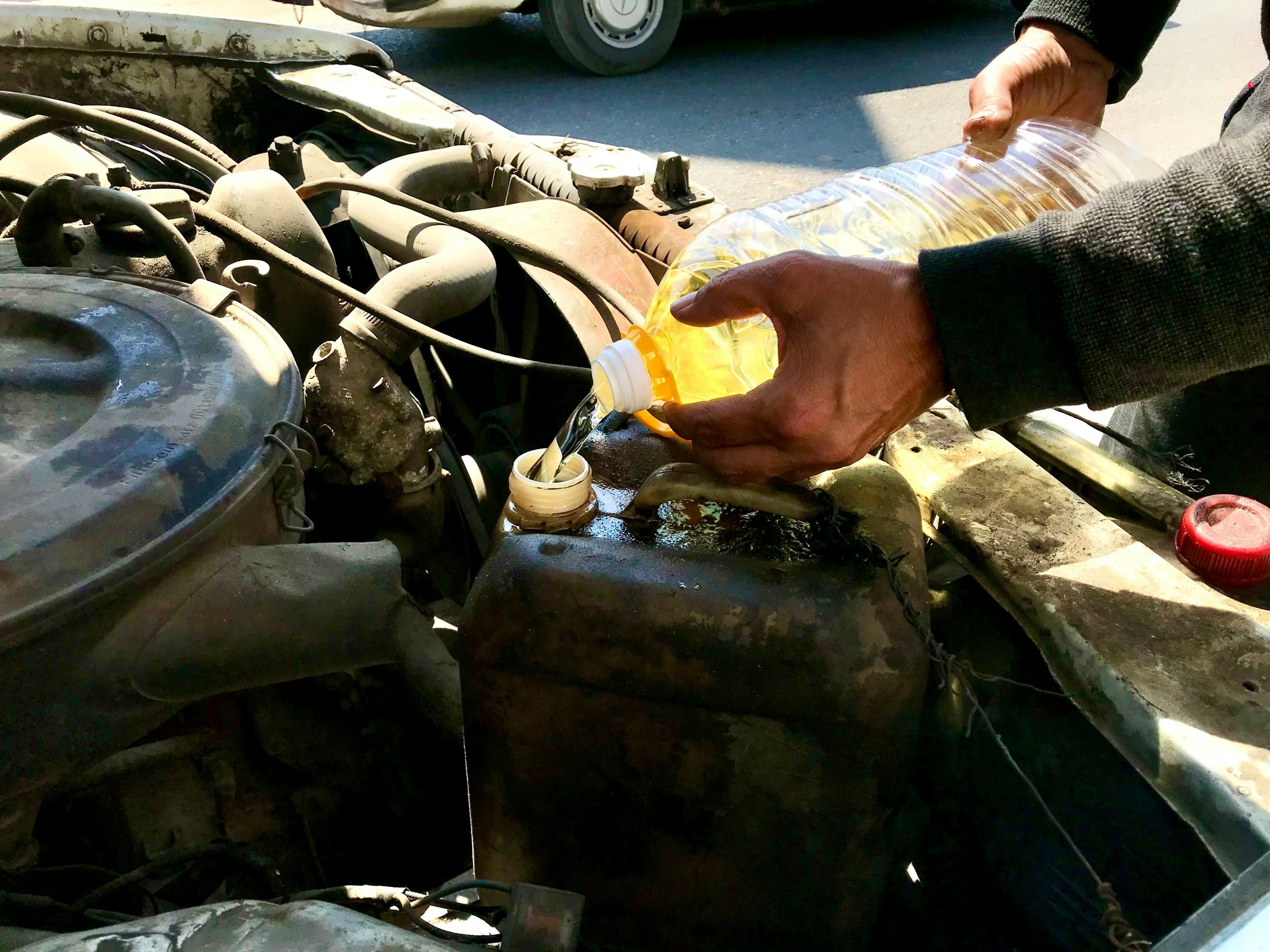
2. Engine Oil Becomes Dirty and Contaminated
Engine oil collects contaminants as it circulates through the engine. These contaminants can include microscopic metal particles, dust, combustion byproducts, carbon deposits, and other unwanted substances. The oil filter captures many of these particles, but its ability to retain contaminants is limited.
As the vehicle accumulates mileage, dirt and other particles gradually build up in the lubrication system. Fresh oil can suspend many contaminants so they can be captured by the oil filter. However, prolonged use increases the amount of material circulating through the system.
Engine oil also experiences chemical changes during normal operation. Repeated exposure to high temperatures and oxygen can cause oxidation, which gradually changes the oil’s properties. This process may contribute to deposits and sludge formation, particularly when maintenance intervals are repeatedly exceeded.
Contaminated oil may become darker and develop a different consistency. However, dark oil does not automatically mean that it needs immediate replacement. Modern engine oils are designed to suspend contaminants, so some darkening is normal during regular use.
The oil filter plays an important role in maintaining lubrication quality. It removes many harmful particles before the oil returns to important engine components. When the filter becomes saturated or clogged, its performance may decline, depending on its design and bypass mechanism.
If maintenance is neglected for extended periods, deposits can accumulate in different parts of the engine. These deposits may interfere with oil circulation and affect the operation of components that depend on a steady supply of clean lubricant.
Regular oil and filter replacement helps control contamination and maintain the lubrication system’s effectiveness. Drivers should follow the recommended service interval rather than relying entirely on oil color or appearance to decide when maintenance is necessary.

3. The Engine Can Overheat More Easily
Engine oil contributes to temperature control by reducing friction and carrying heat away from moving components. While the cooling system handles most engine temperature regulation, oil provides additional thermal protection throughout the engine.
When oil becomes degraded, it may lose some of its ability to maintain a stable lubricating film. Increased friction between moving parts generates additional heat. This places extra stress on components that already operate under high temperatures.
Old oil may also develop deposits that interfere with proper lubrication. When certain engine passages become restricted, the flow of oil to important areas can decrease. Reduced circulation can affect the engine’s ability to manage heat effectively.
High engine temperatures can damage several internal components. Seals, gaskets, bearings, and other parts may experience increased thermal stress. Prolonged exposure to excessive heat can accelerate deterioration and contribute to oil leaks or mechanical failures.
Drivers should understand that an overheating engine is not necessarily caused by neglected oil changes. Low coolant levels, radiator problems, thermostat failure, damaged hoses, and cooling fan issues are also common causes. However, poor lubrication can make existing temperature problems worse.
An engine that operates above its normal temperature range may produce warning signs. These include a rising temperature gauge, warning lights, unusual smells, steam, or reduced performance. Such symptoms require immediate attention rather than continued driving.
If the temperature warning appears, safely stop the vehicle and switch off the engine when appropriate. Never remove a hot radiator cap because pressurized coolant can cause severe burns. Allow the engine to cool and arrange professional inspection.
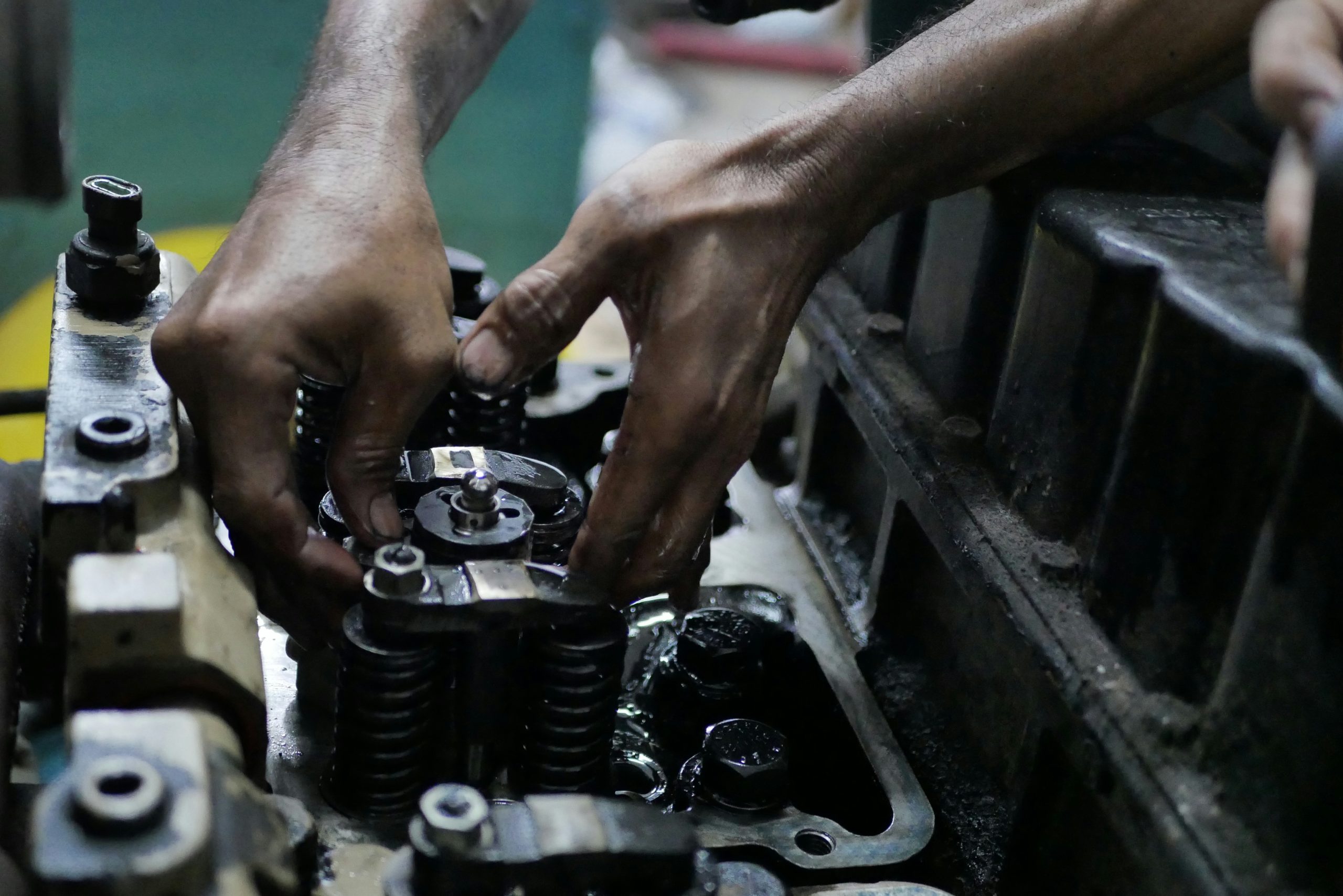
4. Engine Sludge Can Build Up Inside the Engine
Engine sludge is a thick, sticky substance that can develop when engine oil deteriorates and contaminants accumulate. It may form through oxidation, excessive heat, moisture contamination, and prolonged oil use. Neglected maintenance increases the possibility of sludge formation.
Unlike ordinary dark engine oil, sludge has a thicker consistency and can cling to internal engine surfaces. It may collect around the oil pan, valve covers, and other areas where contaminants accumulate. Severe deposits can interfere with normal lubrication.
Oil passages are designed to carry lubricant to different engine components. When sludge accumulates in these narrow passages, it can restrict oil flow. This may prevent certain components from receiving the lubrication they require during normal operation.
The oil pump also depends on a relatively clean lubrication system. Heavy sludge deposits can interfere with the oil pickup screen, potentially reducing the amount of oil supplied to the engine. In serious cases, this can lead to dangerously low oil pressure.
Drivers may not notice sludge developing during its early stages. The problem can remain hidden inside the engine until symptoms appear. Warning signs may include unusual engine noises, low oil pressure warnings, poor performance, or recurring lubrication problems.
Removing severe sludge is not always a simple maintenance task. Depending on its location and severity, professional cleaning or mechanical disassembly may be necessary. Improper attempts to remove heavy deposits can loosen debris and create additional lubrication problems.
The best way to reduce sludge formation is to maintain the engine according to the manufacturer’s recommendations. Using the correct oil specification, replacing the filter regularly, and addressing mechanical problems promptly can help keep the lubrication system clean.
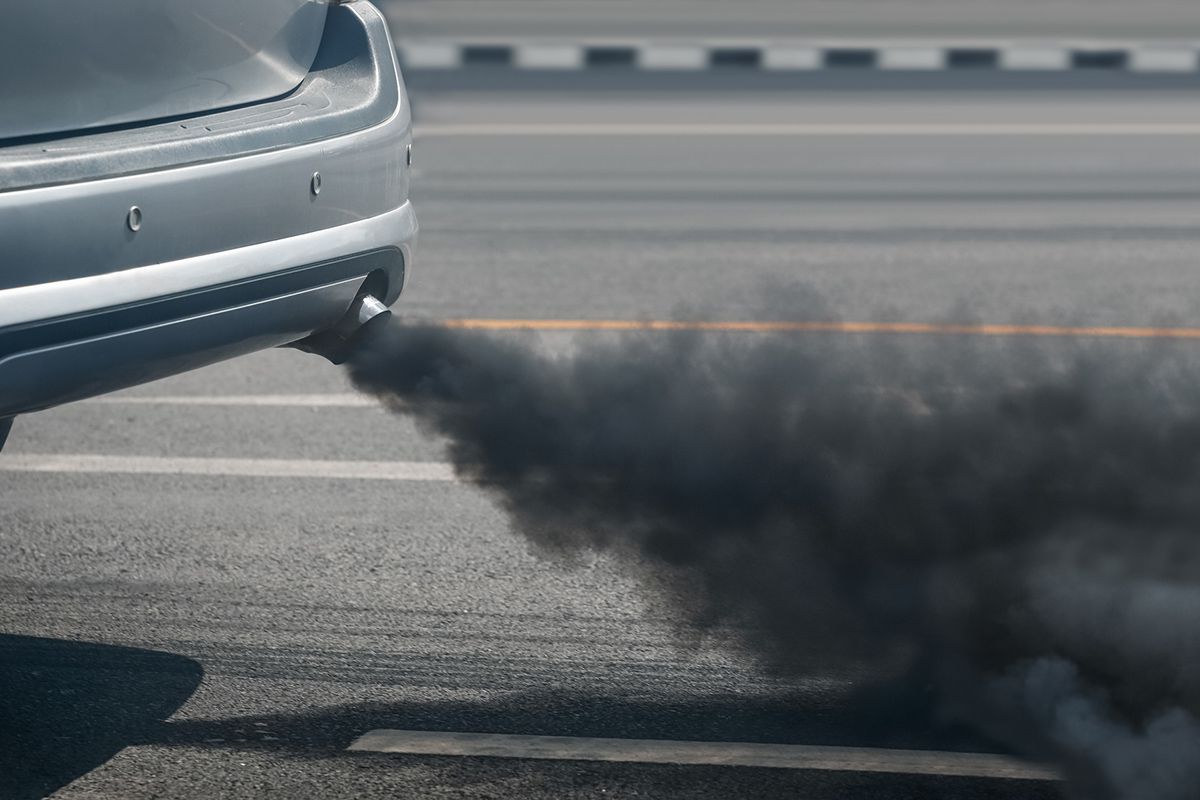
5. Fuel Efficiency May Decrease
Engine oil helps reduce friction between moving components, allowing the engine to operate with less mechanical resistance. When oil becomes old or unsuitable, its lubrication properties may decline, potentially increasing the energy required to move internal parts.
Increased friction can affect how efficiently an engine operates. The engine may need to use additional energy to overcome resistance between moving components. Depending on the severity of the lubrication problem, this can contribute to increased fuel consumption.
Oil viscosity also influences engine performance. Viscosity describes how easily oil flows at different temperatures. Manufacturers specify suitable viscosity grades because engines are designed around particular lubrication requirements and operating conditions.
As engine oil ages, oxidation and contamination can change its properties. In some situations, it may become thicker and flow less effectively. This can increase internal resistance, particularly during cold starts when the oil needs to circulate throughout the engine.
Drivers may notice that their vehicle requires more fuel than usual. However, neglected oil changes are not the only possible explanation. Underinflated tyres, dirty air filters, faulty oxygen sensors, worn spark plugs, and aggressive driving habits can also reduce fuel economy.
Fuel efficiency problems may become more noticeable when poor lubrication is combined with other maintenance issues. An engine operating with increased friction may not perform as efficiently as it should, especially when components have already experienced significant wear.
Changing the oil at the correct interval helps maintain suitable lubrication and reduces unnecessary internal resistance. Using the recommended oil grade is equally important because the wrong viscosity can affect lubrication, performance, and fuel economy.
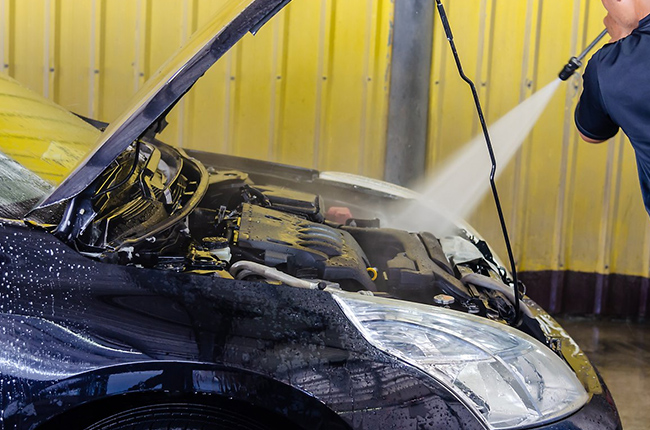
6. Engine Performance Can Become Poor
A properly lubricated engine generally operates more smoothly because its internal components can move with less friction. When oil quality declines, the increased resistance may affect engine operation and contribute to reduced performance.
Old or contaminated oil may not circulate as effectively as fresh oil with the correct specifications. This can affect lubrication around important components, especially in engines that operate under demanding conditions or have accumulated significant mileage.
Drivers may notice rough engine operation, unusual vibrations, or a reduction in responsiveness. These symptoms can develop for many reasons, but neglected lubrication should be considered when the vehicle has exceeded its recommended oil service interval.
Some modern engines use variable valve timing systems that depend on engine oil pressure and flow. These systems adjust valve operation to improve efficiency and performance. Poor oil condition or restricted oil passages can interfere with their operation.
Turbocharged engines also depend heavily on proper lubrication. Their turbochargers operate at extremely high speeds and temperatures, making suitable oil quality essential. Neglected oil changes can increase the risk of premature turbocharger wear and related performance problems.
A lack of proper lubrication may also contribute to unusual mechanical noises. Drivers might hear ticking, tapping, or knocking sounds from the engine. These noises should never be ignored, particularly when accompanied by an oil pressure warning.
Replacing old oil may help restore proper lubrication if the engine has not suffered permanent damage. However, an oil change cannot reverse worn bearings, damaged surfaces, or other mechanical problems that have already developed.
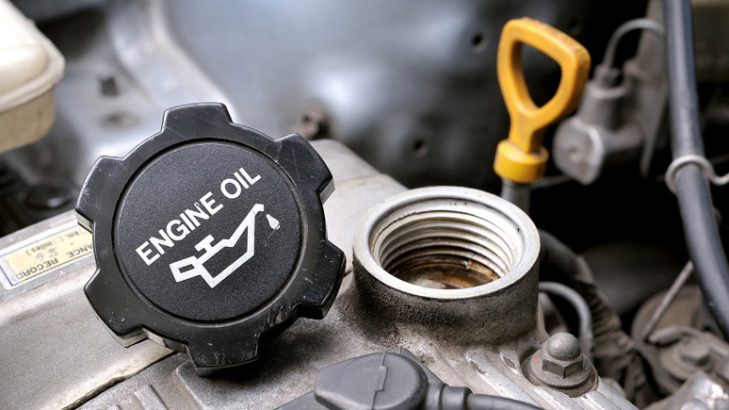
7. Oil Pressure Can Drop
Engine oil pressure is necessary to deliver lubricant throughout the engine. The oil pump moves oil through designated passages, supplying important components such as crankshaft bearings, camshafts, and other moving parts that require continuous lubrication.
When oil levels become too low, the pump may struggle to maintain the required pressure. Low oil levels can result from leaks, excessive oil consumption, or failure to check the dipstick regularly. Delayed oil changes can allow these problems to remain unnoticed.
Oil condition can also affect pressure. Severe contamination, unsuitable viscosity, or sludge buildup may interfere with proper circulation. In some cases, restrictions in the lubrication system can prevent oil from reaching important engine components effectively.
A failing oil pump or worn internal engine components can also contribute to low oil pressure. This means that an oil pressure warning should not automatically be blamed on old oil. A proper inspection is necessary to identify the actual problem.
The oil pressure warning light is particularly important because it may indicate that the engine is not receiving sufficient lubrication. Continuing to drive with low oil pressure can cause serious internal damage within a short period.
If the warning light comes on while driving, safely pull over as soon as possible and turn off the engine. Check the oil level only when it is safe to do so. If the warning remains or the cause is unclear, arrange professional assistance.
Adding oil may help if the level is low, but it does not automatically solve the underlying issue. A leak, damaged oil pump, blocked pickup screen, or internal engine wear may require additional repairs.
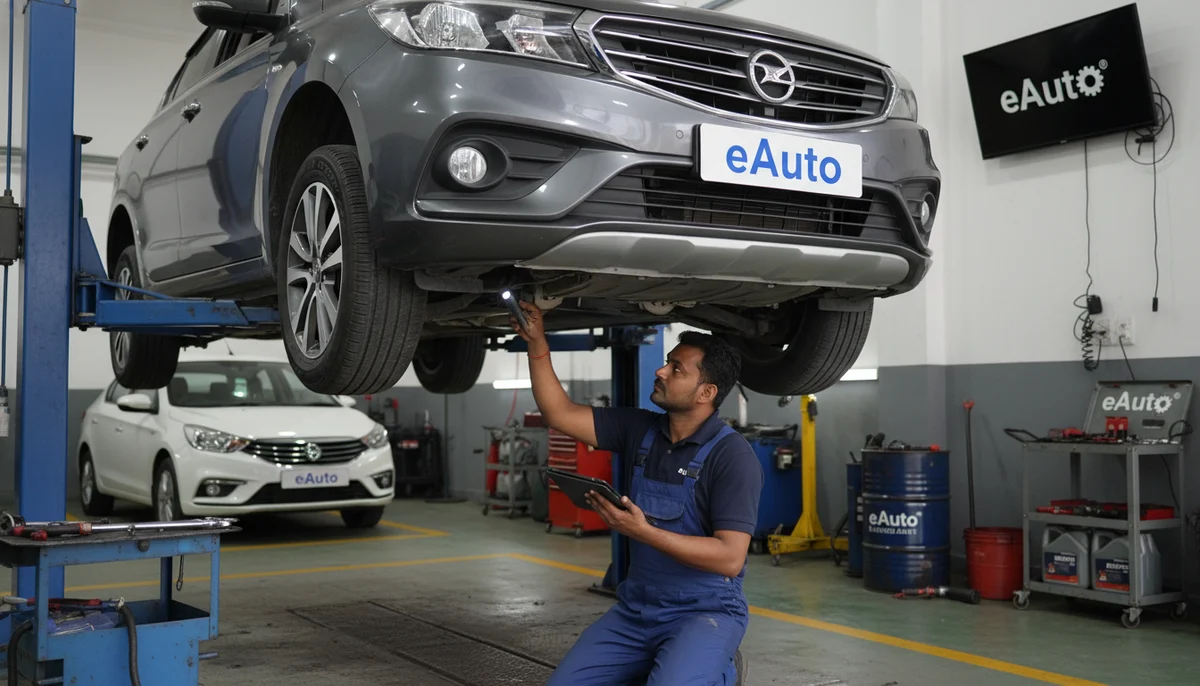
8. Repair and Maintenance Costs Can Increase
Skipping an oil change may appear to save money in the short term. However, engine oil is relatively inexpensive compared with the cost of repairing major internal components. Delaying basic maintenance can therefore create a much larger financial burden.
When oil loses its protective properties, moving components may experience accelerated wear. Bearings, camshafts, crankshafts, and other engine parts can become damaged. Replacing these components often requires extensive labour and specialized mechanical work.
Sludge formation can also increase repair expenses. Severe deposits may require professional cleaning, removal of engine components, or replacement of damaged parts. The final cost depends on the extent of contamination and the design of the vehicle.
Turbocharger repairs can be particularly expensive when lubrication problems contribute to premature failure. Turbochargers depend on a consistent supply of suitable engine oil. Neglecting maintenance can increase the possibility of bearing damage and other related complications.
Oil-related problems can sometimes lead to engine overheating, reduced performance, or internal mechanical failure. These issues may require diagnostic testing and multiple repairs rather than a straightforward oil replacement.
In severe situations, an engine may need a complete rebuild or replacement. This is a major expense that can be avoided in many cases through regular servicing and timely attention to warning signs. However, the outcome depends on the engine’s condition and maintenance history.
Vehicle owners should consider oil changes as preventive maintenance rather than an unnecessary expense. Spending money on routine servicing helps reduce the risk of larger mechanical problems and supports the long-term reliability of the vehicle.

9. Your Car May Become Less Reliable
A reliable vehicle should start properly, run smoothly, and perform consistently during everyday driving. Regular engine maintenance supports these expectations. When oil changes are repeatedly neglected, the risk of unexpected mechanical problems can increase.
Engine oil protects several critical components that operate continuously whenever the engine is running. If lubrication becomes inadequate, these components may experience excessive wear. The resulting damage can affect the vehicle’s ability to operate reliably.
Drivers who delay maintenance for extended periods may experience problems during long journeys or demanding driving conditions. High temperatures, heavy traffic, frequent stop-and-go driving, and towing can place additional stress on an engine that already has degraded oil.
Cold starts can also become more challenging when oil is unsuitable or excessively thick. Engine oil needs to circulate quickly after startup to protect important internal components. Poor lubrication during this stage can contribute to increased wear.
Unexpected engine noises, oil leaks, warning lights, and reduced performance can make everyday driving less convenient. These symptoms may also indicate that the vehicle requires immediate mechanical attention rather than routine servicing alone.
A poorly maintained engine can become more difficult to trust, particularly when the vehicle is used for commuting, family transportation, or regular highway travel. A breakdown may create additional expenses and disrupt important travel plans.
Preventive maintenance helps reduce the likelihood of avoidable engine problems. Following the recommended service schedule and addressing warning signs promptly can improve vehicle dependability and help drivers identify developing issues before they become severe.
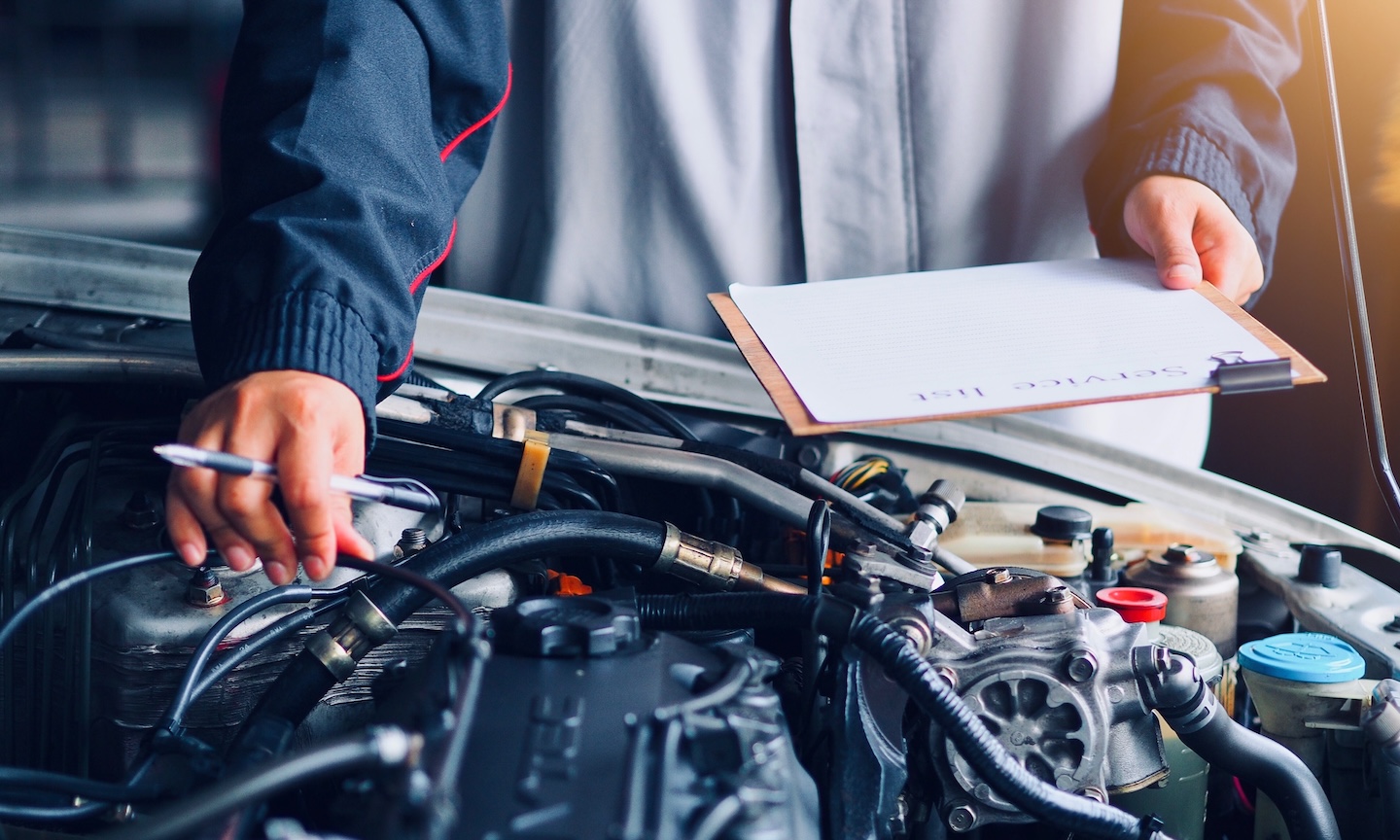
10. Engine Life Can Be Shortened
The engine is among the most important and expensive components of a car. Its lifespan depends on several factors, including manufacturing quality, driving conditions, maintenance habits, lubrication, and the way the vehicle is operated.
Regular oil changes help protect the internal surfaces of an engine from excessive friction and wear. When suitable oil is replaced at the recommended intervals, it can continue providing the lubrication and cleaning properties required for normal operation.
Repeatedly skipping oil changes allows contamination and chemical degradation to progress. As lubrication becomes less effective, internal components may experience increased wear. Over an extended period, this damage can reduce the engine’s remaining service life.
Severe lubrication problems can affect bearings, pistons, cylinder walls, camshafts, and other critical components. Damage to these parts may reduce engine efficiency and eventually lead to major mechanical failure.
The amount of damage depends on how long maintenance has been neglected. A vehicle that misses a service by a short period may not experience noticeable harm. However, repeatedly operating an engine with severely degraded or insufficient oil can create serious problems.
Driving habits also influence engine longevity. Frequent short journeys, prolonged idling, heavy loads, and extreme temperatures can place additional demands on engine oil. Some vehicles therefore require more frequent servicing under severe operating conditions.
Following the manufacturer’s maintenance schedule is one of the most effective ways to support long-term engine health. Owners should use the specified oil grade and performance standard because different engines have different lubrication requirements.