Heavy rain creates challenging driving conditions that demand patience, attention, and proper vehicle control. Wet roads reduce tyre grip, visibility becomes limited, and sudden water accumulation can make even familiar routes dangerous.
Many drivers underestimate these risks and continue driving as they would during normal weather. Simple mistakes, such as speeding, braking suddenly, or following other vehicles too closely, can increase the chances of an accident.
Understanding common driving mistakes during heavy rain helps motorists make safer decisions, protect passengers, and avoid unnecessary vehicle damage. A few sensible precautions can make wet-weather journeys considerably safer.
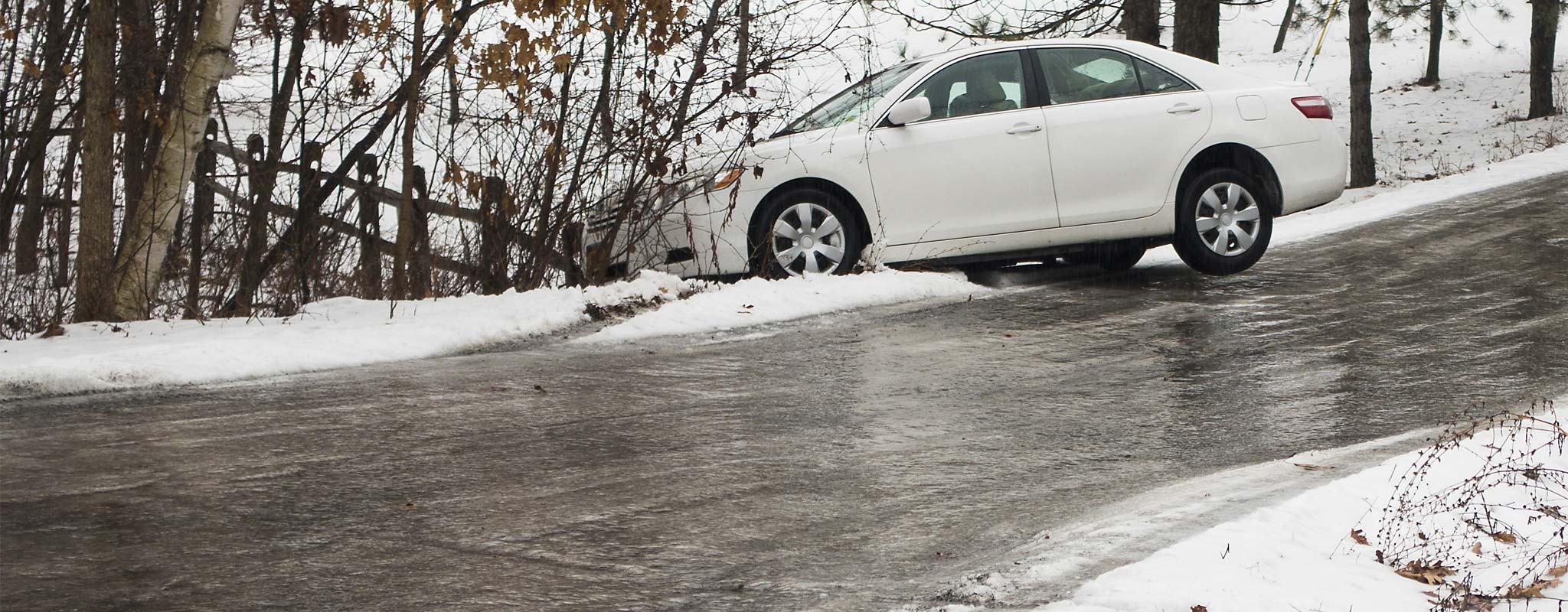
1. Driving Too Fast on Wet Roads
Speeding is a common mistake drivers make during heavy rain. Many motorists continue travelling at their usual speed because they are familiar with the road or believe their vehicle can handle wet conditions.
However, rain changes the level of grip between tyres and the road surface. Even a small increase in speed can make it harder to control the vehicle when an unexpected situation occurs.
Wet roads provide less traction than dry surfaces. When water collects on the road, tyres may struggle to maintain proper contact with the surface. This affects steering, braking, and acceleration. Drivers who travel too quickly have less time to respond when traffic slows down or another vehicle suddenly changes direction.
Stopping distances also increase in rainy weather. A vehicle travelling at high speed needs more distance to come to a complete stop, particularly when the road is covered with standing water. Drivers who fail to adjust their speed may find themselves approaching intersections, traffic signals, and stopped vehicles too quickly.
Another concern is the possibility of hydroplaning, also known as aquaplaning. This happens when a layer of water builds between the tyres and the road, reducing direct contact. The driver may temporarily lose steering control because the tyres cannot maintain sufficient grip. Higher speeds increase the risk of this situation.
Road conditions can change within a short distance. A relatively dry section may suddenly lead to a flooded patch, muddy surface, or slippery corner. Drivers who maintain a high speed may not have enough time to recognise these changes and adjust their driving accordingly.
The safest approach is to reduce speed gradually when rainfall becomes heavy. Drivers should choose a speed that allows them to maintain control and stop safely within the visible distance ahead.
Posted speed limits indicate maximum permitted speeds under suitable conditions, not speeds that are always safe in every situation.
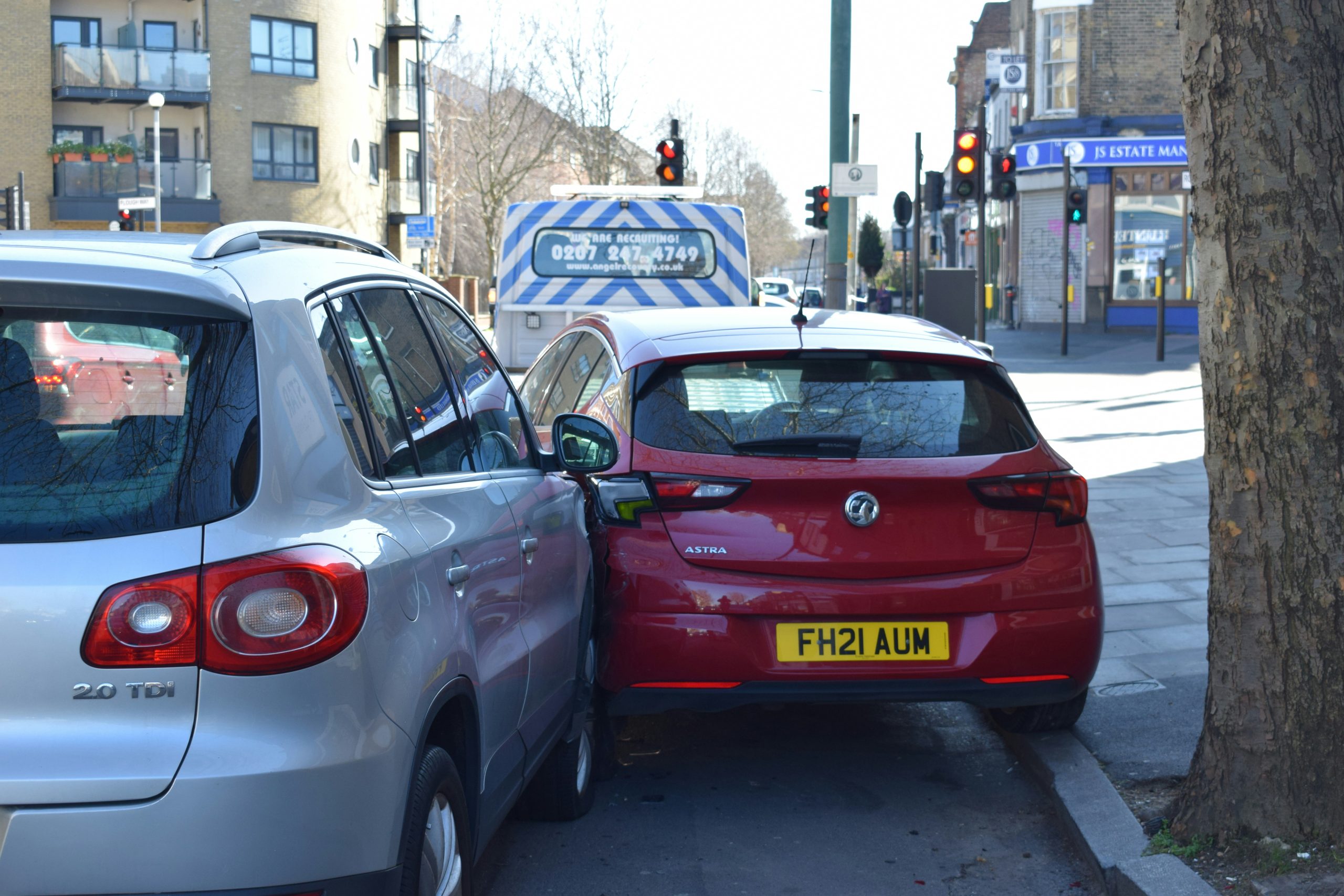
2. Following Other Vehicles Too Closely
Tailgating becomes particularly dangerous during heavy rain. Some drivers maintain the same following distance they use on dry roads, ignoring the additional stopping distance required on slippery surfaces. This habit leaves very little room to react when the vehicle ahead brakes suddenly.
Rain affects the braking performance of vehicles. Water, dirt, oil residue, and other substances can make road surfaces slippery. When a driver brakes on a wet road, the vehicle may require considerably more distance to stop than it would under dry conditions.
Following too closely also reduces visibility. Water sprayed from the rear tyres of trucks, buses, and other large vehicles can cover the windscreen of the vehicle behind them. This makes it difficult to see brake lights, road markings, pedestrians, and obstacles.
The problem becomes more serious when driving behind heavy commercial vehicles. Their large tyres can throw significant amounts of water towards following traffic. Drivers may struggle to judge their distance from the vehicle ahead, particularly at night or on poorly lit roads.
A safe following distance gives motorists additional time to recognise hazards and respond appropriately. During heavy rainfall, drivers should increase the gap well beyond their normal dry-weather distance. A four-second gap or more can be a useful starting point, with additional space required when visibility or traction is particularly poor.
Drivers should also avoid unnecessary lane changes when traffic is moving slowly. Constantly switching lanes in rainy conditions increases the chances of sudden braking and side collisions. Staying in a suitable lane and maintaining a steady speed generally provides better control.
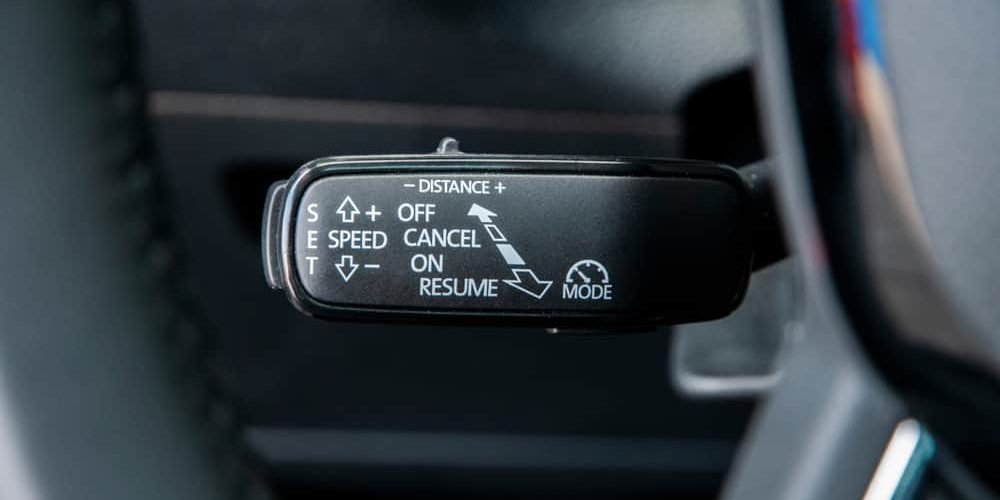
3. Using Cruise Control During Heavy Rain
Cruise control is designed to maintain a selected vehicle speed without requiring constant pressure on the accelerator. It can be convenient on dry highways, but using it during heavy rainfall can introduce unnecessary risks.
Wet roads require continuous adjustments to speed and vehicle control. Drivers need to respond to changing water levels, slippery patches, traffic conditions, and unexpected obstacles. Cruise control may not be suitable when these conditions demand frequent speed adjustments.
Hydroplaning is a particular concern. If the tyres lose contact with the road surface, maintaining a fixed speed becomes undesirable. Drivers need to ease off the accelerator and regain control rather than relying on a system that automatically maintains the selected speed.
Some vehicles may respond differently when traction is reduced. Modern electronic stability and traction control systems can help manage wheel slip, but they cannot eliminate the physical limitations of tyre grip. Depending entirely on vehicle technology can create a false sense of security.
Cruise control can also encourage drivers to pay less attention to changing road conditions. When a vehicle maintains its speed automatically, motorists may become less responsive to gradual changes in rainfall or traffic movement.
Adaptive cruise control does not remove these concerns. While the system can adjust speed based on the distance from vehicles ahead, its sensors and cameras may have reduced effectiveness in heavy rain. Drivers must remain alert and ready to take control.
The better choice is to switch off cruise control when rain becomes heavy or when roads are visibly wet and slippery. Manual speed management allows drivers to respond more naturally to changing conditions.
Drivers should also avoid making aggressive steering or acceleration corrections if the vehicle begins to lose traction. Smooth, controlled inputs are essential for maintaining stability.
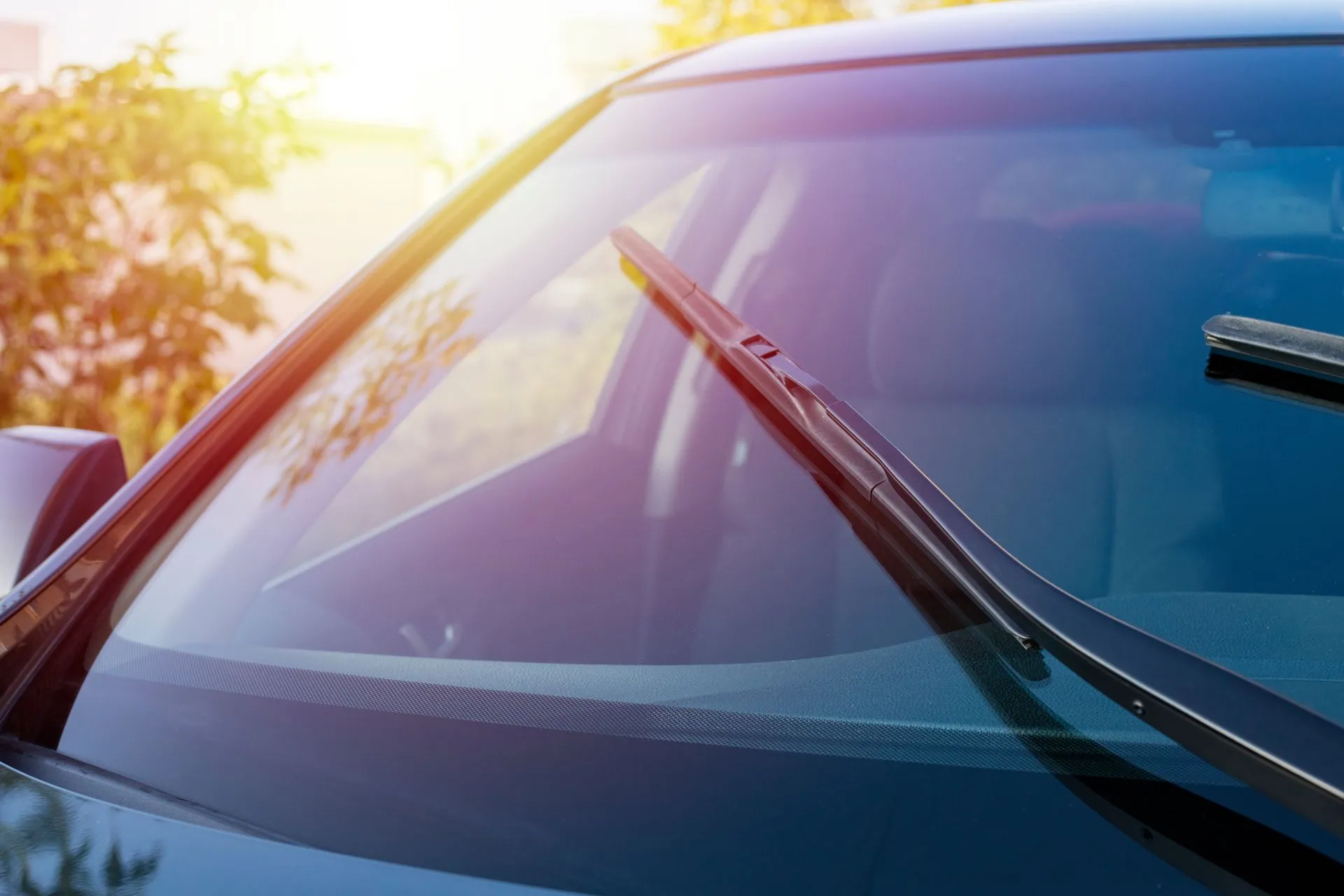
4. Ignoring Windscreen Wipers and Visibility
Poor visibility is a major challenge during heavy rain. Some drivers continue travelling with worn-out wiper blades or fail to adjust their wiper speed when rainfall increases. These small oversights can make it difficult to see the road clearly.
Windscreen wipers remove water from the glass, allowing drivers to observe traffic and identify potential hazards. When the blades become damaged, they may leave streaks, skip sections of the windscreen, or make distracting noises. This reduces visibility precisely when clear vision is most important.
Wiper blades should be inspected regularly and replaced when they show signs of deterioration. Rubber can become brittle due to sunlight, temperature changes, and general use. Even a vehicle with relatively low mileage may require replacement blades if they no longer clean the windscreen properly.
Drivers should also check their windscreen washer fluid. Dirt, mud, and road spray can accumulate quickly during rainy journeys. Washer fluid helps remove stubborn deposits that ordinary wiping may not clear effectively.
Using the correct wiper speed is equally important. When rainfall becomes heavier, drivers should select a suitable intermittent or continuous setting. Waiting until visibility becomes extremely poor before adjusting the wipers can create unnecessary danger.
Fogging inside the vehicle can also reduce visibility. Differences between interior and exterior temperatures may cause condensation to form on the glass. Using the vehicle’s defogger, air conditioning, and appropriate ventilation settings helps clear the windscreen.
Headlights should be used when rain reduces visibility. In many vehicles, daytime running lights illuminate only the front of the vehicle and may not activate the rear lights. Drivers should use the appropriate dipped headlights rather than assuming automatic lighting will always provide sufficient visibility.
A clean windscreen, properly functioning wipers, and suitable lighting make it easier to recognise hazards. These checks should be completed before driving, especially during the monsoon season.
5. Braking Suddenly on Slippery Roads
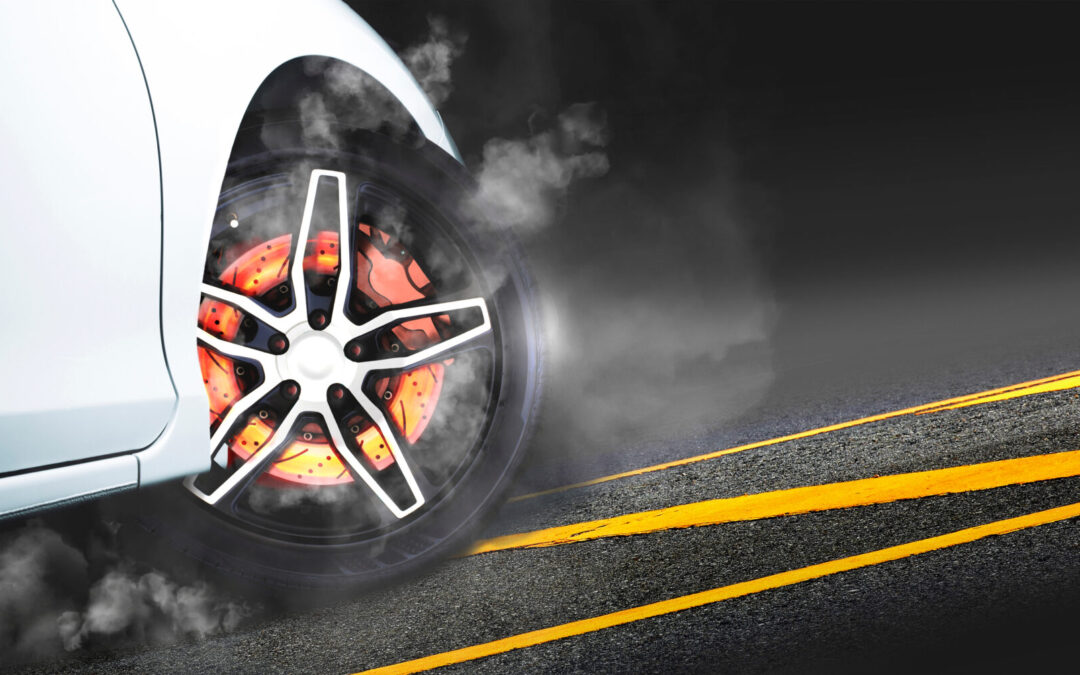
Sudden braking is particularly dangerous during heavy rainfall. Drivers sometimes react instinctively when they notice an obstacle, a slowing vehicle, or a pedestrian.
However, applying the brakes aggressively on a slippery surface can cause tyres to lose grip and make vehicle control more difficult.
On wet roads, the available friction between tyres and the surface is reduced. When a driver applies excessive braking force, the tyres may struggle to maintain traction. This can increase stopping distances and create instability, particularly when the vehicle is travelling quickly.
Vehicles equipped with anti-lock braking systems, commonly known as ABS, are designed to prevent wheel lock-up during hard braking. ABS helps drivers maintain steering control while braking firmly, but it does not eliminate the risks associated with slippery roads or excessive speed.
Drivers should anticipate traffic movements and begin slowing down earlier than they normally would. Approaching intersections, sharp bends, pedestrian crossings, and speed breakers at a reduced speed helps prevent sudden braking.
Maintaining a safe following distance also reduces the need for emergency stops. When drivers have enough space ahead, they can respond to traffic changes with gradual braking rather than abrupt pedal movements.
Braking while turning can create additional problems. A vehicle needs sufficient grip to handle steering and braking forces. Applying strong braking pressure while negotiating a slippery corner can increase the risk of losing control.
Before entering a bend, drivers should reduce their speed while travelling in a straight line. They should then steer smoothly through the turn without making sudden movements. This approach helps maintain stability on wet surfaces.
If an emergency occurs, drivers should use the braking system according to their vehicle’s design and follow safe braking techniques. In ABS-equipped vehicles, firm, continuous brake pressure is generally recommended during emergency braking rather than pumping the pedal.
6. Driving Through Flooded Roads Without Checking Water Depth
Flooded roads present serious dangers that are often underestimated by motorists. Some drivers attempt to cross water-covered sections because they believe their vehicles can handle shallow flooding. However, water depth can be difficult to judge, and even relatively shallow water may create problems depending on the vehicle and road conditions.
The most serious risk is water entering the engine through the air intake. If enough water enters the engine cylinders, it can cause hydrolock. Since water cannot be compressed like air, this may result in severe internal engine damage.
Floodwater can also affect electrical systems, sensors, brakes, and other important vehicle components. Modern vehicles contain numerous electronic systems that may malfunction if exposed to water beyond their intended operating limits.
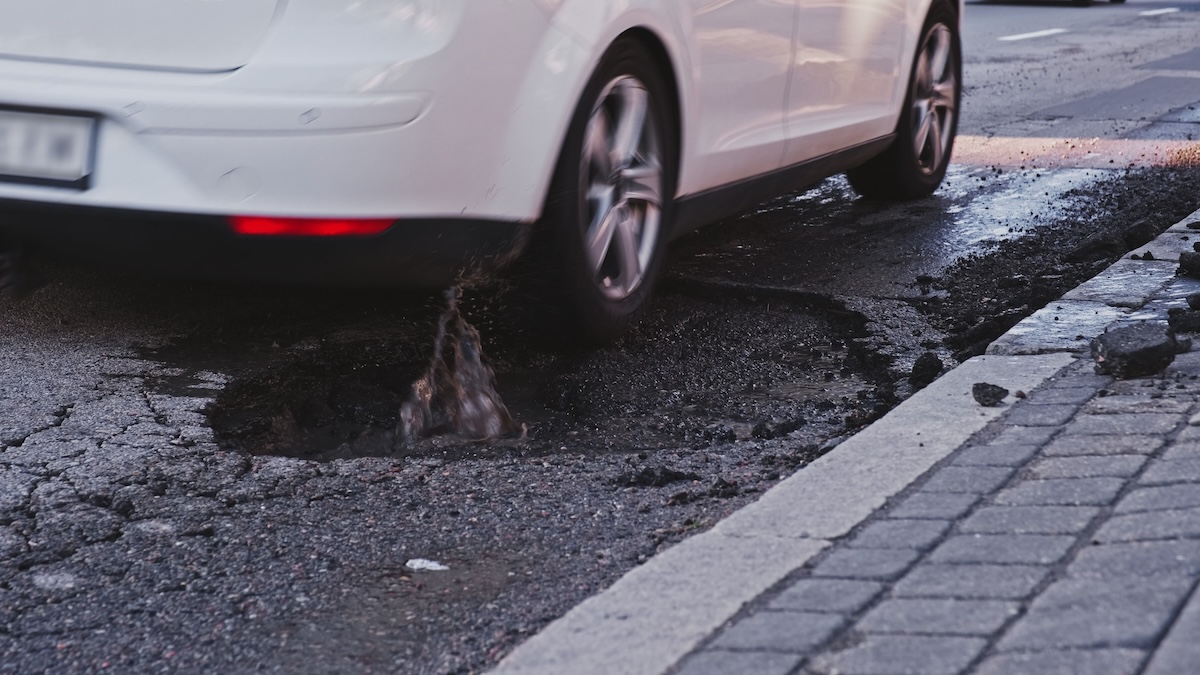
Another danger is the possibility of hidden road damage. Floodwater can cover potholes, broken road surfaces, open drains, and missing sections of pavement. Drivers may enter what appears to be a normal road and suddenly encounter a dangerous obstruction.
Moving water creates an additional threat. Even water that does not appear particularly deep can exert considerable force against a vehicle. Cars may lose traction or be pushed away from the road, especially when the water is flowing quickly.
Drivers should never assume that another vehicle’s successful crossing means the same route is safe for them. Vehicle weight, ground clearance, tyre condition, water movement, and road structure all influence the risk.
The safest decision is to avoid driving through flooded sections whenever possible. Drivers should find an alternative route or wait for the water to recede. If authorities have closed a road, motorists should follow the restriction rather than attempting to bypass barriers.
Never enter floodwater on foot or by vehicle when its depth or current is uncertain. If a vehicle becomes trapped in rising water, personal safety must take priority over protecting the vehicle. Occupants should seek emergency assistance and follow local rescue guidance.
7. Ignoring Tyre Condition and Tread Depth
Tyres play a crucial role in maintaining vehicle control during heavy rainfall. They provide the contact between the vehicle and the road, and their condition directly affects braking, steering, and traction. Drivers who ignore tyre maintenance may face increased risks when travelling on wet surfaces.
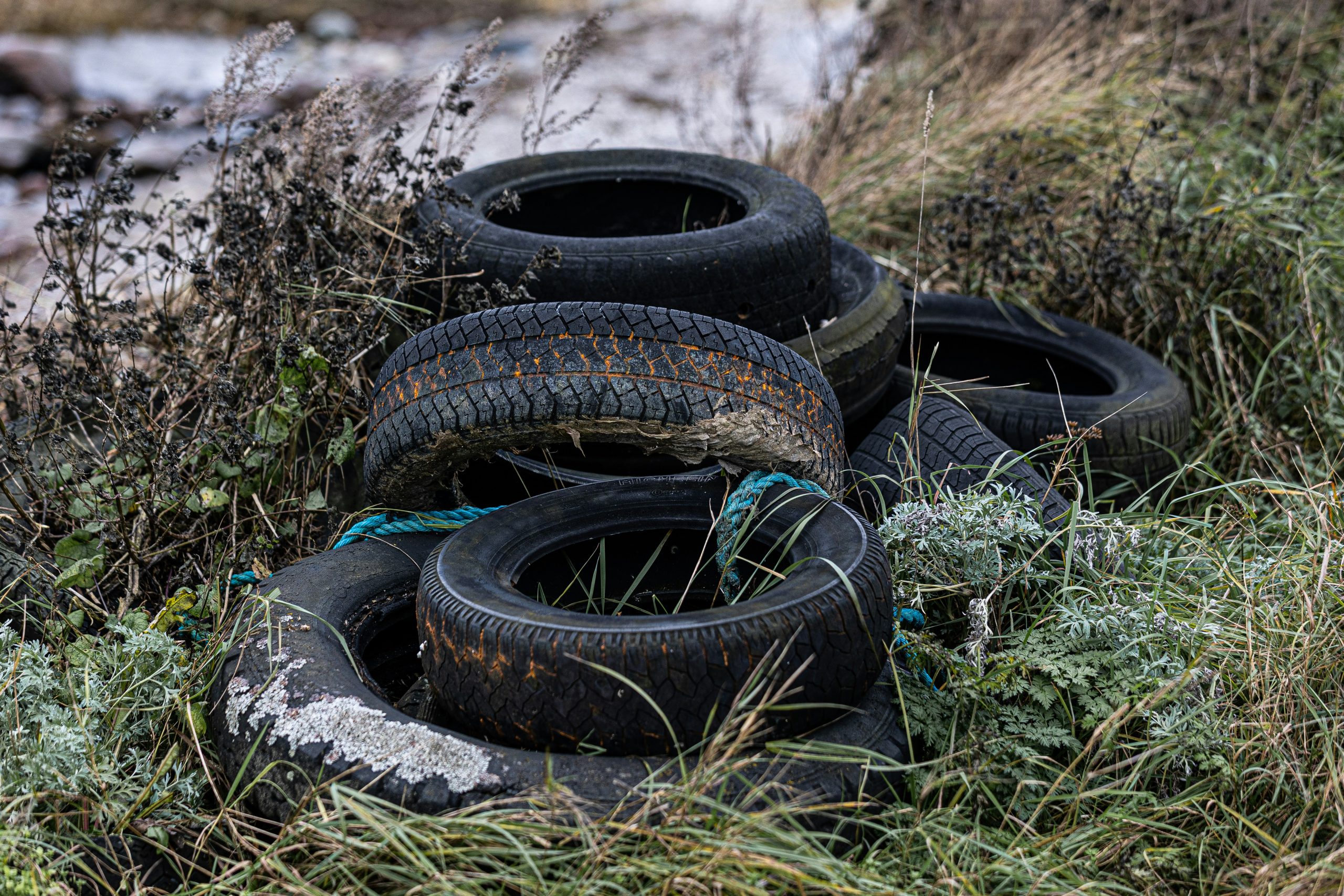
Tyre tread contains grooves designed to move water away from the contact area. This allows the rubber to maintain better contact with the road. When tread depth becomes too low, the tyres become less effective at clearing water, increasing the risk of hydroplaning.
Worn tyres can also reduce braking performance. During sudden stops, tyres with inadequate tread may struggle to maintain sufficient grip. This becomes particularly concerning when roads are covered with standing water.
Tyre pressure is equally important. Underinflated or overinflated tyres can affect handling, braking, and the distribution of contact across the tyre surface. Drivers should check pressure regularly and follow the manufacturer’s recommended specifications, usually provided in the owner’s manual or on the vehicle information label.
Uneven tyre wear should not be ignored. It may indicate incorrect wheel alignment, suspension problems, or improper inflation. These issues can affect vehicle stability, especially when driving through rain or negotiating corners.
Drivers should also inspect tyres for cracks, bulges, cuts, and embedded objects. Physical damage can increase the risk of tyre failure. Any tyre showing serious damage should be checked by a qualified professional before further use.
Replacing tyres at the appropriate time is an important part of vehicle maintenance. The legal minimum tread depth varies by country and vehicle regulations, so motorists should follow local requirements and manufacturer recommendations. Replacing tyres before they reach the legal limit may provide an additional safety margin in wet conditions.
8. Making Sudden Steering Movements
Sudden steering movements can cause a vehicle to lose stability on slippery roads. Drivers may make sharp corrections when avoiding potholes, changing lanes, or reacting to vehicles that move unexpectedly. These reactions can become dangerous when tyre grip is already reduced by heavy rainfall.
Steering control depends on the available friction between the tyres and the road. On wet surfaces, that grip is limited. Aggressive steering inputs can exceed the available traction and cause the vehicle to slide.
Sharp turns are especially risky when approaching corners at excessive speed. A vehicle needs sufficient grip to follow the intended path. If the driver turns too quickly, the front tyres may lose traction, causing the vehicle to continue travelling towards the outside of the corner.
Rear-wheel instability can also occur when the rear tyres lose grip. This may cause the back of the vehicle to move sideways, creating a skid. Drivers who respond with sudden braking or excessive steering may make the situation harder to control.
The best approach is to make steering adjustments gradually. Drivers should reduce speed before entering corners, maintain a steady path, and avoid unnecessary lane changes during heavy rain.
Road markings also require attention. Painted lines, metal covers, and smooth road surfaces can become particularly slippery when wet. Crossing these areas at an angle or making sudden movements while driving over them may reduce stability.
If the vehicle begins to slide, drivers should avoid panicking. They should look towards the intended safe path, ease off aggressive inputs, and make smooth steering corrections. The exact response depends on the type of skid and vehicle, so learning proper vehicle-control techniques through professional driver training is beneficial.
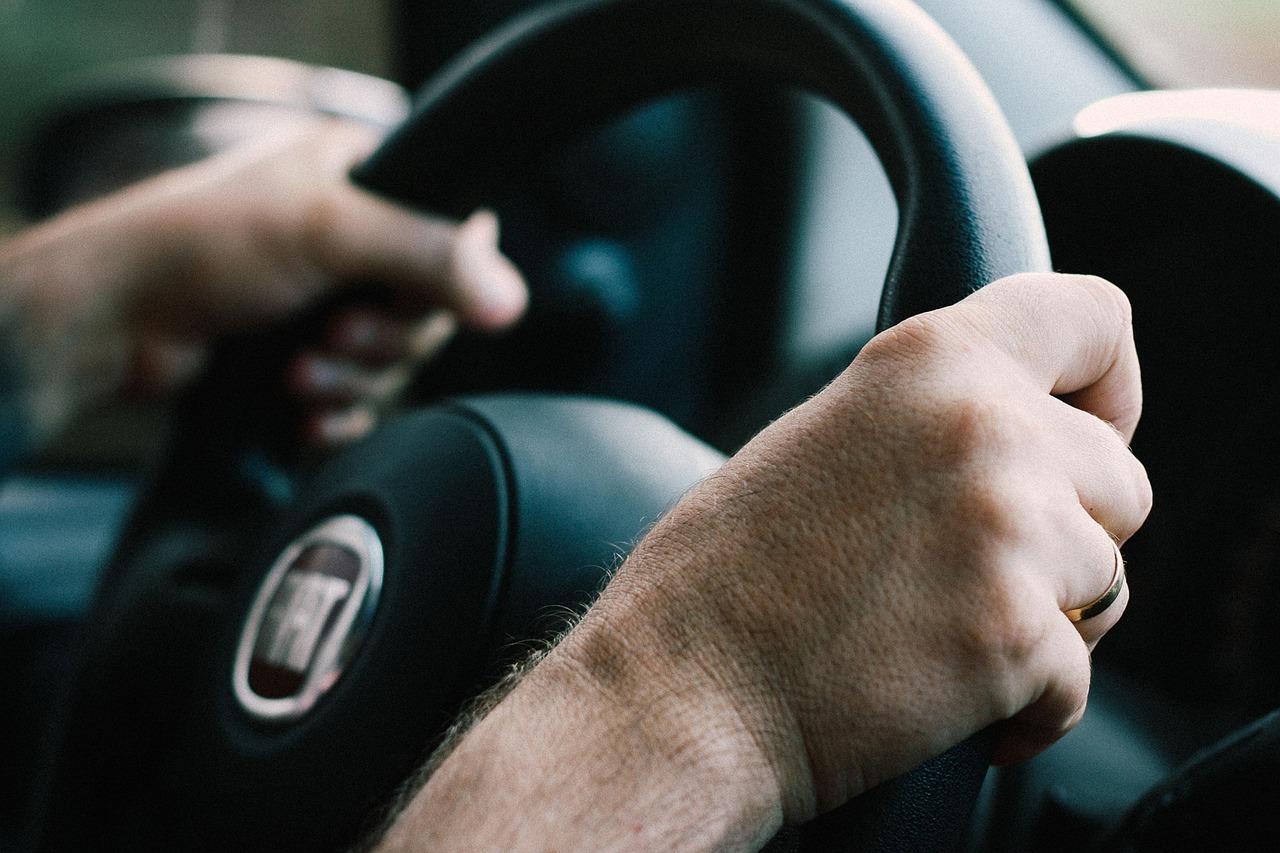
Keeping both hands appropriately positioned on the steering wheel also improves control. Drivers should avoid distractions and maintain a comfortable driving position that allows quick but controlled adjustments.
Gentle steering, sensible cornering speeds, and predictable movements help maintain stability when roads become slippery.
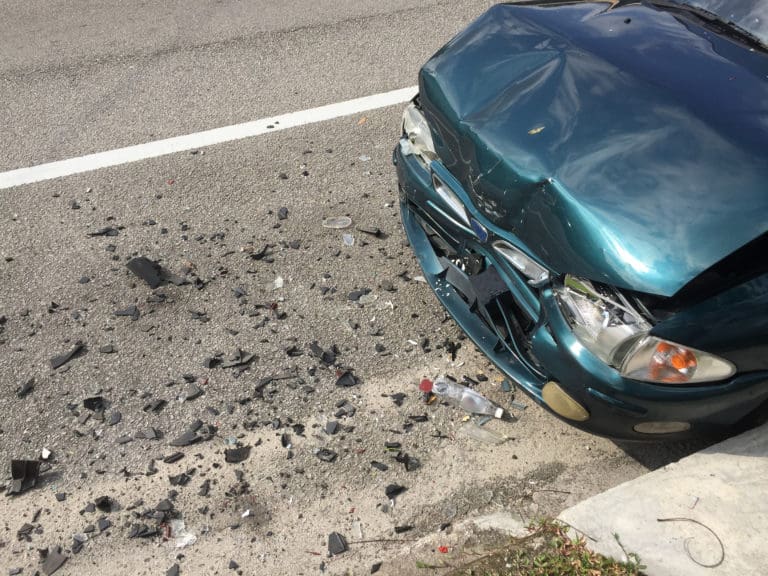
9. Driving Without Checking Weather and Road Conditions
Leaving home without checking weather and road conditions can create avoidable problems during the rainy season. Drivers sometimes begin long journeys without considering rainfall forecasts, traffic disruptions, waterlogging, or possible road closures.
Weather conditions can change quickly, especially during thunderstorms and monsoon periods. A route that appears clear at departure may experience heavy rainfall before the driver reaches the destination. Knowing the expected conditions helps motorists decide whether to travel, delay their journey, or choose a different route.
Checking weather updates before leaving is a practical precaution. Drivers should pay attention to heavy rainfall warnings, thunderstorms, strong winds, and flood alerts. Official weather services and local authorities can provide useful information about hazardous conditions.
Road conditions also deserve attention. Some routes are more vulnerable to waterlogging because of poor drainage, low elevation, or nearby rivers and canals. Familiar roads may become difficult to navigate after prolonged rainfall.
Traffic updates can help identify accidents, blocked roads, and congestion. Heavy rain often slows traffic, making journeys longer than expected. Planning additional travel time reduces pressure to drive quickly or take unnecessary risks.
Vehicle preparation is equally important. Before departure, drivers should inspect the tyres, brakes, headlights, indicators, windscreen wipers, and washer fluid. These components become especially important when visibility and road grip are reduced.
Drivers should also carry essential items during longer journeys. A charged mobile phone, emergency contact information, drinking water, and a basic emergency kit can be helpful if unexpected delays occur.
If rainfall becomes extremely heavy during a journey, stopping at a safe location may be the best decision. Drivers should avoid stopping on active traffic lanes, under trees, near unstable structures, or in areas prone to flooding. A suitable parking area or designated stopping point provides a safer place to wait.
Good journey planning helps motorists avoid unnecessary exposure to dangerous conditions. Checking the forecast, understanding the route, and allowing enough travel time can make a significant difference during heavy rain.