Choosing the right fuel for a car is important for engine performance, reliability, and long-term maintenance. While many modern vehicles run perfectly well on regular gasoline, some models are engineered to run on premium fuel because of their engine design, compression ratios, or turbocharging systems.
Using lower-octane gasoline in these vehicles can affect performance and, in some cases, increase the risk of engine knocking. Knowing which cars genuinely require premium gas helps buyers plan fuel costs and avoid unnecessary mechanical problems.
Here are ten popular cars that specify premium gasoline as a requirement rather than a simple recommendation.

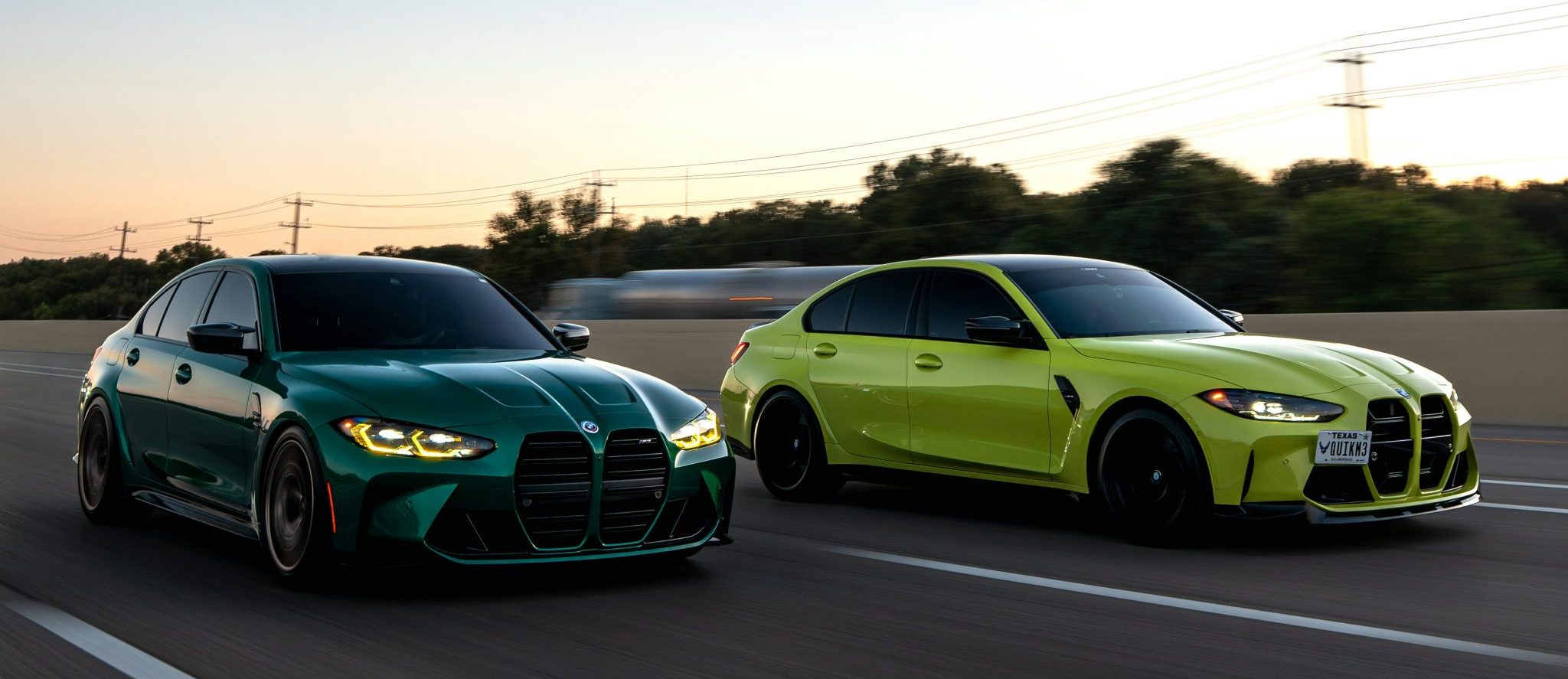
1. BMW M3
The BMW M3 has earned a strong reputation among performance sedan enthusiasts. Its powerful engine, responsive handling, and carefully engineered drivetrain make it a popular choice for drivers who want sports-car performance in a practical four-door vehicle.
Modern M3 models use a twin-turbocharged inline-six engine. This powerplant produces substantial horsepower and torque, placing considerable demands on the engine’s combustion system.
Premium gasoline is required for the M3 because its engine is calibrated to operate with high-octane fuel. The correct octane rating helps the engine maintain its intended ignition timing under demanding driving conditions.
Using regular gasoline can cause the engine management system to adjust ignition timing to reduce the possibility of knocking. These adjustments can affect power delivery and throttle response.
The M3’s turbocharging system increases the pressure and temperature inside the combustion chambers. Higher-octane fuel provides greater resistance to uncontrolled combustion, supporting the engine’s performance requirements.
Drivers who regularly use their M3 for spirited driving, track sessions, or highway acceleration should pay particular attention to fuel quality. The manufacturer’s specified gasoline helps maintain consistent engine operation.
Fuel expenses can be higher than those of ordinary family sedans. However, premium gasoline is part of the operating cost associated with owning a high-performance vehicle.
Before purchasing a used BMW M3, buyers should check the owner’s manual for the exact fuel requirement. Specifications can vary by model year and market.

2. Mercedes-AMG C63
The Mercedes-AMG C63 is known for combining luxury, aggressive styling, and powerful engine performance. It has attracted drivers who appreciate refined interiors and strong acceleration in a relatively compact sedan.
Different generations of the C63 have used different engine configurations. Earlier versions became famous for their naturally aspirated and twin-turbocharged V8 engines, while newer generations introduced electrified turbocharged powertrains.
These engines are designed around specific fuel requirements. Premium gasoline helps support the combustion characteristics expected by their performance-focused engineering.
High-performance engines operate under substantial thermal and mechanical loads. Fuel with an insufficient octane rating can increase the likelihood of engine knock, particularly during hard acceleration.
The engine management system can respond to lower-octane fuel by modifying ignition timing. This protective adjustment may reduce the engine’s available performance.
AMG vehicles also use advanced engine electronics to manage boost pressure, combustion, and temperature. Following the recommended fuel specification helps these systems operate as intended.
Owners should not assume that every C63 generation has identical fuel requirements. The exact octane rating depends on the engine and model year.
Checking the fuel information in the owner’s manual is the safest way to confirm the correct gasoline. Premium fuel should be treated as a necessary ownership expense when the manufacturer specifies it.

3. Porsche 911
The Porsche 911 is a legendary sports car recognized for its distinctive design, rear-engine layout, and impressive driving capabilities. Its engineering focuses on delivering responsive acceleration, precise handling, and consistent performance across different driving conditions.
Most modern 911 models feature turbocharged flat-six engines. These engines are designed to produce considerable power while maintaining the smooth performance expected from a premium sports car.
Premium gasoline is specified because the engine requires fuel with sufficient resistance to knocking. The correct octane level allows the engine to operate within its intended performance parameters.
Turbocharging increases the pressure inside the engine’s cylinders, making fuel quality particularly important. Lower-octane gasoline can cause the engine management system to adjust ignition timing to protect internal components.
Such adjustments may affect acceleration, throttle response, and the engine’s ability to deliver its designed output. Drivers may notice reduced performance when the vehicle operates outside its intended fuel specification.
The Porsche 911 is available in several versions, including Carrera, Carrera GTS, Turbo, and GT3 models. Their engine configurations and fuel specifications can differ, so buyers should check the documentation for their particular vehicle.
Premium fuel also makes sense for owners who regularly drive at higher speeds or participate in performance driving events. Consistent fuel quality helps the engine maintain its intended operating characteristics.
Before filling the tank, check the recommended octane rating in the owner’s manual or on the fuel information label. Following Porsche’s instructions helps protect the engine and preserve its performance.
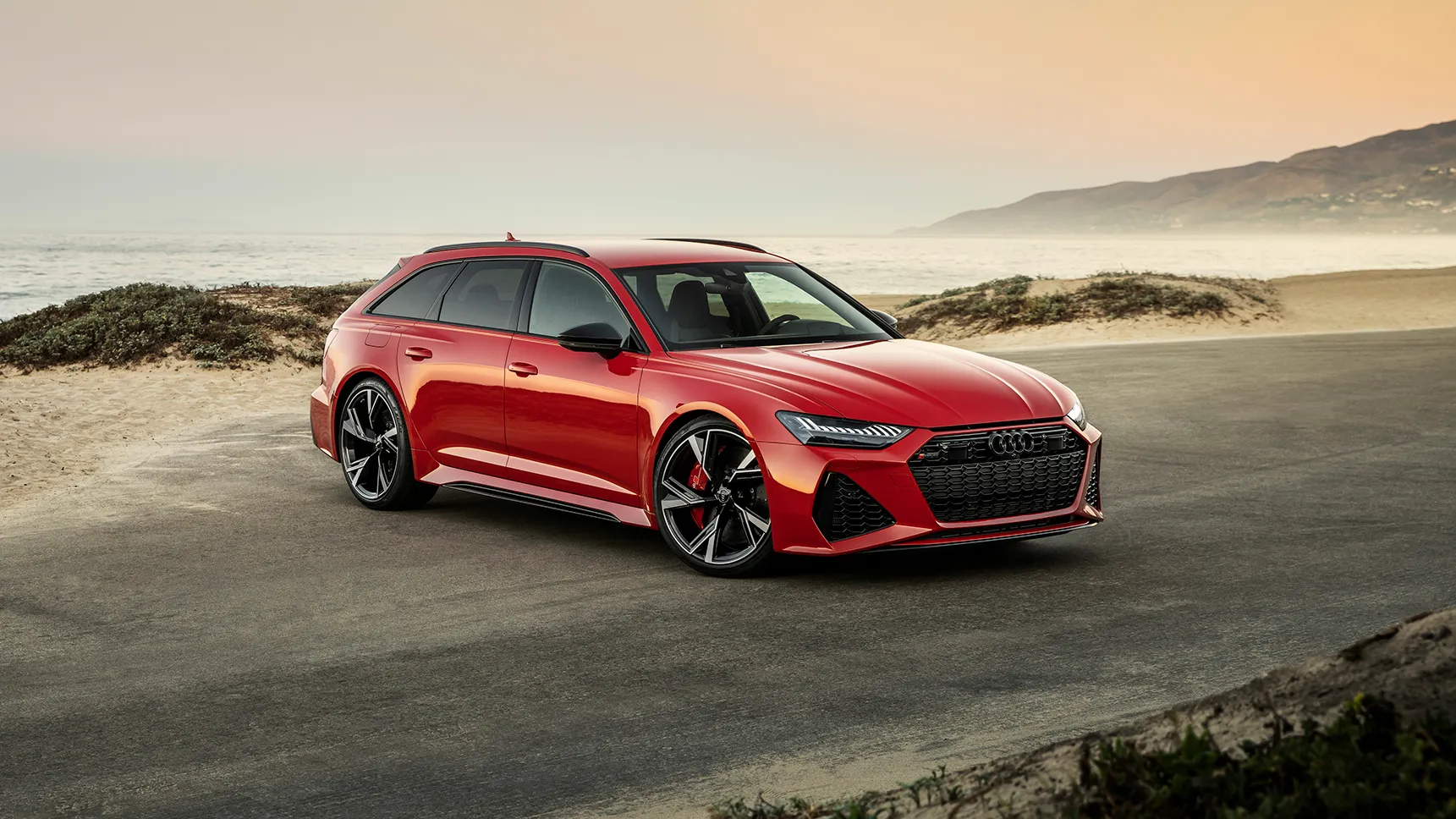
4. Audi RS6 Avant
The Audi RS6 Avant combines the practicality of a station wagon with the performance of a high-powered sports car. It offers generous cargo space, comfortable seating, advanced technology, and impressive acceleration.
Its twin-turbocharged V8 engine is designed to deliver substantial power across a broad engine speed range. This setup makes the RS6 suitable for daily transportation as well as demanding performance driving.
Premium gasoline is required by the fuel specifications of applicable RS6 models. The high-output engine depends on appropriate octane levels to maintain stable combustion under increased cylinder pressure.
Turbochargers force additional air into the engine, allowing it to generate more power from its displacement. This process also increases the importance of using fuel that meets the manufacturer’s requirements.
Using lower-octane gasoline can trigger protective adjustments in the engine management system. These adjustments may reduce power and affect the vehicle’s responsiveness during acceleration.
The RS6 also features sophisticated electronic systems that monitor engine temperature, boost pressure, and combustion conditions. Correct fuel helps these systems maintain the performance characteristics established during factory calibration.
Owners should remember that premium gasoline is part of the vehicle’s regular running expenses. Choosing the correct fuel is particularly important for drivers who frequently use the engine’s full performance potential.
Different RS6 model years and markets may have different specifications. Checking the owner’s manual before choosing a fuel grade is essential for avoiding incorrect assumptions.
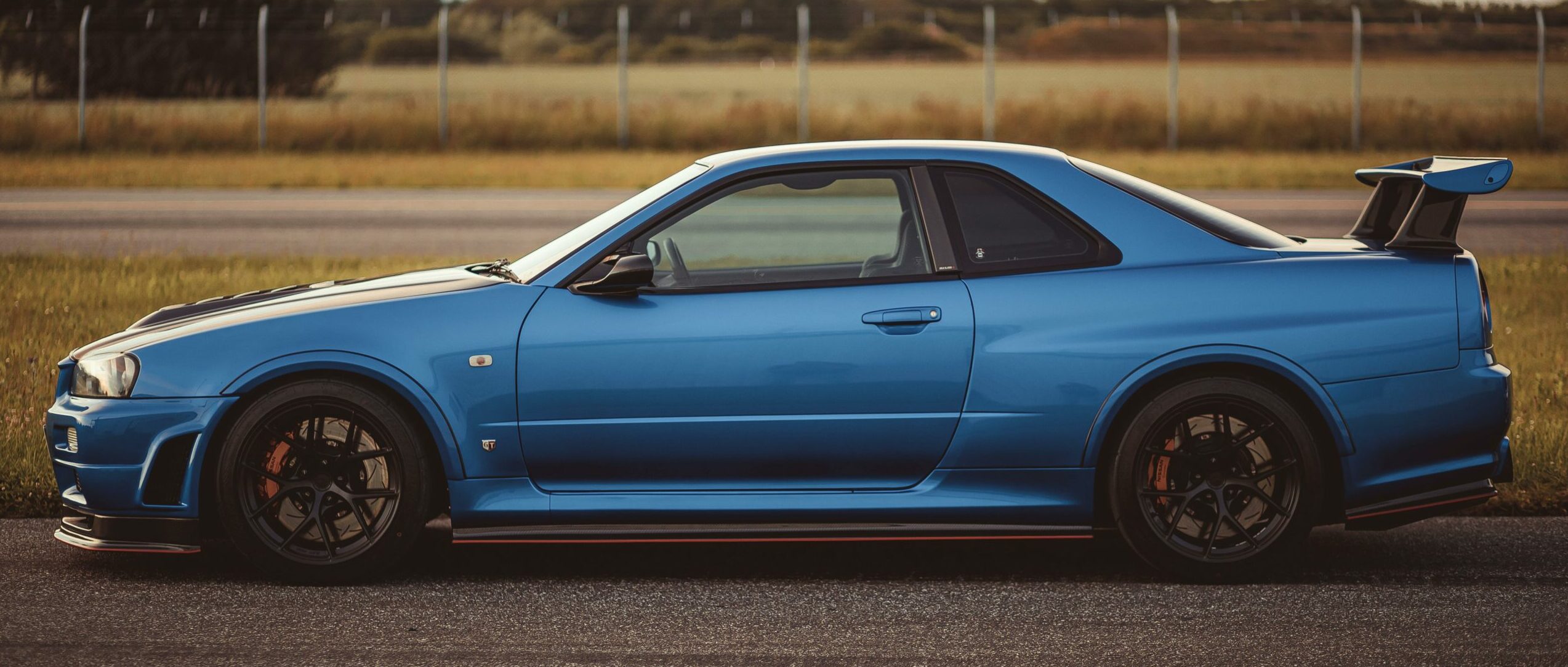
5. Nissan GT-R
The Nissan GT-R has developed a reputation for exceptional acceleration, advanced all-wheel-drive technology, and impressive performance engineering. Its combination of speed and everyday usability has made it popular among sports car enthusiasts.
The R35 GT-R uses a twin-turbocharged 3.8-liter V6 engine. This powerplant was designed to deliver substantial horsepower while supporting the vehicle’s advanced transmission and drivetrain systems.
High-octane gasoline is an important requirement for this engine. Nissan specifies premium unleaded fuel because the GT-R’s combustion system is designed around the characteristics of higher-octane gasoline.
The twin turbochargers increase the amount of air entering the cylinders. This allows the engine to generate significant power, but it also creates conditions where resistance to engine knock becomes particularly important.
Using gasoline below the specified octane level can interfere with the engine’s ability to maintain its intended ignition timing. The electronic control system may reduce performance to protect the engine.
GT-R owners should also pay attention to fuel quality when driving in hot weather or under demanding conditions. High temperatures and heavy engine loads can increase combustion-related stress.
Regular maintenance is equally important. Fresh engine oil, properly functioning cooling systems, and manufacturer-approved servicing help maintain the reliability of this performance-focused vehicle.
Because the GT-R has different specifications across model years and markets, owners should follow the fuel instructions provided for their particular version. Premium gasoline should not be treated as an optional upgrade.

6. BMW M5
The BMW M5 is a high-performance luxury sedan that combines executive-level comfort with powerful acceleration. It is designed for drivers who want a spacious vehicle without sacrificing the performance associated with BMW’s M division.
Recent M5 generations use sophisticated turbocharged V8 technology, with the latest generation also incorporating plug-in hybrid assistance. These powertrains produce substantial output and require carefully managed combustion.
Premium gasoline is specified for applicable M5 models because their engines are calibrated for higher-octane fuel. The correct gasoline helps support the engine’s designed performance and operating conditions.
Turbocharged engines experience increased cylinder pressure when producing high levels of power. Higher-octane gasoline offers better resistance to premature combustion, helping reduce the likelihood of knocking.
Using regular gasoline when the manufacturer requires premium can lead to protective changes in ignition timing. These adjustments may affect acceleration and reduce the engine’s available output.
The M5’s advanced electronics continuously monitor engine conditions. Its systems can adjust different operating parameters to protect mechanical components when conditions are not ideal.
Fuel costs are worth considering before purchasing an M5. Its powerful engine, premium fuel requirement, and performance-oriented maintenance schedule make it more expensive to operate than a conventional family sedan.
Since fuel specifications can change between generations, owners should consult the manual for their exact M5 model. Following the specified octane requirement is important for maintaining the vehicle’s intended performance.
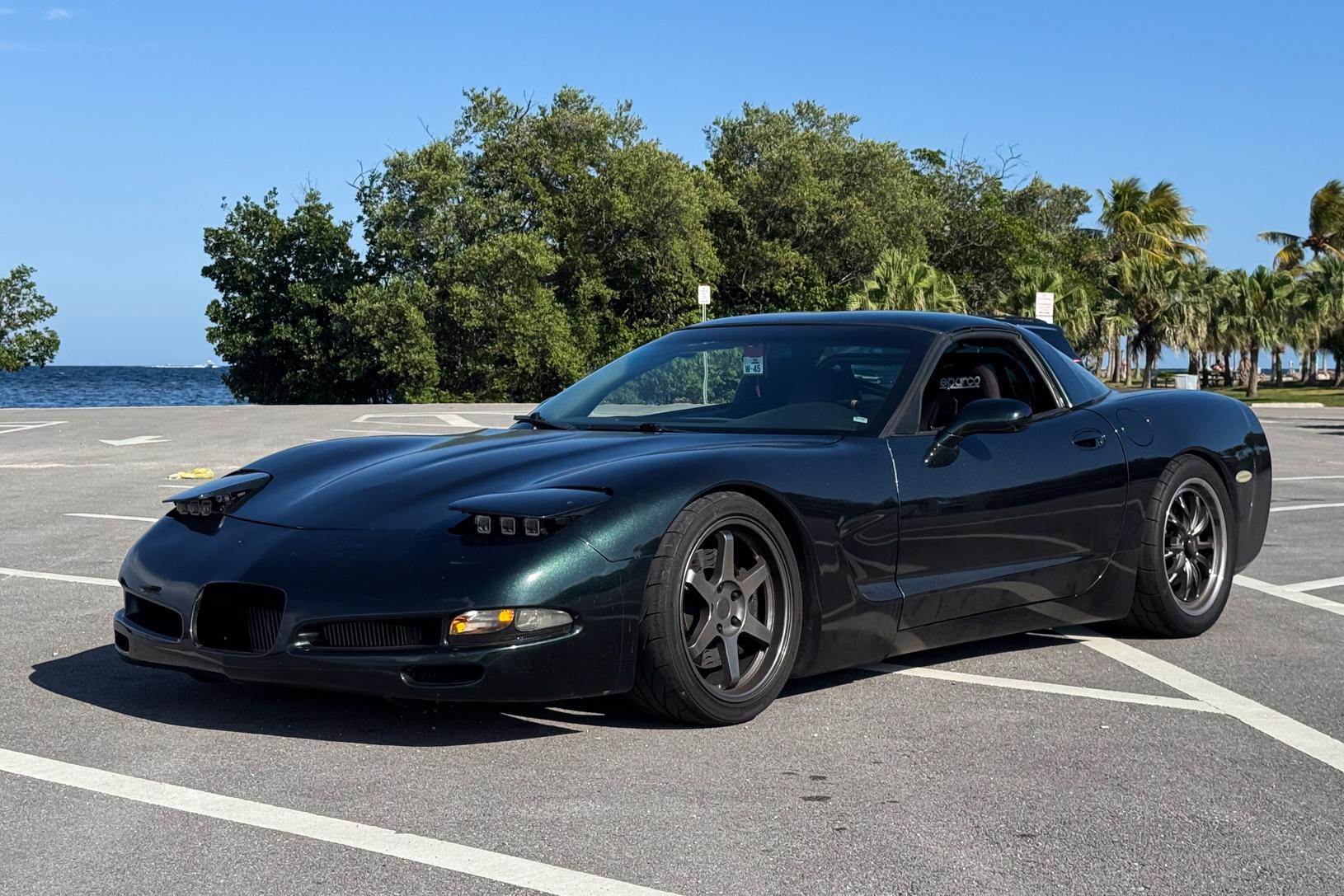
7. Chevrolet Corvette Z06
The Chevrolet Corvette Z06 is designed for drivers who want track-focused performance in a road-legal sports car. Its aggressive styling, aerodynamic bodywork, and powerful engine distinguish it from ordinary passenger vehicles.
The modern C8 Z06 features a naturally aspirated 5.5-liter flat-plane-crank V8 engine. Unlike many high-performance competitors, it produces its power without relying on turbochargers.
Its high-revving engine uses advanced engineering to deliver strong performance at elevated engine speeds. The combustion system is designed around high-quality, high-octane gasoline.
Chevrolet specifies premium fuel for the Z06’s intended performance. The correct octane rating helps the engine manage combustion under the demanding conditions associated with its high-performance design.
Lower-octane fuel can increase the possibility of engine knock, particularly when the vehicle is driven aggressively. Engine management adjustments may reduce performance to protect the powertrain.
The Z06 is frequently associated with track driving, where sustained high engine speeds and heavy acceleration place additional demands on the vehicle. Following the manufacturer’s fuel instructions is especially important in these conditions.
Owners should also consider that performance driving requires attention to engine oil, coolant temperatures, tire condition, and brake maintenance. Fuel selection is just one part of responsible ownership.
Fuel requirements may vary by Corvette generation and market. Buyers should verify the precise octane specification in the documentation supplied with their vehicle rather than assuming that every Corvette uses the same fuel.

8. Dodge Challenger SRT Hellcat
The Dodge Challenger SRT Hellcat is famous for its supercharged V8 engine, muscular appearance, and exceptional straight-line acceleration. It has become a recognizable name among American muscle car enthusiasts.
Its supercharged 6.2-liter HEMI V8 engine produces enormous power. The supercharger forces additional air into the combustion chambers, creating demanding operating conditions that require appropriate fuel.
Premium gasoline is necessary for the Hellcat’s intended performance. Dodge specifies high-octane fuel to support stable combustion and help the engine operate within its designed limits.
The supercharger increases cylinder pressure, which makes resistance to engine knocking particularly important. Lower-octane gasoline can increase the risk of abnormal combustion when the engine is producing substantial power.
Using fuel that does not meet the manufacturer’s minimum specification may cause the engine management system to adjust ignition timing. This can reduce horsepower and affect acceleration.
The Hellcat is available in different configurations, including standard, Redeye, and other high-performance versions. Fuel requirements can vary, making it important to check the specifications for the exact vehicle.
Drivers who enjoy aggressive acceleration should be particularly careful about fuel selection. High engine loads can make the effects of using unsuitable gasoline more noticeable.
Premium gasoline adds to the ownership cost, but it is an important part of maintaining the performance expected from this supercharged muscle car. Owners should always follow the fuel grade specified in their vehicle’s manual.
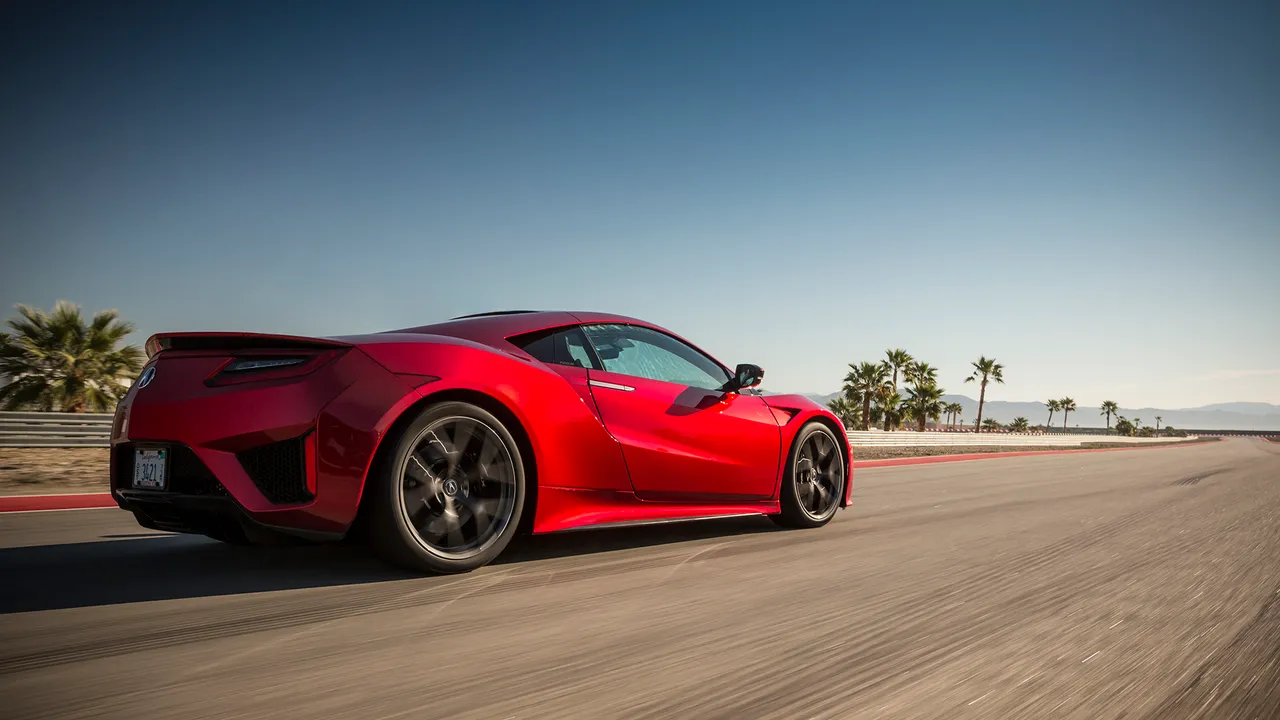
9. Acura NSX
The Acura NSX is a high-performance hybrid sports car that combines advanced engineering with everyday driving comfort. Its design brings together traditional sports car performance and modern hybrid technology.
The second-generation NSX uses a twin-turbocharged V6 engine supported by three electric motors. This combination provides impressive acceleration, precise power delivery, and an advanced all-wheel-drive system.
The gasoline engine is engineered to operate with high-octane premium fuel. Acura specifies premium gasoline to support the engine’s combustion requirements and maintain its intended performance.
Turbocharging increases the amount of air entering the cylinders, creating higher pressure during combustion. Using the correct octane rating helps reduce the possibility of premature ignition under demanding operating conditions.
The hybrid system does not remove the need for appropriate gasoline. Its electric motors assist the combustion engine, but the gasoline powerplant still depends on fuel that meets Acura’s specifications.
Using an unsuitable fuel grade can lead to adjustments in engine operation. These changes may affect acceleration and prevent the vehicle from delivering its intended power output.
NSX owners should also follow the manufacturer’s maintenance schedule. The sophisticated hybrid system, turbocharged engine, and specialized cooling arrangements require appropriate servicing.
Anyone considering a used Acura NSX should review its service records and owner’s manual. Correct fuel selection is an important part of maintaining this technologically advanced sports car.
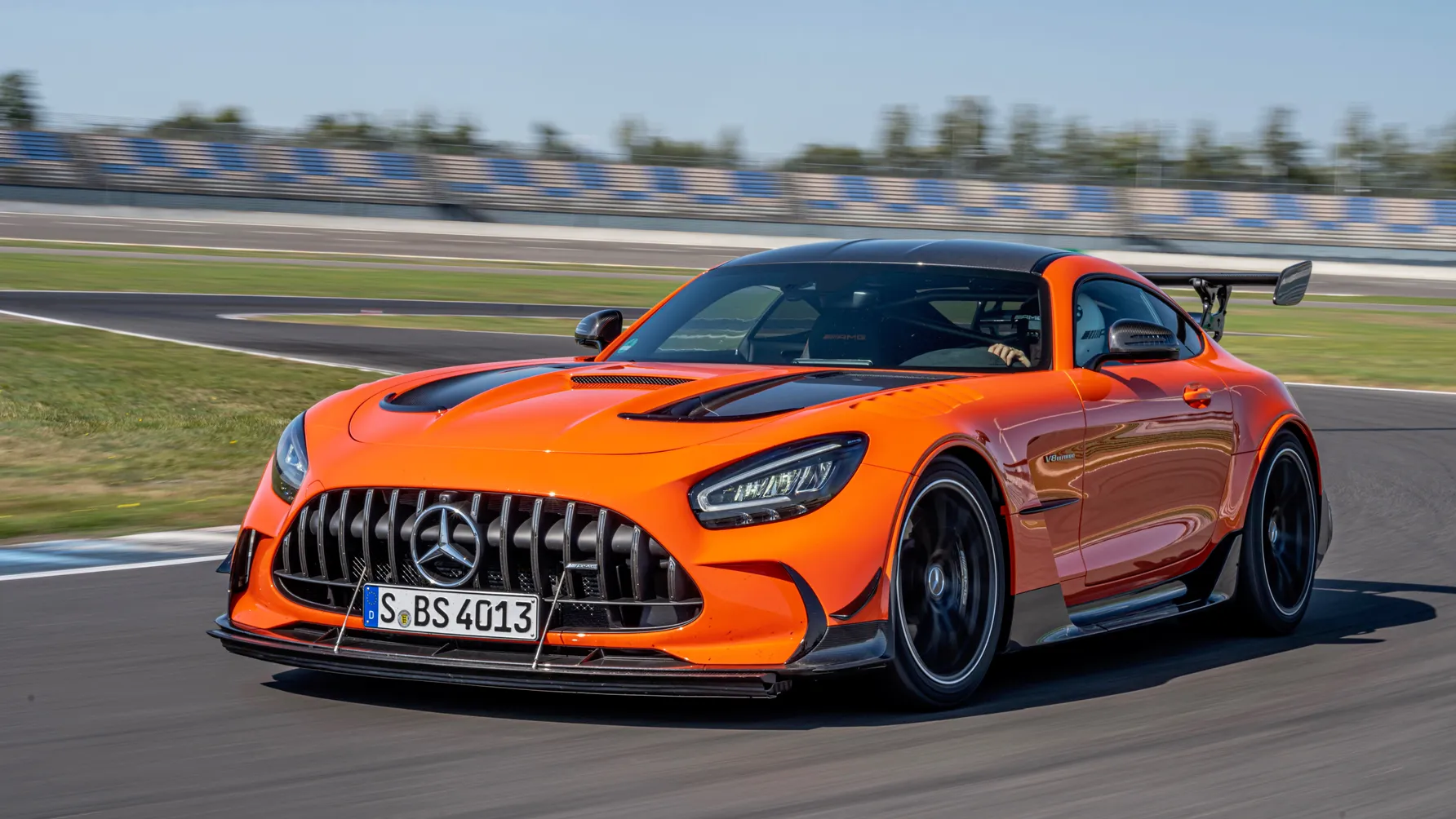
10. Mercedes-AMG GT
The Mercedes-AMG GT is a performance-focused sports car developed for drivers who appreciate powerful engines, refined interiors, and precise handling. Its design reflects AMG’s emphasis on combining luxury with high-speed capability.
Different generations of the AMG GT have featured powerful V8 engines, including twin-turbocharged configurations. These engines are developed to provide strong acceleration and responsive power delivery.
Premium gasoline is specified for applicable AMG GT models because their high-performance engines are calibrated for higher-octane fuel. Using the correct grade helps maintain appropriate combustion conditions.
Twin turbochargers increase air pressure inside the cylinders, allowing the engine to generate substantial power. This creates a greater need for fuel with sufficient resistance to knocking.
Lower-octane gasoline can cause the engine control system to adjust ignition timing to protect the engine. Such adjustments may affect acceleration, responsiveness, and the vehicle’s ability to produce its intended output.
The AMG GT also features advanced electronic engine management. These systems monitor operating conditions and make adjustments to maintain reliable performance during different driving situations.
Owners should understand that premium fuel is not simply a luxury expense for a vehicle with this type of engine. It is part of following the manufacturer’s operating requirements.
Fuel specifications can differ between AMG GT generations, engine versions, and countries. Checking the owner’s manual is the most reliable way to determine the correct octane rating for a particular car.