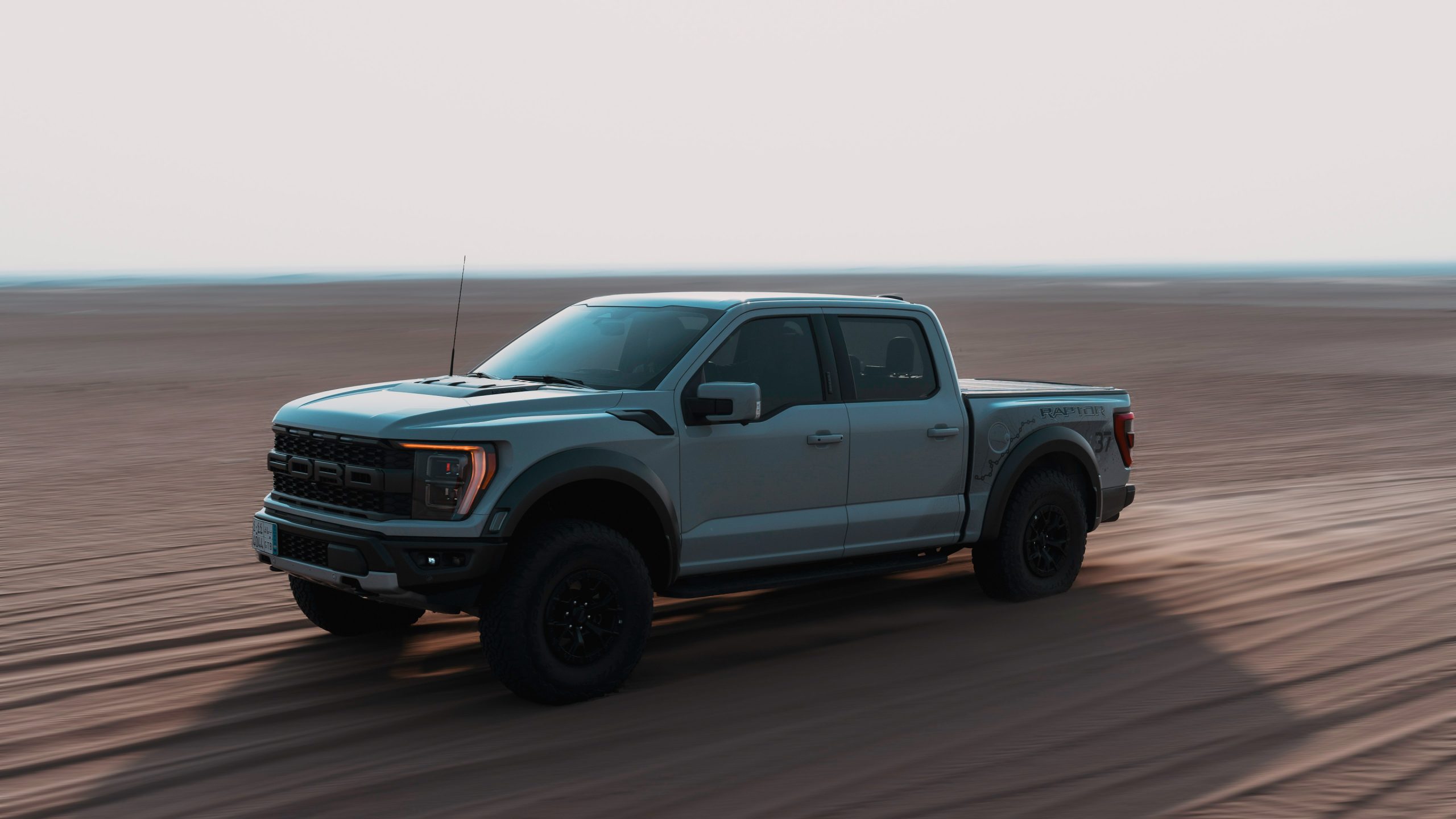
Buying a used pickup truck requires more than checking its mileage, engine condition, and service history. The rear axle is equally important because it transfers engine power to the wheels and helps maintain stability under heavy loads.
Several pickup trucks have been affected by safety recalls involving rear axle shafts, hub bolts, pinion nuts, and related components. These problems can lead to unusual noises, loss of drive power, wheel separation, or unintended vehicle movement.
Before purchasing a pre-owned truck, buyers should check its Vehicle Identification Number (VIN) to identify outstanding recalls and confirm completed repairs.
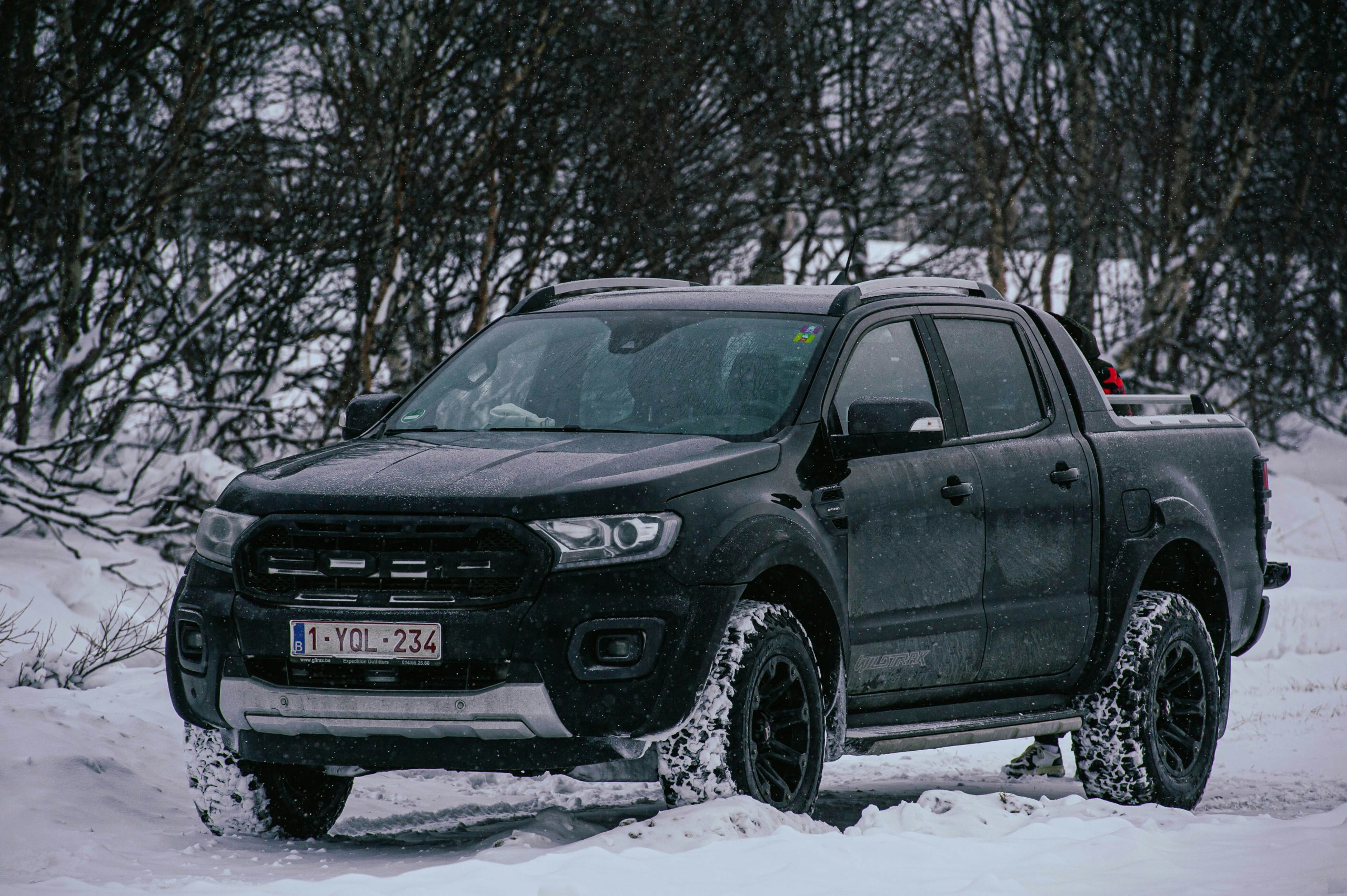
1. Ford F-150 (2021-2023)
The 2021-2023 Ford F-150 received attention because of a rear axle hub bolt problem affecting certain vehicles equipped with the Trailer Tow Max Duty package and a 9.75-inch heavy-duty rear axle with a three-quarter-float design.
The recall covered approximately 112,965 trucks. The problem involved a rear axle hub bolt that could experience fatigue and break during vehicle operation. This could allow movement between the hub splines and axle shaft splines.
The damaged splines could eventually interfere with the transfer of engine power to the rear wheels. In certain circumstances, the truck could lose drive power while moving or roll away when parked without the parking brake applied.
The issue was particularly important for buyers considering an F-150 for towing. The affected configuration was associated with a heavy-duty axle package, making it necessary to verify the truck’s equipment and recall eligibility rather than relying on its advertised towing capacity.
Owners might notice clicking noises when the axle hub bolt becomes loose. A broken bolt may also produce rattling sounds around the rear wheel area. These symptoms should be taken seriously during a used vehicle inspection.
Ford’s recall remedy involved replacing the left and right rear axle shaft assemblies at no cost to eligible owners. The repair history should be confirmed through an authorized Ford dealership rather than accepted solely on the seller’s verbal assurance.
Anyone considering a 2021, 2022, or 2023 F-150 should check the VIN for campaign 23V896. The model-year range identifies the broader recall population, but only an individual VIN search can establish whether a particular truck was included and whether the repair remains outstanding.
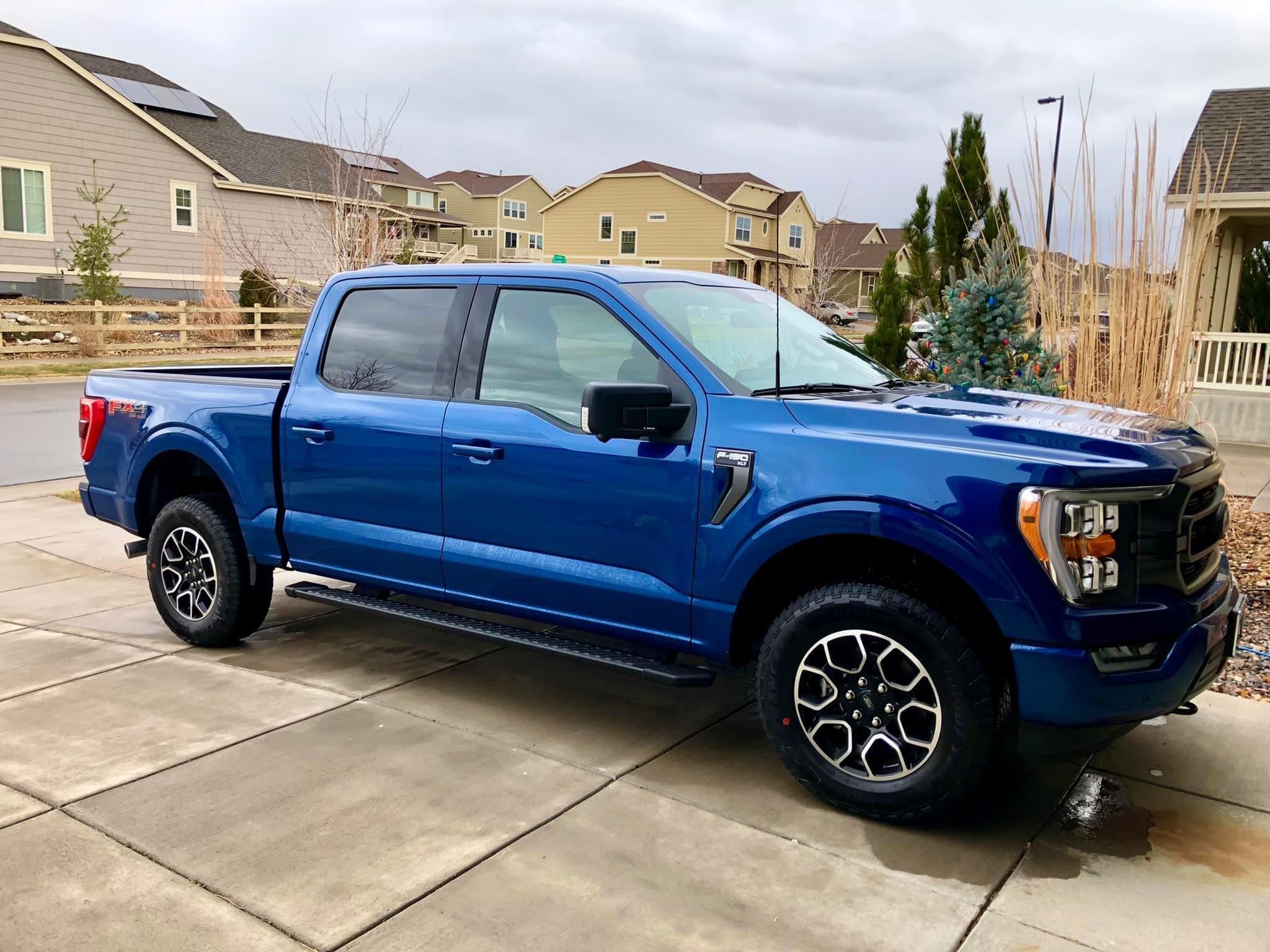
2. Ford F-150 (2023-2025)
Ford issued an additional recall in August 2025 involving certain 2023-2025 F-150 pickups. The campaign addressed a similar rear axle hub bolt concern identified in the earlier recall.
Approximately 103,174 vehicles were potentially affected. The trucks included in this campaign were equipped with the Trailer Tow Max Duty package, a 9.75-inch heavy-duty axle, and a three-quarter-float axle design.
The rear axle hub bolt could fatigue and break, potentially damaging the axle hub splines. These splines help transfer rotational force through the axle assembly to the wheels.
When the splines become damaged, the truck may lose drive power. There is also a risk of vehicle rollaway when the transmission is in Park and the parking brake has not been applied.
The problem deserves attention from used buyers because a truck advertised as having a strong towing package may still fall within the affected equipment configuration. A high towing capacity does not establish that the axle assembly is free from defects.
Ford’s repair involves replacing the left and right rear axle shaft assemblies. The manufacturer provides this recall repair without charge for eligible vehicles.
Buyers should ask the seller whether the truck received the repair under the earlier campaign or the expanded campaign. Since the two recalls cover overlapping model years, the VIN-based recall record is essential for identifying the applicable campaign and its completion status.
A 2023-2025 F-150 should not be considered cleared simply because the seller says it has never experienced axle noise. The absence of noticeable symptoms does not prove that the affected hardware has been repaired.
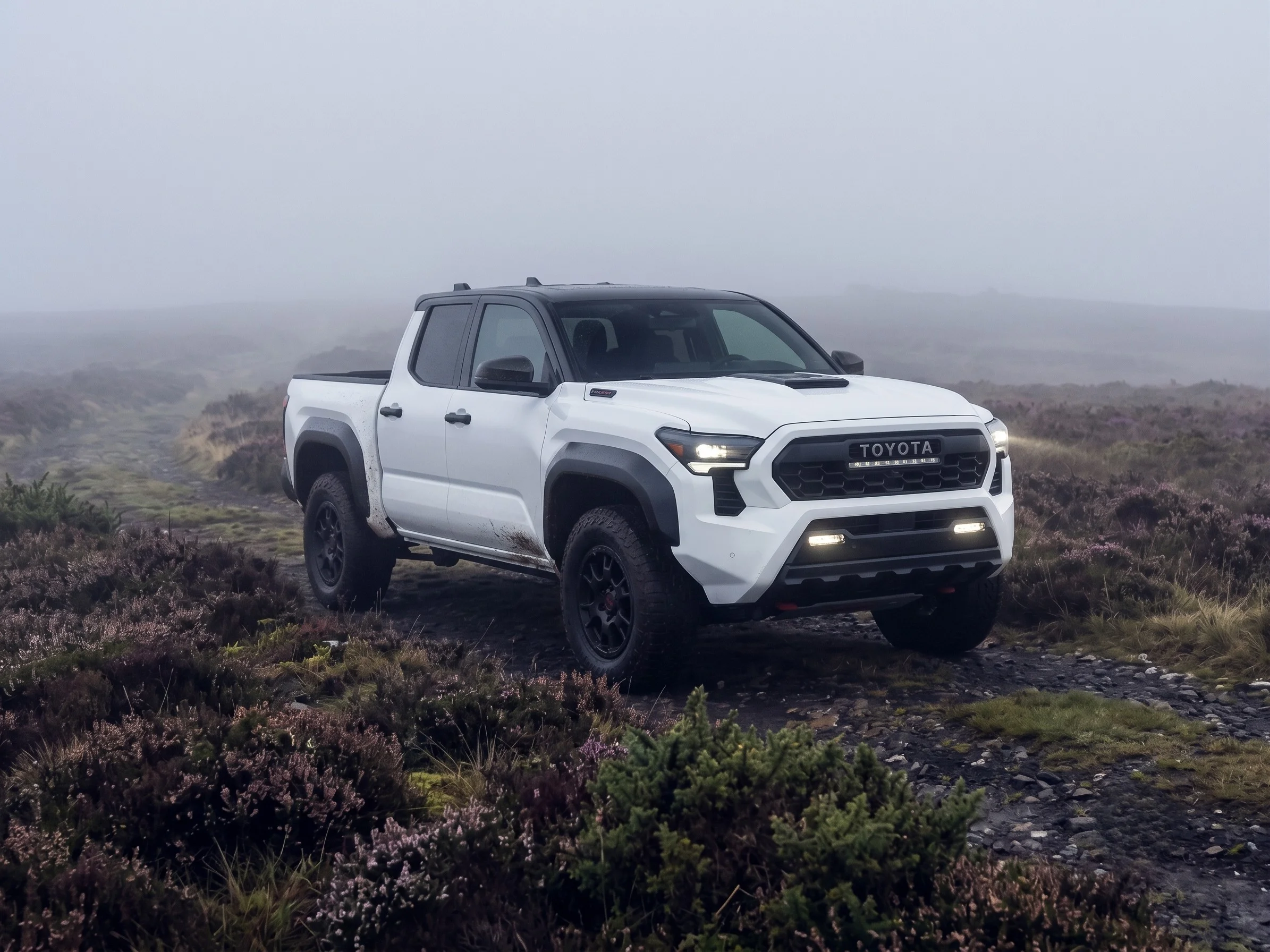
3. Toyota Tacoma (2022-2023)
The 2022-2023 Toyota Tacoma is another pickup that used buyers should investigate carefully. Toyota announced a major recall in February 2024 involving approximately 381,199 Tacoma trucks in the United States.
The problem involved manufacturing debris left on the ends of the rear axle assembly. This material could interfere with the proper tightening of axle retaining nuts.
Over time, the retaining nuts could loosen and potentially fall off. This could allow components attached to the rear axle to separate from their intended positions.
The consequences could include reduced vehicle stability and compromised braking performance. The issue was especially important because the affected components were associated with the rear wheel and axle assembly.
Buyers considering a used Tacoma should not assume that the problem only affects trucks that have been driven extensively. The recall identified a manufacturing-related concern, meaning vehicle age and mileage alone cannot determine whether a particular truck needs attention.
Toyota’s recall remedy involved inspecting the rear axle assembly and tightening the retaining nuts as required. If technicians identified damaged components, the dealership would repair or replace them without charge.
A pre-purchase inspection should include a review of the rear axle area, particularly if the truck has visible signs of previous repairs or unusual noises around the rear wheels. However, a physical inspection cannot replace the official recall record.
Before purchasing a 2022 or 2023 Tacoma, enter its 17-character VIN into the NHTSA recall database or Toyota’s official recall lookup. Ask the dealership for confirmation that campaign 24V152 has been completed whenever the vehicle is identified as affected.
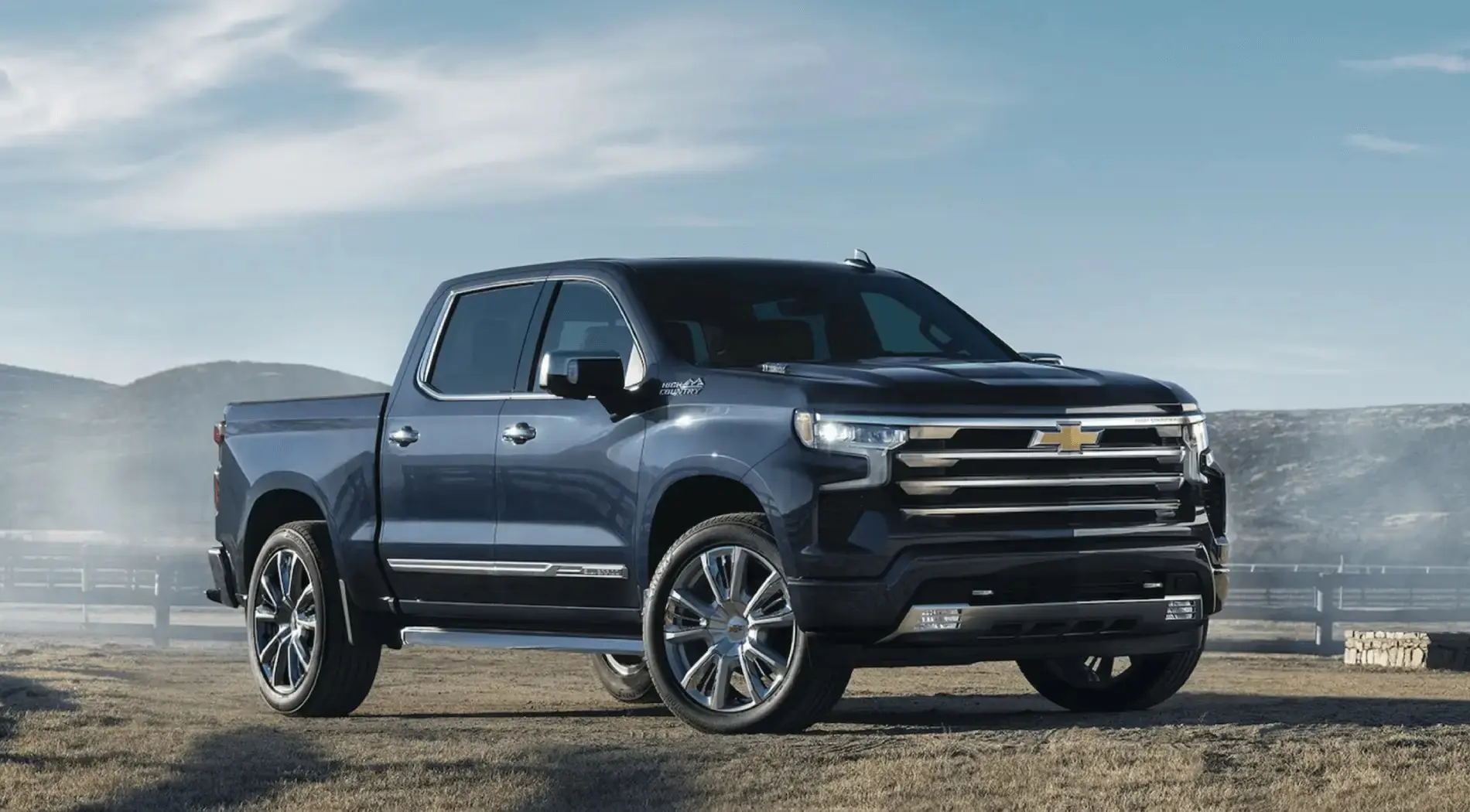
4. Chevrolet Silverado 1500 (2015)
The 2015 Chevrolet Silverado 1500 is another used pickup that deserves a VIN-based recall check. General Motors identified a problem involving improperly heat-treated rear axle shafts in certain trucks.
The manufacturing issue could affect the strength and durability of the axle shaft. An axle shaft that does not receive the required heat treatment may become more vulnerable to fracture during normal operation.
A fractured rear axle shaft can cause the rear wheel to separate from its intended mounting position. Such an event can result in a serious loss of vehicle control and increase the risk of a crash.
This recall is particularly relevant to buyers searching for older Silverado models at lower prices. A truck may appear mechanically sound during a short test drive, yet still have an unresolved manufacturing-related safety issue.
The manufacturer instructed dealerships to inspect the axle manufacturing code located near the outer end of the axle shaft. If the affected axle shaft was identified, the dealership was required to replace it.
Buyers should request documentation showing that the correct axle inspection or replacement was completed. A general service invoice mentioning rear differential maintenance is not necessarily proof that the safety recall was addressed.
It is also important to distinguish between routine axle servicing and a manufacturer recall repair. Changing differential fluid, replacing wheel bearings, or inspecting suspension components does not automatically resolve a defective axle shaft.
Anyone considering a 2015 Silverado 1500 should check the VIN through NHTSA and ask a Chevrolet dealership to review the vehicle’s campaign history. This is particularly important when the seller cannot provide reliable documentation of previous safety repairs.
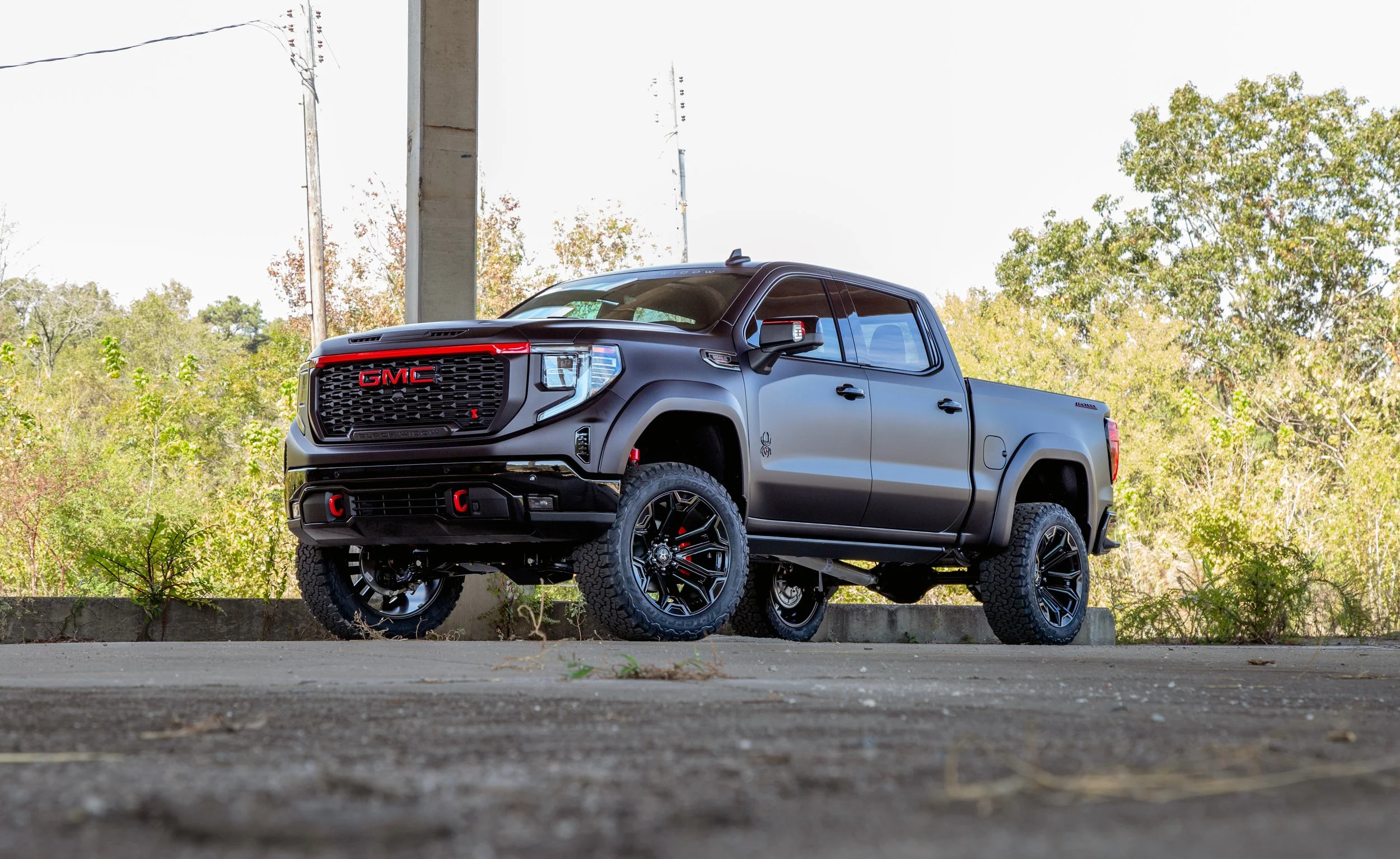
5. GMC Sierra 1500 (2015)
The 2015 GMC Sierra 1500 shared the rear axle shaft recall with its Chevrolet Silverado counterpart. Certain vehicles were manufactured with rear axle shafts that may not have received the required heat treatment.
This manufacturing defect could reduce the strength of the axle shaft and increase the possibility of fracture. The affected area was near the hub flange, where the axle shaft connects to the wheel assembly.
A broken axle shaft can cause a rear wheel to separate from the axle assembly. This presents a serious safety concern because the driver may suddenly lose control of the vehicle.
Used buyers should pay particular attention to Sierra trucks that have been modified for towing, commercial work, or off-road driving. Such modifications do not necessarily mean that a truck is affected, but they make a thorough mechanical inspection worthwhile.
The official repair procedure required dealerships to examine the axle manufacturing code. If the vehicle contained an affected axle shaft, the component had to be replaced.
A seller may claim that the truck has been inspected by an independent mechanic. That information can be useful, but buyers should still request confirmation from GMC’s authorized service network that the applicable safety recall was completed.
The recall is not a reason to automatically reject every 2015 Sierra 1500. The important issue is whether the specific truck falls within the affected population and whether the manufacturer-prescribed repair has been performed.
Before signing the purchase agreement, buyers should verify the VIN and obtain the vehicle’s recall completion history. This small step can prevent confusion over whether an earlier axle repair was routine maintenance or an actual recall remedy.
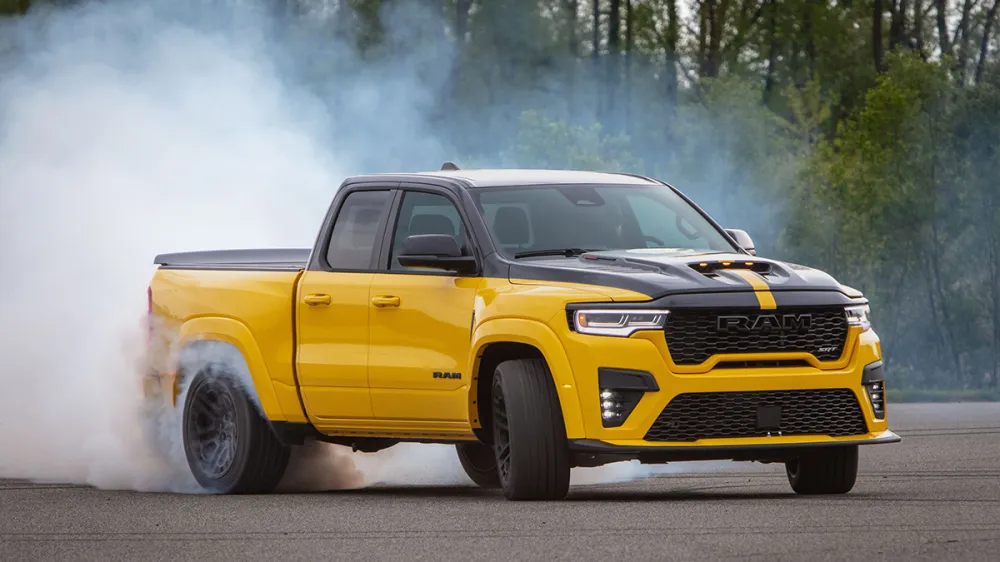
6. Dodge Ram 1500 (2005)
The 2005 Dodge Ram 1500 is an older pickup with a documented rear axle pinion nut recall. The problem involved certain trucks equipped with a 9.25-inch rear axle.
The pinion nut could loosen because of an undersized spline on the pinion gear. The original assembly could also lack the required adhesive patch on the pinion nut threads.
A loose pinion nut could eventually cause the rear axle to seize or the rear driveshaft to separate. Either situation could lead to a sudden loss of vehicle control and increase the possibility of a crash.
The risk is worth considering when purchasing an older Ram that may have spent years towing trailers or carrying heavy loads. Extended use can place additional demands on drivetrain components, making a documented repair history particularly valuable.
Owners might notice grinding noises coming from the rear differential or vibrations from the driveshaft. These warning signs should prompt a professional inspection rather than an attempt to negotiate a lower purchase price without investigating the cause.
Chrysler’s recall procedure required technicians to inspect the pinion nut. If the nut had loosened or the axle assembly had seized, the rear axle required reconditioning. If the nut remained secure, technicians were instructed to install a pinion nut retainer.
The recall covered approximately 257,065 vehicles, making it an important campaign for buyers researching older Dodge Ram trucks. Its age also means that some vehicles may have incomplete service documentation or previous ownership records.
Anyone considering a 2005 Ram 1500 should check the VIN and ask an authorized Ram dealership to confirm whether campaign P77 was completed. A truck should not be treated as recall-free simply because it has operated without obvious drivetrain problems.
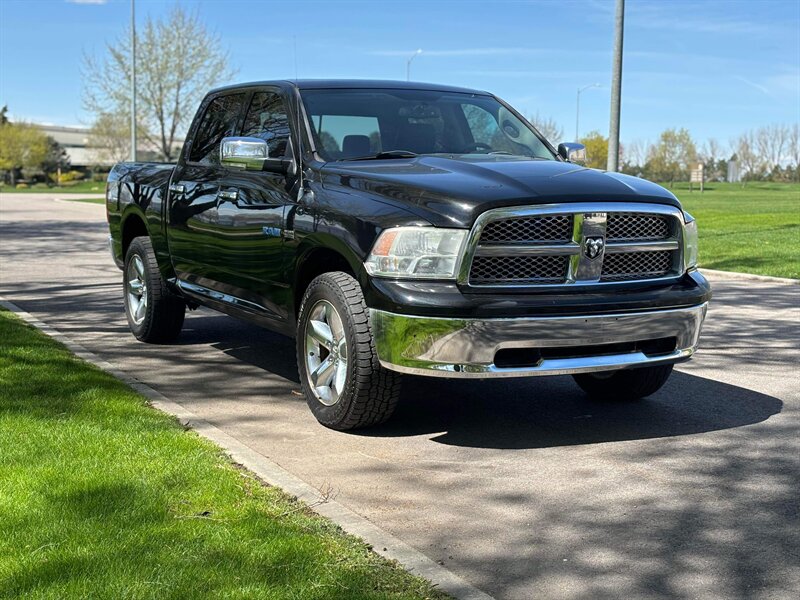
7. Ram 1500 (2009-2012)
Certain 2009-2012 Ram 1500 pickups were included in a recall involving rear axle pinion nuts. The issue affected components within the rear differential assembly and could create a serious mechanical problem if the nut loosened.
The pinion nut helps secure the pinion gear within the differential. If it becomes loose, the internal components may no longer maintain their intended operating position.
A loose pinion nut can cause the rear axle to lock up or lead to driveshaft separation. Either condition can affect the truck’s ability to maintain normal movement and control.
This recall is particularly relevant for buyers considering older Ram pickups as affordable work vehicles. Trucks in this age group may have accumulated substantial mileage, and some may have undergone drivetrain repairs that are not fully documented.
A careful inspection should include listening for unusual differential noises, checking for vibration during acceleration, and reviewing any evidence of previous axle or driveshaft work. These checks can help identify possible mechanical concerns but cannot establish recall completion.
The campaign also covered certain other Chrysler-related vehicle models, including the Dodge Dakota. Buyers should verify the exact vehicle rather than assume that every Ram from the listed years was included.
The appropriate recall repair should be confirmed through the manufacturer’s service records. A previous differential rebuild does not automatically demonstrate that the official recall procedure was performed correctly.
Before purchasing a 2009-2012 Ram 1500, check its VIN through the official recall database and request a dealership history report. If an open campaign appears, contact a Ram service department to establish the required repair and its availability.
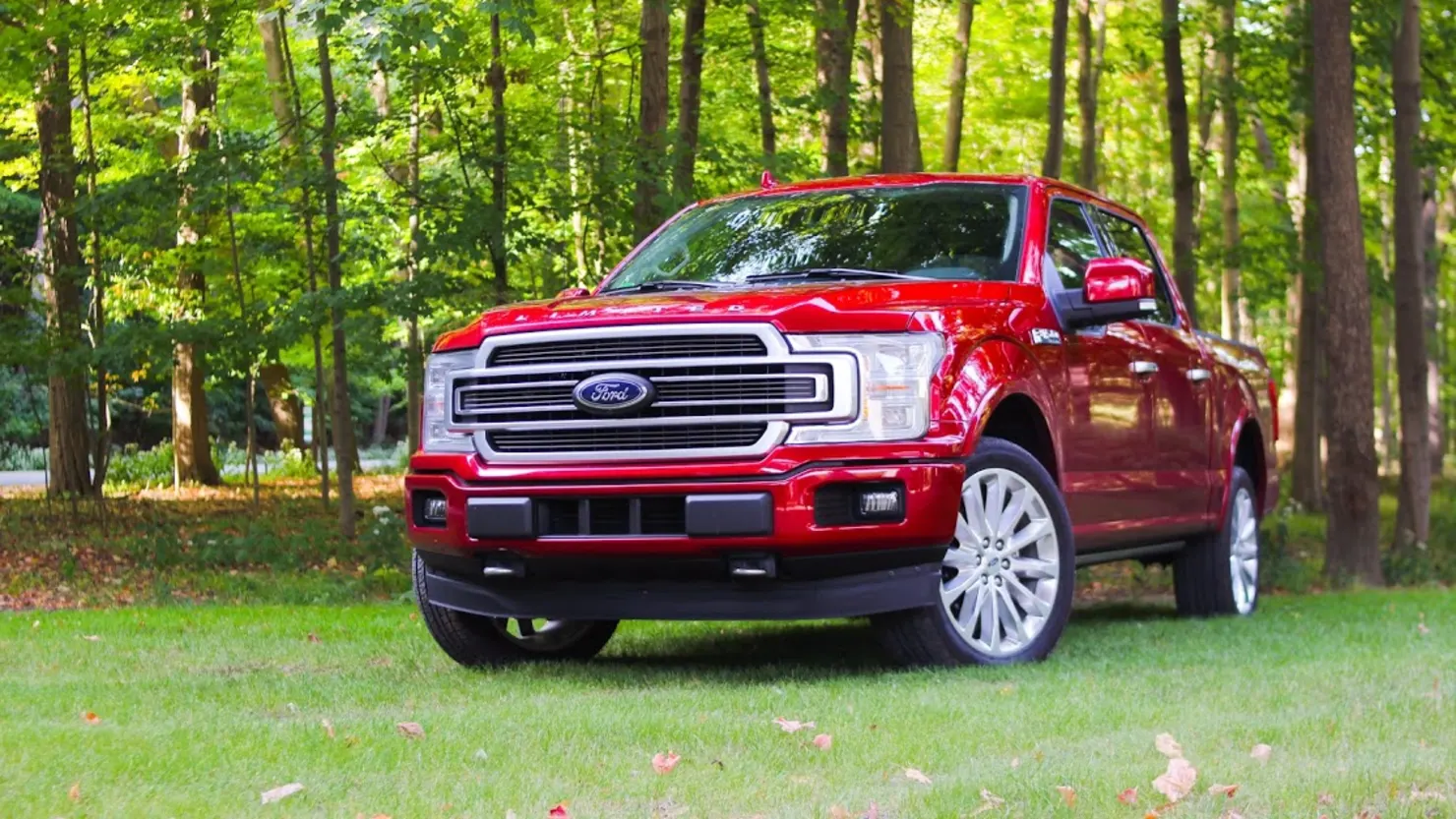
8. Ford F-150 (2019)
Certain 2019 Ford F-150 pickups were affected by a rear axle shaft manufacturing problem involving vehicles equipped with an electronically locking rear differential.
The concern involved passenger-side rear axle shafts manufactured using steel that did not meet Ford’s specifications. The material issue could reduce the component’s useful life and increase the possibility of fracture.
A broken rear axle shaft could cause the truck to lose drive power while operating in two-wheel-drive mode. It could also affect the vehicle’s ability to remain stationary when parked if the parking brake was not applied.
The affected components were associated with a particular production period. Ford’s recall documentation identified vehicles manufactured between May 21, 2019, and July 26, 2019.
This makes the VIN check particularly important. A buyer should not assume that every 2019 F-150 with an electronic locking differential is included, or that every truck outside the listed production dates is automatically free from other recall concerns.
The manufacturer identified the passenger-side rear axle shaft as the component requiring attention. Buyers should ask an authorized Ford dealership to establish whether the truck falls within the campaign and whether the appropriate replacement was performed.
During a test drive, pay attention to unusual sounds, vibration, and any changes in the truck’s ability to deliver power. These observations are useful during an inspection, but a lack of symptoms does not confirm that the axle shaft is safe.
Before purchasing this F-150, request a VIN-based recall report and verify the status of NHTSA campaign 19V688. A dealership record showing the completed repair provides stronger evidence than a seller’s assurance that the vehicle has never experienced an axle problem.