
Jump-starting a vehicle may seem like a simple task, but modern cars often require specific procedures to protect their electrical systems. Some vehicles have dedicated jump-starting terminals, sensitive electronic components, battery monitoring systems, or manufacturer-approved connection points.
Ignoring these instructions can cause electrical damage, warning lights, or starting problems. Understanding the correct procedure before connecting jumper cables is essential for vehicle owners.
This article covers ten vehicles with special jump-starting instructions in their owner’s manuals, explaining their requirements, safety precautions, and important details to check before attempting to restore power to a discharged battery.

1. BMW 3 Series
The BMW 3 Series features sophisticated electrical systems that require careful handling during jump-starting. Depending on the model year and engine configuration, BMW provides dedicated positive and negative jump-starting terminals under the hood. These connection points allow owners to supply external power without connecting directly to the battery.
The positive terminal is generally protected by a plastic cover, usually marked with a plus symbol. The negative connection point is typically a designated grounding stud or suitable chassis ground. Using these manufacturer-approved points helps protect the vehicle’s battery monitoring system and electrical components.
BMW models equipped with intelligent battery sensors require particular attention. Connecting jumper cables directly to the battery terminals instead of the designated grounding point can interfere with battery monitoring. The owner’s manual explains the correct connection arrangement for the specific vehicle.
Before jump-starting, both vehicles should be parked safely, with their ignition systems switched off. The parking brake should be applied, and unnecessary electrical accessories should remain turned off. The jumper cables must be suitable for the vehicle’s battery voltage and starting requirements.
The positive cable should connect to the designated positive terminal of the discharged vehicle, followed by the corresponding positive connection on the assisting vehicle. The negative cable should then connect to the assisting vehicle’s negative terminal and the designated grounding point on the BMW.
Once the connections are secure, the assisting vehicle can be started according to the manufacturer’s instructions. The BMW can then be started after the recommended waiting period. Cable removal must follow the specified reverse sequence to reduce the possibility of sparks near the battery.
Some BMW models also have additional restrictions involving battery charging, battery registration, and electrical system management. These requirements vary by generation, so owners should not assume that every 3 Series uses an identical procedure.
Following the instructions in the BMW owner’s manual helps prevent damage to sensitive electronic components. If the vehicle fails to start after a properly performed attempt, professional inspection may be necessary to identify battery failure, starter problems, or other electrical faults.

2. Mercedes-Benz C-Class
The Mercedes-Benz C-Class uses advanced electronic systems that require attention during external starting procedures. Its owner’s manual generally identifies dedicated jump-starting terminals, which are designed to provide a safe connection point for an external power source.
Many C-Class models have a positive jump-starting terminal located in the engine compartment. A designated grounding point is provided for the negative cable. These connection points make it unnecessary to access the battery directly in configurations where the battery is installed elsewhere in the vehicle.
The location of the battery and connection points can differ between generations. Some models have batteries installed in the engine compartment, while others use alternative locations. Owners should consult the manual rather than relying on instructions intended for a different C-Class version.
Mercedes-Benz vehicles may feature sensitive control modules, electronic steering systems, and battery management technology. Incorrect connections can potentially affect these components. Using the designated terminals helps maintain the intended electrical connection arrangement.
Before starting the procedure, the ignition should be switched off, and all electrical consumers should be deactivated. Both vehicles must use compatible electrical systems. The owner’s manual also provides instructions regarding cable condition, connection order, and safe positioning.
The positive cable is connected to the designated positive terminal on the discharged vehicle and the corresponding positive point on the donor vehicle. The negative cable is connected to the donor vehicle’s negative terminal and the approved grounding point on the Mercedes-Benz.
After the vehicle starts, the jumper cables should be disconnected in the sequence specified by Mercedes-Benz. Cable clamps should not touch each other or exposed metal surfaces while connected. Careful removal helps prevent accidental short circuits.
Mercedes-Benz also recommends addressing the underlying cause of repeated battery discharge. A weak battery, charging system malfunction, or electrical drain can cause the same problem to return. A qualified technician can test the battery and charging system when necessary.

3. Ford F-150
The Ford F-150 is available with several engine options and electrical configurations. Its jump-starting instructions can differ according to model year, engine type, and battery arrangement. The owner’s manual provides specific information about the approved connection points and precautions.
Many F-150 models provide accessible positive and negative jump-starting connections under the hood. These points are particularly useful on versions where the battery or electrical components are positioned in a way that makes direct battery connections less convenient.
Some F-150 configurations feature dual batteries or additional electrical equipment. These systems are commonly associated with specific diesel or heavy-duty applications. Owners must identify their exact configuration before attempting to jump-start the vehicle.
Ford emphasizes the importance of using the recommended connection points. Incorrect connections can damage electrical components or interfere with vehicle electronics. The manual also identifies situations where additional precautions are necessary.
Before connecting cables, the vehicles should be positioned safely without allowing them to touch. The ignition systems should be switched off, and accessories such as headlights, climate control, and entertainment systems should be deactivated.
The positive cable should be attached to the designated positive connection point on the discharged F-150. The other positive clamp connects to the donor vehicle. The negative connection should follow the grounding instructions provided by Ford rather than relying on an arbitrary metal component.
After the cables are connected correctly, the donor vehicle can be started. The F-150 should then be started according to the recommended procedure. If the engine does not start, repeated attempts should be avoided because they can overheat the starter and cables.
Ford also provides guidance for hybrid F-150 models. These vehicles have additional electrical components and require attention to the specified low-voltage battery jump-starting points. The high-voltage hybrid system should never be treated like a conventional battery.
4. Toyota Prius
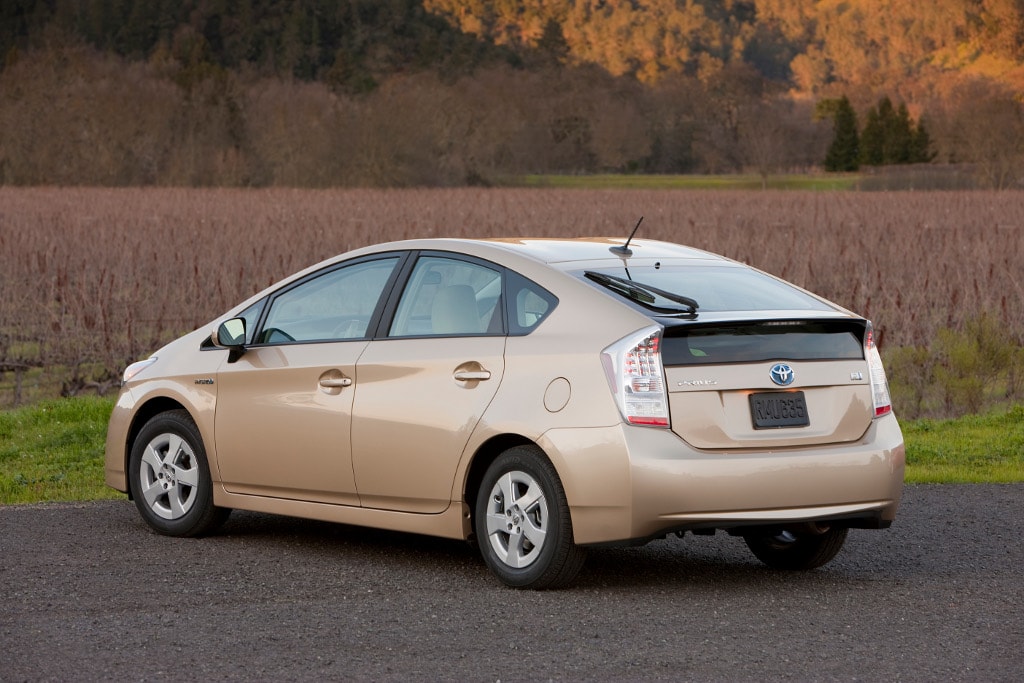
The Toyota Prius has special jump-starting instructions because it uses a hybrid powertrain rather than a conventional gasoline-only arrangement. Its hybrid system combines an internal combustion engine with an electric motor and a high-voltage battery.
The important distinction is that jump-starting a Prius generally involves its 12-volt auxiliary battery system. The high-voltage hybrid battery is not used as the connection point for conventional jumper cables.
Depending on the model year, the 12-volt battery may be installed in the rear cargo area. Toyota provides a designated positive jump-starting terminal in the engine compartment on many Prius versions, making external power connections easier.
The owner’s manual explains where to locate the positive terminal and the approved grounding point. Owners should identify these locations before connecting any cables. Using an incorrect connection can cause electrical problems or prevent the hybrid system from starting properly.
The Prius does not always behave like a conventional vehicle during the starting process. Once the external power source is connected, the driver generally needs to press the brake pedal and operate the power switch until the READY indicator appears.
The READY indicator is particularly important because it confirms that the hybrid system has entered its operating state. The gasoline engine may not start immediately. It can remain switched off while the vehicle is ready to operate electrically.
Toyota warns owners to avoid contact with high-voltage orange cables and related hybrid components. These systems operate at potentially dangerous voltages and should only be serviced by trained professionals.
After the Prius reaches READY mode, the external power source should be disconnected according to the owner’s manual. If the vehicle repeatedly loses auxiliary battery power, the 12-volt battery and charging-related systems should be inspected.
5. Tesla Model 3
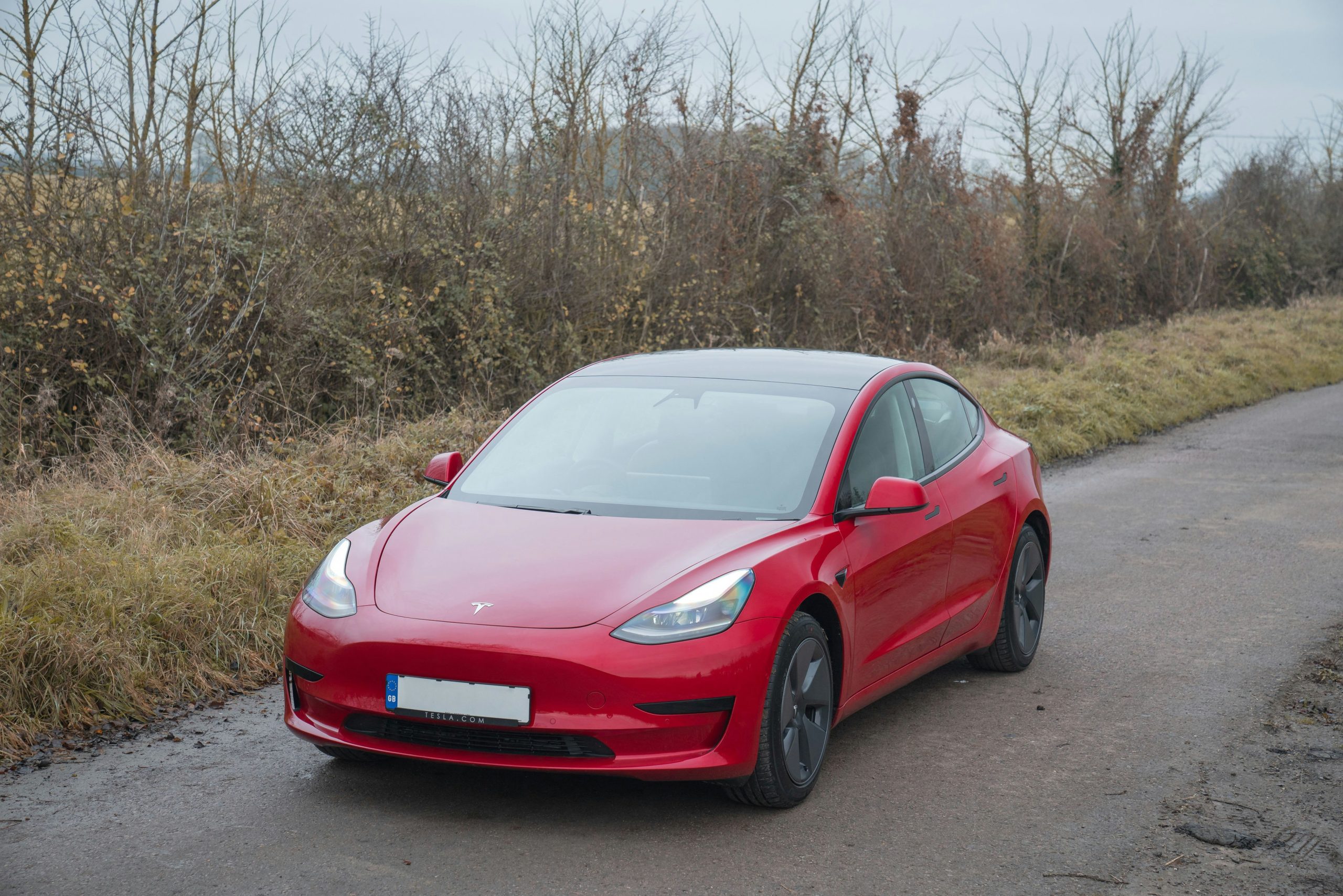
The Tesla Model 3 has a different electrical arrangement from conventional gasoline vehicles. It uses a high-voltage traction battery for propulsion and a separate low-voltage electrical system for operating vehicle electronics.
Jump-starting a Model 3 is not the same as connecting jumper cables to a traditional 12-volt battery. The correct procedure depends on the vehicle’s production year and low-voltage battery technology.
Earlier Model 3 versions use a 12-volt low-voltage battery, while newer versions may use a 16-volt lithium-ion low-voltage battery. Owners must identify their specific vehicle before following any external power instructions.
Tesla provides access to low-voltage jump-starting connections through designated procedures. On certain versions, the front trunk must be opened to reach the relevant connection points. If the vehicle has completely lost low-voltage power, the manual explains how to access the front trunk safely.
The manufacturer also provides specific instructions for supplying temporary external power. These procedures are intended to restore low-voltage operation so the vehicle can respond to its controls. They should not be confused with charging the high-voltage traction battery.
Using a conventional jump-starting method without checking compatibility can damage the vehicle’s electrical system. Tesla owners should never connect an external power source to high-voltage components or orange cables.
The Model 3’s touchscreen and electronic controls may become unavailable when the low-voltage system loses power. This can make preparation difficult, which is why Tesla recommends understanding the emergency access procedure before a battery failure occurs.
Once low-voltage power has been restored, the vehicle may require additional checks. If the system does not respond normally, Tesla service support should be contacted. Owners should follow the instructions for their exact production version rather than applying older procedures to newer vehicles.
6. Audi A4
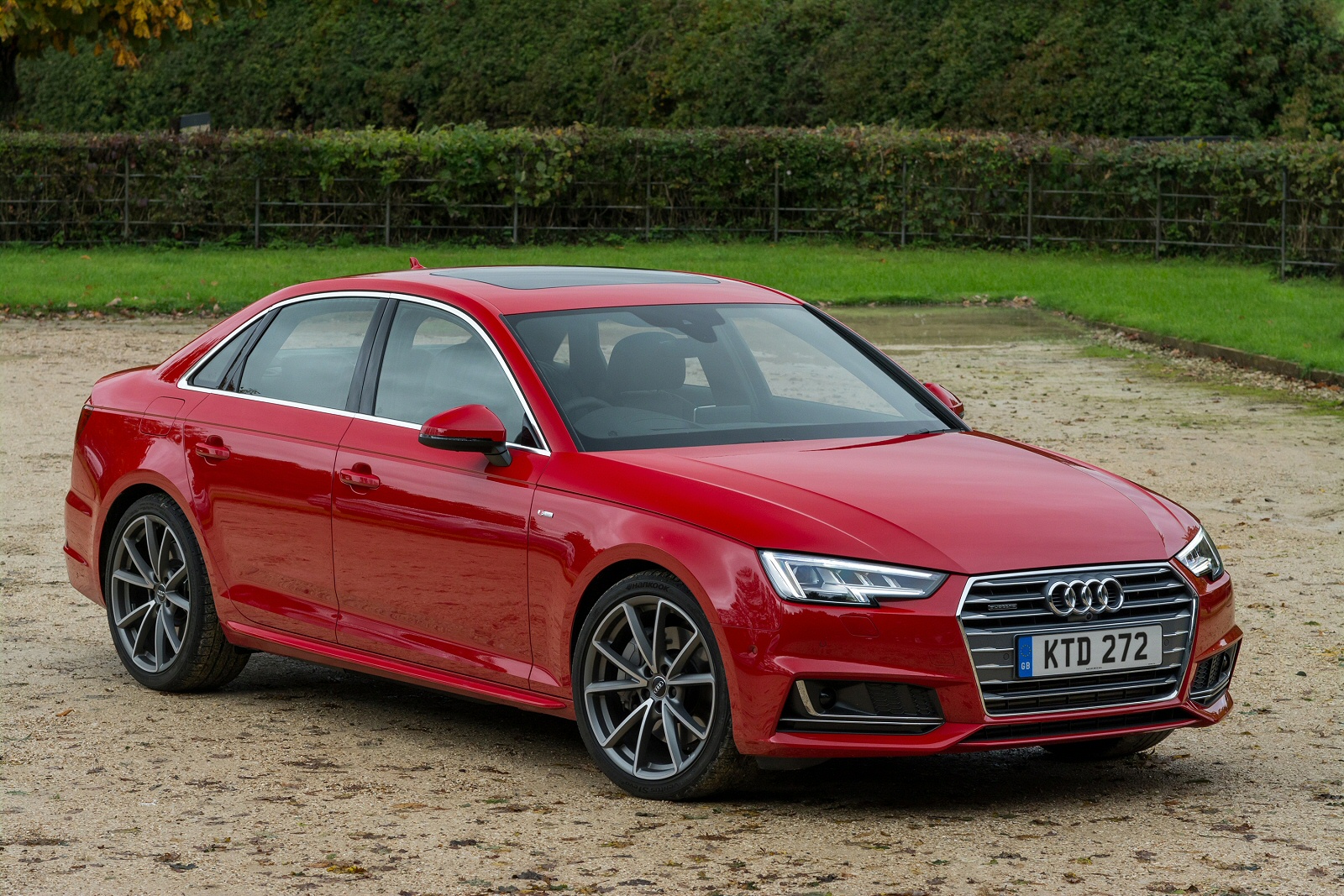
The Audi A4 features modern electrical architecture and manufacturer-designated jump-starting connections. Its owner’s manual explains the approved locations and procedures for supplying external power to a discharged battery.
Many Audi A4 models have a positive jump-starting terminal under the hood. A designated grounding point is provided for the negative connection. These terminals are useful because the battery may be positioned away from the engine compartment.
Audi vehicles commonly use battery monitoring systems to track electrical conditions and charging requirements. Connecting jumper cables to the wrong points may interfere with the intended operation of these systems or create electrical risks.
The exact location of the terminals varies according to model year and engine configuration. Owners should check the diagram in their owner’s manual before beginning the procedure. Visual similarities between different Audi generations do not guarantee identical connection arrangements.
The vehicle should be switched off before connecting the cables. Electrical accessories should also be deactivated to reduce unnecessary demand on the donor vehicle and the discharged battery.
The positive cable is connected to the designated positive terminal on the Audi and the donor vehicle. The negative cable should be connected to the donor vehicle’s negative terminal and the Audi’s approved grounding point.
After the engine starts, the cables should be removed in the order specified by Audi. Care should be taken to prevent cable clamps from touching each other during removal.
Audi also recommends checking the battery after a jump-starting event. Repeated discharge may indicate an aging battery, alternator-related problem, or an electrical component that continues drawing power when the vehicle is parked.

7. Chevrolet Corvette
The Chevrolet Corvette has several special considerations related to battery placement, electrical equipment, and model-specific jump-starting arrangements. Different Corvette generations use different electrical layouts, so the owner’s manual is particularly important.
Some Corvette models have batteries installed in locations that are not immediately accessible from the engine compartment. Chevrolet provides designated positive and negative connection points to make external starting possible without unnecessary battery removal.
The C7 and C8 Corvette generations have different layouts and electrical configurations. Owners should avoid using instructions intended for another generation, particularly when locating terminals and grounding points.
The C8 Corvette uses a mid-engine layout, which changes the arrangement of several vehicle components. Its jump-starting procedure must follow the manufacturer’s designated access and connection instructions rather than assumptions based on traditional front-engine sports cars.
The battery management system and electronic control modules also require careful handling. Incorrect connections or voltage levels can create problems with the vehicle’s electrical equipment.
Before connecting external power, the vehicle should be parked securely, and its ignition should be switched off. The owner’s manual should be checked for the correct terminal locations and any model-specific restrictions.
The positive cable must connect to the designated positive jump-starting terminal. The negative cable should connect to the recommended grounding location. Using random metal components as grounding points is not advisable.
After the Corvette starts, the cables should be removed following Chevrolet’s recommended sequence. If the vehicle does not start or displays electrical warnings, further attempts should be avoided until the problem has been assessed.

8. Land Rover Range Rover
The Land Rover Range Rover uses advanced electrical and vehicle management systems that require attention during jump-starting. Its owner’s manual includes specific instructions for locating connection points and safely supplying external power.
Depending on the model and generation, the battery may be installed in the engine compartment, luggage area, or another designated location. Land Rover provides approved jump-starting terminals to simplify the procedure.
Modern Range Rover models can include air suspension, electronic braking systems, advanced infotainment equipment, and several vehicle control modules. These components rely on stable electrical power, making correct jump-starting procedures important.
The designated positive terminal is usually protected by a cover, while the negative connection uses an approved grounding point. Owners should identify both locations using the vehicle’s manual before attaching cables.
The ignition should be switched off, and all unnecessary electrical accessories should be deactivated. The donor vehicle must have a compatible electrical system, and the jumper cables should be suitable for the required current.
The positive cable should be attached to the specified positive terminal on the Range Rover and then connected to the donor vehicle. The negative cable should be attached to the donor vehicle’s negative terminal and the Range Rover’s designated grounding point.
After the vehicle starts, the cables should be disconnected according to Land Rover’s recommended sequence. Some models may display warning messages after a low-voltage event, and certain systems may require time to return to normal operation.

9. Porsche 911
The Porsche 911 is a high-performance sports car with an electrical system that requires careful attention during jump-starting. Its owner’s manual provides specific instructions for accessing the approved connection points and supplying external power.
Depending on the generation, the battery may be installed in the front luggage compartment or another designated location. Porsche provides dedicated jump-starting terminals on many versions to make external power connections more convenient.
The location of these terminals can differ between older air-cooled models, newer water-cooled generations, and current vehicles. Owners should always consult the manual for their particular 911 rather than following general Porsche instructions.
Modern Porsche models use sophisticated electronic systems for engine management, stability control, transmission operation, and vehicle monitoring. Incorrect voltage or connection methods can potentially affect these systems.
Before beginning the procedure, the vehicle should be parked securely with its ignition switched off. All unnecessary electrical equipment should remain deactivated during the connection process.
The positive cable must be connected to the designated positive terminal. The negative cable should connect to the approved grounding point specified by Porsche. Owners should not assume that any exposed metal component is suitable for grounding.
Once the engine starts, the jumper cables should be disconnected in the recommended sequence. The vehicle should then be checked for warning messages or unusual electrical behavior.

10. Honda Accord Hybrid
The Honda Accord Hybrid has special jump-starting considerations because it combines a conventional 12-volt electrical system with high-voltage hybrid components. Its starting process differs from that of a standard gasoline-powered Accord.
The vehicle uses a 12-volt battery to operate various electronic systems and activate the hybrid system. If this battery becomes discharged, the vehicle may not enter its normal operating state even when the high-voltage battery has sufficient charge.
Honda provides specific instructions for connecting an external power source to the designated jump-starting points. The location of these connections can vary by model year, so owners should consult the correct owner’s manual.
The hybrid battery and high-voltage electrical components must never be used as conventional jump-starting connection points. These systems contain potentially dangerous voltages and require specialized training for inspection or repair.
Before connecting jumper cables, the vehicle should be switched off, and electrical accessories should be deactivated. The donor vehicle must have a compatible 12-volt electrical system, and the cables should be in good condition.
The positive cable should connect to the designated positive terminal on the Accord Hybrid. The negative cable should connect to the donor vehicle’s negative terminal and the grounding point identified by Honda.
After the connections are secure, the donor vehicle can be started according to the manufacturer’s instructions. The Accord Hybrid can then be started using its normal procedure. The appearance of the READY indicator confirms that the hybrid system has become operational.