

Modern cars rely on software to control essential functions such as engine performance, transmission shifting, braking assistance, fuel delivery, and electronic steering. Sometimes, a vehicle may develop symptoms that appear to indicate serious mechanical damage, including rough idling, sudden power loss, delayed acceleration, warning lights, or unusual transmission behaviour.
However, the actual cause may be a software calibration issue rather than a failed component. Automakers regularly release factory software updates, technical service bulletins, and revised control module programming to address these concerns. Here are ten cars with documented software-related fixes for problems that can resemble mechanical failures.
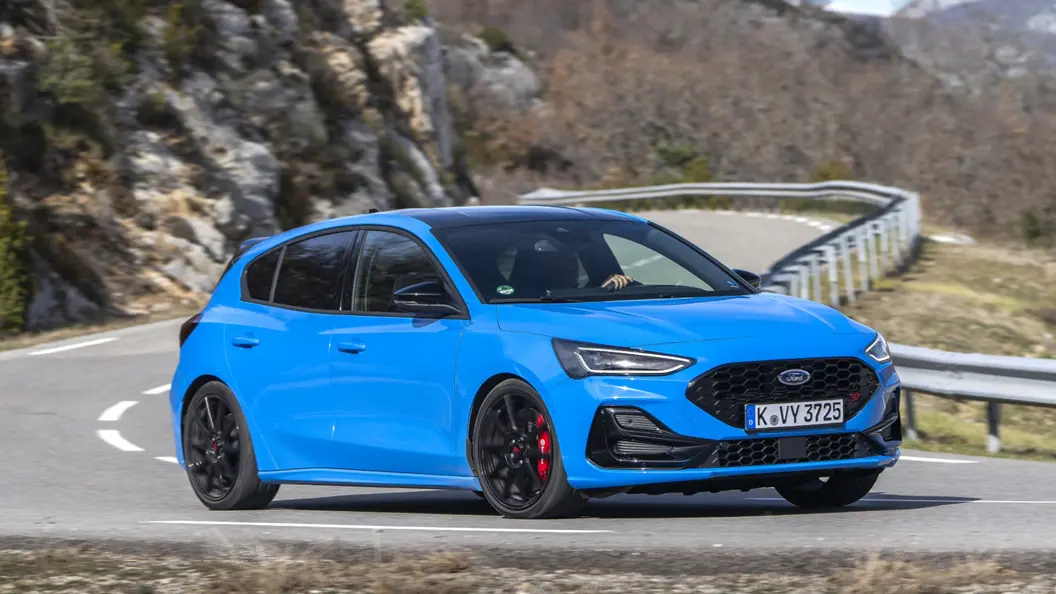
1. Ford Focus: Transmission Shuddering and Harsh Shifting
The Ford Focus, particularly models equipped with the PowerShift dual-clutch automatic transmission, has experienced complaints involving shuddering, hesitation, harsh engagement, and inconsistent acceleration. Drivers may feel vibrations when moving away from a stop or notice that the transmission struggles to select the appropriate gear.
These symptoms can easily make owners suspect worn clutch components, damaged transmission mounts, or internal gearbox problems. However, transmission control software has also played a role in certain drivability complaints.
Ford introduced several software updates and revised transmission control strategies for affected vehicles. These changes were intended to improve clutch engagement, gear selection, and transmission behaviour under different driving conditions.
The PowerShift system uses electronically controlled clutches rather than a traditional torque converter. Its operation depends on precise communication between the transmission control module and various sensors. Incorrect calibration can affect how smoothly the clutches engage.
In some cases, updated programming can improve shift behaviour and reduce certain hesitation or engagement complaints. However, software updates cannot repair physically worn clutches or damaged transmission components.
Owners experiencing repeated shuddering should have the transmission inspected before assuming that a software update will resolve the issue. A qualified technician can check diagnostic trouble codes, clutch condition, and available factory updates.
Ford’s experience with the Focus demonstrates how transmission software can influence symptoms that closely resemble mechanical wear. It also highlights the importance of checking manufacturer service information before approving expensive gearbox repairs.

2. Honda Accord: Engine Performance and Transmission Behaviour
The Honda Accord has used several generations of electronic engine management and transmission control systems. These systems regulate fuel injection, ignition timing, throttle response, and gear selection to maintain smooth performance.
Certain Accord model years have received software-related service updates addressing specific engine performance and transmission concerns. Depending on the vehicle, drivers may experience hesitation, inconsistent acceleration, rough shifting, or unexpected changes in engine response.
These symptoms can resemble problems involving fuel injectors, ignition coils, throttle bodies, or transmission components. However, engine and transmission control modules sometimes require revised calibration to operate correctly under particular conditions.
Honda has issued technical service bulletins for selected vehicles involving powertrain software updates. Such updates may revise how the control module responds to sensor information, throttle inputs, and operating temperatures.
A software calibration issue can become noticeable during acceleration, low-speed driving, or changes in engine load. Drivers may interpret these conditions as evidence of a failing mechanical component.
Technicians can use Honda-compatible diagnostic equipment to identify stored trouble codes and determine whether a particular software update applies to the vehicle’s model year and powertrain configuration.
It is important to remember that not every Accord with rough running or transmission hesitation needs a software update. Worn spark plugs, failing ignition components, fluid problems, and other mechanical faults must also be considered.
The Accord illustrates why accurate diagnosis matters. Checking software revision information alongside traditional mechanical testing can prevent unnecessary replacement of parts that are still functioning correctly.
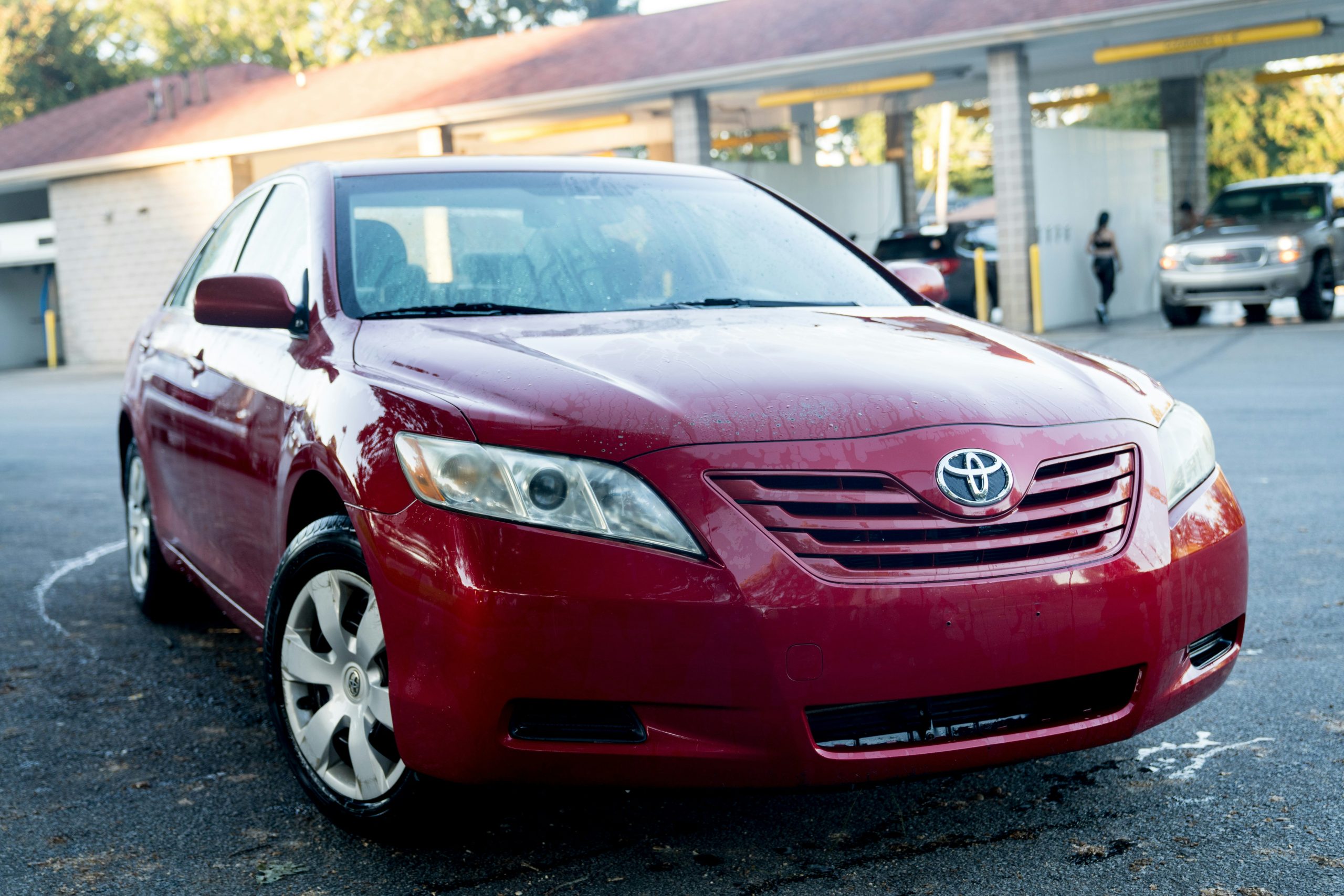
3. Toyota Camry: Transmission Shifting and Engine Response
The Toyota Camry is widely recognised for its practical design and dependable powertrains. However, certain model years have experienced complaints involving delayed acceleration, transmission hesitation, and unusual shifting behaviour.
In some cases, these concerns have been addressed through updated engine or transmission control software. The electronic control system manages several operating parameters, including throttle response, transmission pressure, and gear selection.
When the calibration does not produce the expected response under certain driving conditions, the vehicle may feel sluggish or behave differently during acceleration. This can lead owners to suspect transmission wear or engine performance problems.
Toyota has released technical service bulletins and software calibration updates for specific Camry configurations. These updates are designed to address identified operating concerns rather than provide a universal solution for every vehicle.
For example, certain automatic transmission complaints can involve shift timing or control logic. Revised programming may adjust the way the transmission responds to acceleration demands and changing vehicle speeds.
A technician should verify the vehicle identification number, model year, engine configuration, and transmission type before recommending any update. Software instructions intended for one configuration may not apply to another.
Owners should also pay attention to transmission fluid condition, engine performance, and warning lights. Mechanical damage cannot be corrected simply by installing new control module programming.
The Camry shows how a vehicle that feels mechanically unhealthy may sometimes need updated electronic calibration. A proper diagnostic process helps determine whether the issue comes from software, hardware, or a combination of both.
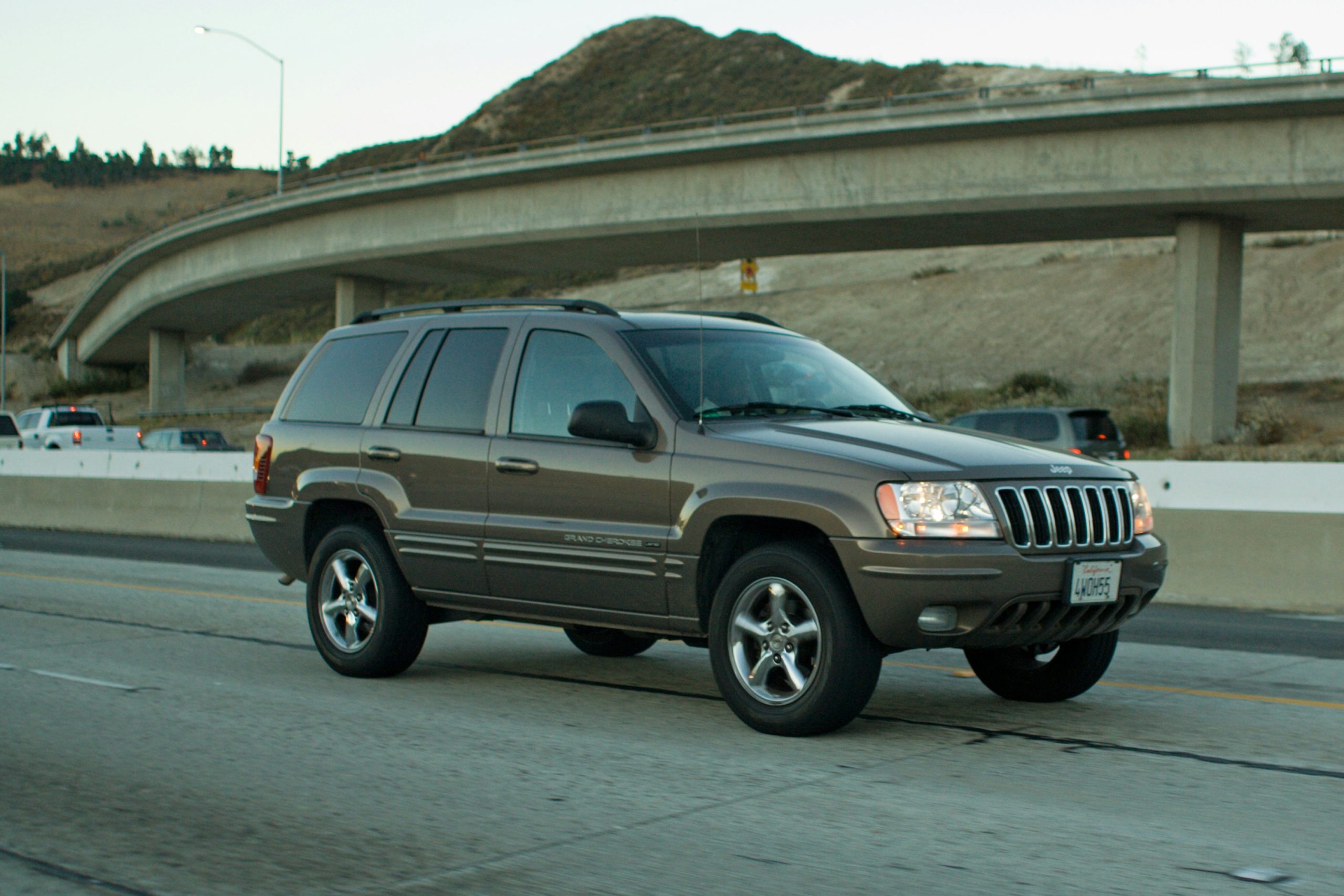
4. Jeep Grand Cherokee: Electronic Throttle and Powertrain Problems
The Jeep Grand Cherokee uses sophisticated electronic systems to manage engine output, throttle operation, transmission performance, and vehicle stability. These systems communicate through multiple control modules that depend on accurate sensor information.
Certain Grand Cherokee model years have been subject to software updates involving powertrain control, electronic throttle management, and other vehicle functions. Depending on the specific issue, drivers may experience warning lights, reduced engine power, or unusual acceleration behaviour.
A sudden reduction in engine power can be particularly concerning. Drivers may believe the engine has developed a serious mechanical fault, especially when the vehicle struggles to accelerate normally.
However, some vehicles use protective operating strategies that limit engine output when the control system detects certain faults. These strategies are designed to protect the powertrain or maintain safer operating conditions.
Factory software updates may revise control module logic to address specific documented problems. In suitable cases, revised programming can improve how the vehicle responds to sensor inputs and manages engine operation.
Jeep has issued manufacturer service information for selected Grand Cherokee vehicles involving electronic control systems. The correct repair depends on the specific model, production date, engine, and identified fault.
A diagnostic inspection should include electronic throttle components, wiring connections, sensor readings, and stored trouble codes. These checks help distinguish between a software calibration issue and an actual hardware failure.
The Grand Cherokee demonstrates how electronic engine management can create symptoms that resemble mechanical trouble. Checking applicable factory updates is an important part of diagnosing unexplained power loss or unusual throttle behaviour.

5. Chevrolet Malibu: Engine Stalling and Drivability Concerns
The Chevrolet Malibu has featured different engine and transmission combinations across its generations. Some model years have received manufacturer software updates addressing specific engine management and drivability concerns.
Drivers experiencing rough idling, hesitation, or unexpected changes in engine performance may initially suspect a failing fuel pump, dirty throttle body, or damaged ignition component.
However, the engine control module plays a major role in regulating fuel delivery, ignition timing, and electronic throttle operation. Incorrect software calibration can affect how these systems respond under particular operating conditions.
General Motors has issued technical service bulletins and calibration-related updates for selected Malibu configurations. These updates address specific problems identified through manufacturer testing and field reports.
In certain situations, revised programming may improve engine response or correct an identified control system issue. The exact benefit depends on the symptoms, vehicle configuration, and software update involved.
An engine that stalls or runs roughly should never automatically be classified as having a software problem. Fuel pressure, ignition performance, air intake leaks, electrical connections, and sensor operation all require attention during diagnosis.
Technicians can compare the installed calibration with the latest applicable factory software and examine diagnostic trouble codes. This process helps determine whether a programming update is recommended.
The Malibu highlights the importance of distinguishing between engine hardware problems and electronic control issues. Checking manufacturer service information can help avoid unnecessary repairs when a documented software correction is available.
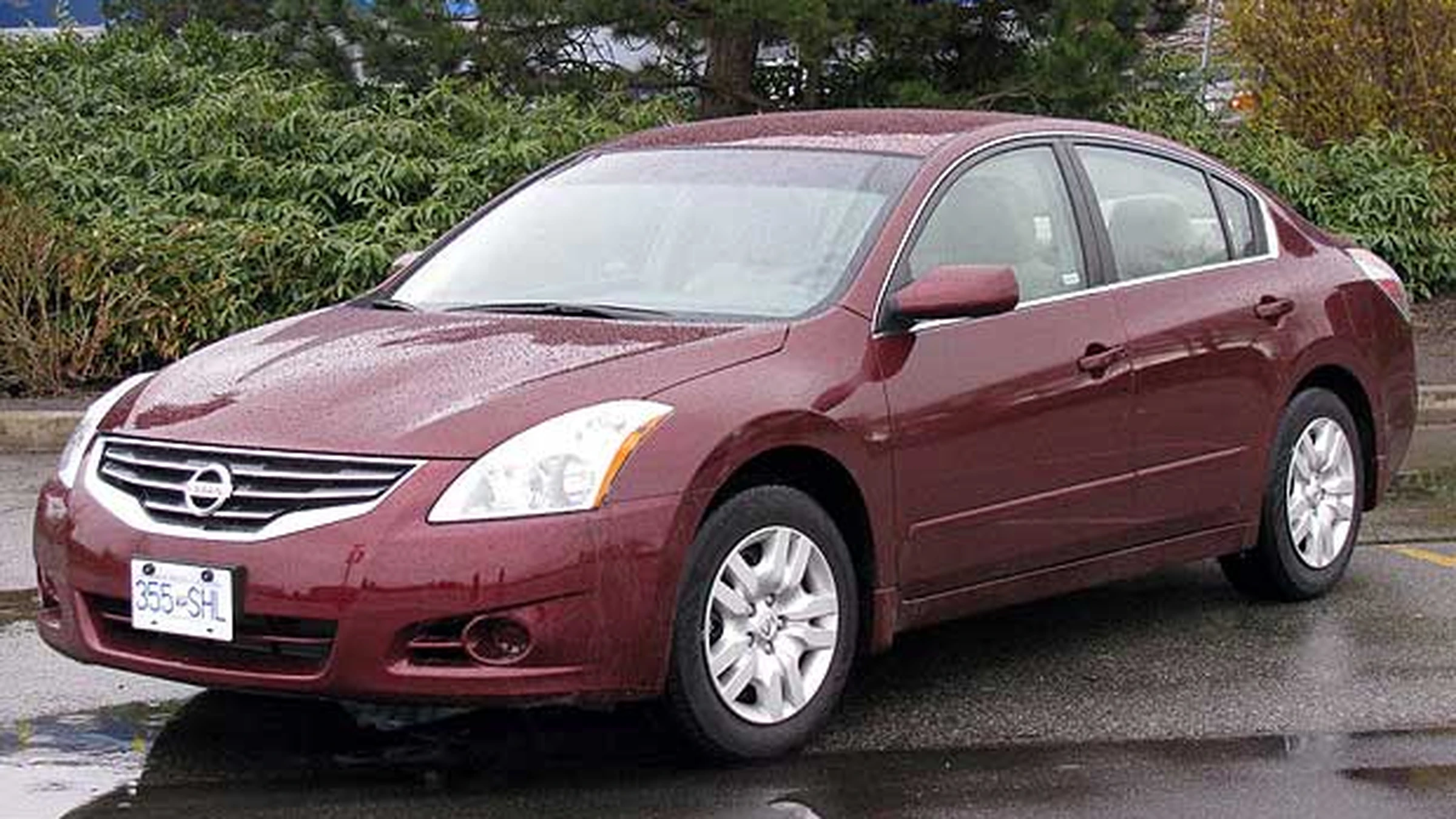
6. Nissan Altima: CVT Hesitation and Transmission Behaviour
The Nissan Altima has been offered with continuously variable transmissions across multiple generations. Unlike traditional automatic transmissions, a CVT changes its effective gear ratio continuously rather than relying on a fixed set of conventional gears.
Some Altima owners have reported hesitation, shuddering, delayed acceleration, and unusual engine-speed behaviour. These symptoms can make drivers believe that the transmission is suffering from internal mechanical damage.
Software calibration is an important part of CVT operation. The transmission control module manages pulley pressure, ratio changes, and other parameters required for smooth power delivery.
Nissan has issued technical service bulletins and software updates for certain Altima model years involving CVT operation. Depending on the vehicle and complaint, revised programming may address specific drivability concerns.
Some calibration changes are intended to improve how the transmission responds to driving conditions. They may also adjust control strategies to address identified operating issues.
However, a CVT showing serious shuddering, overheating, slipping, or abnormal noises may have an actual mechanical or fluid-related problem. Software updates cannot restore damaged belts, pulleys, bearings, or other internal components.
A proper inspection should include transmission diagnostic codes, fluid condition, temperature readings, and manufacturer-recommended service procedures. Technicians should also verify whether the vehicle qualifies for any applicable software update or warranty coverage.
The Altima demonstrates why transmission diagnosis should not rely entirely on driving impressions. Electronic calibration and mechanical condition must both be evaluated before expensive transmission repairs are approved.

7. BMW 3 Series: Engine Management and Electronic Control Issues
The BMW 3 Series uses advanced electronic control systems to manage engine performance, transmission operation, fuel delivery, and numerous driver assistance functions.
Different generations of the 3 Series have received software updates addressing specific engine management and drivability concerns. Depending on the vehicle, symptoms may include rough idling, hesitation, warning messages, or inconsistent throttle response.
BMW vehicles use multiple electronic control units that communicate through the vehicle’s network. These modules exchange information to coordinate powertrain functions and maintain expected operating behaviour.
An outdated or incorrect software calibration can sometimes contribute to performance complaints. The resulting symptoms may resemble a failing sensor, ignition problem, or mechanical issue involving the engine.
BMW’s factory programming and diagnostic platform allows authorised technicians to identify control module software versions and apply suitable updates. These updates may revise engine management strategies or improve communication between electronic systems.
Some software updates are also associated with manufacturer campaigns or technical service instructions. Their availability depends on the vehicle identification number, production date, installed equipment, and specific concern.
Owners should avoid assuming that every warning light or performance problem can be fixed through reprogramming. Faulty ignition coils, vacuum leaks, damaged sensors, and mechanical wear remain common diagnostic possibilities.
The BMW 3 Series demonstrates how software has become an essential part of modern engine operation. A complete diagnosis should include both electronic system checks and conventional mechanical inspection.

8. Volkswagen Jetta: Engine Hesitation and DSG Transmission Concerns
The Volkswagen Jetta has been sold with several engine and transmission combinations, including direct-shift gearbox technology in selected versions.
Certain Jetta model years have experienced complaints involving hesitation, jerky acceleration, rough shifting, and inconsistent low-speed behaviour. These symptoms can resemble problems with clutch assemblies or transmission hardware.
The DSG transmission uses electronically controlled clutches and sophisticated control software to coordinate gear changes. Its performance depends on accurate communication between the transmission control module, sensors, and mechanical components.
Volkswagen has released software updates and technical service information for selected vehicles to address specific transmission and engine management concerns.
In appropriate cases, updated programming can change clutch engagement behaviour, shift timing, or control strategies. This may improve drivability when the underlying concern is related to calibration.
However, not every shifting complaint is caused by software. Clutch wear, mechatronic unit problems, fluid condition, and other transmission faults can produce similar symptoms.
A Volkswagen technician can use factory diagnostic equipment to check fault codes, software identification, adaptation values, and applicable service instructions. These checks help identify whether the vehicle requires programming, mechanical repairs, or both.
The Jetta provides a useful example of how electronic transmission management affects everyday driving. Before replacing major transmission components, owners should confirm whether an applicable factory update exists for their particular vehicle.

9. Hyundai Sonata: Engine Control and Acceleration Problems
The Hyundai Sonata has undergone several generations of engine and electronic system development. Modern versions use engine control modules to manage fuel injection, ignition timing, throttle operation, and emissions-related functions.
Selected Sonata model years have received software updates addressing specific engine performance, warning light, and drivability concerns. Depending on the issue, drivers may notice hesitation, rough running, reduced engine output, or unusual acceleration behaviour.
These symptoms can sometimes be mistaken for a damaged fuel system, faulty ignition component, or serious internal engine problem.
Engine management software determines how the vehicle responds to information from sensors. If a calibration issue affects a particular operating condition, the engine may not perform as expected.
Hyundai has issued manufacturer service campaigns, technical service bulletins, and software-related corrections for specific vehicle configurations. Some updates are designed to address identified engine control or monitoring concerns.
A factory software update may correct a documented control system problem, but it should not be treated as a replacement for proper engine diagnosis.
Technicians should examine diagnostic trouble codes, sensor readings, fuel delivery, ignition performance, and relevant manufacturer service information. This helps establish whether the issue is related to programming or physical component failure.
Owners should also check their vehicle identification number for applicable recalls, service campaigns, and warranty extensions. Coverage and repair requirements depend on the particular model year and issue.
The Sonata shows how electronic engine management can influence symptoms that appear mechanical. Accurate diagnosis helps ensure that the correct repair is performed rather than replacing expensive components without sufficient evidence.

10. Subaru Outback: Transmission and Engine Control Software
The Subaru Outback uses electronically controlled engine and transmission systems designed to coordinate power delivery across changing driving conditions. Many versions feature a continuously variable transmission and Subaru’s Symmetrical All-Wheel Drive system.
Certain Outback model years have received factory software updates addressing specific transmission, engine management, and electronic control concerns. Depending on the affected system, drivers may notice hesitation, unusual acceleration behaviour, warning lights, or inconsistent transmission response.
CVT operation depends on carefully managed electronic control strategies. The transmission control module uses sensor information to regulate ratio changes and maintain suitable operating conditions.
If the control software does not respond as intended under a particular set of conditions, the vehicle may feel sluggish or behave unusually. These symptoms can make drivers suspect internal transmission wear.
Subaru has released technical service information and software revisions for selected vehicles. The appropriate correction depends on the model year, powertrain configuration, and specific problem identified.
A software update may improve transmission behaviour when the complaint is linked to an identified calibration issue. However, it cannot repair damaged internal transmission parts, failing sensors, or fluid-related problems.
A qualified technician should inspect stored fault codes, transmission operating temperatures, fluid condition, and relevant control module information. The technician can then determine whether an updated factory calibration is available.
The Outback illustrates the importance of understanding how electronic control systems influence transmission performance. A careful diagnosis can help separate software-related drivability problems from mechanical faults that require physical repair.
