Paying off a car loan early can bring financial relief, reduce interest expenses, and free up money for other priorities. However, many borrowers overlook the possibility of receiving refunds after settling their auto loans before the scheduled end date. Certain fees, insurance premiums, and optional products may qualify for partial refunds when a loan closes early.
The amount depends on the original loan agreement, state regulations, lender policies, and the products purchased during financing. Checking these details can help you recover money that may still belong to you. Here are eight refunds worth checking after paying off a car loan early.

1. Extended Warranty Refund
An extended vehicle warranty can provide additional repair coverage after the manufacturer’s original warranty expires. Many car buyers purchase this protection through the dealership when arranging their auto financing.
The cost is sometimes added to the loan balance, meaning borrowers pay for it over several years. When a car loan is paid off early, the warranty may still have unused coverage remaining.
If the extended warranty is cancelled before its expiration date, you may qualify for a partial refund. The amount usually depends on the contract’s cancellation terms, the time remaining, and the vehicle’s mileage. Some providers calculate refunds using the number of unused months, while others consider mileage or previous claims.
Review your warranty agreement to understand its cancellation policy. Look for sections covering early termination, cancellation charges, refund calculations, and eligibility requirements. These details explain whether you can recover part of the original purchase price.
Contact the dealership or warranty administrator to request a cancellation estimate. You may need to provide your vehicle identification number, purchase agreement, loan payoff confirmation, and warranty information. Keep copies of all submitted documents for your records.
Some extended warranties include administrative charges that reduce the refund amount. Contracts may also have specific conditions that affect eligibility, particularly when a claim has already been approved or paid. Read the terms carefully before submitting your request.
If the warranty was financed through your original car loan, confirm whether the refund will be sent directly to you or applied to the lender’s account. Since the loan has already been settled, the payment may need to come directly from the warranty provider.
Do not assume that paying off the loan automatically cancels an extended warranty. These are separate financial agreements, and the coverage may continue until you request cancellation. Contacting the provider is the best way to understand your options.

2. GAP Insurance Refund
Guaranteed Asset Protection, commonly called GAP insurance, helps cover the difference between a vehicle’s outstanding loan balance and its actual cash value if the car is declared a total loss. This protection can be useful when a financed vehicle depreciates faster than the loan balance decreases.
When you pay off your car loan early, the need for GAP coverage generally ends because there is no remaining loan balance to protect. If you purchased GAP insurance for the entire original loan period, you may qualify for a refund for the unused portion of the coverage.
The refund calculation depends on the provider’s contract. Some companies use the remaining coverage period, while others apply specific cancellation formulas. Administrative charges or previous claims may affect the final amount.
Start by locating your GAP insurance agreement. Check whether the coverage was purchased through the dealership, lender, or a separate insurance company. The agreement should identify the provider and explain how cancellations are handled.
Contact the GAP provider and explain that your vehicle financing has been paid in full. Ask about the cancellation process, required documents, and expected refund amount. You may need to submit proof that the lender has received the final payment.
Some GAP policies have specific restrictions. For example, certain agreements may limit refunds after a particular period or exclude refunds when a claim has already been filed. Your eligibility depends on the actual contract and applicable regulations.
If the GAP premium was included in your financed amount, check whether the original lender handled the cancellation process. In some cases, dealerships or administrators manage these requests, so contacting the company that sold the coverage may help identify the correct department.
A GAP refund can be worth checking because the original premium may have been several hundred dollars or more. The actual amount varies, but reviewing the policy can help you determine whether unused coverage has any refundable value.

3. Credit Life Insurance Refund
Credit life insurance is an optional insurance product sometimes offered when borrowers take out a vehicle loan. It is designed to pay off some or all of the remaining loan balance if the insured borrower dies during the coverage period, subject to the policy conditions.
The premium may be included in the original loan amount. This means borrowers could pay interest on the insurance cost throughout the repayment period. If the loan is settled early, the coverage may no longer be necessary because the outstanding debt has been cleared.
Depending on the policy, you may qualify for a refund of the unused insurance premium. The amount usually depends on how much of the original coverage period remains and whether the policy uses a refundable premium structure.
Start by reviewing your loan paperwork for references to credit life insurance. The insurance certificate should identify the insurer, premium amount, coverage period, and cancellation conditions. These details are important when requesting a refund.
Contact the insurance company or dealership that arranged the policy. Explain that the car loan has been paid off and ask whether the remaining premium can be refunded. The insurer may request a loan closure statement and a completed cancellation form.
Some policies provide refunds automatically when the loan closes, but others require borrowers to submit a formal request. Do not rely on automatic processing without confirming the status with the insurer.
Check whether the policy was purchased voluntarily and whether any special exclusions apply. Refund eligibility may differ depending on the product, jurisdiction, and original insurance agreement. The insurer should provide a written explanation if a refund is unavailable.
Reviewing credit life insurance can help prevent unnecessary coverage expenses. Once the loan is settled, confirming that the policy has been cancelled and any eligible refund has been processed can keep your financial records accurate.

4. Credit Disability Insurance Refund
Credit disability insurance is designed to help cover loan payments if a borrower becomes disabled and cannot work because of a qualifying medical condition. It may pay scheduled installments for a specified period, depending on the policy’s terms and benefit limits.
Some borrowers purchase this coverage when financing a vehicle because they want additional protection against unexpected income interruptions. The insurance premium may be included in the loan balance, making it important to review the policy after early repayment.
When the car loan is paid off, the insurance generally loses its original purpose because there are no remaining installments to protect. Depending on the agreement, you may be entitled to a refund for the unused portion of the premium.
The refund calculation may depend on the coverage duration, cancellation date, previous claims, and administrative deductions. Certain policies use a pro rata calculation, while others follow a different refund schedule.
Find your credit disability insurance certificate and read the cancellation section. Pay attention to the coverage end date, refund eligibility, and any conditions involving outstanding claims. These provisions determine how much money you may recover.
Contact the insurance provider with your loan payoff confirmation. Ask whether the policy has been cancelled and whether any unused premium is refundable. Request a written breakdown showing the original premium, deductions, and final refund amount.
If you purchased the insurance through a dealership, the finance department may be able to direct you to the correct provider. However, the insurance company usually handles the actual policy cancellation and refund calculation.
Keep in mind that credit disability insurance is different from ordinary disability insurance. Cancelling a loan-related policy does not automatically affect any separate personal insurance coverage you may have. Confirm the policy details before requesting cancellation.

5. Credit Unemployment Insurance Refund
Credit unemployment insurance is intended to help borrowers make loan payments after certain qualifying involuntary job losses. The policy may cover a limited number of installments, depending on the contract and eligibility requirements.
When you finance a car, the cost of this insurance may be added to the loan. Borrowers who pay off their financing before the scheduled date may have unused coverage remaining. This creates a potential opportunity to request a partial premium refund.
The amount depends on the policy’s refund formula. Some insurers calculate the unused premium according to the remaining coverage period, while others apply specific administrative deductions or cancellation conditions.
Check your original financing documents for a separate charge related to unemployment protection. The policy certificate should identify the insurance provider and explain how coverage can be cancelled.
Contact the insurer and provide evidence that the vehicle loan has been fully paid. Ask whether the policy remains active and whether a refund is available. The provider may require a written request and supporting documents.
It is important to understand that early loan repayment and insurance cancellation are not always processed together. Your financing account may be closed while the insurance policy remains active in the insurer’s records.
Review any claim-related restrictions before requesting cancellation. If you have already received benefits under the policy, the refund calculation may be different or unavailable, depending on the contract.
Checking credit for unemployment insurance is a practical step because the premium may have been included in your original financing. Even a modest refund can help recover part of the money spent on optional coverage.

6. Prepaid Maintenance Plan Refund
A prepaid vehicle maintenance plan allows drivers to pay in advance for certain scheduled services, such as oil changes, inspections, tire rotations, and other covered maintenance work. Dealerships frequently offer these plans during vehicle purchases or financing discussions.
The price may be included in the car loan, which means borrowers can pay for the package over time. If you settle your financing early and no longer want to use the dealership’s maintenance services, you may have the option to cancel the plan.
However, paying off the loan does not automatically make the maintenance plan refundable. These agreements are separate from the financing contract, and their cancellation rules vary between providers.
Check your maintenance agreement for unused service benefits and cancellation provisions. Some plans allow refunds for services that have not been used, while others deduct cancellation charges or calculate the refund according to a predetermined schedule.
Contact the dealership or maintenance plan administrator to request a cancellation estimate. Provide your vehicle details, contract number, and proof of payment if required. Ask for a breakdown of any deductions before agreeing to the cancellation.
Consider whether the remaining services are still useful. If you plan to keep the vehicle and the maintenance provider offers convenient service, using the remaining benefits may provide better value than cancelling the contract.
Some plans are transferable when you sell the vehicle, while others can be cancelled only under specific circumstances. Review these conditions before making a decision.
A maintenance plan refund is worth investigating when you have paid for services that will not be used. Confirming the remaining benefits can help you decide whether cancellation or continued coverage makes more financial sense.

7. Tire and Wheel Protection Refund
Tire and wheel protection plans are commonly sold when purchasing a new or used vehicle. These plans may cover certain repairs or replacements resulting from road hazards, such as potholes, debris, and other covered damage.
The cost is sometimes added to the vehicle financing agreement. When borrowers pay their loans early, they may forget that the protection plan remains a separate agreement with its own cancellation terms.
If the plan has unused coverage, you may qualify for a partial refund. The amount depends on the provider’s cancellation formula, remaining coverage period, and any claims already made under the agreement.
Locate your original tire and wheel protection contract. Review the sections covering cancellation, eligible refunds, service usage, and administrative charges. These provisions explain whether unused coverage can be refunded.
Contact the dealership or protection plan administrator and request a cancellation calculation. You may need to provide your vehicle identification number, contract details, and loan payoff statement.
Be aware that some providers reduce refunds based on the number of claims filed. Other contracts may exclude refunds after a specific period or require cancellation within certain deadlines.
If you intend to keep the vehicle for several more years, consider whether the remaining protection is worth maintaining. A plan that covers expensive tire or wheel repairs could still provide value, even after the loan is paid.
Checking this agreement can help you identify unused coverage that may be refundable. Ask the provider to explain all deductions and confirm the cancellation date in writing before closing the policy.

8. GAP Waiver and Other Optional Product Refunds
Apart from traditional insurance policies, car dealerships and lenders sometimes offer optional financial products during the vehicle purchase process. These may include GAP waivers, vehicle protection packages, appearance protection, key replacement coverage, and other add-on services.
Some of these products are financed as part of the original car loan. When you pay the loan early, certain agreements may qualify for cancellation and a partial refund of unused fees.
A GAP waiver is different from a standard GAP insurance policy. It is generally an agreement under which the lender or financing company waives a qualifying difference between the loan balance and the vehicle’s value following a covered total loss. Its cancellation terms depend on the specific agreement.
Vehicle protection packages may include services such as paint protection, fabric protection, dent repair, and other cosmetic treatments. Refund eligibility depends on whether the benefits have already been used and whether the contract permits early cancellation.
Key replacement coverage may provide assistance or reimbursement when vehicle keys are lost, damaged, or stolen. If the plan has unused coverage remaining, the provider may offer a partial refund under its cancellation policy.
Some dealership add-ons are non-refundable after a certain period. Others allow cancellation with administrative deductions. Therefore, it is important to check each contract separately rather than assuming all optional products follow the same rules.
Gather your original purchase agreement, itemized financing documents, and product certificates. These records can help you identify every optional charge that was added to your loan. Contact each provider to confirm whether early repayment creates refund eligibility.
Do not overlook smaller add-on products simply because their original prices were relatively low. Several unused agreements can represent a meaningful amount of money when their refundable balances are combined.
9. Sales Tax and Registration Fee Refund
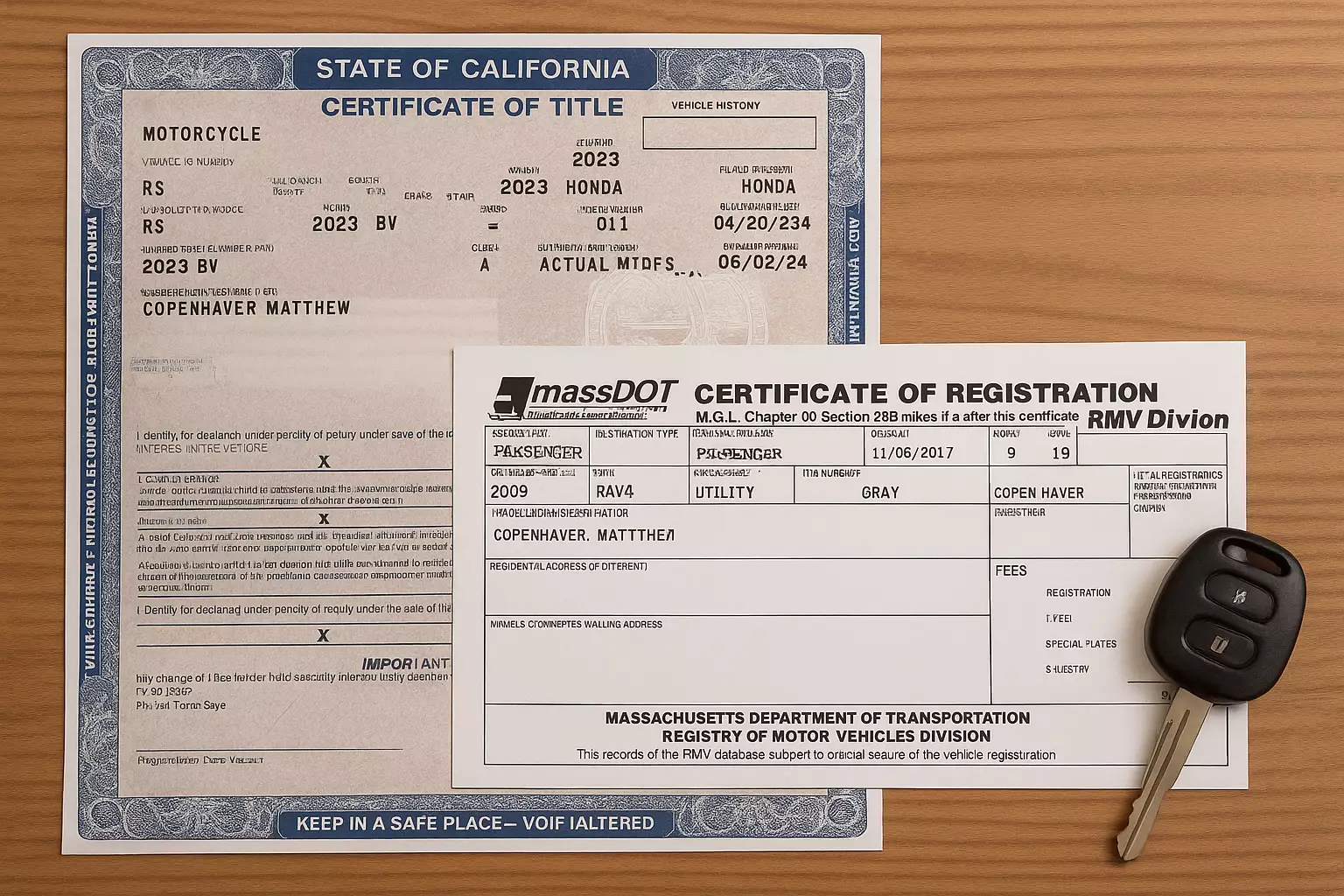
When purchasing a vehicle, buyers often pay sales tax, title fees, registration charges, and other government-related expenses. Some of these costs are included in the financed amount, making them part of the total car loan balance. Paying off the loan early may prompt borrowers to review these charges and check whether any overpayment or refundable amount remains.
In certain situations, buyers may qualify for a refund of excess sales tax or registration-related fees. This can happen when the original transaction included an incorrect calculation, duplicate charge, or an adjustment that was not properly processed. However, early loan repayment alone does not automatically create eligibility for a refund.
Start by reviewing your vehicle purchase agreement and itemized closing documents. Compare the sales tax, title fees, registration charges, and other government expenses listed in the paperwork.
Look for duplicate entries, incorrect amounts, or charges that appear inconsistent with the final transaction.
Contact your state or local motor vehicle agency if you believe registration or title fees were overpaid. For sales tax questions, the relevant tax department may be able to explain whether an adjustment or refund is available. The dealership may also help clarify how the original charges were calculated.
Some states allow refunds or credits in specific circumstances, such as cancelled registrations, duplicate payments, or qualifying vehicle transaction adjustments. The requirements and deadlines vary by jurisdiction, so check the applicable rules before submitting a claim.
Keep your vehicle purchase receipt, tax payment records, registration documents, and loan payoff confirmation ready. These documents can help the relevant authority verify the original transaction and determine whether an adjustment is justified.
It is important to distinguish between loan-related refunds and government fee refunds. Paying off your financing early generally does not make previously paid sales taxes or registration fees refundable. You must have a separate qualifying reason under the applicable rules.
Checking these charges is still worthwhile because paperwork errors and duplicate payments can go unnoticed during a vehicle purchase. Reviewing your records carefully may help you identify an eligible refund or correct an outstanding billing issue.