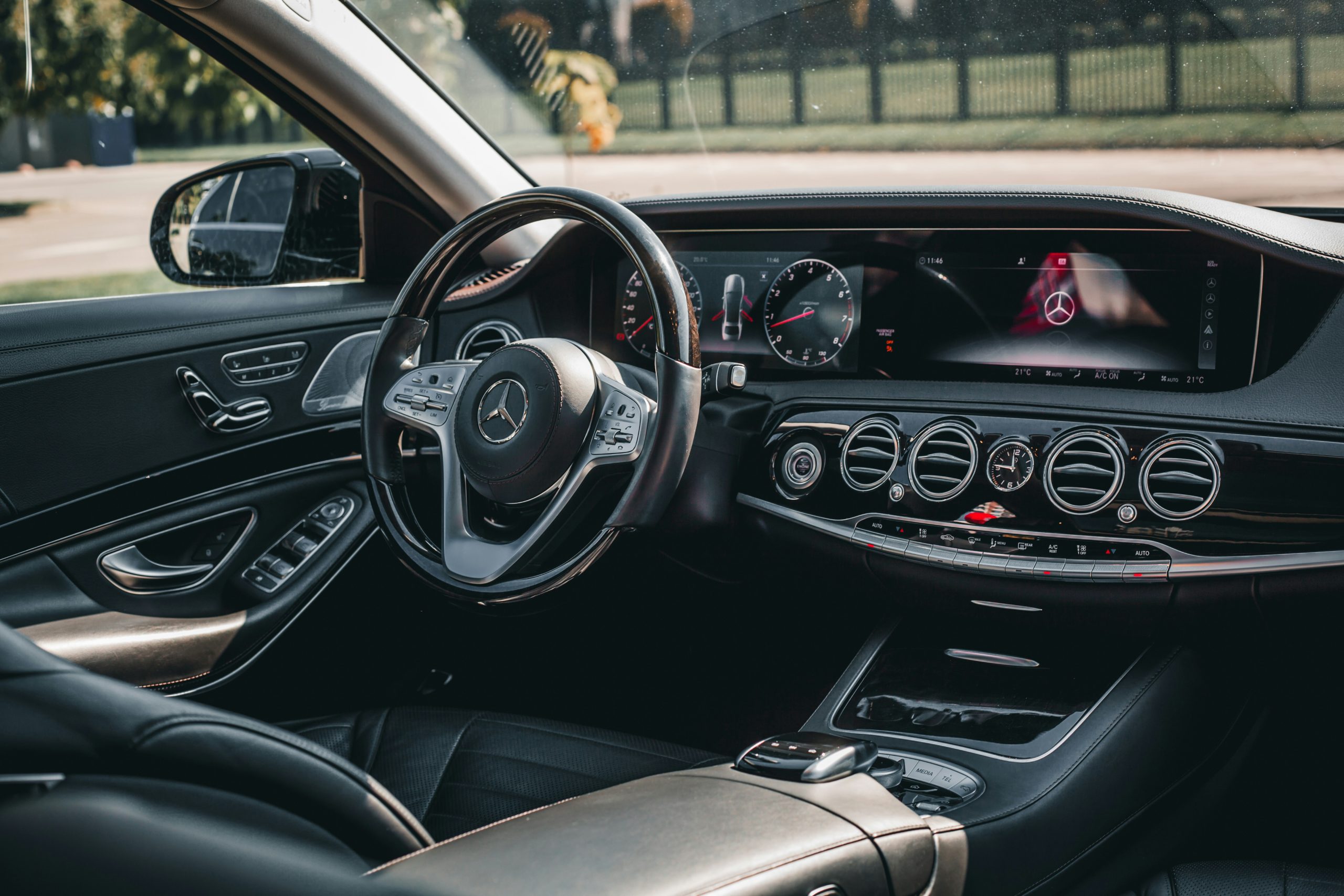
Buying a new car often involves choosing between standard equipment and optional features that promise greater comfort, convenience, safety, and entertainment. While some upgrades genuinely improve the driving experience, others can become expensive additions that owners rarely use or appreciate.
Many buyers get attracted to impressive showroom displays, advanced technology, and luxury features without considering their long-term value. After spending extra money, they may discover that certain options offer little practical benefit, require costly maintenance, or create unnecessary complications.
Understanding which car features deserve attention can help buyers make smarter decisions and avoid spending money on upgrades they may eventually regret.

1. Panoramic Sunroofs
Panoramic sunroofs have become popular among buyers who want their cars to feel more spacious and luxurious. Large glass panels allow natural light into the cabin and give passengers a better view of the surroundings. Their appearance can make even an ordinary vehicle feel more premium, which explains why manufacturers frequently include them in higher-priced variants.
However, the excitement of having a panoramic roof can fade after a few months of regular driving. Many owners rarely open it because of intense sunlight, dust, pollution, or uncomfortable outdoor temperatures. In hotter regions, keeping the sunroof closed becomes a practical necessity for much of the year.
Heat entering through the glass can also increase the workload on the air conditioning system. Even when manufacturers use tinted or specially treated glass, the cabin may become warmer during prolonged parking under direct sunlight. This can affect comfort, particularly during summer.
Maintenance is another consideration. Sunroof drainage channels can become blocked by leaves, dust, and other debris. Poor drainage may cause water to enter the cabin, potentially damaging roof lining, carpets, and electrical components. Repairs can become expensive if the problem remains unnoticed.
Mechanical sunroof components also require attention over time. Motors, seals, tracks, and switches may develop problems after years of use. Replacing damaged parts can cost considerably more than maintaining a conventional metal roof.
The additional weight of a panoramic sunroof can also have a small effect on vehicle efficiency and handling. While the difference may not be noticeable during everyday driving, buyers should understand that the feature adds complexity without improving the vehicle’s basic transportation capabilities.
Before paying extra, buyers should consider their climate, parking conditions, and personal preferences. Someone who enjoys fresh air and regularly travels through pleasant weather may appreciate the feature more than someone who mostly drives in hot urban conditions.
For many buyers, a panoramic sunroof looks impressive in a showroom but offers limited practical value during everyday ownership. It is worth choosing only when the additional comfort and appearance justify the purchase price and potential maintenance expenses.
2. Large Touchscreen Infotainment Systems
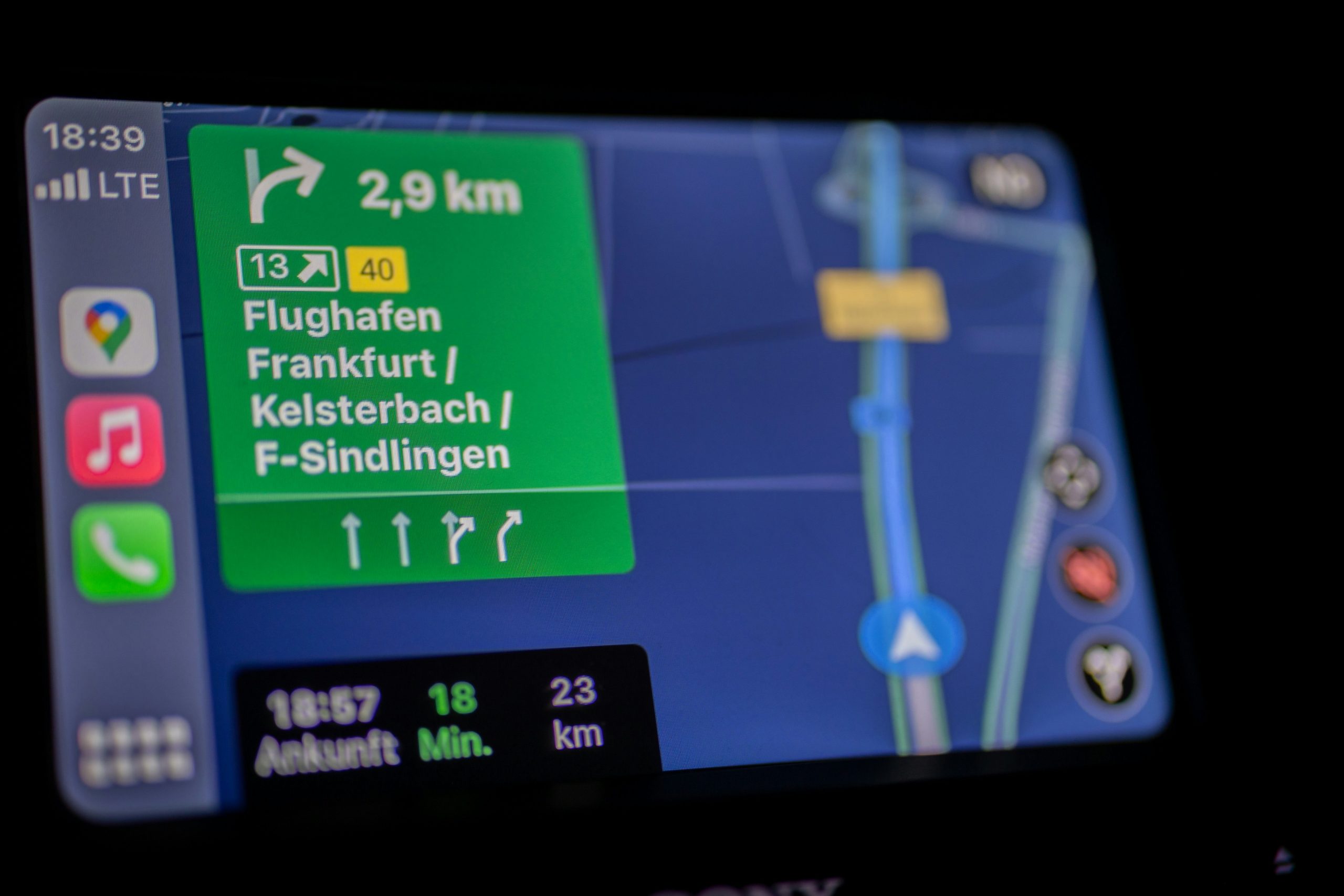
Large touchscreen displays have become a major selling point in modern vehicles. Manufacturers frequently advertise their screen sizes, graphics, connectivity options, and entertainment features. A large display can make the dashboard look modern and provide convenient access to navigation, music, and vehicle settings.
However, bigger screens do not automatically provide a better driving experience. Some systems place basic functions behind multiple menus, forcing drivers to look away from the road to adjust simple settings. Physical buttons and traditional switches can sometimes be easier to operate.
Touchscreens may also become frustrating when their software responds slowly. Delayed reactions, frozen displays, and occasional system restarts can affect everyday usability. Such problems become particularly inconvenient when drivers depend on navigation or climate controls.
Another concern is the cost of repairs. A damaged infotainment screen may require an expensive replacement, especially when the display controls several vehicle functions. Unlike a basic radio, an integrated system may involve specialised electronics and software.
Fingerprints, dust, and scratches can also make large displays difficult to maintain. Glossy screens often collect visible marks, requiring regular cleaning to maintain their appearance.
Some premium infotainment systems include features that buyers rarely use. Advanced entertainment applications, personalised interfaces, complex voice commands, and additional display settings may look attractive during a demonstration but offer limited benefits during normal commuting.
Software compatibility is another important factor. Older vehicles may gradually lose access to updated applications or certain connectivity services. Buyers should check whether the manufacturer provides regular software support and whether essential functions continue working without a subscription.
A touchscreen should make driving easier, not more complicated. Buyers should test the interface before purchasing and check whether commonly used controls remain accessible without navigating several menus.

3. Expensive Alloy Wheels and Low-Profile Tyres
Large alloy wheels can significantly change the appearance of a vehicle. They often give cars a sportier stance and make the exterior look more expensive. This visual appeal encourages buyers to choose higher variants that come with larger wheels and low-profile tyres.
However, larger wheels do not always improve everyday driving comfort. Low-profile tyres have shorter sidewalls, which provide less cushioning when the vehicle travels over potholes, broken roads, and speed breakers.
This becomes particularly noticeable on roads with uneven surfaces. Passengers may experience stronger impacts, while drivers may hear more tyre noise inside the cabin. A setup designed to improve appearance or handling may therefore reduce comfort during regular commuting.
Replacement costs can also be higher. Larger tyres generally cost more than smaller alternatives, particularly when the vehicle uses specialised sizes. Owners may find that replacing a complete set of premium tyres requires a considerable investment.
Low-profile tyres can also be more vulnerable to damage from sharp potholes and hard impacts. Sidewall cuts, bulges, and damaged rims can create unexpected repair expenses. In severe cases, a damaged tyre may need immediate replacement.
Alloy wheels themselves can be expensive to repair or replace. Scratches, bends, and cracks caused by road hazards may affect their appearance and structural condition. Insurance coverage for such damage can vary depending on the policy.
Another consideration is fuel efficiency. Larger wheels and heavier tyre combinations can increase rotational mass. The actual effect depends on the vehicle and tyre specifications, but buyers should not assume that bigger wheels always deliver better performance.
For everyday driving, choosing the correct wheel and tyre combination matters more than selecting the largest available size. Buyers should consider road quality, replacement prices, ride comfort, and manufacturer recommendations before spending extra on stylish wheels.
4. Built-In Navigation Systems
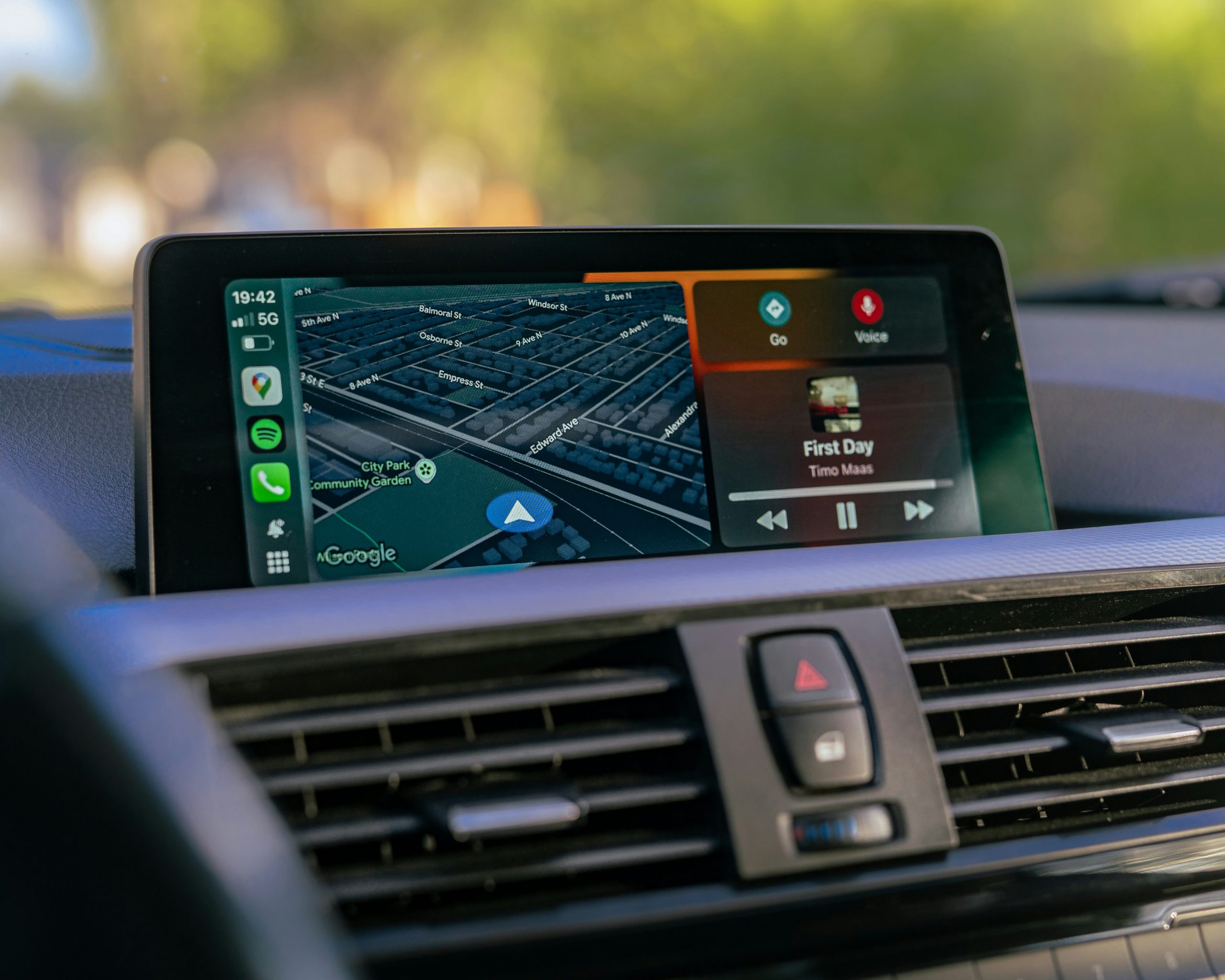
Factory-installed navigation systems were once considered a premium convenience. They offered drivers turn-by-turn directions without requiring a separate device. Modern systems may also include traffic information, route planning, and points of interest.
However, smartphone navigation applications have made dedicated systems less attractive for many drivers. Applications such as Google Maps provide regularly updated maps, traffic information, and alternative routes through familiar smartphone interfaces.
Built-in navigation systems can become outdated if manufacturers do not provide frequent map updates. Drivers may encounter missing roads, incorrect locations, or outdated business information. Updating the software can sometimes require additional payments or dealership assistance.
The screen interface can also be less convenient than smartphone applications. Some factory systems have limited search functions, slower responses, or complicated menus that make entering destinations unnecessarily difficult.
Connectivity can create further limitations. Certain navigation features require internet access or additional connected services. Buyers should check which functions work independently and which depend on mobile data or manufacturer subscriptions.
Another concern is the price. Manufacturers may charge a considerable premium for navigation packages, even when the vehicle already supports smartphone integration. Paying extra for a feature that duplicates an existing service may not make financial sense.
Smartphone navigation does have its own limitations, including battery consumption, mobile data usage, and occasional connectivity problems. However, a suitable phone mount and charging connection can address many everyday concerns.
5. Advanced Voice Control Systems
Voice control technology promises a more convenient driving experience. Drivers can use spoken commands to make calls, select music, adjust settings, or request navigation directions. The idea of controlling vehicle functions without touching buttons sounds appealing.
In practice, voice recognition does not always work as expected. Background noise, unclear pronunciation, accents, and passengers talking can affect how accurately the system understands commands.
Some systems also support only a limited selection of instructions. Drivers may need to remember specific phrases or repeat commands several times before the vehicle responds correctly.
Language support is another important consideration. Buyers in multilingual regions may find that the system does not understand their preferred language or regional pronunciation. This can make an expensive feature less useful during everyday travel.
Voice control may also depend on internet connectivity. When the vehicle has poor network coverage, certain commands may become unavailable or take longer to process. This is particularly inconvenient during long-distance journeys through areas with weak mobile signals.
Software updates can improve recognition, but not every manufacturer provides consistent support. Older vehicles may continue using outdated systems with limited compatibility and functionality.
Privacy is worth considering as well. Connected voice assistants may process voice requests through external services, depending on the manufacturer’s system and privacy policy. Buyers should understand how voice data is handled before enabling such services.

6. Massage and Ventilated Seats
Premium vehicles increasingly offer massage and ventilated seating as luxury upgrades. These features are designed to improve comfort during long journeys and make the cabin feel more sophisticated. Ventilated seats circulate air through small openings, while massage systems use internal mechanisms to create different pressure patterns.
The problem is that these features may receive less attention after the initial excitement. Some owners use them frequently during the first few weeks but eventually return to their usual seating preferences.
Seat ventilation also varies considerably between manufacturers. Certain systems provide noticeable airflow, while others deliver relatively mild cooling. Buyers should test the feature before assuming that it will offer the same comfort as a powerful air conditioning system.
Massage functions can be equally inconsistent. Basic systems may offer limited movement patterns that feel repetitive rather than genuinely relaxing. Their usefulness depends heavily on individual preferences and seat design.
These features also introduce additional mechanical and electrical components. Ventilation fans, wiring, motors, and internal seat mechanisms may require specialised repairs if they develop faults.
Seat comfort itself should receive greater attention than the number of electronic functions available. A properly designed seat with good lumbar support and suitable cushioning can be more valuable than a complicated massage system.
Another consideration is passenger usage. Buyers who frequently travel alone may not receive much benefit from additional seating functions, particularly when the feature is available only on selected seats.

7. Automatic Parking Assistance
Automatic parking assistance is marketed as a useful technology for drivers who struggle with tight parking spaces. Depending on the system, the vehicle may control steering, acceleration, braking, or gear selection during a parking manoeuvre.
While this technology can be helpful, its real-world usefulness depends on the system’s capabilities and surrounding conditions. Narrow spaces, unusual parking layouts, faded markings, and nearby obstacles may prevent the system from operating correctly.
Some systems require drivers to remain involved throughout the process. They may need to control the accelerator, monitor surroundings, or follow instructions displayed on the screen. This means the feature does not completely remove the need for parking skills.
The technology may also take longer than an experienced driver would need to complete a simple parking manoeuvre. In busy parking areas, waiting for the system to identify a suitable space can become inconvenient.
Sensors and cameras require regular attention. Dirt, rain, mud, and road debris can affect their ability to detect nearby objects. Damaged sensors may also produce warning messages or prevent the parking function from working.
Repair expenses can become significant when cameras, radar components, or specialised electronic modules need replacement. These systems may require professional calibration after certain repairs.
Parking assistance should also never encourage drivers to stop paying attention. The driver remains responsible for checking the surroundings, watching for pedestrians, and responding to unexpected obstacles.
For buyers who regularly park in narrow spaces, the technology may provide genuine assistance. However, those who are already comfortable with conventional parking may find that a rear camera and reliable parking sensors offer sufficient convenience at a lower cost.
8. Ambient Interior Lighting
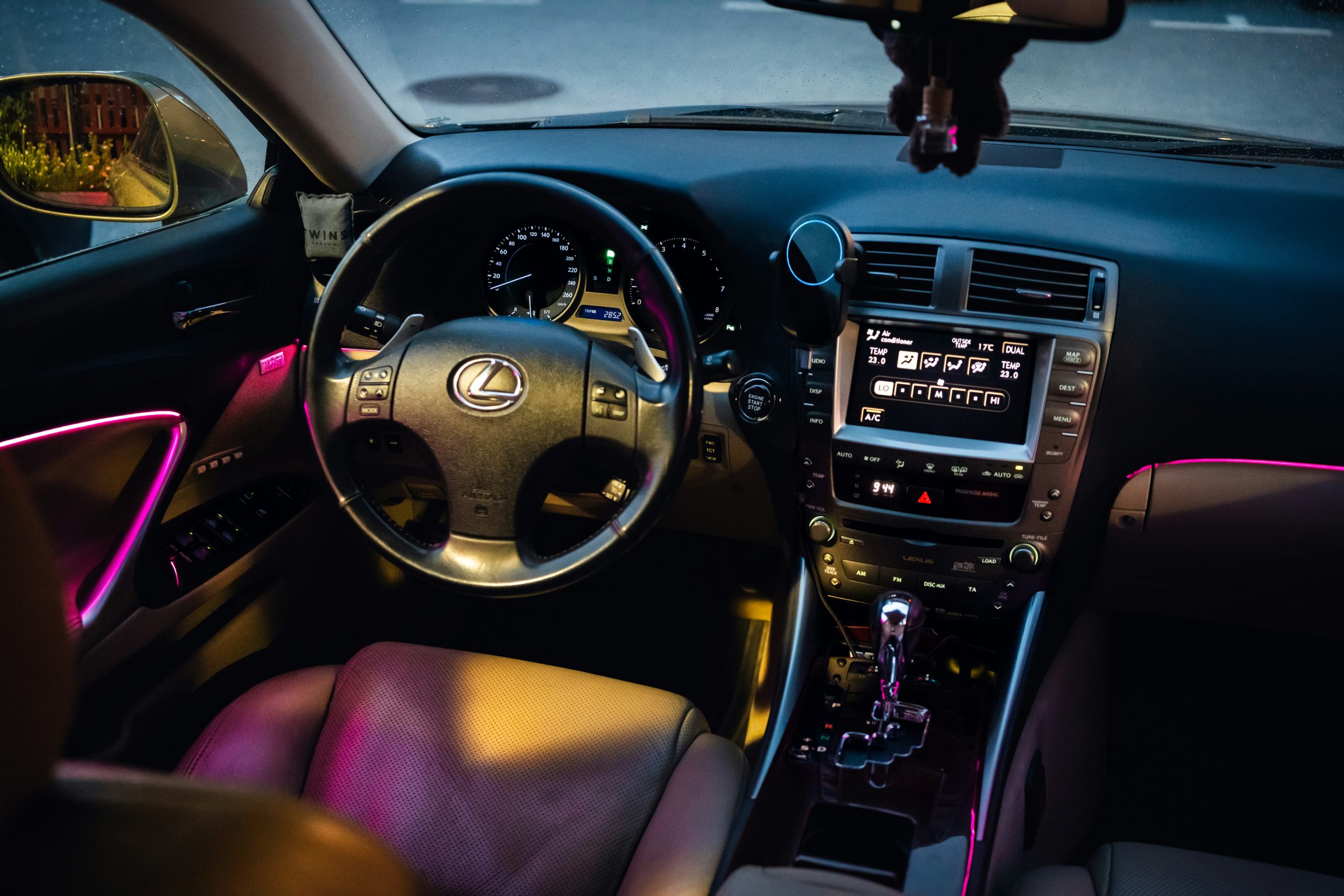
Ambient lighting has become a common feature in premium and mid-range vehicles. It uses LED strips or illuminated panels to create a distinctive appearance inside the cabin. Some systems allow drivers to select different colours and brightness levels.
The visual effect can make the interior feel more luxurious, particularly during night-time driving. Manufacturers often use ambient lighting to highlight dashboard contours, door panels, and centre consoles.
However, the practical benefits are relatively limited. Once drivers become accustomed to the lighting, they may stop paying attention to it. Unlike safety or convenience equipment, decorative illumination does not significantly improve the vehicle’s basic functionality.
Some lighting systems also offer fewer customisation options than buyers expect. A vehicle may advertise multiple colours but provide limited brightness adjustment or restricted lighting zones.
Electrical problems can create additional maintenance concerns. Damaged LED strips, faulty connectors, or control module issues may require specialised repairs. Replacing integrated lighting components can be more complicated than changing a conventional interior bulb.
Excessively bright lighting may also become distracting during night driving. Good ambient lighting should remain subtle and should not interfere with the driver’s concentration or visibility.
Another issue is long-term appearance. Interior lighting that looks modern today may feel dated as vehicle design trends change. Buyers should avoid paying a large premium for a feature that mainly provides temporary visual appeal.
Ambient lighting can certainly improve the cabin atmosphere, especially for people who enjoy customised interiors. However, it should remain a secondary consideration after essential equipment, seating comfort, and safety features.
9. Premium Sound Systems
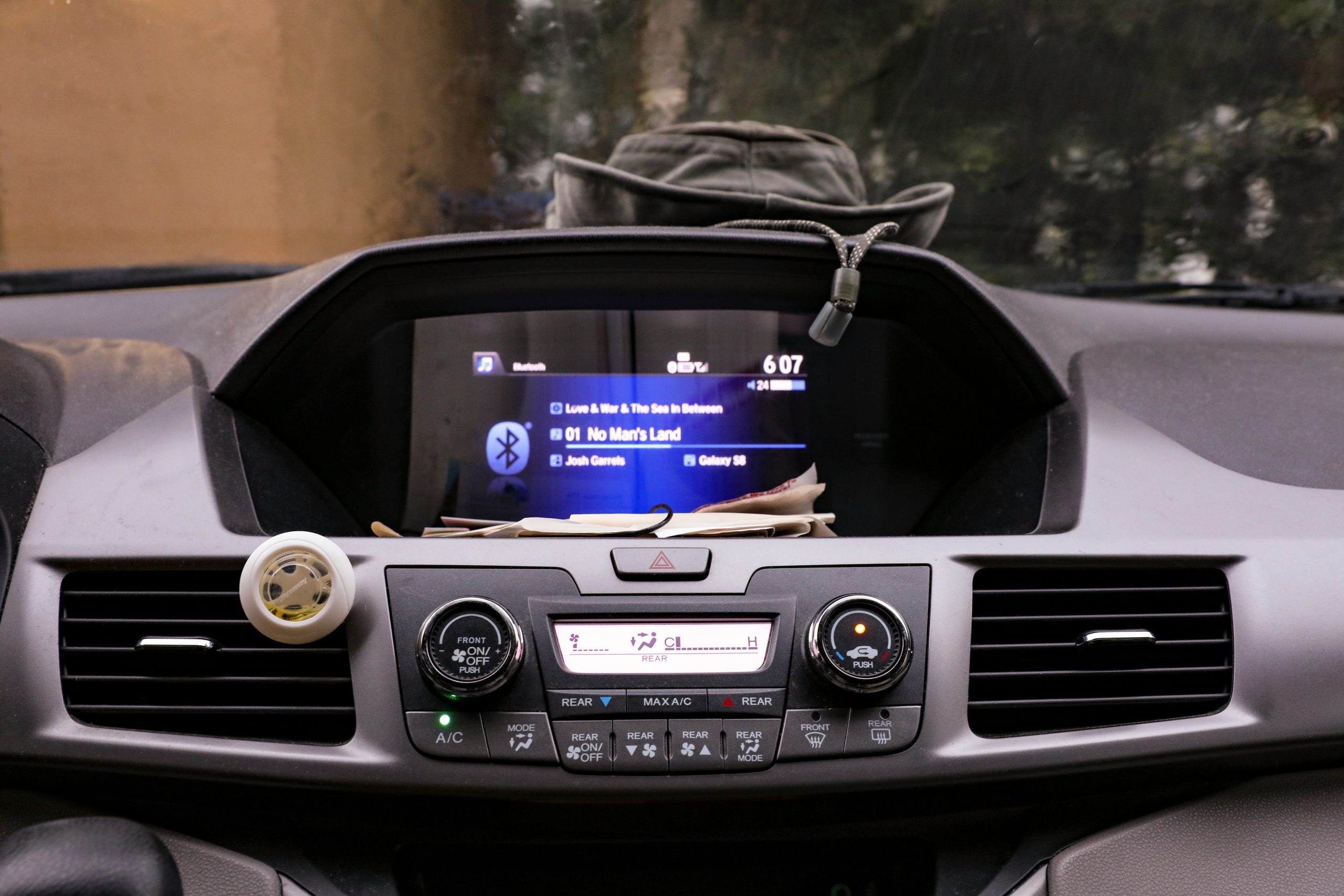
A premium audio system is an attractive upgrade for people who enjoy listening to music while driving. Manufacturers often partner with established audio brands to provide additional speakers, subwoofers, amplifiers, and advanced sound processing.
The quality difference can be noticeable, particularly when the standard audio system has limited clarity or weak bass. Music enthusiasts may appreciate the improved listening experience during longer journeys.
However, not every buyer can fully benefit from an expensive sound system. Road noise, tyre noise, traffic conditions, and cabin insulation can influence how music sounds while driving.
The type of music and listening preferences also matter. Someone who mainly listens to podcasts, radio, or occasional music may not notice enough improvement to justify a costly audio package.
Sound quality depends on more than the brand name printed on the speakers. Speaker placement, cabin acoustics, amplifier quality, sound tuning, and insulation all contribute to the final experience.
Premium systems may also include additional components that increase repair complexity. A damaged amplifier or specialised speaker can be more expensive to replace than standard audio equipment.
Some systems offer features such as personalised sound profiles, surround effects, and multiple audio settings. These options can be useful, but many drivers continue using the same basic settings throughout ownership.
Buyers should listen to both the standard and upgraded systems before making a decision. Testing familiar songs at different volume levels can provide a better understanding of the actual improvement.
A premium sound system is worth considering for dedicated music enthusiasts. For ordinary commuting, a well-designed standard audio setup may provide sufficient quality without increasing the vehicle’s purchase price.

10. Extended Connected Car Subscription Packages
Connected car technology allows drivers to access several vehicle functions through smartphone applications and internet-based services. Depending on the manufacturer, these packages may include remote locking, vehicle tracking, live location updates, vehicle health reports, and remote climate control.
These services can offer genuine convenience, particularly for people who want to monitor their vehicles or access certain functions remotely. However, buyers should understand that some features require recurring subscriptions.
A connected car package may initially appear attractive because manufacturers provide complimentary access for a limited period. Once the free subscription expires, owners may need to pay additional charges to continue using selected services.
The long-term expense can become frustrating when several functions are available only through separate subscription plans. Buyers may eventually decide that the recurring payments are not worth the convenience.
Internet connectivity is another limitation. Remote features may not work properly when the vehicle has poor network coverage or when the manufacturer’s servers experience technical problems.
Application reliability also matters. Software updates, account issues, compatibility problems, and service interruptions can affect the user experience. A connected vehicle should still remain practical when internet-based services are unavailable.
Privacy is another consideration. Connected systems may collect information related to vehicle location, usage patterns, and driving behaviour. Owners should review the manufacturer’s privacy policy and understand which data is collected and how it is used.
Before paying for a connected package, buyers should check the complimentary subscription period, renewal charges, available services, and cancellation conditions. They should also identify which functions remain accessible without an active subscription.
Connected technology can be valuable, but recurring payments for rarely used services can gradually increase ownership expenses. Choosing a package based on actual needs is more sensible than purchasing every available digital feature.