Diesel trucks depend on precise fuel delivery to produce power, manage emissions, and start reliably. When a fuel pump fails, drivers may face hard starting, sudden power loss, stalling, or costly repairs.
Some diesel pickups and work trucks have earned reputations for fuel system trouble, but failure rates vary by engine version, maintenance history, fuel quality, and operating conditions.
This guide reviews ten diesel truck platforms associated with reported pump or fuel supply problems, explains the systems involved, and outlines practical checks buyers and owners can use before making repair decisions. It is not a statistical ranking from failure databases.
1. Ford Super Duty 6.7L Power Stroke Diesel
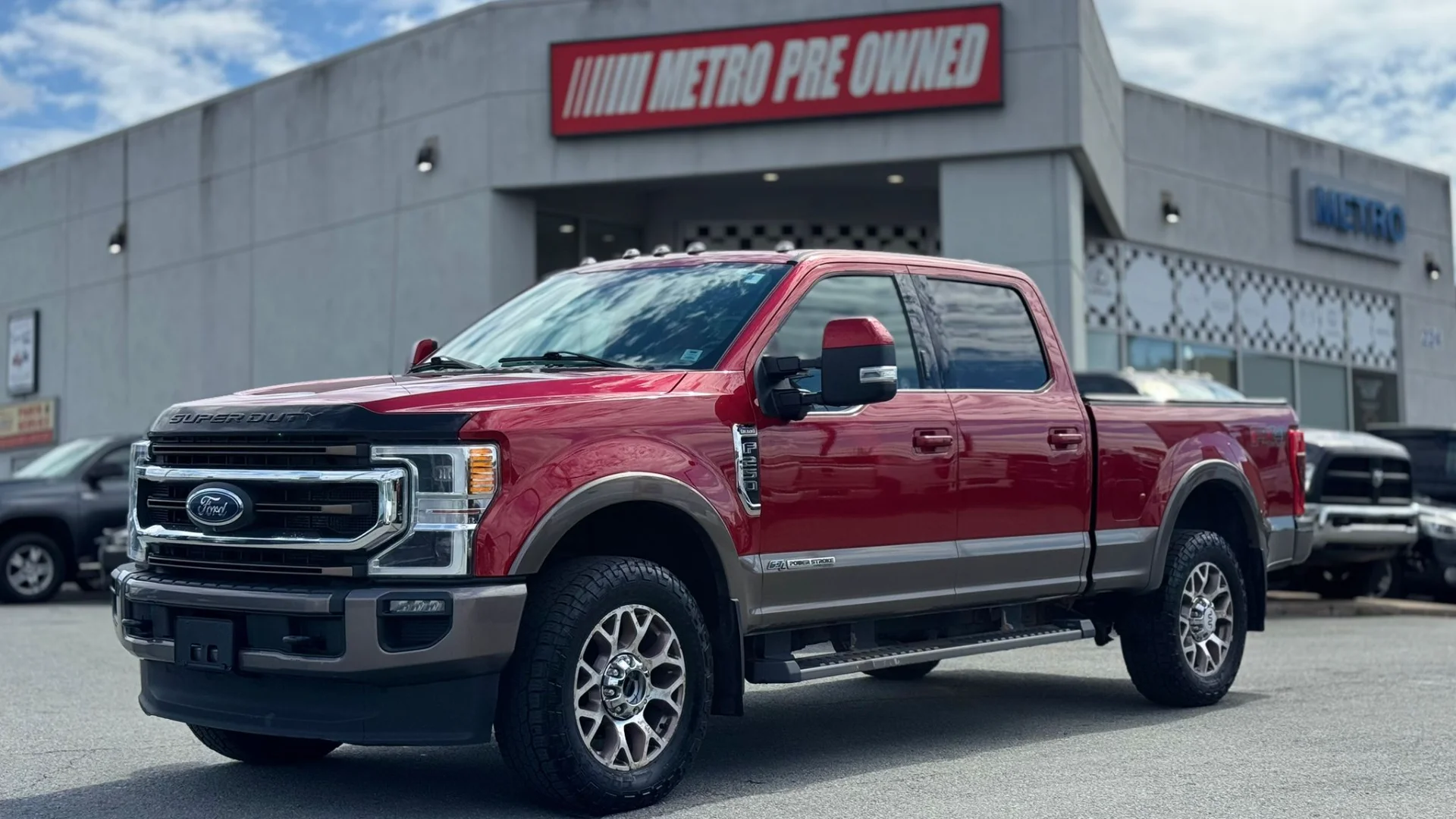
Ford Super Duty trucks equipped with the early 6.7L Power Stroke diesel engine have received considerable attention for high-pressure fuel pump problems. The engine uses a Bosch CP4.2 high-pressure fuel pump, which operates under extreme pressure to supply fuel to the common rail injection system. A failure can cause serious damage throughout the fuel system.
The CP4.2 pump is particularly sensitive to fuel lubrication and contamination. Diesel fuel provides lubrication to the pump’s internal components, and poor fuel quality can increase wear. When internal parts deteriorate, metal particles may enter the fuel lines, rails, injectors, and other components.
Drivers may first notice difficult starting, reduced engine performance, unexpected stalling, or warning lights on the dashboard. In severe cases, the truck may stop running completely. A damaged pump can also create extensive contamination that makes repairs considerably more expensive.
The 2011 to 2014 model years deserve particular attention because they represent the early production period of Ford’s 6.7L Power Stroke engine. These trucks are popular among towing enthusiasts, construction workers, and commercial operators, making reliability an important purchasing consideration.
Repairing a failed high-pressure fuel pump can involve more than replacing the pump itself. If metal debris has circulated through the system, technicians may need to replace the fuel rails, injectors, lines, filters, and other contaminated components. The final repair bill depends on the extent of the damage.
Regular fuel filter replacement and purchasing clean diesel from reputable stations can help reduce fuel system risks. Owners should also investigate unusual fuel pressure readings, hard starting, and sudden changes in engine behavior before the problem becomes severe.
When shopping for a used Super Duty with this engine, request maintenance records and ask whether the original fuel pump has been replaced. A professional diesel inspection should include a fuel system assessment, diagnostic scan, and inspection for signs of metal contamination.
2. Chevrolet Silverado and GMC Sierra 2500HD/3500HD 6.6L Duramax LML
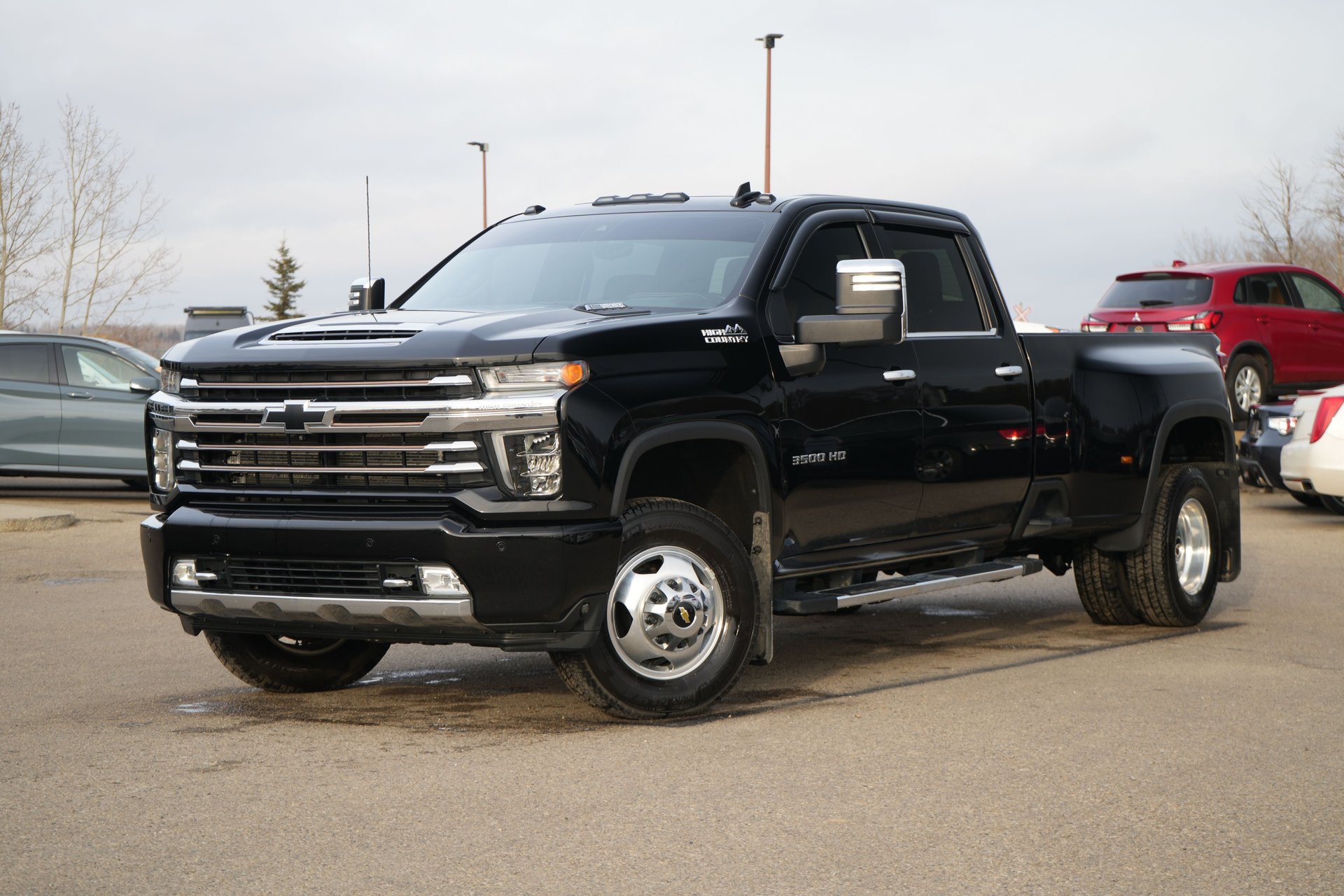
The 6.6L Duramax LML engine used in Chevrolet Silverado and GMC Sierra heavy-duty trucks has a well-known association with Bosch CP4.2 high-pressure fuel pump failures. These engines provide strong towing performance and impressive diesel capability, but fuel system problems can become expensive when the pump suffers internal damage.
The CP4.2 pump supplies highly pressurized diesel to the common rail injection system. Its operation depends on clean fuel with adequate lubricating properties. Internal wear can produce metal particles, which may travel through the fuel system and damage sensitive injectors and other components.
A failing pump can cause several noticeable symptoms. Drivers may experience rough idling, reduced acceleration, extended cranking, engine warning lights, or unexpected stalling. Some trucks may enter reduced-power mode when the engine computer detects fuel pressure problems.
The LML Duramax was used in heavy-duty pickups designed for demanding work. Many examples have spent years towing trailers, hauling equipment, or operating under high engine loads. Such conditions make proper maintenance and fuel quality particularly important.
A complete fuel system failure can require extensive repairs. Replacing only the high-pressure pump may not solve the problem if metal contamination has already reached the injectors and fuel rails. A qualified diesel technician should determine which components require replacement.
Owners should pay attention to fuel filter service intervals and use the correct replacement filters. Water contamination should also be taken seriously because moisture can affect fuel system components and increase the risk of damage.
Before purchasing a used Silverado or Sierra with the LML engine, check for documented fuel pump repairs. Ask whether the truck has experienced metal contamination and whether the repair included cleaning or replacing affected components. These details can make a significant difference in future ownership costs.
3. Ram 1500 EcoDiesel 3.0L V6
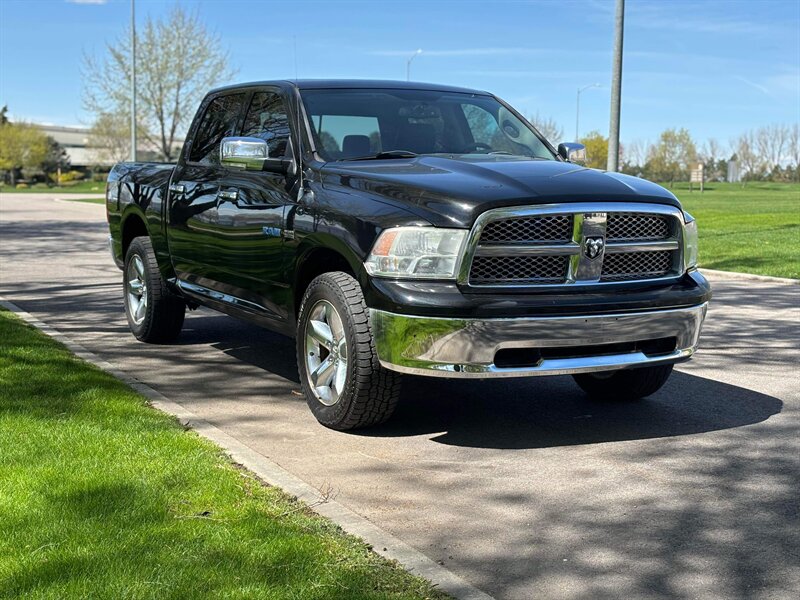
The first-generation Ram 1500 EcoDiesel introduced a smaller diesel option for buyers who wanted improved fuel economy without moving to a heavy-duty pickup. Its 3.0L V6 engine offered useful torque, respectable towing capability, and a comfortable driving experience. However, early EcoDiesel trucks have also faced fuel system reliability concerns.
The 3.0L engine uses a high-pressure common rail injection system. Early versions were equipped with Bosch CP4 high-pressure fuel pump technology. Problems involving internal pump wear and fuel contamination have made this component an important inspection point for used-truck buyers.
When a high-pressure pump begins failing, the driver may notice rough running, poor acceleration, extended starting times, or an illuminated check engine light. Severe failures can cause the engine to stall or refuse to start.
Fuel contamination is a major concern because small metal particles can spread through the injection system. Injectors operate with extremely precise tolerances, so even minor contamination can affect their performance. A repair may require attention to several fuel system components rather than the pump alone.
The EcoDiesel’s compact design and fuel-efficient operation attracted buyers who wanted a daily-use pickup. Many trucks have accumulated substantial mileage, making service records and previous repair history important considerations.
Owners should use the correct fuel filters, purchase diesel from reliable sources, and investigate fuel pressure warnings promptly. Ignoring early symptoms can turn a relatively contained problem into a more extensive repair.
Anyone considering a used 2014 to 2016 Ram 1500 EcoDiesel should arrange a specialist inspection. Ask about the high-pressure pump’s condition, previous fuel system work, and any relevant manufacturer service campaigns. Confirm the engine’s exact production details because equipment and service requirements can differ between model years.
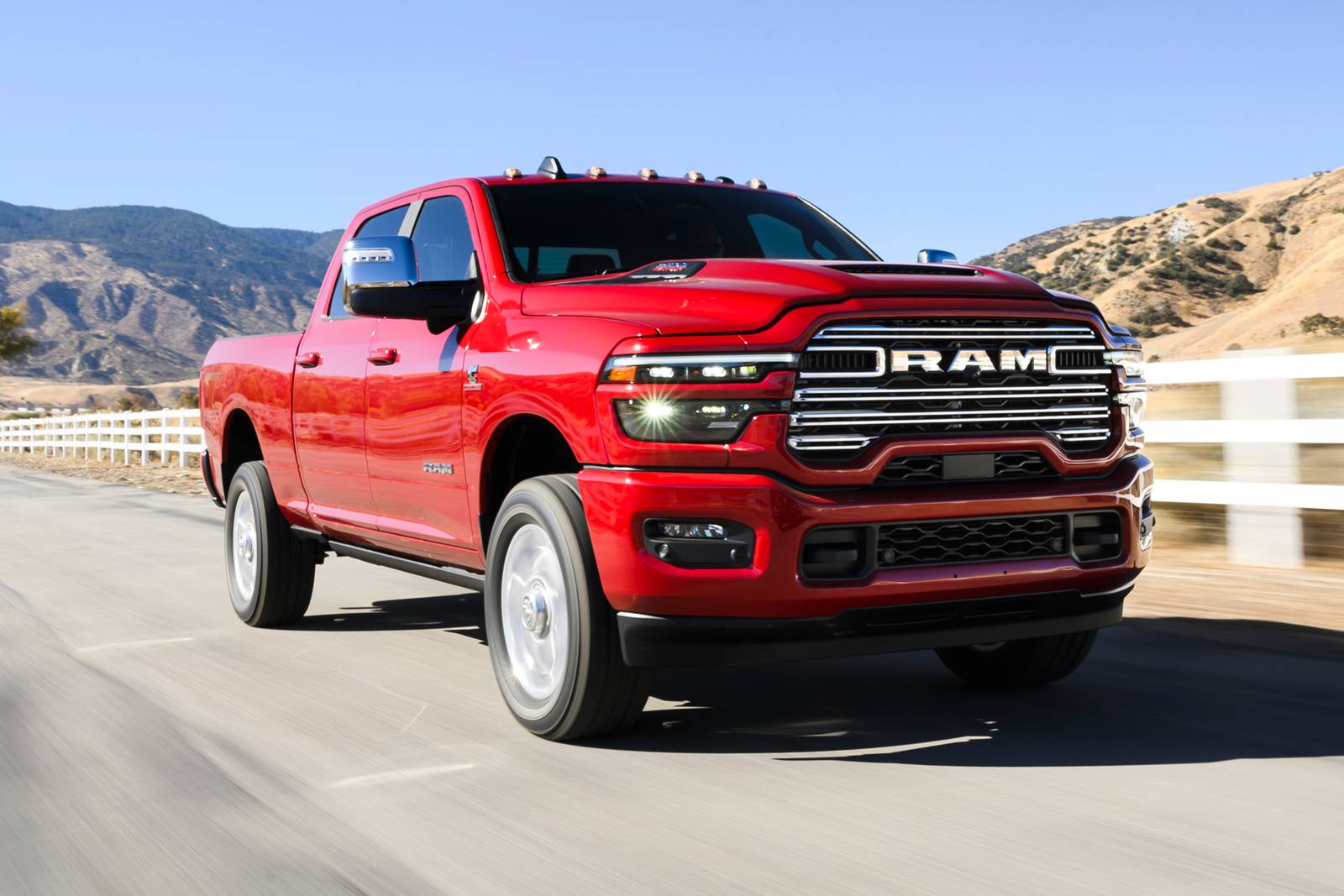
4. Ram 2500 and 3500 6.7L Cummins Diesel
The Ram 2500 and 3500 equipped with the 6.7L Cummins diesel are known for strong torque, towing performance, and heavy-duty capability. However, certain 2019 and 2020 trucks equipped with Bosch CP4.2 high-pressure fuel pumps became associated with fuel system reliability concerns.
The CP4.2 pump requires clean diesel with suitable lubricating properties. Internal mechanical wear can damage the pump and release metal debris into the fuel system. This contamination may affect injectors, fuel rails, and other expensive components.
Drivers may notice low fuel rail pressure, extended cranking, rough engine operation, or sudden power loss. In some cases, the engine may stall or fail to restart. Diagnostic trouble codes can help identify the problem, but a physical fuel system inspection may still be necessary.
These Ram trucks are frequently purchased for demanding work, including towing heavy trailers and transporting construction equipment. Their diesel engines are designed to handle substantial loads, making fuel delivery reliability essential for dependable operation.
Repair costs can increase rapidly if metal contamination reaches the entire injection system. A technician may need to replace the damaged pump and inspect or replace affected injectors, rails, lines, and filters. The required work depends on how far the debris has traveled.
Owners should check the vehicle identification number and production information when researching fuel pump-related recalls or service actions. Some vehicles may have received updated components or manufacturer-supported repairs. Confirming the actual installed pump is more reliable than assuming every truck from a particular year has identical equipment.
For used-truck buyers, a complete maintenance history is valuable. Look for evidence of fuel filter replacements, pump inspections, and previous repairs. A diesel specialist can also check fuel pressure data and inspect the system for signs of contamination.

5. Nissan Titan XD 5.0L Cummins Diesel
The Nissan Titan XD with the 5.0L Cummins V8 diesel offered a combination of pickup convenience and heavy-duty capability. It was designed for buyers who needed more towing capacity than a typical half-ton truck but did not necessarily want a traditional heavy-duty pickup. Its fuel system, however, deserves careful attention when evaluating used examples.
The 5.0L Cummins engine uses a high-pressure common rail injection system with Bosch CP4 fuel pump technology. This pump operates under demanding conditions and requires suitable fuel quality and lubrication to maintain reliable operation.
A pump failure can create metal contamination that spreads through the injection system. Once debris reaches the injectors and fuel rails, the repair becomes significantly more complicated. The affected components may require replacement to restore proper operation.
Symptoms can include hard starting, reduced power, rough idling, engine hesitation, and fuel pressure-related warning codes. Some failures develop gradually, while severe internal damage can cause an abrupt loss of engine operation.
The Titan XD diesel was produced for a relatively short period, so finding experienced technicians and certain replacement components may require additional research in some areas. Buyers should consider local diesel repair support before purchasing one.
Maintenance plays an important role in reducing fuel system risks. Owners should follow the recommended filter replacement schedule, use appropriate diesel fuel, and avoid running the tank extremely low. Water and particulate contamination should be addressed promptly.
Before purchasing a used Titan XD diesel, request a complete service history and arrange a diagnostic inspection. Ask specifically about previous high-pressure fuel pump repairs, injector replacements, and fuel contamination. A clean vehicle history does not guarantee a healthy pump, but documented maintenance provides useful evidence when assessing the truck.
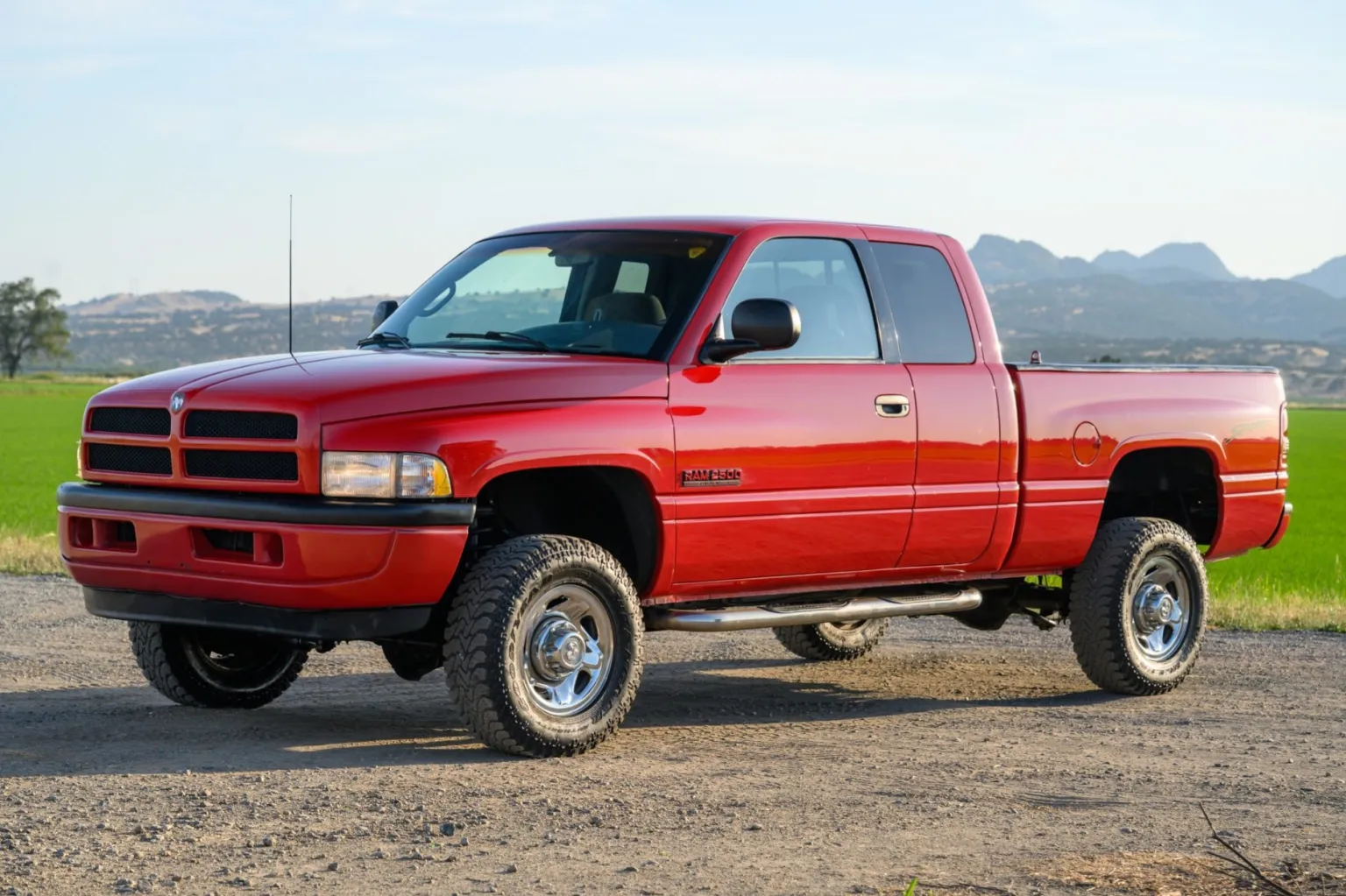
6. Dodge Ram 2500 and 3500 5.9L Cummins (1998)
The 5.9L Cummins diesel used in late-1990s and early-2000s Dodge Ram trucks has a long-standing reputation for durability. However, models equipped with the Bosch VP44 injection pump can experience fuel supply-related failures, making this generation worth examining.
The VP44 is an electronically controlled rotary injection pump responsible for delivering fuel to the engine’s cylinders. It depends on an adequate supply of low-pressure fuel from the lift pump. If the lift pump cannot provide sufficient pressure and volume, the VP44 may experience excessive stress.
This relationship is important because many VP44 failures are connected to inadequate fuel supply rather than an isolated problem inside the injection pump. A weak or failing lift pump can contribute to poor lubrication and cooling within the VP44, increasing the risk of damage.
Common symptoms include hard starting, loss of power, engine hesitation, unexpected stalling, and diagnostic trouble codes. Some trucks may experience intermittent performance problems before the injection pump stops functioning completely.
Replacing the VP44 without addressing the underlying lift pump problem can lead to repeated failures. A proper repair should include testing the low-pressure fuel supply, checking fuel pressure under operating conditions, and verifying that the replacement pump receives adequate fuel.
Owners of these trucks should monitor fuel pressure and investigate changes in engine performance. Preventive maintenance, quality filters, and a properly functioning lift pump can help protect the injection system from unnecessary stress.
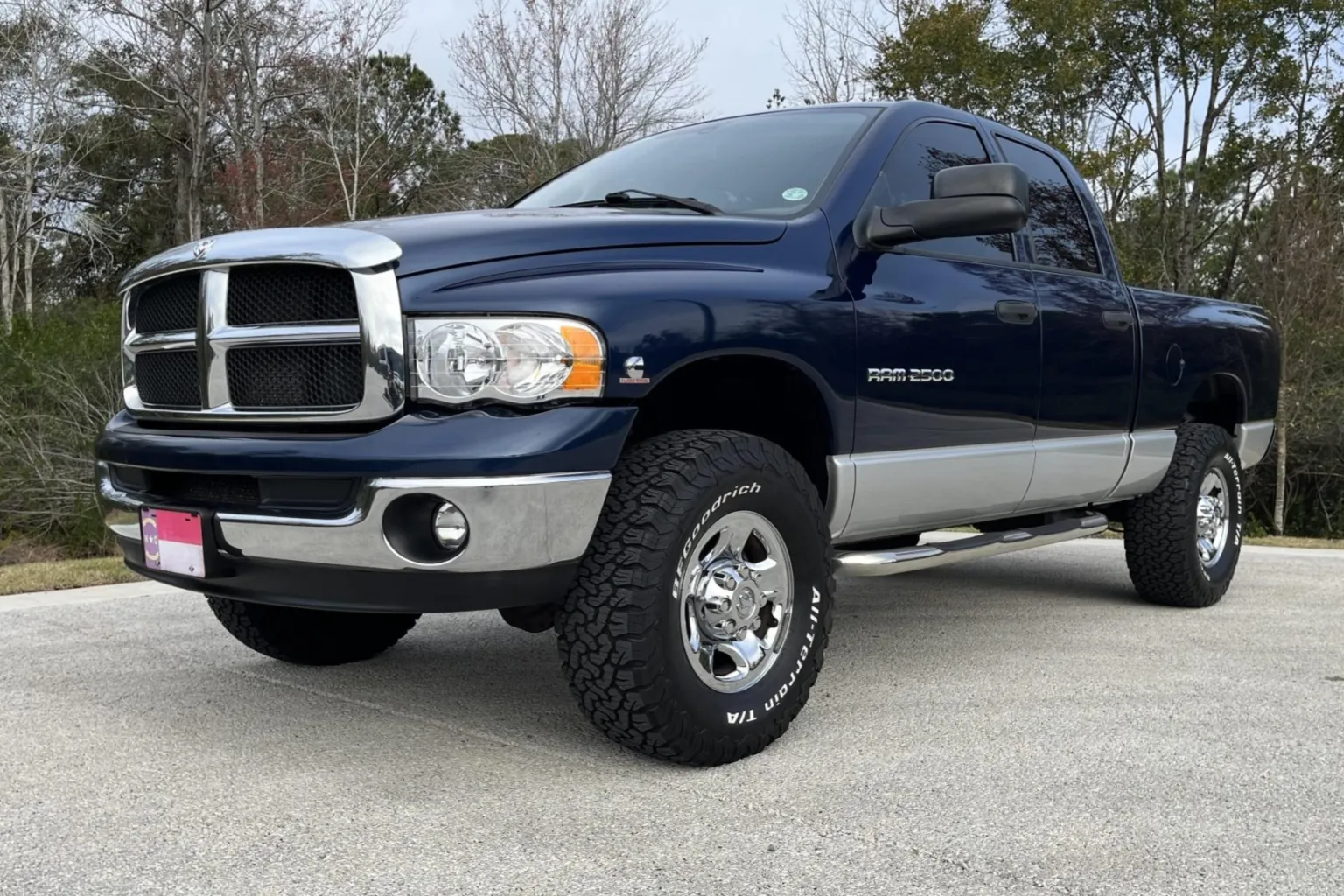
7. Dodge Ram 2500 and 3500 5.9L Cummins (2003 to 2007)
The 2003 to 2007 Dodge Ram trucks with the 5.9L Cummins common rail engine are popular in the used diesel market. These trucks provide strong torque and a relatively straightforward ownership experience, but their fuel delivery systems still require careful maintenance.
Unlike the earlier VP44-equipped models, these trucks use a high-pressure common rail injection system. The injection pump generates the pressure required to supply the fuel rail, while electronically controlled injectors deliver fuel to each cylinder.
The lift pump plays an important role in maintaining adequate fuel supply to the high-pressure injection pump. Insufficient supply pressure, contamination, or restricted filters can affect system performance and place additional strain on expensive components.
Owners may experience hard starting, reduced acceleration, rough running, or low fuel pressure warnings when fuel supply problems develop. A clogged filter or weak supply pump can sometimes create symptoms that resemble a more serious injection pump failure.
A proper diagnosis should begin with basic fuel supply checks. Technicians should inspect the filters, test supply pressure, examine fuel quality, and scan the engine computer for relevant fault codes before recommending major repairs.
These trucks are frequently modified for towing, performance, and off-road use. Additional engine power can increase demands on the fuel system, particularly when larger injectors or performance tuning are installed without suitable supporting components.
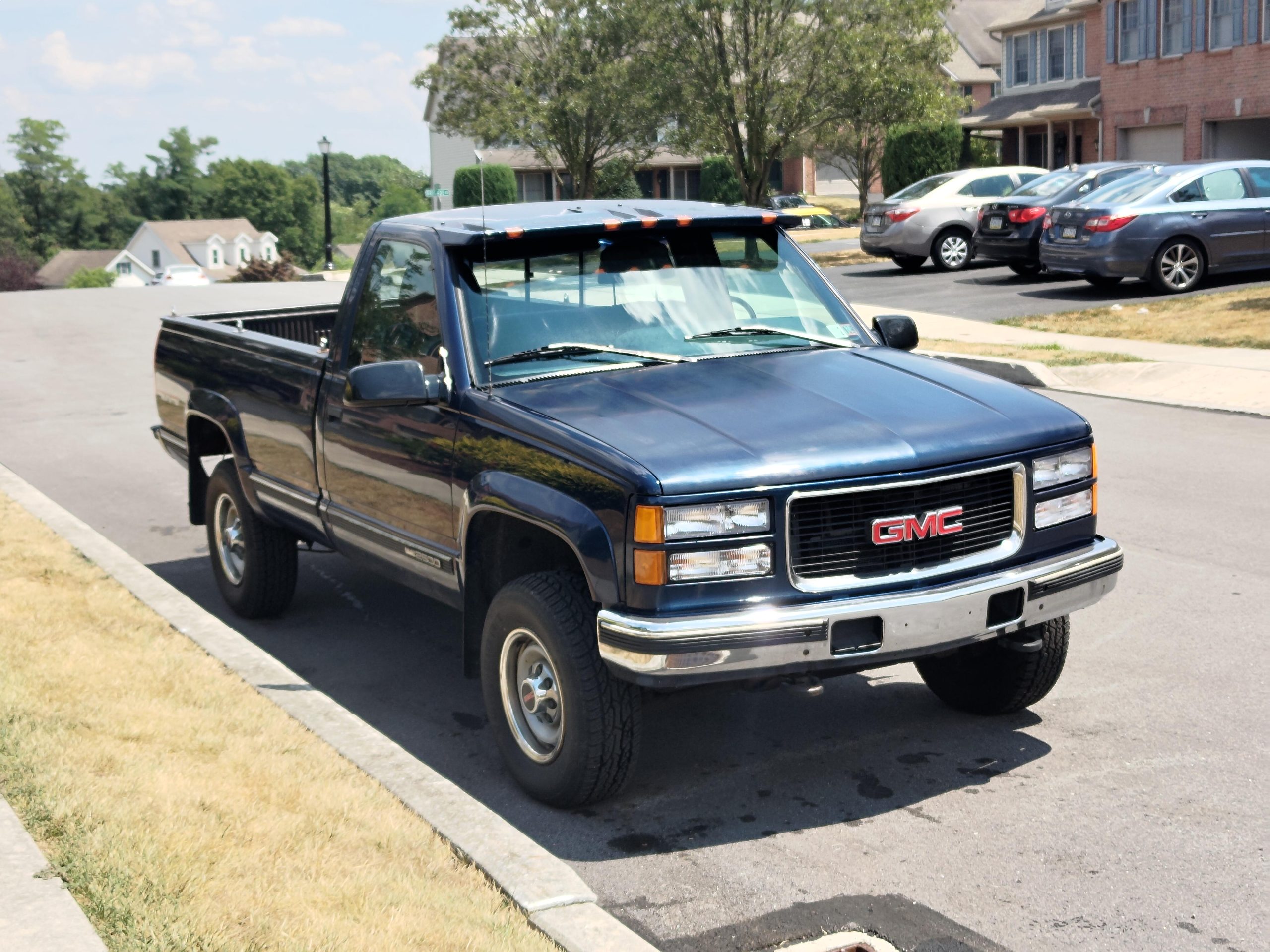
8. Chevrolet and GMC Trucks With the 6.5L Detroit Diesel (1992 to 2000)
The 6.5L Detroit Diesel V8 appeared in several Chevrolet and GMC pickups and utility vehicles during the 1990s. These engines are older than modern common rail diesels, but their injection pump systems have a history of reliability concerns that buyers should understand.
Many electronically controlled versions use the Stanadyne DS4 rotary injection pump. This pump manages fuel delivery and injection timing through electronic controls. Its operation depends on several electrical and mechanical components working together.
Heat-related failures involving the pump’s electronic control components have been reported. The pump-mounted driver module, commonly known as the PMD or FSD, can experience problems when exposed to high temperatures. This can cause intermittent operation, stalling, or a complete loss of engine power.
The symptoms may resemble other engine problems, making accurate diagnosis important. A truck that suddenly stalls and restarts after cooling down may have an electronic injection pump control issue, but electrical connections, wiring, and other fuel system components should also be checked.
Replacing the complete injection pump is not always necessary. In some cases, the problem may involve the pump driver module rather than the internal mechanical components. A qualified technician should identify the actual failure before recommending replacement.
Owners can improve reliability by ensuring the injection pump electronics have suitable cooling and that electrical connections remain clean and secure. Some owners use remotely mounted driver modules with appropriate heat management, but the installation should follow proven technical guidance.

9. Toyota Hilux 3.0L D-4D 1KD-FTV Diesel
The Toyota Hilux equipped with the 3.0L 1KD-FTV D-4D diesel engine is widely used for commercial transport, construction, and personal driving. Its reputation for durability has made it popular in several international markets. However, certain versions can experience problems involving the high-pressure fuel supply system.
The 1KD-FTV uses common rail diesel injection technology. Its high-pressure pump supplies fuel to the rail, while electronically controlled injectors manage fuel delivery. The system requires clean diesel and suitable filtration to maintain consistent operation.
A component that deserves attention is the suction control valve, commonly called the SCV. This valve regulates fuel delivery to the high-pressure pump. Problems with the valve can cause unstable fuel pressure, rough idling, hesitation, and difficulty starting.
Drivers may notice fluctuating engine speed, poor acceleration, or inconsistent performance. These symptoms can be mistaken for injector problems, clogged filters, or other engine faults. Proper testing is necessary to identify whether the SCV, high-pressure pump, or another component is responsible.
Fuel quality is particularly important in markets where diesel contamination and inconsistent storage conditions are concerns. Dirt and water can affect sensitive injection components, increasing maintenance requirements and the possibility of expensive repairs.
Owners should follow the recommended fuel filter replacement schedule and use quality replacement parts. Any signs of rough running or fuel pressure irregularities should be investigated before they develop into more serious mechanical problems.

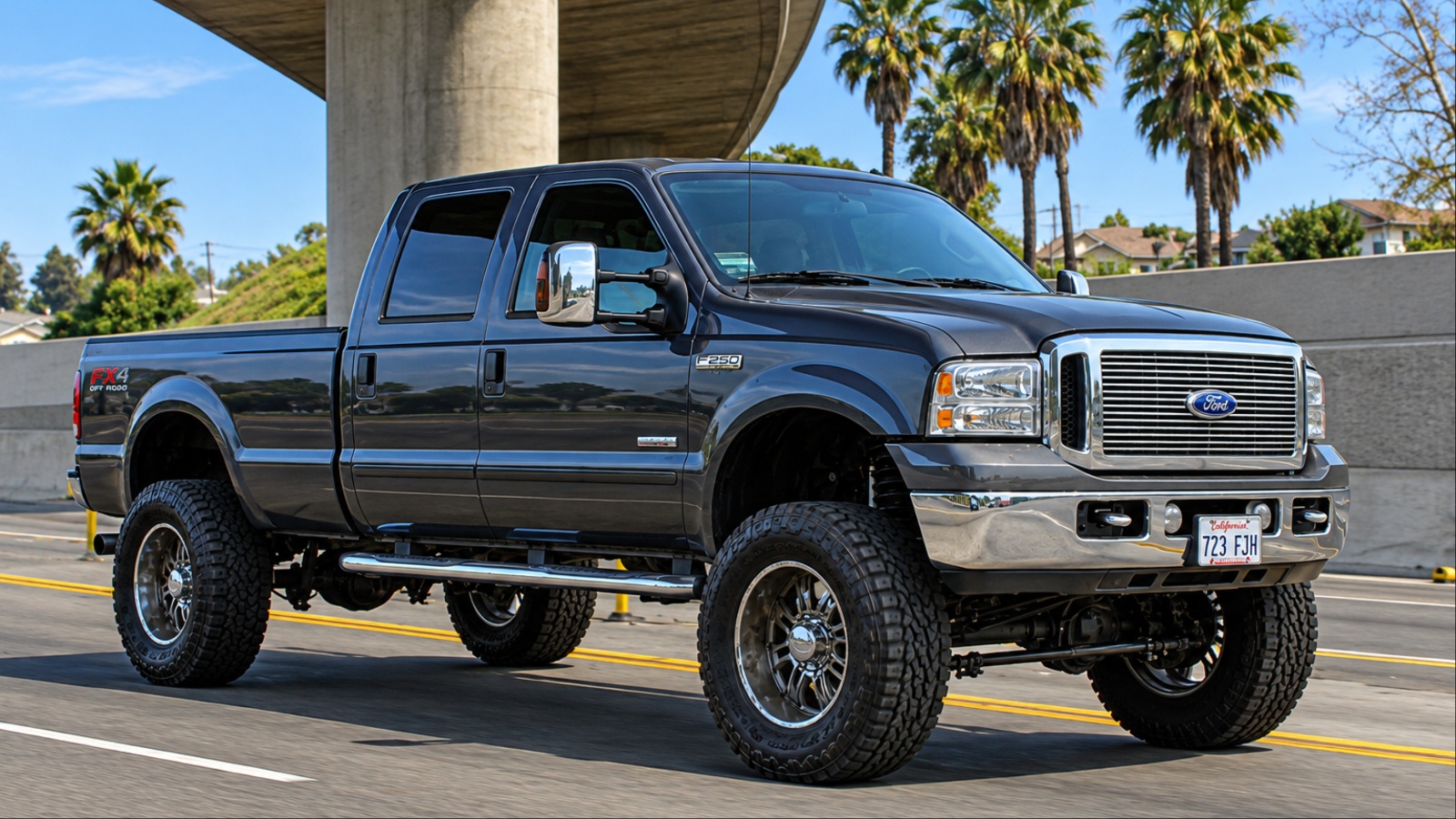
10. Ford Super Duty 6.0L Power Stroke Diesel (2003 to 2007)
The Ford Super Duty equipped with the 6.0L Power Stroke diesel has developed a complicated reliability reputation. These trucks are frequently discussed for injector, oil system, cooling system, and electrical problems. Fuel delivery concerns also deserve attention, particularly when diagnosing hard starting and poor engine performance.
The 6.0L Power Stroke uses a hydraulically actuated electronic unit injection system, commonly known as HEUI. Unlike a modern common rail diesel, it does not use a conventional high-pressure common rail fuel injection pump. Engine oil pressure operates the injectors, while a separate fuel system supplies diesel to them.
This distinction matters because many failures incorrectly described as fuel pump problems are actually related to the high-pressure oil pump, injector control pressure system, or fuel injectors. The engine’s high-pressure oil pump is not the same component as a diesel fuel injection pump.
The fuel supply system includes a fuel pump, filters, and related components that must maintain adequate pressure and flow. Problems in this area can cause extended cranking, poor engine performance, rough idling, and fuel starvation symptoms.
The high-pressure oil system can produce similar starting and running problems. A failing high-pressure oil pump, damaged standpipe or dummy plug, or injector-related fault may prevent the engine from operating correctly. Correct diagnosis requires checking both fuel pressure and injection control pressure.
Owners should avoid replacing fuel system parts based only on symptoms. A proper diagnostic process should include fuel pressure testing, oil pressure checks, injector diagnostics, and inspection of the relevant electrical systems.