
Buying a truck is a major investment, especially for drivers who depend on their vehicles for daily work, long-distance transportation, or heavy-duty tasks. Most modern trucks are designed to handle demanding conditions, but some models have developed reputations for expensive mechanical problems as their factory warranties approach expiration.
Engine trouble, transmission failures, electrical faults, and emissions system issues can turn an otherwise dependable vehicle into a costly ownership experience. Understanding which trucks may require extra attention can help buyers make informed decisions, prepare for maintenance expenses, and avoid unexpected repair bills as their vehicles accumulate miles over time.
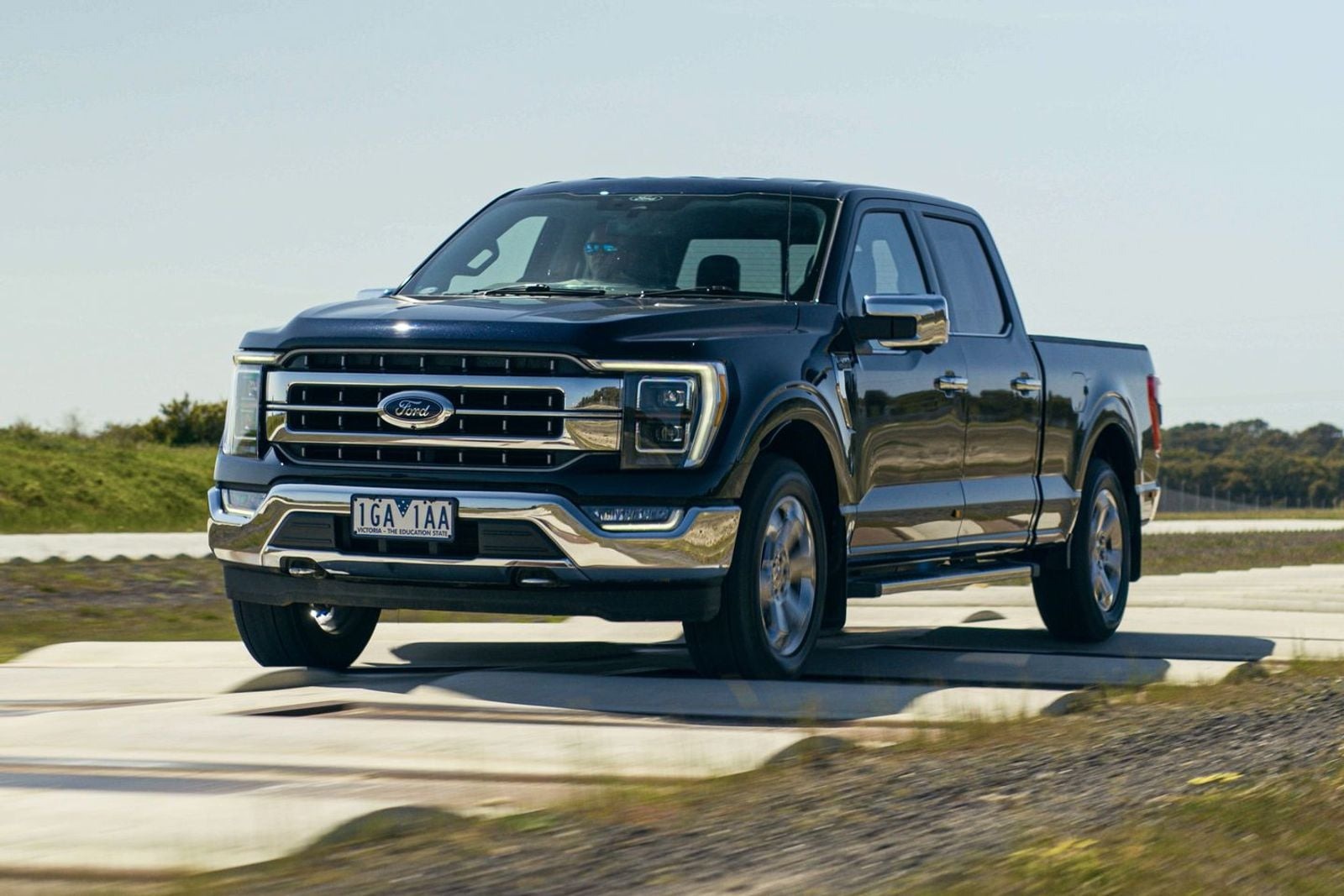
1. Ford F-150
The Ford F-150 has remained a popular full-size pickup for decades. Its strong towing capabilities, multiple engine choices, comfortable cabin, and wide range of configurations make it attractive to private owners and commercial drivers.
However, certain model years and powertrain combinations have experienced mechanical concerns that can become expensive as mileage increases.
The 3.5-liter EcoBoost V6 has received attention for timing chain and cam phaser problems in certain model years. Drivers may notice rattling noises during startup, rough engine operation, or warning lights. These symptoms deserve professional inspection because continued operation with an unresolved timing issue can lead to additional engine damage.
Some owners have also reported transmission-related complaints involving certain automatic transmissions. Harsh shifting, hesitation, unexpected gear changes, and unusual noises can affect driving comfort. Transmission performance should be checked carefully, particularly when buying a used F-150 with a history of towing or frequent heavy loads.
Turbocharger-related problems can also affect some EcoBoost-equipped trucks. These engines rely on forced induction to deliver strong performance and useful torque. Damaged turbo components, oil supply concerns, or boost system leaks can reduce power and increase repair expenses.
Electrical issues deserve attention as well. Problems involving sensors, infotainment equipment, cameras, and electronic control systems can create frustrating ownership experiences. Some faults may be minor, but diagnosing intermittent electrical problems can require considerable workshop time.
The F-150’s advanced features also increase the importance of software maintenance. Driver assistance systems, electronic steering components, and connected vehicle technology depend on multiple control modules. A malfunctioning sensor or software-related fault can affect several vehicle functions.
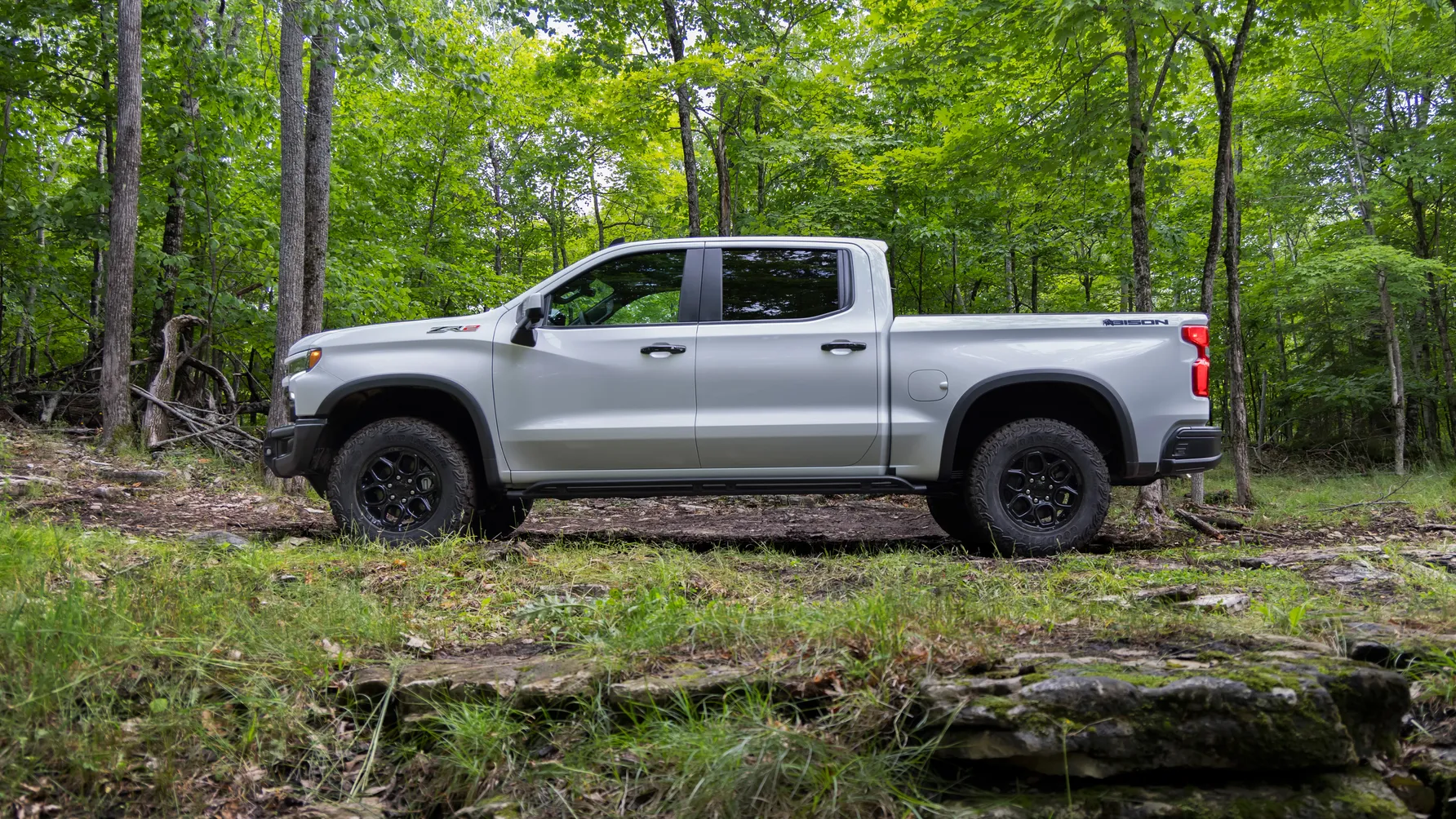
2. Chevrolet Silverado 1500
The Chevrolet Silverado 1500 is a well-known full-size truck used for towing, construction work, transportation, and everyday driving. It offers several engine options, a spacious cabin, and impressive hauling capabilities. However, particular Silverado model years have experienced mechanical issues that owners should understand before their factory warranty expires.
Certain trucks equipped with the 5.3-liter V8 have experienced complaints involving excessive oil consumption. Oil consumption can become a serious concern when drivers do not check their engine oil regularly. Running an engine with insufficient lubrication increases the possibility of internal wear and expensive mechanical damage.
The Dynamic Fuel Management system has also attracted attention among some Silverado owners. This technology deactivates selected cylinders under certain driving conditions to improve fuel efficiency. Problems involving lifters or related valve train components have been reported in certain engines, sometimes producing ticking noises, misfires, and reduced performance.
Transmission behavior is another area worth monitoring. Some Silverado models have received complaints about rough shifting, shuddering, and hesitation. These symptoms can have several possible causes, including fluid condition, torque converter problems, or transmission control issues.
The 8-speed automatic transmission used in certain model configurations has been associated with customer complaints involving shuddering. Drivers may experience vibration during acceleration or while maintaining a steady speed. A qualified technician can determine whether the issue involves fluid condition, mechanical wear, or another component.
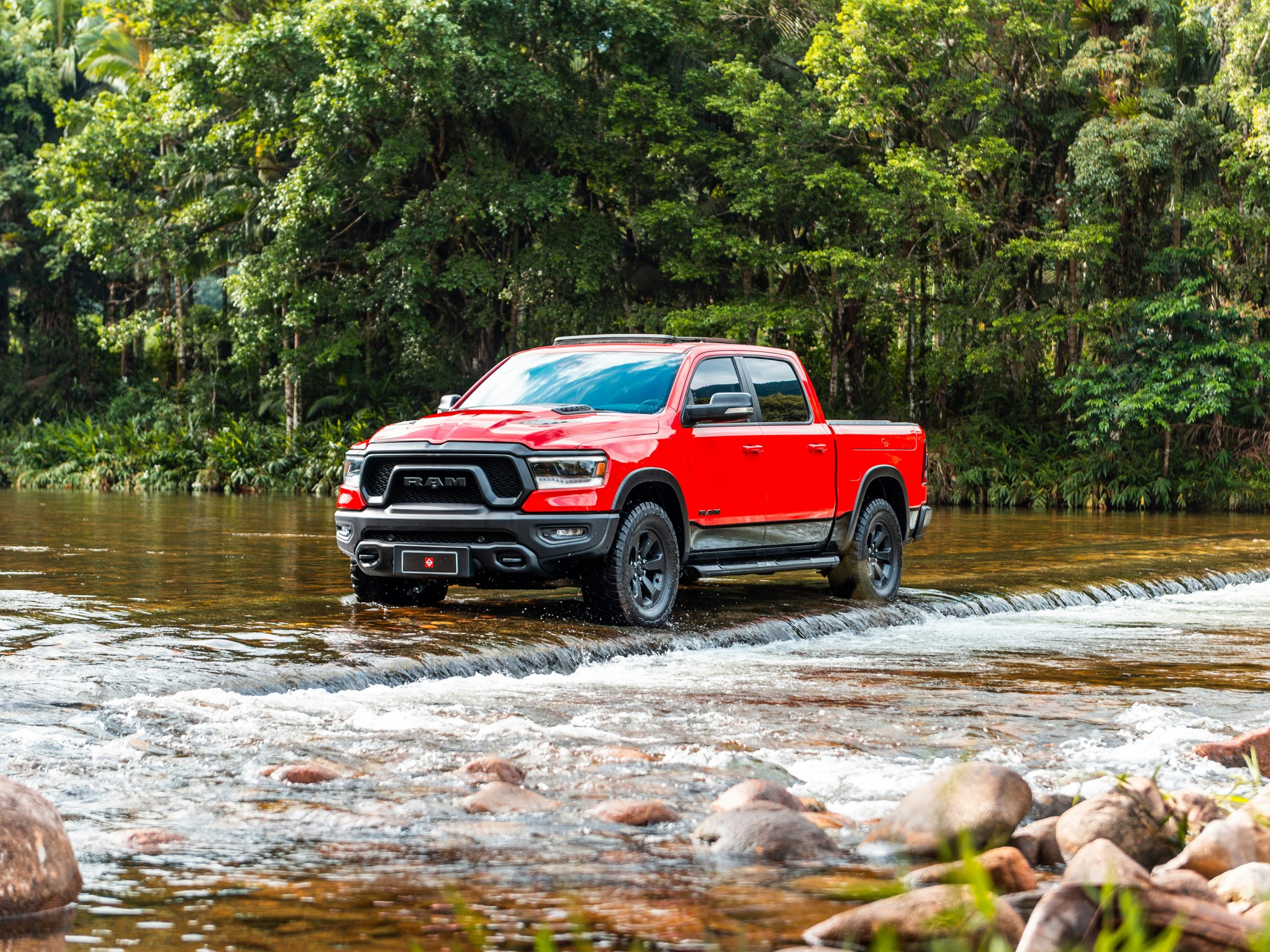
3. Ram 1500
The Ram 1500 is widely recognized for its comfortable interior, smooth ride, powerful engine options, and practical towing capabilities. It appeals to drivers who want a truck that can handle work responsibilities without sacrificing everyday comfort. However, certain model years have experienced problems that can become financially demanding as warranty protection approaches its end.
The 5.7-liter HEMI V8 has been associated with complaints involving exhaust manifold bolts and leaks. Broken manifold bolts can allow exhaust gases to escape before reaching the exhaust system. Owners may hear a ticking sound during cold starts, which can become less noticeable as the engine warms up.
The exhaust manifold issue deserves attention because an apparently minor noise can indicate a repair that requires considerable labor. If ignored, exhaust leaks may create additional problems and affect the vehicle’s performance.
Some Ram 1500 models have also experienced transmission complaints. Rough shifting, delayed engagement, and unusual vibration can indicate problems that require professional diagnosis. Regular transmission inspections are particularly important for trucks that frequently tow trailers or carry heavy loads.
The air suspension system available on certain Ram 1500 configurations offers improved ride quality and adjustable vehicle height. However, its additional components can create maintenance concerns as the truck ages. Air leaks, compressor problems, and faulty sensors may affect suspension operation.
Electrical problems can involve battery connections, control modules, infotainment systems, and electronic accessories. Drivers may experience warning lights, inconsistent system operation, or features that stop responding. Intermittent electrical faults can be difficult to identify without appropriate diagnostic equipment.
The truck’s cooling and lubrication systems also deserve regular attention. Oil leaks, cooling system deterioration, and neglected fluid changes can increase the risk of expensive mechanical repairs. Owners should follow the manufacturer’s maintenance schedule rather than waiting for noticeable symptoms.
The Ram 1500 can be a strong choice for drivers seeking comfort and capability. However, maintaining its more complicated systems becomes increasingly important as mileage increases and factory warranty coverage disappears.
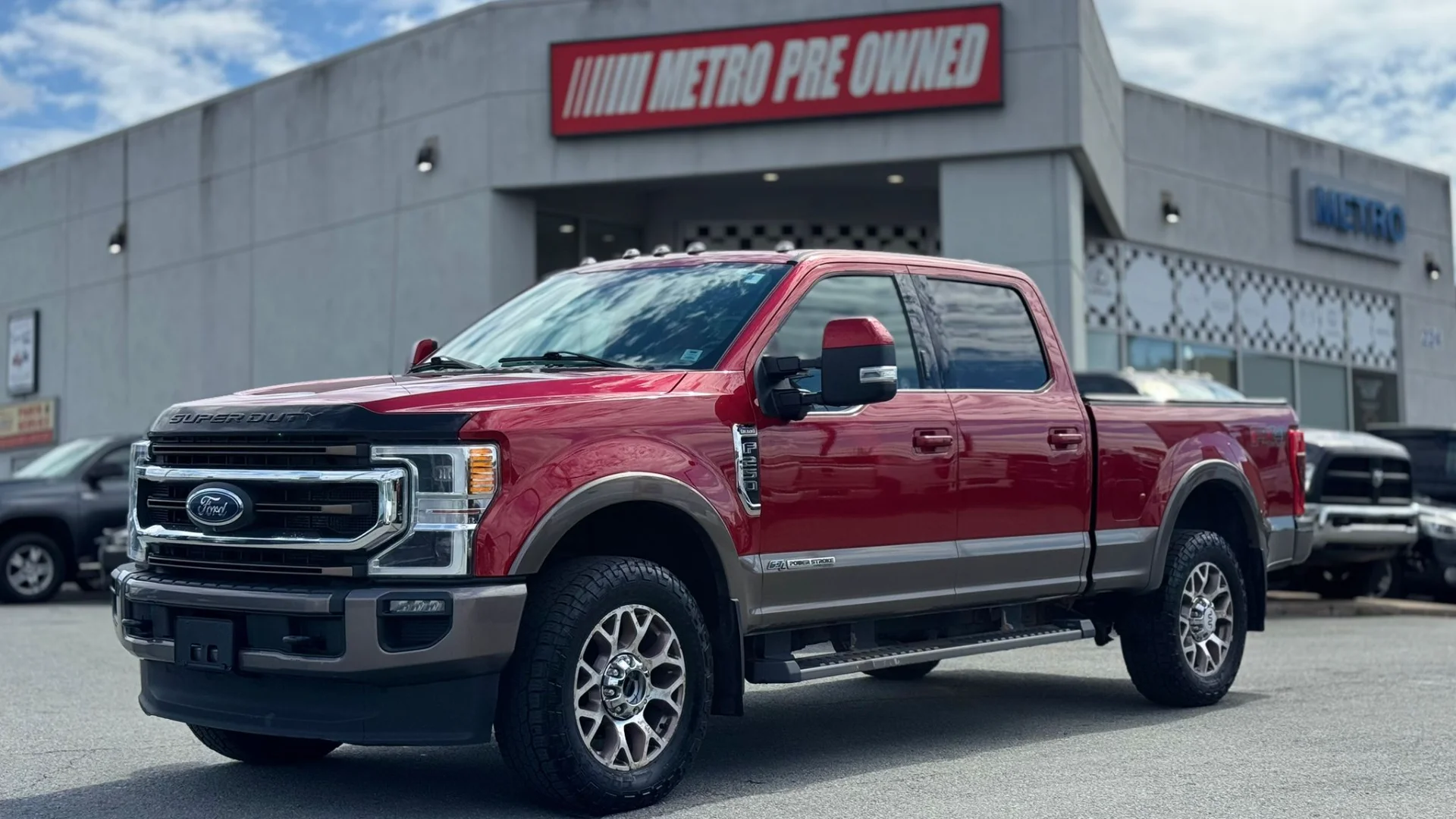
4. Ford Super Duty F-250
The Ford F-250 Super Duty is built for demanding jobs that require substantial towing and payload capacity. Contractors, agricultural businesses, and recreational vehicle owners often choose this truck because of its heavy-duty construction and powerful engine options. Its working capabilities are impressive, but repairs involving certain diesel and gasoline configurations can become expensive.
The 6.7-liter Power Stroke diesel engine has been used in several generations of Super Duty trucks. Certain model years have experienced issues involving fuel system components, sensors, turbocharger systems, and emissions equipment. These components operate under demanding conditions and require proper maintenance.
Fuel system contamination can be particularly concerning for modern diesel engines. High-pressure fuel injection equipment depends on clean diesel and proper filtration. Contaminated fuel may damage expensive components, making regular filter replacement and responsible refueling important.
Diesel particulate filters can also create maintenance challenges. These systems collect soot from exhaust gases and periodically burn it off through a process called regeneration. Frequent short journeys, unsuitable operating conditions, or underlying engine problems may interfere with normal regeneration.
The selective catalytic reduction system uses diesel exhaust fluid to reduce harmful nitrogen oxide emissions. Faults involving sensors, pumps, heaters, or fluid delivery can trigger warning messages and affect vehicle operation. Repairs may require specialized diagnostic equipment.
Transmission condition is another important consideration. Heavy towing places additional stress on transmission components, especially when the truck regularly operates near its rated capacity. Delayed shifting, slipping, or unusual noises should never be ignored.
Some older Super Duty models have experienced problems involving suspension components, steering equipment, and front-end parts. Heavy workloads, rough roads, and oversized tires can accelerate wear. Regular inspections help identify loose joints and damaged components before they affect handling.
Buyers should carefully review maintenance records, especially when considering a used diesel F-250. Evidence of fuel system servicing, emissions maintenance, transmission inspections, and regular oil changes can provide useful information about the truck’s condition.
The F-250 is designed for serious work, but its heavy-duty components are not inexpensive to repair. Owners who maintain their vehicles properly and address warning signs early have a better chance of avoiding major repair expenses after the original warranty expires.
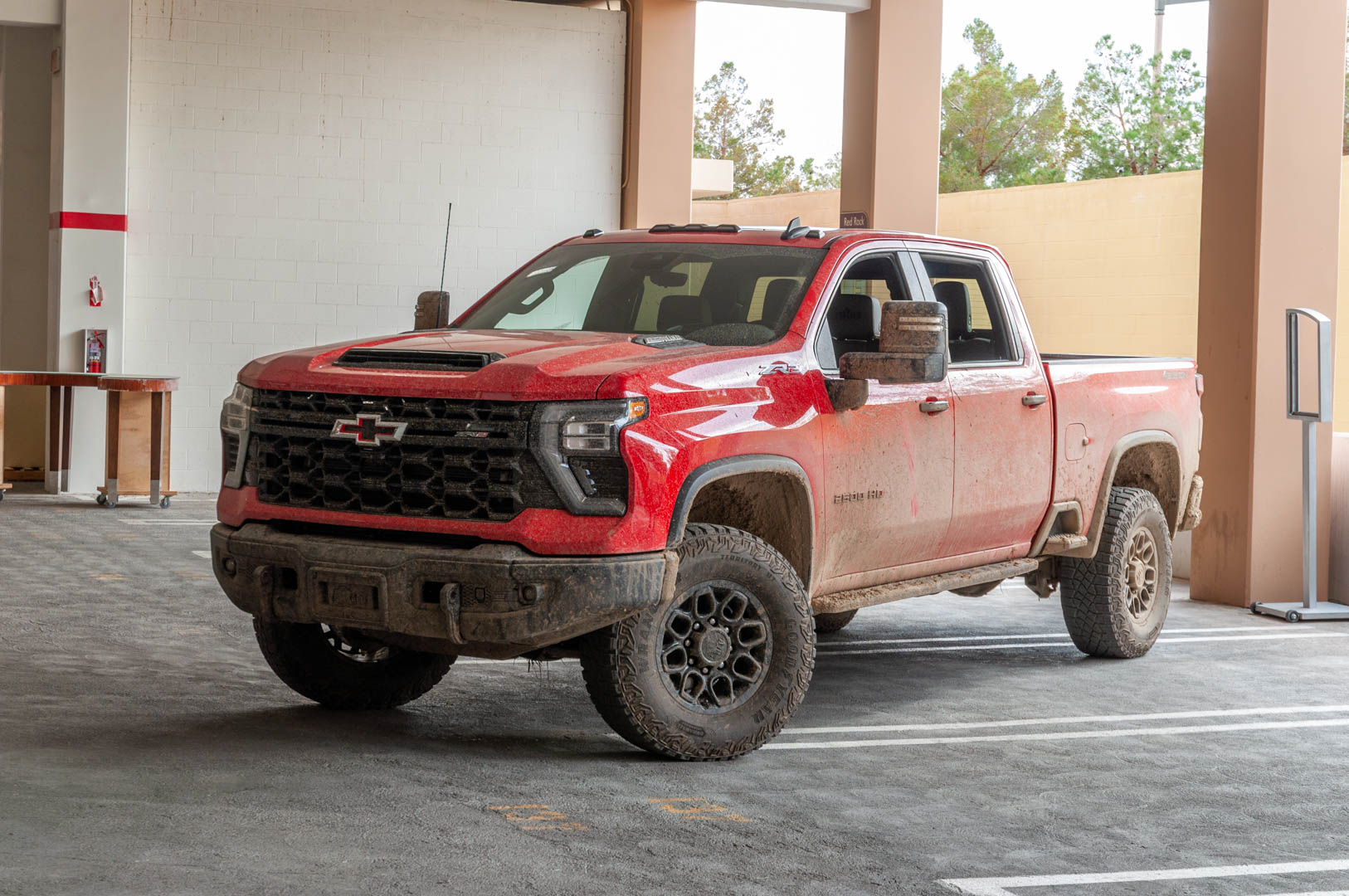
5. Chevrolet Silverado 2500HD
The Chevrolet Silverado 2500HD is designed for drivers who need greater towing strength and durability than a conventional half-ton pickup can provide. Its Duramax diesel engine options and heavy-duty chassis make it suitable for demanding commercial and recreational applications. However, certain components can require costly attention as mileage increases.
The Duramax diesel powertrain offers strong torque and impressive towing performance. Nevertheless, diesel fuel systems are sensitive to contamination, poor maintenance, and component deterioration. Problems involving injectors, fuel pumps, or related equipment can result in rough running, reduced power, and expensive repairs.
The diesel emissions system is another area that deserves attention. Diesel particulate filters, exhaust sensors, and selective catalytic reduction equipment must operate correctly to maintain emissions compliance. Faults in these systems can produce dashboard warnings and require specialized servicing.
Some owners have reported concerns involving the Allison automatic transmission used in certain Silverado HD configurations. Transmission problems may include shifting irregularities, overheating, or unusual vibration. Regular fluid servicing is particularly important for vehicles used for heavy towing.
The cooling system also carries a substantial workload when the truck operates under heavy conditions. Radiators, hoses, water pumps, and thermostats can deteriorate over time. A cooling system that cannot maintain the correct temperature may increase the risk of serious engine damage.
Steering and suspension components should be inspected regularly. Heavy loads and frequent travel over rough surfaces can place considerable pressure on ball joints, bushings, shocks, and other front-end components. Worn parts can cause uneven tire wear and reduce vehicle stability.
Electrical systems may also develop faults as the vehicle ages. Diesel trucks rely on sensors and electronic controls to monitor fuel delivery, emissions performance, transmission behavior, and engine operation. A malfunctioning sensor can trigger warning lights even when the underlying mechanical problem is relatively limited.
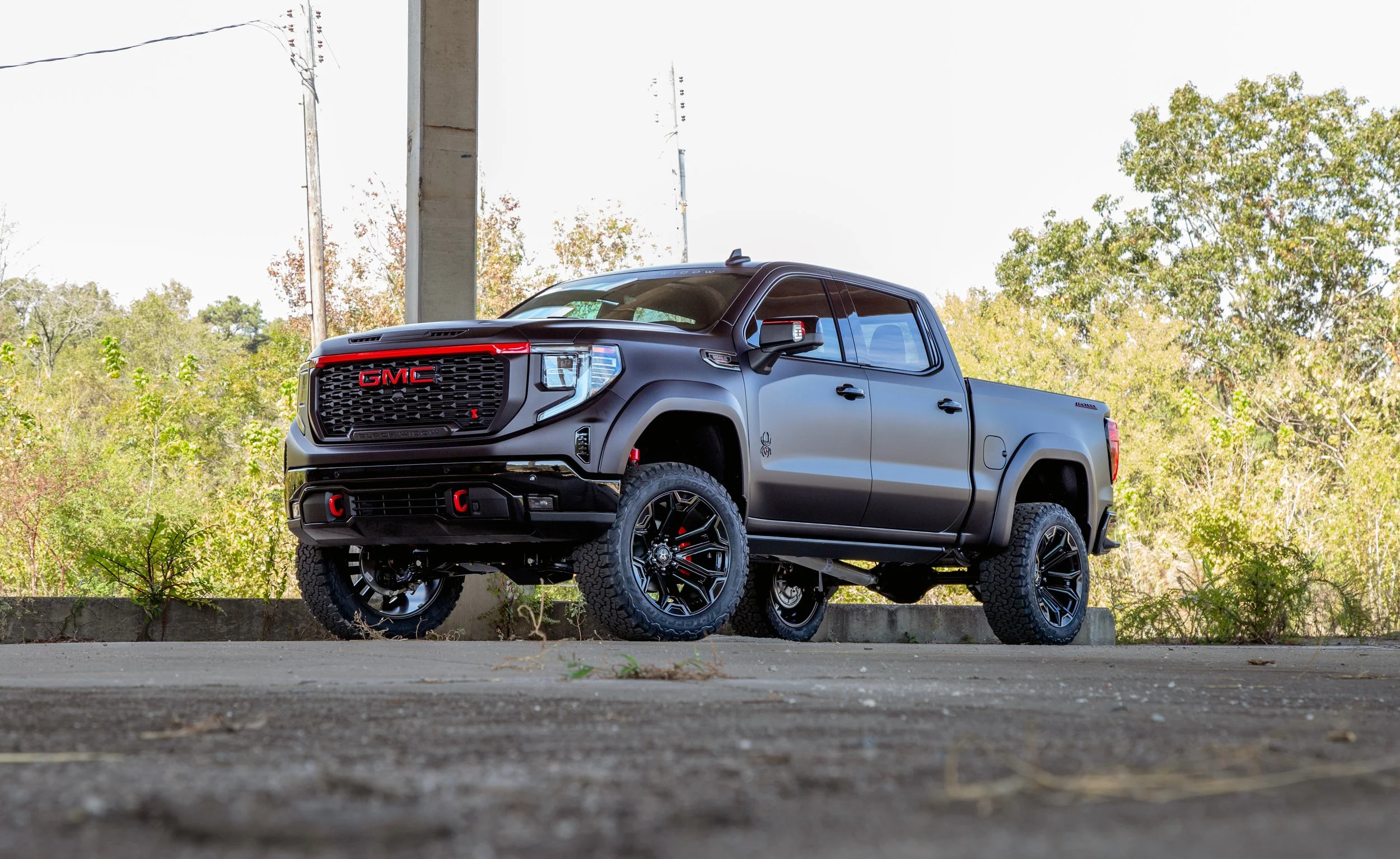
6. GMC Sierra 1500
The GMC Sierra 1500 shares several mechanical components with the Chevrolet Silverado 1500, but it offers different styling, interior features, and equipment packages. Many buyers appreciate its premium appearance and practical performance. However, certain model years have experienced concerns that may become more expensive to address as warranty coverage approaches expiration.
The 5.3-liter V8 engine has been associated with lifter-related problems in some configurations. These components play an important role in operating the engine’s valves. When a lifter fails, drivers may hear ticking noises, experience engine misfires, or notice reduced performance.
Cylinder deactivation technology has received particular attention in discussions about certain V8 engine problems. The system is designed to improve fuel economy under lighter operating conditions. However, mechanical failures involving lifters can require extensive engine repairs.
Transmission performance should also be monitored. Certain Sierra models have experienced complaints involving rough shifting, vibration, and inconsistent gear changes. These symptoms may develop gradually, making early diagnosis important.
The truck’s electronic systems can create additional maintenance concerns. Infotainment screens, parking sensors, backup cameras, and driver assistance features rely on electronic components that may occasionally malfunction. Software updates or component replacement may be necessary.
Air conditioning performance is another area worth checking during a used vehicle inspection. Refrigerant leaks, compressor problems, and electrical faults can reduce cooling efficiency. A system that struggles to maintain cabin temperature may require professional attention.
Suspension components experience regular stress when the Sierra carries heavy loads or travels across uneven surfaces. Worn shocks, bushings, and steering components can produce unwanted noises and affect handling. Regular inspections help identify these problems before they become more serious.
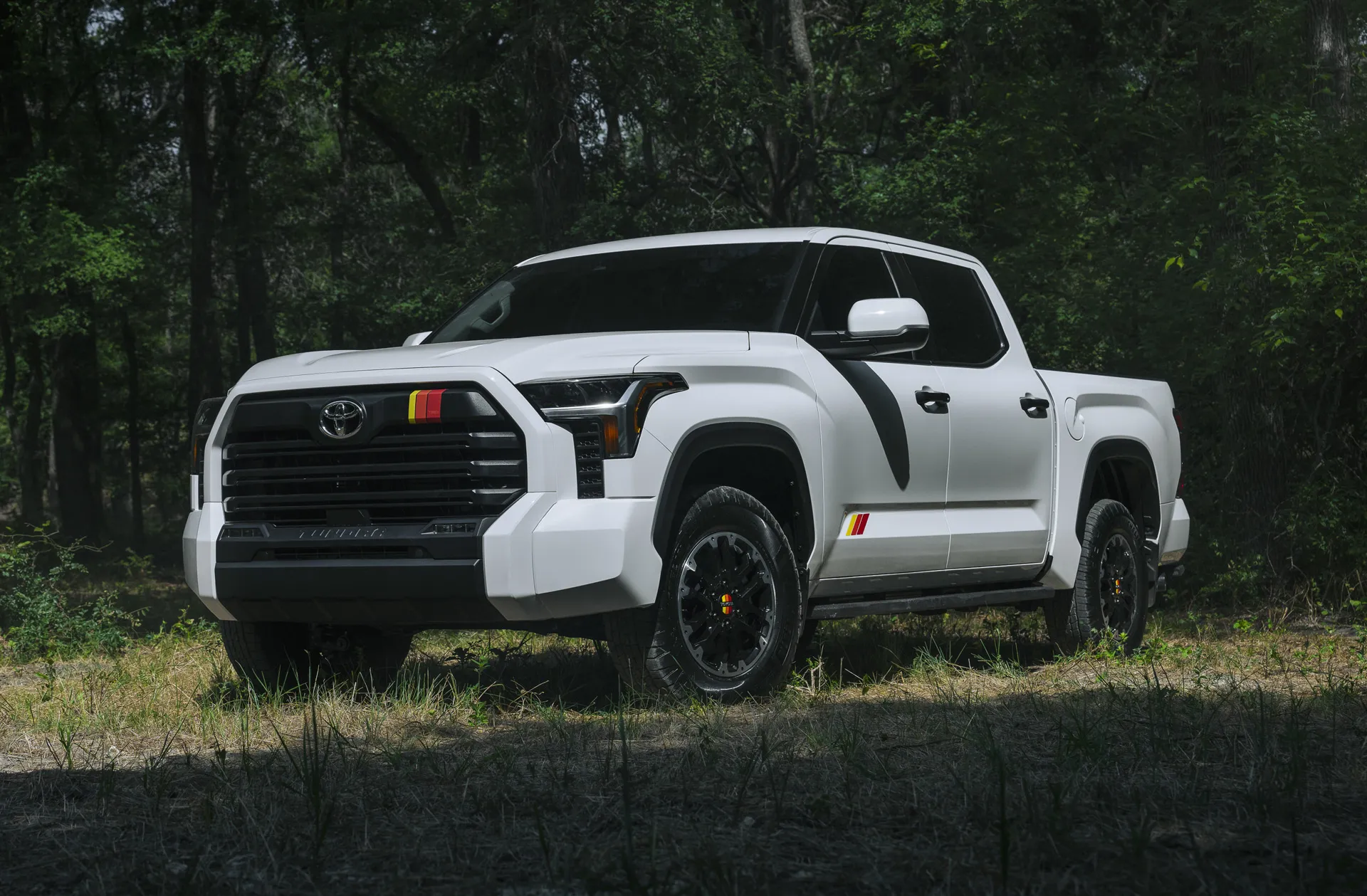
7. Toyota Tundra
The Toyota Tundra has traditionally attracted buyers who value durability, strong resale value, and dependable performance. Earlier generations developed a reputation for long service life, but newer models have introduced more advanced powertrain technology and electronic systems. Certain model years have experienced significant mechanical concerns that deserve attention.
The twin-turbocharged 3.4-liter V6 engine introduced in the third-generation Tundra has been associated with a major engine-related recall involving machining debris in certain production engines. Such debris can damage internal components and potentially cause engine failure.
This issue is particularly important for used vehicle buyers because repair history and recall completion can significantly affect ownership decisions. Buyers should verify the vehicle identification number with Toyota and confirm whether all applicable recall work has been completed.
The twin-turbocharged engine also contains additional components compared with a traditional naturally aspirated V8. Turbochargers, cooling passages, oil lines, and related systems require appropriate maintenance. Any unusual noises, reduced power, or warning lights should receive professional attention.
The 10-speed automatic transmission used in newer Tundra models may also produce concerns that deserve inspection. Shifting quality, delayed engagement, and unusual behavior should be assessed during a test drive. Transmission performance can be affected by software, fluid condition, or mechanical issues.
Hybrid versions introduce additional components, including an electric motor and high-voltage battery system. These systems provide useful performance benefits, but diagnosis and repair may require specialized technicians.
Older Tundra models have experienced different concerns depending on engine and production year. Rust, suspension wear, exhaust problems, and cooling system deterioration can affect vehicles that have spent years working in demanding conditions.
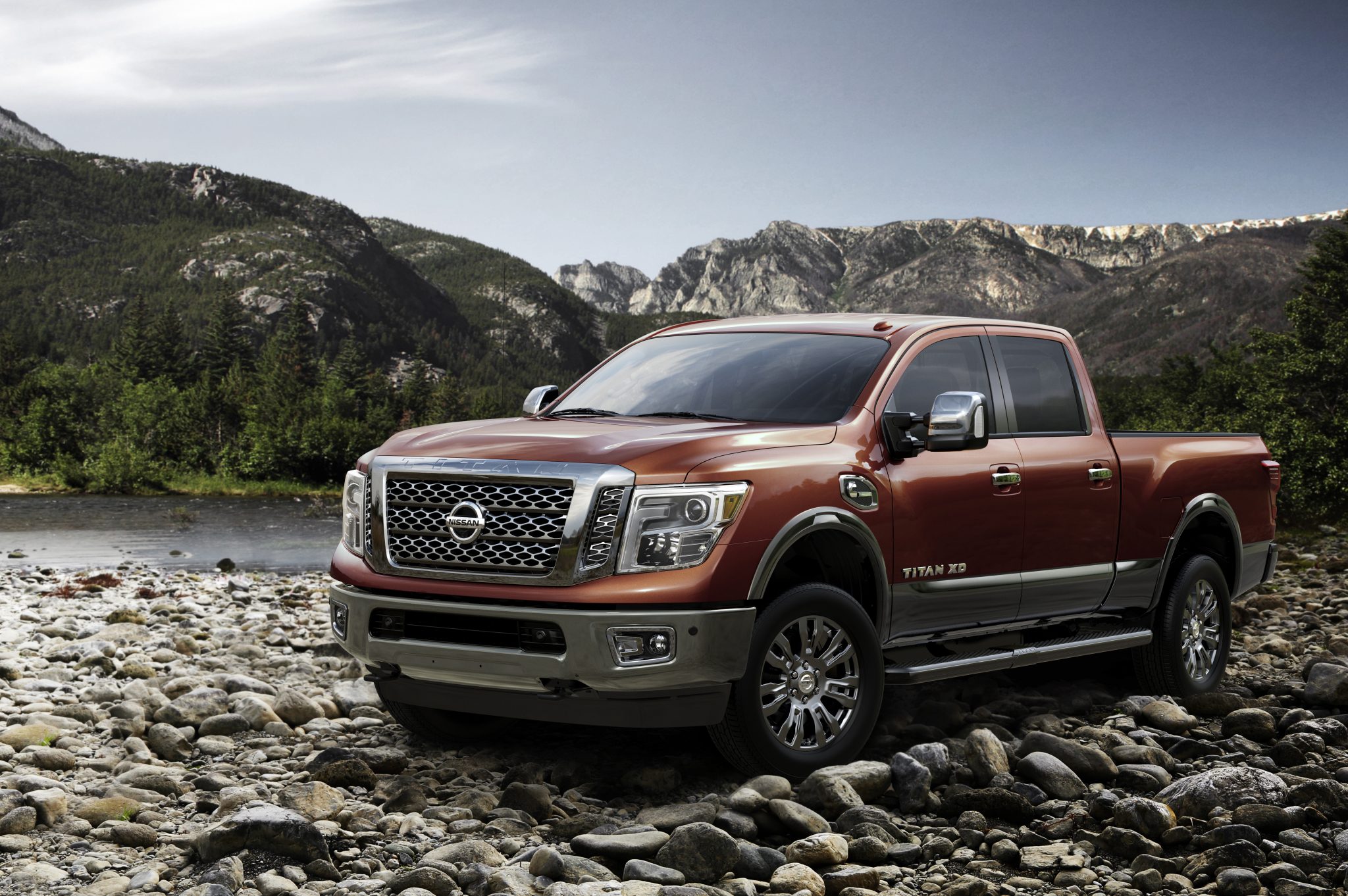
8. Nissan Titan
The Nissan Titan has offered a straightforward alternative to popular American full-size pickups. Its powerful V8 engine, comfortable cabin, and useful towing capabilities have attracted drivers looking for a dependable work vehicle. However, certain Titan models have experienced mechanical concerns that owners should consider before warranty coverage ends.
The 5.6-liter V8 engine provides strong acceleration and useful towing performance. As these engines accumulate mileage, maintenance becomes increasingly important. Oil leaks, cooling system deterioration, and ignition-related faults can affect performance if problems are not addressed promptly.
Transmission performance deserves regular attention. The Titan has used different automatic transmissions across its production history, and certain vehicles may develop shifting concerns as components wear. Drivers should watch for hesitation, slipping, harsh gear changes, and unusual noises.
The truck’s cooling system can also experience age-related problems. Radiator leaks, damaged hoses, thermostat faults, and water pump deterioration may lead to overheating. Regular coolant inspections can help prevent serious engine damage.
Electronic equipment may create additional ownership expenses. Sensors, dashboard displays, cameras, and other electrical components can malfunction over time. Accurate diagnosis is important because replacing parts without identifying the actual cause can increase repair costs.
Suspension and steering components also require attention, particularly on trucks that have been used for towing or heavy-duty work. Worn ball joints, bushings, shocks, and wheel bearings can affect ride quality and handling.
The Titan’s braking system should be inspected regularly. Heavy towing and frequent driving in demanding conditions can accelerate brake pad and rotor wear. Unusual vibration during braking, grinding sounds, or reduced stopping performance should be investigated.
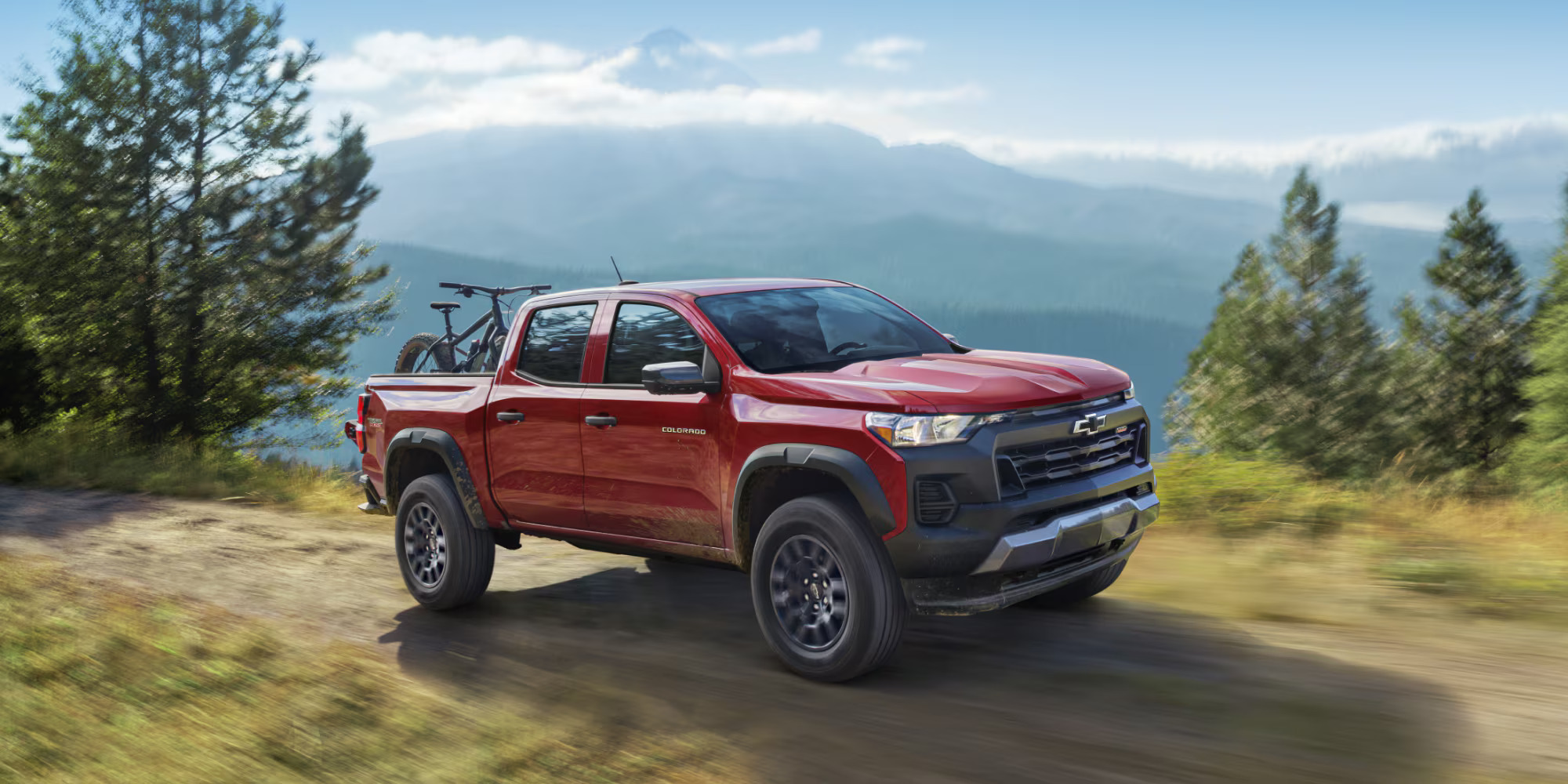
9. Chevrolet Colorado
The Chevrolet Colorado is a midsize pickup designed for drivers who want truck utility without the larger dimensions of a full-size model. Its manageable size, available four-wheel drive, and useful towing capacity make it suitable for personal transportation and light commercial work. However, certain model years have experienced problems that may become more noticeable as mileage increases.
Some Colorado models have received complaints involving automatic transmission performance. Shuddering, rough shifting, and hesitation can affect driving comfort. These symptoms should be evaluated by a qualified technician because transmission-related concerns may involve fluid condition, software calibration, or mechanical components.
The 2.8-liter Duramax diesel engine offered in earlier Colorado models provides useful low-speed torque and fuel efficiency. However, diesel emissions equipment requires proper maintenance. Diesel particulate filter restrictions, exhaust sensor faults, and emissions system problems can create expensive repair requirements.
Gasoline engine versions have different maintenance considerations. Ignition coils, spark plugs, sensors, and fuel system components can deteriorate with age. Misfires, poor acceleration, and inconsistent idle quality should be investigated rather than ignored.
The cooling system also requires regular inspection. Coolant leaks, thermostat problems, and damaged hoses may affect engine temperature regulation. Overheating can cause serious damage, particularly when the vehicle regularly operates under heavy loads.
Electrical problems may involve infotainment equipment, power accessories, cameras, and electronic control systems. Owners may notice intermittent warning lights or features that stop functioning correctly. Diagnostic testing can help identify whether the issue involves wiring, software, or a failed component.
Suspension wear is another consideration for used Colorado buyers. Vehicles driven on rough roads or used for regular hauling may develop problems involving shocks, bushings, and steering components. These issues can affect tire wear and driving stability.
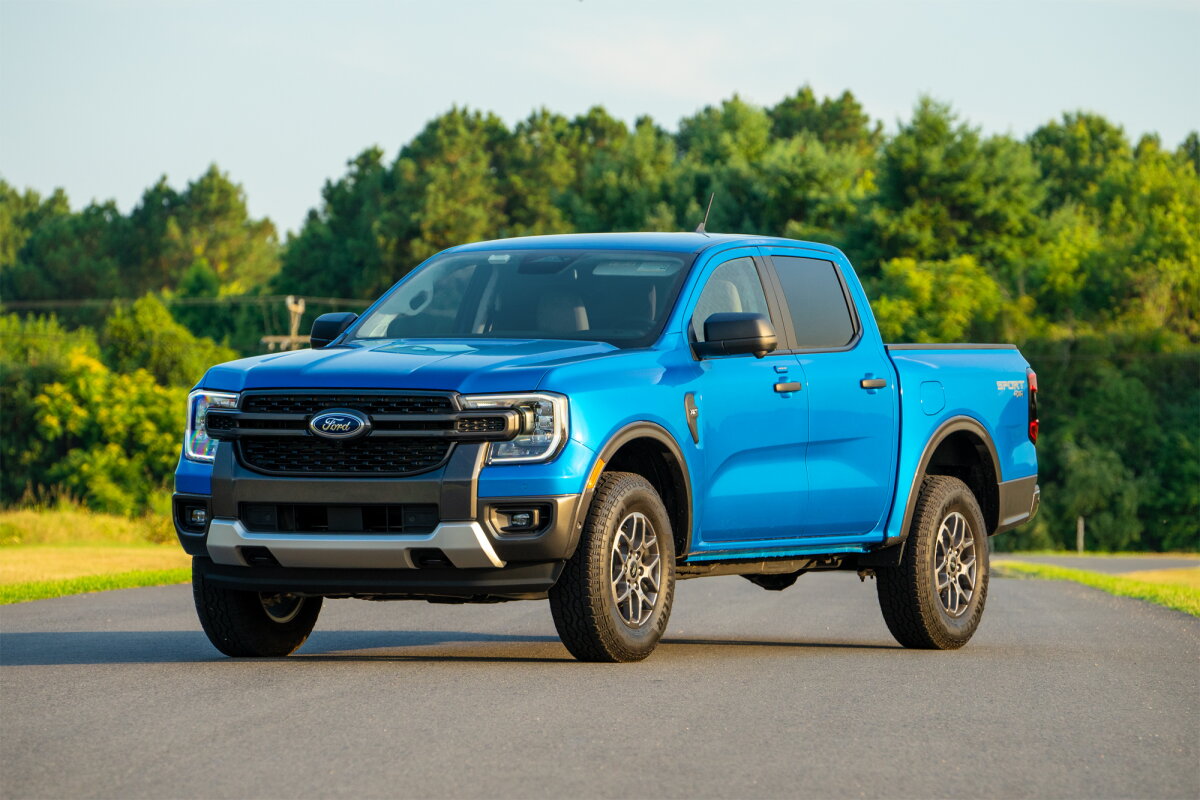
10. Ford Ranger
The Ford Ranger is a popular midsize pickup in several international markets, including North America, Australia, and parts of Asia. Its compact dimensions, useful payload capacity, and available four-wheel-drive systems make it suitable for both everyday transportation and demanding work. However, mechanical reliability varies by generation, engine, and market.
The 2.3-liter EcoBoost gasoline engine used in the North American Ranger delivers strong performance through turbocharging. As mileage increases, turbocharger components, ignition equipment, cooling systems, and related sensors require proper maintenance.
Some Ranger owners have reported transmission complaints involving harsh shifting, hesitation, or inconsistent gear changes. These symptoms may be associated with transmission calibration, fluid condition, or mechanical wear. Drivers should arrange an inspection if shifting behavior changes noticeably.
Diesel-powered Ranger models sold in international markets have different maintenance requirements. Their fuel injection systems, turbochargers, and emissions equipment need regular attention. Poor-quality fuel and neglected servicing can increase the risk of expensive repairs.
Diesel particulate filters may also require attention in vehicles that regularly complete short journeys. These filters need suitable operating conditions to complete regeneration. Repeated interruptions can contribute to soot accumulation and warning messages.
Four-wheel-drive components deserve inspection as well. Transfer cases, differentials, driveshafts, and related equipment can experience wear when the truck is frequently used off-road or for heavy towing. Unusual vibrations or noises should not be ignored.
Electrical systems can develop faults involving sensors, cameras, infotainment equipment, and driver assistance technology. Modern Ranger models contain numerous electronic features, making diagnostic testing important when warning lights or intermittent malfunctions appear.
Suspension and steering components may also require replacement as the vehicle ages. Regular driving over uneven roads, carrying heavy loads, and off-road use can accelerate wear. Owners should inspect tires for uneven tread patterns that may indicate alignment or suspension problems.