
Buying, maintaining, and owning a car should not become a source of financial stress as people get older. However, drivers over 60 are frequently approached by dishonest sellers, repair shops, telemarketers, and fraudsters looking to take advantage of their trust.
Car scams can involve fake warranties, unnecessary repairs, misleading advertisements, identity theft, and payment fraud. Understanding these schemes can help older motorists make informed decisions and protect their savings. Knowing what to watch for is equally important when purchasing a vehicle, renewing insurance, or visiting a repair shop. Here are ten car scams older drivers should recognize.
1. Fake Extended Car Warranty Scams
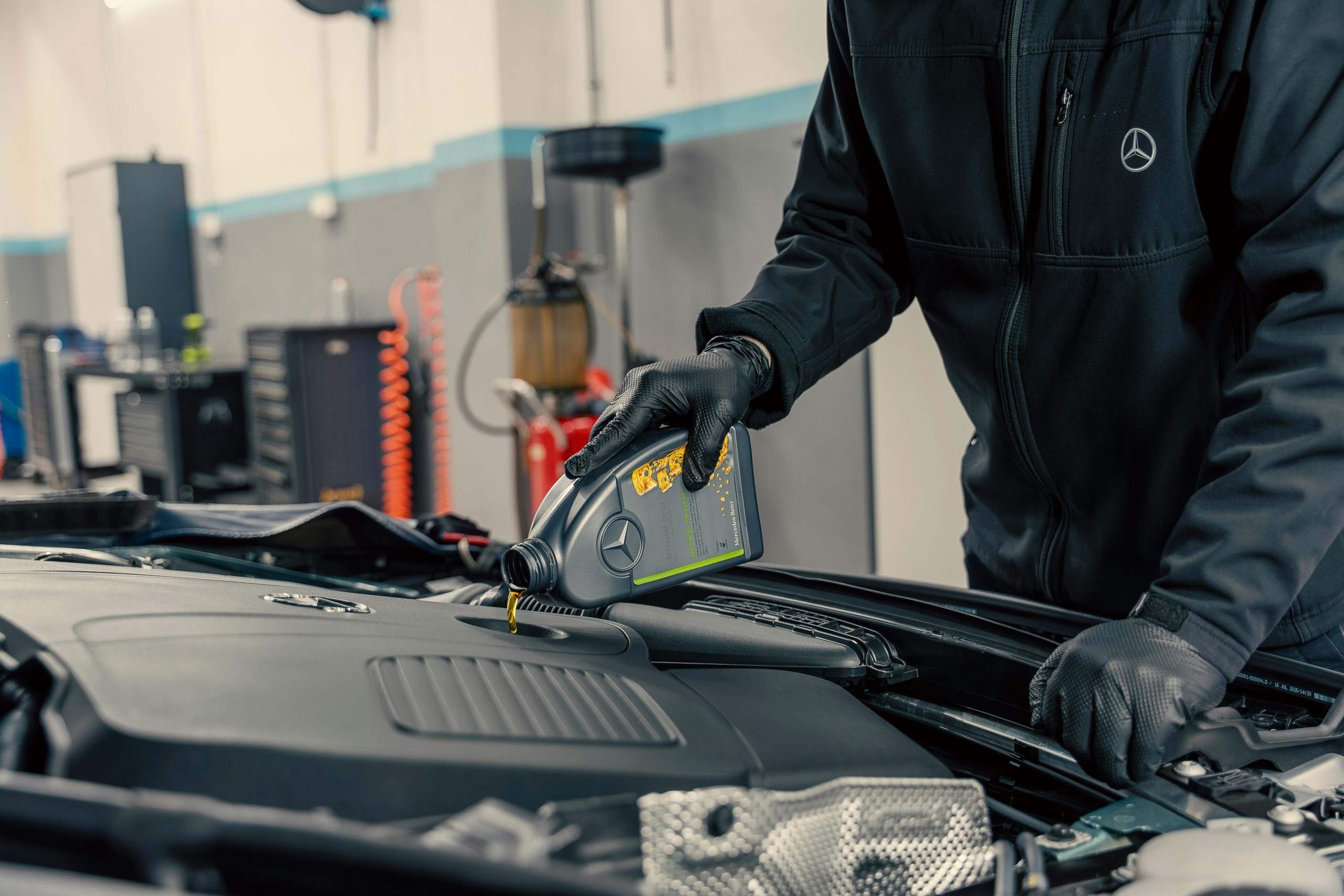
Fake extended car warranty offers are a common source of trouble for older vehicle owners. Scammers contact drivers through phone calls, text messages, emails, and letters that appear to come from a vehicle manufacturer or warranty provider. Their messages often suggest that the existing coverage is about to expire.
The caller may claim that immediate action is necessary to prevent expensive repair bills. This creates pressure and makes recipients feel they must purchase coverage before losing an important benefit. In reality, the caller may have no connection to the vehicle manufacturer or its authorized service network.
Some fraudulent companies use official-sounding business names, professional-looking websites, and convincing customer service representatives. They may also know the make, model, or approximate age of the recipient’s vehicle. This information can make an unsolicited offer appear legitimate.
After receiving payment, the company might send a contract containing numerous exclusions. Important components may not be covered, or the customer may discover that the promised protection is significantly different from what the salesperson described. Some companies make cancellation difficult as well.
Drivers over 60 should be particularly cautious when a caller requests immediate payment through a credit card, bank transfer, or other payment method. A legitimate warranty provider should allow customers enough time to review the terms before making a purchase.
Before accepting an offer, contact the vehicle manufacturer or existing warranty provider using a verified telephone number. Ask whether the coverage is genuine and whether the company is authorized to sell its products. Never rely entirely on contact details supplied by an unsolicited caller.
Read the complete contract, including exclusions, deductibles, waiting periods, and cancellation conditions. If the salesperson refuses to provide written documentation or repeatedly pressures you to make a quick decision, walk away. A genuine warranty should withstand careful examination.

2. Unnecessary Car Repair Scams
Unnecessary repair scams can become expensive because they take advantage of a driver’s limited knowledge of vehicle mechanics. Dishonest repair shops may tell older customers that their cars have serious mechanical problems when the actual issue is minor or nonexistent.
For example, a mechanic might claim that the transmission, braking system, suspension, or engine needs immediate replacement. The suggested work can cost hundreds or thousands of dollars. Customers may agree because they fear driving an unsafe vehicle.
Some dishonest mechanics deliberately exaggerate ordinary maintenance requirements. They might recommend replacing parts that are still functioning properly or insist that several repairs must be completed during the same visit. This can significantly increase the final bill.
A warning sign is a repair shop that refuses to explain the problem clearly. Customers should receive a straightforward description of the fault, the proposed solution, and the estimated cost. A professional mechanic should be willing to answer reasonable questions without becoming defensive.
Drivers should request a written estimate before authorizing repairs. The document should identify the required parts, labor charges, additional fees, and expected completion time. It should also explain whether the suggested work is urgent or can be scheduled for a later date.
Getting a second opinion is particularly helpful when a repair involves a major component. Another qualified mechanic can inspect the vehicle and confirm whether the proposed work is necessary. This simple step may prevent unnecessary spending.
Keep copies of repair invoices, inspection reports, and maintenance records. These documents help track recurring problems and make it easier to identify suspicious recommendations. Choosing a reputable repair facility with transparent pricing can provide additional protection.
3. Odometer Rollback Scams When Buying Used Cars
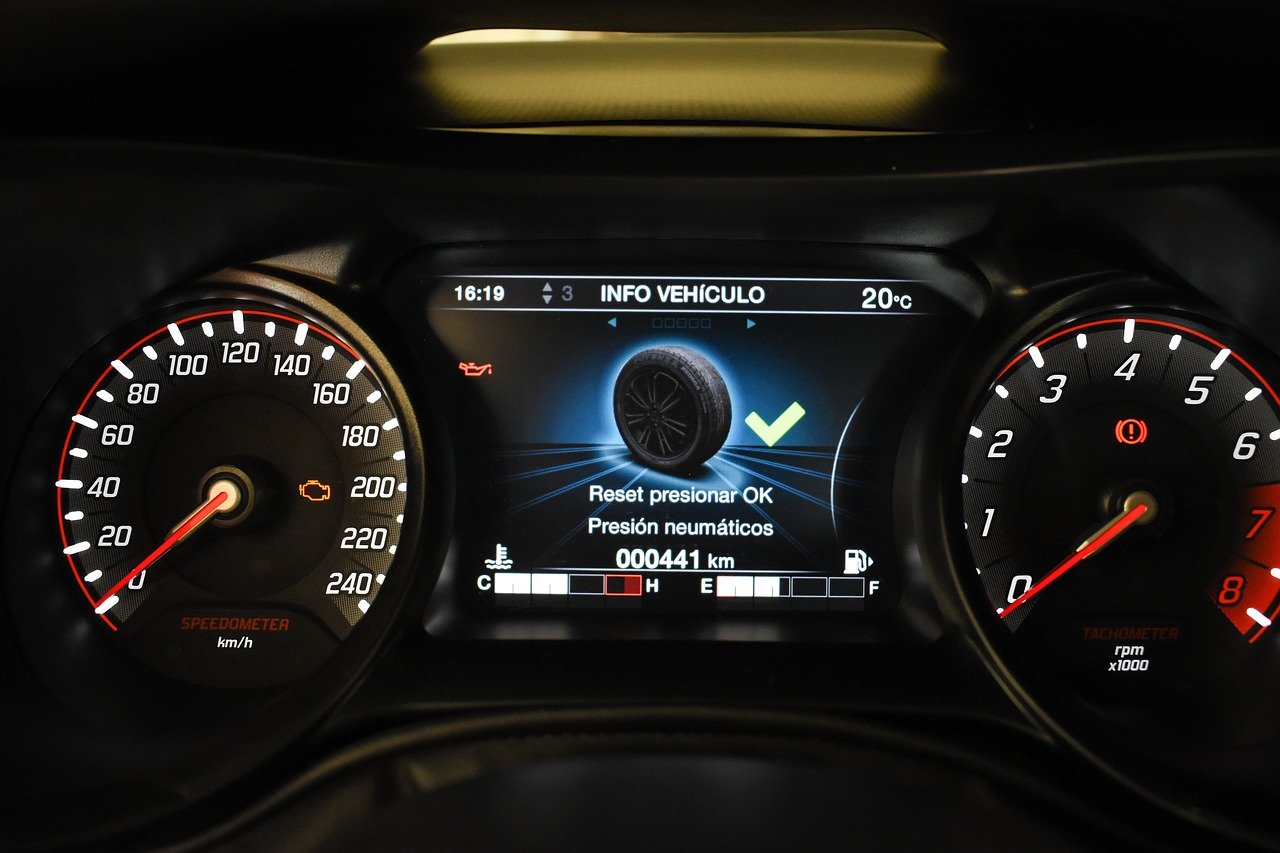
Odometer rollback fraud involves changing a vehicle’s displayed mileage to make it appear less driven than it actually is. A car with fewer recorded miles may attract buyers because it can seem newer, better maintained, and more valuable.
Dishonest sellers may advertise a vehicle as having exceptionally low mileage without providing reliable supporting documents. Buyers over 60 who depend on the seller’s description may unknowingly pay more than the vehicle is worth.
Modern digital odometers are not automatically protected against manipulation. Specialized equipment can alter electronic mileage records. Therefore, a clean-looking dashboard does not guarantee that the displayed reading is accurate.
Check the vehicle’s service history before agreeing to purchase it. Maintenance invoices, inspection records, and previous ownership documents may contain mileage readings from earlier dates. Compare these records with the number currently displayed on the dashboard.
Vehicle history reports can provide additional information about reported mileage, ownership changes, accidents, and other recorded events. However, these reports may not contain every detail, so they should not replace an independent inspection.
Pay attention to signs of wear that appear inconsistent with the advertised mileage. Heavily worn pedals, steering wheels, seats, and gear controls may indicate extensive use. These details are not conclusive proof of fraud, but they deserve further investigation.
Arrange an independent inspection before paying for a used vehicle. A qualified mechanic can examine the car’s condition and identify possible inconsistencies. If the seller refuses an inspection or avoids providing ownership and service documents, consider choosing a different vehicle.

4. Fake Accident and Vehicle Damage Scams
Fake accident scams involve dishonest individuals who attempt to make innocent drivers believe they have caused damage to another vehicle. These incidents may happen in parking lots, residential streets, shopping areas, or busy intersections.
A scammer might approach an older driver and claim that the driver’s vehicle struck theirs. They may point to existing scratches or dents and insist that the damage happened during the alleged incident.
Some fraudsters deliberately stage minor collisions or create situations that make it difficult for the driver to understand what happened. They may then demand immediate cash to avoid involving the police or insurance companies.
The situation can become more intimidating when several people approach the driver at once. They may support the same false account, pressure the motorist to accept responsibility, or threaten expensive legal consequences.
Drivers should remain calm and avoid making immediate payments. Take photographs of the vehicles, surrounding area, visible damage, and relevant road conditions. Record the other driver’s registration number and insurance information when it is safe to do so.
Contact the police or appropriate local authorities when an accident is disputed, injuries are involved, or the other party behaves aggressively. Inform your insurance company and provide the available evidence rather than relying on verbal agreements made at the roadside.
Never sign documents that contain inaccurate statements about the incident. Avoid handing over cash without proper documentation. If the other person refuses to exchange information or insists on settling the matter privately, treat the situation with caution.
5. Car Insurance Renewal and Policy Scams
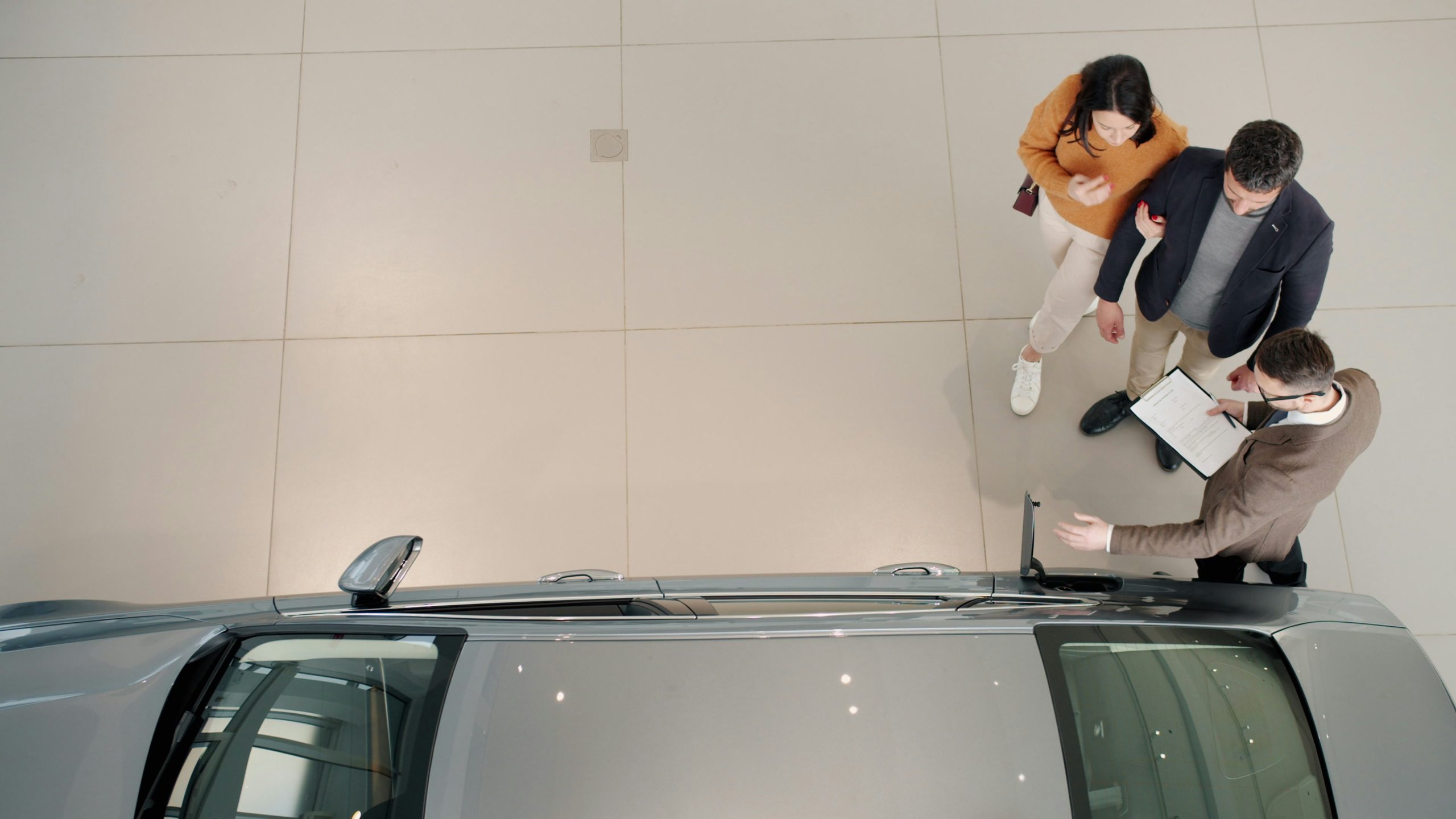
Insurance-related fraud can affect drivers who have maintained policies for many years. Scammers may contact older motorists with offers of cheaper premiums, immediate discounts, or special renewal packages that sound similar to legitimate insurance products.
They sometimes impersonate well-known insurance companies, agents, or brokers. Their messages may include familiar logos, professional language, and convincing policy information. The intention is to make customers believe they are dealing with an authorized representative.
A common tactic involves claiming that an existing policy has expired or that a payment is overdue. The caller may threaten a coverage interruption unless the driver pays immediately. This pressure can lead people to share financial information without checking the claim.
Other fraudsters offer extremely low premiums that appear significantly cheaper than competing policies. Once payment is received, the customer may discover that the policy is fake, incomplete, or issued by an unauthorized provider.
Before purchasing or renewing coverage, contact the insurer directly through its verified website or official telephone number. Ask whether the representative is authorized and whether the quoted policy details match the company’s records.
Read the policy carefully and confirm the coverage limits, exclusions, deductibles, renewal conditions, and claims process. A low premium is not necessarily a good deal if the policy provides inadequate protection or comes from an unreliable source.
Never share banking passwords, one-time verification codes, or sensitive financial information with unsolicited callers. Use secure payment methods and keep receipts, policy documents, and communication records. If a suspicious payment has already been made, contact your bank and insurer promptly.
6. Fake Vehicle Recall and Safety Repair Notices
Vehicle recall scams use concerns about road safety to convince drivers to pay for unnecessary services or reveal personal information. Fraudsters may send messages claiming that a particular vehicle model has a dangerous mechanical defect requiring immediate attention.
The communication might appear to come from a manufacturer, dealership, government agency, or vehicle safety organization. It may contain official-looking branding and urgent instructions designed to make the recipient act without verification.
Some scammers claim that the vehicle is unsafe to drive unless the owner purchases a special repair package. Others offer paid inspections for problems that are supposedly covered by a manufacturer’s recall program.
A genuine safety recall should be verified through the vehicle manufacturer or the relevant government transport authority. Recall procedures and repair arrangements depend on the country, manufacturer, and specific vehicle. In many jurisdictions, eligible recall repairs are provided without charge to the owner.
Older drivers should never assume that every recall notification received by mail or email is authentic. Check the vehicle identification number, commonly called the VIN, using an official recall lookup service where available.
Contact an authorized dealership to confirm whether the vehicle is affected and what action is required. Ask for written information about the recall and whether the proposed repair is covered by the manufacturer.
Be cautious when a message demands payment through an unfamiliar website or requests sensitive personal information. Genuine safety notices should provide verifiable details about the defect and appropriate repair arrangements. Never let an unsolicited warning force you into an unnecessary purchase.
7. Fake Online Car Listings and Deposit Scams
Online vehicle marketplaces make it easier to compare prices and find used cars. However, fraudulent sellers also use these platforms to target buyers searching for affordable and reliable transportation.
A fake seller may advertise a vehicle at a price significantly below its normal market value. The listing might include attractive photographs, detailed specifications, and a convincing description of the car’s condition.
After receiving an inquiry, the seller may claim that several people are interested in purchasing the vehicle. They might say that a deposit is required immediately to reserve it. This creates urgency and encourages buyers to transfer money before seeing the car.
Some scammers claim to be working overseas, serving in the military, or relocating for employment. They may explain that they cannot meet in person and suggest using an unfamiliar shipping company or payment service to complete the transaction.
Once the deposit is transferred, communication may stop. The advertised vehicle may not exist, or the photographs may have been copied from a genuine listing belonging to another seller.
Always inspect a used vehicle in person before making a payment. Check the seller’s identity, ownership documents, registration information, and vehicle identification number. Arrange a professional inspection if you are unfamiliar with the vehicle’s mechanical condition.
Avoid sending deposits to strangers through irreversible payment methods. Use a secure, documented transaction process and confirm that the seller has legal authority to transfer ownership. If the seller refuses an in-person inspection or constantly changes the meeting arrangements, walk away.

8. Roadside Assistance and Towing Scams
Roadside assistance scams often target motorists who are already dealing with a stressful situation. A vehicle breakdown, flat tire, dead battery, or minor accident can make drivers more willing to accept help without checking the service provider.
In some cases, an unauthorized towing operator approaches a stranded driver and offers immediate assistance. The operator may claim that a nearby repair facility is the only suitable option or that the vehicle must be transported urgently.
After the vehicle is loaded, the driver may face unexpectedly high towing charges. Additional fees might be added for storage, mileage, equipment, or administrative services that were never discussed beforehand.
Some dishonest operators may take vehicles to repair facilities with questionable practices. Customers can then face pressure to authorize expensive repairs or pay substantial release charges before recovering their cars.
Drivers over 60 should keep their insurance provider’s roadside assistance number and a trusted towing company’s contact details in their phones. Membership cards and emergency contact information should also be stored somewhere accessible inside the vehicle.
Before accepting towing services, confirm the operator’s business name, destination, estimated cost, and payment arrangements. Ask whether there are additional charges for distance, storage, or after-hours service. If possible, verify the provider through your insurance company or roadside assistance membership.
Do not sign blank forms or documents containing unclear charges. Take photographs of the vehicle before it is towed and keep copies of every receipt. If the service provider behaves aggressively or refuses to explain the charges, contact the appropriate authorities.

9. Fake Car Payment and Financing Offers
Car financing scams can cause serious financial problems for older buyers who want manageable monthly payments. Fraudulent dealers and brokers may advertise attractive loan offers while hiding expensive fees, unfavorable interest rates, or misleading contract conditions.
A salesperson might focus heavily on the monthly payment instead of explaining the total amount payable. A seemingly affordable installment can conceal a longer repayment period, expensive add-ons, or a high borrowing cost.
Some dishonest operators promise guaranteed loan approval regardless of credit history or income. They may request advance processing fees or personal financial documents before providing any genuine financing service.
Another warning sign involves pressure to sign paperwork immediately. The salesperson may claim that the offer will disappear within hours or that the vehicle cannot be reserved without completing the financing agreement.
Older drivers should compare loan offers from recognized banks, credit unions, or regulated financial institutions. Check the interest rate, repayment schedule, total borrowing cost, additional fees, and conditions for early repayment.
Read every document before signing. Make sure the agreed vehicle price, deposit, financing amount, and monthly installments match the written agreement. Never sign blank forms or allow someone to fill in missing details after you have signed.
Be especially careful when a dealer requests unnecessary personal documents or sensitive banking information through unsecured channels. If an offer sounds unusually generous or requires an upfront payment to guarantee approval, verify the lender’s credentials before proceeding.
10. Identity Theft Through Car Documents and Personal Information
Identity theft can happen during vehicle purchases, insurance applications, repairs, and routine maintenance visits. Fraudsters may collect personal information from documents that drivers share without realizing how it could be misused.
Car-related paperwork can contain valuable details, including names, addresses, registration numbers, driving license information, insurance policy numbers, and financial records. Criminals may use these details to impersonate vehicle owners or attempt unauthorized transactions.
Some dishonest individuals pose as dealership employees, insurance representatives, or service providers. They may request copies of identification documents and explain that the information is required to complete a routine procedure.
In other situations, fake online advertisements encourage people to submit personal information through unofficial forms. The information may later be used for fraudulent applications, account access attempts, or targeted scams.
Drivers over 60 should share only the documents necessary for a legitimate transaction. Before providing copies of identification or financial records, confirm the recipient’s identity and understand why the information is required.
Avoid sending sensitive documents through suspicious links or unverified email addresses. When sharing copies is necessary, consider using secure submission methods and marking documents with their intended purpose and date where legally appropriate.
Monitor bank statements, credit reports, insurance accounts, and other financial records for unfamiliar activity. Report suspicious transactions immediately to the relevant bank or service provider. If identity documents are compromised, contact the appropriate authorities and follow local identity protection procedures.