A tire warranty offers valuable protection against manufacturing defects, premature wear, and certain performance issues. However, many vehicle owners unknowingly make mistakes that can lead to denied claims or loss of warranty coverage. From improper tire inflation to neglecting regular maintenance, small oversights can create expensive problems when a tire needs replacement.
Understanding the conditions attached to a tire warranty helps drivers protect their investment and avoid unnecessary expenses.
Knowing what manufacturers expect, keeping proper maintenance records, and following recommended care practices can make a significant difference in maintaining coverage and ensuring tires deliver reliable performance throughout their expected service life.
1. Ignoring the Recommended Tire Pressure
Maintaining the correct tire pressure is essential for tire safety, performance, and warranty protection. Manufacturers specify recommended inflation levels based on vehicle requirements, tire construction, and expected operating conditions. Driving with incorrect pressure for extended periods can cause uneven wear, excessive heat, and internal structural damage.
Underinflation is a common problem among vehicle owners. Tires with insufficient air pressure experience increased sidewall flexing, which generates additional heat during driving.
Excessive heat can weaken internal components and contribute to premature tire failure. If an inspection reveals damage caused by prolonged underinflation, the manufacturer may reject a warranty claim.
Overinflation can create similar complications. Excessive air pressure reduces the tire’s contact area with the road, potentially causing uneven tread wear and reduced traction. The center portion of the tread may wear faster than the outer edges, making the tire unsuitable for continued use.
Many drivers assume that the maximum pressure printed on the tire sidewall represents the correct inflation level for everyday driving. However, this figure generally indicates the tire’s maximum permitted pressure under specified conditions, not necessarily the recommended operating pressure for a particular vehicle.
The correct inflation information is usually available on a label inside the driver’s door frame, in the owner’s manual, or through the vehicle manufacturer’s official documentation. Following these recommendations helps maintain proper handling, braking performance, and tire longevity.
Temperature changes can also affect tire pressure. Cold weather generally reduces air pressure, while warmer conditions can increase it. Checking inflation regularly, particularly during seasonal changes, helps prevent problems associated with incorrect pressure.
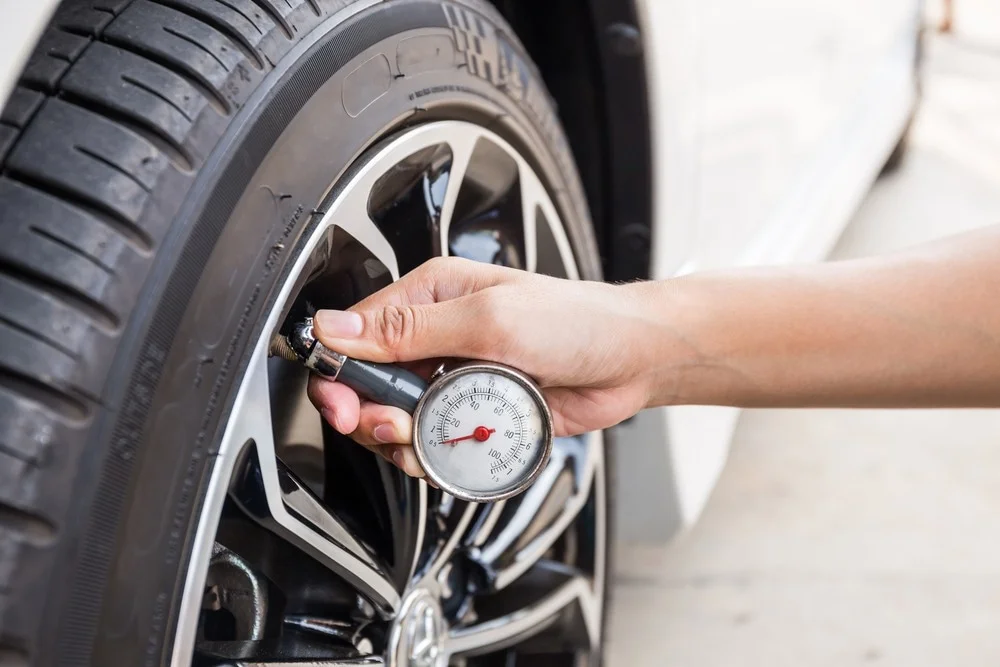
Tire pressure should ideally be measured when the tires are cold. A reliable pressure gauge provides more accurate readings than visual inspection because modern tires can appear properly inflated even when they are significantly below the recommended level.
Drivers who consistently ignore inflation requirements may encounter warranty difficulties if the manufacturer determines that pressure-related damage caused the tire failure. Regular checks and timely adjustments are simple ways to reduce this risk.

2. Failing to Rotate Tires at Recommended Intervals
Tire rotation is an important maintenance practice that promotes even tread wear across all four tires. Front and rear tires often experience different levels of stress because of vehicle weight distribution, steering forces, braking, and drivetrain configuration.
When tires remain in the same positions for extended periods, certain areas may wear considerably faster than others. Front tires on many vehicles experience additional stress during cornering and braking, while driven wheels may experience greater wear depending on the drivetrain.
Most vehicle and tire manufacturers recommend rotating tires at specific mileage intervals. The appropriate schedule depends on the vehicle design, tire type, driving habits, and manufacturer instructions. Many vehicles require rotation approximately every 5,000 to 8,000 miles, but the owner’s manual should always take priority.
Failing to follow the recommended schedule can contribute to uneven tread wear. If a warranty claim involves premature wear, manufacturers may examine maintenance records and tire condition to determine whether inadequate rotation contributed to the problem.
Different vehicles require different rotation patterns. Front-wheel-drive, rear-wheel-drive, and all-wheel-drive vehicles may use specific arrangements depending on tire construction and directional requirements.
Directional tires require additional attention because their tread patterns are designed to rotate in a particular direction. Incorrect rotation can affect performance and may create problems that complicate warranty assessments.
Keeping receipts or service records after every tire rotation provides useful evidence that the recommended maintenance has been performed. These documents can help establish that the owner followed the manufacturer’s maintenance requirements.
Regular rotation also helps drivers identify developing problems. Unusual wear patterns may indicate alignment issues, suspension problems, or incorrect inflation. Addressing these concerns early can prevent further damage and support continued warranty eligibility.
3. Skipping Wheel Alignment Checks
Wheel alignment affects how tires contact the road and how a vehicle responds during driving. When the wheels are not properly aligned, tires may experience uneven pressure across their tread surfaces, leading to premature wear and reduced performance.
Incorrect alignment can develop after hitting potholes, striking road curbs, or driving over rough surfaces. Worn suspension components and steering problems can also change wheel positioning over time.
One common warning sign is uneven tread wear. For example, the inner or outer edges of a tire may wear faster than the remaining tread surface. Drivers may also notice that the vehicle pulls toward one side or that the steering wheel does not remain centered during straight-line driving.
Ignoring these symptoms can cause additional damage. Tires operating at incorrect angles experience unnecessary friction against the road, which can shorten their service life and increase replacement costs.
Some tire warranties include coverage for specific premature tread wear conditions. However, coverage may depend on maintaining the vehicle correctly and meeting the manufacturer’s documentation requirements. Wear caused by improper alignment is frequently excluded from standard defect coverage.
A wheel alignment inspection is particularly useful after installing new tires, replacing steering or suspension parts, or experiencing a significant impact with a road obstacle. Regular checks can also help identify developing mechanical issues.
Drivers should follow the inspection schedule recommended by their vehicle manufacturer. A qualified technician can measure wheel angles and adjust them according to the vehicle’s specifications.
Maintaining alignment records can be helpful when submitting a warranty claim. Service invoices showing completed inspections and necessary adjustments provide evidence that the vehicle received appropriate maintenance.
4. Using the Wrong Tire Size or Type
Selecting the correct tire size is essential for vehicle safety and warranty compliance. Every vehicle is designed to operate with specific tire dimensions, load ratings, and speed ratings. Installing unsuitable tires can affect handling, braking, suspension performance, and vehicle stability.
Tire size information is generally printed on the original tire sidewall and listed in the vehicle owner’s manual. It may also appear on the manufacturer’s tire information label. Drivers should check these specifications before purchasing replacement tires.
Using tires with an incorrect diameter can change the vehicle’s ground clearance and speedometer accuracy. Differences in rolling circumference may also affect electronic systems, including traction control and anti-lock braking systems.
Load capacity is equally important. Each tire must support the weight requirements specified for the vehicle. Installing tires with insufficient load ratings can create excessive stress and increase the possibility of structural failure.
Speed ratings should also match the vehicle manufacturer’s requirements. These ratings indicate the maximum speed capability of a tire under specified test conditions. Choosing a tire with an unsuitable rating may compromise performance and affect warranty eligibility.
Mixing different tire constructions, sizes, or tread designs can create additional concerns. Some vehicles, particularly those with all-wheel-drive systems, require closely matched rolling circumferences to prevent unnecessary stress on drivetrain components.
Drivers who install non-approved tire sizes may face difficulties if a warranty claim involves damage associated with incorrect fitment. Manufacturers generally assess whether the selected tire meets their stated requirements and whether the modification contributed to the failure.
Before purchasing replacement tires, consult the vehicle manual or a qualified tire professional. Choosing the correct specifications helps protect warranty coverage while supporting predictable handling, braking, and road performance.

5. Ignoring Visible Tire Damage
Visible tire damage should never be treated as a minor inconvenience. Cuts, punctures, bulges, cracks, and exposed internal cords can indicate serious structural problems that require immediate attention.
Driving on a damaged tire can make an existing problem worse. A small puncture may allow air to escape gradually, while sidewall damage can weaken the tire’s structure and increase the possibility of sudden failure.
Sidewall bulges are particularly concerning because they may indicate damage to the tire’s internal reinforcement. Such damage can occur after striking potholes, road debris, or sharp obstacles. A tire with a significant bulge generally requires replacement rather than continued use.
Cracks in the rubber can develop because of aging, prolonged exposure to sunlight, environmental conditions, or improper storage. Severe cracking may indicate that the tire has deteriorated beyond safe operating limits.
Many tire warranties exclude damage caused by road hazards, impacts, punctures, or external objects. These problems are generally classified as accidental damage rather than manufacturing defects.
Continuing to drive on a visibly damaged tire may complicate a warranty assessment. If the manufacturer determines that additional driving contributed to the failure, coverage may be denied under the applicable warranty terms.
Drivers should inspect their tires regularly, paying attention to tread surfaces, sidewalls, and unusual changes in shape. Any suspicious damage should be evaluated by a qualified tire technician.
Prompt inspection also helps preserve useful evidence. Taking photographs and retaining service documentation can support a warranty inquiry when the cause of the damage is uncertain.
6. Failing to Maintain Proper Tire Records
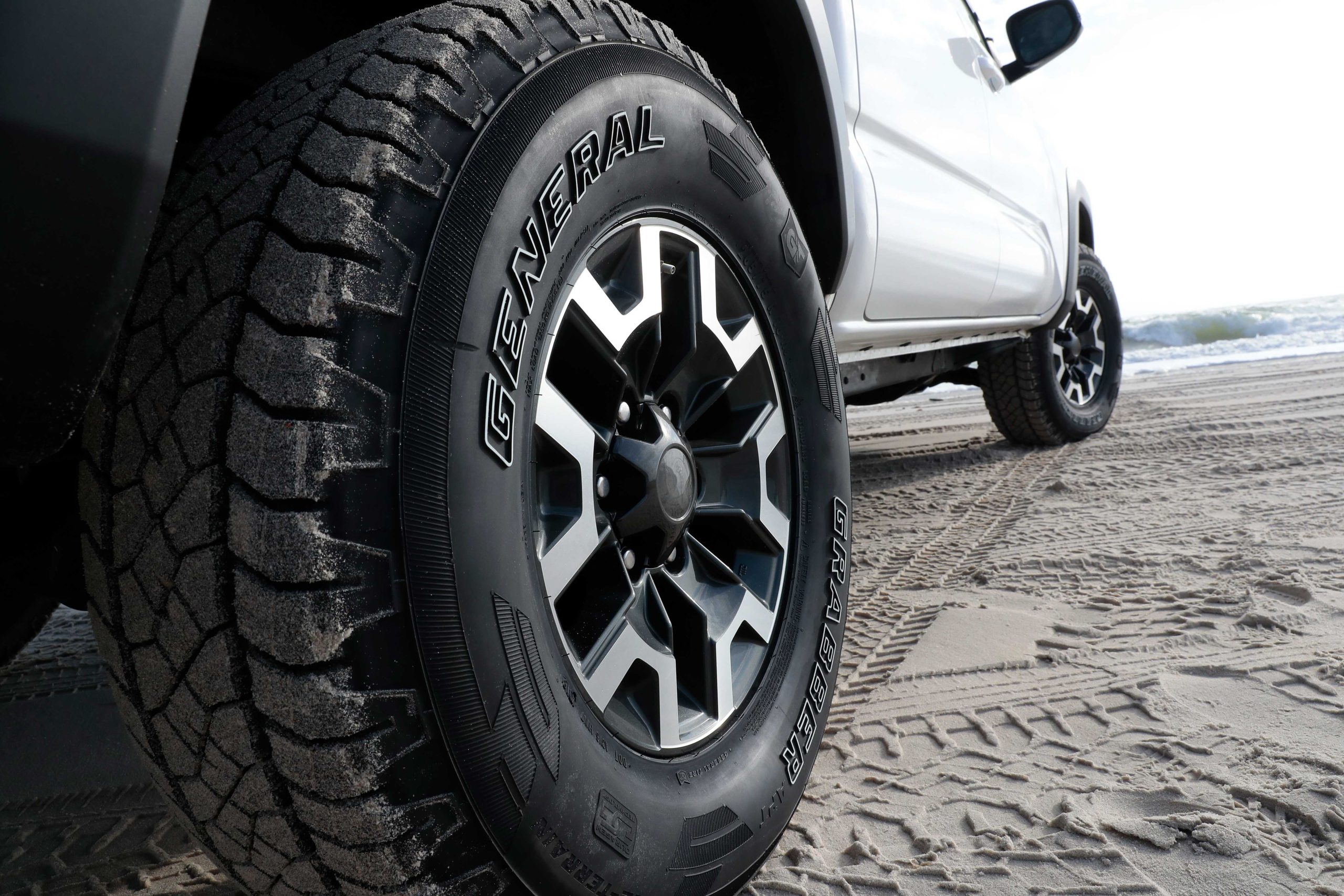
Documentation plays an important role when submitting a tire warranty claim. Manufacturers often require proof of purchase, installation details, maintenance history, and information about the tire’s condition.
Without these records, establishing warranty eligibility can become difficult. A manufacturer may need to verify when the tire was purchased, how long it has been used, and whether required maintenance procedures were followed.
The original purchase receipt is particularly important. It typically contains information about the retailer, purchase date, tire model, and price. These details help establish the warranty’s starting point and identify the specific product involved.
Installation invoices can also be useful. They may show whether the tires were installed by a qualified service provider and whether balancing, alignment, or other related work was completed.
Maintenance records provide additional evidence of responsible ownership. Documents showing tire rotations, pressure checks, alignment inspections, and repairs can help demonstrate compliance with recommended care procedures.
Some manufacturers also require specific information about tread depth when evaluating claims involving premature wear. Keeping inspection records can make it easier to establish whether the tires experienced unusual deterioration within the applicable warranty period.
Digital copies are a convenient way to organize these documents. Vehicle owners can store receipts, service invoices, inspection reports, and photographs in a dedicated folder for easy access.
Before submitting a claim, review the manufacturer’s documentation requirements. Providing complete and accurate information can reduce unnecessary delays and make the assessment process more straightforward.
7. Using Improper Tire Repair Methods
Tire repairs must follow established industry standards and the manufacturer’s guidelines. An unsuitable repair can compromise the tire’s structural integrity and create problems when the manufacturer evaluates a warranty claim.
Punctures in the tread area may sometimes be repairable, depending on their location, size, and the tire’s internal condition. However, damage to the shoulder or sidewall is generally not considered suitable for conventional repair.
Using temporary sealants without understanding their limitations can also create complications. Some products may interfere with professional inspections or be incompatible with particular tire constructions and pressure monitoring systems.
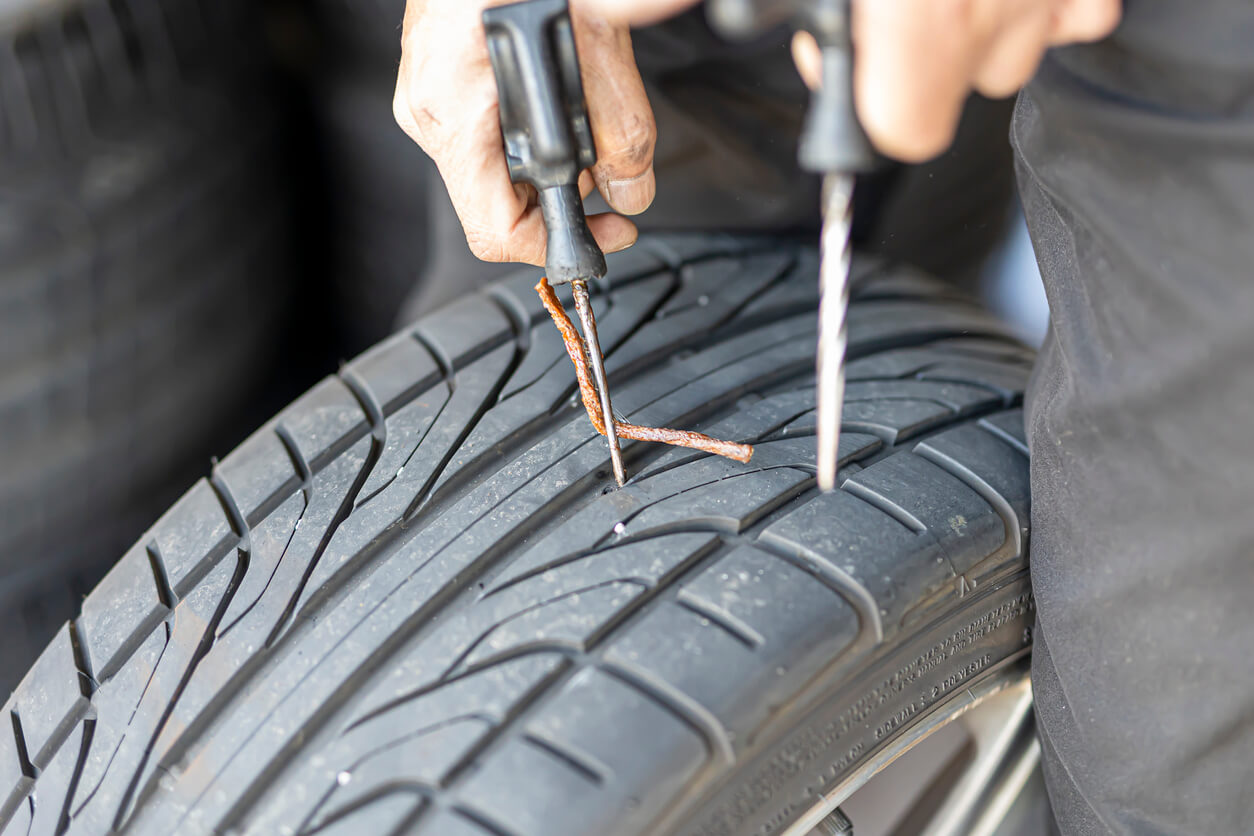
Plug-only repairs performed without the appropriate internal inspection may fail to address damage inside the tire. A proper repair generally requires removing the tire from the wheel so that the technician can assess its internal condition.
A combination repair method using an appropriate patch and plug is commonly recommended for eligible punctures. The exact procedure should follow recognized repair standards and applicable manufacturer instructions.
Drivers should avoid attempting complex tire repairs without suitable equipment and professional knowledge. Incorrect procedures can weaken the tire and increase the risk of air leakage or failure during operation.
Before authorizing a repair, ask the technician whether the damage falls within the accepted repair area and whether the proposed method complies with the tire manufacturer’s requirements.
Keep the repair invoice and any related inspection report. If the tire later develops a problem, these records can help establish what work was performed and whether the repair may have contributed to the issue.
8. Overloading the Vehicle Beyond Its Capacity
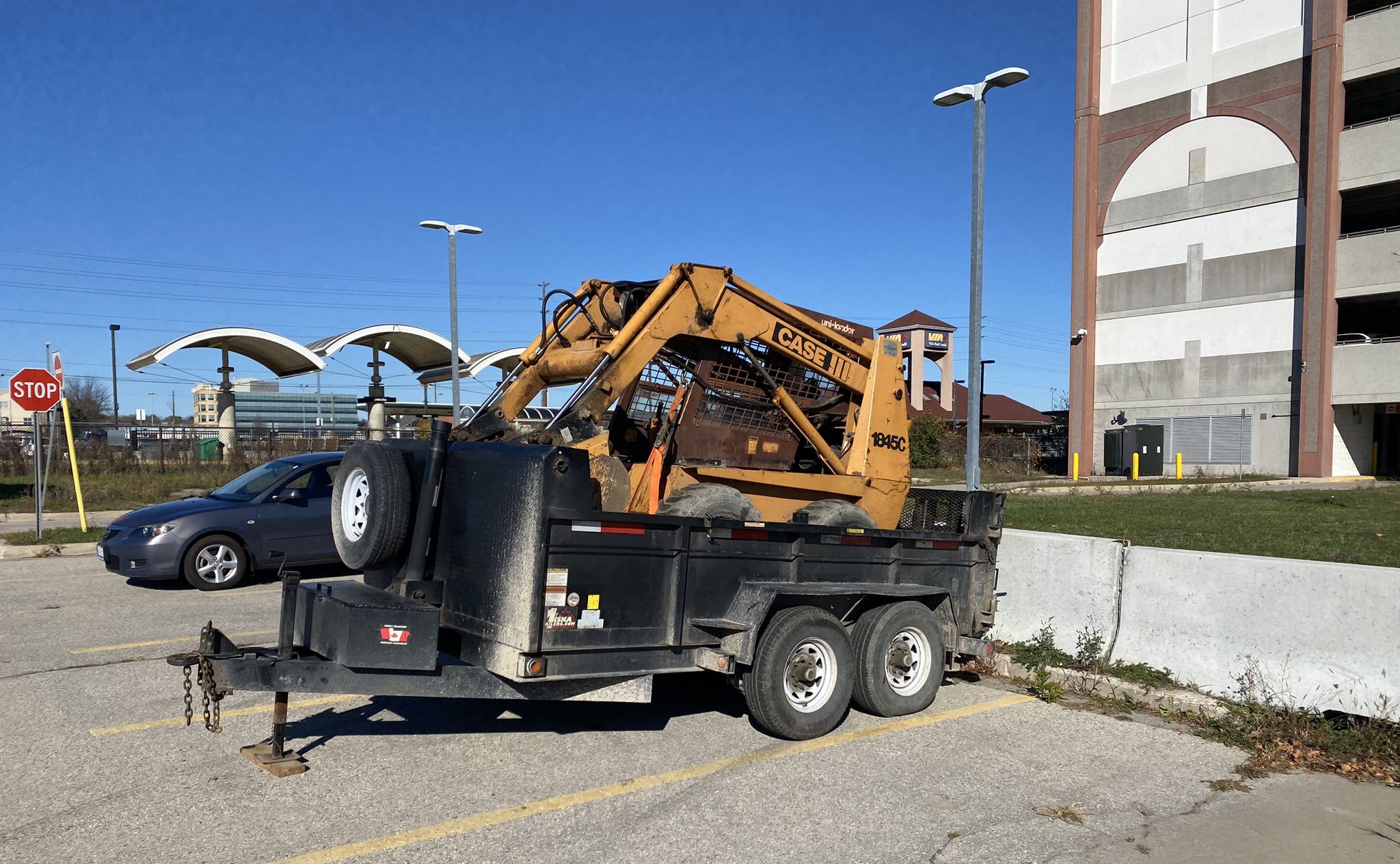
Every vehicle has a specified weight capacity that determines how much weight it can safely carry. Exceeding this limit places additional stress on the tires, suspension, brakes, and other mechanical components.
Tires are designed to support loads within their stated capacity when inflated according to the applicable requirements. Carrying excessive weight can increase tire temperature, create additional internal stress, and accelerate tread deterioration.
Overloading is particularly common during long-distance travel, family vacations, commercial transportation, and heavy cargo movement. Drivers may underestimate the combined weight of passengers, luggage, equipment, and accessories.
The vehicle’s Gross Vehicle Weight Rating, or GVWR, identifies the maximum permitted total vehicle weight specified by the manufacturer. The tire load ratings must also be considered to ensure that each tire can safely support its share of the load.
Excessive weight can cause sidewall deformation and increase the risk of tire damage. When combined with high speeds, long journeys, or insufficient inflation, overloading can create particularly demanding operating conditions.
Many tire warranties exclude failures resulting from exceeding the tire’s load capacity or operating the vehicle outside its approved specifications. A manufacturer may reject a claim if an inspection indicates that excessive loading contributed to the damage.
Before transporting heavy cargo, check the vehicle’s weight limits and the load capacity of its tires. Distribute luggage and equipment evenly to avoid placing excessive weight on individual tires.
Following these limits protects the tires and supports safe vehicle operation. It also reduces the possibility of warranty disputes involving damage associated with improper loading.
9. Ignoring the Tire Warranty Terms and Conditions
Many tire owners assume that a warranty covers every type of tire failure. However, tire warranties contain specific conditions, exclusions, and limitations that determine which problems qualify for compensation or replacement.
Different warranty categories provide different types of protection. A manufacturer’s limited warranty may cover defects in materials and workmanship, while a treadwear warranty generally relates to the expected mileage under specified conditions.
Road hazard protection is often offered separately. Depending on the policy, it may cover certain types of accidental damage caused by nails, glass, potholes, or other road hazards.
Understanding the distinction between these warranties helps prevent incorrect expectations. A tire that suffers damage from an external object may not qualify under a standard manufacturing defect warranty, even if it fails earlier than expected.
Warranty periods also vary by manufacturer and product. Some policies use a specific time limit, while others include mileage conditions or a combination of both. Coverage may also depend on the remaining tread depth and the tire’s service history.
Certain policies require the customer to return to an authorized retailer or submit a claim through an approved process. Failing to follow these procedures can delay an assessment or create avoidable complications.
Before purchasing tires, read the warranty document carefully. Pay attention to exclusions involving improper inflation, racing, commercial use, incorrect installation, overloading, vehicle modifications, and irregular maintenance.
When a problem occurs, contact the manufacturer or authorized dealer before discarding the tire. They can explain the inspection procedure, required documents, and available remedies under the applicable policy.