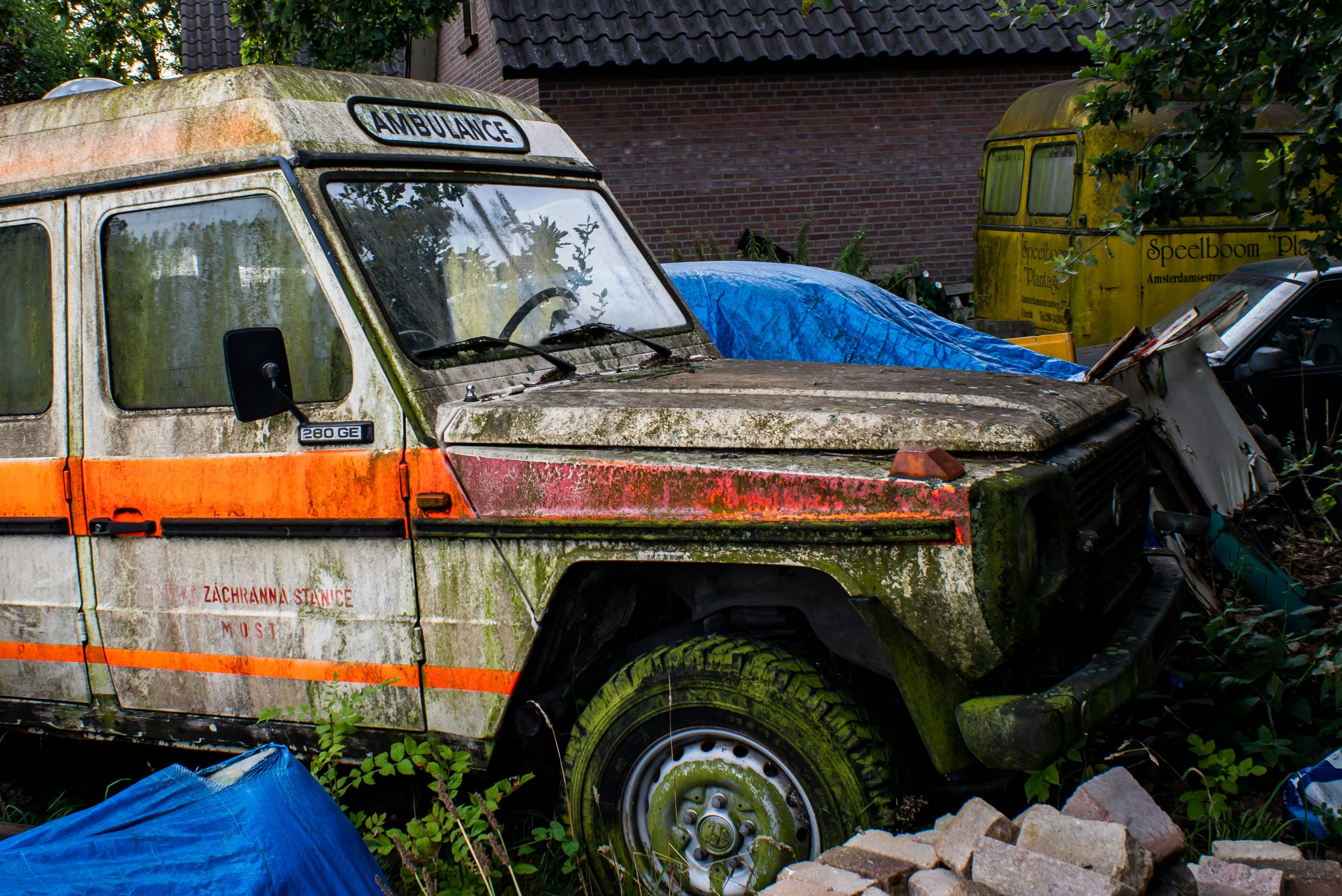
A salvage title can significantly affect how easily a vehicle qualifies for insurance, what coverage an owner can purchase, and how much financial protection is available after an accident. Insurance companies consider salvage vehicles higher risk because they have previously sustained damage serious enough to be declared a total loss.
Their history can influence premiums, coverage limits, inspection requirements, and claim settlements. Understanding these differences helps buyers make informed decisions before purchasing a damaged vehicle. From liability protection to comprehensive coverage, several factors determine the available options. Knowing how a salvage title affects insurance can prevent unexpected expenses and coverage problems.
1. Getting Standard Auto Insurance Becomes More Difficult
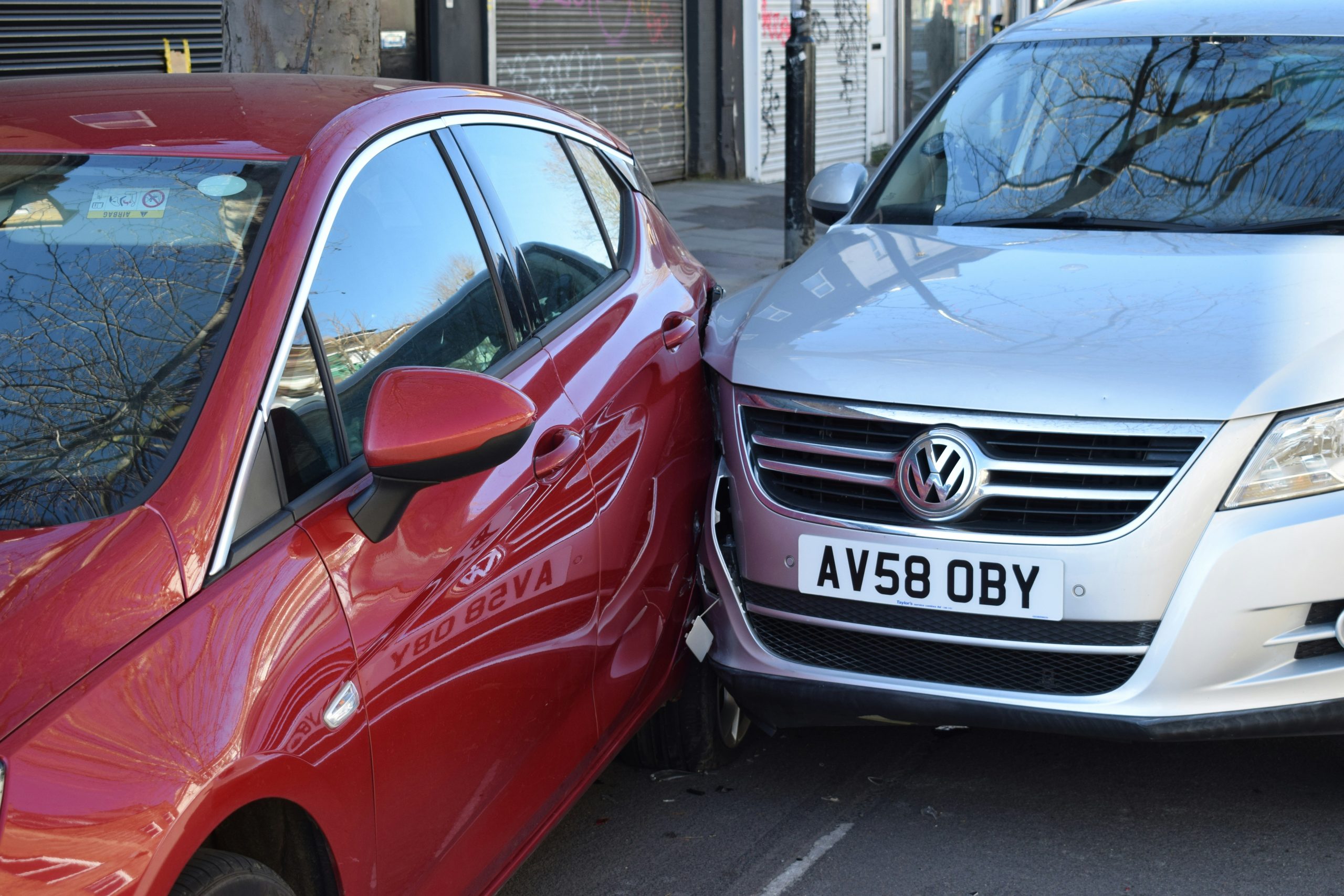
A salvage title changes the way insurance companies evaluate a vehicle. When a car receives this designation, it generally means an insurer or another responsible party previously determined that repairing it was not economically practical under the applicable total-loss rules. This history raises concerns about its condition, safety, and future reliability.
Many traditional insurance companies hesitate to provide standard coverage for vehicles carrying salvage titles. Their underwriting departments may consider these cars too risky to insure under ordinary policies. Even when the vehicle appears to be in reasonable condition, its previous damage can influence the company’s decision.
Insurance providers also consider the uncertainty surrounding earlier repairs. A vehicle might look completely restored while still having hidden structural problems, electrical faults, or mechanical weaknesses. These issues can increase the likelihood of future claims, making insurers more cautious about accepting applications.
Some companies refuse to insure salvage vehicles until they have been repaired and passed the required inspections. Others may offer limited protection based on the vehicle’s condition and documentation. Requirements differ between insurers, states, and individual policy agreements.
Owners should understand the distinction between a salvage title and a rebuilt title. A salvage title generally identifies a vehicle declared a total loss, while a rebuilt title indicates that a previously salvaged vehicle has undergone repairs and satisfied applicable inspection requirements. The exact terminology varies by jurisdiction.
A rebuilt title may improve insurance eligibility, but it does not automatically guarantee access to every type of coverage. Insurers still examine the vehicle’s damage history, repair quality, age, and current condition before making a decision.
Before purchasing a salvage vehicle, buyers should contact several insurance providers and explain the title status honestly. Getting written confirmation about eligibility can prevent difficulties when registering or driving the vehicle.
Comparing multiple companies is particularly useful because underwriting standards vary considerably. A provider that declines coverage might have different requirements from a specialist insurer that regularly works with rebuilt vehicles.
2. Liability Coverage May Still Be Available
Liability insurance is often the easiest type of coverage to obtain for a salvage or rebuilt vehicle. This protection generally covers financial responsibility for injuries or property damage caused to other people when the insured driver is legally responsible for an accident.
Unlike collision coverage, liability insurance does not pay to repair the policyholder’s own vehicle after an accident. This distinction makes it more accessible for vehicles with complicated damage histories.
Many insurance companies are willing to consider liability-only policies because the insurer does not assume the same financial responsibility for repairing or replacing the insured vehicle. However, eligibility still depends on the company’s underwriting rules and local insurance regulations.
Drivers should understand the two main components of liability coverage. Bodily injury liability addresses covered injuries suffered by other people, while property damage liability helps pay for damage caused to another person’s property.
The minimum coverage required by law differs depending on the state or country. Vehicle owners should check the applicable requirements before driving a salvage or rebuilt vehicle on public roads.
A liability policy can provide important financial protection, but it leaves the owner responsible for damage to their own car. If the vehicle suffers another accident, repair expenses may need to come directly from personal savings.
This limitation is particularly important when a buyer spends a significant amount restoring a damaged vehicle. Even if the purchase price was relatively low, repair costs can make the total investment substantial.
Owners should also check whether the insurance company requires a safety inspection or proof of roadworthiness before issuing liability coverage. Some jurisdictions impose separate registration and inspection requirements for previously salvaged vehicles.
Choosing liability insurance may make sense for an inexpensive rebuilt vehicle that has limited market value. However, buyers should consider their financial ability to replace or repair the car without assistance before choosing this option.
3. Collision Coverage Can Be Restricted or Unavailable
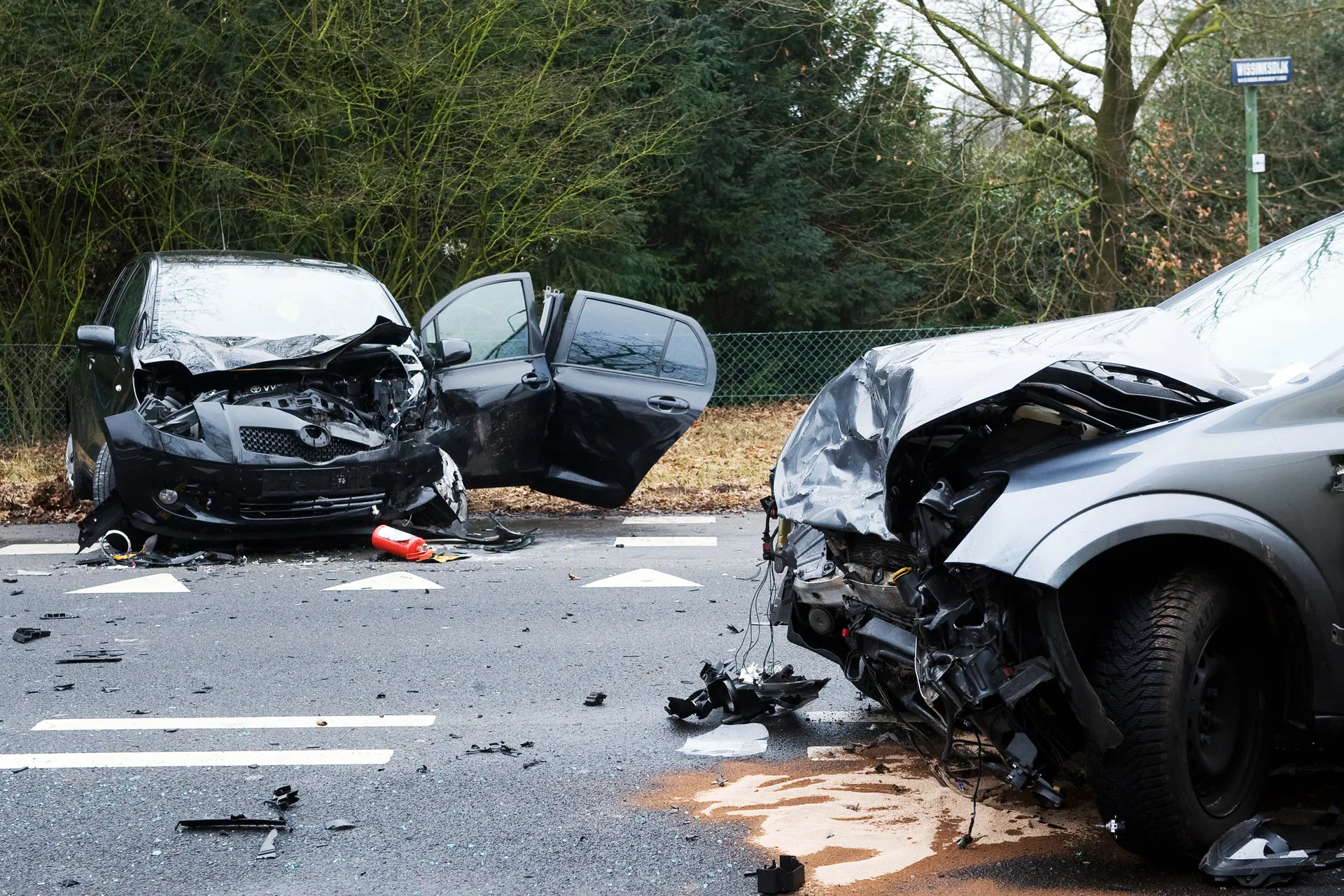
Collision insurance pays for covered damage to the insured vehicle when it collides with another vehicle or object, subject to the policy’s terms and deductible. For cars with salvage histories, obtaining this protection can be considerably more difficult.
Insurance companies worry about the possibility of paying for damage that existed before the policy began. If a vehicle has previously suffered substantial structural or mechanical damage, determining whether new damage resulted from a later accident can become complicated.
This uncertainty makes collision coverage less attractive to some insurers. Certain companies may refuse to provide it, while others may approve applications after reviewing repair records and inspection reports.
A rebuilt title generally offers better insurance opportunities than an active salvage title. However, insurers do not necessarily treat every rebuilt vehicle equally. The extent of previous damage can influence the final decision.
For example, a car that received minor cosmetic repairs after a total-loss declaration may be evaluated differently from a vehicle that experienced extensive frame damage. The quality of repairs also plays an important role.
Some insurance providers require photographs of the vehicle before approving collision coverage. These images help document its current appearance and establish a record of its condition when the policy begins.
An independent mechanical inspection can also support an application. A qualified professional can identify visible damage, examine important components, and provide documentation about the vehicle’s present condition.
Owners should ask whether collision coverage includes any special limitations for previously damaged areas. Policy exclusions can affect the amount of protection available when the vehicle experiences another accident.
If collision coverage is unavailable, drivers should calculate whether they can afford unexpected repair costs. The lower purchase price of a salvage vehicle does not eliminate the financial consequences of a future collision.

4. Comprehensive Insurance May Have Additional Requirements
Comprehensive insurance protects against certain types of damage that do not involve a collision. Depending on the policy, covered events may include theft, vandalism, falling objects, fire, hail, and damage caused by severe weather.
A salvage title can make comprehensive coverage harder to obtain because insurers must evaluate the vehicle’s previous condition and current market value. Some companies offer this protection only after the vehicle receives a rebuilt title.
Insurance providers may request evidence that the vehicle has been properly repaired. They can also examine its current condition to determine whether it meets their underwriting standards.
The main concern involves establishing the vehicle’s value before a covered loss. A car with a salvage history may have a substantially lower market value than a comparable vehicle with a clean title.
For instance, two vehicles with similar mileage and equipment may have very different resale values because one carries a rebuilt title. This difference can influence the insurer’s potential financial obligation after theft or extensive damage.
Comprehensive coverage does not automatically protect against every problem associated with an older or previously damaged vehicle. Mechanical breakdowns, ordinary wear, and maintenance-related failures are generally excluded unless a specific policy provides otherwise.
Owners should carefully examine the policy language to understand which risks are covered. They should also ask whether the insurer requires photographs, inspection certificates, or repair invoices before approving protection.
A comprehensive policy may be particularly useful for owners who park their vehicles outdoors or live in areas where theft, storms, and falling objects create significant risks.
However, purchasing this coverage only makes financial sense when the potential payout justifies the premium and deductible. Owners should compare the vehicle’s actual value with the cost of maintaining the policy.
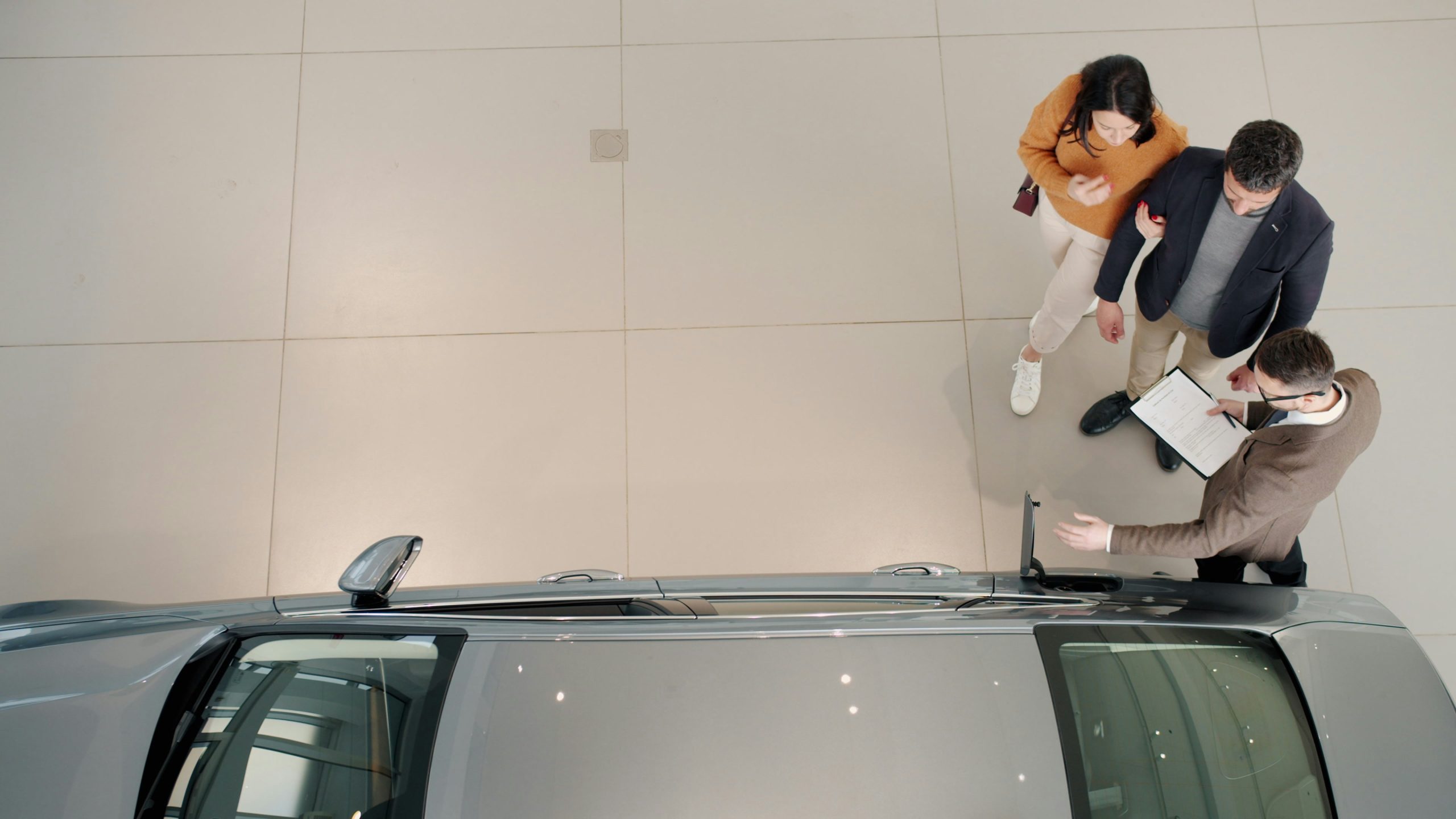
5. Insurance Premiums and Deductibles May Differ
A salvage or rebuilt title can influence the amount an insurance company charges for coverage. However, higher premiums are not guaranteed in every situation. Pricing depends on the insurer’s underwriting guidelines, vehicle details, driver history, location, and selected coverage.
Some companies consider rebuilt vehicles higher risk because their previous damage may affect reliability. This can result in additional underwriting requirements or higher premiums for certain coverage types.
Other insurers may focus more heavily on the vehicle’s current condition and the driver’s record. In these cases, a well-maintained rebuilt vehicle may qualify for relatively competitive pricing.
The type of insurance purchased also affects the final cost. Liability-only policies generally cost less than policies that include collision and comprehensive protection because they cover fewer potential losses involving the insured vehicle.
Deductibles deserve equal attention. A deductible is the amount the policyholder must pay toward an eligible claim before the insurer contributes according to the policy terms.
Some insurers may offer different deductible options for rebuilt vehicles. A higher deductible can reduce the premium, but it also increases the owner’s immediate financial responsibility after a covered incident.
Vehicle owners should avoid selecting a deductible that exceeds their available emergency savings. An affordable monthly payment is not particularly helpful if the deductible becomes difficult to manage after an accident.
The vehicle’s previous damage history can also affect how insurers calculate its insured value. A lower valuation may reduce certain coverage costs, but it can also limit the amount available after a total loss.
Comparing quotes from several providers is the most reliable way to understand the financial impact. Buyers should compare identical coverage limits, deductibles, and policy conditions rather than focusing exclusively on monthly premiums.
Before accepting a quote, ask the insurer whether the salvage history affects pricing, exclusions, or claim payments. Having these details in writing can prevent misunderstandings later.
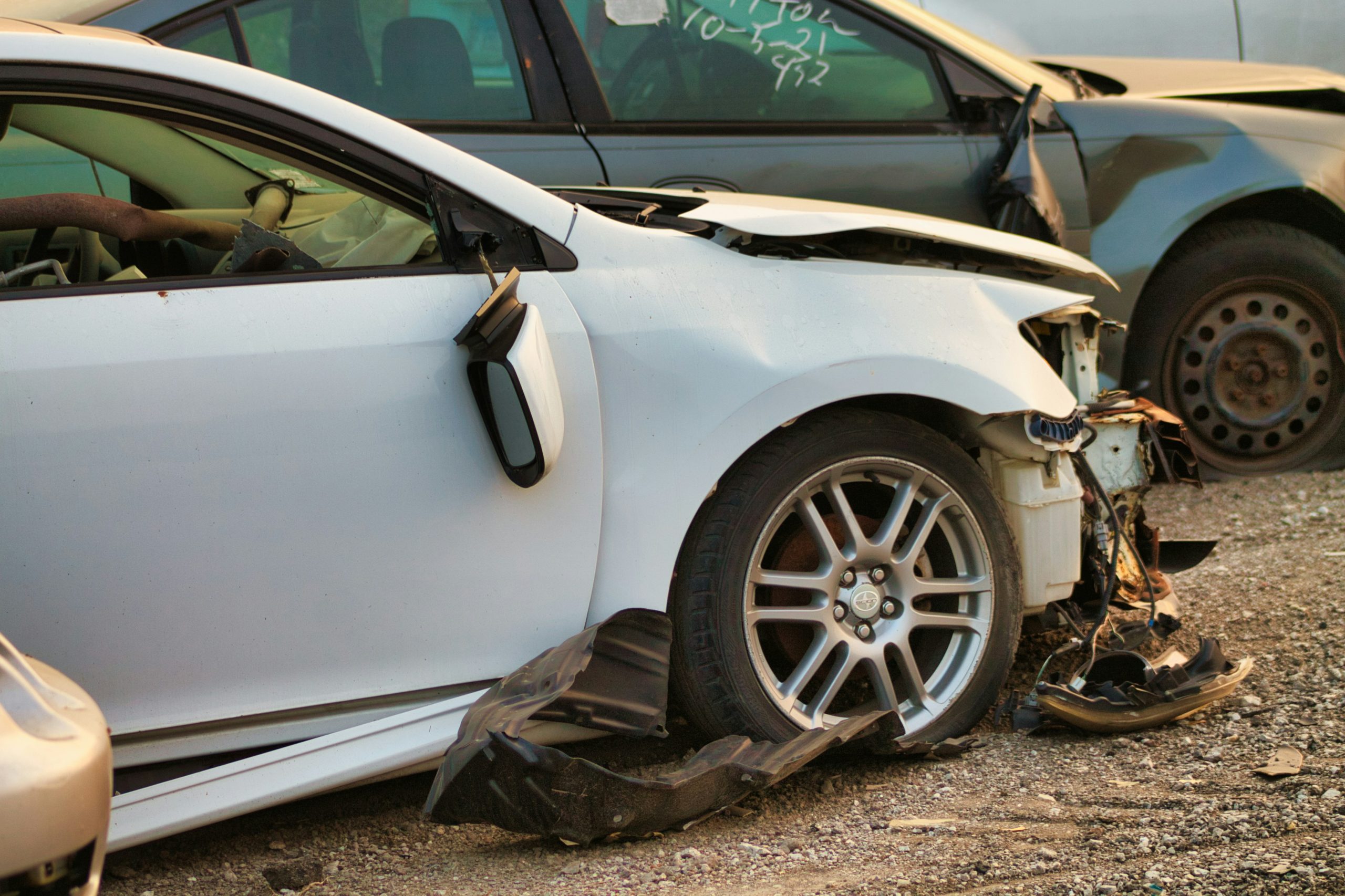
6. Claim Settlements May Be Lower Than Expected
A vehicle’s title history can significantly influence the amount an insurance company pays after a covered total loss. Cars with salvage or rebuilt titles generally have lower market values than comparable vehicles with clean titles.
Insurance companies typically determine total-loss settlements using the vehicle’s actual cash value, subject to the applicable policy provisions and state regulations. This calculation considers factors such as age, mileage, condition, equipment, and comparable market prices.
A rebuilt vehicle may receive a lower valuation because future buyers often consider its previous damage history when deciding how much to pay. This reduced resale value can affect the insurance settlement.
For example, imagine two vehicles with similar features and mileage. One has a clean title, while the other has a rebuilt title following significant accident damage. The rebuilt vehicle may have a lower market value even if both appear similar today.
This difference matters when an insurer determines whether repair costs justify fixing the vehicle after another accident. A lower actual cash value can make a relatively inexpensive repair sufficient to trigger a total-loss decision.
Owners should understand that insurance companies do not necessarily reimburse the full amount spent purchasing or restoring a salvage vehicle. Restoration expenses do not automatically increase its insured value.
Keeping receipts for replacement parts, professional labor, and major repairs is still important. These documents provide evidence of the work performed and may help support a more accurate valuation.
If an insurer proposes a settlement that appears too low, the owner can review the valuation report and check whether the information is accurate. Incorrect mileage, missing equipment, or unsuitable comparable vehicles can influence the calculation.
Policyholders should also examine how their insurer handles salvage value and ownership of the damaged vehicle after a total-loss settlement. The process may differ according to local law and policy conditions.
Understanding these settlement rules before buying a rebuilt vehicle helps owners avoid unrealistic financial expectations. The vehicle’s purchase price, restoration expenses, and potential insurance payout should be considered separately.
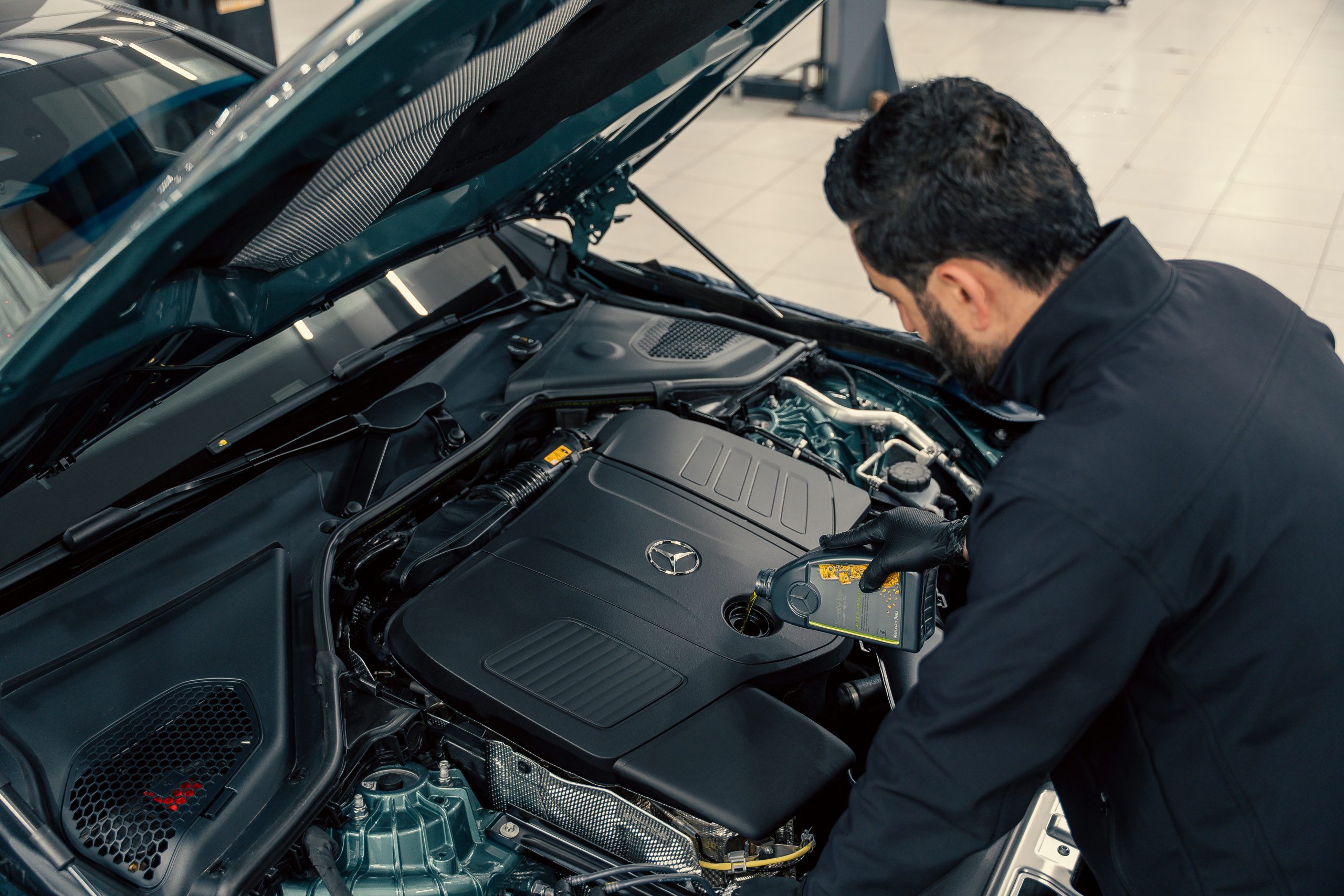
7. Vehicle Inspections and Repair Documentation Become More Important
Insurance companies often request additional documentation before approving coverage for a rebuilt vehicle. This information helps them assess the vehicle’s current condition and determine whether it meets their underwriting requirements.
A professional inspection can identify visible problems involving the frame, suspension, steering, braking system, tires, and other important components. These systems play an important role in vehicle safety and roadworthiness.
Some jurisdictions require formal inspections before a salvage vehicle can receive a rebuilt title. These procedures may involve verifying the vehicle identification number, checking ownership documents, and confirming that required repairs have been completed.
The inspection process differs by location. A certificate issued in one jurisdiction may not satisfy the requirements of another, so owners should confirm the applicable rules before arranging repairs.
Repair invoices are particularly valuable when applying for insurance. They show which components were replaced, where the work was performed, and whether professional technicians handled important repairs.
Photographs taken before and after restoration can provide additional evidence. They help establish the extent of previous damage and demonstrate the vehicle’s condition after repairs.
Owners should also retain receipts for replacement parts, including major structural and mechanical components. This information can help an insurer evaluate the quality and scope of restoration work.
A vehicle history report can provide useful background information about previous accidents, title changes, ownership transfers, and reported damage. However, such reports may not contain every event in a vehicle’s history.
Buyers should avoid relying exclusively on a seller’s description of the restoration process. Independent inspections and verifiable documents offer stronger evidence of the vehicle’s actual condition.
Maintaining a complete record of inspections, repairs, and ownership documents can make insurance applications easier. It can also support future resale discussions and help establish the vehicle’s maintenance history.
8. Specialized Insurance Companies May Offer More Options
Traditional auto insurers do not always provide suitable coverage for salvage and rebuilt vehicles. In these situations, specialized insurance providers may offer additional options for owners who meet their eligibility requirements.
These companies may have underwriting processes designed to evaluate vehicles with previous accident damage, rebuilt titles, or unusual ownership histories. Their experience can make it easier to identify suitable coverage.
However, specialized insurance does not automatically mean comprehensive protection. Some providers offer liability-only policies, while others may consider collision and comprehensive coverage after reviewing the vehicle.
Owners should compare the coverage limits, exclusions, deductibles, and claim procedures carefully. A policy that appears affordable may contain restrictions that reduce its practical value.
Independent insurance agents can also help identify companies that consider rebuilt vehicles. Since agents may work with multiple insurers, they can sometimes provide access to options that individual buyers might not find easily.
When contacting an insurer, buyers should provide accurate information about the vehicle’s title status. Misrepresenting a salvage history can create serious problems, including claim disputes or policy cancellation.
It is also important to ask whether the insurer accepts vehicles with different types of previous damage. Requirements may vary for cars affected by collisions, flooding, fire, or theft recovery.
Flood-damaged vehicles deserve particular attention because water can affect electrical systems, safety equipment, and mechanical components. Hidden corrosion or wiring problems may appear long after the initial restoration.
Before choosing a specialized policy, verify that the insurer is properly licensed in the relevant jurisdiction. Reviewing customer complaints and claims-handling practices can also help assess the company’s reliability.
The best policy is not necessarily the cheapest option. Owners should prioritize suitable protection, clear policy terms, and dependable claims service when comparing specialized insurance providers.

9. Resale Value and Future Insurance Eligibility Can Be Affected
A salvage title can influence more than the vehicle’s immediate insurance options. It may also affect future ownership costs, resale opportunities, and the ability to obtain additional coverage.
Vehicles with rebuilt titles generally attract fewer buyers than comparable cars with clean titles. Many potential purchasers prefer vehicles without major accident histories because they may be easier to insure, finance, and resell.
This lower demand can reduce the vehicle’s resale value. Owners who plan to sell the car later should account for this difference when calculating the total cost of ownership.
Future insurance eligibility may also depend on the vehicle’s repair history. A properly restored car with complete documentation may have more options than a vehicle with incomplete records or unresolved mechanical concerns.
Insurance companies can review updated vehicle information when a policy is renewed or transferred. Changes in title status, ownership, or vehicle condition should be reported whenever required by the policy.
Buyers should also consider how the vehicle’s history might affect financing. Some lenders impose restrictions on salvage or rebuilt vehicles, which can limit the number of potential purchasers.
A lower resale value can create financial difficulties if the owner needs to sell the vehicle sooner than expected. The original purchase price may seem attractive, but recovering restoration expenses can be challenging.
Maintaining the vehicle properly can help preserve its condition. Regular servicing, timely repairs, and accurate maintenance records demonstrate responsible ownership and support future evaluations.
Owners should keep all insurance documents, inspection certificates, and repair invoices together. These records make it easier to explain the vehicle’s history to prospective buyers and insurance providers.
Before purchasing a rebuilt vehicle, buyers should consider how long they intend to keep it. Someone planning long-term ownership may view the lower purchase price differently from someone who expects to resell the car within a short period.