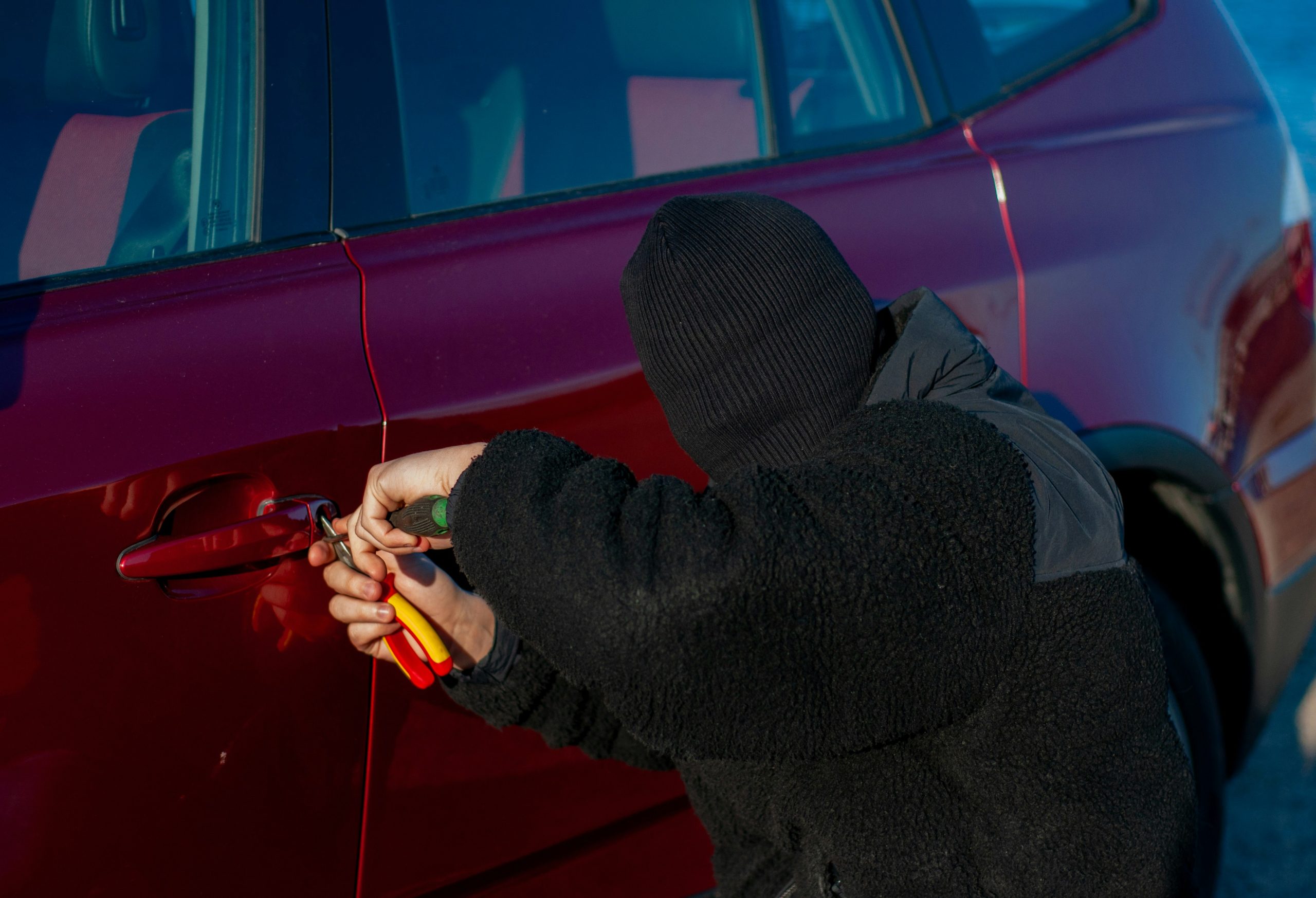
Car theft and vehicle break-ins do not always involve smashed windows or damaged doors. Many thieves use quiet methods to access vehicles, steal valuable belongings, or drive away without leaving obvious signs of forced entry.
Modern cars offer advanced security features, yet criminals continue to exploit everyday habits, electronic weaknesses, and simple mistakes made by vehicle owners. Understanding how thieves target cars without breaking windows can help drivers recognise potential risks and protect their vehicles.
From keyless entry concerns to unattended vehicles, knowing what to watch for makes it easier to adopt practical security measures and avoid preventable losses.
1. Keyless Entry Relay Theft
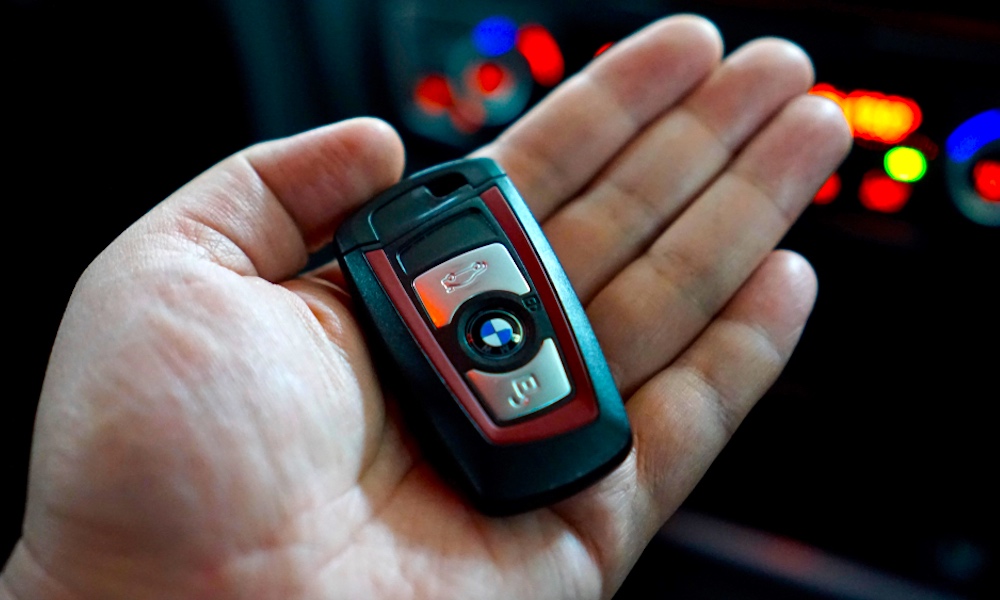
Keyless entry systems make everyday driving more convenient by allowing owners to unlock and start their vehicles without taking the key fob out of their pockets or bags. However, this technology can create security concerns when thieves attempt to exploit weaknesses in wireless communication between the vehicle and its key.
Relay theft involves criminals using specialised electronic equipment to manipulate the communication signals associated with certain keyless entry systems. This can make a vehicle respond as though its authorised key is nearby, even when the owner is some distance away.
The method is particularly concerning because thieves may not need to touch the vehicle physically or cause visible damage. A car parked outside a house can become a target while its owner remains indoors, unaware that someone is attempting to interfere with its electronic security system.
Vehicles with passive keyless entry features may face this type of risk, depending on their security design. Some manufacturers have introduced improved authentication systems and motion-sensitive key fobs to reduce opportunities for unauthorised access.
Drivers can lower the risk by keeping key fobs away from exterior doors, windows, and other easily accessible areas. A dedicated signal-blocking pouch or container designed for the specific key fob can provide an additional layer of protection.
It is also worth checking whether the vehicle manufacturer offers software updates or security improvements for the keyless entry system. Owners should follow official recommendations rather than relying on assumptions about how secure their vehicle technology may be.
A common mistake is leaving spare keys in predictable places, such as near the entrance or inside an unlocked garage. Spare keys deserve the same protection as the primary key because they can provide another opportunity for unauthorised vehicle access.
Understanding keyless entry risks helps drivers make better decisions about vehicle security. Convenience remains useful, but it should be supported by sensible precautions that protect both the car and the belongings stored inside it.
2. Unlocked Car Doors
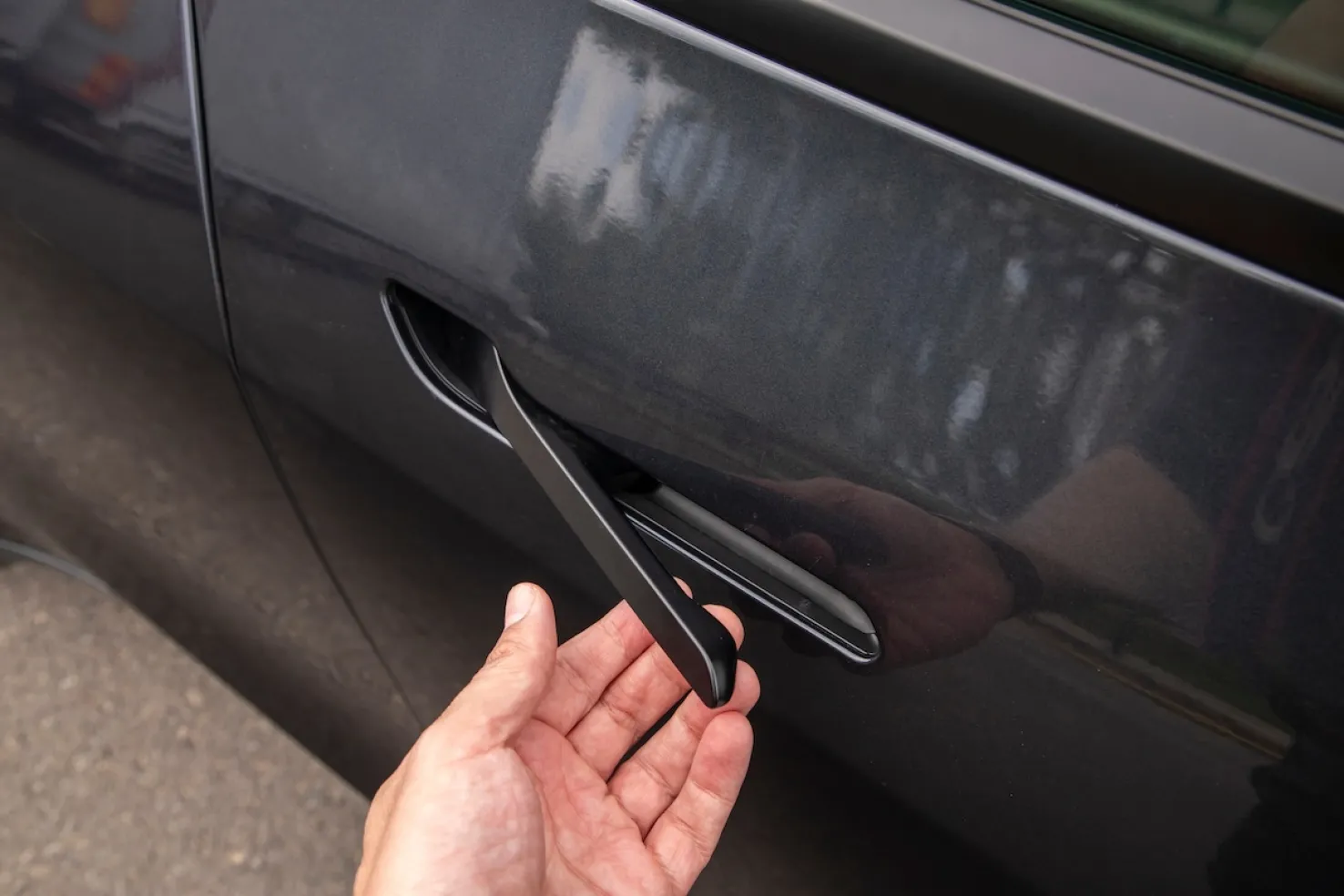
Leaving a vehicle unlocked is among the simplest ways to invite theft. Many drivers assume that a car parked in a familiar neighbourhood, residential driveway, or private parking area is unlikely to attract unwanted attention. Unfortunately, opportunistic thieves often look for precisely these situations.
Some criminals walk through parking areas checking vehicle doors. They may target several cars in a short period, looking for unlocked doors and accessible valuables. This approach requires little physical effort and may leave the vehicle without any noticeable damage.
The problem often occurs when drivers become distracted during routine activities. Someone unloading groceries, collecting a delivery, or briefly returning indoors may forget to lock the vehicle. Even a short period of carelessness can create an opportunity for theft.
Unlocked cars can expose valuable belongings such as wallets, handbags, laptops, mobile phones, sunglasses, and important documents. Items stored inside the centre console, glove compartment, or rear seats may be particularly attractive to opportunistic offenders.
Modern vehicles frequently include automatic locking features, but owners should not assume that these systems are always active. Settings may vary by model, and some vehicles require drivers to enable automatic locking manually.
Making door locking part of every parking routine is a straightforward preventive measure. Drivers should check that all doors are secured before walking away, even when they expect to return within a few minutes.
It is equally important to avoid leaving spare keys inside the vehicle. Some owners hide keys in compartments or storage areas for convenience, but this practice can make a stolen vehicle easier to access and use.
A consistent locking habit can prevent many avoidable incidents. Regardless of where a car is parked, securing every door should remain a basic part of responsible vehicle ownership.

3. Electronic Key Fob Cloning and Programming Fraud
Modern vehicles depend heavily on electronic keys, immobilisers, and computer-controlled security systems. These features make unauthorised vehicle access more difficult, but weaknesses in key management and certain security systems can still create opportunities for criminals.
Some thefts involve unauthorised key programming or fraudulent replacement-key services. Criminals may attempt to obtain access to a vehicle’s electronic key system through compromised equipment, stolen credentials, or dishonest individuals who have access to vehicle security services.
This type of incident can be difficult for owners to recognise immediately. A vehicle may show no signs of physical damage, and its locks, windows, and exterior panels can remain completely intact.
Certain vehicles are more vulnerable than others because their security systems differ by manufacturer, model, and production year. Older vehicles may lack some of the protective technology found in newer models, while improperly secured electronic systems can introduce additional risks.
Vehicle owners should be careful when requesting replacement keys or electronic security services. Using authorised dealerships and reputable automotive locksmiths helps reduce the chances of exposing sensitive vehicle information to untrustworthy service providers.
It is also sensible to keep vehicle ownership documents and identification records secure. Criminals may attempt to misuse personal information to support fraudulent requests involving replacement keys or vehicle services.
If a key goes missing, owners should contact an authorised service provider to discuss disabling the missing key where the vehicle supports this feature. This step can prevent a lost or stolen key from remaining a potential security concern.
Regular maintenance and manufacturer-approved security updates can also improve protection. Drivers should pay attention to unusual key behaviour, unexpected warning messages, or unexplained changes in vehicle security settings.
Protecting electronic vehicle access requires attention to both physical keys and digital security. Choosing trustworthy service providers and responding quickly to missing keys can help reduce unnecessary exposure.

4. Stealing Through Open Windows and Sunroofs
Thieves do not always need to damage a vehicle to access its interior. An open window or partially closed sunroof can provide an easy opportunity, particularly when drivers leave their cars unattended in public spaces.
Many people leave windows slightly open during hot weather to improve ventilation. While this may seem harmless, even a small opening can increase the risk of unauthorised access, depending on the vehicle’s design and the surrounding circumstances.
Vehicles parked near shopping centres, roadside locations, offices, and residential streets can attract opportunistic thieves when belongings are clearly visible. A phone placed on the dashboard or a handbag left on a passenger seat may encourage someone to approach the vehicle.
Sunroofs can create similar concerns. Owners sometimes forget to close them after parking, especially when they are distracted or dealing with changing weather conditions.
Automatic rain-closing features may be available in certain vehicles, but these systems should not replace manual checks. Their availability and operation depend on the manufacturer’s design and vehicle settings.
Before leaving a car, drivers should inspect every window and confirm that the sunroof is fully closed. This simple habit is particularly important when parking overnight or leaving a vehicle in an unfamiliar location.
Valuable objects should also be removed from visible areas. Keeping bags, electronics, and personal belongings out of sight reduces the temptation for opportunistic theft, even when the vehicle is properly locked.
A secure parking routine involves more than checking the doors. Closing all openings and removing attractive items can help prevent incidents that might otherwise occur without any obvious signs of forced entry.
5. Social Engineering and Fake Assistance
Not every vehicle theft depends on advanced technology or physical access techniques. Some criminals rely on deception to gain a driver’s trust, obtain vehicle keys, or create an opportunity to access personal belongings.
Social engineering involves manipulating people into sharing information or taking actions that compromise their security. In vehicle-related incidents, criminals may pretend to be helpful strangers, parking attendants, roadside assistance workers, or service representatives.
A person might approach a driver with a fabricated warning about a vehicle problem. The intention could be to distract the owner while an accomplice takes advantage of the situation or accesses unattended belongings.
Other incidents may involve fake service calls or fraudulent messages claiming that a vehicle requires urgent attention. Such communications can encourage owners to share personal information or vehicle details with unverified individuals.
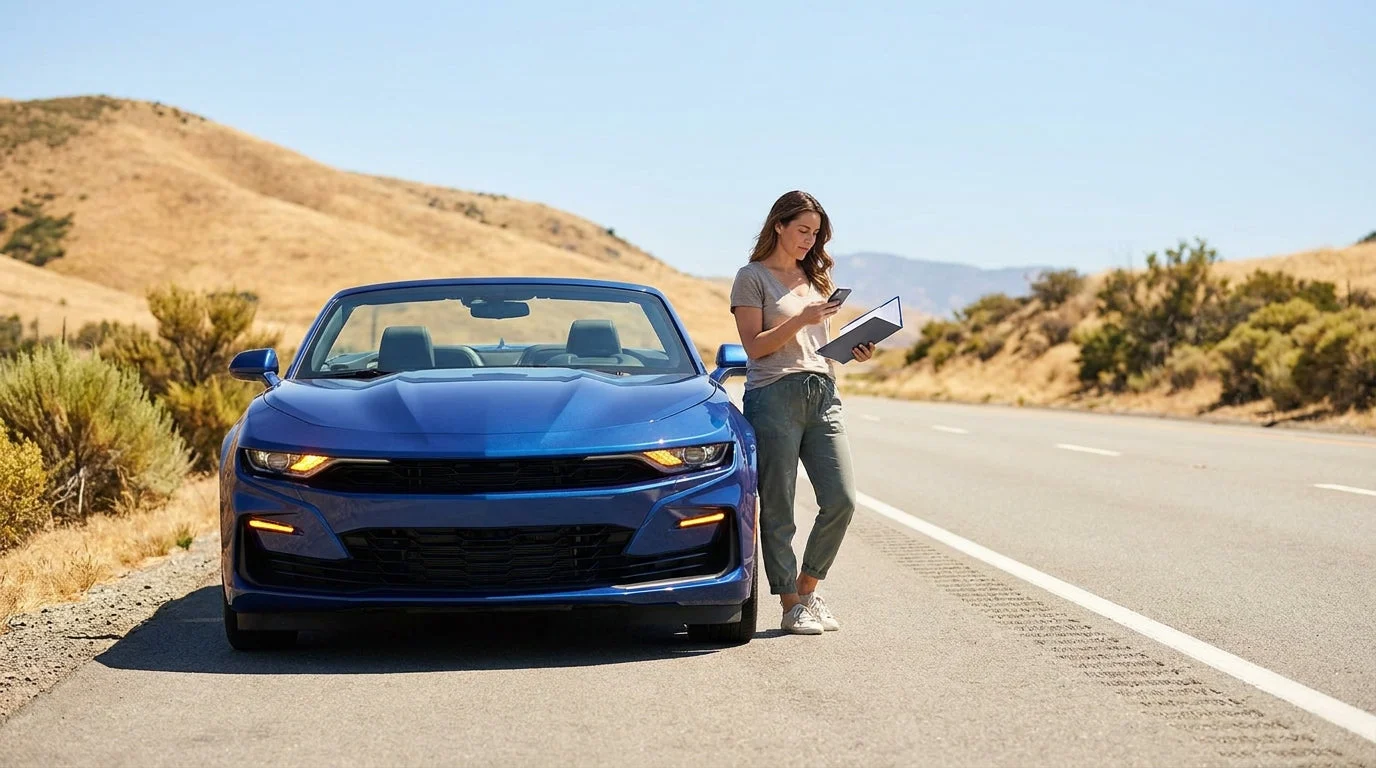
Drivers should be cautious when strangers offer unexpected assistance, particularly in isolated parking areas. Genuine problems deserve attention, but vehicle owners should verify the identity of anyone claiming to represent a repair company, insurance provider, or roadside assistance service.
It is advisable to contact the relevant organisation directly using an official phone number. Relying on contact details supplied by an unknown person can increase the risk of dealing with a fraudulent service provider.
Vehicle keys should never be handed to someone simply because they claim to work for a dealership or parking facility. Owners should check identification and confirm that the person has a legitimate reason to handle the vehicle.
Personal information also deserves protection. Registration details, insurance documents, home addresses, and other sensitive records should not be shared casually with strangers.
Awareness is an important defence against deception. Taking a moment to verify someone’s identity can prevent situations that might otherwise result in vehicle theft, financial loss, or misuse of personal information.

6. Theft of Valuables From the Boot
Many drivers believe that belongings stored in a car boot are automatically safe because they cannot be seen from outside. However, hidden storage does not provide complete protection against theft.
Criminals may target vehicles because they suspect valuable items are stored inside. Luggage, shopping bags, sports equipment, tools, cameras, and electronic devices can attract attention, particularly when owners regularly leave their cars unattended.
A vehicle boot can also become vulnerable when drivers place valuable belongings inside before heading to a busy location. Someone who observes this activity may recognise that the vehicle contains something worth stealing.
Some owners make the mistake of storing valuables in the boot and assuming that locking the doors is sufficient. While locking the vehicle is essential, it should be combined with secure parking and careful management of valuable belongings.
Whenever possible, drivers should avoid leaving expensive items inside their cars for extended periods. Taking laptops, handbags, wallets, and other important possessions with them is generally safer than storing them in the vehicle.
If transporting large items is unavoidable, owners should place them inside the boot before arriving at their destination. Doing so reduces the likelihood of drawing attention to valuable belongings during the parking process.
Parking in well-lit areas with visible security cameras can provide additional protection. However, cameras are not a guarantee against theft, and drivers should continue following basic vehicle security practices.
Owners should also check whether their car’s boot has a separate locking mechanism or a setting that prevents access through the cabin. These features differ across models, so consulting the owner’s manual is advisable.
Keeping the boot free from unnecessary valuables reduces potential losses. A vehicle should not become a convenient storage location for expensive possessions when they can be kept somewhere more secure.
7. Exploiting Weaknesses in Older Car Security Systems
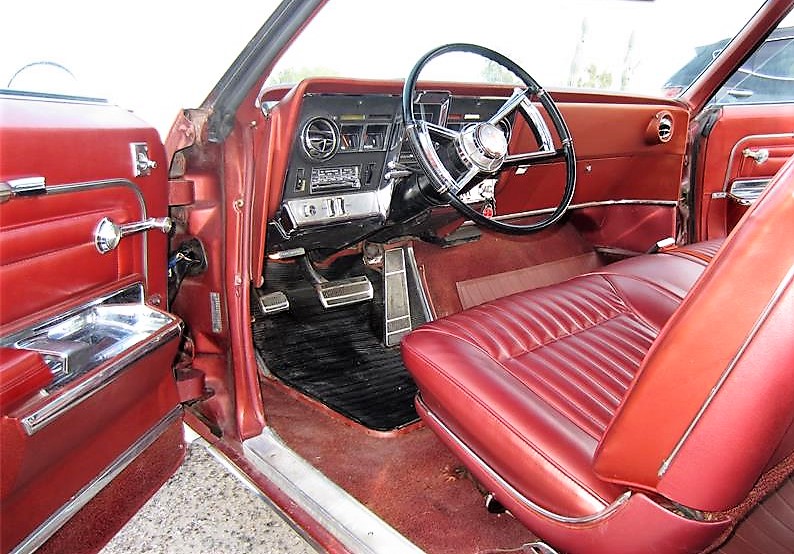
Older vehicles can attract thieves because their security features may not provide the same level of protection as newer models. Improvements in immobilisers, electronic authentication, alarm systems, and vehicle tracking have changed automotive security considerably over time.
Some older cars may rely on basic locking systems that offer limited protection against modern theft techniques. Their security features might also have become less reliable because of wear, poor maintenance, or outdated components.
A vehicle does not necessarily need to look old to have security weaknesses. Certain models may use earlier generations of electronic systems, while newer vehicles can also face risks if their security features are improperly configured.
Factory-installed alarms can provide useful warnings, but their effectiveness depends on proper installation, maintenance, and coverage. An alarm that does not function correctly may fail to alert the owner when suspicious activity occurs.
Drivers should have their vehicle security systems inspected by qualified automotive technicians. Regular checks can identify faulty door sensors, malfunctioning alarms, damaged locks, and other issues that could compromise protection.
Installing additional security equipment may be appropriate for vehicles with known weaknesses. Depending on the model, options can include an approved immobiliser, steering wheel lock, alarm upgrade, or vehicle tracking system.
Owners should research compatibility before purchasing aftermarket security products. Poor-quality equipment or incorrect installation can create electrical problems and may interfere with the vehicle’s normal operation.
It is also worth checking whether the manufacturer has issued security-related service updates or recalls. Authorised service centres can provide information about improvements available for specific vehicle models.
Older vehicles can remain dependable and secure when properly maintained. Paying attention to ageing security components and investing in suitable upgrades can make unauthorised access more difficult.
8. Theft Through Unattended Valet and Parking Situations
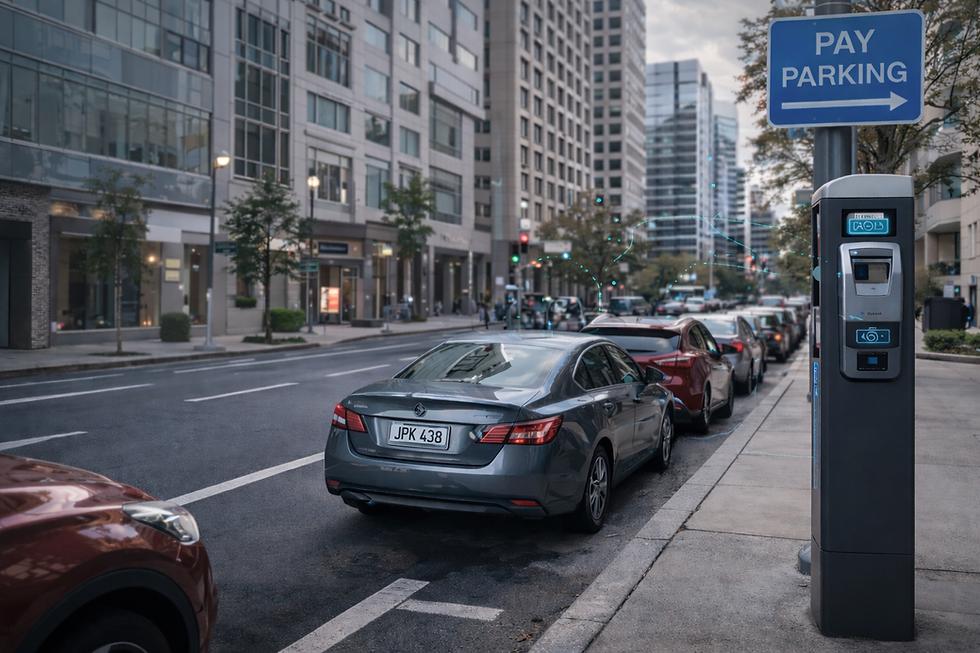
Parking facilities, hotels, restaurants, shopping centres, and event venues frequently offer services that require drivers to hand over their vehicle keys. While most professional parking services operate legitimately, careless key management can create security concerns.
Valet parking requires a certain level of trust because another person temporarily gains access to the vehicle. Drivers should therefore choose reputable facilities and understand how their keys and vehicles will be handled.
Problems can arise when keys are left unattended, stored in unsecured locations, or handed to individuals whose identities have not been verified. Such situations may create opportunities for unauthorised use or theft.
Drivers should avoid leaving important personal belongings inside the vehicle when using valet services. Items such as wallets, laptops, documents, and electronic devices should remain with the owner whenever practical.
It is also helpful to inspect the vehicle before handing over the keys. Taking note of existing damage, checking the fuel level, and keeping a record of the parking ticket can make it easier to identify any issues when the car is returned.
Parking facilities should ideally have controlled access, reliable staff identification procedures, and appropriate surveillance. These measures help create accountability and reduce opportunities for misconduct.
Owners should be careful when using informal parking arrangements offered by strangers. Someone claiming to manage a nearby parking area may not have any legitimate connection to the property or business.
If a vehicle is being collected by an unfamiliar employee, drivers can politely request identification or confirmation from the facility’s management. Professional establishments should have clear procedures for handling customer vehicles.
Choosing trustworthy parking services and limiting access to personal belongings can reduce unnecessary risks. A little attention before handing over the keys can make the experience considerably safer.
9. Theft Through Stolen Personal Information and Vehicle Documents
Vehicle theft does not always begin with someone approaching a parked car. In some cases, criminals use stolen personal information or vehicle-related documents to support fraudulent activities that can eventually affect ownership and vehicle security.
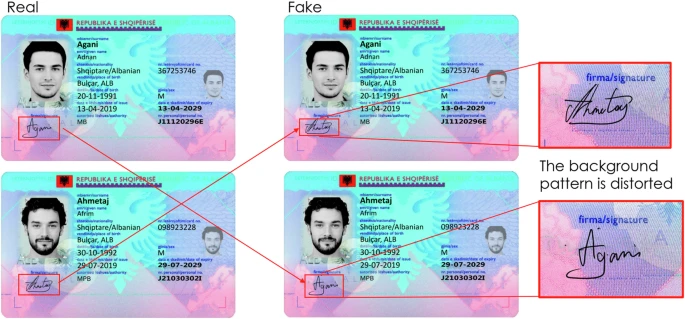
Important documents may contain details that should not be freely available to strangers. Registration certificates, insurance records, identification documents, and financial paperwork can reveal information that criminals may attempt to misuse.
Some fraudulent activities involve impersonation. A criminal may pretend to be the registered owner when dealing with a service provider, attempting to obtain information or request changes connected to the vehicle.
Personal documents left inside an unattended car can increase the consequences of a break-in. Even when the vehicle itself remains untouched, stolen paperwork may expose the owner to identity misuse or fraudulent communication.
Drivers should avoid keeping unnecessary original documents inside their vehicles. Where legally acceptable, digital copies stored securely can provide convenient access while reducing the amount of sensitive paperwork carried in the car.
In India, vehicle owners should also be familiar with the official DigiLocker and mParivahan services. These platforms provide access to eligible digital vehicle documents, subject to applicable rules and acceptance requirements.
It is important to protect online accounts associated with vehicle ownership. Strong passwords, secure devices, and additional authentication measures can help prevent unauthorised access to personal information.
Owners should review insurance and registration details periodically. Unexpected changes, unfamiliar service requests, or suspicious communications deserve attention and should be verified through official channels.
Protecting vehicle documents is an important part of preventing fraud. Keeping personal information secure reduces opportunities for criminals to misuse ownership details or create complications for legitimate vehicle owners.