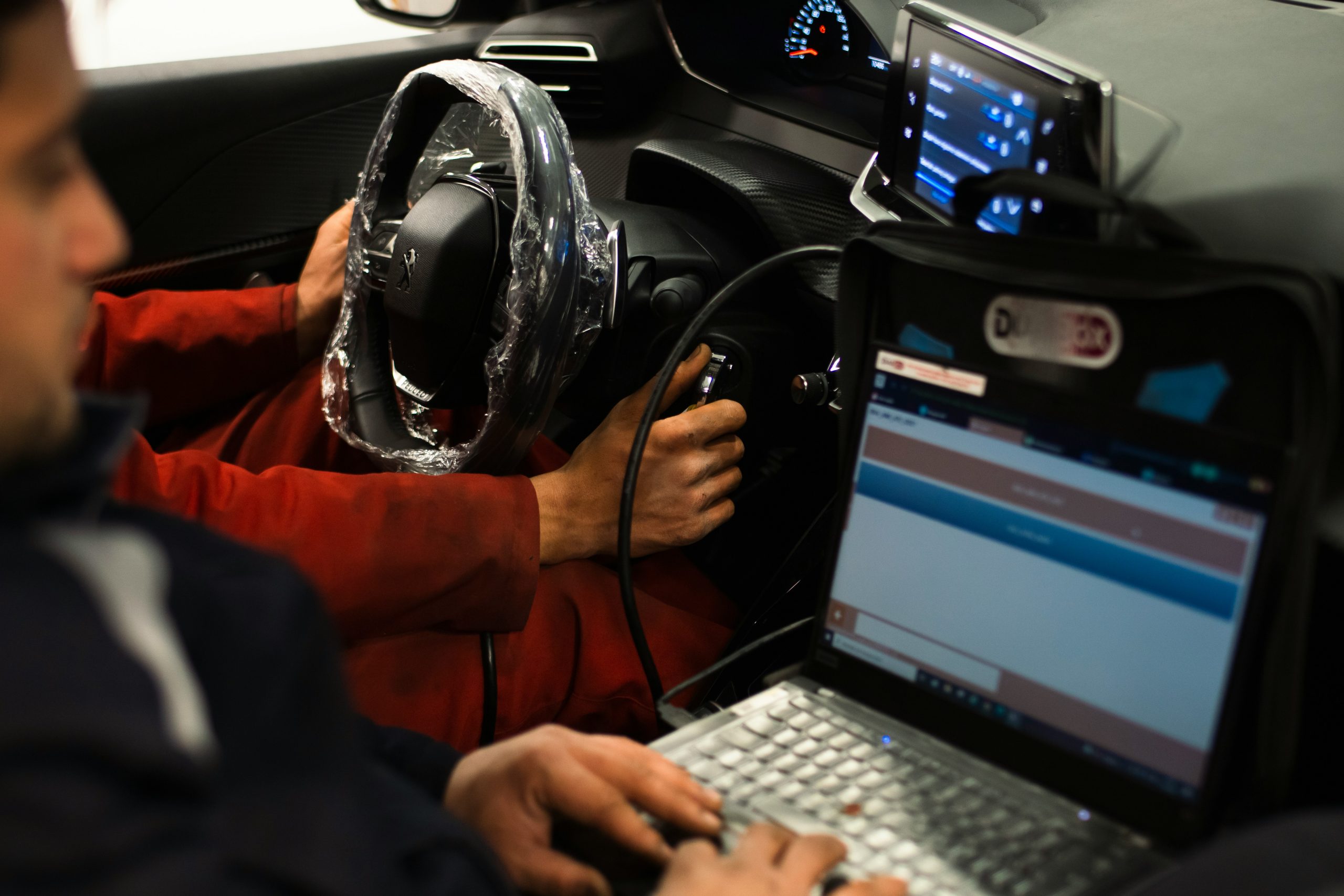
Vehicle safety recalls are often associated with defective airbags, faulty brakes, damaged components, or mechanical failures. However, modern vehicles also depend heavily on software to control essential functions, including braking systems, cameras, airbags, steering assistance, and driver alerts.
When software errors affect these systems, manufacturers may issue safety recalls that can be resolved through a software update rather than replacing physical parts. These updates correct programming errors, improve system communication, and restore intended vehicle functions.
Understanding software-related safety recalls helps drivers recognize potential risks, respond to manufacturer notices, and keep their vehicles operating safely and reliably.

1. Anti-Lock Braking System Software Malfunctions
Anti-lock braking systems (ABS) help drivers maintain steering control during sudden or hard braking. The system prevents the wheels from locking by adjusting brake pressure electronically.
Software controls how the ABS interprets wheel-speed signals and communicates with other braking components. If the programming contains an error, the system may not respond as intended during certain driving conditions.
A software-related ABS recall may involve incorrect calculations, communication failures, or unexpected system behavior. These problems can affect braking assistance and increase the possibility of losing control during emergency stops. The underlying issue may exist within the electronic control unit rather than the physical braking components.
Manufacturers may discover these defects through internal testing, customer complaints, warranty claims, or reports involving unexpected warning lights. Once engineers identify a software problem, they assess whether it creates a safety risk and determine the appropriate corrective action.
A software update can correct the programming responsible for the malfunction. Technicians connect the vehicle to approved diagnostic equipment and install a revised software version. The update may improve communication between wheel-speed sensors, the ABS module, and other electronic systems.
In certain cases, the recall remedy may also involve checking stored fault codes or inspecting related components. This helps technicians confirm that the braking system operates correctly after the software correction. Physical replacement is generally unnecessary when the issue is limited to programming.
Drivers should pay attention to ABS warning lights, unusual braking behavior, and dashboard messages. These indicators do not automatically mean a vehicle has a recall, but they deserve professional attention. Continuing to drive with a suspected braking malfunction can increase safety risks.
Manufacturers typically provide recall repairs without charging vehicle owners. Owners should contact an authorized dealership to confirm whether their vehicle is affected and arrange the required update. They should also follow any driving instructions included in the recall notice.
Regular maintenance remains important even after a software recall repair. Brake fluid condition, brake pads, tires, and other mechanical components still require inspection. A software update corrects the identified programming issue, but it cannot resolve unrelated mechanical defects.
2. Rearview Camera Display Failures
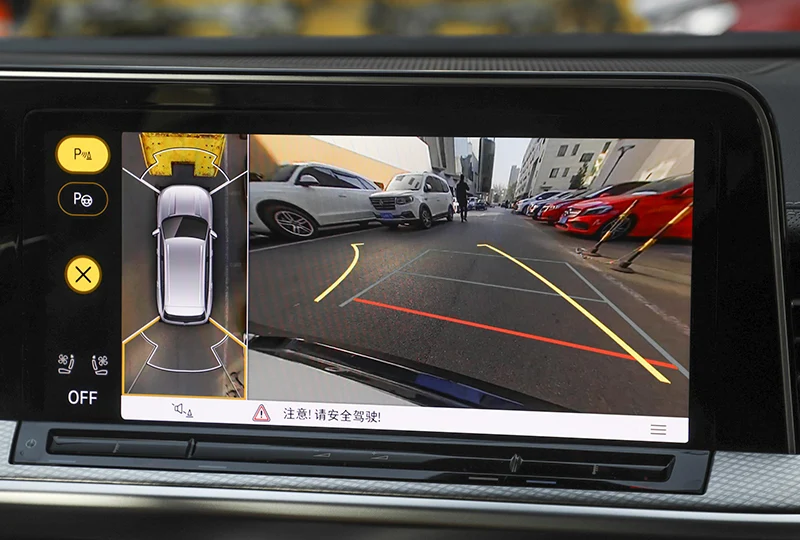
Rearview cameras help drivers see obstacles, pedestrians, vehicles, and objects behind their cars while reversing. Many modern vehicles depend on electronic displays to present camera images. Software controls the connection between the camera, infotainment system, and vehicle display. A programming error can interrupt this process and prevent the image from appearing when needed.
A faulty rearview camera system may display a blank screen, freeze an image, or show an incorrect view. These problems can reduce the driver’s awareness of objects behind the vehicle. The risk becomes particularly concerning in crowded parking areas, residential driveways, and places where children or pedestrians may be present.
Software-related camera recalls frequently involve communication delays or incorrect system activation. For example, the display may fail to switch to the rearview camera when reverse gear is selected. The camera hardware might remain functional, but the software responsible for activating the display may not work properly.
Manufacturers can address certain camera defects through an updated software package. The revised programming improves communication between the transmission control system, camera module, and infotainment display. It can also correct timing problems that prevent the image from appearing consistently.
Dealership technicians generally verify the camera’s operation before and after installing the update. They may check diagnostic records, test reverse gear activation, and confirm that the displayed image remains stable. These steps help ensure that the corrective action addresses the reported defect.
Drivers should never rely entirely on a rearview camera when reversing. Mirrors, direct visual checks, and awareness of surrounding objects remain necessary. Cameras have limited viewing angles and may not detect every obstacle, particularly objects positioned close to the ground.
A camera display that repeatedly freezes, disappears, or shows a distorted image should be inspected promptly. Drivers should also check whether their vehicle has an outstanding recall related to its rear visibility system. An authorized dealership can identify the applicable repair using the vehicle identification number.
Rearview camera software updates demonstrate how a relatively small programming correction can improve vehicle safety. When the display operates correctly, drivers receive more reliable visual assistance during reversing. However, careful driving and proper observation remain essential parts of safe parking.
3. Airbag Control Module Software Errors
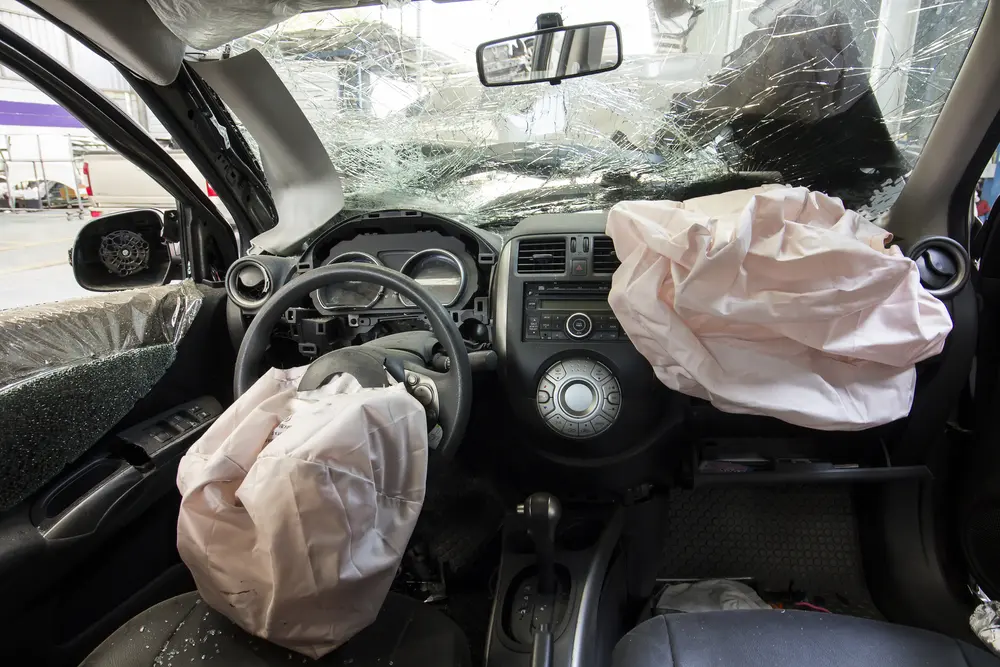
Airbag systems use electronic sensors and control modules to determine when protective airbags should deploy. These systems evaluate information such as crash severity, vehicle movement, and impact direction. Software processes these signals and helps determine whether deployment is necessary. A programming defect can interfere with the system’s ability to respond correctly during certain collisions.
An airbag software malfunction may cause the system to fail to deploy when required or activate under conditions that do not justify deployment. Either situation can create serious safety concerns. The exact risk depends on the affected vehicle model, the programming defect, and the conditions under which the system operates.
Manufacturers investigate airbag-related problems through crash testing, electronic diagnostics, customer reports, and engineering evaluations. If testing reveals that the control module contains faulty programming, a safety recall may be necessary. The manufacturer then develops a correction that addresses the specific software problem.
In some cases, technicians can resolve the defect by updating the airbag control module. The revised software adjusts how the system interprets sensor information and manages deployment decisions. This allows the existing hardware to perform according to the manufacturer’s intended specifications.
The repair process may include diagnostic checks and verification of the airbag warning system. Technicians can examine stored error codes and confirm that the control module communicates correctly with connected safety components. Additional inspections may be required if the recall instructions identify related hardware concerns.
Drivers should never ignore an illuminated airbag warning light. The warning may indicate a fault that prevents part of the restraint system from operating properly. A professional inspection can determine whether the issue is related to a recall, a damaged connection, or another technical problem.
Airbag recalls deserve immediate attention because these systems are designed to protect occupants during serious collisions. Vehicle owners should arrange the prescribed repair as soon as possible and follow any temporary safety instructions from the manufacturer.
A software update can be an effective remedy when the defect originates in the control module’s programming. However, not every airbag recall can be repaired electronically. Some cases require replacement of defective components, so owners should follow the exact instructions provided for their vehicle.

4. Electronic Power Steering Software Problems
Electronic power steering systems use electric motors, sensors, and control modules to assist drivers when turning the steering wheel. Software determines how much assistance the motor provides under different driving conditions. A programming error can interfere with this process and affect steering response.
A software-related steering recall may involve unexpected changes in steering assistance, incorrect sensor readings, or communication failures between electronic components. Drivers could experience heavier steering, inconsistent assistance, or warning messages. The severity depends on the specific malfunction and vehicle design.
Power steering problems can become particularly concerning during low-speed maneuvers, parking, and sudden changes in direction. When steering assistance becomes inconsistent, drivers may need additional physical effort to control the vehicle. This can make certain driving situations more difficult.
Manufacturers may correct programming-related steering defects by installing updated control module software. The revised version can improve how the system processes steering input, calculates assistance requirements, and communicates with related electronic units.
During a recall appointment, technicians may examine diagnostic records and check the steering system for error codes. They then install the approved software update and perform the required operational tests. If the manufacturer identifies additional component damage, separate repairs may be necessary.
Drivers should take unusual steering behavior seriously. Sudden resistance, unexpected changes in assistance, unusual noises, or steering warning lights should prompt a professional inspection. A software update should not be assumed to solve every steering problem without proper diagnosis.
Vehicle owners can check recall information through the manufacturer’s website or an official government vehicle safety database. Providing the vehicle identification number helps determine whether a particular model and production range are included in an active recall.

5. Automatic Emergency Braking System Errors
Automatic emergency braking (AEB) is designed to help prevent or reduce the severity of certain front-end collisions. The system uses cameras, radar sensors, or a combination of technologies to identify potential obstacles. Software analyzes the available information and determines whether a warning or automatic braking response is appropriate.
A programming defect may cause the system to misinterpret objects, respond too slowly, or activate braking under inappropriate conditions. Depending on the nature of the fault, the vehicle may not provide the intended assistance during a potential collision.
These problems can affect the relationship between sensor information and the braking system. For example, incorrect software calculations may interfere with the timing of an emergency braking command. This can reduce the effectiveness of a safety feature that drivers may expect to operate automatically.
Manufacturers investigate these defects through controlled testing, technical analysis, and reports from vehicle owners. When a software issue is confirmed, engineers develop an updated program designed to correct the affected calculations or communication processes.
A dealership may install the revised software through the vehicle’s electronic control system. The update can improve how the AEB system identifies obstacles, evaluates collision risks, and communicates with the braking components. Technicians may also conduct calibration checks when required by the repair procedure.
Drivers should remember that automatic emergency braking is an assistance feature, not a replacement for attentive driving. Weather conditions, road markings, lighting, sensor obstruction, and other environmental factors can influence system performance. Drivers must remain prepared to brake whenever necessary.
If an AEB warning appears or the system behaves unexpectedly, owners should arrange a professional inspection. They should also check for outstanding recalls because a known software defect may already have an approved repair.

6. Electronic Stability Control Software Defects
Electronic Stability Control (ESC) helps drivers maintain vehicle stability when the car begins to skid or lose directional control. The system uses information from wheel-speed sensors, steering angle sensors, and other electronic components. Software evaluates these signals and can selectively apply braking to individual wheels to help stabilize the vehicle.
A software defect may cause the ESC system to respond incorrectly or fail to activate under certain conditions. This can reduce the assistance available when a vehicle experiences a loss of traction. The risk may be more significant during sharp turns, slippery road conditions, or sudden steering movements.
Software-related ESC recalls can involve incorrect calculations, faulty communication, or problems with how the system interprets sensor signals. The physical components may remain functional, but the programming may prevent them from working together as intended.
Manufacturers can sometimes resolve these defects by updating the electronic stability control module. The updated software corrects the identified programming error and improves the system’s ability to process vehicle movement information.
Technicians generally use diagnostic equipment to access the control module and install the manufacturer-approved update. They may also check warning indicators, stored fault codes, and communication between the ESC and ABS systems. These checks help verify that the correction has been completed properly.
Drivers should be cautious if the ESC warning light remains illuminated or appears unexpectedly. Some vehicles temporarily disable stability assistance when a system fault is detected. An inspection can determine whether the warning relates to a software issue or another component.
Tire condition and proper tire pressure also influence vehicle stability. Worn tires, unsuitable replacements, and incorrect inflation can affect traction. A software update cannot compensate for poor tire maintenance or unsafe driving behavior.
7. Tire Pressure Monitoring System Software Issues
Tire Pressure Monitoring Systems (TPMS) alert drivers when tire pressure falls below the manufacturer’s recommended level. These systems use sensors and electronic programming to collect pressure information and display warnings. Accurate tire pressure is important because underinflated tires can affect handling, braking, fuel efficiency, and tire durability.
A software problem may cause the TPMS to display incorrect readings, provide delayed warnings, or fail to alert the driver when pressure becomes dangerously low. In certain cases, the system may also display a warning even when tire pressure is within the recommended range.
The problem can originate in the way the control module interprets sensor information. Incorrect programming may interfere with communication between individual tire sensors and the vehicle’s dashboard. This can make the warning system less dependable.
Manufacturers may issue a recall when a confirmed software defect affects TPMS performance. If the hardware remains functional, a revised software version may correct the calculation or communication problem. The update restores the intended warning behavior without requiring sensor replacement.
During the repair, dealership technicians may check the tire pressure sensors, review diagnostic information, and install the updated software. They may also confirm that the dashboard warning responds appropriately to the system’s readings.
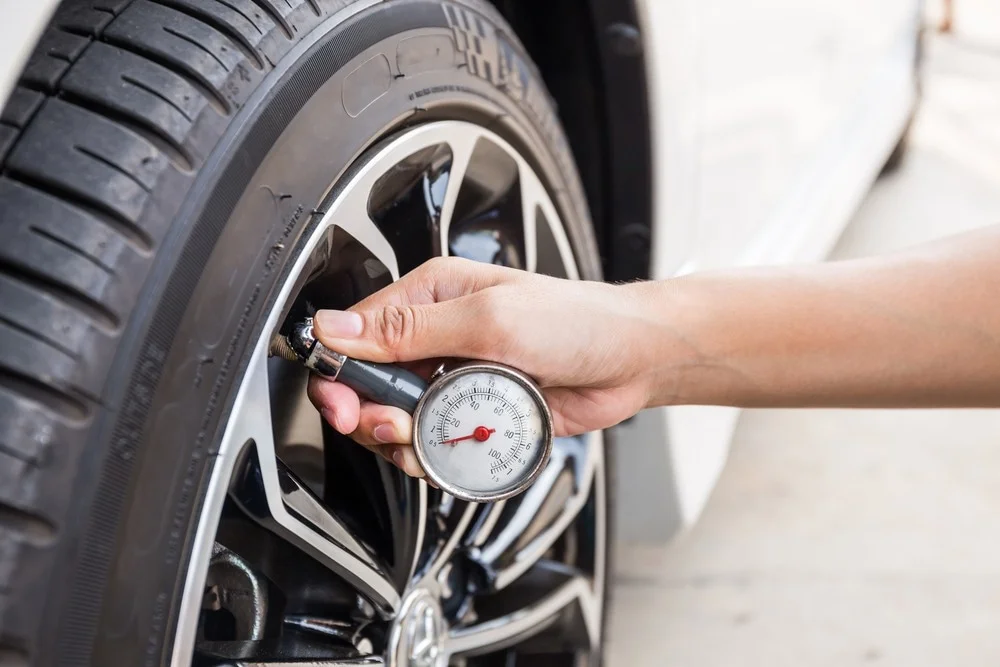
Drivers should not rely exclusively on electronic tire pressure warnings. Checking tire pressure manually with a suitable gauge remains a useful maintenance practice. The recommended pressure is generally listed on the vehicle’s tire information label, commonly located inside the driver’s door area.
If the TPMS warning stays illuminated or flashes unexpectedly, owners should consult the vehicle manual and arrange an inspection. A warning could indicate low pressure, a faulty sensor, or a software-related problem. Ignoring the signal can allow tire-related risks to go unnoticed.
8. Lane Departure Warning and Lane Keeping Assist Failures
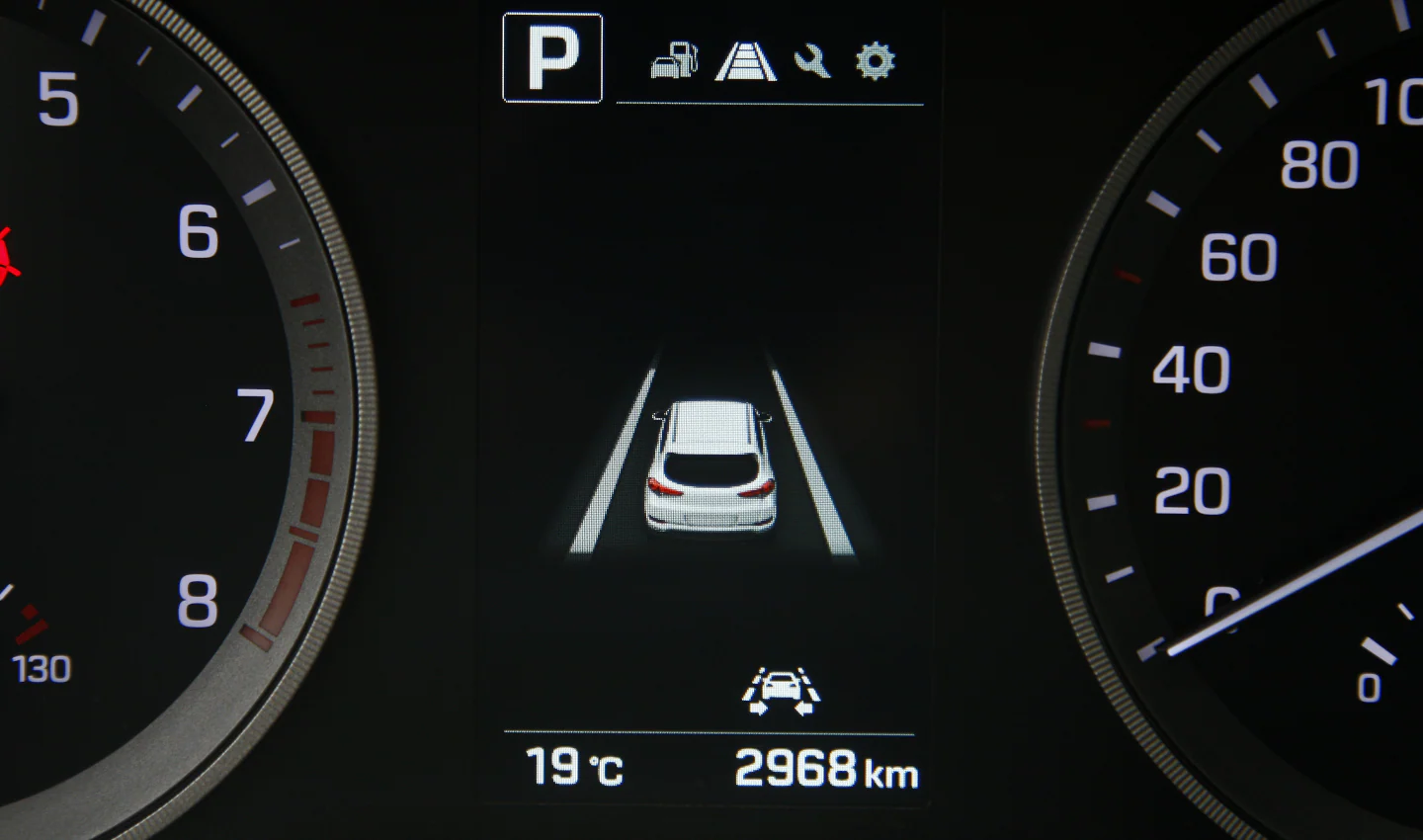
Lane Departure Warning (LDW) and Lane Keeping Assist (LKA) systems use cameras and software to identify lane markings and monitor vehicle position. Depending on the vehicle, these features may provide audible warnings, steering assistance, or both. Their purpose is to help drivers remain within their intended lane.
Software defects can affect how these systems recognize road markings or calculate the vehicle’s position. A malfunction may cause missed warnings, incorrect alerts, or unexpected steering assistance. Such behavior can reduce driver confidence in the technology and create potential safety concerns.
The accuracy of lane assistance features depends on several connected processes. Cameras capture visual information, electronic modules interpret the images, and software determines whether the vehicle is moving outside its lane. An error in these calculations can affect the final response.
Manufacturers may address certain lane assistance recalls through software updates. Revised programming can improve image interpretation, correct activation timing, and restore communication between the camera and vehicle control systems.
Dealership technicians may inspect the camera module, check diagnostic codes, and install the approved software version. Some vehicles may also require camera calibration to ensure the system recognizes lane markings correctly. Calibration requirements depend on the specific vehicle and recall instructions.
Drivers should remain attentive when using lane assistance features. Road construction, faded markings, heavy rain, glare, and poor visibility can affect camera performance. These systems are designed to support drivers rather than take responsibility for steering decisions.
Unexpected steering corrections or repeated warning failures should be checked by a qualified technician. Owners should also confirm whether an active safety recall applies to their vehicle. A recall repair can address known defects that may not be obvious during everyday driving.
9. Infotainment and Vehicle Communication Software Failures
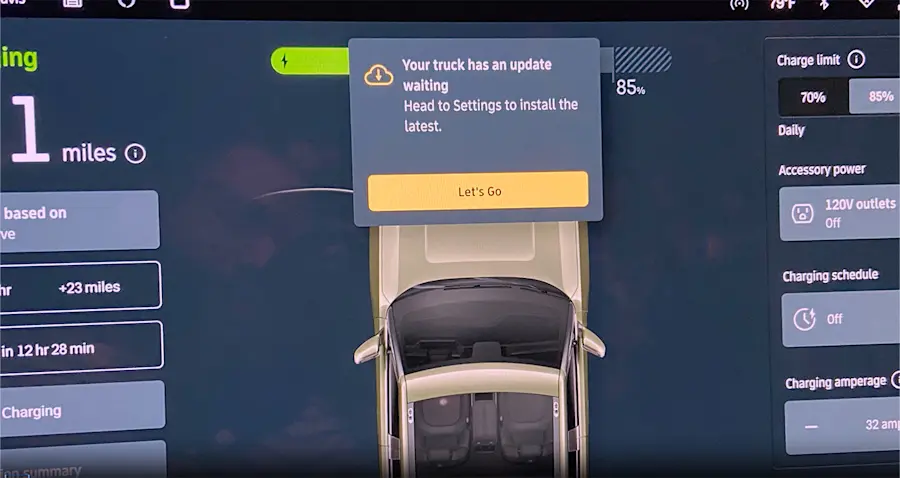
Modern vehicles rely on interconnected electronic systems that exchange information through onboard communication networks. Infotainment systems may display vehicle warnings, camera images, navigation information, and settings related to driver assistance features. Software errors within these systems can sometimes affect functions that have direct safety implications.
A communication failure may prevent important information from reaching the correct display or control module. For example, a screen may freeze, a warning message may disappear, or a connected safety feature may fail to receive the information required for proper operation.
Not every infotainment malfunction creates a safety concern. Problems involving music playback, entertainment applications, or personal device connections may be inconvenient without affecting vehicle safety. A recall generally becomes relevant when a software defect interferes with a regulated safety function or creates an unreasonable safety risk.
Manufacturers may issue software recalls when testing identifies a communication problem involving essential vehicle systems. The defect could relate to incorrect data processing, delayed signals, or programming that causes electronic modules to stop communicating as intended.
A software update can correct certain communication failures by improving data handling and restoring proper interaction between connected modules. The revised programming may also improve system stability and prevent recurring faults under specific operating conditions.
Depending on the vehicle, technicians may update the infotainment unit, instrument cluster, gateway module, or another electronic control unit. They may also perform diagnostic tests to confirm that safety messages and related functions operate correctly after installation.
Drivers should report repeated screen failures, missing safety alerts, or unusual electronic behavior to an authorized service center. They should avoid assuming that every digital problem is harmless, particularly when the affected display communicates important vehicle information.