
Car theft has changed significantly as modern vehicles have become more dependent on electronic systems, wireless technology, and keyless entry features. Drivers often assume their cars are safe as long as their keys remain in their pockets or inside their homes.
However, criminals may exploit weaknesses in vehicle security, take advantage of distracted owners, or use deception to gain access to cars. Understanding these risks is important for every vehicle owner. This article explains nine common car theft tactics, the warning signs drivers should recognise, and practical steps that can help protect their vehicles from theft.

1. Keyless Entry System Exploitation
Keyless entry systems have made driving more convenient by allowing owners to unlock and start their vehicles without inserting a traditional key. These systems rely on wireless communication between the vehicle and its authorised key fob. However, certain security weaknesses can expose vehicles to theft, even when the owner has not lost or handed over the keys.
Modern key fobs continuously communicate with vehicles when certain functions are activated. Criminals may attempt to exploit weaknesses in this communication process. Such incidents have raised concerns about the security of vehicles equipped with passive keyless entry technology.
Relay attacks are a recognised threat associated with some keyless systems. They involve unauthorised equipment that interferes with the communication between a vehicle and its legitimate key. The owner may still have the original fob in their possession, yet the vehicle’s security system can be exposed.
Drivers should pay attention to unusual behaviour from their vehicle’s locking system. Doors that fail to lock, unexpected warning messages, or inconsistent key recognition deserve attention. These signs do not automatically indicate criminal activity, but they should not be ignored.
One practical precaution is to store key fobs away from exterior doors and windows. A signal-blocking pouch or secure storage container designed for the specific fob can provide an additional layer of protection.
Vehicle owners should also check whether their manufacturer offers software updates or improved keyless entry security settings. Some vehicles include options to disable passive entry or adjust how the key communicates with the car.
Convenience should never replace basic security habits. Drivers should manually confirm that their doors are locked before leaving, particularly when parking in public areas or unfamiliar locations.
2. Vehicle Software and Electronic Security Weaknesses
Modern cars contain sophisticated computer systems that control important functions, including engine management, door locking, ignition, and security monitoring. These electronic systems have improved vehicle performance and convenience, but they have also introduced new security considerations.
A vehicle’s electronic security depends on communication between several components. If a weakness exists within the system, unauthorised access may become possible. Criminals may attempt to take advantage of outdated software, poorly protected electronic components, or weaknesses identified in particular vehicle models.
Unlike traditional car theft, electronic vehicle crime may leave little obvious physical evidence. A vehicle might appear undamaged even when its security systems have been compromised. This makes regular security checks particularly valuable.
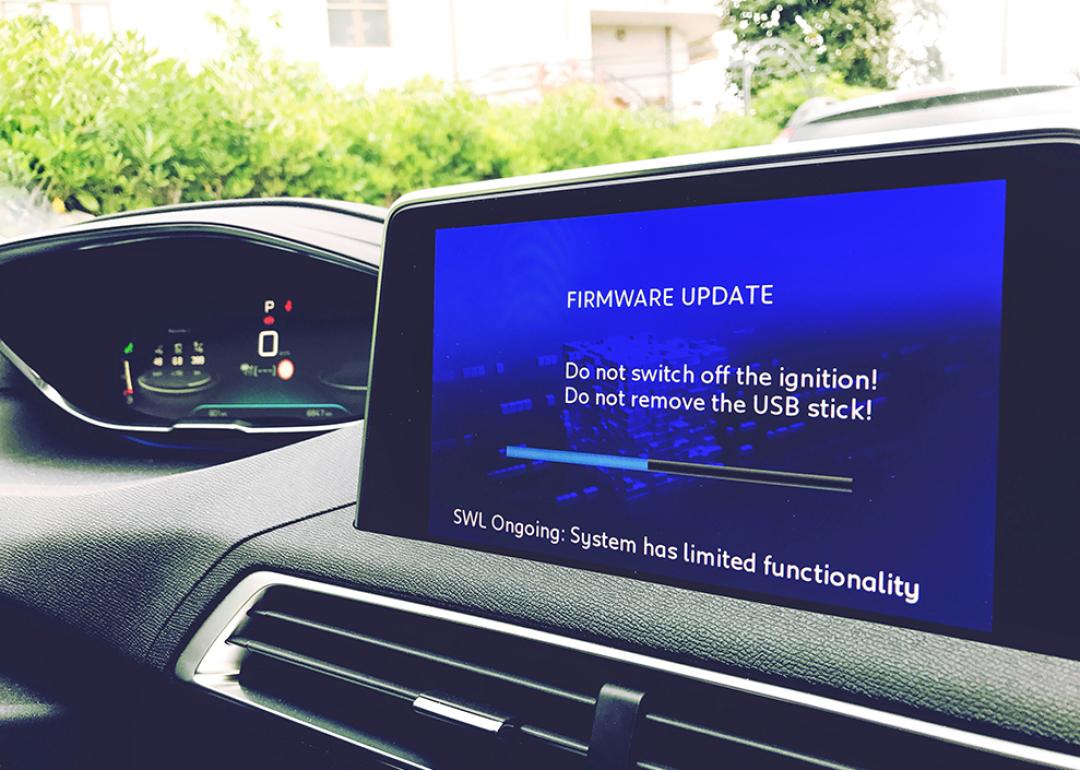
Manufacturers occasionally release software updates to address technical problems and improve vehicle protection. Owners should pay attention to official service notifications and ensure that recommended updates are installed through authorised service providers.
It is also sensible to ask a dealership about the security features available in a particular model. Some vehicles provide additional authentication requirements, security alerts, or restrictions on electronic access.
Drivers should avoid connecting unknown electronic devices to their vehicles. Unverified accessories and unfamiliar diagnostic equipment may introduce unnecessary risks, particularly when they have access to sensitive vehicle systems.
If a car suddenly displays unusual electronic behaviour, an authorised technician should inspect it. Unexpected warning lights, unexplained changes in security settings, and repeated communication errors deserve professional attention.
Electronic security is now an important part of vehicle ownership. Keeping software updated and relying on qualified technicians can reduce exposure to several forms of technology-related vehicle crime.
3. Fake Vehicle Buyers and Test Drive Scams
Private vehicle sales can create opportunities for criminals who use deception rather than sophisticated equipment. A person pretending to be a genuine buyer may attempt to gain access to a vehicle under the pretence of inspecting it or arranging a test drive.
These situations can become particularly risky when sellers meet strangers without verifying their identities. A genuine buyer should have no reasonable objection to following basic safety procedures during an inspection or test drive.
Vehicle owners should arrange meetings in public places with good lighting and security cameras. Busy dealership areas, authorised inspection centres, and monitored parking facilities are generally safer choices than isolated locations.
Before allowing anyone to drive a vehicle, sellers should check their driving licence and confirm that appropriate insurance arrangements are in place. A test drive should never begin without clear agreement about responsibility for the vehicle.
It is also wise to have another person present during private vehicle inspections. A family member or trusted friend can help monitor the situation and provide assistance if something feels uncomfortable.
Sellers should keep their personal belongings, documents, and spare keys secure throughout the meeting. Registration papers and other sensitive information should not be left unattended inside the vehicle.
Unusual pressure is a warning sign. Someone who insists on taking the vehicle alone, refuses reasonable identification checks, or attempts to change the agreed arrangements should be treated cautiously.
A legitimate sale does not require compromising personal safety. Taking a few additional precautions can protect both the vehicle and the seller from avoidable problems.
4. Fake Parking and Valet Assistance
Parking-related deception is another concern for vehicle owners. Criminals may pretend to offer parking assistance, valet services, or vehicle management support in places where drivers are unfamiliar with the arrangements.
Busy shopping areas, hotels, event venues, and entertainment districts can create confusion about authorised parking personnel. Drivers may be more willing to hand over their vehicles when they are in a hurry or dealing with crowded surroundings.
Unauthorised individuals may use professional-looking clothing or convincing explanations to appear legitimate. A uniform alone should never be considered proof that someone represents a recognised parking company.
Before handing over a vehicle, drivers should confirm that the parking service is officially associated with the property or business. Checking with reception or security staff can help establish whether the person is authorised.
Official valet services generally provide some form of identification, a parking receipt, or a recognised collection process. Vehicle owners should understand these arrangements before leaving their cars.
It is also important to remove valuable belongings from visible areas. Bags, electronic devices, wallets, and important documents should not be left inside an unattended vehicle.
Drivers should record the name of the parking service and retain any ticket or receipt provided. These details can help resolve disputes and establish responsibility if something goes wrong.
When a parking arrangement feels suspicious, it is safer to decline assistance and park independently in an authorised location. A few minutes spent checking credentials can prevent a much larger problem.

5. Fake Emergency and Distraction Scenarios
Distraction is a common feature of many types of theft. Criminals may rely on confusion, urgency, or unexpected situations to make people temporarily forget basic safety precautions.
A driver might be approached by someone claiming there is a problem with the vehicle. The person could point towards an alleged mechanical issue, report damage, or create concern about something happening nearby.
Such situations can be stressful, particularly when they occur in unfamiliar areas. Drivers may instinctively leave their vehicles to investigate, sometimes forgetting to secure the doors or take their belongings.
The safest response is to remain calm and assess the situation before acting. If someone reports a problem, move to a secure location when possible and inspect the vehicle without leaving it vulnerable.
Drivers should be especially cautious when strangers insist on immediate action or attempt to create unnecessary panic. Genuine emergencies can occur, but there is no need to follow instructions from an unknown person without verification.
If a suspicious situation develops, contacting local authorities or trusted roadside assistance services is preferable to accepting help from unidentified individuals.
Vehicle owners should also develop the habit of locking their doors whenever they enter or leave the car. This simple practice reduces opportunities for unauthorised access during unexpected interruptions.
Awareness is particularly important in crowded parking areas and unfamiliar locations. Staying attentive and avoiding rushed decisions can help drivers recognise suspicious behaviour before it becomes a serious security issue.
6. Unauthorised Access Through Vehicle Documents and Personal Information
Vehicle security involves more than protecting the physical car. Personal information, registration details, insurance records, and other documents can also become targets for criminals.
Some vehicle-related scams involve collecting information that may later be used to impersonate an owner or support fraudulent activities. Criminals may attempt to obtain documents through fake service requests, misleading online advertisements, or dishonest vehicle transactions.
Drivers should avoid sharing photographs of registration certificates, insurance documents, and identity records with unknown individuals. Sensitive information should only be provided through verified channels when there is a legitimate reason.
Vehicle owners should also be careful when posting photographs of their cars online. Images that reveal registration numbers, parking locations, or personal details may expose information that should remain private.
When selling a vehicle, owners should complete the required ownership transfer procedures through the appropriate transport authority. They should retain proof of the transaction and verify that official records have been updated.
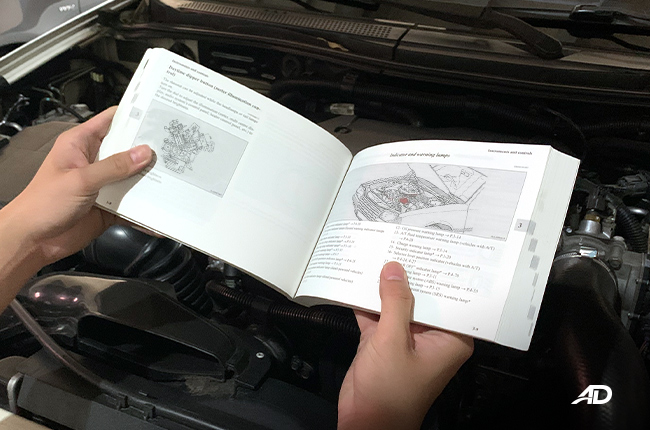
Documents should not be stored carelessly inside the vehicle. Essential paperwork should be protected, and any documents that must remain in the car should be limited to what is legally required.
If someone requests personal information while claiming to represent an insurance company, dealership, or service centre, verify their identity independently. Contact the organisation through its official communication channels rather than relying on an unfamiliar phone number or message.
Protecting vehicle-related information reduces the risk of impersonation, fraud, and other offences. Responsible document management should be treated as an essential part of car ownership.

7. Fake Roadside Assistance and Mechanical Help
Vehicle breakdowns can leave drivers feeling vulnerable, especially when they happen on unfamiliar roads or during late hours. Criminals may take advantage of these situations by pretending to be mechanics, towing operators, or roadside assistance representatives.
An unexpected approach from someone offering help should be handled carefully. A person may claim to have noticed a mechanical issue or offer immediate assistance without being connected to a recognised service provider.
Drivers should use official roadside assistance numbers provided by their insurance company, vehicle manufacturer, or membership organisation. This makes it easier to verify who is responding to the request.
Before allowing anyone to handle a vehicle, check their identification and confirm their association with the relevant service. Professional assistance providers should be able to explain their identity and the work they intend to perform.
It is also important to avoid handing over vehicle keys to unidentified individuals. If a repair or towing service is necessary, confirm the arrangement and retain any paperwork provided.
Drivers should share their location with a trusted person when waiting for assistance in an unfamiliar area. This provides an additional safety measure and helps someone know where they are.
Unexpected requests for advance payments, personal documents, or unnecessary access to the vehicle deserve careful scrutiny. Any unclear charges or services should be verified before approval.
Keeping reliable roadside assistance details readily available can make breakdown situations less stressful. Preparation helps drivers avoid rushed decisions and reduces the likelihood of falling victim to fraudulent assistance schemes.

8. Stolen or Misused Vehicle Identification Information
Every vehicle has identifying information that helps establish its ownership and legal status. This includes the Vehicle Identification Number, commonly known as the VIN, along with registration details and manufacturer records.
Criminals may attempt to misuse vehicle identification information in connection with registration fraud, vehicle cloning, or other forms of automotive crime. These activities can create serious problems for legitimate vehicle owners.
Vehicle cloning generally involves making a stolen or illegally obtained vehicle appear similar to a legally registered vehicle. This can complicate identification and create difficulties for authorities investigating suspicious vehicles.
Owners should keep their vehicle records organised and retain copies of important purchase and registration documents. Accurate records can help establish ownership if questions arise.
When purchasing a used vehicle, buyers should verify the VIN against the registration certificate and other official documentation. Any inconsistency should be investigated before the purchase is completed.
A professional inspection can provide additional reassurance. Authorised dealerships and qualified vehicle inspectors can help identify discrepancies that may not be obvious to an inexperienced buyer.
Drivers should also be cautious when purchasing vehicles through unofficial online listings. An unusually low price, missing paperwork, or reluctance to arrange an independent inspection may indicate a problem.
If a vehicle’s identification details appear altered or inconsistent, contact the appropriate authorities rather than attempting to investigate independently. Early reporting can help prevent legal complications and support vehicle recovery efforts.

9. Theft Through Poor Parking and Vehicle Security Habits
Not every car theft involves advanced technology or complicated deception. In some cases, criminals take advantage of simple security mistakes that vehicle owners make during everyday activities.
Leaving a vehicle unlocked, keeping windows open, or leaving valuable items in plain sight can make a car an easier target. These habits may seem harmless when someone expects to return within a few minutes, but they can create unnecessary risks.
Parking location also matters. Poorly lit streets, isolated areas, and locations without regular monitoring may offer less protection than secure parking facilities.
Whenever possible, drivers should choose well-lit parking spaces with visible security cameras and regular pedestrian activity. Private garages and monitored parking facilities can provide additional protection.
Owners should never leave spare keys inside or around their vehicles. Hiding a key in an obvious location does not provide meaningful security and may expose the vehicle to unnecessary risks.
Steering wheel locks and other visible security devices can serve as additional deterrents. These products do not guarantee complete protection, but they can make unauthorised access more difficult.
Drivers should develop a consistent routine before leaving their cars. Check that the doors are locked, windows are fully closed, valuables are out of sight, and the parking brake is properly engaged.
Good parking habits are among the simplest ways to improve vehicle security. Consistency matters because even a small oversight can create an opportunity for theft.