Choosing a family vehicle involves more than comparing purchase prices, fuel economy, and passenger space. Insurance costs also play an important role in determining how much a vehicle will cost to own over several years. Many families assume minivans are always cheaper to insure because of their practical design and family-friendly features.
Some SUVs can also offer more affordable insurance rates, depending on their safety ratings, repair costs, theft risks, and market value. From compact crossovers to roomy midsize models, several family SUVs are worth considering for buyers who want comfortable, practical transportation without paying excessively high insurance premiums..
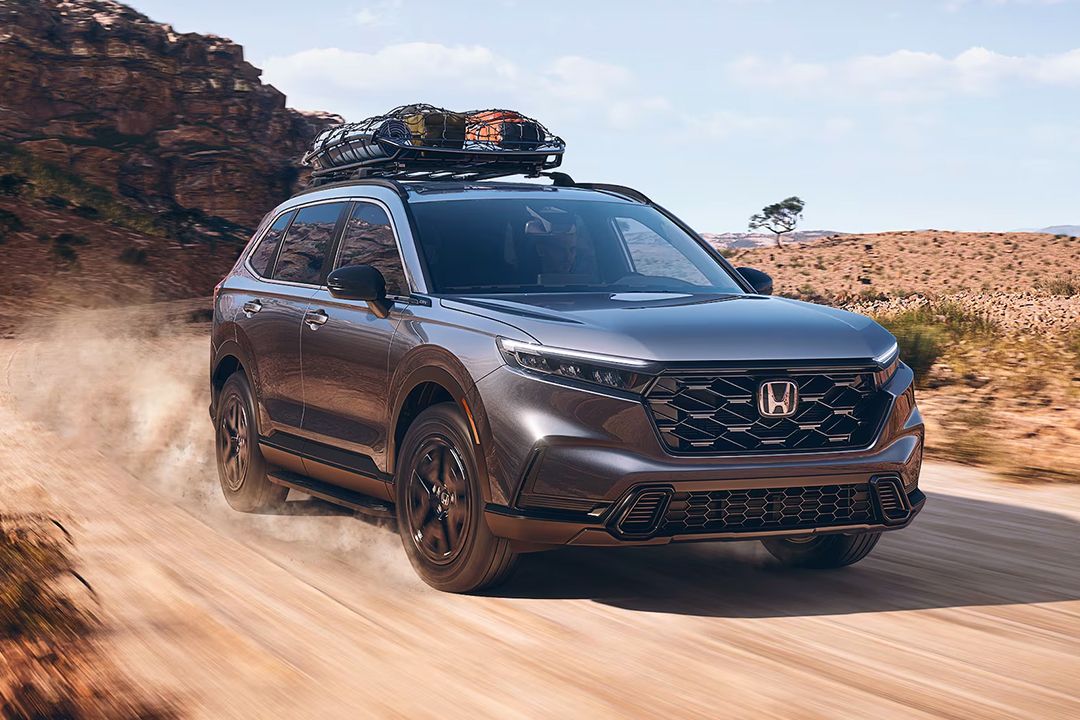
1. Honda CR-V
The Honda CR-V is a popular choice among families who want a practical SUV with manageable ownership expenses. Its compact dimensions suit everyday driving, while its comfortable cabin offers enough room for parents, children, and luggage.
The model also has a reputation for reliability, which makes it worth considering when comparing long-term ownership costs.
Insurance premiums for the CR-V can be competitive because insurers consider several factors, including vehicle safety, repair expenses, theft statistics, and claims history. Its mainstream design and widespread availability of replacement parts can help make repairs more manageable than those involving expensive luxury vehicles.
Safety technology is another important consideration. Depending on the model year and trim, the CR-V offers features such as automatic emergency braking, lane departure warning, adaptive cruise control, and collision mitigation assistance. These technologies can help reduce certain accident risks, though insurance discounts are not guaranteed.
The interior is designed around everyday convenience. Families benefit from comfortable seating, useful storage compartments, flexible rear seating, and a practical cargo area. These features make grocery shopping, school transportation, and weekend trips easier to manage.
Fuel efficiency also contributes to the CR-V’s appeal. Hybrid versions provide an additional option for families interested in reducing fuel consumption. However, buyers should compare insurance quotations for both gasoline and hybrid versions because repair costs and replacement component prices can differ.
Compared with a minivan, the CR-V offers a smaller passenger compartment and less cargo capacity. Families with two or three children may find its space sufficient, while those who regularly transport several passengers may prefer a larger vehicle.
Before purchasing, request insurance quotations for the exact CR-V model year and trim. Compare comprehensive coverage, collision protection, deductibles, and liability limits. A competitive premium combined with reliable performance can make the Honda CR-V a sensible family vehicle.
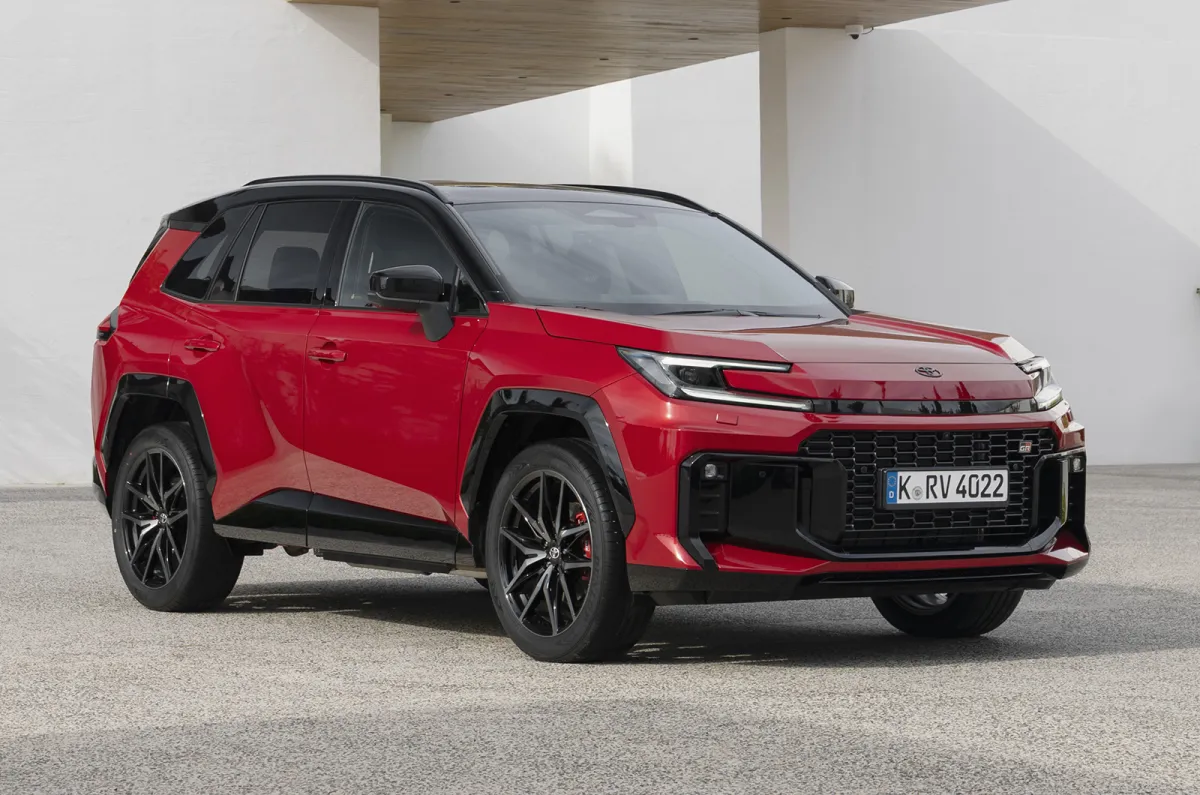
2. Toyota RAV4
The Toyota RAV4 is another strong option for families seeking an SUV with reasonable insurance expenses. Its combination of practical dimensions, dependable engineering, and modern safety equipment makes it a common alternative to larger family vehicles.
Insurance pricing depends on the particular RAV4 version, but mainstream compact SUVs can benefit from relatively predictable repair and replacement costs. The RAV4 is widely sold, which gives repair facilities access to commonly required components and service information.
Toyota Safety Sense is available on many recent RAV4 models. Depending on the year, this package can include pre-collision assistance, lane departure alerts, adaptive cruise control, and other driver assistance technologies. These features support safer driving habits and may influence insurer assessments.
Families will appreciate the RAV4’s comfortable seating arrangement and flexible cargo space. Its rear seats accommodate children and adults reasonably well, while the luggage compartment can handle everyday shopping and travel equipment.
The hybrid RAV4 is particularly attractive to households looking to reduce fuel expenses. It combines gasoline power with electric assistance, helping improve fuel economy in many driving conditions. Insurance prices should still be checked separately because hybrid components may affect repair estimates.
The SUV also offers useful ground clearance and available all-wheel drive on selected versions. These characteristics make it suitable for families who travel through different road conditions or regularly visit destinations outside urban areas.
A RAV4 may offer lower insurance costs than a particular minivan quotation, but this is not guaranteed. Its purchase price, local theft rates, driver profile, and coverage requirements can change the final premium. Comparing multiple insurers remains essential.
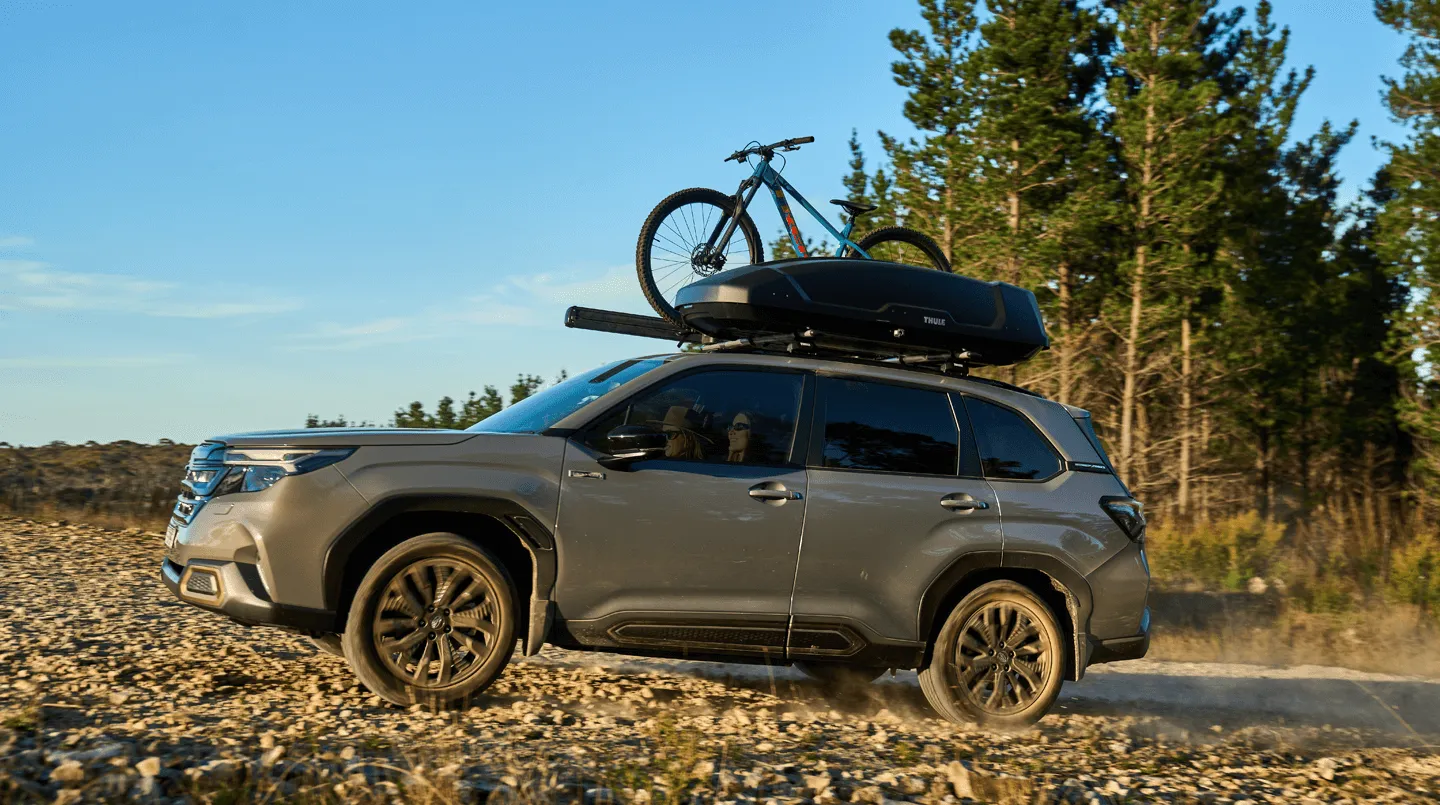
3. Subaru Forester
The Subaru Forester deserves attention from families who value visibility, passenger comfort, and standard all-wheel-drive capability. Its practical shape creates a spacious interior without requiring the larger footprint of a traditional minivan.
Insurance costs for the Forester depend on its model year, equipment, and location. Its safety-focused design can make it an appealing candidate for insurance comparisons. However, buyers should consider repair costs and the availability of replacement parts in their area.
Many recent Forester models include Subaru’s EyeSight driver assistance technology. Depending on the version, it provides features such as adaptive cruise control, pre-collision braking, and lane departure assistance. These systems can support drivers during daily commutes and longer journeys.
The cabin provides comfortable seating for families, with generous headroom and useful storage spaces. Large windows also contribute to good outward visibility, which can be helpful when navigating crowded parking areas and residential streets.
Cargo capacity is another advantage. The rear storage area accommodates shopping bags, strollers, sports equipment, and travel luggage. Folding the rear seats creates additional room for larger items, giving families flexibility without requiring a separate cargo vehicle.
Subaru’s standard all-wheel-drive system is useful for households that regularly encounter rain, snow, or slippery roads. Nevertheless, families living in warmer regions should compare whether this feature provides enough practical value to justify any additional purchase or ownership expenses.
The Forester may be a financially attractive alternative to a minivan when its insurance quotation is competitive. Buyers should compare premiums for the same coverage limits rather than focusing exclusively on the advertised monthly payment.
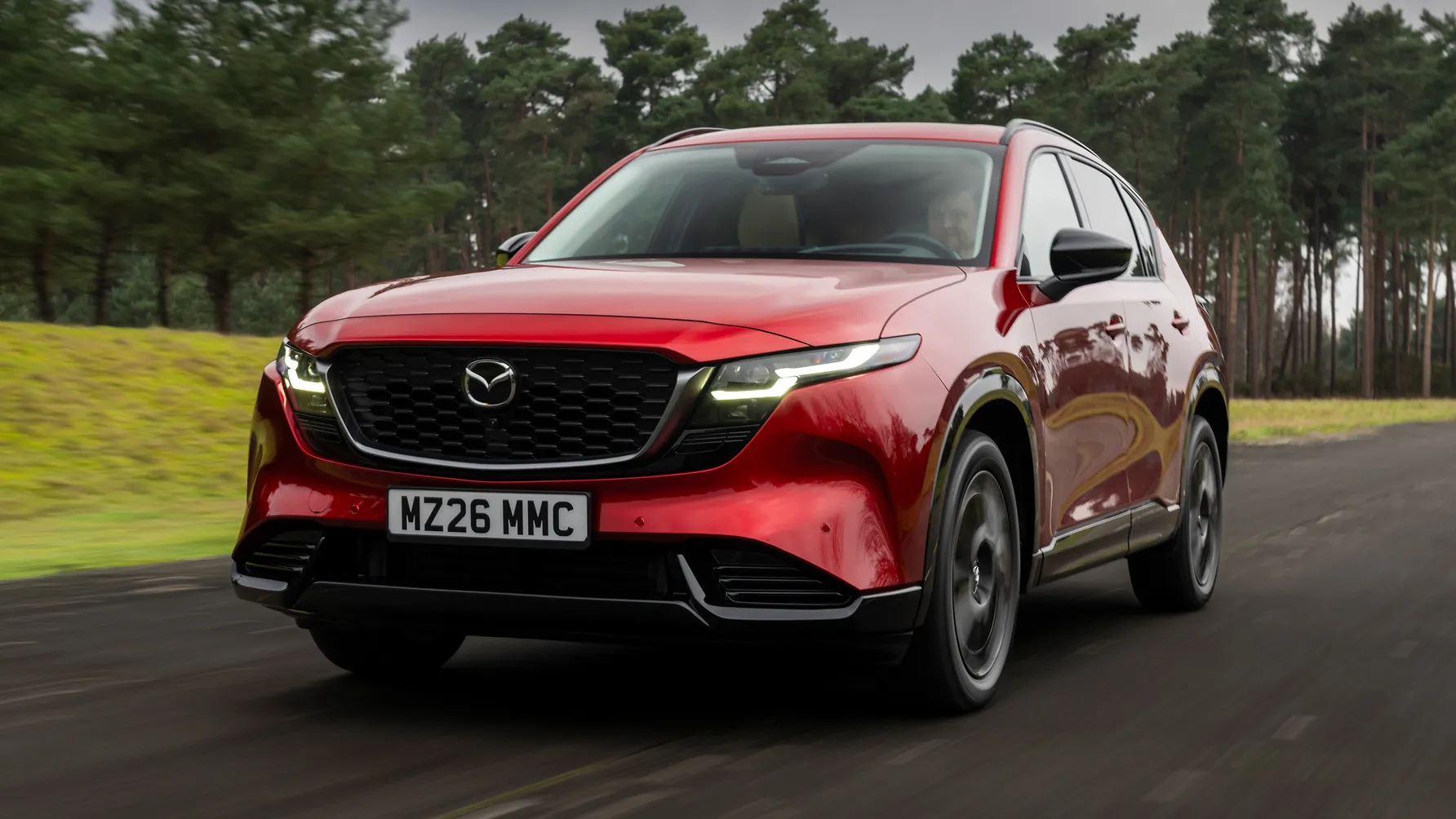
4. Mazda CX-5
The Mazda CX-5 offers a comfortable driving experience, attractive styling, and a well-designed interior. It is a suitable option for smaller families who want a vehicle that feels refined without moving into the expensive luxury SUV category.
Insurance rates can vary considerably between CX-5 model years and trims. Mainstream versions may have competitive premiums, while higher-priced configurations can carry different repair and replacement costs. Obtaining a quotation before choosing a trim is therefore important.
Mazda includes several driver assistance technologies across its recent vehicle lineup. Depending on the model year, available equipment can include automatic emergency braking, blind-spot monitoring, rear cross-traffic alerts, and lane departure warning.
The interior is a major attraction. Its materials, seating comfort, and dashboard arrangement create a pleasant environment for daily transportation. Parents can appreciate the straightforward controls and comfortable driving position during school runs and longer family journeys.
The rear seating area is suitable for children and average-sized adults, although it may feel less spacious than some competing compact SUVs. Families who regularly install multiple child safety seats should check the rear-seat arrangement before making a purchase.
Cargo capacity is practical for everyday household requirements. The rear compartment can accommodate groceries, small suitcases, and recreational equipment. Folding the rear seats provides additional storage room when transporting larger belongings.
For families comparing the CX-5 with a minivan, the biggest advantage may be its combination of manageable dimensions, comfortable driving characteristics, and potentially competitive insurance expenses. Actual savings depend on the driver’s circumstances and the selected coverage.
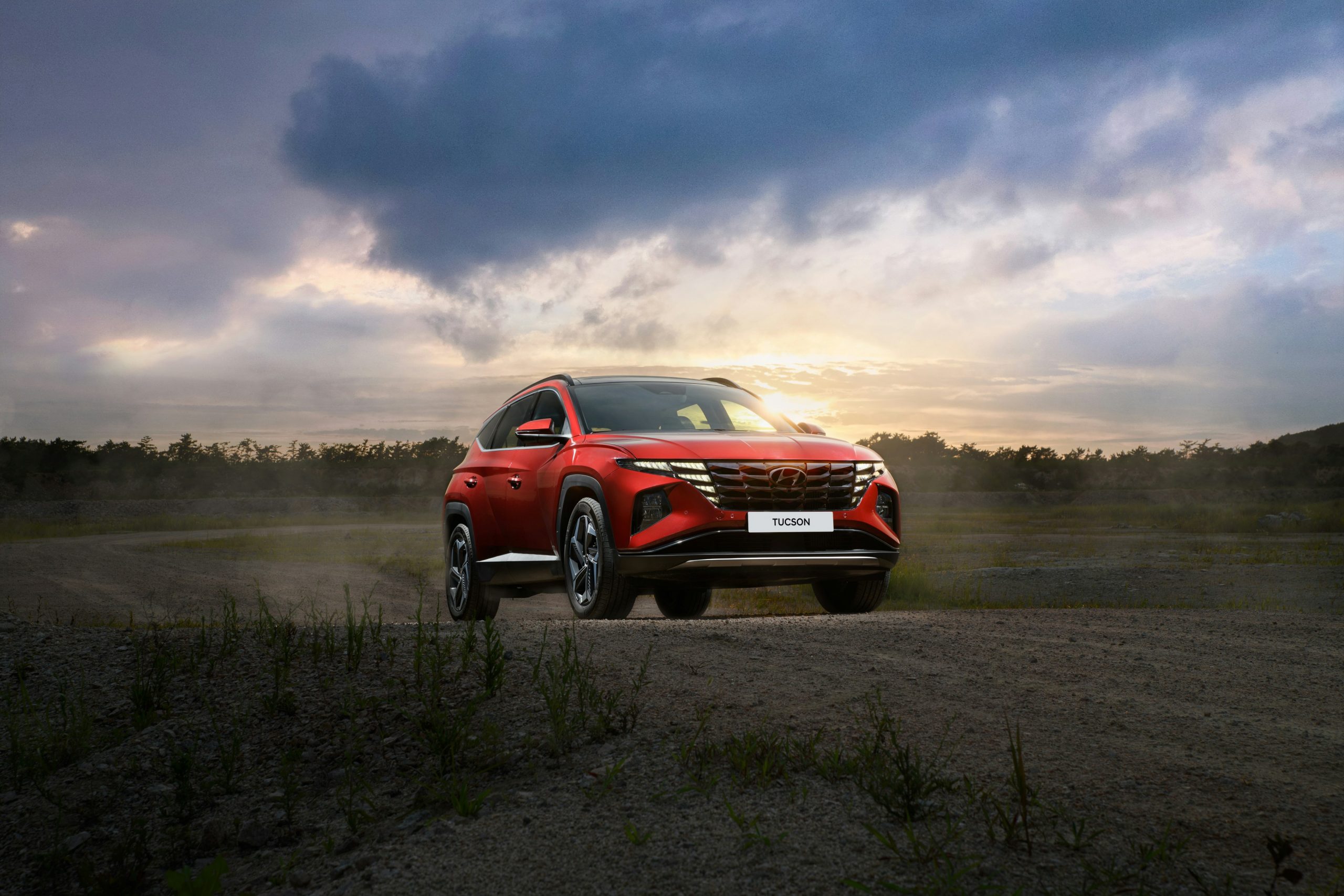
5. Hyundai Tucson
The Hyundai Tucson is a family-friendly compact SUV with a spacious cabin, modern technology, and several available powertrain choices. Its practical design makes it suitable for households that need more versatility than a small passenger car can provide.
Insurance costs for the Tucson vary according to the model year, trim, location, and insurer. Some versions may receive competitive quotations, while others could cost more because of repair expenses, theft history, or replacement component availability.
Recent Tucson models offer Hyundai SmartSense safety technologies. Depending on the configuration, these systems can include forward collision avoidance assistance, lane keeping assistance, driver attention warning, and blind-spot monitoring.
The cabin offers generous passenger space for a compact SUV. Families can use the rear seats for children or adult passengers, while the available storage compartments help keep smaller household items organized.
The Tucson also provides a useful cargo area for daily errands and weekend travel. Its rear seats can fold to create additional space, allowing owners to carry larger bags, recreational equipment, and household purchases.
Hybrid and plug-in hybrid versions provide alternatives for families interested in improved fuel efficiency. However, buyers should remember that different powertrains can have different insurance costs. The most affordable option should be determined through individual quotations.
Hyundai’s warranty coverage may also help reduce certain ownership concerns, subject to the applicable terms and conditions. Insurance and warranty protection serve different purposes, so families should understand what each policy covers before purchasing.
The Tucson is worth comparing against popular minivans because it offers a balance of passenger comfort, modern equipment, and everyday practicality. Its insurance advantage, if any, should be confirmed using actual quotations.
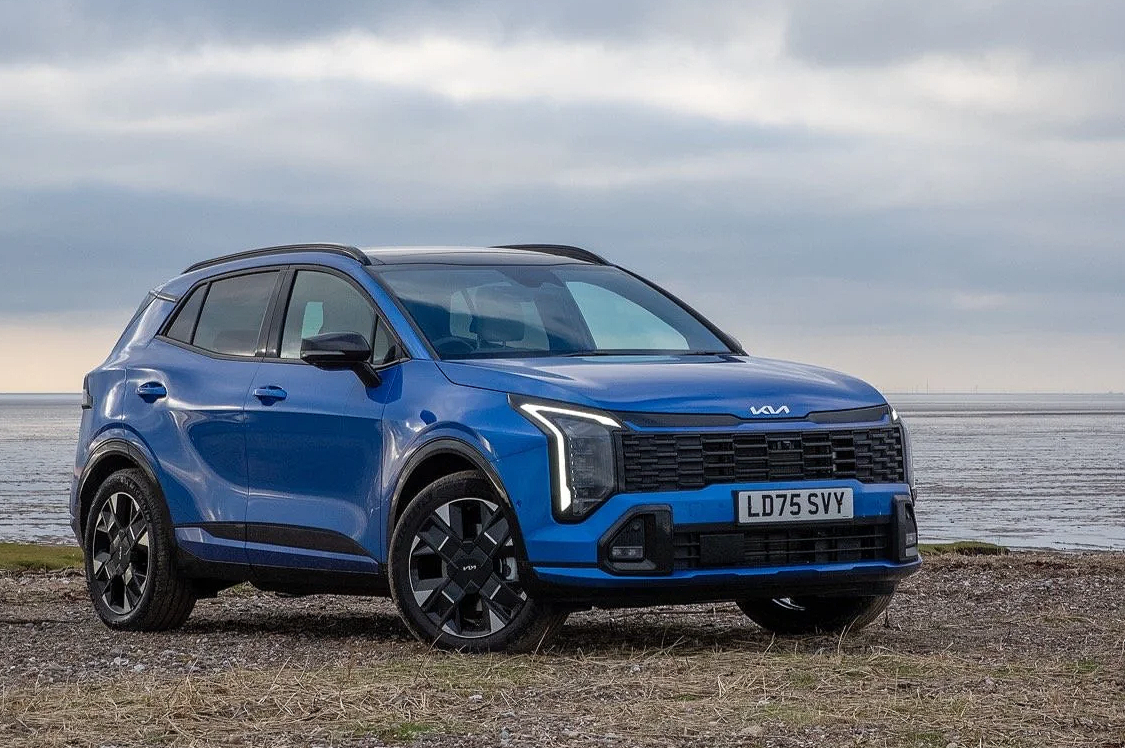
6. Kia Sportage
The Kia Sportage combines modern styling with a practical interior and useful family-oriented features. It is a suitable option for buyers who want a compact SUV with comfortable passenger accommodation and several available technology packages.
Insurance premiums depend on the selected Sportage version and the driver’s insurance profile. Some insurers may offer competitive rates, while others may charge more depending on vehicle theft trends, repair costs, and claims experience.
Recent Sportage models offer a range of driver assistance technologies. Depending on the trim, features can include forward collision avoidance, lane following assistance, blind-spot collision warning, and rear parking assistance.
Passenger comfort is a strong point. The cabin offers useful rear-seat space, convenient storage areas, and a modern dashboard layout. Families can comfortably use the vehicle for regular commuting, school transportation, and short road trips.
The cargo compartment provides sufficient room for many everyday needs. Parents can carry groceries, school bags, strollers, and travel accessories without needing the larger storage capacity of a minivan.
Sportage hybrid versions are also available in certain markets and model years. These configurations can help reduce fuel expenses, particularly for drivers who spend considerable time in urban traffic. Insurance costs should be checked separately for each powertrain.
Repair expenses are an important part of the comparison. Before choosing a Sportage, ask insurers how much comprehensive and collision coverage would cost. Also check whether the vehicle’s specific safety and anti-theft equipment qualifies for any available discounts.
For families looking for an alternative to a minivan, the Sportage offers a useful mix of interior space, modern technology, and everyday comfort. Its appeal grows when buyers factor in the purchase price, fuel economy, maintenance expenses, and insurance costs.
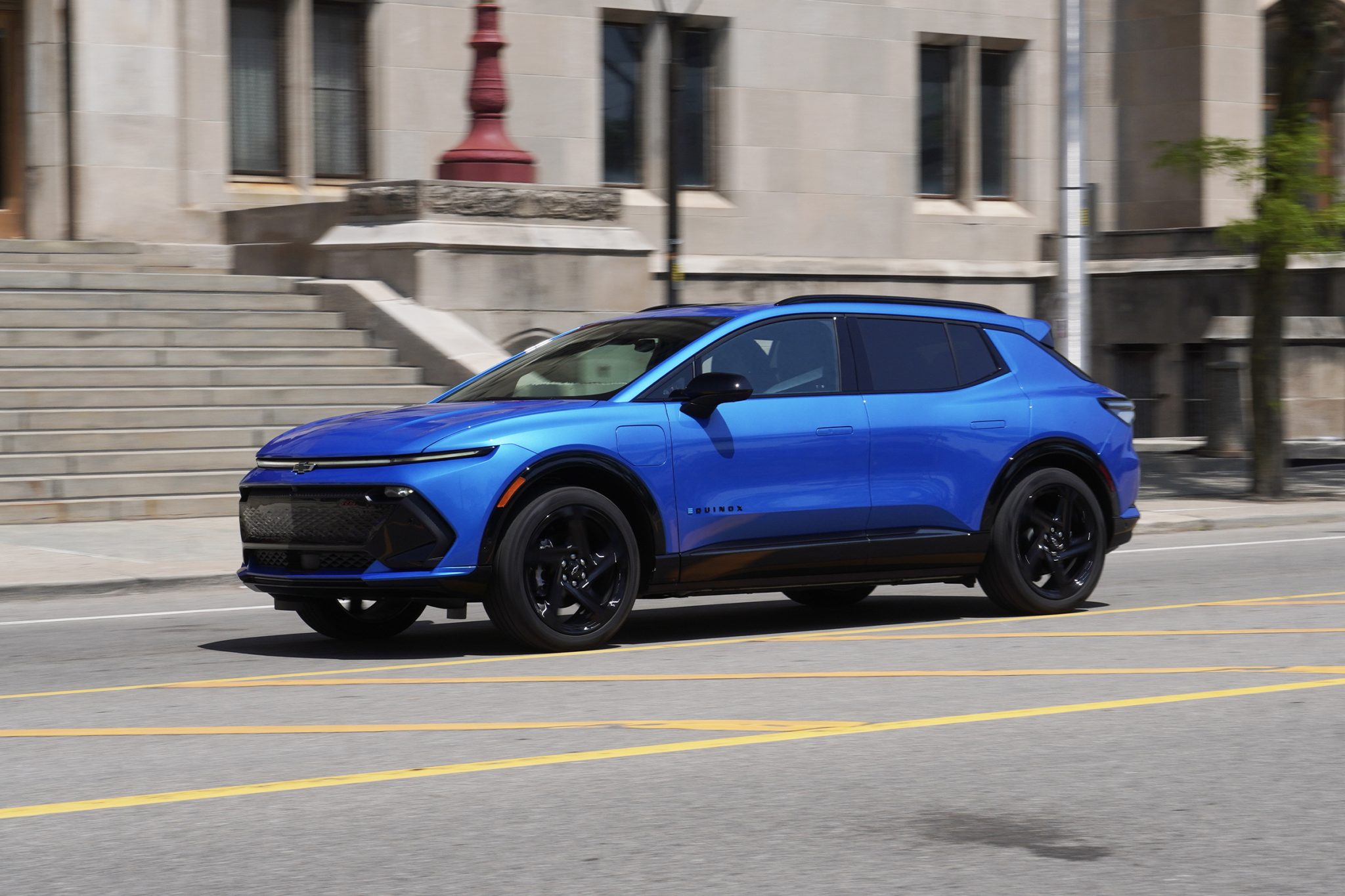
7. Chevrolet Equinox
The Chevrolet Equinox is a practical compact SUV designed for households that need comfortable transportation without purchasing a full-size vehicle. Its manageable dimensions make it suitable for daily commuting, school transportation, and regular shopping trips.
Insurance costs can be competitive for some Equinox configurations, particularly when compared with more expensive vehicles. However, premiums differ according to the model year, repair costs, local accident statistics, and the driver’s previous insurance record.
Depending on the model year and trim, the Equinox offers safety equipment such as automatic emergency braking, lane-keeping assistance, forward collision alerts, and following distance indicators. Buyers should check which features are standard and which require additional equipment.
The interior focuses on everyday usability. Families receive comfortable seating, practical storage spaces, and convenient access to essential controls. The cabin layout is designed to make routine journeys straightforward for drivers and passengers.
Cargo space is suitable for ordinary household requirements. The rear compartment can accommodate shopping bags, backpacks, and smaller travel items. Folding the rear seats creates more room for bulky belongings when necessary.
The Equinox also provides a relatively approachable driving experience. Its size makes parking and maneuvering easier than handling many larger SUVs, particularly in crowded shopping centers and residential areas.
Maintenance and repair expenses should be included in the ownership calculation. Buyers should check local service availability, replacement component pricing, and the vehicle’s warranty coverage before choosing a particular model year.
When compared with a minivan, the Equinox may offer lower insurance costs for certain households. However, families should not assume that every version is cheaper. Comparing quotations for equivalent coverage is the most reliable way to establish potential savings.
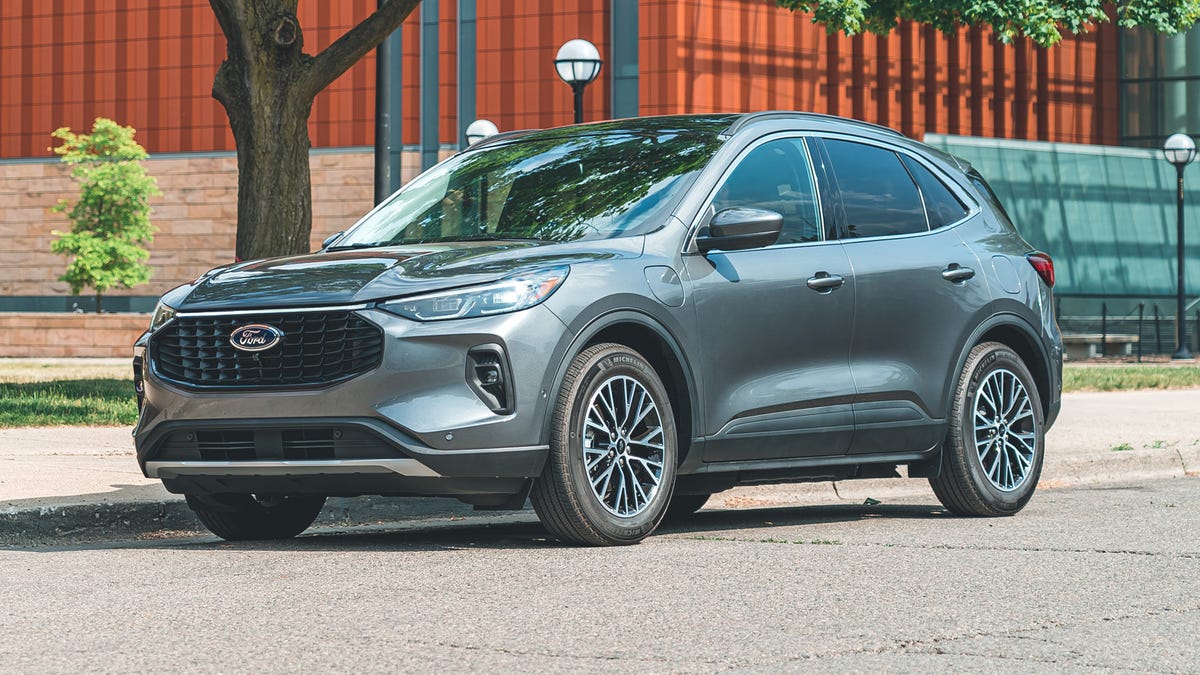
8. Ford Escape
The Ford Escape is a versatile compact SUV that offers families several powertrain choices and a comfortable interior. Its relatively compact exterior makes it practical for everyday use, particularly for households that frequently travel through busy urban areas.
Insurance costs depend on the Escape’s model year, engine configuration, trim level, and driver information. Mainstream versions may produce competitive quotations, but insurers can assess hybrid and gasoline models differently.
Recent Escape models offer Ford Co-Pilot360 driver assistance technologies, depending on the selected configuration. Available features can include automatic emergency braking, blind-spot monitoring, lane-keeping assistance, and rear-view camera systems.
The passenger cabin provides comfortable seating and useful storage options. Families can use the rear seating area for children, teenagers, and adult passengers. The flexible interior arrangement also makes it easier to accommodate different household transportation needs.
Hybrid versions are an attractive choice for drivers interested in improving fuel economy. These models can be especially useful for households with frequent city commutes. However, the purchase price and insurance premium should be compared against the expected fuel savings.
Cargo flexibility adds to the Escape’s practical appeal. The rear storage area can handle everyday shopping, luggage, and recreational equipment. Depending on the model year, adjustable seating arrangements can help owners make better use of the available interior space.
Buyers should pay attention to repair expenses and insurance coverage requirements. A lower initial quotation does not necessarily mean lower long-term ownership costs if deductibles, exclusions, or repair expenses are significantly different.
The Ford Escape is worth including in a family SUV insurance comparison because of its practical size, available safety features, and powertrain options. Its final ownership value depends on the exact vehicle and the insurance package selected.
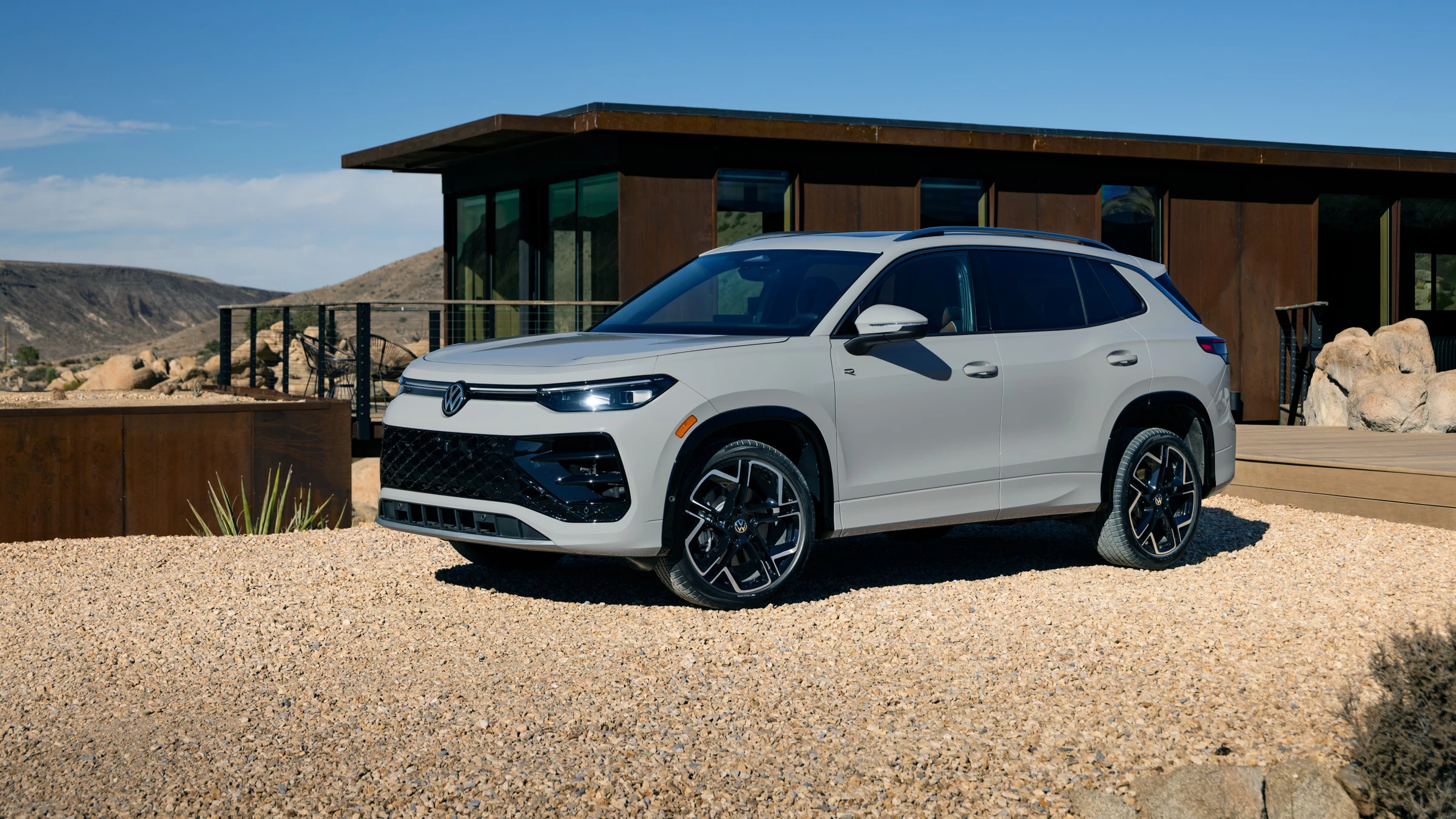
9. Volkswagen Tiguan
The Volkswagen Tiguan is a family-oriented SUV that combines a comfortable cabin with European styling and practical everyday features. Certain versions offer additional seating capacity, making it an interesting option for households that occasionally need room for more passengers.
Insurance premiums vary according to the Tiguan’s engine, trim, model year, and location. European-brand vehicles can sometimes involve higher repair expenses because of parts pricing and specialized servicing requirements. Buyers should compare actual insurance quotations rather than assuming the vehicle will be inexpensive to insure.
Recent Tiguan models offer several safety and driver assistance technologies. Depending on the configuration, these can include forward collision warning, automatic emergency braking, adaptive cruise control, and lane assistance systems.
The cabin provides a comfortable environment for family transportation. Its seating arrangement, dashboard design, and available convenience features make regular journeys more pleasant. Families should inspect the specific model’s seating configuration before purchasing.
Cargo capacity is useful for ordinary travel requirements. The luggage compartment can accommodate groceries, suitcases, and everyday family equipment. Folding the rear seats provides additional space for larger items.
The Tiguan’s driving characteristics may appeal to parents who want a composed ride and responsive handling. Its relatively refined interior also gives it an advantage for families who spend considerable time commuting or traveling between cities.
Maintenance costs deserve particular attention. Buyers should check the availability of authorized service centers, replacement parts, and extended warranty options. These expenses can influence the total ownership budget independently of insurance.
The Tiguan can be included in a comparison with family minivans, but its insurance premium may not always be lower. Families should evaluate its passenger capacity, maintenance expenses, and actual insurance quotation before deciding whether it represents good value.