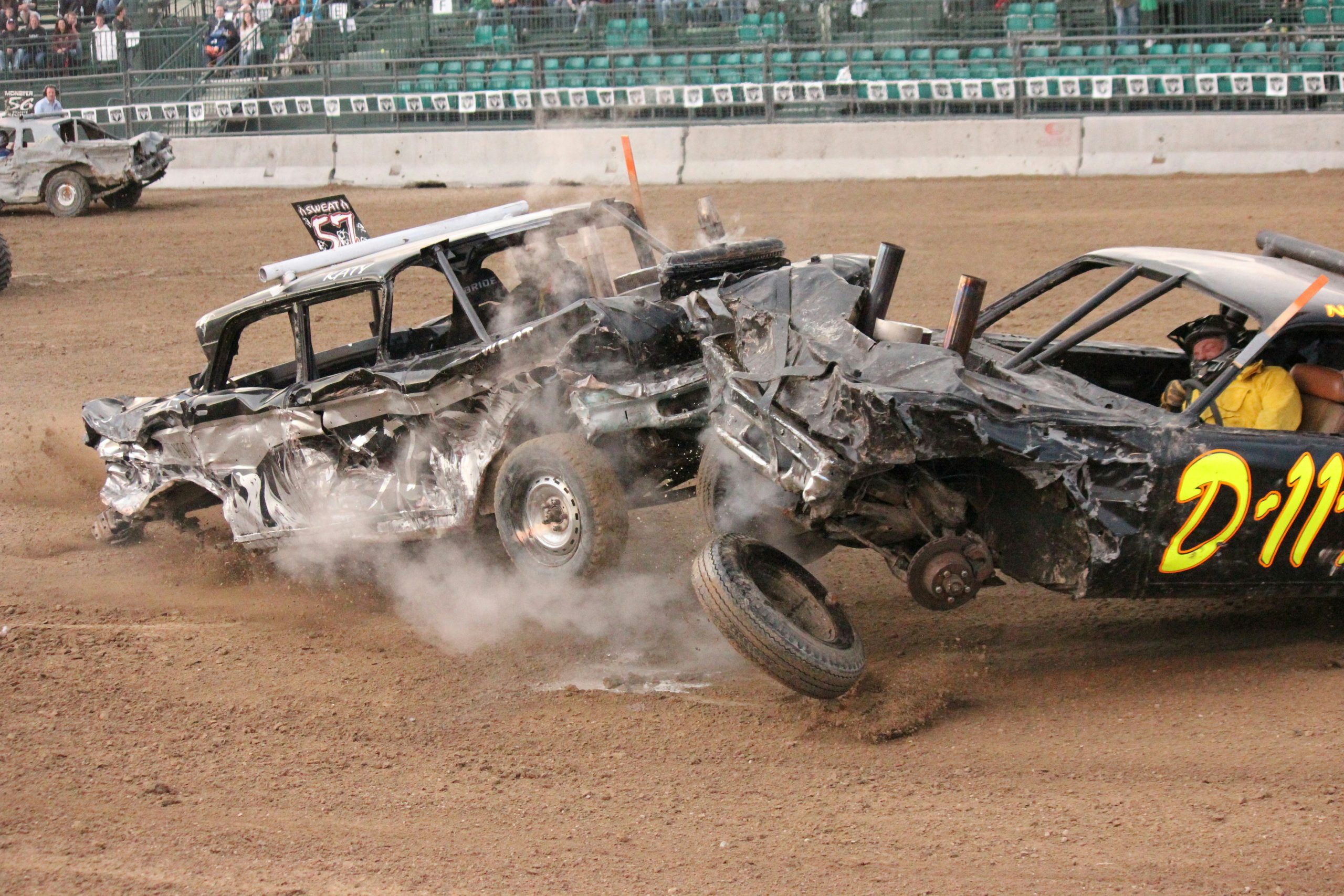
Buying a used car can be a smart financial decision, but hidden accident damage can turn an affordable purchase into an expensive problem. Some vehicles look clean and well-maintained because previous owners have repaired visible damage after serious collisions.
However, signs of major crash repairs often remain in the paintwork, body panels, frame, engine bay, and interior. Knowing what to look for can help buyers avoid unsafe vehicles and unexpected repair expenses.
From uneven panel gaps to unusual airbag warning lights, several clues can reveal a car’s accident history before money changes hands. Careful inspection is essential before purchasing any used vehicle.
1. Uneven Gaps Between Body Panels
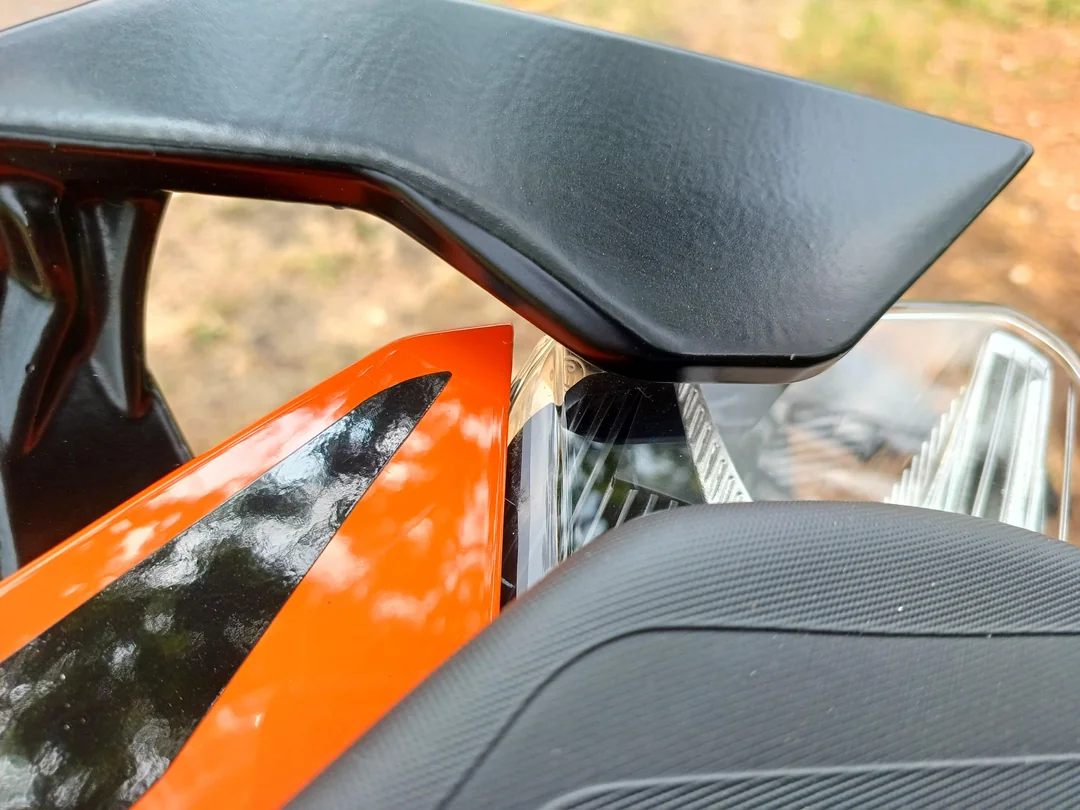
Uneven gaps between body panels are among the first signs that a used car may have undergone significant accident repairs. Vehicle manufacturers design cars with consistent spacing between doors, fenders, bumpers, and the hood. When these gaps appear wider in certain areas or look noticeably different from one side to the other, previous collision damage may be responsible.
A major crash can push body panels out of their original positions. Repair technicians may straighten or replace damaged sections, but achieving factory-level alignment is not always possible. Even small differences can remain visible after the repair work has been completed.
Pay close attention to the spaces around the hood, front fenders, doors, trunk, and bumpers. Compare the left and right sides of the vehicle. If the gap between the hood and one fender is noticeably wider than the opposite side, the car may have experienced front-end damage.
Door alignment also deserves attention. Open and close each door several times to check whether it moves smoothly. A door that requires extra force, rubs against the surrounding bodywork, or does not close properly may indicate structural movement or poor-quality repair work.
Inspect the trunk and boot area carefully as well. Uneven spacing around the rear lid can suggest that the vehicle suffered a rear-end collision. Previous repairs may have involved the rear quarter panels, boot floor, bumper supports, or other structural components.
Freshly adjusted panels do not automatically mean the vehicle has been involved in a serious accident. Normal wear, minor parking damage, and previous cosmetic work can also affect alignment. However, several inconsistent gaps across the same section deserve further investigation.
If you notice uneven panel spacing, ask the seller whether the affected area has been repaired or replaced. A professional body shop can assess whether the panels have been installed correctly and whether the underlying mounting points or structural sections have sustained damage.
2. Different Paint Shades or Unusual Paint Texture
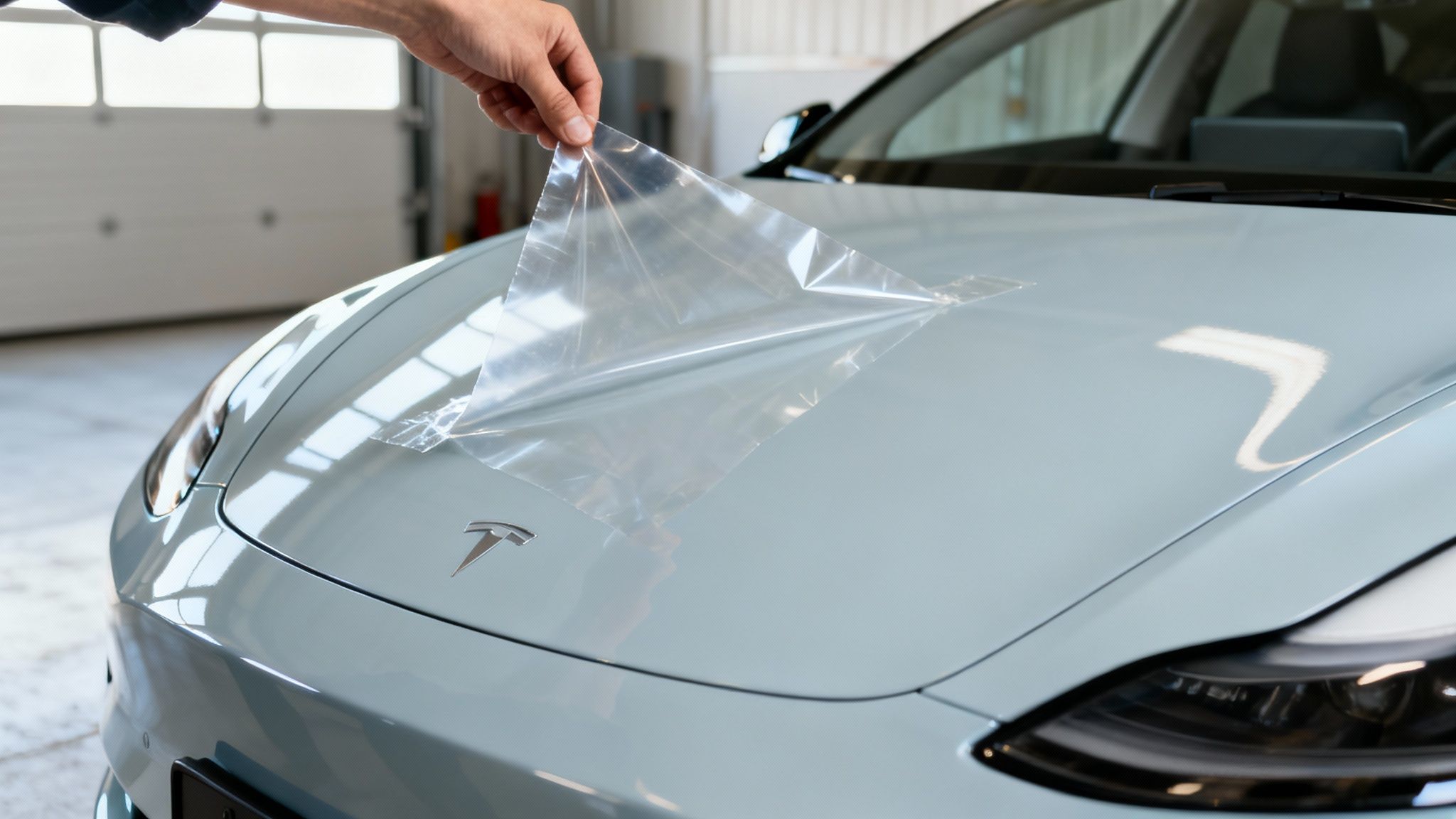
Paint inconsistencies can provide valuable clues about a vehicle’s accident history. When a car receives major collision repairs, damaged panels are often repainted to match the original factory finish. However, differences in paint color, texture, and shine can remain visible under suitable lighting.
Walk around the vehicle in natural daylight and examine each panel from different angles. Look for sections that appear slightly darker, lighter, more yellow, or less glossy than surrounding areas. These differences may indicate that a particular panel was repainted after an accident.
Pay special attention to the doors, front fenders, hood, rear quarter panels, and bumpers. These areas frequently receive damage during collisions. If a single panel has a noticeably different finish, ask the seller whether it has undergone repainting or replacement.
Paint texture is equally important. Factory paint usually has a consistent appearance across the vehicle. Repainted sections may display an orange-peel texture, excessive gloss, uneven coverage, or visible sanding marks. Poor preparation can also leave small imperfections beneath the clear coat.
Check the edges of the doors, hood, and trunk. Repainting can sometimes leave overspray on rubber seals, plastic trim, window edges, and nearby components. Small paint particles on these surfaces may suggest that the vehicle was painted without proper masking.
A paint thickness gauge can provide additional information during a professional inspection. The instrument measures the thickness of paint and related coatings on metal panels. Unusually high readings compared with neighboring panels may indicate previous bodywork, filler application, or repainting.
However, repainting does not always mean a major crash occurred. Owners may repaint panels because of scratches, fading, dents, or minor parking incidents. The important consideration is whether the paintwork is consistent with the seller’s explanation and the vehicle’s documented history.
If multiple panels show different paint shades, overspray, or unusual thickness readings, arrange a detailed inspection. A qualified technician can determine whether the paintwork is purely cosmetic or connected to more extensive collision repairs.
3. Visible Welding Marks or Frame Damage
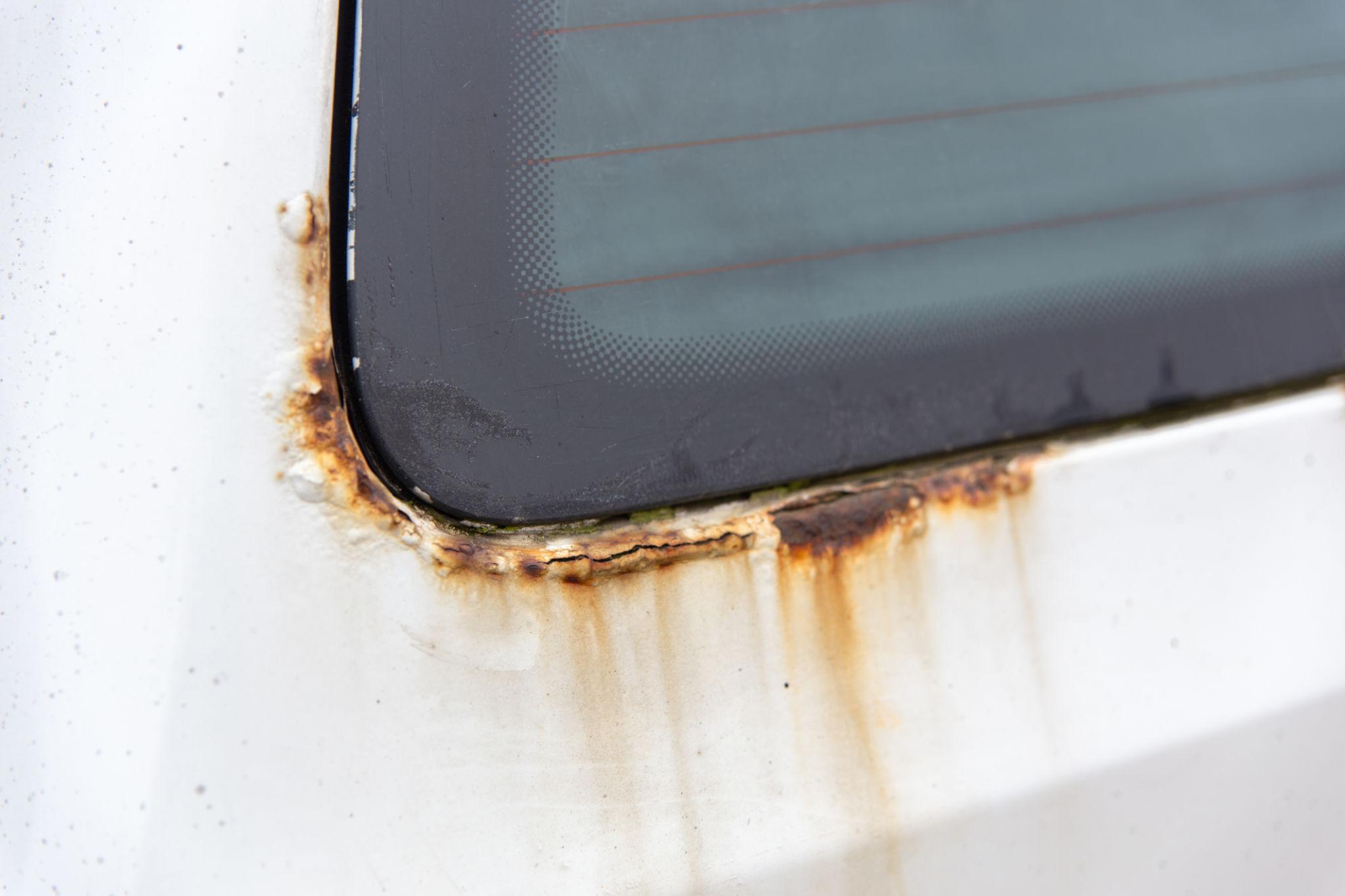
The vehicle’s frame and structural components provide strength and help maintain passenger safety during an accident. Serious collisions can bend, crack, or deform these areas. If repairs are performed incorrectly, visible welding marks or irregular metal surfaces may remain after the work is completed.
Start by examining accessible structural sections beneath the hood and around the engine compartment. Look for unusual welds, rough metal edges, inconsistent seams, or areas that appear different from the corresponding sections on the opposite side. These details may indicate previous structural repairs.
Factory welding generally follows consistent patterns and finishes. Repair welding may look different because technicians use various tools and methods to replace or reconnect damaged metal sections. Uneven weld beads, excessive grinding, and unusual joining points deserve professional attention.
The front frame rails are particularly important because they help manage forces during frontal collisions. Significant deformation in this area can affect suspension mounting points, engine positioning, and the vehicle’s ability to respond properly in another crash.
Rear structural sections also require careful examination. A serious rear-end collision may damage the rear frame rails, boot floor, spare wheel well, and mounting areas. Repairs in these locations can sometimes be identified through irregular seams, fresh coatings, or distorted metal.
Not every visible weld indicates poor workmanship. Some manufacturers use factory welding in several locations, and legitimate collision repairs may involve replacing damaged structural sections. The key is determining whether the repair followed the manufacturer’s approved procedures.
Buyers should avoid making structural safety decisions based only on visual observations. A qualified collision repair specialist can inspect the frame using appropriate measuring equipment and determine whether important dimensions remain within manufacturer specifications.
If the frame has been repaired, request detailed documentation showing which sections were replaced, how the work was completed, and whether structural measurements were checked. Proper documentation helps buyers understand the extent of previous damage and assess whether the vehicle is suitable for purchase.
4. Airbag Warning Lights or Signs of Airbag Replacement
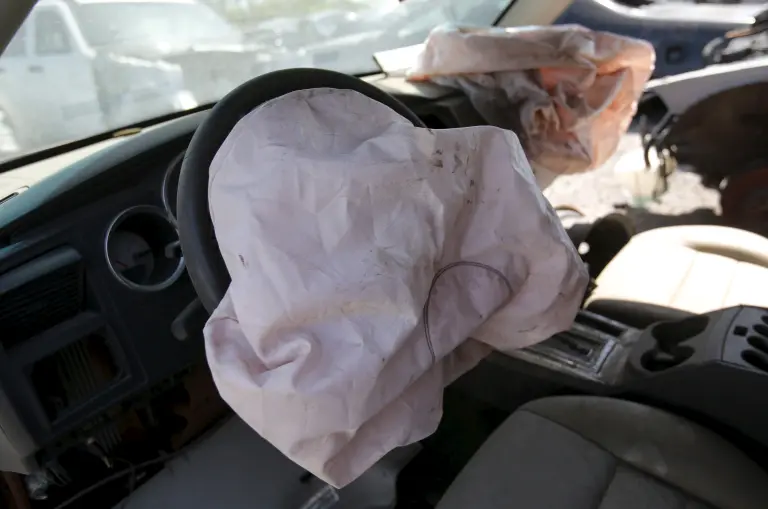
Airbags are critical safety components designed to protect occupants during certain types of collisions. When a vehicle experiences a serious crash, its airbags may deploy depending on the direction and severity of the impact. Replacing deployed airbags and restoring the associated safety systems is an important part of proper accident repair.
Start by checking the airbag warning light on the dashboard. When the ignition is switched on, the warning light should generally illuminate briefly as part of the system’s self-check. It should then turn off if the system detects no faults.
A warning light that remains illuminated may indicate a problem with the airbag system. Possible causes include damaged sensors, wiring faults, faulty components, or incomplete repairs following an earlier collision. The issue requires professional diagnosis.
Be cautious if the airbag warning light never appears during the ignition self-check. In some cases, the warning light or its circuit may have been altered to hide an existing problem. A diagnostic inspection can help identify such faults.
Examine the steering wheel and dashboard for signs of replacement or unusual repair work. Freshly fitted trim, inconsistent material textures, uneven panel spacing, or unusual stitching may indicate that components were removed or replaced after airbag deployment.
Seatbelts should also receive attention. Some vehicles have seatbelt pretensioners that activate during certain collisions. After activation, these components may require replacement. Frayed webbing, damaged buckles, unusual resistance, or replacement labels deserve further inspection.
A professional diagnostic scan can reveal stored fault codes and problems involving the supplemental restraint system. However, a basic scan alone cannot guarantee that every airbag component is genuine, correctly installed, and functional.
Never purchase a vehicle with an unresolved airbag warning without obtaining a proper assessment. Ask for invoices and repair records showing that deployed airbags, pretensioners, sensors, and related components were restored according to manufacturer requirements.
5. Misaligned Headlights and Damaged Front-End Components
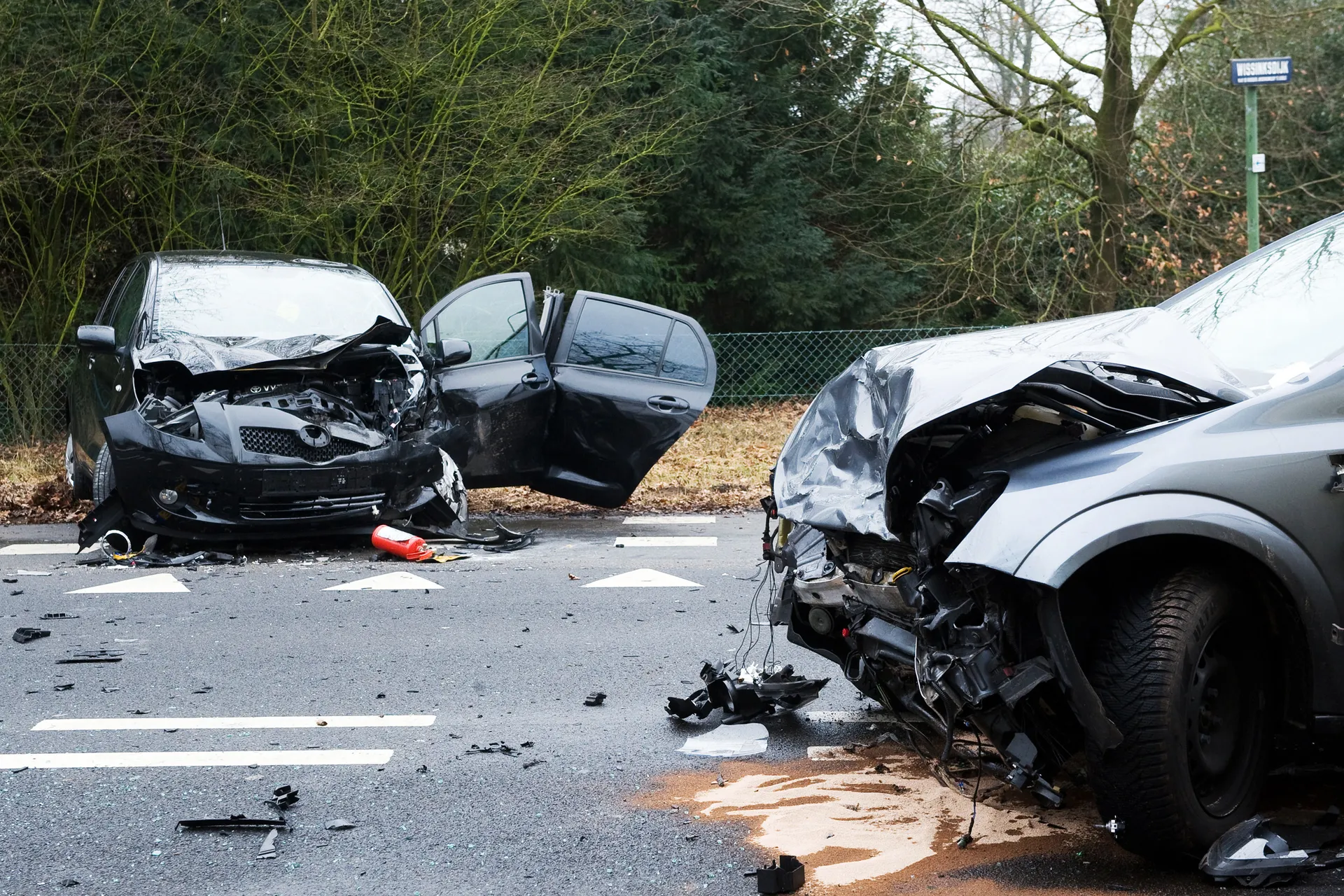
The front section of a car contains several important components, including headlights, radiator supports, bumper reinforcement, cooling equipment, and structural mounting points. A major frontal collision can damage multiple parts, even when the exterior appearance has been restored.
Begin by comparing both headlights. Their position, angle, and spacing should generally appear consistent. If one headlight sits higher, protrudes further, or appears tilted, previous front-end damage or incorrect installation may be responsible.
Different headlight manufacturers or production dates can also provide clues. If one headlight looks significantly newer than the other, it may have been replaced after an accident. Check the component labels and manufacturing dates where accessible.
Inspect the front bumper carefully. Look for uneven spacing, loose mounting points, inconsistent paintwork, or gaps around the grille. A bumper that does not sit correctly may indicate damaged brackets or previous repairs to the surrounding structure.
Open the hood and examine the radiator support area. This section helps secure important front-end components. Signs such as irregular metalwork, replacement fasteners, fresh paint, and unusual welds may indicate that the vehicle experienced an impact.
Check the radiator, condenser, cooling fans, and nearby mounting brackets for damage or replacement. A strong frontal collision can affect these components and may lead to cooling problems if repairs were not completed correctly.
Headlight performance should also be tested. Turn on the low beams, high beams, indicators, and other exterior lights. Improperly positioned headlights can reduce nighttime visibility and create safety risks for the driver and other road users.
A qualified mechanic or collision specialist can inspect the front-end structure and confirm whether replacement components have been installed correctly. This is particularly important when several front-end parts show evidence of previous work.
6. Unusual Tire Wear and Vehicle Alignment Problems
A vehicle’s suspension and wheel alignment can suffer significant damage during a major collision. Even after the exterior bodywork has been repaired, underlying suspension problems may remain. Uneven tire wear, steering difficulties, and unusual driving behavior can help reveal these issues.
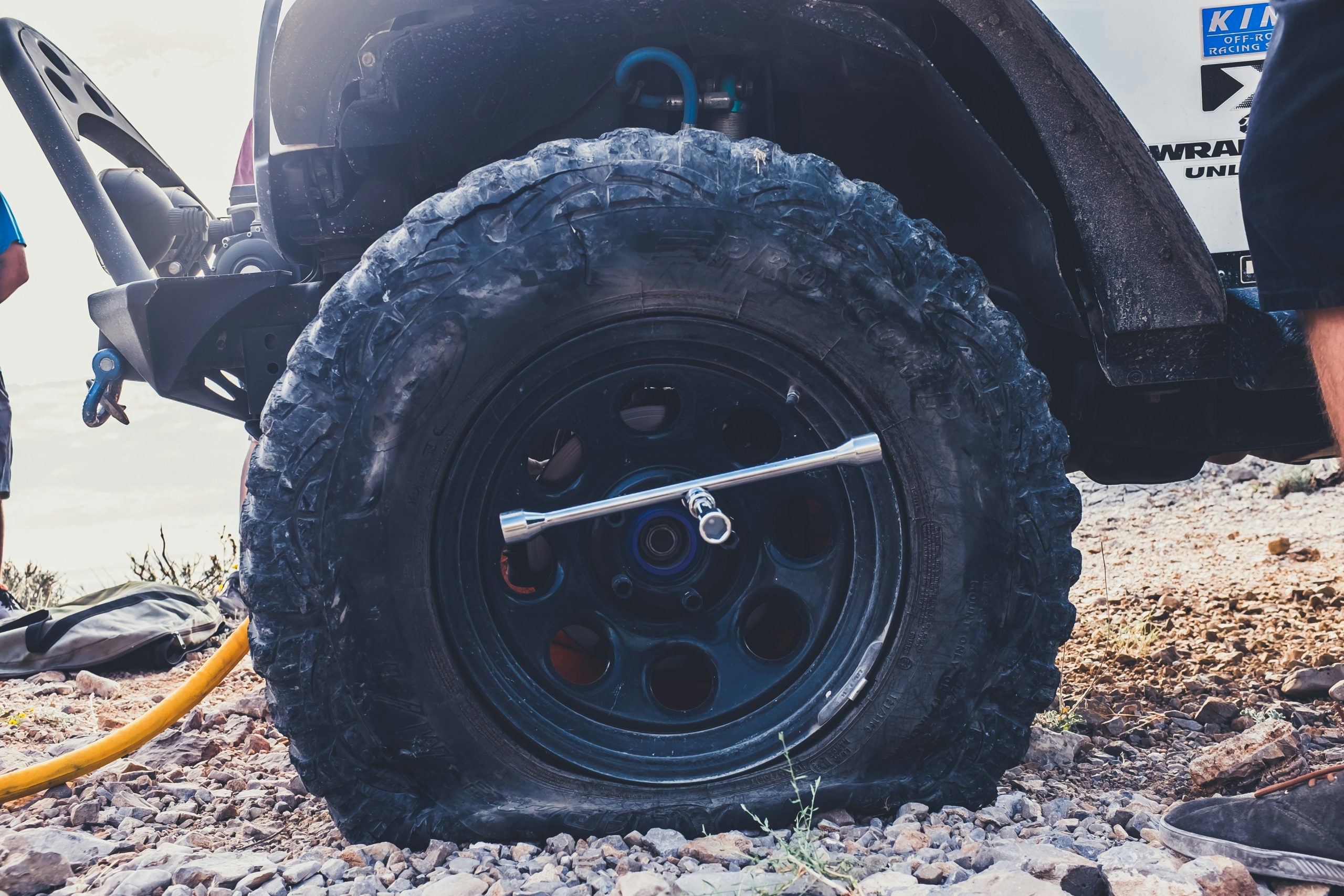
Start by inspecting all four tires. Look for differences in tread depth, unusual wear patterns, and excessive wear along the inner or outer edges. These conditions can result from incorrect alignment or damaged suspension components.
Compare the front tires with each other and the rear tires with each other. If one tire shows considerably more wear than its opposite counterpart, investigate the cause. A replacement tire may explain some differences, but suspension damage should not be ignored.
During a test drive, pay attention to how the steering wheel behaves. A car that consistently pulls toward one side on a reasonably level road may have alignment problems, tire issues, brake faults, or suspension damage.
Also notice whether the steering wheel remains centered when driving straight. If it sits at an unusual angle, the vehicle may require wheel alignment or further mechanical inspection. Previous collision damage can affect the geometry of suspension mounting points.
Listen for unusual sounds when driving over speed breakers or uneven roads. Clunking, knocking, or rattling noises may indicate worn or damaged suspension components, loose mounting hardware, or improperly installed replacement parts.
A professional wheel alignment report can provide useful information about the vehicle’s condition. Measurements outside the manufacturer’s specifications may indicate bent suspension components or structural problems that ordinary visual inspections cannot identify.
Before purchasing the vehicle, ask a mechanic to inspect the control arms, steering components, wheel hubs, struts, and suspension mounting points. Correcting alignment alone may not solve problems caused by deeper structural damage.
7. Water Leaks, Moisture, or Unusual Smells Inside the Cabin
A major collision can damage window seals, door frames, roof sections, and other areas that protect the passenger cabin from outside elements. If these components are not repaired properly, water can enter the vehicle and create problems long after the accident.
Check the carpets and floor mats for dampness. Lift removable mats and inspect the carpet edges where possible. Moisture beneath the flooring may indicate damaged door seals, blocked drainage channels, or previous body repairs.
Pay attention to unusual smells inside the cabin. A persistent musty odor may suggest water accumulation, mold growth, or damp insulation. Strong air fresheners can sometimes make these problems harder to notice during a brief inspection.
Inspect the headliner, particularly around the roof edges and windshield. Water stains, discoloration, sagging fabric, or damaged trim may indicate leaks. These problems can sometimes occur after roof damage or windshield replacement.
The boot area deserves equal attention. Remove the floor covering if possible and inspect the spare wheel compartment. Rust, water stains, damp carpeting, or unusual sealant may indicate water entering through damaged rear bodywork.
Examine door seals and window edges for signs of replacement or poor installation. Damaged seals can allow rainwater and outside air into the cabin. Inadequate sealing may also produce wind noise while driving at higher speeds.
Electronic components should be checked carefully if moisture is present. Water can damage wiring connectors, sensors, control modules, and other electrical equipment. Problems may appear gradually rather than immediately after the original accident.
Ask a professional to identify the source of any moisture and determine whether it relates to previous collision damage. A simple leak repair may be sufficient in some cases, but corrosion and electrical damage can require more extensive work.
8. Missing, Replaced, or Inconsistent Interior Components
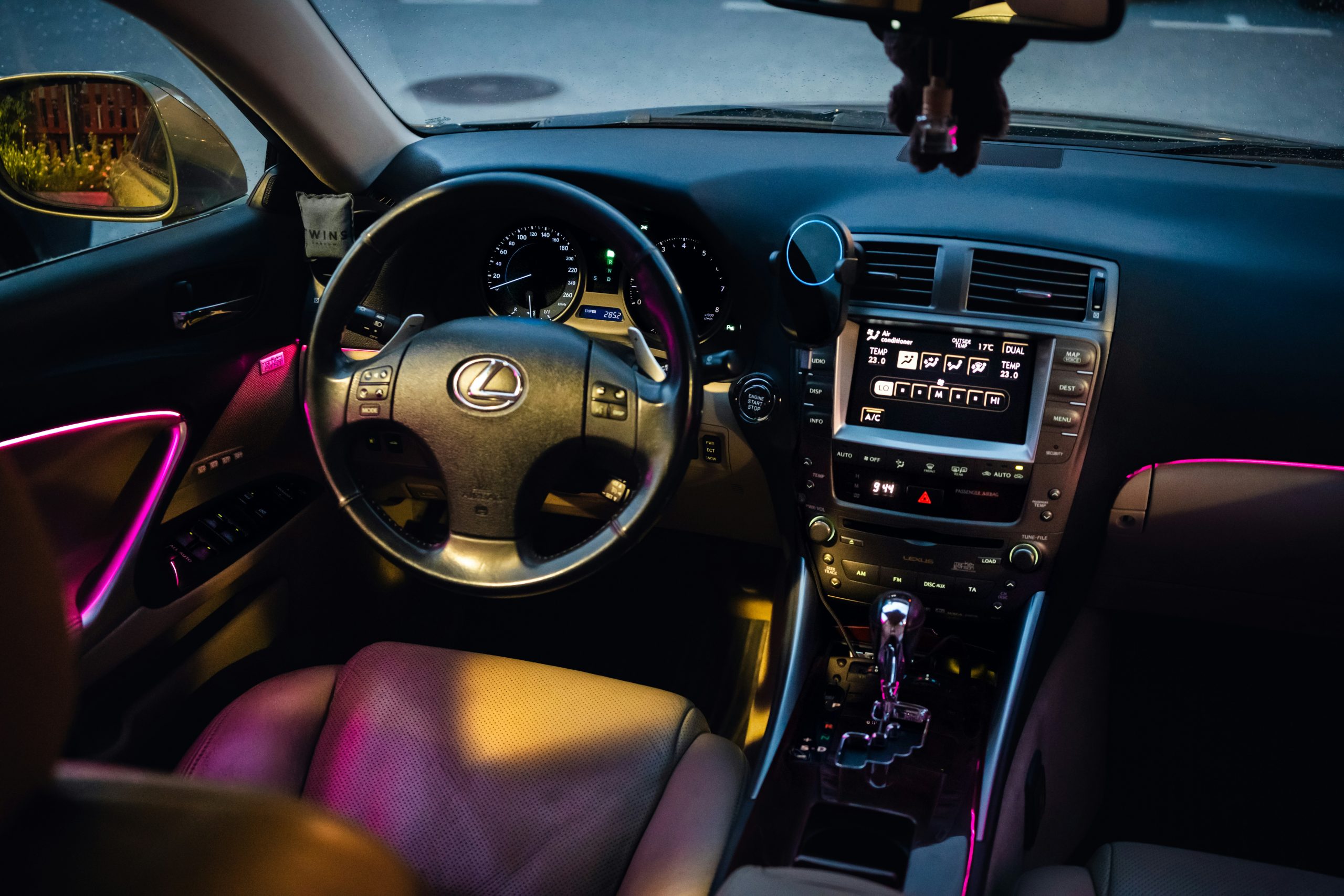
The interior can reveal signs of previous collision repairs that are not immediately visible from outside the vehicle. Major accidents may damage steering wheels, dashboards, seats, door panels, seatbelts, and interior safety equipment. Replacement components can sometimes look different from the original factory materials.
Begin by checking the dashboard for inconsistent colors, textures, and fitting. If one section looks noticeably newer than surrounding areas, it may have been replaced following damage. Look for unusual gaps and trim pieces that do not sit properly.
Examine the steering wheel carefully. A steering wheel that appears newer than the rest of the cabin may have been replaced after airbag deployment. Differences in stitching, material texture, and button condition can provide additional clues.
Inspect the seats and their mounting points. Damaged seat frames, unusual replacement bolts, loose fittings, or inconsistent upholstery may indicate previous repairs. A serious collision can affect seat structures and mounting systems, which play an important role in occupant protection.
Check the seatbelts for matching labels, smooth operation, and signs of replacement. The driver and passenger seatbelts should retract properly and lock when pulled sharply. Any visible damage or abnormal behavior should be assessed by a qualified technician.
Look closely at door panels and interior trim. Loose clips, broken mounting points, missing fasteners, and uneven fitting may indicate that these components were removed during previous repairs. Some of these signs can also result from ordinary wear.
Check the operation of electrical features, including power windows, central locking, seat adjustment, dashboard controls, and interior lights. Accident-related wiring damage can cause intermittent faults that may not appear during a short inspection.
Interior replacement does not automatically establish that a car suffered a major collision. Normal wear, customization, and isolated component failures can explain some changes. However, several unusual interior details combined with exterior repair signs deserve closer investigation.

9. Inconsistent Service Records and Vehicle History
A vehicle’s paperwork can reveal important information about its past. Physical inspection is useful, but repair invoices, insurance documents, service records, and previous inspection reports can provide a clearer picture of whether the car experienced a major collision.
Ask the seller for the original service history. Regular maintenance records should ideally include dates, mileage readings, workshop details, and descriptions of completed work. Missing records do not prove an accident occurred, but unexplained gaps deserve attention.
Look for invoices mentioning replacement of structural components, suspension parts, airbags, seatbelts, radiators, headlights, or multiple body panels. Such repairs may be perfectly legitimate, but understanding their reason is essential before purchasing the vehicle.
Compare the recorded mileage across different documents. Service invoices, inspection reports, insurance paperwork, and registration records should show a logical progression. Inconsistent mileage entries may indicate record errors, odometer manipulation, or incomplete documentation.
Check whether the seller can explain previous insurance claims. Significant collision repairs may have been handled through an insurance company, leaving records of damaged components and repair expenses. Availability of these documents depends on the insurer and local reporting practices.
A vehicle history report may also provide information about previous ownership, recorded accidents, title status, and insurance claims, depending on the country and available databases. In India, buyers can also check relevant registration details through official transport department services.
Do not rely entirely on online vehicle history reports. Not every accident is reported to insurance companies or recorded in accessible databases. Repairs completed privately may leave no easily searchable record, making a physical inspection equally important.
If the seller refuses to provide available documents or gives conflicting explanations about previous repairs, proceed carefully. Ask an independent mechanic to inspect the vehicle and verify its condition before making a payment or signing an agreement.