
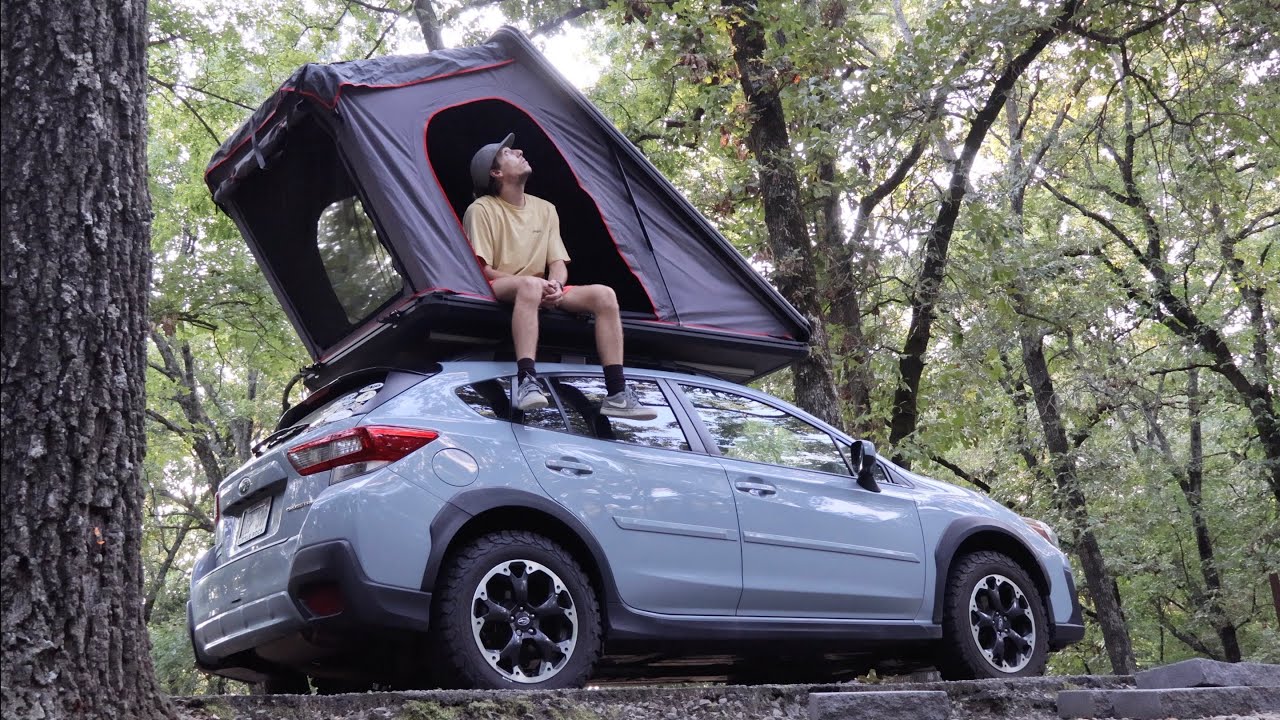
Subaru has built a strong reputation over the decades for producing vehicles that combine practicality, durability, and all-weather capability. Their unique approach to automotive engineering, highlighted by the use of all-wheel drive in nearly all models and their horizontally opposed “Boxer” engines, has set them apart in the automotive industry.
Many drivers seek Subarus specifically because they can deliver long-term reliability, capable performance in challenging conditions, and a strong sense of safety. For those considering a used or new Subaru, knowing which model years and generations stand out for reliability is crucial.
While no car is entirely without issues, certain Subaru models have consistently received praise from both consumers and automotive experts for their dependability, minimal major repairs, and longevity beyond 200,000 miles with proper maintenance.
Subaru has also managed to appeal to a variety of drivers, from outdoor enthusiasts who need vehicles that can handle rugged terrain, to families who want practical and safe transportation, and even car enthusiasts who appreciate the performance-oriented WRX models.
Over the years, Subaru has refined their engines, transmissions, and chassis, learning from earlier models to produce cars that are more robust and durable. Understanding these generational improvements allows potential buyers to make informed choices, avoiding some of the earlier pitfalls while benefiting from the most reliable engineering.
The focus on reliability has helped Subaru maintain a loyal customer base, and it has become a brand synonymous with longevity and resilience. This article will highlight ten Subaru models from generations that are widely regarded as reliable.
For each model, we will examine the specific generation known for its dependability, provide context on what makes it reliable, and highlight any particular features that contribute to its enduring appeal. By looking at these models, readers can gain insight into what makes Subaru a brand that often exceeds expectations when it comes to long-term ownership and performance.
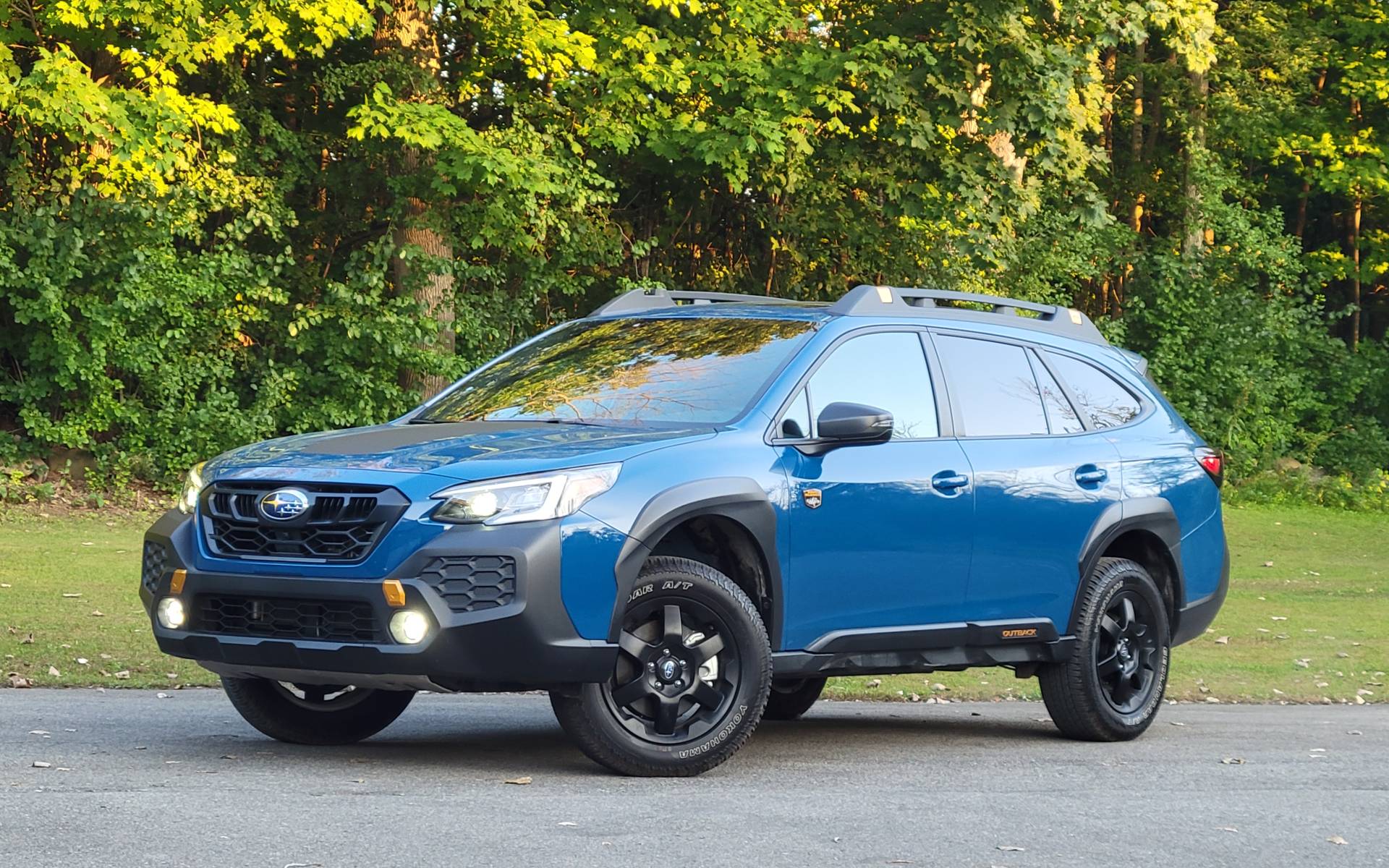
1. Subaru Outback (2005–2009 Generation)
The 2005–2009 Subaru Outback stands out as one of the most dependable versions of the model due to its combination of engineering improvements and practical features. During this generation, Subaru made significant strides in enhancing both engine reliability and interior durability.
The Outback’s standard all-wheel-drive system provided excellent traction in a variety of conditions, while its symmetrical design contributed to balanced handling and stability.
Engine options, particularly the 2.5-liter flat-four, were known for longevity and relatively few major mechanical issues when properly maintained. Many owners report high mileage with minimal significant repairs, making this generation appealing for those looking for a dependable crossover wagon.
Beyond the engine and drivetrain, this generation also emphasized a comfortable and functional interior. The Outback offered ample cargo space and practical seating configurations, appealing to families and outdoor enthusiasts alike. Interior materials were designed to withstand wear, which contributed to the model’s reputation for holding up well over time.
Safety features were also a strong point, with anti-lock brakes, stability control in later years, and multiple airbags providing confidence to drivers and passengers. The combination of safety, comfort, and practicality created a vehicle that could be relied upon for daily commuting, long road trips, or off-road adventures.
From a maintenance perspective, the 2005-2009 Outback benefits from a relatively straightforward engine design. While timing belt replacement is necessary at recommended intervals, the maintenance is predictable and not overly costly.
Routine checks, oil changes, and brake maintenance are generally sufficient to keep this vehicle performing well for many years. Additionally, this generation avoided some of the head gasket issues that plagued earlier models, which further solidified its reliability reputation. Many owners have reported vehicles surpassing 250,000 miles with careful attention to maintenance.
Another reason this generation of Outback is respected is its versatility in various climates and driving conditions. Its ground clearance, robust suspension, and standard all-wheel drive made it particularly suitable for snowy or uneven terrain, further contributing to long-term owner satisfaction.
The blend of mechanical reliability, comfort, and adaptability makes the 2005-2009 Outback a prime example of Subaru’s ability to produce vehicles that last. Those seeking a vehicle capable of combining utility with proven durability often consider this generation a benchmark in Subaru’s lineup.
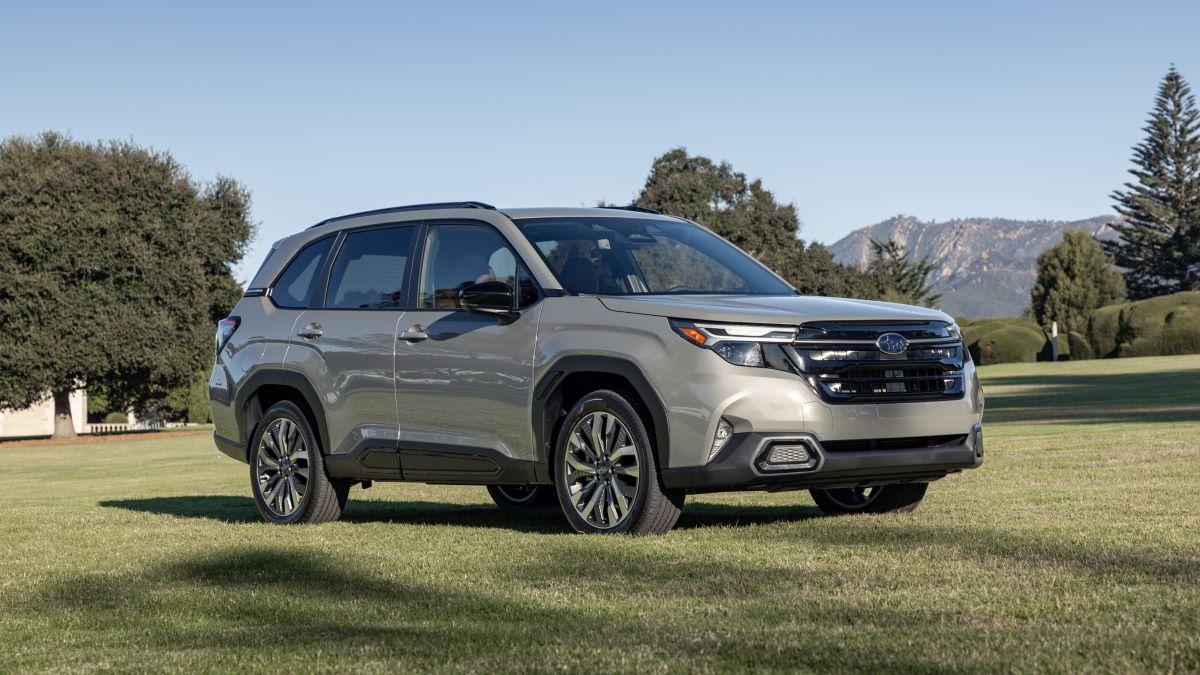
2. Subaru Forester (2009-2013 Generation)
The 2009–2013 Subaru Forester is widely regarded as one of the most reliable Forester generations due to a combination of mechanical robustness and thoughtful design improvements. This generation featured a redesign that emphasized interior comfort, safety, and engine durability.
Subaru continued to use its horizontally opposed Boxer engines, with both naturally aspirated 2.5-liter and turbocharged 2.5-liter options, but with improved components to reduce issues that affected earlier models.
The symmetrical all-wheel-drive system remained standard, providing consistent performance across wet, snowy, and uneven terrain. Owners frequently praise this generation for its ability to maintain strong performance even after high mileage, which has cemented its reputation as a dependable compact SUV.
The interior of the 2009-2013 Forester received significant upgrades compared to earlier models. There was more passenger space, improved seat comfort, and higher-quality materials that resisted wear over time. The dashboard layout was more user-friendly, with controls that remained functional and intuitive even after years of daily use.
Cargo space was generous for its class, and the rear seats could fold down to accommodate larger items, making it a versatile option for families or outdoor enthusiasts. These interior improvements, combined with Subaru’s emphasis on safety features such as stability control and multiple airbags, enhanced both driver confidence and satisfaction.
From a maintenance perspective, this Forester generation benefited from a more refined engine design that reduced the likelihood of common problems such as head gasket failures, which had affected some earlier models. Routine maintenance, including oil changes, timing belt replacements, and brake servicing, is generally straightforward.
Many owners report that with regular upkeep, the Forester can surpass 200,000 miles without major issues. Subaru also made improvements to the CVT (continuously variable transmission) in later models of this generation, making it more reliable than early versions while maintaining smooth performance in various driving conditions.
Another factor contributing to this generation’s reliability is its adaptability to diverse driving environments. The Forester’s ground clearance, all-wheel-drive system, and robust suspension make it a capable vehicle on rough roads, in snow, or during outdoor adventures.
Its balanced combination of performance, practicality, and durability has made it a favorite among used car buyers seeking a compact SUV that can last for years. For those who value long-term dependability without sacrificing versatility, the 2009–2013 Forester continues to be a standout model in Subaru’s history.
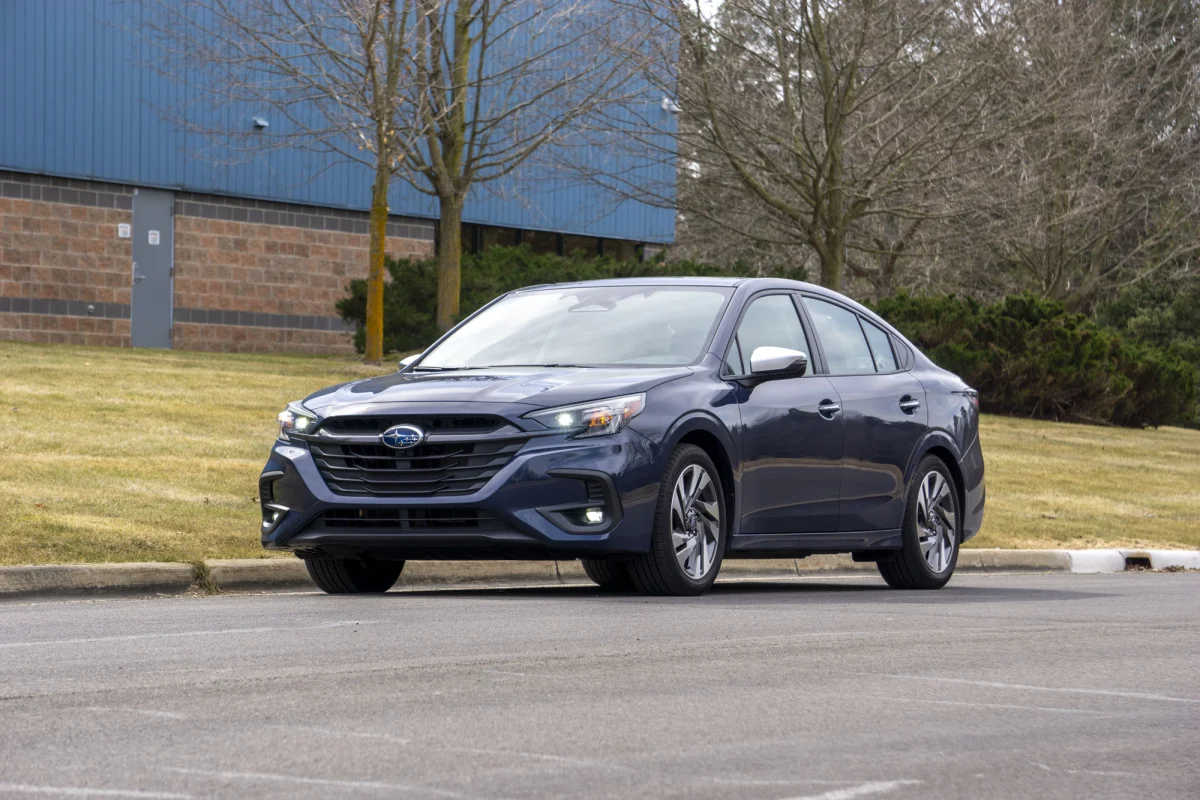
3. Subaru Legacy (2010-2014 Generation)
The 2010–2014 Subaru Legacy is a generation known for balancing comfort, reliability, and performance. Subaru’s focus on all-wheel-drive capability combined with a more refined suspension system created a vehicle that handled well in various weather conditions while maintaining consistent mechanical performance.
Engine options included the 2.5-liter naturally aspirated four-cylinder and the 3.6-liter flat-six, both of which proved to be robust and durable with proper care. This generation of the Legacy benefited from Subaru’s growing experience in addressing earlier issues, such as head gasket leaks and oil consumption, making it a dependable choice for long-term ownership.
The interior design of the 2010–2014 Legacy emphasized driver and passenger comfort, with high-quality materials and intuitive controls. The seats were supportive for long trips, and cabin noise was reduced compared to earlier models, making it a comfortable vehicle for both commuting and road trips.
Safety was also a focus, with features like anti-lock brakes, stability control, and side curtain airbags contributing to Subaru’s reputation for creating secure vehicles. Many owners note that even after years of use, the interior remains functional and aesthetically appealing, highlighting the durability of materials used in this generation.
Maintenance and serviceability were important considerations for this generation. Regular servicing, including oil changes, timing belt replacements, and brake maintenance, kept the vehicles running reliably for many years.
The engines were less prone to significant failures than older Legacy generations, and routine inspections were typically sufficient to address minor issues before they became major problems. Subaru also made refinements to the transmission and drivetrain systems during this period, further enhancing the vehicle’s dependability.
Many owners report Legacy models from this generation exceeding 200,000 miles with minimal issues, demonstrating the effectiveness of Subaru’s engineering improvements.
The 2010–2014 Legacy also impressed with its versatility and performance in challenging conditions. The all-wheel-drive system and well-tuned suspension allowed confident driving in rain, snow, and on rough roads.
Additionally, its smooth ride quality and strong braking performance made it a practical and reliable family sedan. The combination of mechanical reliability, comfort, and consistent performance makes this generation of the Legacy a model often recommended for those seeking a dependable mid-size sedan with proven longevity.
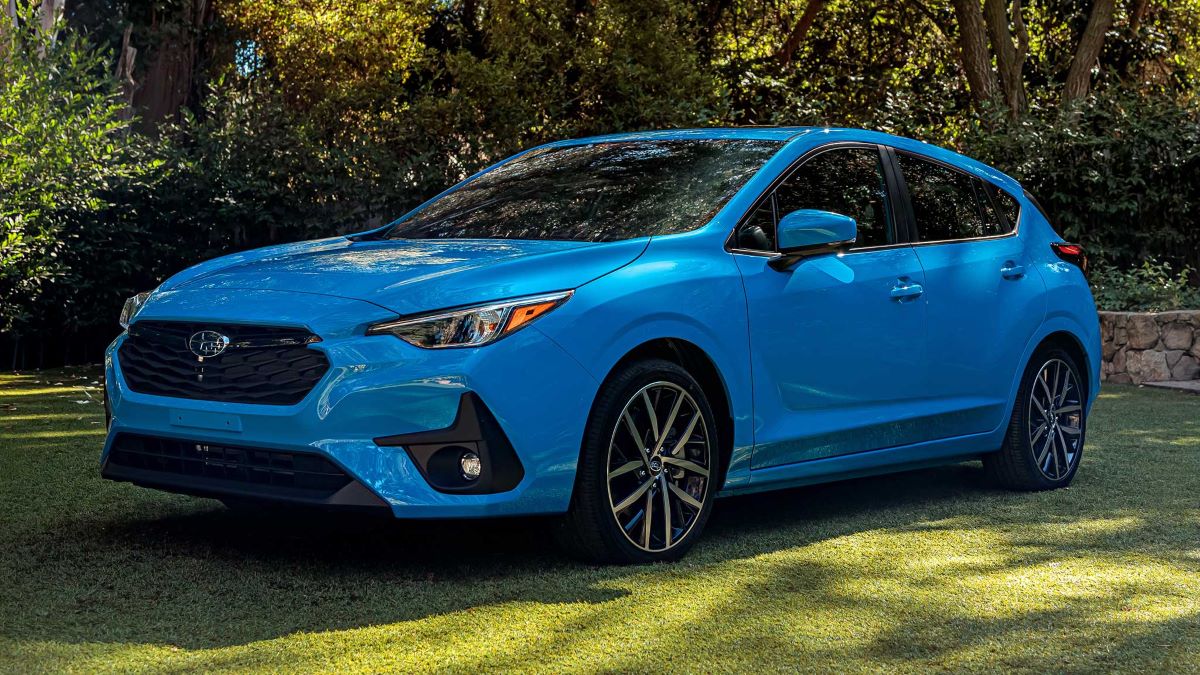
4. Subaru Impreza (2012-2016 Generation)
The 2012–2016 Subaru Impreza is recognized as one of the most reliable generations of this compact car, largely due to its improved engine and transmission design.
This generation benefited from Subaru’s experience in refining the naturally aspirated 2.0-liter and 2.5-liter Boxer engines, which provided dependable performance without frequent mechanical issues.
The addition of a more reliable CVT in many models allowed smoother driving and fewer transmission problems than in previous years.
As with other Subaru vehicles, the Impreza’s symmetrical all-wheel-drive system was standard, offering excellent traction and control in various driving conditions, which contributed to the model’s long-term reliability.
The interior of the 2012–2016 Impreza emphasized both comfort and functionality. With spacious seating for its class, practical storage solutions, and durable materials, the cabin was designed to withstand daily use. The dashboard layout was simple and functional, with controls that remained reliable over time.
Safety features, including multiple airbags, anti-lock brakes, and stability control, made this generation of Impreza a safe and dependable choice for drivers and families. Many owners report that the interior has held up well, even in high-mileage vehicles, demonstrating the attention Subaru paid to material quality and durability.
Routine maintenance is straightforward for this generation, which helps explain its reputation for reliability. Oil changes, timing belt or chain inspections, and periodic brake servicing are usually sufficient to maintain performance.
Unlike earlier Impreza models, which sometimes faced engine-related issues, this generation experienced fewer significant failures, making it a dependable choice for long-term ownership. Subaru’s incremental improvements to engine design and drivetrain components ensured that these vehicles could withstand years of use with minimal problems.
Performance and adaptability are additional factors that contribute to this generation’s strong reliability. The Impreza handled well in various weather conditions, thanks to its all-wheel-drive system, and provided a smooth, controlled ride for everyday driving or longer trips.
Its balance of practicality, efficiency, and durability makes the 2012-2016 Impreza a standout option in the compact car segment for those seeking a vehicle that is both reliable and capable of handling diverse driving situations.
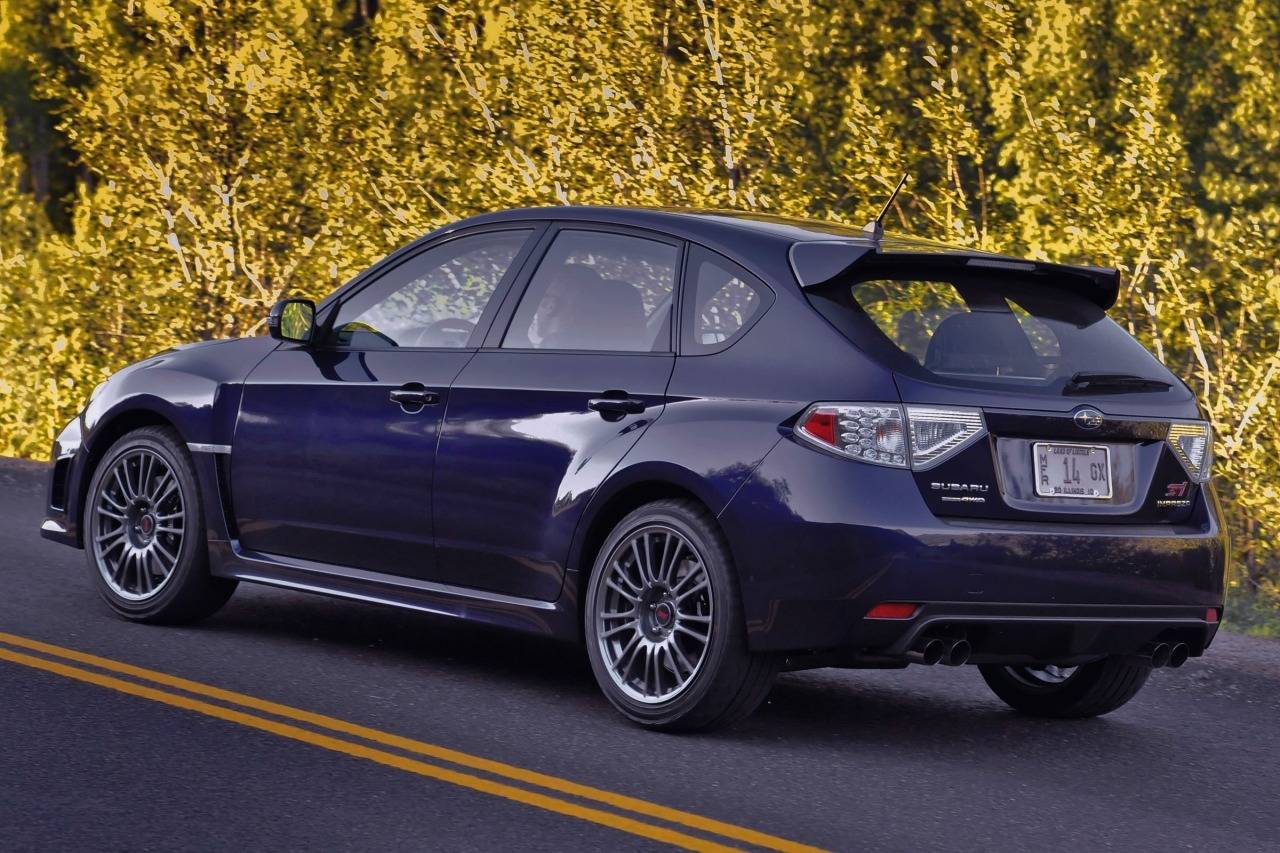
5. Subaru WRX (2015-2020 Generation)
The 2015-2020 Subaru WRX is widely regarded as one of the most reliable generations of the performance-oriented WRX, combining spirited driving with mechanical dependability.
This generation featured a refined 2.0-liter turbocharged Boxer engine in most trims, alongside the slightly larger 2.5-liter turbo in certain versions, both engineered for durability with proper maintenance.
Subaru also improved the suspension and chassis rigidity during this period, enhancing handling while minimizing long-term wear on components. Despite being a performance car, this generation avoided many of the common reliability issues that plagued earlier WRX models, such as excessive turbocharger wear or transmission problems.
Inside, the WRX maintained a functional and sporty cabin with materials built to last even under aggressive use. Seats were designed to provide support during spirited driving while maintaining comfort for daily commuting.
The dashboard layout, infotainment system, and control interfaces were refined to be more user-friendly and resistant to wear over time.
Safety features, such as stability control, multiple airbags, and ABS brakes, complemented the car’s performance capabilities, offering a balanced combination of excitement and security. Many owners report that these vehicles maintain their interior integrity even after years of use, which is unusual for a sports-oriented model.
From a maintenance perspective, this generation of WRX benefits from predictable service requirements. Regular oil changes, spark plug replacements, and careful attention to the timing chain and turbo system are usually sufficient to maintain peak performance.
Unlike older WRX models, the 2015-2020 WRX experienced fewer head gasket and transmission issues, making it more reliable for long-term ownership.
The AWD system remained strong, contributing not only to performance in daily driving but also to durability in various road conditions. Owners often report that vehicles can exceed 150,000-200,000 miles with proper care, a strong record for a performance car.
Another reason this generation is considered reliable is its adaptability to different driving conditions. The all-wheel-drive system, combined with a well-balanced chassis, allows confident driving in rain, snow, or dry pavement.
The WRX’s performance does not come at the cost of longevity, which is rare among sporty vehicles. Its combination of dependability, performance, and driver engagement has made this generation a favorite among enthusiasts who want a car that can handle spirited driving while remaining a reliable daily driver.
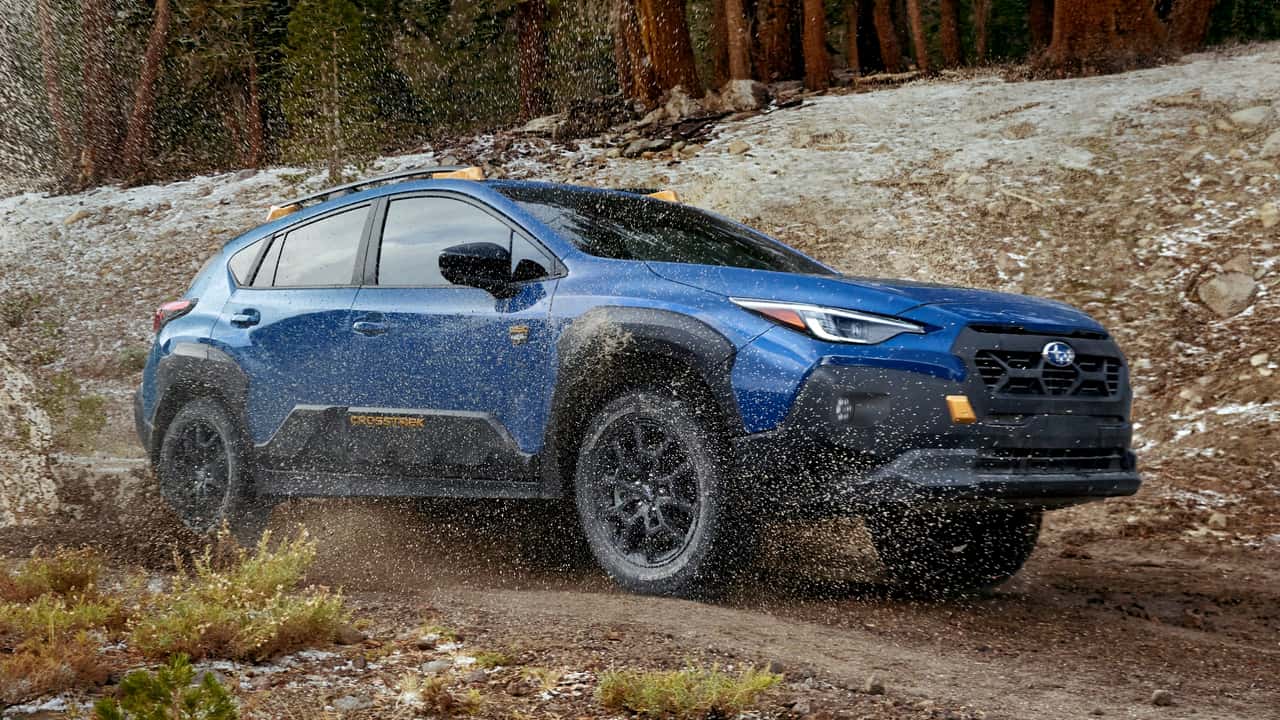
6. Subaru Crosstrek (2013-2017 Generation)
The 2013–2017 Subaru Crosstrek is recognized as one of the most reliable early generations of this compact crossover, offering the versatility of a small SUV with Subaru’s proven mechanical dependability. Built on the Impreza platform, the Crosstrek featured a 2.0-liter Boxer engine paired with Subaru’s signature symmetrical all-wheel-drive system.
This combination provided reliable performance, even under harsh weather or off-road conditions. Engine and transmission designs were refined to reduce early issues common in previous Impreza-based models, making the Crosstrek a durable and long-lasting vehicle for drivers seeking both practicality and adventure.
Inside, the Crosstrek offered a practical and well-built cabin that emphasized comfort and functionality. Seats were supportive for long journeys, and the rear cargo area provided ample space for gear, groceries, or outdoor equipment.
The dashboard layout and control system were designed to remain intuitive and durable over time, with materials that resisted wear from daily use. Safety features such as stability control, multiple airbags, and ABS brakes contributed to a strong sense of security for drivers and passengers, reinforcing Subaru’s commitment to long-term reliability and practicality.
Maintenance for this generation of Crosstrek is relatively straightforward, with predictable service intervals for oil changes, brake servicing, and timing belt or chain inspections.
Unlike some earlier models in the Subaru lineup, this generation avoided major engine or transmission flaws, which contributed to a strong track record for reliability. Many owners have reported reaching high mileage milestones with minimal mechanical intervention beyond routine maintenance, underscoring the durability of Subaru’s engineering in this model.
The 2013–2017 Crosstrek also excels in versatility and adaptability, which enhances its reputation for reliability. Its elevated ride height, AWD system, and robust suspension allow it to handle various terrains, from city streets to rugged trails.
This balance of capability, durability, and efficiency has made it a popular choice for drivers seeking a dependable small crossover that can handle both daily commuting and recreational adventures. The combination of longevity, practicality, and AWD performance cements this generation of Crosstrek as one of Subaru’s most reliable offerings.
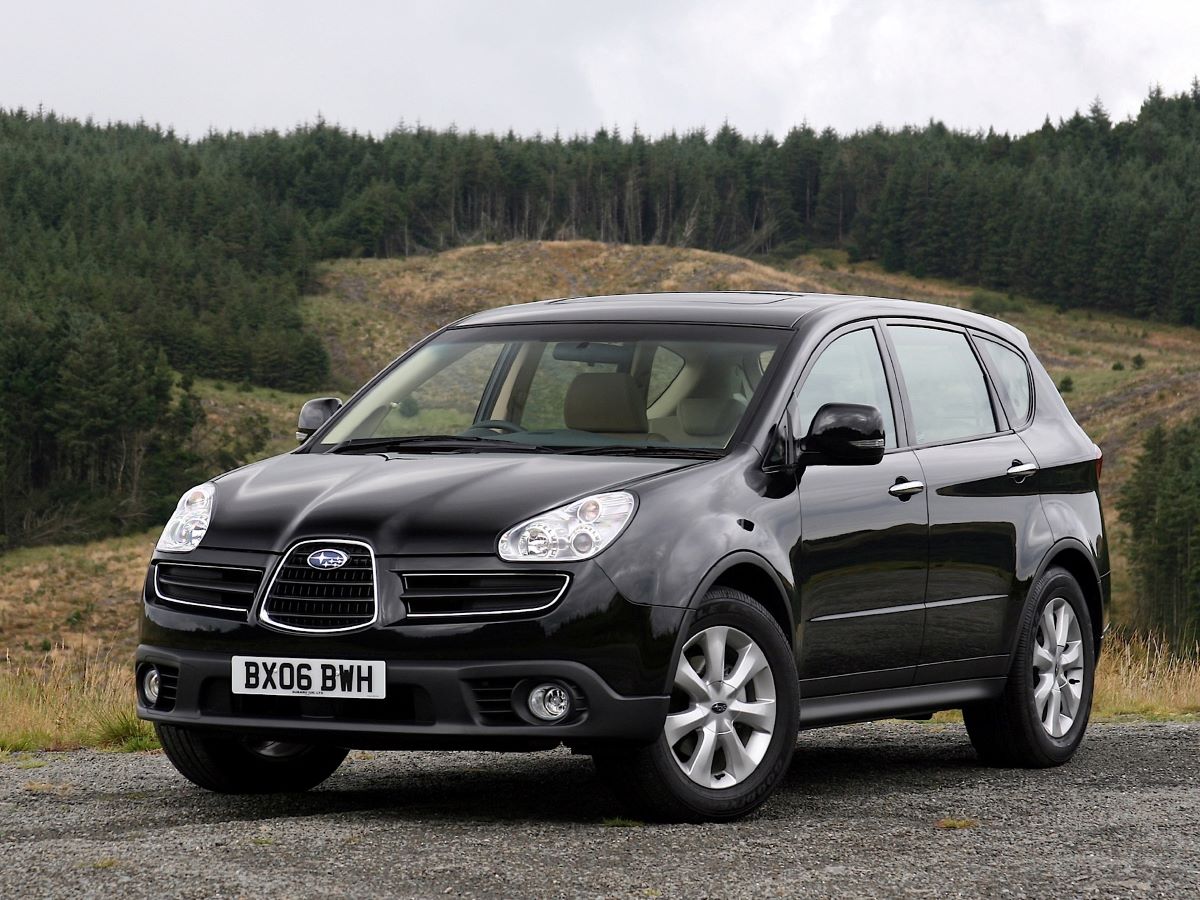
7. Subaru Tribeca (2006-2007 Generation)
The 2006–2007 Subaru Tribeca represents one of the more reliable periods for this midsize SUV, which was designed to accommodate larger families while maintaining Subaru’s reputation for AWD performance.
During this generation, Subaru used the 3.0-liter flat-six engine, which, while not the most fuel-efficient, provided smooth and dependable power for long-term ownership.
The drivetrain and suspension were engineered to handle the vehicle’s larger size without placing undue stress on components, and the symmetrical all-wheel-drive system ensured consistent traction in adverse weather conditions. Owners who maintained regular service schedules often found that the Tribeca performed reliably for years without significant mechanical issues.
Inside, the Tribeca offered a spacious cabin designed for family comfort and versatility. Three rows of seats could accommodate up to seven passengers, and the rear cargo area remained practical even when all seats were in use. Materials were generally durable and resistant to wear, while the dashboard and controls were intuitive and built to last.
Safety features, including stability control, traction control, and multiple airbags, further reinforced the vehicle’s reliability, particularly in challenging driving conditions. Many drivers appreciated the combination of luxury-like comfort and Subaru’s rugged engineering in a single package.
Maintenance for the Tribeca is predictable, with routine oil changes, spark plug replacements, and periodic inspection of the timing belt and suspension components being the primary requirements.
The flat-six engine was generally free of major defects during this period, and the AWD system contributed to the longevity of drivetrain components. Owners report that with proper care, these vehicles can remain on the road for well over 150,000 miles, which is impressive for a larger SUV that occasionally sees heavy family or cargo use.
Another factor enhancing the Tribeca’s reliability is its adaptability and performance in different driving scenarios. Despite its size, the SUV handled snow, rain, and uneven terrain effectively, thanks to its AWD system and well-tuned suspension.
While fuel efficiency was modest, the vehicle’s mechanical dependability and comfort made it a practical choice for long-term family transportation. This combination of durability, versatility, and thoughtful design ensures that the 2006-2007 Tribeca remains a solid example of Subaru reliability in a midsize SUV.
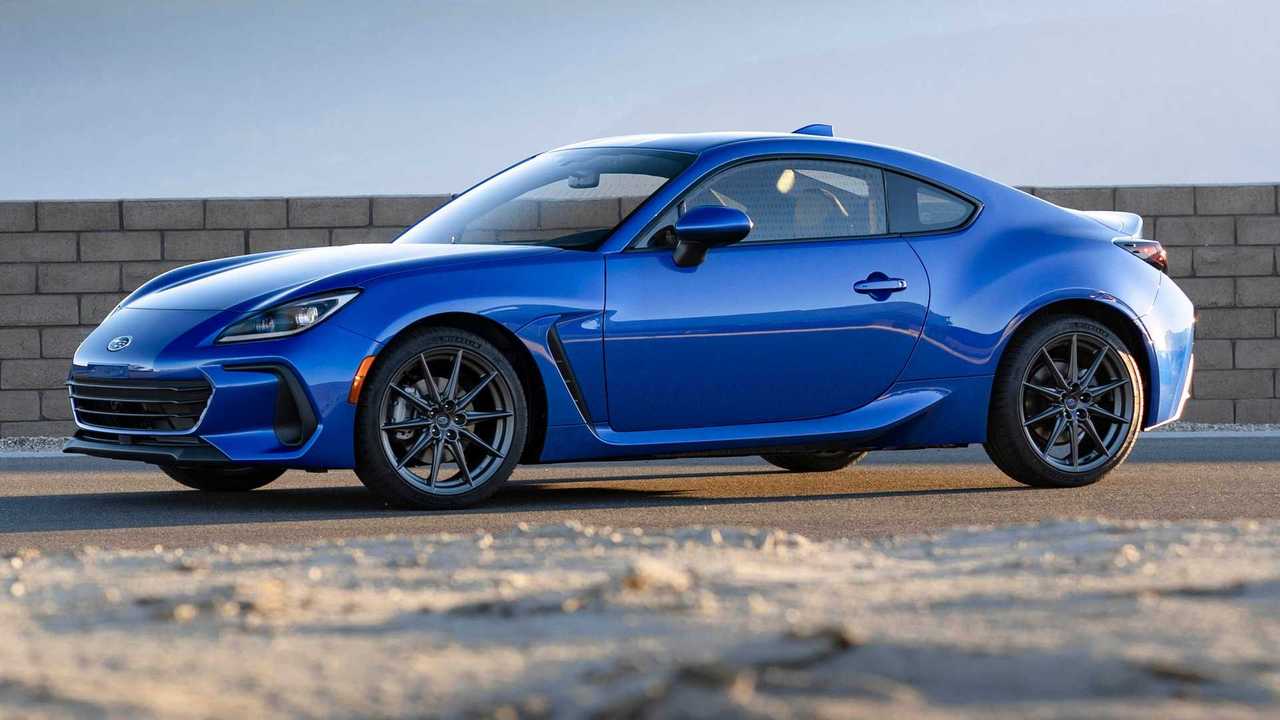
8. Subaru BRZ (2013-2016 Generation)
The 2013–2016 Subaru BRZ is for combining driving excitement with reliability uncommon in sports cars. Co-developed with Toyota, the BRZ uses a naturally aspirated 2.0-liter flat-four Boxer engine paired with a six-speed manual or automatic transmission.
Unlike turbocharged sports cars, the BRZ’s engine experiences less stress and fewer mechanical issues, contributing to its reputation for long-term durability.
Subaru’s symmetrical all-wheel-drive is absent in this model, but the lightweight chassis and low center of gravity result in excellent handling, predictable wear on suspension components, and fewer drivetrain stresses than heavier vehicles. Owners often report trouble-free engines and transmissions, especially when routine maintenance is followed.
Inside, the BRZ cabin balances driver focus with quality materials that hold up well over time. Seats are designed to provide support during spirited driving while maintaining comfort for longer trips. The dashboard and controls are straightforward and resistant to long-term wear, with materials selected to avoid premature degradation.
Safety features such as stability control, ABS brakes, and multiple airbags maintain Subaru’s standard for secure driving, while the lightweight nature of the car enhances maneuverability and control in emergency situations. Many owners praise the interior’s longevity and the cabin’s resistance to rattling or wear, which is impressive for a compact sports coupe.
Maintenance for the 2013–2016 BRZ is relatively low-cost and predictable. Routine oil changes, spark plug replacements, and brake inspections are generally sufficient to maintain mechanical health. Unlike turbocharged vehicles, the naturally aspirated engine avoids common turbo-related issues such as oil contamination or premature wear.
Suspension and steering components are robust and designed to handle spirited driving, so they typically require replacement only at higher mileages. With consistent upkeep, many BRZ owners report vehicles exceeding 150,000–200,000 miles with minimal issues, which is excellent for a sports car built for performance.
The BRZ’s reliability is enhanced by its simplicity and focus on balanced engineering. Its lightweight design reduces stress on the engine and chassis, while Subaru’s precision engineering ensures longevity.
The vehicle remains capable in various driving conditions, though primarily intended for paved roads, and its mechanical integrity contributes to consistent performance year after year. For drivers seeking a sporty vehicle that offers engagement without sacrificing reliability, the 2013–2016 BRZ stands out as one of Subaru’s most dependable performance models.
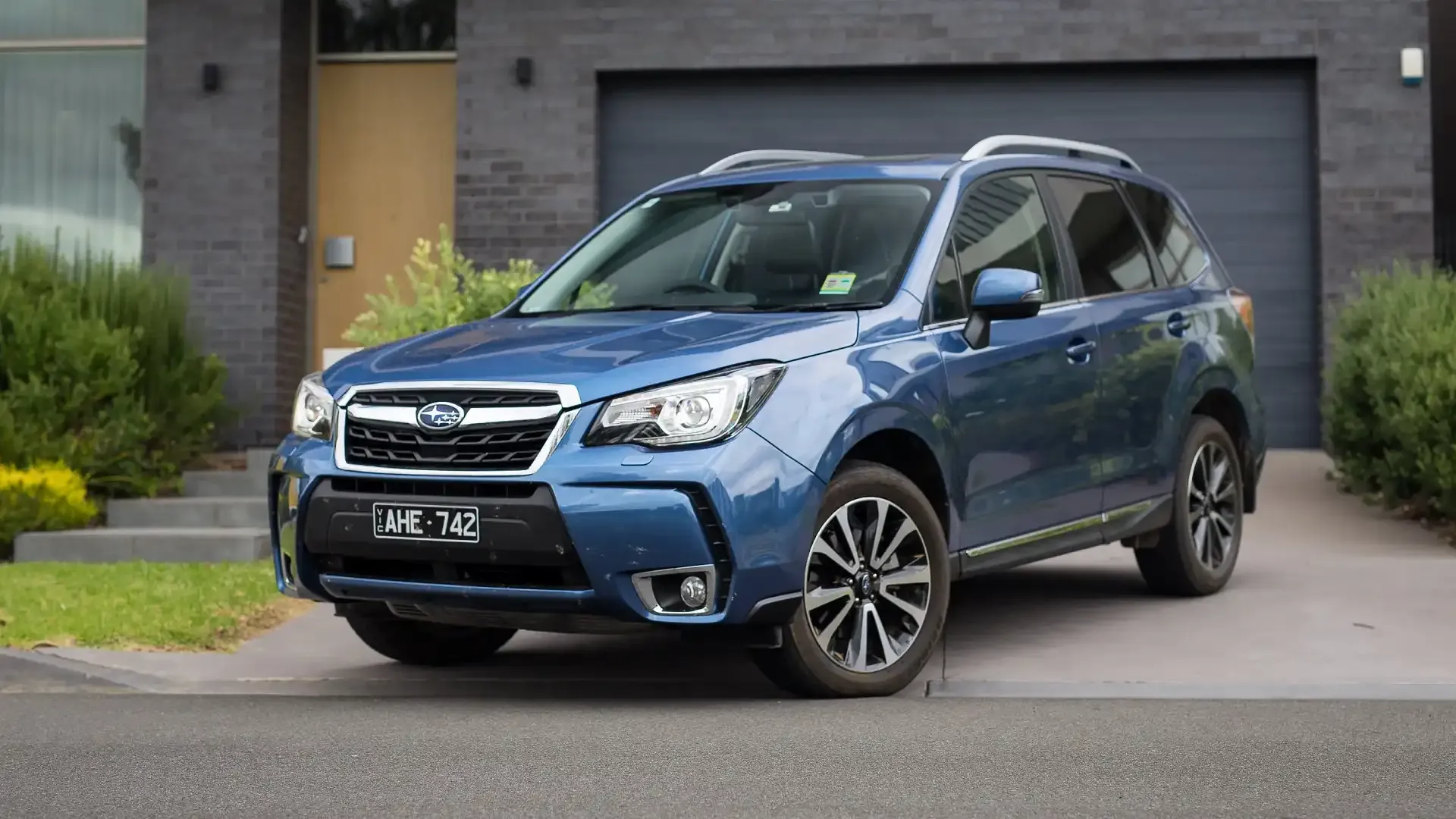
9. Subaru Forester (2014–2018 Generation)
The 2014–2018 Subaru Forester is widely considered one of the most reliable later generations of this compact SUV. Subaru refined the 2.5-liter Boxer engine and improved the CVT transmission in this generation, reducing the likelihood of issues seen in previous years.
The all-wheel-drive system continued to be standard, providing dependable traction in snow, rain, or rough terrain. Owners frequently praise the vehicle for strong mechanical performance even at high mileages, with fewer reports of major engine, transmission, or suspension failures than earlier models. This generation demonstrates Subaru’s ability to combine comfort, performance, and durability in a compact SUV format.
The interior received upgrades, emphasizing driver and passenger comfort. Materials were improved to resist wear, seats offered increased support for longer journeys, and the cabin layout became more user-friendly. Cargo space remained generous, and rear seats could fold flat for increased versatility.
Safety features were expanded to include advanced driver assistance systems in higher trims, while standard airbags, stability control, and anti-lock brakes ensured a secure driving experience. Many owners report that the interior holds up exceptionally well over time, reinforcing the model’s reliability.
Maintenance for the 2014–2018 Forester is predictable and generally inexpensive. Routine oil changes, brake servicing, and inspections of the CVT and timing chain keep the vehicle running reliably for many years.
Subaru improved several components in this generation to reduce wear and increase durability, which contributed to fewer unexpected repairs. With proper care, many vehicles in this generation surpass 200,000 miles with minimal issues, making it a dependable choice for long-term ownership.
Another aspect of this generation’s reliability is its adaptability to a wide range of driving conditions. Its higher ground clearance, AWD system, and robust suspension make it capable in snow, light off-road conditions, and daily commuting alike.
The combination of mechanical durability, interior comfort, and versatile performance makes the 2014–2018 Forester an excellent choice for those seeking a dependable, long-lasting compact SUV. Its engineering improvements and continued focus on reliability cement this generation as one of Subaru’s standout models in terms of longevity and owner satisfaction.
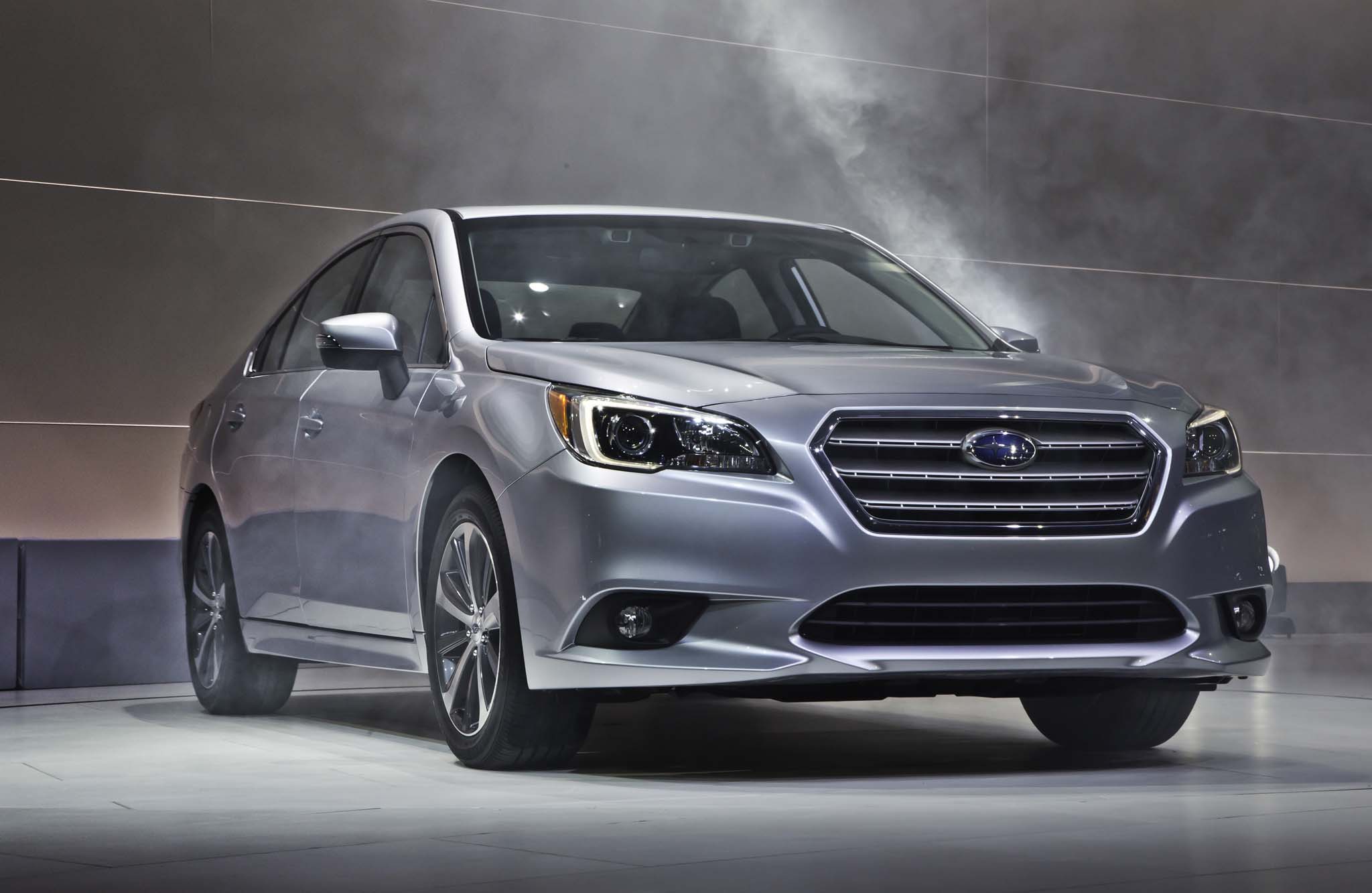
10. Subaru Legacy (2015-2019 Generation)
The 2015–2019 Subaru Legacy is one of the most reliable later-generation sedans, blending comfort, safety, and mechanical dependability. Subaru refined its 2.5-liter four-cylinder and 3.6-liter flat-six engines during this period, enhancing longevity while minimizing the likelihood of common issues.
The all-wheel-drive system remained standard, contributing to the vehicle’s ability to handle various driving conditions reliably. The suspension was also improved for smoother handling, reducing wear on components and enhancing long-term reliability.
Owners consistently report that this generation of Legacy provides dependable performance over many miles, with fewer major mechanical concerns than older models.
Inside, the Legacy cabin combines comfort and durability. High-quality materials, supportive seating, and an intuitive dashboard layout make daily driving and long-distance trips pleasant. Rear passenger space is generous for a mid-size sedan, and cargo space is practical for everyday use.
Safety technology, including standard airbags, stability control, and optional driver assistance features, reinforces the car’s reputation for reliability. Many owners note that the interior remains functional and aesthetically appealing even after years of regular use, emphasizing Subaru’s attention to long-term durability.
Maintenance is straightforward for the 2015-2019 Legacy. Routine oil changes, brake servicing, and inspections of the timing chain or belt are typically sufficient to maintain engine and drivetrain health. Compared to earlier Legacy generations, this model experienced fewer reports of head gasket or transmission failures.
Its predictable maintenance needs contribute significantly to its reputation as a reliable long-term vehicle, allowing owners to enjoy consistent performance with minimal unexpected repairs.
The Legacy’s reliability is further enhanced by its balanced driving performance and adaptability. Its all-wheel-drive system allows confidence in varying weather conditions, while the suspension and chassis design provide a smooth, controlled ride.
The combination of mechanical robustness, interior comfort, and all-weather capability makes the 2015-2019 Legacy a top choice for those seeking a dependable mid-size sedan that performs well for many years. Subaru’s engineering improvements in this generation reflect a commitment to long-term reliability and owner satisfaction.
