Lower ownership costs for many popular vehicles are largely driven by how efficiently their parts are produced, distributed, and replaced within a highly developed regional supply network. When a model sells in large numbers, manufacturers can mass-produce components, while repair shops and aftermarket suppliers keep those parts widely available and competitively priced.
This pattern is clearly seen in vehicles such as the Ford F-150, Chevrolet Silverado 1500, Toyota Camry, Honda Civic, Toyota Corolla, Nissan Altima, Jeep Wrangler, Ford Explorer, Toyota RAV4, and Hyundai Elantra. High demand ensures steady production of common replacement items like filters, brake components, sensors, and suspension parts, which helps prevent price spikes even as vehicles age.
Domestic assembly and North American sourcing also play a major role, reducing shipping costs and avoiding delays tied to international logistics. Shared platforms across manufacturers further streamline production, allowing multiple models to use similar parts. Combined with a strong aftermarket industry, these factors make routine maintenance and repairs more accessible and cost-effective for these widely used vehicles.
1. Ford F-150
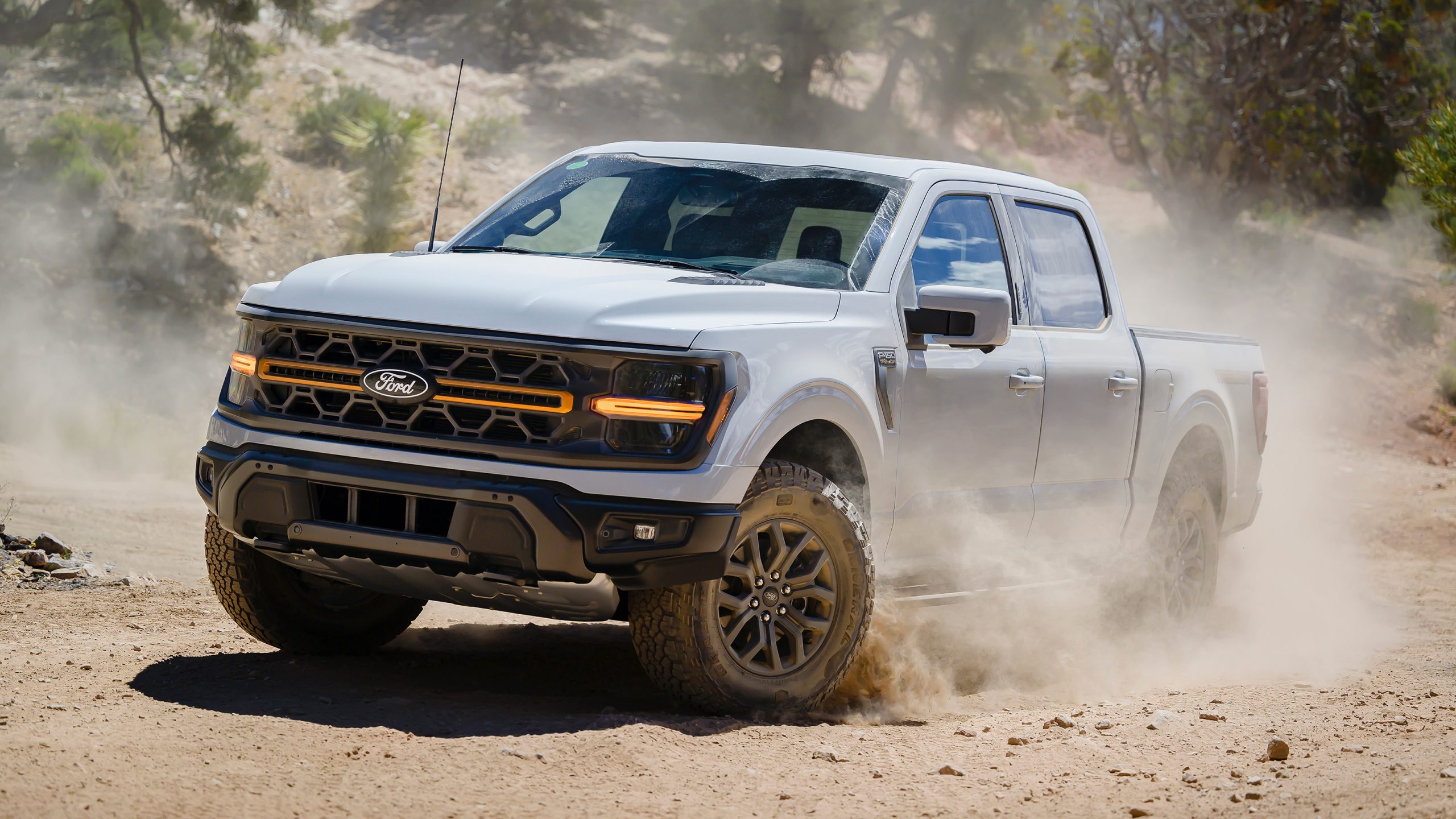
The Ford F-150 remains one of the most popular pickup trucks in the United States due to its combination of affordability, performance, and practicality. A major reason for its relatively lower maintenance costs in the U.S. is its long-standing popularity and high production volume.
Since the F-150 has been America’s best-selling vehicle for decades, manufacturers produce replacement parts in large quantities, reducing prices for essential components such as brake pads, alternators, and filters. In addition, a highly competitive aftermarket industry offers both original and third-party replacement parts at affordable prices.
However, the idea that the F-150 relies exclusively on cheap American-made parts is inaccurate. Ford operates a global supply chain, sourcing components from countries such as Canada, Mexico, and South Korea. Parts often move across borders during production, allowing Ford to manage costs efficiently while maintaining strong domestic assembly operations.
Beyond affordability, the F-150 stands out for its impressive performance and versatility. Buyers can choose from several engine options, including turbocharged V6 engines, a V8, and a hybrid powertrain that combines a twin-turbocharged V6 with an electric motor for added efficiency and power.
Every model uses a 10-speed automatic transmission and offers rear-wheel or four-wheel drive, giving drivers flexibility for everyday use, towing, or off-road driving. Specialized trims such as the Tremor enhance off-road performance with upgraded suspension systems and rugged equipment. The truck also delivers strong capability, with towing capacities of up to 13,500 pounds and payload limits reaching 2,455 pounds.
Inside, the F-150 balances comfort and functionality through spacious seating, storage areas, and modern technology. A standard 12-inch touchscreen supports wireless smartphone connectivity, while safety features such as emergency braking, lane-keeping assist, blind-spot monitoring, and optional hands-free driving systems improve convenience and driver confidence.
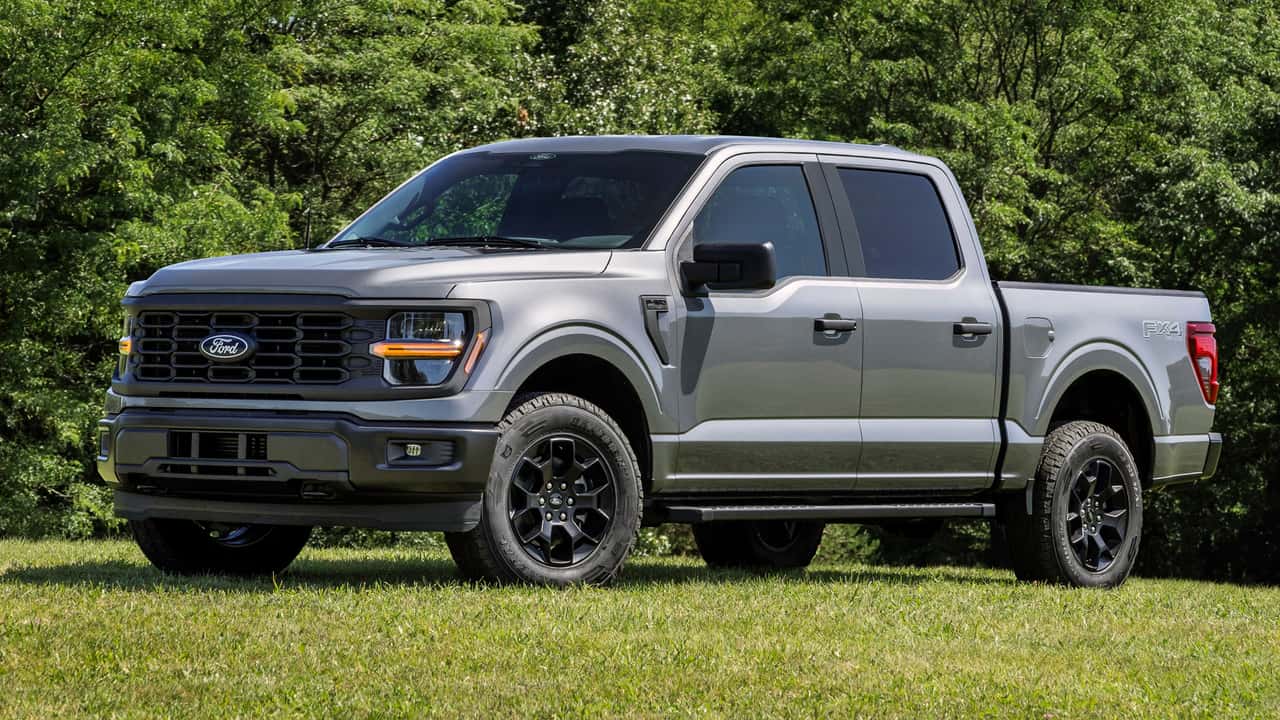
- Engine: 3.5L PowerBoost™ full hybrid V6 (twin-turbo + electric motor)
- Horsepower: 430 hp
- Torque: 570–578 lb-ft
- Length: 231.9 in (SuperCrew, 5.5 ft bed)
- Width: 79.9 in (2,029 mm) (excluding mirrors)
2. Chevrolet Silverado 1500
The Chevrolet Silverado 1500 maintains strong affordability and parts availability in the United States largely because of its massive production scale and tightly integrated North American supply chain. Manufactured by General Motors in the U.S. and Mexico, the truck avoids many international shipping and import costs, which helps keep both production and replacement parts more accessible.
Its popularity across the country means millions of units are already on the road, creating constant demand that supports a large domestic inventory of spare parts. This high volume encourages both OEM and aftermarket manufacturers to produce components at scale, driving prices down significantly compared to markets where the Silverado is rare and parts must be imported. Shared components across GM’s truck and SUV lineup also simplify production and further reduce costs.
Under the hood, the Silverado 1500 is designed for versatility, offering multiple engine choices that range from a turbocharged 2.7-liter four-cylinder to powerful V8s and a fuel-efficient 3.0-liter diesel. Output spans roughly 305 to 420 horsepower, allowing the truck to serve everything from daily commuting to heavy-duty hauling.
Performance remains strong across the lineup, with the 6.2-liter V8 capable of accelerating from 0–60 mph in about 5.4 seconds. Its towing ability reaches up to 13,300 pounds, while payload capacity stays competitive within the full-size pickup segment, making it a practical choice for both work and recreation.
The cabin varies widely depending on trim level, ranging from basic work-oriented setups to more refined interiors with leather upholstery, digital displays, and advanced infotainment systems. Higher trims feature large touchscreen interfaces with smartphone integration, voice assistance, and improved connectivity options, while lower trims focus on durability and function.
Safety equipment is standard across the range, including features such as forward collision warning, lane-keeping assist, and blind-spot monitoring, with advanced driver-assistance systems available on premium models. Warranty coverage includes three years or 36,000 miles for basic protection and five years or 60,000 miles for the powertrain, plus one complimentary maintenance service.
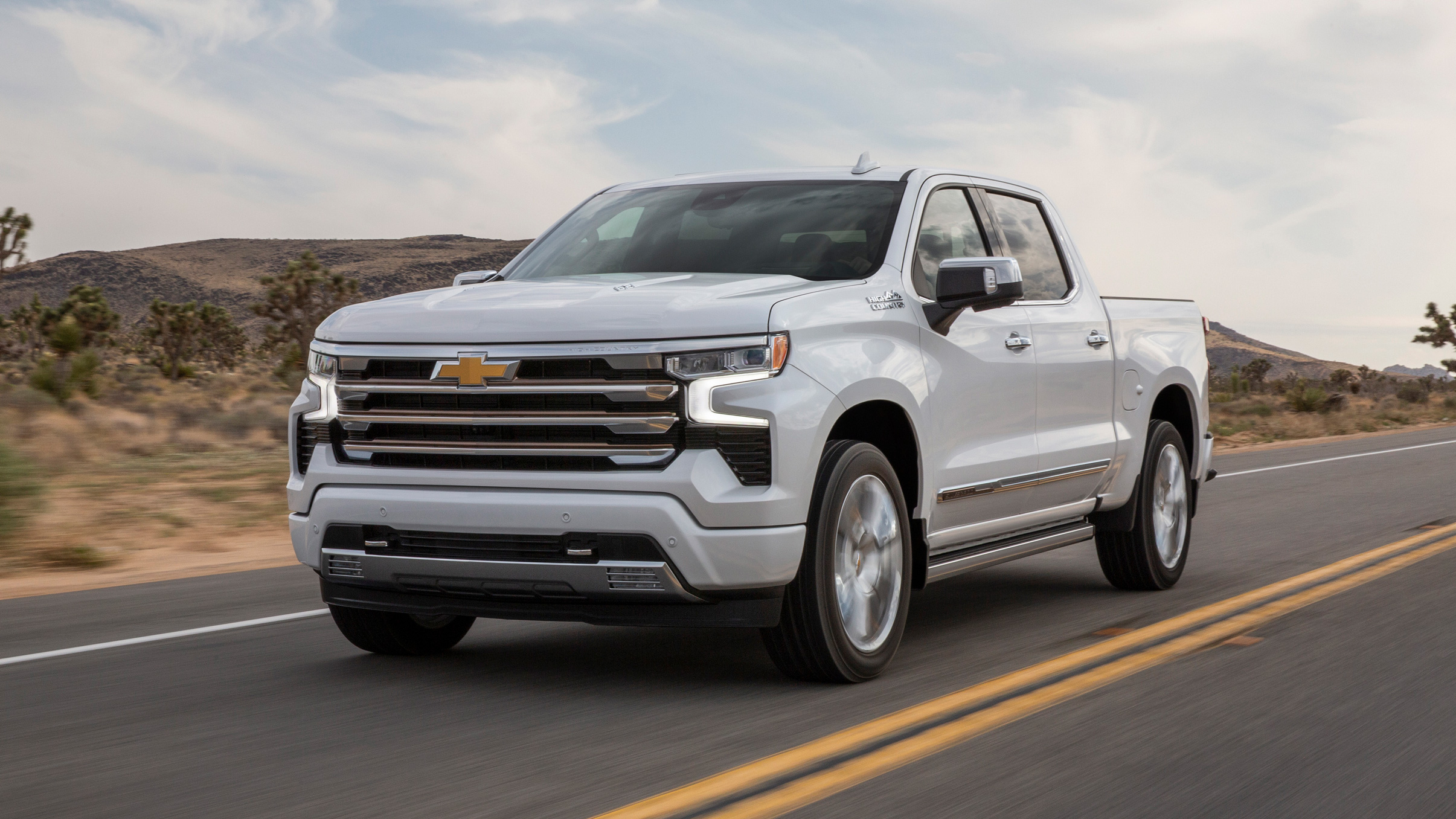
- Engine: 6.2L EcoTec3 V8
- Horsepower: 420 hp
- Torque: 460 lb-ft
- Length: 241.4 in (Crew Cab, standard bed)
- Width: 81.2 in (2,062 mm) (with mirrors folded)
3. Toyota Camry
The Toyota Camry has become a mainstay on American roads largely because of its highly localized production system and efficient cost structure. In the United States, most Camrys are built at Toyota’s Kentucky assembly plant, where a large share of components is sourced from North American suppliers.
This reduces dependence on international shipping, lowers exposure to tariffs, and helps stabilize pricing and parts availability. Compared to regions like Europe, where imported Camrys are less common and more expensive to maintain, the U.S. market benefits from stronger availability and faster service turnaround.
Large-scale production tailored specifically for American demand also improves economies of scale, while lower vehicle taxes and intense competition in the midsize sedan segment keep pricing and ownership costs accessible.
Under the hood, the Camry emphasizes efficiency and dependable daily performance rather than high-powered driving. Its hybrid system pairs a 2.5-liter four-cylinder engine with electric motors, producing between 225 and 232 horsepower depending on drivetrain configuration.
A continuously variable transmission ensures smooth power delivery, while fuel economy remains a standout feature, with EPA ratings exceeding 50 mpg in city driving for the most efficient trims. Real-world testing confirms strong highway efficiency as well as 0–60 mph times ranging from about 6.8 to 7.0 seconds, placing it in a competitive position within its class.
Inside the cabin, the Camry prioritizes comfort and practicality. The interior offers generous space for both front and rear passengers, along with thoughtful storage and user-friendly design. Higher trims add premium features such as leather upholstery, heated seating, ambient lighting, and upgraded materials that enhance comfort without sacrificing durability. Technology is centered around an 8-inch or available 12.3-inch touchscreen, supporting wireless Apple CarPlay and Android Auto across all trims.
Safety remains a core strength, with standard systems including adaptive cruise control, lane-keeping assist, pedestrian detection, and automated emergency braking, reinforcing its reputation as a dependable and well-rounded family sedan.
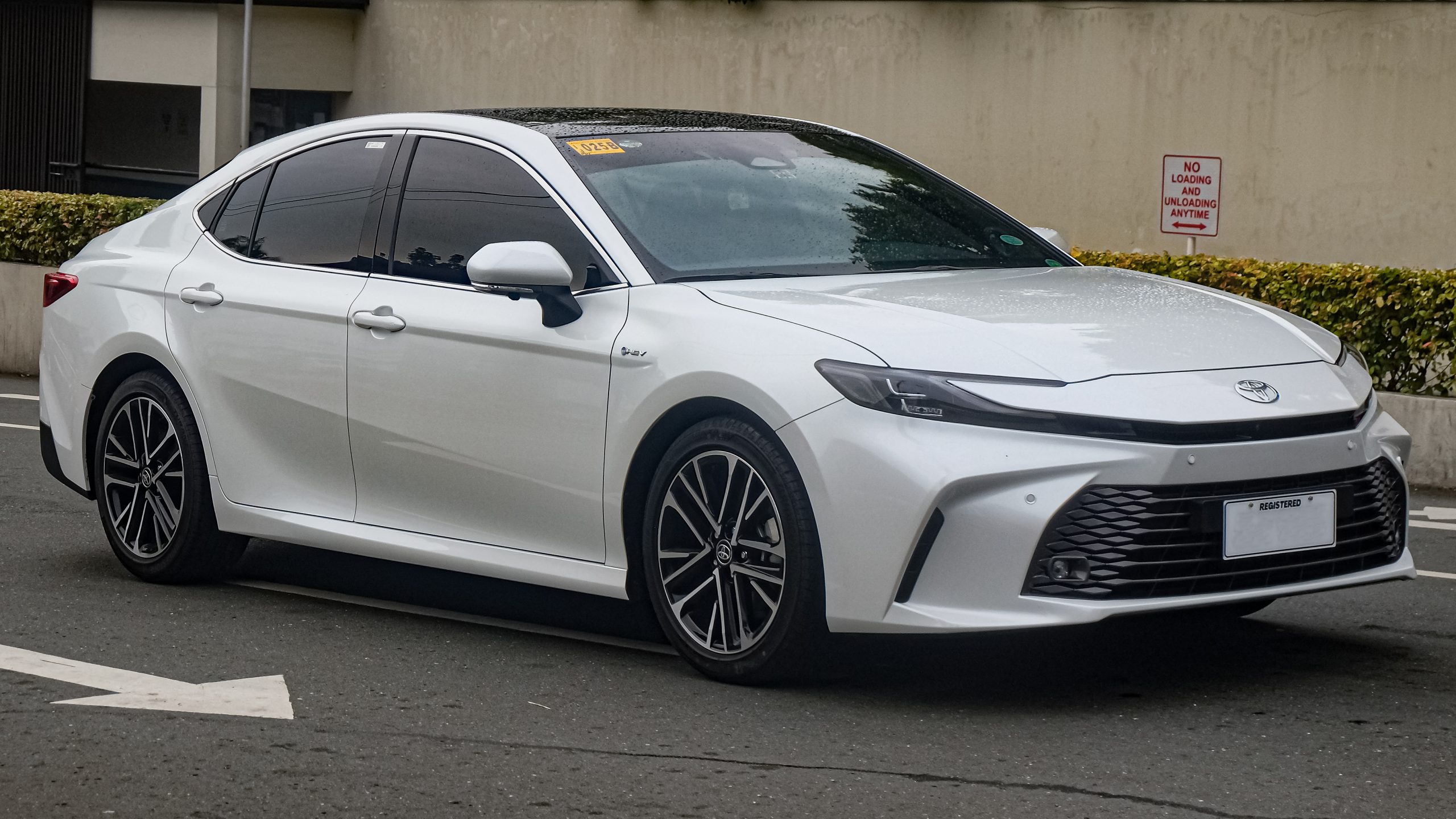
- Engine: 2.5L 4-cylinder hybrid (gas engine + electric motor system)
- Horsepower: 225 hp (FWD) / 232 hp (AWD)
- Torque: 163 lb-ft
- Length: 193.5 in (4,915 mm)
- Width: 72.4 in (1,840 mm)
4. Honda Civic
In the United States, the Honda Civic benefits from a production and supply system built around scale and proximity. Most units are assembled in North America using a large share of locally sourced components, which reduces reliance on imports and avoids added costs from shipping, tariffs, and international logistics.
Because the Civic is sold in extremely high volumes, parts are mass-produced and widely stocked, creating a strong network of suppliers and aftermarket manufacturers. This competition keeps replacement components affordable and easy to find. In markets where the Civic is less common, the same parts can become expensive due to limited availability and import costs, even though the vehicle itself is identical in engineering standards worldwide.
Rather than being a performance-focused car, the Civic is built around efficiency and everyday usability. It is offered with a 2.0-liter 150-horsepower engine for basic models and a hybrid system that produces 200 horsepower using a combination of gasoline and electric power.
Both versions use front-wheel drive and a continuously variable transmission, prioritizing smooth and efficient driving over sporty dynamics. The hybrid stands out for its strong fuel economy, often nearing 50 mpg in city conditions, while also delivering quicker acceleration than the standard engine.
The Civic prioritizes everyday usability with a cabin designed around comfort, practicality, and straightforward operation. Both rows provide sufficient passenger space for daily commuting, while the trunk offers useful cargo capacity for errands, travel, and routine family needs. The interior layout emphasizes functionality, with controls positioned for easy access and a clean, uncluttered appearance.
Moving up the trim range brings a more premium feel through upgraded materials, larger touchscreen displays, and expanded technology offerings. Features such as wireless smartphone connectivity help improve convenience, while additional infotainment enhancements create a more modern driving experience.
Honda also places a strong emphasis on safety. Standard driver-assistance technologies include adaptive cruise control, lane-keeping assistance, and automatic emergency braking, while higher trims can be equipped with features like blind-spot monitoring. Warranty coverage remains competitive for the segment, with hybrid models receiving additional component protection and limited complimentary maintenance included.
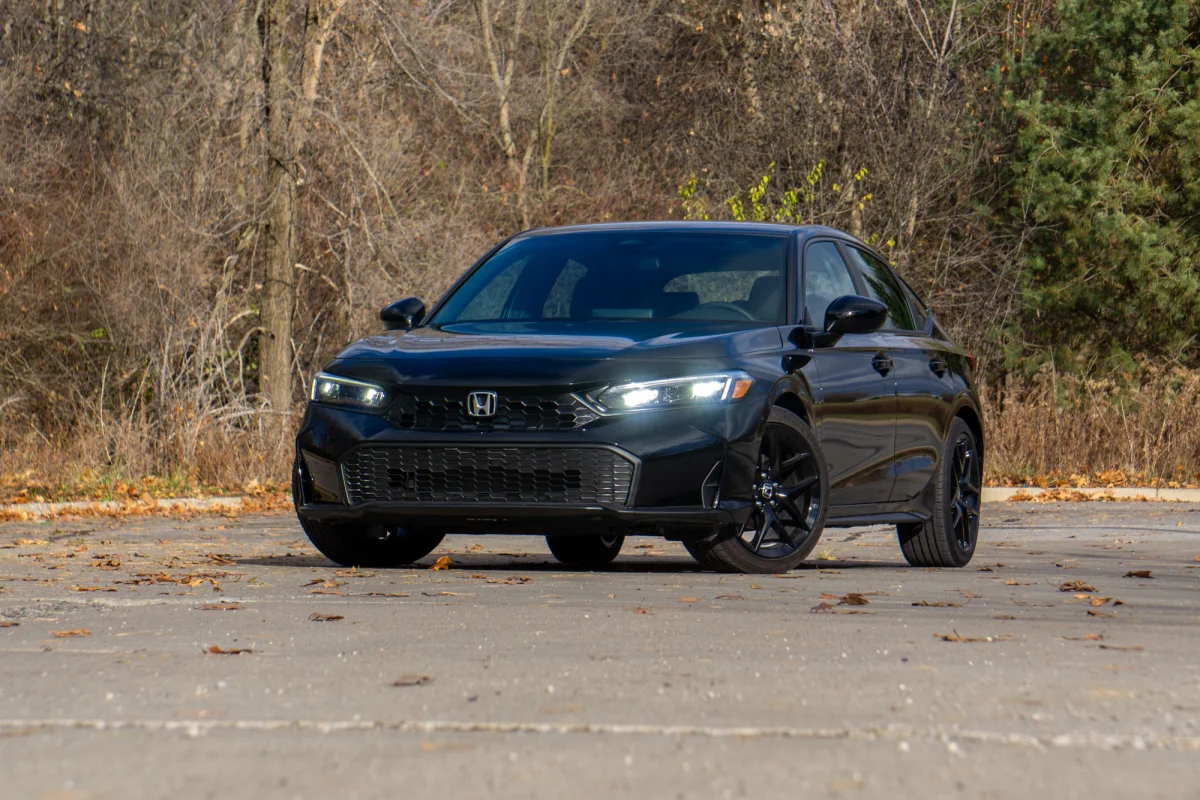
- Engine: 2.0L Atkinson-cycle inline-4 + dual electric motors (two-motor hybrid system)
- Horsepower: 200 hp (total system output)
- Torque: 232 lb-ft (315 Nm)
- Length: 184.8 in (4,694 mm)
- Width: 70.9 in (1,802 mm)
5. Toyota Corolla
The Toyota Corolla benefits in the United States from a combination of high sales volume, shared platform design, and localized manufacturing, all of which help keep ownership costs low. Many Corolla components are shared with other Toyota models, allowing large-scale production that reduces per-unit manufacturing expenses.
In the U.S., most Corollas are assembled with a strong reliance on North American suppliers for key parts such as engines, glass, and interior components. This localization reduces import tariffs, shipping costs, and currency-related price fluctuations.
Because the Corolla is extremely common in the American market, replacement parts are widely available and treated as standard commodities, creating a competitive aftermarket that further lowers repair costs. In contrast, regions with lower sales density often face higher prices and longer wait times for the same components.
Performance in the Corolla is tuned for reliability and efficiency rather than speed. The standard model uses a 2.0-liter four-cylinder engine producing 169 horsepower paired with a continuously variable transmission, while a hybrid variant offers improved fuel economy with slightly reduced performance.
Acceleration is modest, with 0–60 mph times generally ranging from the high 8- to 9-second range depending on configuration. The focus remains on smooth, predictable driving and strong fuel efficiency, with hybrid versions achieving up to around 50 mpg combined.
Practicality remains one of the Corolla’s strongest attributes. The interior is designed with everyday usability in mind, offering comfortable seating, straightforward controls, and a functional layout. Passenger accommodations are adequate for the segment, while cargo space varies depending on whether buyers choose the sedan or hatchback configuration.
Technology features are organized around Toyota’s infotainment system, which comes standard with an 8-inch touchscreen and smartphone connectivity. Larger displays are available on select trims, along with premium audio options and additional convenience features. Higher-end models also enhance comfort through upgraded cabin materials, heated seats, and dual-zone automatic climate control.
Toyota reinforces the Corolla’s appeal with a comprehensive suite of safety technologies. Every model includes Toyota Safety Sense 3.0, which bundles features such as adaptive cruise control, lane-keeping assistance, and automatic emergency braking. Ownership costs are further supported by standard warranty coverage, extended protection for hybrid components, and a limited complimentary maintenance program.
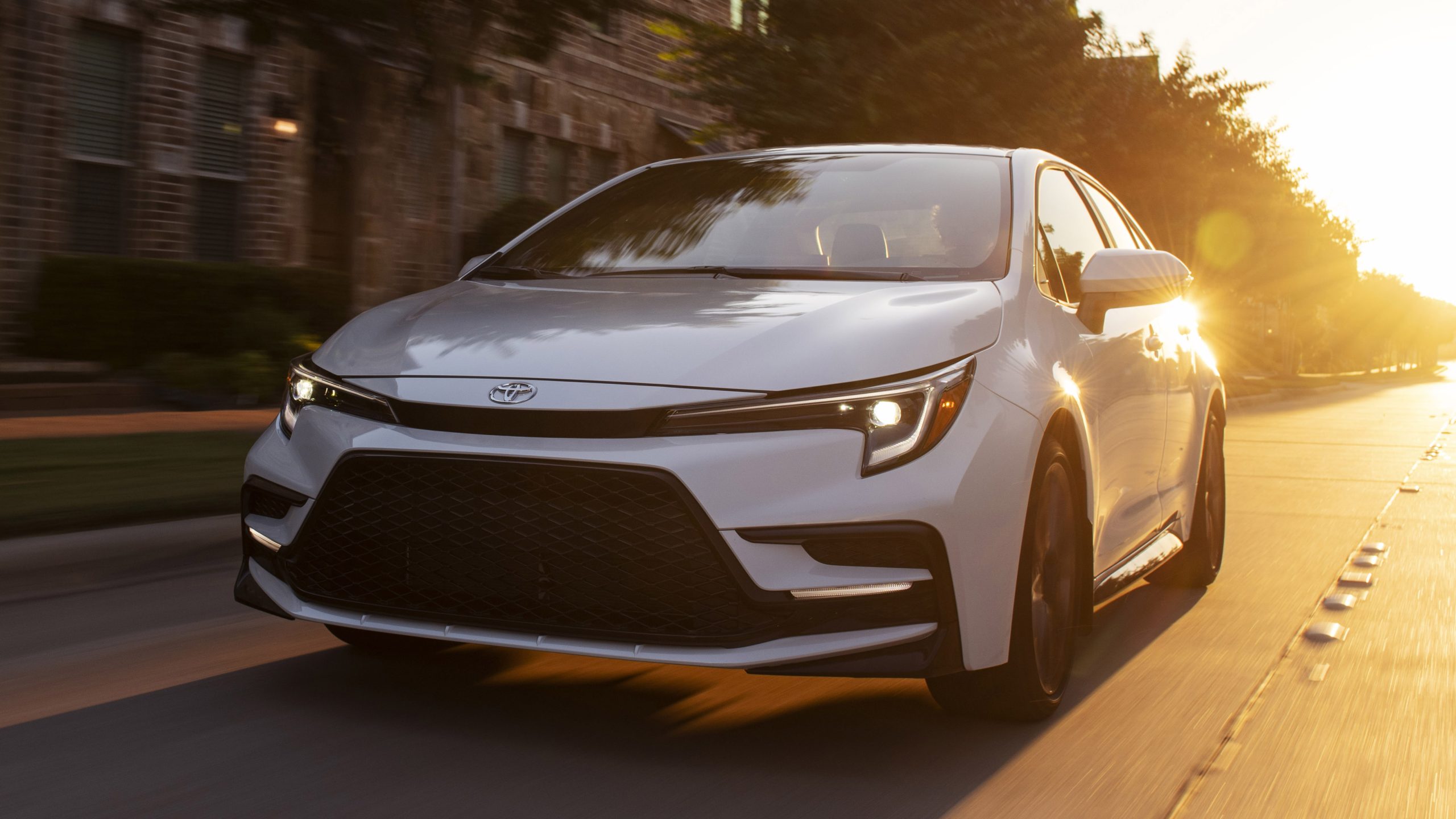
- Engine: 2.0L Dynamic Force inline-4 (gas) / 1.8L inline-4 hybrid system (gas + electric motors)
- Horsepower: 169 hp (2.0L gas) / 138 hp (1.8L hybrid combined system output)
- Torque: 151 lb-ft (2.0L gas) / 105 lb-ft (engine torque, 1.8L hybrid)
- Length: 182.5 in (4,630 mm)
- Width: 70.1 in (1,780 mm)
Also read: 10 Cars With the Highest Insurance Premiums for Average Drivers
6. Nissan Altima
The Nissan Altima benefits in the United States from strong local manufacturing and a highly competitive midsize sedan market, which together help keep repair and ownership costs relatively low. Built primarily in Nissan’s U.S. facilities in Tennessee and Mississippi, the Altima relies heavily on domestically produced engines, transmissions, and body components.
This local production reduces exposure to international shipping costs and supply chain disruptions. Because the Altima is widely used in rental fleets and as a daily commuter vehicle, it has also created a large secondary market for parts.
Salvage yards and aftermarket suppliers frequently stock Altima components, and this abundance helps drive down repair prices. In markets where the Altima is less common, parts tend to be more expensive due to limited availability and import dependence.
The Altima is positioned in a highly competitive segment alongside rivals like the Toyota Camry and Honda Accord, pushing Nissan to keep manufacturing and pricing efficient. A strong aftermarket industry in the U.S. further lowers maintenance costs, as third-party manufacturers produce affordable replacement parts in large volumes. The widespread availability of used OEM parts also contributes to lower long-term ownership expenses.
Rather than emphasizing sporty driving dynamics, the Altima is designed to deliver a smooth ride, predictable handling, and strong fuel efficiency. Every model is powered by a 2.5-liter four-cylinder engine generating 188 horsepower, paired with a continuously variable transmission.
Buyers can choose between front-wheel drive and all-wheel drive configurations, with AWD models reaching 60 mph in approximately 7.6 seconds. Efficient fuel consumption remains one of the sedan’s strongest selling points, with highway mileage capable of reaching the mid-30 mpg range.
The cabin focuses on comfort and practicality, offering supportive seating, generous rear-passenger space, and a useful trunk for everyday needs. Controls are arranged for easy operation, while infotainment options range from an 8-inch touchscreen to a larger 12.3-inch display. Smartphone integration comes standard, and higher trims can be equipped with upgraded audio systems and additional technology features.
Nissan also equips the Altima with a broad range of driver-assistance technologies. Standard and available features include automatic emergency braking, blind-spot monitoring, lane-keeping assistance, and semi-autonomous driving support on select models. Warranty coverage is competitive for the segment, and limited complimentary maintenance adds further ownership value.
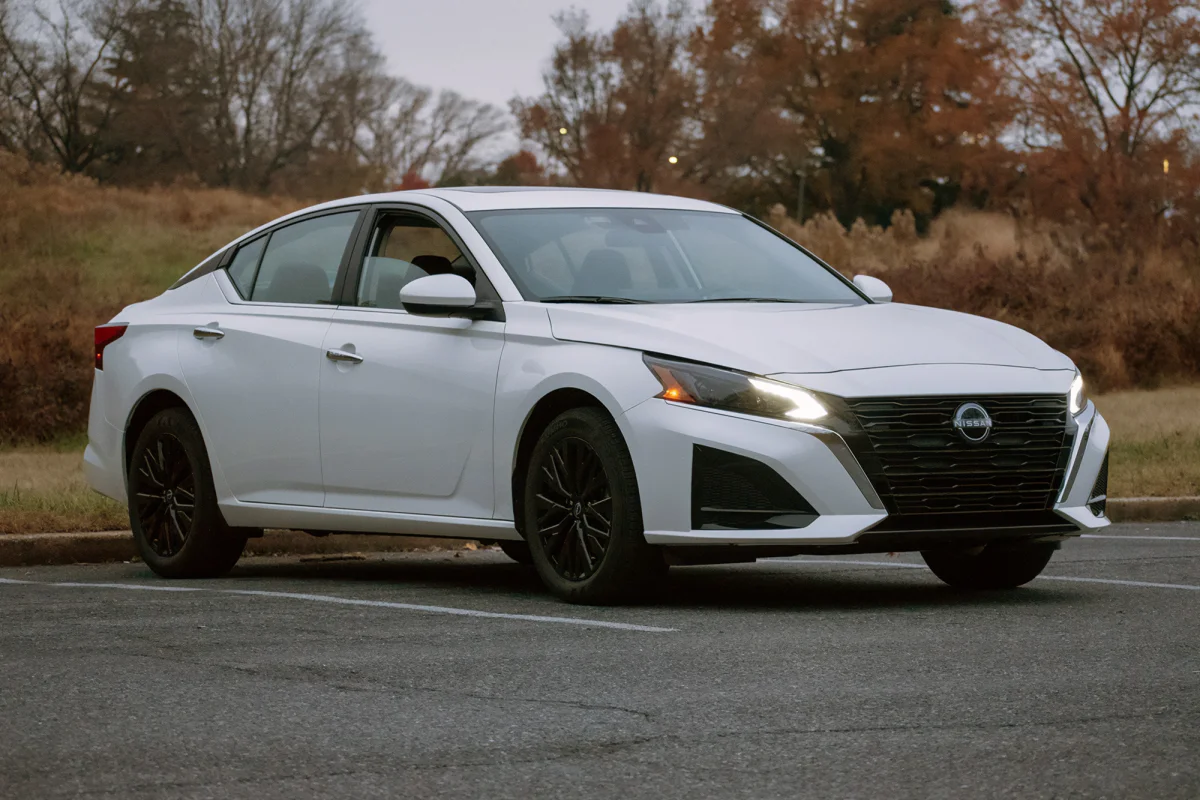
- Engine: 2.5L DOHC 16-valve inline-4 (naturally aspirated) + Xtronic CVT
- Horsepower: 188 hp (FWD) / 182 hp (AWD)
- Torque: 180 lb-ft (FWD) / 178 lb-ft (AWD)
- Length: 192.9 in (4,900 mm)
- Width: 72.9 in (1,852 mm)
7. Jeep Wrangler
The Jeep Wrangler benefits in the United States from being fully rooted in domestic manufacturing and one of the largest off-road vehicle ecosystems in the world. Built in Toledo, Ohio, the Wrangler avoids international shipping costs, import tariffs, and currency-related price increases on core components.
Its popularity across the U.S. creates massive economies of scale, ensuring that both OEM and aftermarket parts are produced in high volumes and remain widely available. A highly competitive aftermarket industry further reduces costs, with numerous American companies producing affordable replacement parts and performance upgrades.
In contrast, in international markets, the Wrangler is a low-volume niche vehicle, meaning parts often require expensive shipping, customs duties, and currency conversion costs, making maintenance significantly more expensive abroad.
Performance-wise, the Wrangler is engineered for rugged capability rather than refined road behavior. It offers several engine options, including a 285-horsepower V6, a 270-horsepower turbocharged four-cylinder, and a high-performance 470-horsepower V8. Transmission choices include a six-speed manual or an eight-speed automatic, with four-wheel drive standard across the lineup.
Off-road capability is its core strength, with excellent traction systems and strong low-speed control, though on-road handling remains less refined compared to modern SUVs. Acceleration varies widely by model, from about 7 seconds in four-cylinder versions to just 4 seconds in the V8-powered variant.
The Wrangler prioritizes durability and functionality over luxury. The cabin features a boxy design, upright windshield, and rugged controls built for outdoor use. Visibility can be limited, especially with the roof and doors in place, but it improves significantly when they are removed. Passenger space is more generous in four-door models, while cargo capacity is limited in the two-door version.
Technology includes a 12.3-inch touchscreen with wireless smartphone integration and the Uconnect 5 system, which supports navigation and trail mapping. Safety features are relatively limited, with only basic driver-assistance options available. Warranty coverage follows standard industry terms, including three years or 36,000 miles of basic protection and five years or 60,000 miles for the powertrain.
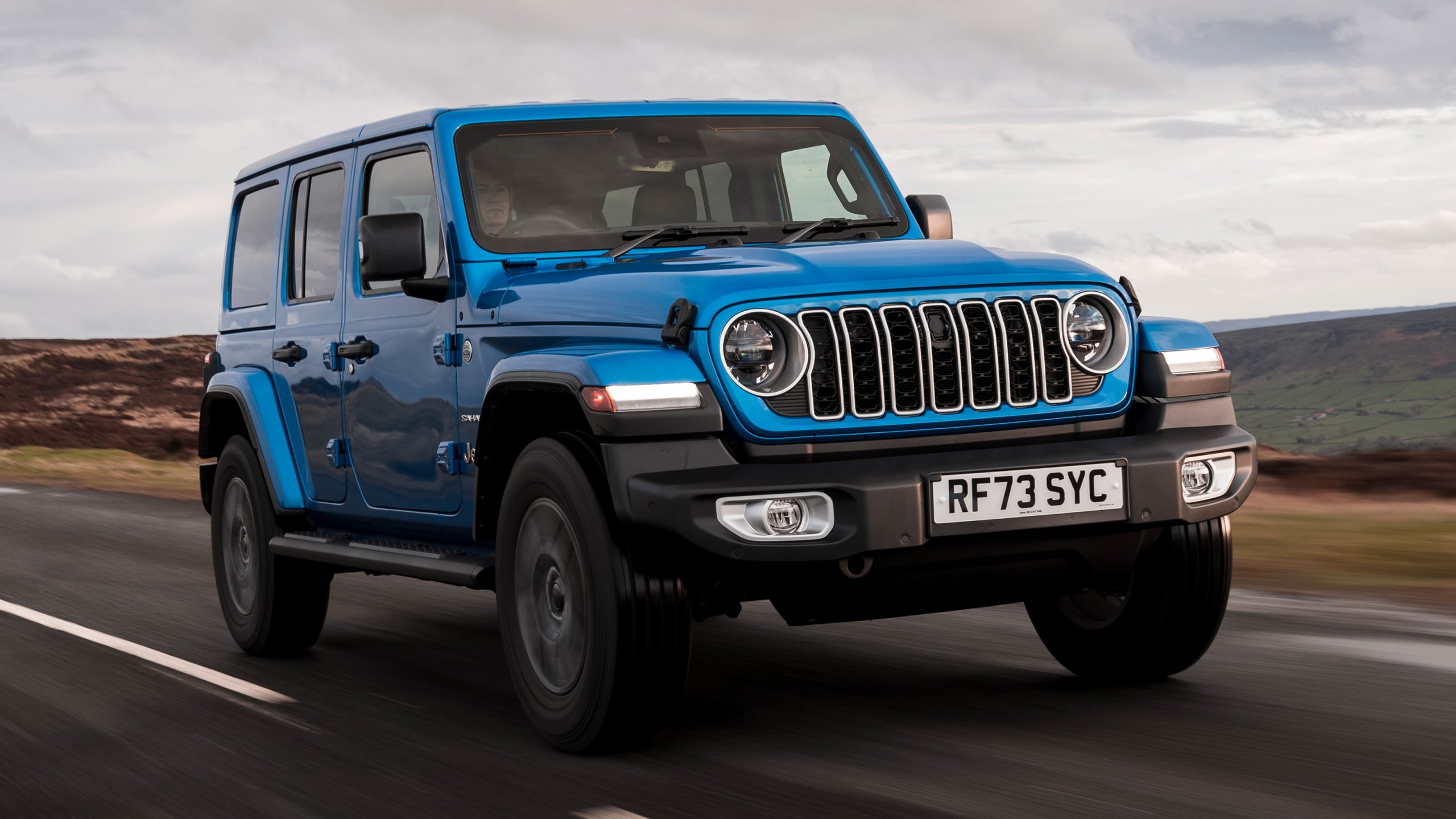
- Engine: 2.0L turbocharged inline-4 + dual electric motors (Jeep Wrangler 4xe PHEV)
- Horsepower: 375 hp (combined)
- Torque: 470 lb-ft (combined)
- Length: 166.8 in (4,237 mm) (2-door) / 188.4 in (4,785 mm) (4-door Unlimited)
- Width: 73.8 in (1,875 mm)
8. Ford Explorer
The Ford Explorer benefits in the United States from a high-volume, domestically centered production strategy that improves parts availability and helps keep ownership costs relatively manageable. Built primarily in the U.S., it shares components across Ford’s broader lineup, including SUVs and fleet vehicles like police interceptors and luxury Lincoln models.
This platform sharing increases production scale, reduces per-part manufacturing costs, and ensures widespread availability of replacement components. In the U.S., this translates into easy access to commonly needed parts such as filters, suspension components, and brake systems through both dealerships and aftermarket suppliers.
Outside North America, however, the Explorer is far less common, making its parts more expensive and often subject to special ordering, shipping delays, and import markups.
Performance in the Explorer focuses on balanced everyday usability with optional power for more demanding drivers. It offers a 2.3-liter turbocharged four-cylinder engine producing around 300 horsepower, along with a more powerful 3.0-liter twin-turbo V6 delivering up to 400 horsepower.
A 10-speed automatic transmission is standard, with rear-wheel drive or optional all-wheel drive configurations. The SUV delivers composed handling and predictable road behavior, while performance-focused versions like the ST provide noticeably quicker acceleration, with 0–60 mph times as low as about 5.1 seconds.
As a three-row SUV, the Explorer emphasizes practicality and passenger flexibility. The second row offers easy access to the third row, though rear seating space is limited for adults. Cargo capacity is strong when seats are folded, making it suitable for families and long trips.
Technology is centered around a large 13.2-inch touchscreen with Ford’s digital interface, supporting apps, smartphone integration, and streaming features when parked. Safety equipment is comprehensive, including collision warning, lane-keeping assist, and blind-spot monitoring. Warranty coverage is standard for the segment but does not include complimentary maintenance.
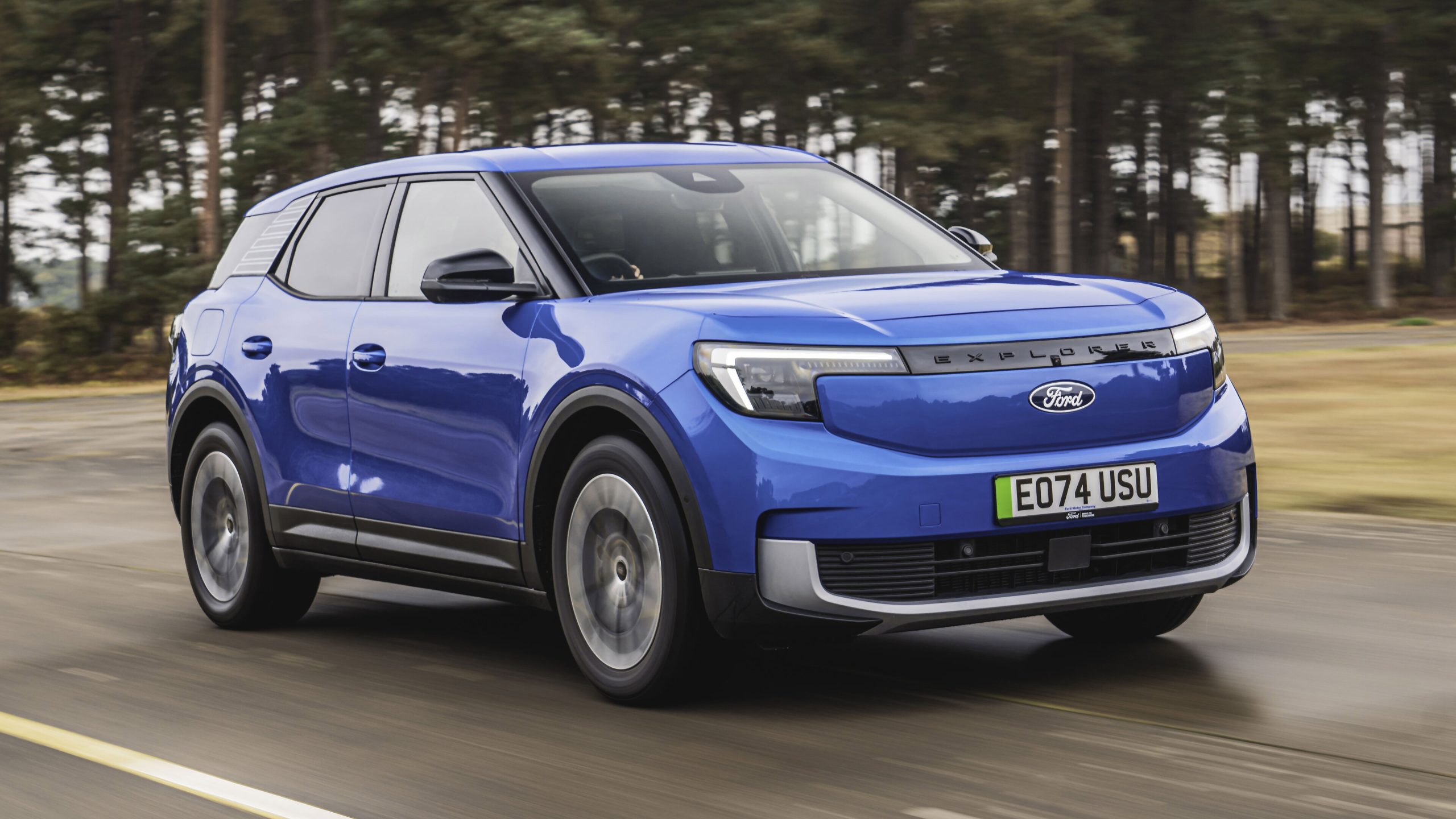
- Engine: 2.3L EcoBoost turbo inline-4 / 3.0L EcoBoost twin-turbo V6
- Horsepower: 300 hp (2.3L EcoBoost) / 400 hp (3.0L EcoBoost)
- Torque: 310 lb-ft (420 Nm) (2.3L EcoBoost) / 415 lb-ft (563 Nm) (3.0L EcoBoost)
- Length: 198.7 in (5,049 mm)
- Width: 78.9 in (2,004 mm) (without mirrors) / 89.3 in (2,268 mm) (with mirrors)
9. Toyota RAV4
The Toyota RAV4 maintains low ownership and maintenance costs in the United States largely due to its status as the country’s best-selling non-pickup vehicle, which drives extremely high demand for parts and servicing.
This popularity allows manufacturers to produce components at scale within North America, reducing costs through localized supply chains and avoiding expensive international shipping and tariffs. Because so many RAV4s are on U.S. roads, replacement parts are widely stocked across dealerships, repair shops, and aftermarket suppliers, creating strong competition that keeps prices low.
In contrast, in markets where the RAV4 is less common, parts often need to be imported, resulting in higher costs and longer wait times. The U.S. version is also typically built with cost-efficient materials and trim choices tailored to a highly competitive compact SUV market, where affordability is a major selling point.
The RAV4 is designed for practicality and efficiency, offering hybrid and plug-in hybrid powertrains centered around a 2.5-liter four-cylinder engine. Hybrid versions produce between 226 and 236 horsepower, while plug-in hybrid models deliver up to 320 horsepower and significantly quicker acceleration.
Fuel economy is a key strength, with hybrid models achieving over 40 mpg combined in many configurations and strong real-world efficiency on highway routes. Towing capability reaches up to 3,500 pounds on most trims, while plug-in versions add up to 52 miles of electric-only driving range.
The RAV4 features a rugged yet functional cabin design with generous storage, comfortable seating for passengers, and flexible cargo space that expands significantly with folded rear seats. Technology includes a standard touchscreen with wireless smartphone integration, digital instrument displays, and available premium audio systems.
Safety is comprehensive, with standard adaptive cruise control, lane-keeping assist, and automatic emergency braking, supported by optional advanced camera systems and driver aids. Warranty coverage includes standard protection plus extended hybrid component coverage and limited complimentary maintenance.
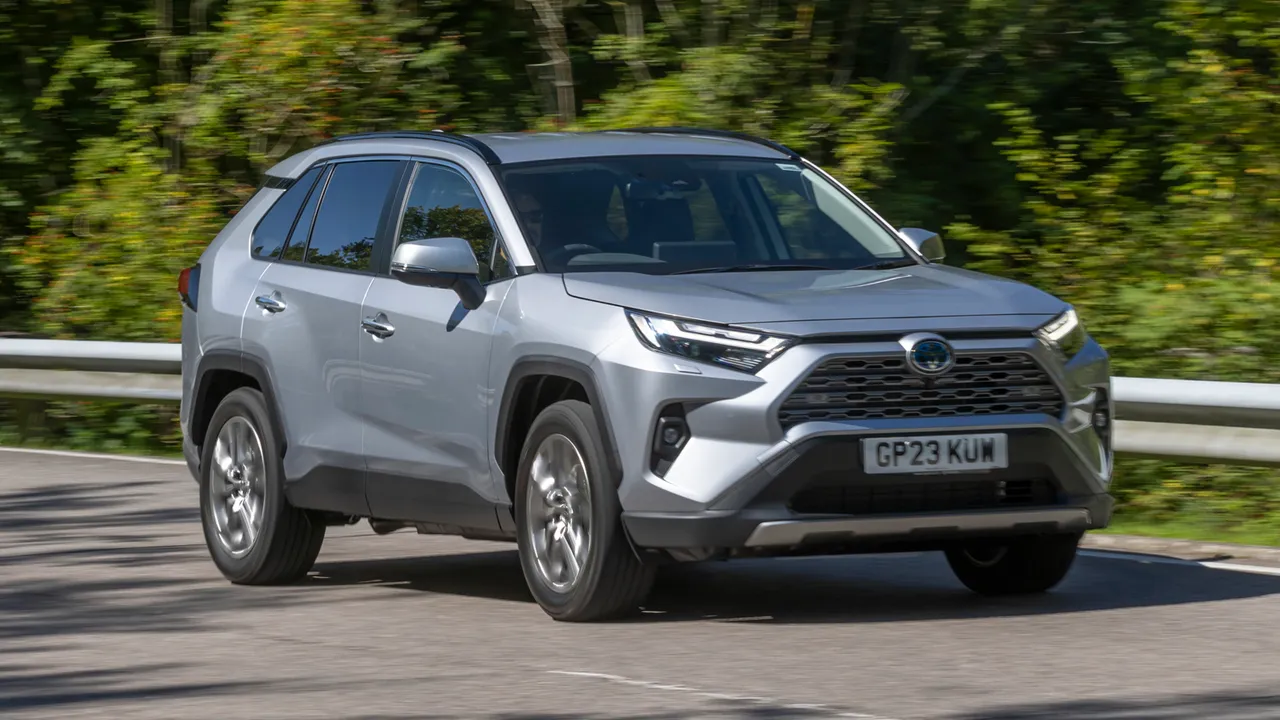
- Engine: 2.5L inline-4 (gas) / 2.5L inline-4 hybrid system (gas + electric motors) / 2.5L inline-4 plug-in hybrid (RAV4 Prime)
- Horsepower: 203 hp (gas) / 219–236 hp (hybrid) / 302 hp (RAV4 Prime)
- Torque: 184 lb-ft (gas) / 184 lb-ft engine torque + 252 lb-ft system torque (hybrid) / 184 lb-ft (engine) + 270 Nm front motor (Prime)
- Length: 180.9 in (4,595 mm
- Width: 73.0 in (1,854 mm)
10. Hyundai Elantra
The Hyundai Elantra achieves low ownership and repair costs in the US largely through localized manufacturing in Alabama and Mexico, which reduces import tariffs and shipping expenses while ensuring a steady supply of affordable replacement parts.
Its strong sales volume in North America supports a deep aftermarket ecosystem, where competition among suppliers keeps maintenance prices low and parts widely available. Compared to many overseas markets where the Elantra is a lower-volume import, US drivers benefit from faster access to components and far lower replacement costs.
Hyundai positions the Elantra as a high-volume economy sedan, and this influences material choices and feature distribution. While global engineering standards remain consistent, US versions often emphasize cost efficiency, using more durable but simpler interior materials to keep pricing competitive in a crowded compact-car segment. This strategy, combined with regional supply chains, allows Hyundai to maintain aggressive pricing without compromising core reliability.
The Elantra offers multiple powertrains, including a 147-hp 2.0-liter engine, a 201-hp turbocharged N Line variant, and a 139-hp hybrid system. A CVT is standard on most trims, while the hybrid uses a dual-clutch automatic for smoother, more engaging shifts. Performance varies from modest in the base model to noticeably stronger in the turbo version, while the hybrid prioritizes efficiency with strong fuel economy figures.
Fuel efficiency is a key strength, with EPA ratings reaching up to 51 mpg city and 58 mpg highway for the hybrid. In real-world testing, it still delivers impressive economy near 48 mpg on highways. The cabin is spacious with generous rear-seat room and practical cargo capacity, fitting up to six carry-on bags in testing.
Technology includes touchscreen options up to 10.3 inches, wireless smartphone integration on select trims, and available Bose audio. Standard safety tech includes forward collision warning and lane assistance, with adaptive cruise control available on higher trims. Hyundai further strengthens value with a five-year warranty and 10-year powertrain coverage.
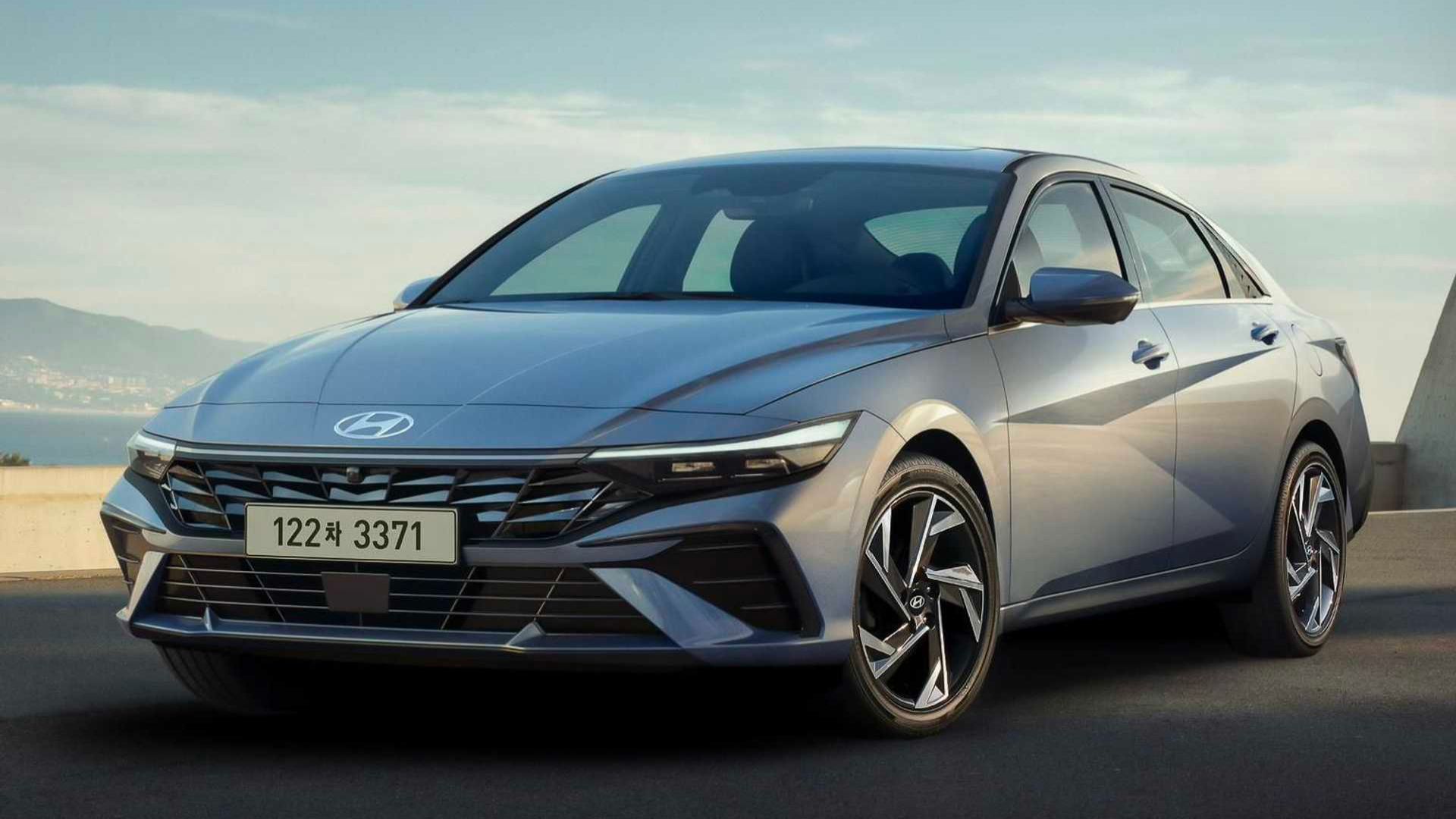
- Engine: 2.0L inline-4 (gas) / 1.6L inline-4 hybrid system / 1.6L turbocharged inline-4 (N Line)
- Horsepower: 147 hp (2.0L gas) / 139 hp (1.6L hybrid combined) / 201 hp (1.6L turbo N Line)
- Torque: 132 lb-ft (2.0L gas) / 195 lb-ft (1.6L hybrid combined) / 195 lb-ft (1.6L turbo N Line)
- Length: 184.1–185.4 in (4,675–4,710 mm)
- Width: 71.9 in (1,825 mm)
Also read: 5 Cars With Real Off-Road Hardware vs 5 With Looks Only