
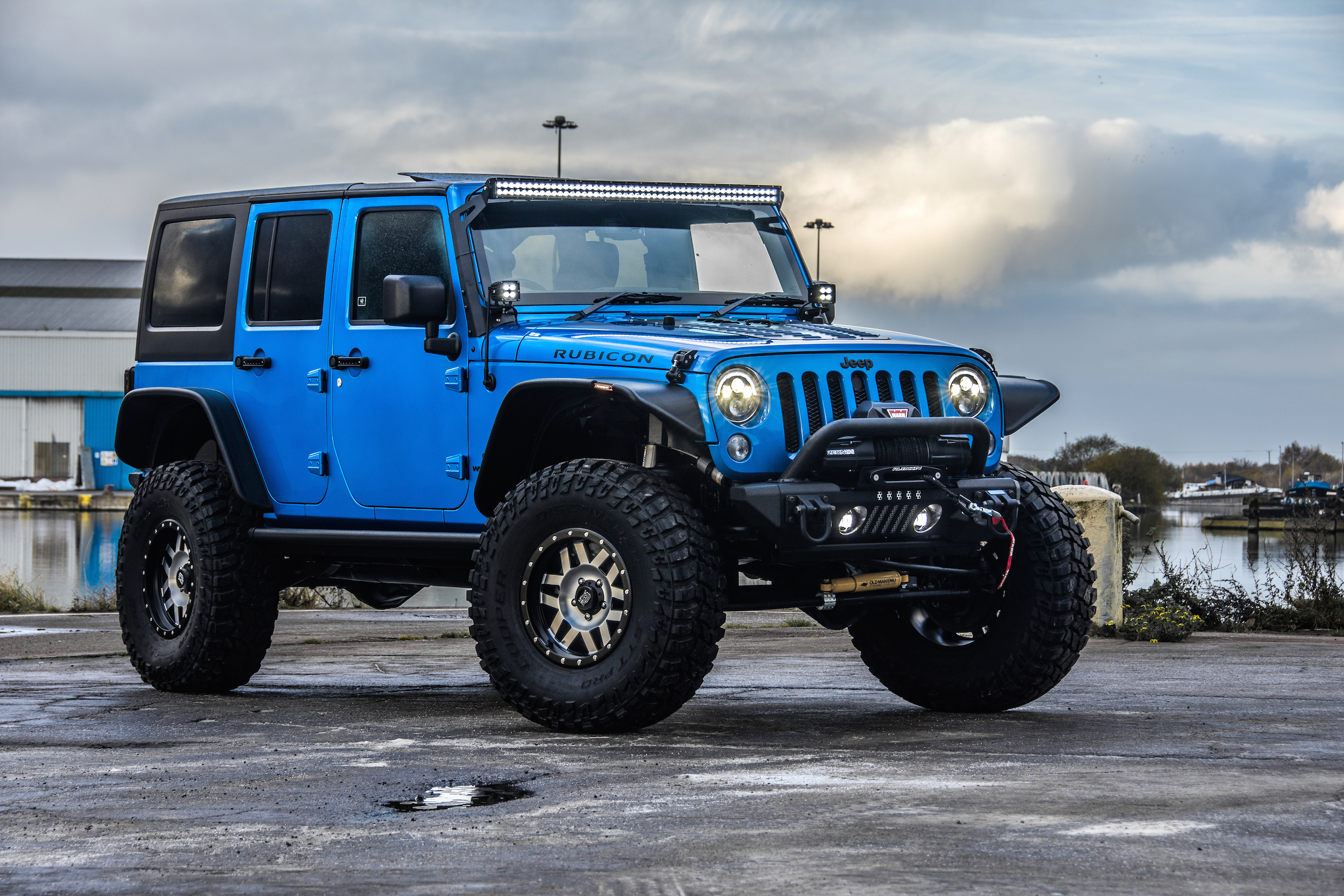
The Jeep Wrangler has long been one of the most recognizable vehicles on American roads. Known for its rugged styling, exceptional off-road capability, removable doors, and open-air driving experience, the Wrangler occupies a unique place in the automotive market.
For many buyers, owning a Wrangler is about more than transportation. It represents adventure, freedom, and a lifestyle that few other vehicles can match. However, while the purchase price is often the first number shoppers focus on, the true cost of ownership extends far beyond the monthly payment.
Insurance premiums, fuel expenses, maintenance costs, repairs, depreciation, registration fees, and optional upgrades all contribute to the total amount owners spend over time.
Understanding the real five-year cost of owning a Jeep Wrangler is especially important in today’s automotive market, where vehicle prices remain relatively high, and operating costs can vary significantly depending on location, driving habits, and vehicle configuration.
A two-door Sport model may have a very different ownership profile than a fully equipped Rubicon or Sahara. Similarly, a driver who uses the Wrangler primarily for commuting will likely face different expenses compared to someone who regularly takes it on off-road adventures. These differences can add thousands of dollars to the ownership experience.
One of the Wrangler’s strongest advantages is its impressive resale value. Unlike many vehicles that lose value rapidly during the first few years of ownership, the Wrangler has historically maintained strong demand in the used vehicle market.
This characteristic helps offset some ownership expenses and can make the vehicle more affordable over the long term than buyers initially expect. At the same time, factors such as lower fuel efficiency compared to many crossovers and potentially higher insurance rates can increase yearly operating costs.
For prospective buyers, evaluating the total cost of ownership provides a much clearer picture of financial reality than focusing solely on the sticker price. By examining depreciation, fuel costs, insurance, maintenance, repairs, taxes, registration fees, and common modifications, drivers can make a more informed purchasing decision.
This guide explores what it really costs to own a Jeep Wrangler for five years in the United States and highlights the key expenses every buyer should consider before bringing one home.
Also Read: Ford Issues ‘Do Not Drive’ Recall On 4,653 Maverick And Bronco Sport Models
Purchase Price And Depreciation
The starting point for calculating Wrangler ownership costs is the vehicle’s purchase price. New Jeep Wrangler models generally range from the mid-thirty thousand dollar range for base trims to well over sixty thousand dollars for premium versions.
Special editions and heavily optioned models can push prices even higher. Most buyers finance their purchase, which means interest expenses may add several thousand dollars to the total cost over the life of the loan.
Depreciation is typically the largest ownership expense for most vehicles, but the Wrangler stands out because it retains value exceptionally well. Strong consumer demand and a loyal enthusiast community help support used vehicle prices. While most vehicles can lose half their value within five years, many Wrangler models maintain a significantly higher percentage of their original purchase price.
For example, a Wrangler purchased for approximately $45,000 may still retain a substantial portion of its value after five years. This means owners often lose less money to depreciation than buyers of similarly priced SUVs. In many cases, depreciation may account for roughly $12,000 to $18,000 over a five-year period, depending on trim level, mileage, and market conditions.
Trim selection also affects long-term value retention. Rubicon models often command strong resale values because of their off-road equipment and enthusiast appeal. Sahara trims attract buyers looking for comfort and convenience features, while Sport models appeal to budget-conscious shoppers seeking Wrangler ownership at a lower entry cost.
Buyers should also consider dealer fees, destination charges, taxes, and optional packages. These expenses increase the initial investment and influence ownership costs. While depreciation remains unavoidable, the Wrangler’s strong resale value helps reduce the financial impact compared to many competing SUVs.
Also Read: 6 Best and Worst Years of the Ford F-150
Fuel Costs Over Five Years
Fuel is one of the most significant recurring expenses for Wrangler owners. While recent engine options have improved efficiency compared to older generations, the Wrangler remains less fuel efficient than many crossover SUVs due to its boxy shape, off-road-oriented design, and heavier construction.
The exact fuel cost depends on the chosen powertrain. Drivers can choose from several engine options, including traditional gasoline engines, turbocharged variants, plug-in hybrid models, and other configurations, depending on the model year. Fuel economy can vary considerably among these choices.
Assuming a driver covers approximately 15,000 miles annually, total mileage over five years would reach about 75,000 miles. With average fuel economy ranging between 20 and 24 miles per gallon for many Wrangler configurations, fuel consumption becomes a major budget consideration.
Depending on national fuel prices and driving conditions, owners may spend anywhere from $10,000 to $18,000 on gasoline during a five-year ownership period.
Driving habits play a major role in determining fuel expenses. Frequent highway driving generally improves efficiency, while city traffic, off-road use, oversized tires, roof racks, and lifted suspensions can reduce fuel economy significantly. Owners who frequently modify their vehicles may see higher fuel costs than factory estimates suggest.
The plug-in hybrid Wrangler can lower fuel expenses for drivers who regularly charge the battery and take advantage of electric-only operation. However, higher purchase prices may offset some of the fuel savings. Buyers should calculate their expected driving patterns carefully before choosing a powertrain.
Fuel costs remain one of the most variable ownership expenses. Even small changes in gasoline prices can add thousands of dollars to total ownership costs over a five-year period. As a result, fuel should always be included when evaluating Wrangler affordability.
Insurance, Registration, And Taxes
Insurance costs vary widely across the United States, but Wrangler owners should generally expect to pay competitive to moderately high premiums. Factors influencing rates include driver age, location, driving history, vehicle trim, annual mileage, and coverage levels.
Many insurers consider Wranglers relatively safe vehicles due to their size and construction, but repair costs and theft rates in certain regions can increase premiums. Younger drivers may face especially high insurance expenses compared to experienced drivers with clean records.
Over five years, insurance expenses can easily total between $7,500 and $12,500 or more. In some metropolitan areas, annual premiums may exceed $2,000, particularly for higher trim levels or drivers with previous claims. Shopping around for coverage can produce substantial savings over time.
Registration fees and vehicle taxes represent another recurring cost. These expenses differ significantly by state. Some states charge modest annual registration fees, while others calculate fees based on vehicle value, weight, or age. Over five years, owners may spend several hundred to several thousand dollars on registration and related government fees.
Sales tax is another major upfront expense. Depending on the state and local jurisdiction, buyers may pay several thousand dollars when purchasing a new Wrangler. Although this cost occurs at the beginning of ownership, it should be included when calculating total expenditure.
When combined, insurance, registration, and taxes can account for a surprisingly large portion of ownership costs. Buyers who focus only on vehicle payments often underestimate these expenses, which can add more than $15,000 to total ownership costs over five years.
Maintenance, Repairs, And Modifications
Routine maintenance is essential for keeping a Wrangler reliable and preserving resale value. Oil changes, tire rotations, brake service, air filter replacements, fluid checks, and scheduled inspections all contribute to yearly ownership expenses.
Compared with some luxury SUVs, Wrangler maintenance costs are generally reasonable. However, owners who regularly drive off-road may need more frequent service due to increased wear on tires, suspension components, and driveline parts. Mud, dust, rocks, and water crossings can accelerate component wear if the vehicle is used aggressively.
Over five years, routine maintenance may cost approximately $3,000 to $6,000, depending on mileage and service location. Dealership service departments typically charge more than independent repair shops, although some owners prefer dealer maintenance to maintain service records.
Unexpected repairs can also occur. While modern Wranglers are generally durable, no vehicle is immune to mechanical issues. Electronics, suspension components, steering parts, and drivetrain systems may require attention as mileage increases. Setting aside a repair fund can help reduce financial stress if unexpected issues arise.
One unique aspect of Wrangler ownership is modification culture. Many owners purchase larger tires, lift kits, upgraded bumpers, winches, lighting systems, roof racks, and other accessories.
While modifications enhance capability and personalization, they can add thousands or even tens of thousands of dollars to ownership costs. For some enthusiasts, modifications become one of the largest expenses associated with owning a Wrangler.
