
Reliability is one of the most valuable traits an engine can offer, yet it is also one of the hardest to measure on paper.
Horsepower figures and acceleration times are easy to advertise, but true durability reveals itself only after years of use, long commutes, missed service intervals, and unpredictable driving conditions.
Over the last 30 years, a select group of engines has proven itself not through marketing claims, but through real-world endurance.
The modern automotive industry has undergone rapid change. Engines have become more complex, incorporating turbocharging, direct injection, hybrid systems, and strict emissions controls.
While these advancements improve efficiency and performance, they also introduce new points of failure. Despite this, some engines have managed to stand above the rest by maintaining a rare balance between innovation and long-term dependability.
What separates a truly reliable engine from an average one is not perfection, but consistency. The best engines tolerate wear without sudden breakdowns, maintain stable performance over time, and remain manageable in terms of maintenance.
They are forgiving when conditions are less than ideal and continue to function even as mileage climbs far beyond expectations.
Another key factor is engineering philosophy. Some manufacturers prioritise simplicity, reducing the number of components that can fail.
Others rely on precision and advanced materials to ensure longevity even in more complex systems. In both cases, the result is the same: engines that owners trust for hundreds of thousands of miles.
This list brings together ten of the most reliable engines produced in the last three decades, ranked based on their proven track records, real-world mileage achievements, and long-term ownership experiences. Each engine represents a different approach to durability.
Some are known for their straightforward design, while others achieve reliability through advanced engineering done right.
These engines are not just dependable; they define what long-term ownership should feel like. They start when needed, perform without drama, and keep going long after expectations have been exceeded. Below are ten engines that have earned their place through years of proven reliability.
Also Read: Why Most People Are Buying the Wrong Size SUV for Their Lives
1. Toyota 2UZ-FE
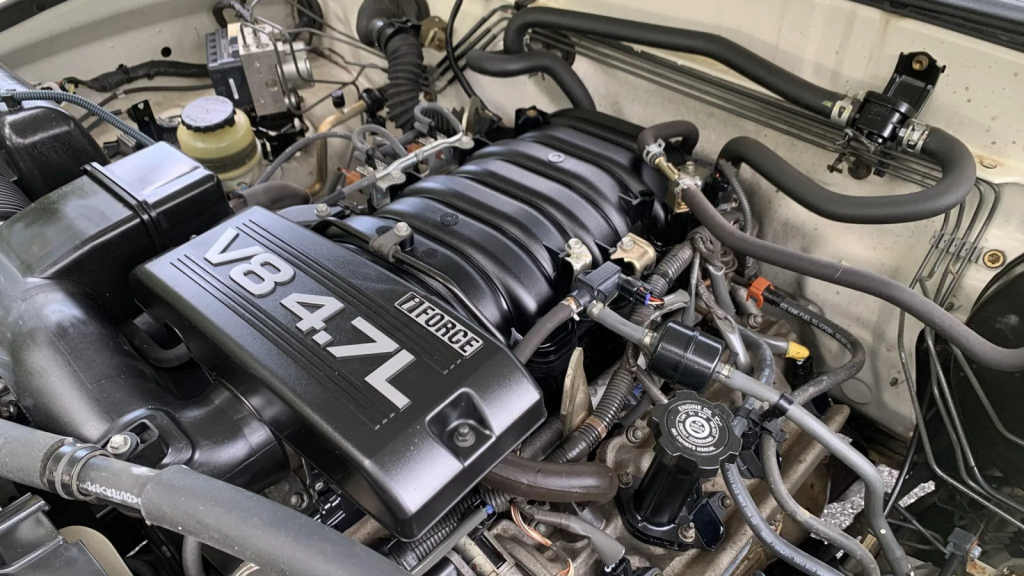
The Toyota 2UZ-FE is often spoken about with a level of respect usually reserved for industrial machinery rather than passenger vehicle engines. Introduced in large SUVs and trucks, this 4.7-litre V8 was built with durability as a primary objective, and it shows in every aspect of its design.
Unlike many modern engines that focus on weight reduction, the 2UZ-FE uses a cast-iron block. This choice adds weight but significantly increases strength and resistance to wear. The engine was designed to handle heavy loads, towing, and harsh conditions without compromising its internal integrity.
Mileage records frequently exceed 300,000 miles, and in many cases, owners report reaching 500,000 miles with basic maintenance. What makes these numbers even more impressive is the type of vehicles this engine powers. Large SUVs and trucks place constant strain on their engines, yet the 2UZ-FE handles this stress without developing major issues.
The power delivery is smooth and predictable, avoiding sudden spikes that could accelerate wear. This steady behaviour contributes to its long lifespan, as internal components are not subjected to unnecessary stress.
Maintenance is straightforward despite the engine’s size. Routine oil changes, timing belt service, and cooling system care are typically enough to keep it running reliably. Parts availability and mechanical simplicity also make repairs manageable.
Another reason for its longevity is how well it handles extreme conditions. Whether operating in hot climates, cold environments, or off-road situations, the 2UZ-FE maintains consistent performance. This adaptability is a key factor in its reputation.
Owners often describe it as an engine that feels just as strong years into ownership as it did when new. It does not rely on advanced technology to achieve this reliability. Instead, it succeeds through robust construction and conservative engineering.
The 2UZ-FE stands at the top of this list because it represents durability in its purest form. It is not designed to impress with numbers, but to endure, and it does so exceptionally well.
2. Honda K24
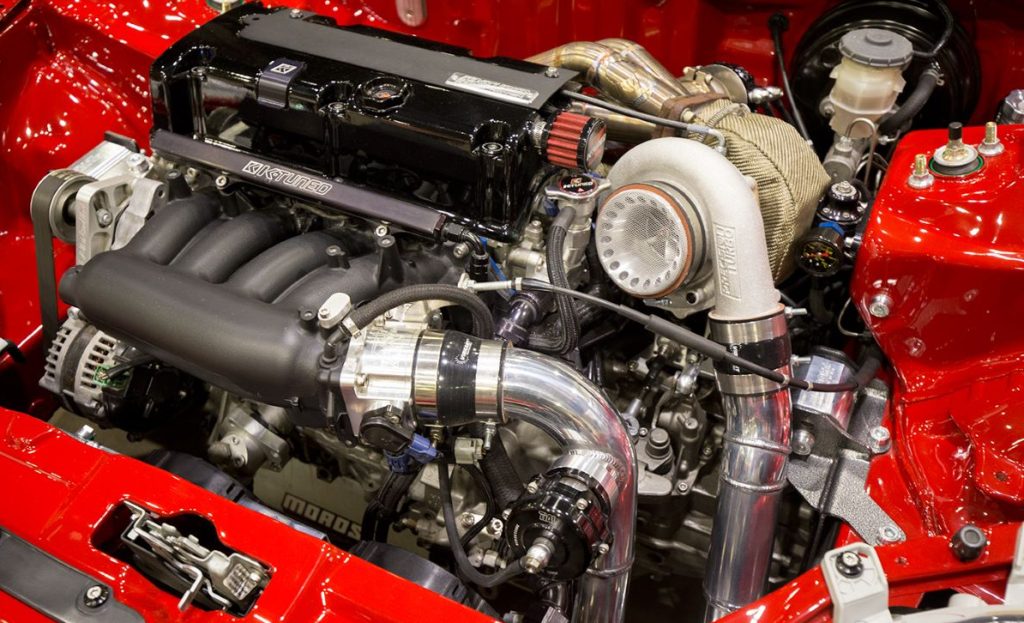
The Honda K24 takes a different approach, blending efficiency, performance, and long-term reliability into a single package. Found in a wide range of vehicles, from sedans to SUVs, this 2.4-litre inline-four has proven to be one of the most versatile and dependable engines of its era.
At the core of the K24’s success is its intelligent design. Honda refined the K-series platform to improve both power delivery and durability. The engine features a strong aluminium block, precise internal balancing, and an advanced i-VTEC system that optimises performance without increasing wear.
Many K24 engines have surpassed 300,000 miles while maintaining smooth operation. This level of longevity is supported by efficient cooling and reduced internal friction, both of which play a crucial role in preserving engine health over time.
Drivers often notice how consistent the engine feels even after years of use. It does not develop excessive noise or vibration, which indicates that internal components remain in good condition. This refinement is a key part of its appeal.
The K24 also adapts well to different driving styles. It performs efficiently in daily commuting situations while still offering enough power for highway driving. This flexibility ensures that it remains reliable regardless of how it is used.
Maintenance is relatively simple, with routine servicing being enough to keep the engine in excellent condition. The design avoids unnecessary complexity, making it easier to manage compared to some modern alternatives.
Another notable aspect is how well the engine responds to higher mileage without significant performance loss. It continues to deliver steady output and predictable behaviour, which builds confidence for long-term owners.
The Honda K24 secures its place near the top because it successfully combines modern engineering with the durability Honda is known for. It proves that reliability does not require sacrificing performance or efficiency.
3. Lexus 1UZ-FE
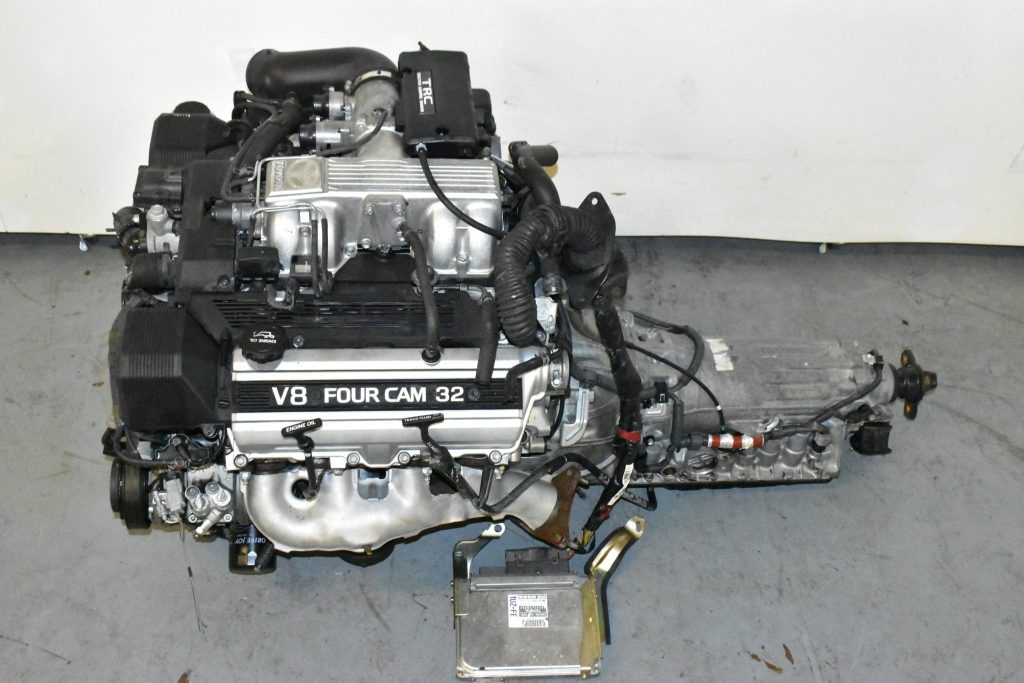
There is something distinctly different about the way the Lexus 1UZ-FE earns its reputation. It does not rely on brute strength like a truck engine, nor does it depend on minimalism. Instead, it represents a level of engineering precision that quietly results in extraordinary longevity.
This 4.0-litre V8 was originally developed for luxury applications, yet it ended up becoming one of the most overbuilt engines of its time.
The internal components were designed with extremely tight tolerances, and the block itself features a robust aluminium construction with iron liners. What sets it apart is not just durability, but the way it maintains refinement while lasting for hundreds of thousands of miles.
Owners often report mileage figures exceeding 400,000 miles, with some pushing far beyond that without major internal work.
What makes these numbers stand out is the consistency of performance throughout their lifespan. The engine does not gradually fall apart. It continues to run smoothly, often feeling far newer than its odometer would suggest.
The 1UZ-FE also benefits from a well-balanced design. Vibrations are kept to a minimum, which reduces stress on internal components. This balance plays a crucial role in extending engine life, especially in long-distance driving conditions.
Another important detail is how the engine handles neglect compared to other luxury-oriented powertrains. While it certainly benefits from proper maintenance, it is not as fragile as many engines in its class. This resilience has contributed to its reputation as one of the most dependable V8S ever built.
Its power delivery is refined and linear, avoiding sudden surges that could increase wear. Drivers often describe the experience as effortless, which aligns perfectly with its long-term durability. The engine is not constantly pushed to its limits, and that restraint contributes to its longevity.
Mechanics appreciate the 1UZ-FE for its thoughtful construction. Despite its sophistication, it does not present unnecessary complications during servicing. This combination of precision and practicality is rare and highly valued.
The 1UZ-FE earns its place on this list by demonstrating that luxury and durability can coexist. It proves that an engine can deliver smooth performance for decades without compromising reliability.
4. GM LS3
The GM LS3 takes a more modern and performance-oriented route while still achieving remarkable reliability. Introduced in high-performance applications, this 6.2-litre V8 is often associated with power and speed. Yet behind that image lies an engine that has consistently proven its ability to endure long-term use.
Unlike many performance engines that sacrifice durability for output, the LS3 maintains a strong foundation built on simplicity and robust materials. The pushrod design, often considered traditional, actually works in its favour by reducing complexity and minimising potential failure points.
Mileage records for the LS3 frequently exceed 200,000 miles, and with proper care, many examples continue well beyond that. What makes this impressive is the type of driving the engine often experiences. High-performance use typically accelerates wear, yet the LS3 handles it with confidence.
The engine’s construction includes a strong aluminium block paired with high-quality internal components. This combination allows it to deliver significant power without compromising structural integrity. It is engineered to handle stress rather than avoid it, which is a different philosophy compared to many engines on this list.
Another defining feature is how well it tolerates modifications. Many owners increase power output significantly, yet the engine continues to perform reliably. This adaptability speaks to the strength of its core design and its ability to handle conditions beyond factory specifications.
From a maintenance perspective, the LS3 remains approachable. Routine servicing is straightforward, and the engine does not require overly specialised care. This accessibility encourages proper upkeep, which further extends its lifespan.
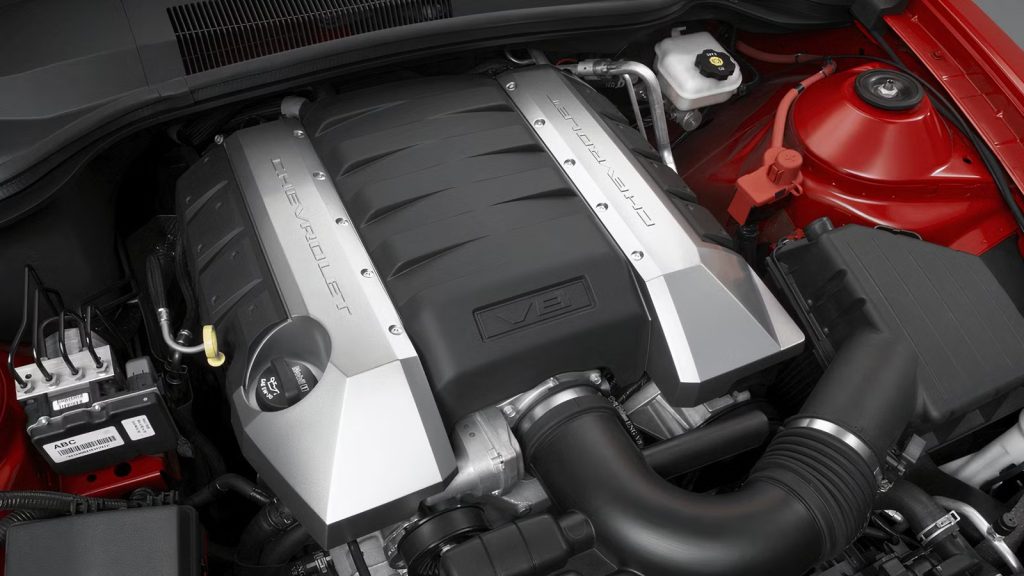
Drivers often notice that the LS3 retains its character even as mileage increases. It does not lose its responsiveness or develop unpredictable behaviour. Instead, it continues to deliver consistent performance, which builds trust over time.
The LS3 stands out because it proves that reliability is not limited to conservative designs. It shows that an engine can be powerful, engaging, and durable at the same time, making it one of the most respected modern V8S.
5. Toyota 1NZ-FE
The Toyota 1NZ-FE does not rely on size, power, or heavy-duty construction to build its reputation. Instead, it thrives on efficiency, intelligent design, and an ability to perform consistently under everyday conditions.
This 1.5-litre inline-four became a staple in compact cars, particularly in urban environments where reliability is tested through constant stop-and-go driving.
What makes the 1NZ-FE remarkable is how well it handles routine stress. Short trips, cold starts, and traffic congestion can accelerate wear in many engines, yet this one remains composed. Its lightweight aluminium construction is paired with carefully engineered internals that reduce friction, allowing it to operate smoothly without excessive strain.
Mileage figures often exceed 250,000 miles, and many examples continue far beyond that with basic maintenance. The engine’s longevity is closely tied to its thermal efficiency. It reaches operating temperature quickly and maintains stable conditions, which helps preserve internal components over time.
Unlike larger engines that rely on torque, the 1NZ-FE focuses on balance. It delivers just enough power for daily use while avoiding unnecessary stress on moving parts. This restrained approach contributes significantly to its durability.
Another strength lies in its predictability. Owners rarely encounter sudden failures or unexpected behaviour. Instead, the engine ages in a gradual and manageable way, allowing maintenance to be planned rather than reactive.
Servicing the 1NZ-FE is straightforward, which encourages consistent upkeep. Oil changes, filter replacements, and basic inspections are usually sufficient to keep it running reliably. The simplicity of these requirements plays a major role in its long-term success.
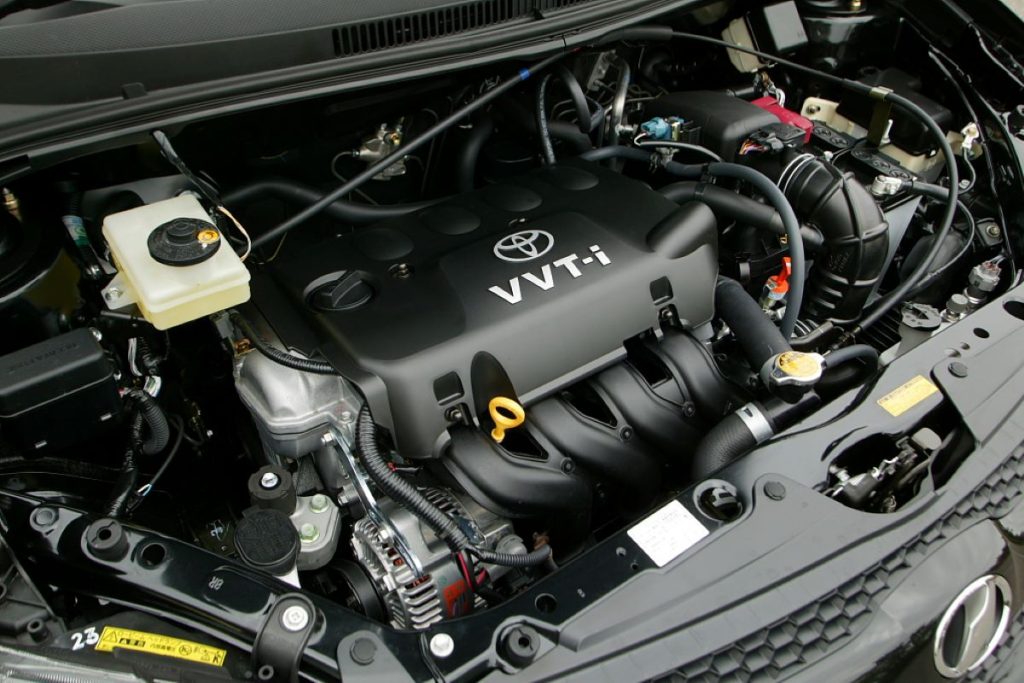
Even after years of use, the engine tends to retain a smooth idle and stable performance. This consistency is a clear indication of how well its internal components hold up over time.
The 1NZ-FE earns its place on this list by proving that reliability does not depend on size or power. It shows that a well-designed small engine can achieve impressive longevity through efficiency and careful engineering.
6. Mercedes-Benz OM646
The Mercedes-Benz OM646 approaches reliability from a completely different angle. This 2.2-litre diesel engine was designed for endurance, and it delivers exactly that through a combination of robust construction and efficient operation.
Diesel engines are often associated with longevity, but the OM646 takes that expectation further. It is built to handle high compression and sustained use, which makes it particularly well-suited for long-distance driving. Many examples have surpassed 400,000 miles, with some continuing well beyond that mark.
One of the key factors behind its durability is its strong internal structure. The engine is designed to withstand continuous stress without compromising performance. This resilience allows it to maintain efficiency and reliability even after extensive use.
Fuel efficiency also plays an important role. By consuming less fuel and operating at lower RPMs, the OM646 reduces wear on its components. This contributes to a longer lifespan compared to engines that operate under higher stress conditions.
The driving experience it offers is steady and composed. It does not aim to deliver quick acceleration or high-rev excitement. Instead, it focuses on providing consistent power over long distances, which aligns perfectly with its durability.
Maintenance requirements are more structured compared to gasoline engines, but they remain manageable. Regular servicing, including fuel system care and oil changes, ensures that the engine continues to perform reliably.
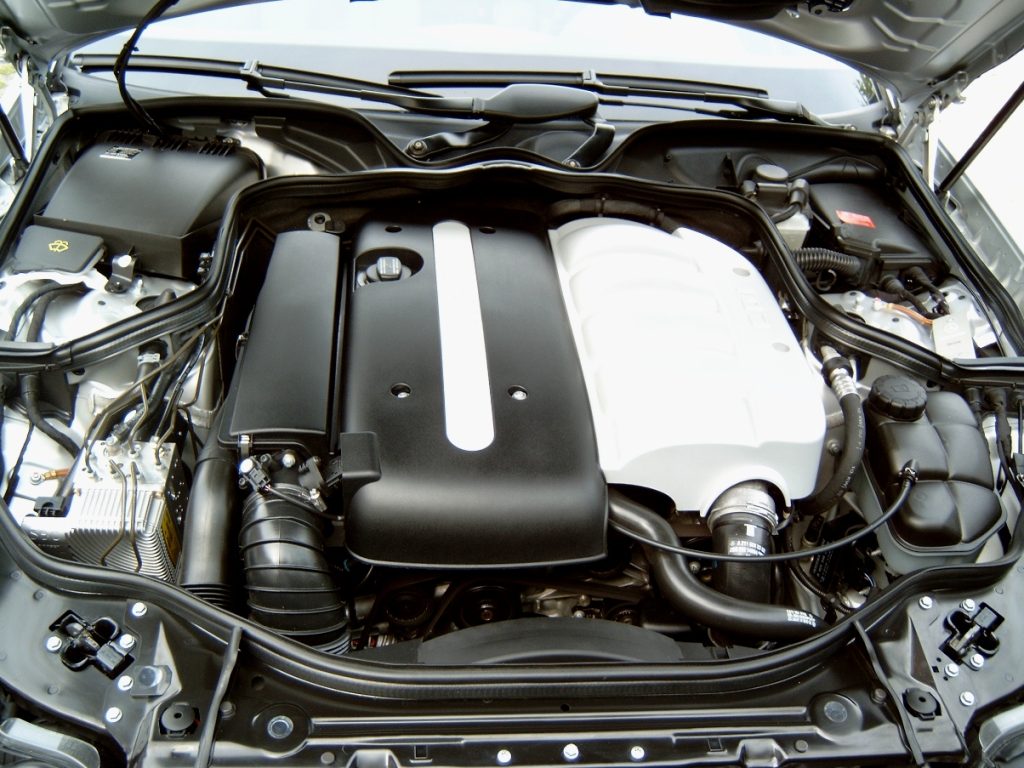
Another notable aspect is how well the OM646 handles high mileage without significant loss of efficiency. It continues to deliver strong fuel economy and dependable performance, even after years of use.
Commercial users, in particular, have relied on this engine for its ability to handle demanding schedules. Whether used in taxis or long-haul driving, it consistently proves its reliability under pressure.
The OM646 secures its place on this list by demonstrating the strengths of diesel engineering. It is an engine built for endurance, capable of covering vast distances while maintaining performance and efficiency.
7. Ford 4.6L Modular V8
The Ford 4.6-litre Modular V8 built its legacy not through excitement, but through persistence. Introduced in the 1990s and used across a wide range of vehicles, from sedans to trucks, this engine became a symbol of steady, long-term dependability.
It is not uncommon to find examples that have crossed 300,000 miles while still operating without major internal failure.
Rather than focusing on aggressive output, this engine emphasises controlled performance. Power delivery is smooth and predictable, which reduces sudden mechanical stress. That calm operating nature plays a significant role in extending its lifespan, especially in vehicles that see daily use.
One of the defining characteristics of the 4.6L is its adaptability. It performs reliably in very different roles. In a family sedan, it provides quiet and consistent operation. In a larger vehicle, it handles added weight without showing signs of strain. This flexibility is part of what made it such a widely used engine.
The design itself leans toward durability. While more complex than older pushrod engines, it avoids unnecessary complications that could lead to frequent failures. The materials used and the way components are engineered allow it to age gradually rather than deteriorate suddenly.
Another interesting aspect is how the engine responds to high mileage. Instead of developing severe issues, it tends to show minor wear that can be addressed through routine maintenance. This predictable ageing process makes ownership easier and less stressful.
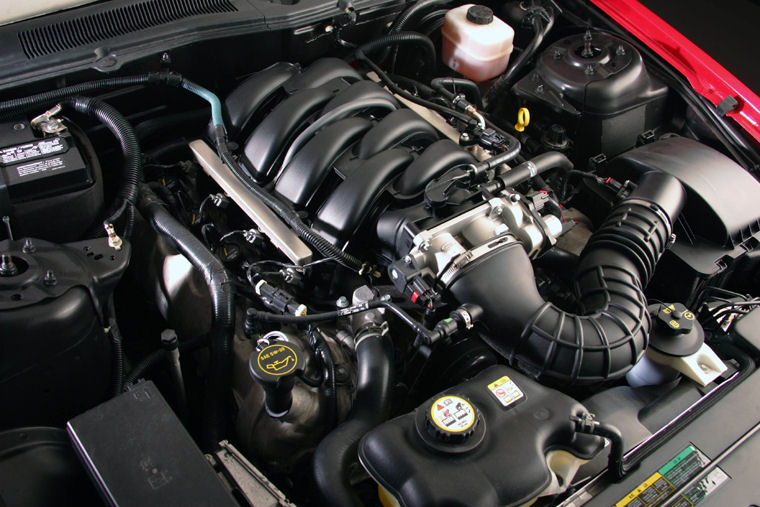
Mechanics often appreciate the engine for its accessibility. Repairs do not require overly specialised tools, and parts are widely available. This practicality encourages proper upkeep, which directly contributes to its long-term reliability.
Drivers who have owned vehicles with this engine often describe it as dependable in a quiet, reassuring way. It does not demand attention, yet it consistently delivers when needed. That sense of reliability builds trust over time.
The Ford 4.6L Modular V8 earns its place by proving that durability can come from balance and consistency. It is an engine that does not try to stand out, yet it leaves a lasting impression through years of reliable service.
8. BMW M54
The BMW M54 represents a case where engineering precision and driver engagement come together without sacrificing reliability. This inline-six engine, used in various BMW models during the early 2000s, is widely respected for its smoothness and its ability to maintain performance over long periods.
What makes the M54 unique is the way it combines refinement with endurance. Inline-six engines are naturally balanced, which reduces vibration and internal stress. This inherent balance plays a major role in the engine’s ability to last, as components experience less wear over time.
Mileage figures for the M54 often exceed 250,000 miles, and many well-maintained examples continue beyond that point. What stands out is how the engine retains its driving character even at high mileage. It continues to feel responsive and smooth, which is not always the case with engines in this category.
The engine’s construction reflects careful attention to detail. Materials are chosen to handle long-term use, and the design avoids unnecessary strain on key components. This thoughtful approach allows it to maintain structural integrity even after years of operation.
Unlike some engines that hide their ageing behind reduced performance, the M54 tends to remain honest in its behaviour. It does not suddenly lose power or develop unpredictable issues. Instead, it continues to operate in a consistent and controlled manner.
Maintenance plays a more noticeable role here compared to simpler engines. Cooling system components and seals require attention over time. However, these are known factors, and when addressed properly, they do not prevent the engine from achieving high mileage.
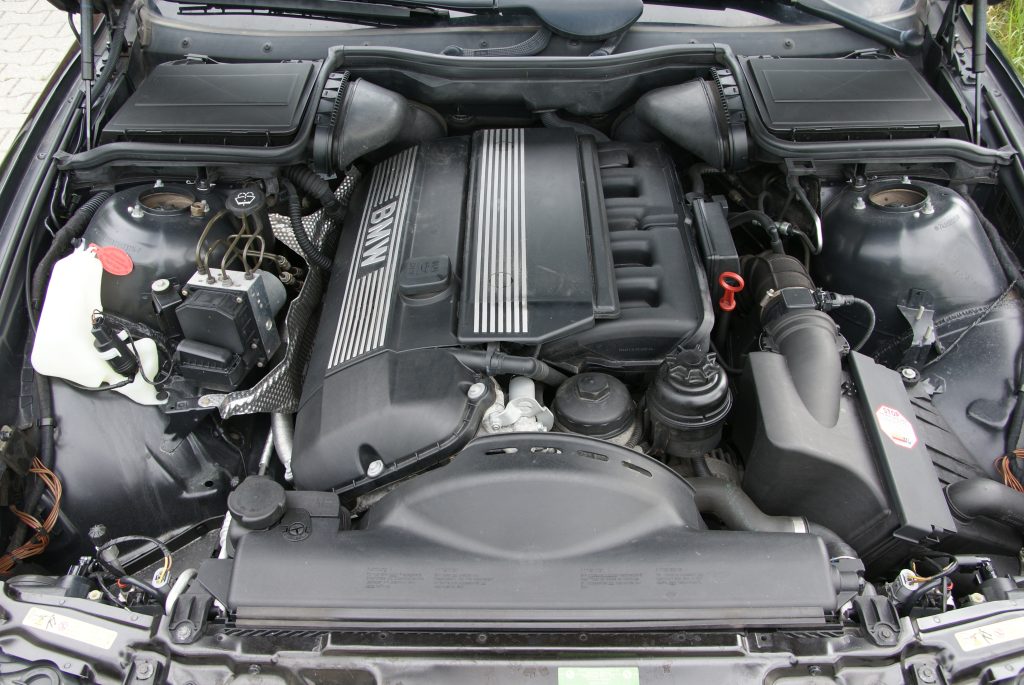
Drivers often appreciate how the M54 delivers a refined experience without feeling fragile. It manages to balance enjoyment with dependability, which is a rare combination.
The M54 secures its place on this list by showing that reliability does not have to come at the cost of driving pleasure. It stands as an example of how precise engineering can result in both longevity and a rewarding experience behind the wheel.
9. Subaru EJ25
The Subaru EJ25 has a reputation that sparks debate, yet when maintained correctly, it proves to be one of the most resilient engines of its time. This 2.5-litre flat-four became widely known through Subaru’s all-wheel-drive lineup, where it powered vehicles designed to handle challenging road and weather conditions.
What sets the EJ25 apart is its boxer configuration. By laying the cylinders flat, Subaru created an engine with a low centre of gravity and natural balance. This design reduces vibration and helps distribute internal forces more evenly. Over time, that balance contributes to smoother operation and less uneven wear compared to many traditional layouts.
High-mileage examples of the EJ25 often surpass 250,000 miles, and in well-maintained cases, they continue far beyond that point. The key to unlocking this longevity lies in consistent care. Unlike some engines that tolerate neglect, the EJ25 responds best when maintenance schedules are followed closely.
Its performance characteristics also play a role in its lifespan. The engine delivers power in a steady, controlled manner, avoiding sudden spikes that could strain internal components. This predictable output allows it to handle a variety of driving conditions without excessive stress.
Another factor is how well the EJ25 adapts to different environments. It performs reliably in cold climates, rough terrain, and long-distance driving. This versatility makes it a dependable choice for drivers who need an engine that can handle more than just daily commuting.
The engine’s construction supports long-term use, though certain components require attention as mileage increases. When these areas are addressed proactively, the engine continues to operate smoothly and reliably.
Owners often describe a sense of confidence that builds over time. The engine may not be perfect, but it rewards those who understand its needs. This relationship between driver and machine is part of what makes the EJ25 stand out.
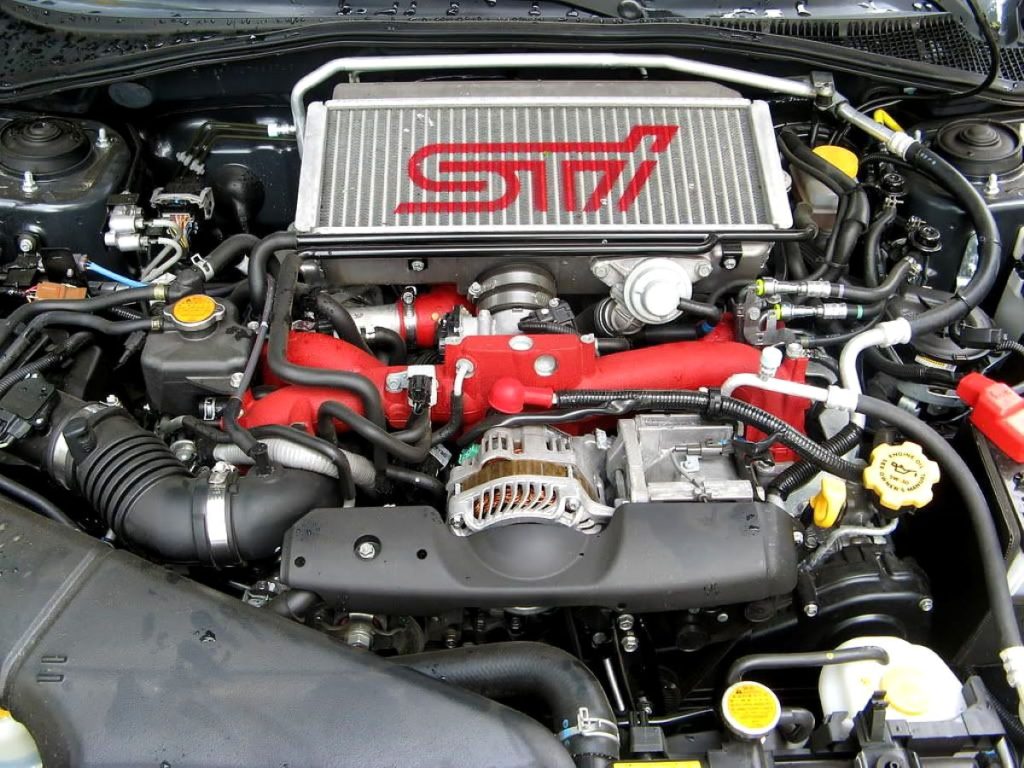
The EJ25 earns its place on this list by showing that reliability is not always about simplicity. Sometimes, it comes from a unique design that, when properly maintained, delivers consistent performance across hundreds of thousands of miles.
10. Toyota 2GR-FE
The Toyota 2GR-FE closes this list with a strong example of modern engineering done right. This 3.5-litre V6 has been used across a wide range of vehicles, from sedans to SUVs, and it consistently demonstrates a high level of durability combined with smooth performance.
At its core, the 2GR-FE is designed for balance. It delivers strong power while maintaining efficiency and reliability. This balance is achieved through careful engineering, including a robust aluminium block and a well-tuned valvetrain that minimises internal stress.
Mileage records frequently exceed 300,000 miles, with many engines continuing to perform reliably beyond that point. What makes this impressive is the variety of conditions in which the engine operates. Whether used for daily commuting, highway driving, or carrying heavier loads, it maintains consistent performance.
The engine’s smooth power delivery is a key factor in its longevity. Avoiding harsh or abrupt output, it reduces strain on internal components. This controlled behaviour allows it to age gracefully, maintaining both performance and reliability over time.
Another important aspect is its refinement. Even after years of use, the 2GR-FE often retains a quiet and smooth character. This indicates that internal components remain well-aligned and in good condition, which is essential for long-term durability.
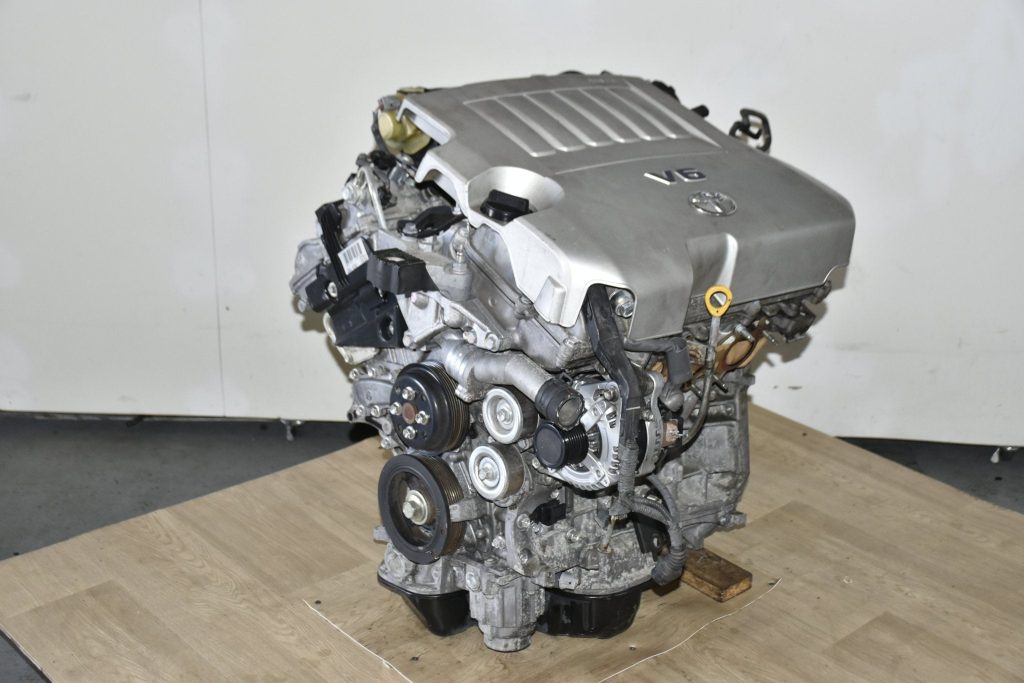
Maintenance is straightforward and predictable. Routine servicing, including oil changes and cooling system care, is typically enough to keep the engine in excellent condition. This simplicity encourages consistent upkeep, which directly contributes to its lifespan.
Drivers appreciate how dependable the engine feels in everyday use. It does not demand attention or exhibit unpredictable behaviour. Instead, it provides a steady and reassuring experience that builds trust over time.
The 2GR-FE earns its place as a fitting conclusion to this list. It represents the evolution of reliable engine design, combining modern technology with the durability that drivers have come to expect.
Also Read: The Reason Diesel Trucks Are Disappearing From New Lots
