
Tire shopping has become surprisingly expensive in recent years. Many drivers automatically assume premium tire brands always deliver the best durability, longest tread life, and smartest long-term value.
While premium manufacturers certainly produce excellent products, the reality is more complicated than most buyers realize. Several affordable tire brands now deliver mileage performance strong enough to challenge or even outlast more expensive competitors in real-world driving conditions.
Part of the reason involves manufacturing improvements. Budget and mid-range tire companies have invested heavily in tread compounds, construction quality, and durability testing during the past decade.
Some of these brands now benefit from technology partnerships or ownership connections with larger global tire manufacturers, allowing them to improve quality without charging premium prices.
Another important factor is how tires are actually used. Premium tires often prioritize maximum grip, sporty handling, or luxury ride comfort. Those characteristics can sometimes reduce tread life because softer compounds wear faster.
Meanwhile, certain affordable tire brands focus heavily on long-lasting tread patterns and harder compounds designed specifically for commuting, highway driving, and daily durability.
Many experienced mechanics and fleet operators understand this difference well. Instead of automatically paying top dollar for famous brand names, they pay attention to real-world wear patterns, warranty performance, sidewall strength, and long-term consistency.
In some cases, less expensive tires end up delivering more usable miles before replacement becomes necessary.
Of course, not every cheap tire deserves praise. Some budget brands still struggle with poor wet traction, excessive road noise, or inconsistent manufacturing quality. The brands on this list stand apart because they earned strong reputations among drivers looking for dependable tread life without premium pricing.
These tire companies may not always dominate advertising campaigns or luxury car factory partnerships, but they continue proving that affordable tires can survive impressive mileage when matched with proper maintenance and realistic driving conditions.
For drivers wanting strong value rather than expensive branding, these are the names many smart buyers quietly trust.
Also Read: 10 Used SUVs Under $10,000 That Still Run Better Than New Ones
1. General Tire
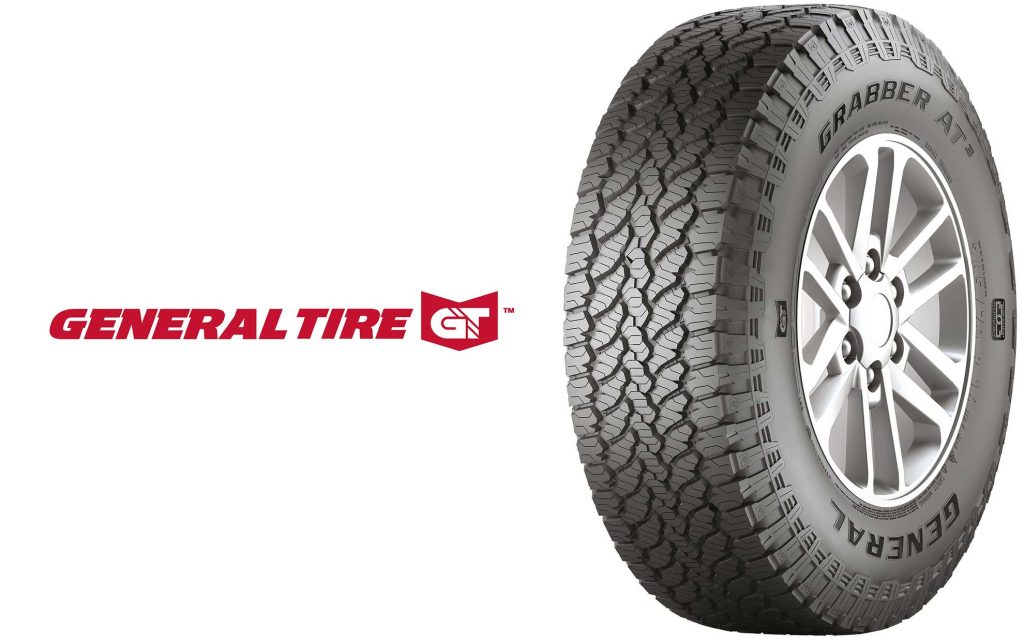
General Tire built a reputation over the years as one of the most dependable alternatives to expensive premium tire brands.
Many drivers initially overlook General because the company does not receive the same level of marketing attention as Michelin or Bridgestone, yet experienced mechanics and long-distance commuters frequently praise the brand for delivering excellent tread life at more reasonable prices.
One reason General Tires lasts so long involves the company’s focus on practical durability instead of maximum performance tuning.
Several general touring and highway models use tread compounds designed specifically for daily commuting and steady highway mileage rather than aggressive cornering grip. That harder compound strategy helps reduce wear rates significantly under normal driving conditions.
The Altimax series became especially respected among budget-conscious drivers. Owners regularly report strong mileage performance along with predictable road manners and solid wet-weather traction. Fleet operators and rideshare drivers often choose these tires because they balance affordability with durability surprisingly well.
Another factor helping General compete with premium brands is its connection to Continental. Since General Tire operates under Continental ownership, many buyers believe the company benefits from advanced manufacturing knowledge and engineering resources while still maintaining lower pricing structures.
Road noise control also deserves mention. Cheap tires sometimes become loud and uncomfortable after moderate wear, but many general models remain reasonably quiet even after thousands of miles. That consistency improves long-term satisfaction because drivers do not feel forced to replace the tires early due to harshness or vibration.
Winter capability on all-season models remains another strength. While they may not match dedicated snow tires in severe conditions, several general products maintain respectable cold-weather traction without sacrificing tread longevity dramatically. That versatility appeals strongly to drivers living in mixed climates.
Durability against potholes and rough pavement further strengthens the brand’s reputation. Some premium tires use softer sidewalls for comfort, which can occasionally increase vulnerability to road damage. Many general tires feel slightly sturdier in everyday driving situations involving imperfect roads.
The company also offers strong value across multiple vehicle categories, including sedans, SUVs, trucks, and crossovers. Buyers appreciate being able to find dependable options without entering ultra-premium pricing territory.
Drivers expecting ultra-sharp sports car handling may still prefer more expensive performance-focused brands. However, people prioritizing long-term tread wear, daily comfort, and affordability often discover General tires lasting just as long or longer than premium competitors costing significantly more.
2. Kumho
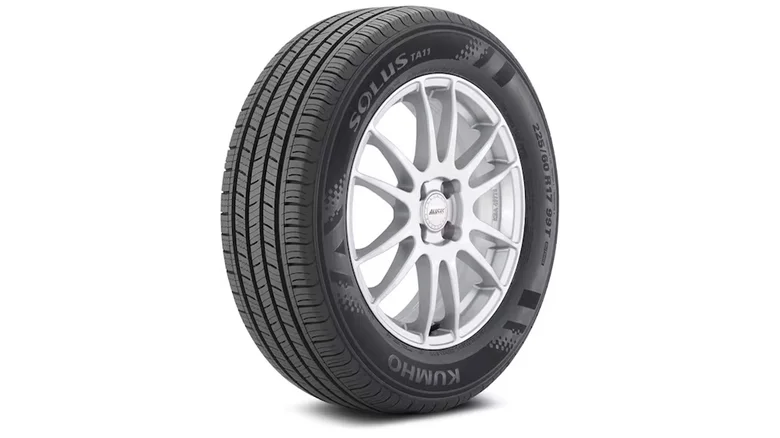
Kumho spent years building credibility quietly while many consumers remained focused on larger Japanese and European tire companies. What once seemed like a purely budget-focused brand gradually developed into a serious competitor capable of producing long-lasting tires with impressive real-world value.
One of Kumho’s biggest advantages is consistency. Drivers frequently report even tread wear patterns when tires are rotated properly and maintained at correct pressures. Uneven wear ruins many cheaper tires prematurely, but Kumho products often maintain predictable durability throughout their usable lifespan.
The company performs especially well in the touring and all-season categories. Models designed for commuting and highway driving typically prioritize long tread life over aggressive handling characteristics.
That approach works extremely well for ordinary drivers who spend most of their time traveling predictable daily routes rather than pushing vehicles hard through corners.
Kumho also gained popularity among drivers frustrated with rising tire prices from premium brands. Many people discovered they could purchase a full set of Kumhos for substantially less money while still receiving mileage figures competitive with far more expensive alternatives. That value equation helped the brand earn loyal repeat customers.
Another reason the tires last well involves compound balance. Kumho tends to avoid extremely soft rubber formulations on many mainstream models, helping preserve tread depth during long highway use. Softer compounds may deliver a sharper grip initially, but they often wear much faster under constant commuting conditions.
The brand improved ride quality significantly over the years, too. Earlier budget tires sometimes suffered from harshness and vibration, but newer Kumho products generally provide comfortable road manners suitable for family sedans and crossovers. Long-distance drivers appreciate that balance between durability and comfort.
Wet weather performance deserves credit as well. Some inexpensive tires sacrifice rain traction in favor of longer tread life, but Kumho managed to create several models offering dependable water evacuation without wearing excessively fast. That combination matters heavily for drivers in rainy regions.
Another hidden strength involves availability. Kumho tires are widely stocked in many markets, making replacements easier to source without waiting weeks for uncommon sizes or specialty models.
The company may not dominate luxury car factory partnerships or advertising campaigns, but real-world ownership experiences continue strengthening its reputation. Taxi drivers, commuters, and budget-conscious families often report getting surprisingly high mileage from properly maintained Kumhtyreses.
For buyers focused more on practical value than prestigious branding, Kumho remains one of the strongest examples of an affordable tire company capable of competing directly with far more expensive names in long-term durability.
3. Cooper Tires
Cooper Tires spent decades earning trust from truck owners, commuters, and small-town repair shops long before many drivers started paying serious attention to tire value. While premium brands often dominate luxury dealerships and advertising campaigns, Cooper built its reputation through durability and dependable everyday performance.
One reason Cooper tires frequently outlast expensive competitors is the company’s focus on real-world driving conditions instead of chasing ultra-sporty performance numbers.
Many Cooper touring and highway tires use tread designs aimed at reducing uneven wear during long commutes and mixed road use. Drivers covering heavy highway mileage often notice the tires maintain tread depth surprisingly well over time.
Truck and SUV owners especially praise Cooper products for durability on rough pavement. Potholes, gravel roads, and uneven surfaces can destroy softer premium tires quickly, but Cooper models tend to handle abuse more confidently. That toughness became a major reason contractors and rural drivers remained loyal to the brand for years.
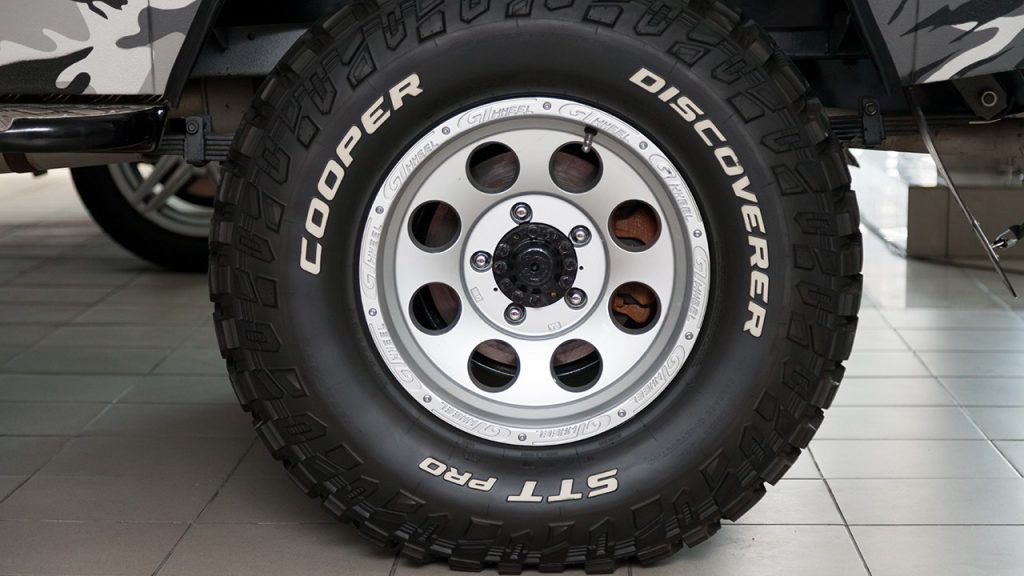
The Discoverer lineup helped strengthen Cooper’s reputation significantly. Several models in this range balance all-terrain capability with respectable tread life, something many aggressive off-road tires struggle to achieve. Owners appreciate getting usable traction without sacrificing longevity completely.
Another factor supporting Cooper’s popularity is pricing balance. The tires rarely sit at the absolute bottom of the market, but they remain substantially cheaper than many premium alternatives. Buyers often discover that the long tread life compensates for the purchase cost extremely well.
Ride quality also improved steadily over the years. Older budget tires sometimes developed vibration issues or excessive noise after moderate wear, yet many newer Cooper products remain comfortable deep into their lifespan. That consistency matters because drivers want durability without feeling punished during daily commutes.
Wet weather confidence adds another layer to the brand’s appeal. Cooper managed to maintain dependable rain traction across many models without relying on ultra-soft compounds that wear rapidly. Families using crossovers and sedans appreciate that predictable balance.
Another hidden advantage involves strong availability in smaller towns and independent tire shops. Many mechanics continue recommending Cooper because they trust the long-term reliability and understand how the tires behave after years of customer feedback.
Drivers searching for maximum sports car grip may still prefer premium performance-focused brands. However, people prioritizing durability, affordability, and dependable daily driving often discover Cooper tires delivering mileage results surprisingly difficult to beat for the price.
4. Falken
Falken built much of its early reputation around enthusiast performance tires, but many drivers now recognize the company for something equally important: impressive tread life at reasonable prices. Falken quietly became one of the strongest value brands for commuters, crossover owners, and truck drivers wanting durability without premium pricing.
Unlike some cheap tire brands focused purely on low-cost production, Falken invested heavily in balancing longevity with respectable handling. The company’s touring and all-season tires often feel more refined than buyers expect at the price point, helping the brand gain credibility among drivers who previously avoided budget options.
The Wildpeak series especially changed perceptions surrounding Falken. Truck and SUV owners quickly noticed these tires delivered strong durability despite handling demanding road conditions.
Many all-terrain tires wear aggressively fast because of chunky tread patterns, yet Falken managed to create models capable of surviving long highway mileage while still offering useful off-road traction.
Another reason Falken tires last so well involves tread stability. Certain cheaper tires develop irregular wear patterns that shorten lifespan dramatically, particularly on heavier crossovers and SUVs. Falken products generally maintain more consistent wear when alignment and rotation schedules are followed properly.
Highway comfort deserves recognition, too. Some long-lasting tires become noisy and unpleasant after thousands of miles, but Falken models often remain reasonably quiet deep into ownership. Drivers spending hours commuting appreciate that balance because durability alone means little if road noise becomes exhausting.
Wet traction remains another area where Falken performs better than many budget competitors. Several models maintain confident rain performance even as tread depth decreases gradually. That characteristic helps drivers feel safer keeping the tires longer instead of replacing them prematurely.
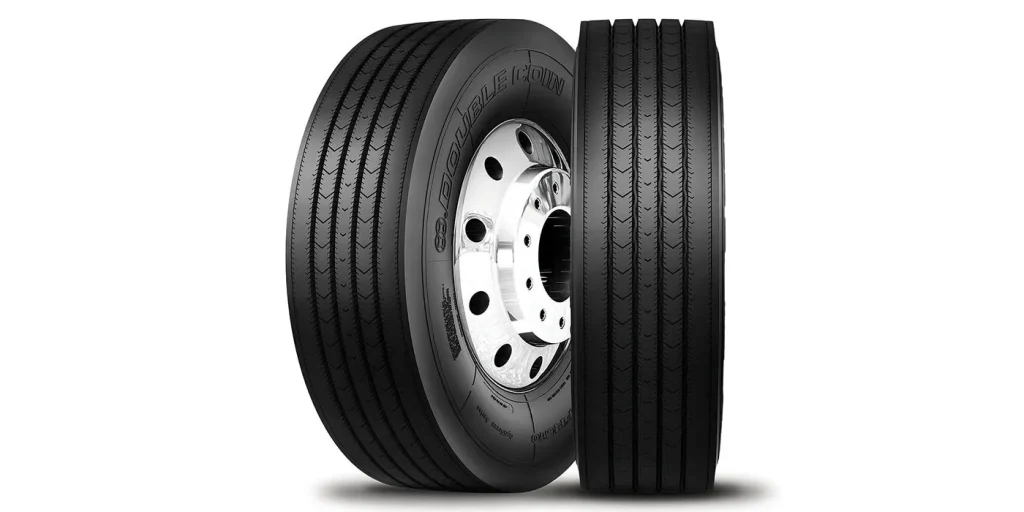
Pricing continues attracting buyers as well. Falken usually sits comfortably below premium tire manufacturers while still delivering construction quality and durability close enough to challenge them seriously. Many consumers realize that paying dramatically more does not always guarantee a dramatically longer lifespan.
Another interesting aspect of Falken’s growth is how the company earned trust gradually through owner experience rather than massive marketing campaigns. Drivers who initially purchased the tires as affordable alternatives often returned later because the tread life exceeded expectations.
The brand now appeals to a wide range of buyers, from compact sedan owners to heavy truck drivers. That versatility reflects how successfully Falken improved quality while maintaining strong value positioning.
For drivers tired of replacing expensive premium tires too frequently, Falken became one of the clearest examples that affordability and durability can absolutely exist together in the modern tire market.
5. Hankook
Hankook transformed from a budget alternative into one of the most respected value tire brands in the industry. Many drivers originally approached Hankook cautiously because the company competed aggressively on price, but years of strong real-world performance changed public perception significantly.
One reason Hankook tires often last longer than premium competitors’ involves the tread compound strategy. The company focuses heavily on balanced wear characteristics instead of chasing ultra-soft performance-oriented setups. That approach helps preserve tread depth during long commutes and highway driving, especially for sedans and crossovers.
The Kinergy and Dynapro product lines became particularly popular among drivers wanting dependable longevity without expensive pricing. Owners regularly report impressive mileage results when tires are rotated consistently and maintained properly. Many fleet operators also adopted Hankook because of the strong balance between cost and durability.
Ride quality remains another strength. Some cheaper tires feel stiff or noisy after moderate wear, but Hankook products generally maintain comfort surprisingly well through much of their lifespan. Drivers spending long hours on highways appreciate that refinement because it creates a more premium driving experience without premium costs.
Wet traction also deserves praise. Several Hankook all-season tires perform confidently in rainy conditions while still resisting rapid wear. That combination helps separate the brand from low-quality budget tires, sacrificing safety for longevity.
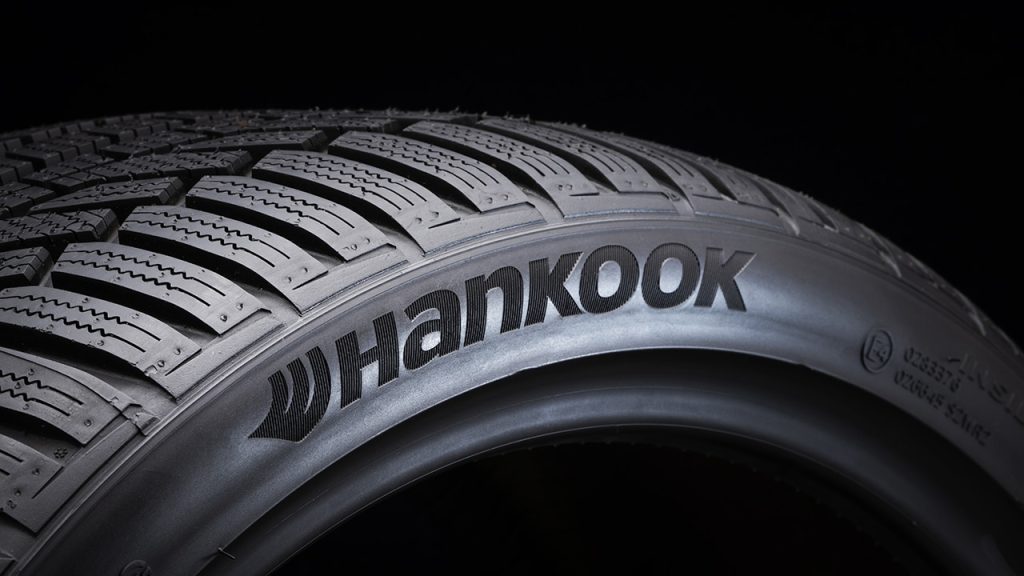
The company’s global manufacturing growth improved consistently, too. Modern Hankook tires often feel far more polished than many drivers expect from a value-focused brand, helping build strong customer loyalty across multiple vehicle categories.
6. Nexen
Nexen quietly became a favorite among budget-conscious drivers who wanted durability without accepting the compromises associated with extremely cheap tires. While the brand rarely receives the same attention as industry giants, many owners discovered Nexen products last impressively long under ordinary commuting conditions.
One of the main reasons Nexen performs well involves steady tread wear. Some affordable tires lose tread rapidly because compounds break down unevenly, especially on heavier vehicles. Nexen models often maintain more predictable wear patterns, helping drivers reach higher mileage totals before replacement becomes necessary.
The company also improved ride comfort steadily during recent years. Earlier budget tires sometimes suffered from vibration or excessive road noise, but newer Nexen products feel more composed and refined. That improvement made the brand more appealing for family sedans and daily-driven crossovers.
Another advantage is pricing flexibility. Buyers frequently discover Nexen tires costing substantially less than premium alternatives while still delivering respectable wet traction and tread longevity. For drivers covering heavy annual mileage, that value difference becomes extremely important over time.
The Roadian series for SUVs and trucks gained strong popularity as well. Many owners appreciated getting decent all-season capability and durable tread life without paying premium truck tire prices. Properly maintained sets often survive surprisingly long, even under mixed driving conditions.
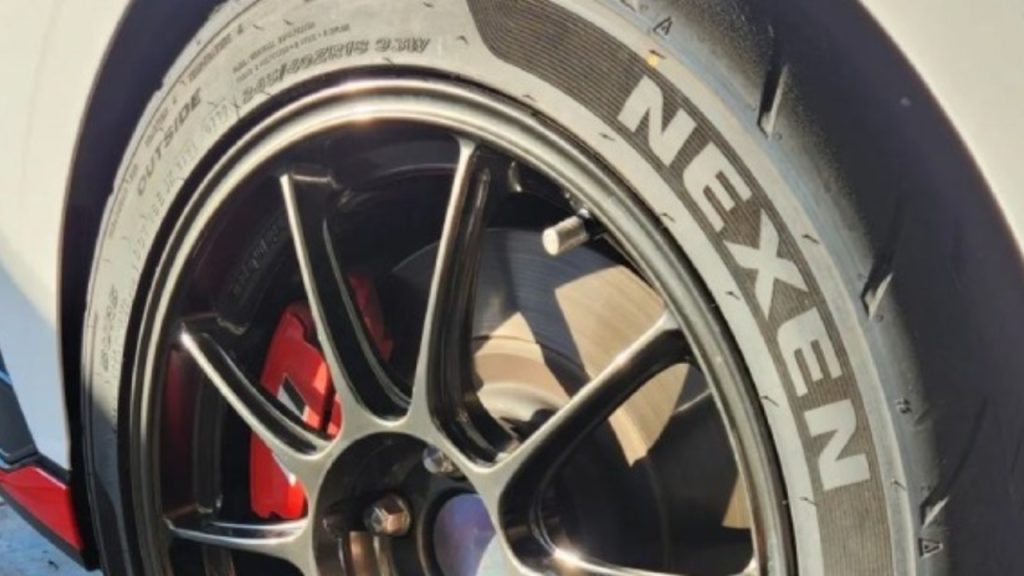
Nexen may not dominate motorsports headlines or luxury vehicle partnerships, but the brand built credibility through practical ownership experiences. Drivers wanting reliable everyday tires at sensible prices continue giving Nexen serious consideration because the long-term value consistently exceeds expectations.
7. Uniroyal
Uniroyal built its identity around dependable everyday driving rather than flashy marketing or extreme performance claims. Many drivers overlook the brand initially because it sits below premium names in prestige, yet experienced tire buyers understand Uniroyal often delivers impressive durability for the money.
One reason these tires last so well is the company’s focus on commuter-friendly engineering. Instead of prioritizing aggressive cornering grip, many Uniroyal touring tires emphasize even wear and long highway mileage. That strategy works extremely well for ordinary drivers spending most of their time on predictable daily routes.
Rain performance became another important strength. The Tiger Paw lineup especially gained respect for dependable wet traction combined with respectable tread longevity. Drivers in rainy climates often appreciate tires that maintain stability without wearing excessively fast.
Another hidden advantage involves ownership comfort. Uniroyal tires generally ride smoothly and avoid becoming harsh as the tread ages. Some long-lasting tires sacrifice refinement heavily, but Uniroyal products often remain pleasant during extended use.
The brand also benefits from connections to Michelin ownership, giving buyers additional confidence in manufacturing standards and engineering quality. Many consumers view Uniroyal as a practical middle ground between extremely cheap tires and ultra-expensive premium products.
Affordability continues to drive strong interest, too. Drivers replacing tires on older sedans, minivans, and crossovers frequently discover Uniroyal offers excellent value without major sacrifices in safety or durability.
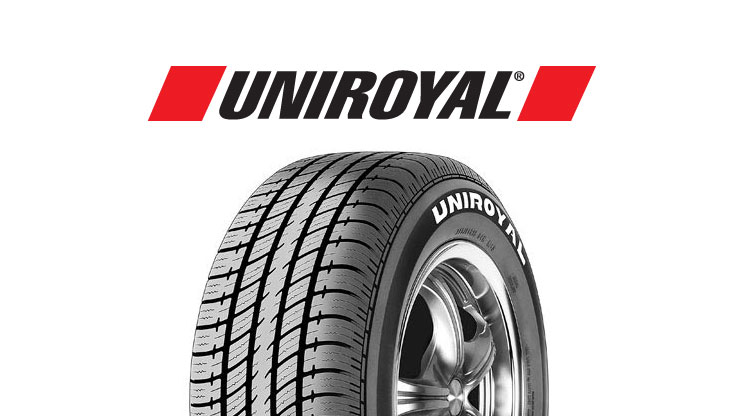
For commuters wanting predictable long-term performance rather than luxury branding, Uniroyal remains one of the smartest affordable tire choices available today.
8. Milestar
Milestar surprised many drivers by building a reputation for durability far stronger than people expected from an affordable tire company. While the brand does not carry the prestige of premium manufacturers, owners frequently report impressive tread life and dependable everyday performance at prices substantially lower than major competitors.
One reason Milestar tires last so well involves their harder tread compounds. Instead of prioritizing maximum grip for aggressive driving, many Milestar products focus on resisting rapid wear during ordinary commuting and highway travel. That strategy helps drivers accumulate large mileage totals before replacement becomes necessary.
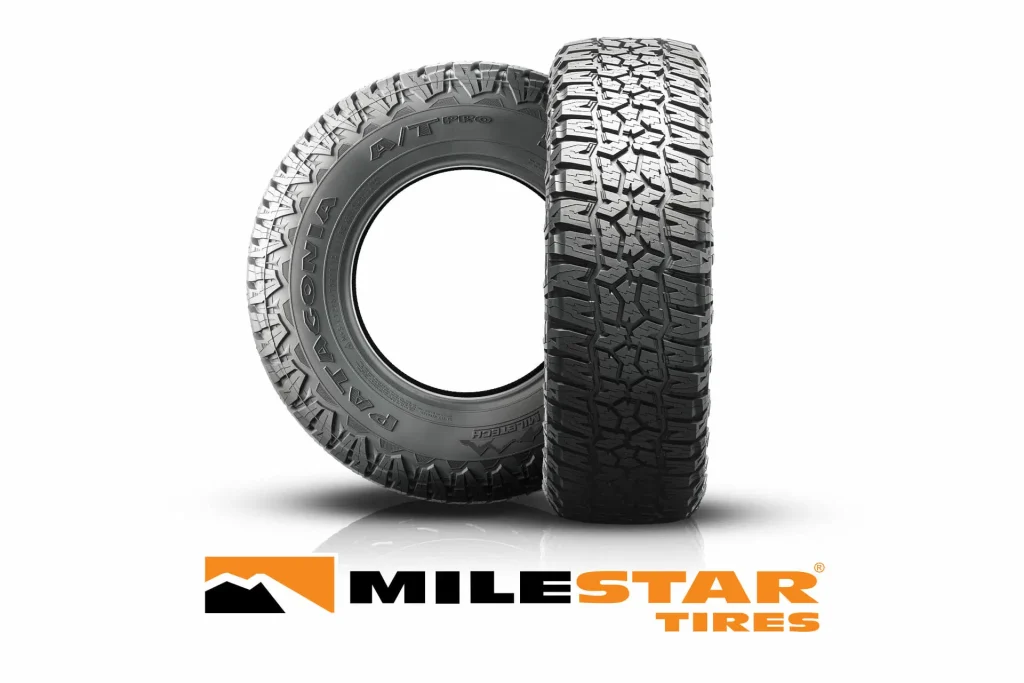
Truck and SUV owners especially helped grow the brand’s popularity. The Patagonia series gained strong attention because it balanced aggressive styling with respectable durability. Many off-road-oriented tires wear quickly on pavement, but Milestar managed to create products capable of surviving daily driving surprisingly well.
Another factor helping the brand involves value expectations. Buyers purchasing Milestar tires usually understand they are not paying for luxury branding or motorsports heritage. Because expectations begin lower, many drivers become impressed when the tires deliver quiet highway manners and steady tread wear over time.
Ride comfort also improved significantly in recent years. Earlier budget tires sometimes developed vibration or excessive road noise after moderate use, yet newer Milestar products generally remain composed much longer. That consistency helps strengthen customer confidence in the brand.
Wet weather traction may not match top premium tires in extreme conditions, but many drivers find the balance between safety, durability, and affordability perfectly acceptable for normal commuting needs.
Milestar continues gaining loyal customers because the tires often outperform assumptions attached to budget brands. For drivers wanting practical, long-lasting tires without expensive pricing, the company became a surprisingly trusted option.
9. Mastercraft
Mastercraft spent years operating somewhat quietly beneath the attention given to larger tire brands, yet many experienced drivers and independent mechanics continue recommending it for one simple reason: dependable tread life at sensible prices.
The company benefits from strong ties to Cooper Tire, which helped improve engineering consistency and manufacturing quality. Buyers often discover Mastercraft tires delivering durability very close to more expensive Cooper products while remaining slightly cheaper in many markets.
One of the brand’s strongest qualities is predictable wear behavior. Some budget tires start wearing unevenly after relatively short use, creating noise and vibration problems. Mastercraft products generally maintain smoother wear patterns when rotated properly, helping extend usable life considerably.
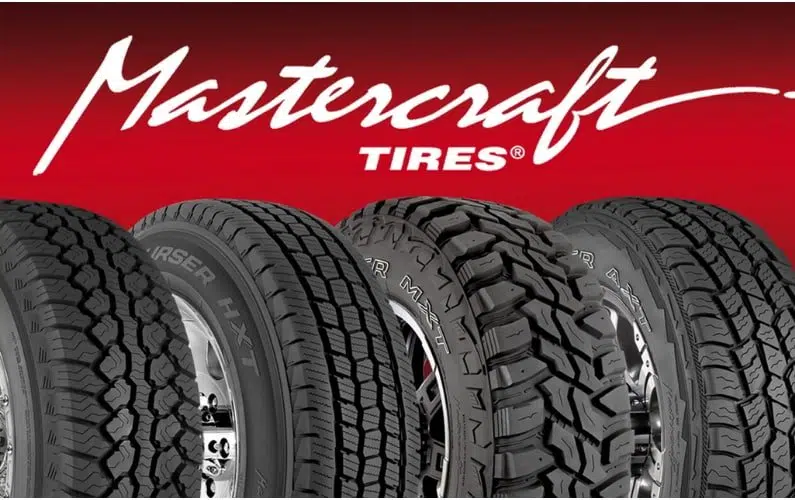
The Courser lineup became especially respected among truck and SUV owners. These tires balance highway comfort with enough toughness for rough roads and light off-road conditions. Drivers appreciate getting long tread life without paying premium truck tire prices.
Another hidden advantage is comfort. Mastercraft tires often ride softer and quieter than people expect from affordable products. That refinement matters heavily for commuters and families spending hours on highways each week.
Winter and wet-weather confidence also remains respectable on many all-season models. While they may not compete directly with top premium tires in extreme weather testing, they perform consistently enough for ordinary daily driving situations.
The brand rarely receives huge marketing attention, which actually helps keep pricing competitive. Drivers focused on value rather than famous logos frequently discover Mastercraft, providing a surprisingly balanced ownership experience.
For buyers wanting durable tires capable of handling years of commuting without financial strain, Mastercraft continues to stand out as one of the strongest underappreciated names in the affordable tire market.
10. Ironman
Ironman earned growing respect among budget-minded drivers because the company focused aggressively on value and tread longevity rather than expensive branding campaigns. Many consumers initially dismissed Ironman as another low-cost tire option, but real-world mileage experiences gradually changed that perception.
One major reason Ironman tires last longer than expected involves conservative tread design. The company avoids overly soft compounds on many mainstream models, helping reduce rapid wear during highway commuting and urban driving.
Drivers covering heavy annual mileage often appreciate how slowly the tread disappears compared with some softer premium touring tires.
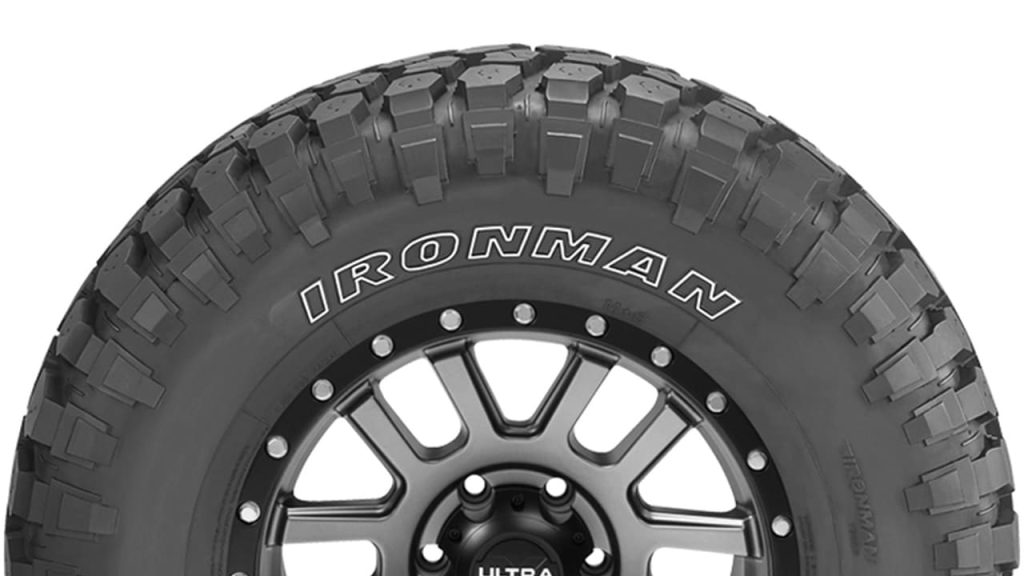
SUV and truck owners also contributed heavily to the brand’s growth. Several Ironman all-terrain and highway tires proved durable enough for rough roads, gravel surfaces, and daily work use without wearing excessively fast. That durability attracted buyers who cared more about function than prestige.
Another factor helping Ironman succeed is affordability. Drivers replacing tires on older vehicles sometimes hesitate to spend huge amounts on premium brands. Ironman gives those buyers an option capable of delivering respectable durability without creating major financial pressure.
Road comfort remains decent as well. Some inexpensive tires become noisy quickly after moderate wear, but many Ironman products maintain acceptable highway manners throughout much of their lifespan. That balance improves long-term satisfaction considerably.
The brand may not offer elite-level handling or ultra-refined ride quality, yet many owners simply want dependable transportation with tires lasting as long as possible. Ironman understands the audience extremely well.
Independent tire shops often recommend Ironman to drivers seeking practical value because the tires consistently perform better than their low pricing suggests.
For ordinary commuting, highway travel, and daily family use, the brand continues proving that affordable tires can absolutely compete with much more expensive alternatives in long-term tread life.
Also Read: 10 Best Trucks for Hunters Who Drive Through Brush and Tall Grass
