
The 1990s were a defining decade for pickup trucks, marking a shift from purely utilitarian workhorses to machines that blended durability, simplicity, and increasing levels of comfort. Many trucks from this era are still on the road today, and more importantly, they are still regularly seen in repair shops.
Mechanics often say that some of the most dependable income comes from maintaining and restoring these older pickups because they were built with straightforward engineering, long-lasting drivetrains, and fewer electronic systems compared to modern vehicles.
This simplicity makes them easier to diagnose and repair, even decades after they left the factory. Trucks from the 1990s were designed during a time when manufacturers prioritized mechanical reliability over complex software integration. Fuel injection was becoming standard, but carburetors were still present in early models, and onboard computers were relatively basic.
As a result, these vehicles developed a reputation for being both rugged and predictable. Owners who maintain them properly often find that they can still handle heavy workloads such as towing, hauling, and off-road driving with surprising capability even by today’s standards.
Another reason these trucks remain common in workshops is their massive global and regional popularity. Millions of units were sold across North America, Asia, and other markets, meaning spare parts remain widely available. Salvage yards are still full of donor vehicles, and aftermarket manufacturers continue producing replacement components.
This strong parts ecosystem keeps repair costs manageable and encourages owners to keep fixing rather than replacing them. There is also an emotional and cultural factor. Many of these trucks have become family vehicles passed down through generations.
Some owners prefer maintaining a vehicle they know inside and out rather than adapting to expensive modern systems loaded with sensors and software. Mechanics appreciate this loyalty because it ensures steady work, especially for models known for recurring but predictable maintenance needs like suspension wear, engine seals, and aging electrical systems.
In this article, we will explore eight iconic trucks from the 1990s that mechanics still work on every week. These include some of the most durable and widely used pickups ever built, such as the Ford F Series, Chevrolet C K series, Toyota Hilux, and others.
Each section will break down why these trucks remain so common in repair shops, what issues they typically face with age, and why they continue to earn respect from both drivers and mechanics alike.
Also Read: 10 Cars With Insurance Premiums Lower Than a Compact Sedan
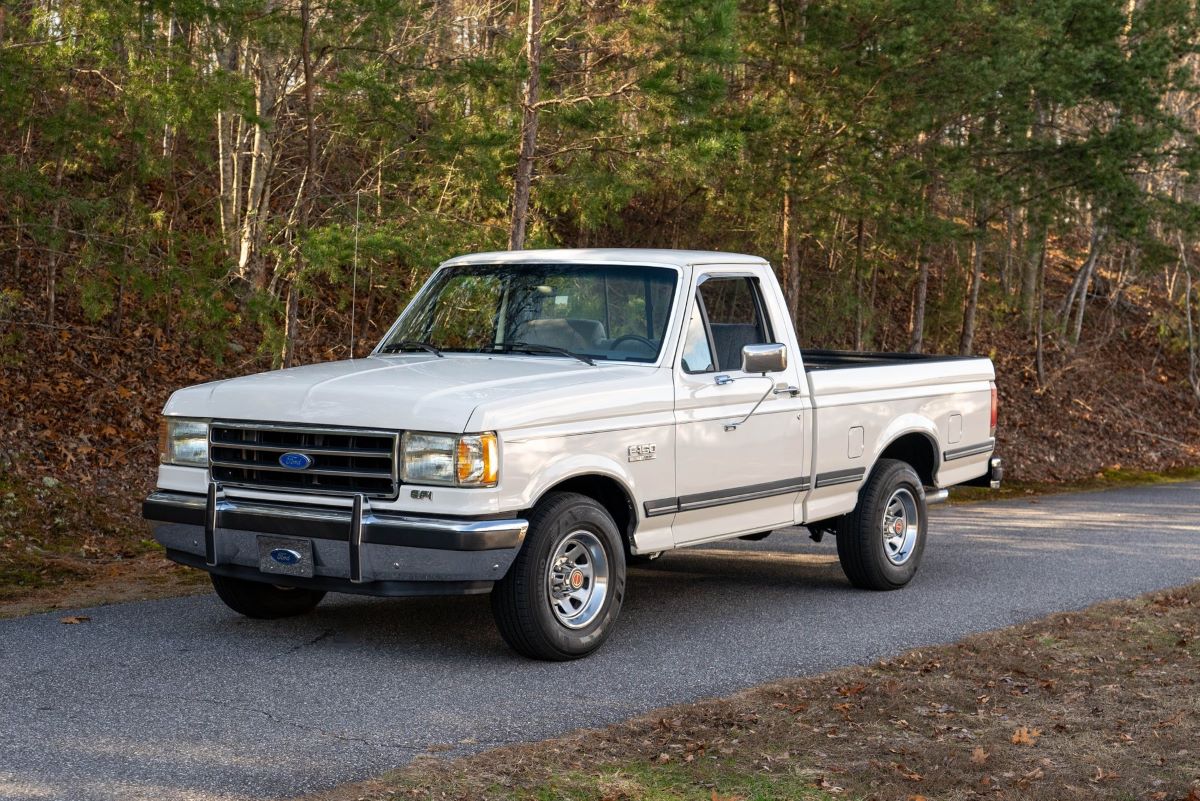
1. Ford F-150
The Ford F-150 from the early to mid-1990s, often referred to as the OBS or Old Body Style generation, is one of the most frequently serviced trucks in North American workshops. Its popularity was massive during its production years, and that volume alone ensures that it remains a regular visitor to repair bays even decades later.
Mechanics often describe it as one of the most straightforward full-size trucks ever built, with a layout that makes engine access and routine maintenance relatively simple.
One of the main reasons this truck still appears in shops weekly is its aging but durable engine lineup. The inline six and V8 engines used in these models are known for long service life, but after 25 to 30 years, they commonly develop issues like oil leaks, worn gaskets, and fuel system inefficiencies. Mechanics frequently replace components such as intake manifold gaskets and ignition parts because these wear out predictably over time rather than failing suddenly.
Another factor is suspension wear. Many of these trucks were used for heavy hauling or construction work, which places long-term stress on ball joints, bushings, and leaf springs. Even if the truck was well maintained, decades of load-bearing eventually led to loosened steering feel and uneven tire wear. These issues are routine jobs in repair shops and are considered part of the natural aging process for this generation.
Electrical systems in the OBS F 150 are simple compared to modern vehicles, but age still takes its toll. Corroded wiring connectors, failing alternators, and malfunctioning dashboard gauges are common complaints. Mechanics appreciate that diagnostics are usually straightforward because there are no overly complex computer modules involved, allowing repairs to be completed quickly.
Despite these age-related issues, the Ford F-150 remains highly valued. Its strong frame, accessible engine bay, and widespread parts availability make it one of the most practical older trucks to keep running. Many mechanics even prefer working on it because repairs are predictable, and most problems have well-established solutions.
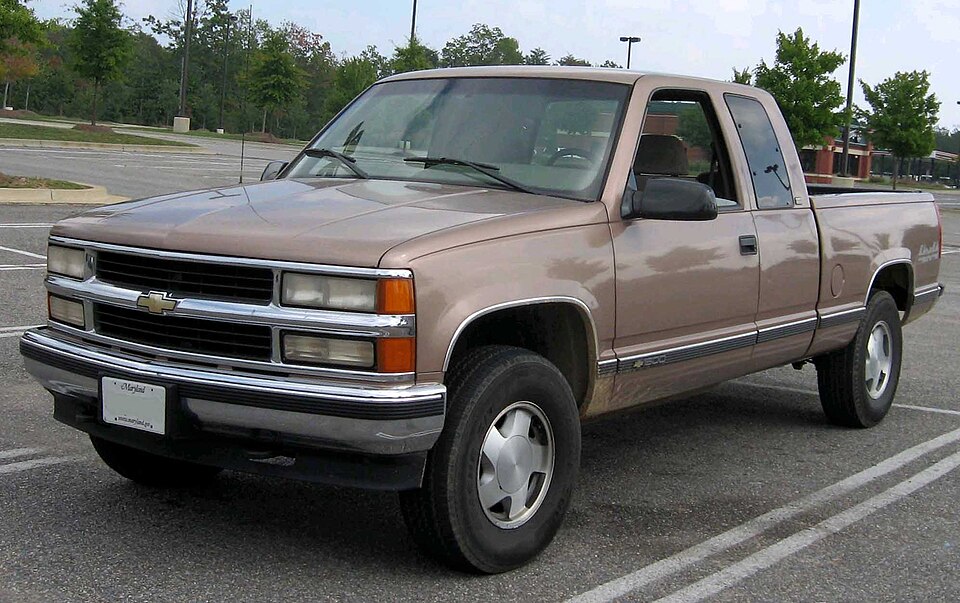
2. Chevrolet C K 1500 Series
The Chevrolet C/K 1500, built on the GMT400 platform, is another 1990s truck that continues to dominate repair shop schedules. Known for its balance of comfort and ruggedness, this model became extremely popular among contractors, farmers, and everyday drivers. Its widespread use means that even today, it is rarely a surprise to see one being serviced in a mechanic’s bay.
A major reason for its continued presence in workshops is its reliable but aging small-block V8 engines. While these engines are famous for durability, time eventually leads to issues such as coolant leaks, worn valve seals, and throttle body problems. Mechanics often perform routine maintenance jobs like replacing water pumps, radiator hoses, and sensors that degrade after decades of heat cycles.
Transmission issues are another common area of repair. Many GMT400 trucks were equipped with automatic transmissions that, while strong, require regular servicing to remain in good condition. After 25 years or more, problems such as slipping gears or delayed shifting become common, especially in trucks that were used for towing or heavy hauling.
Rust is also a significant issue, particularly in regions with harsh winters or coastal humidity. Frame corrosion, brake line rust, and body panel deterioration are frequent repair concerns. Mechanics often spend time reinforcing or replacing affected components to keep these trucks safe on the road.
Despite these issues, the CK 1500 remains a favorite among mechanics due to its simplicity and accessibility. Parts are inexpensive and widely available, and repairs do not require advanced diagnostic equipment. This makes it one of the most service-friendly trucks of its era.
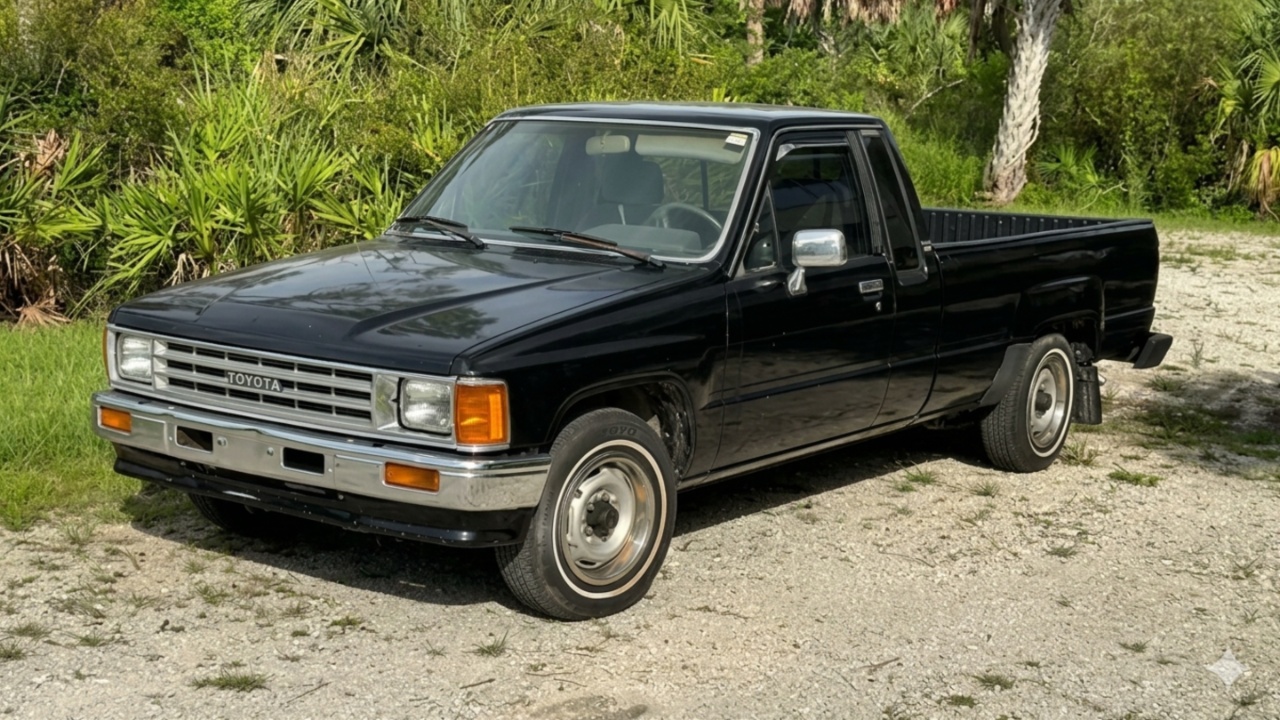
3. Toyota Hilux
The Toyota Hilux from the 1990s is legendary for its durability, and it remains one of the most globally recognized pickup trucks still actively serviced in workshops. Known for its near indestructible reputation, this truck is still commonly used in rural areas, construction zones, and developing markets where reliability is more important than comfort or luxury.
One of the most common reasons it appears in repair shops is not engine failure but wear and tear from extreme use. These trucks are often pushed far beyond typical limits, leading to suspension fatigue, clutch wear, and drivetrain strain. Mechanics frequently replace clutch assemblies and suspension components because they endure constant heavy use.
The diesel engines found in many 1990s Hilux models are particularly long-lasting, but they require periodic injector servicing and fuel system maintenance. Over time, fuel pumps may lose efficiency, and injectors may become clogged, leading to reduced performance and increased smoke output. These are routine repairs rather than catastrophic failures.
Electrical systems in older Hilux models are minimal but still susceptible to aging issues. Wiring insulation can degrade, and simple components like starter motors and alternators may require replacement after decades of use. Because the system is simple, diagnostics are usually quick and straightforward for mechanics.
The Hilux continues to be respected in workshops because of its predictable reliability. Even when problems arise, they are typically easy to fix and inexpensive compared to modern vehicles. This keeps the truck on the road longer and ensures it remains a weekly presence in repair shops worldwide.
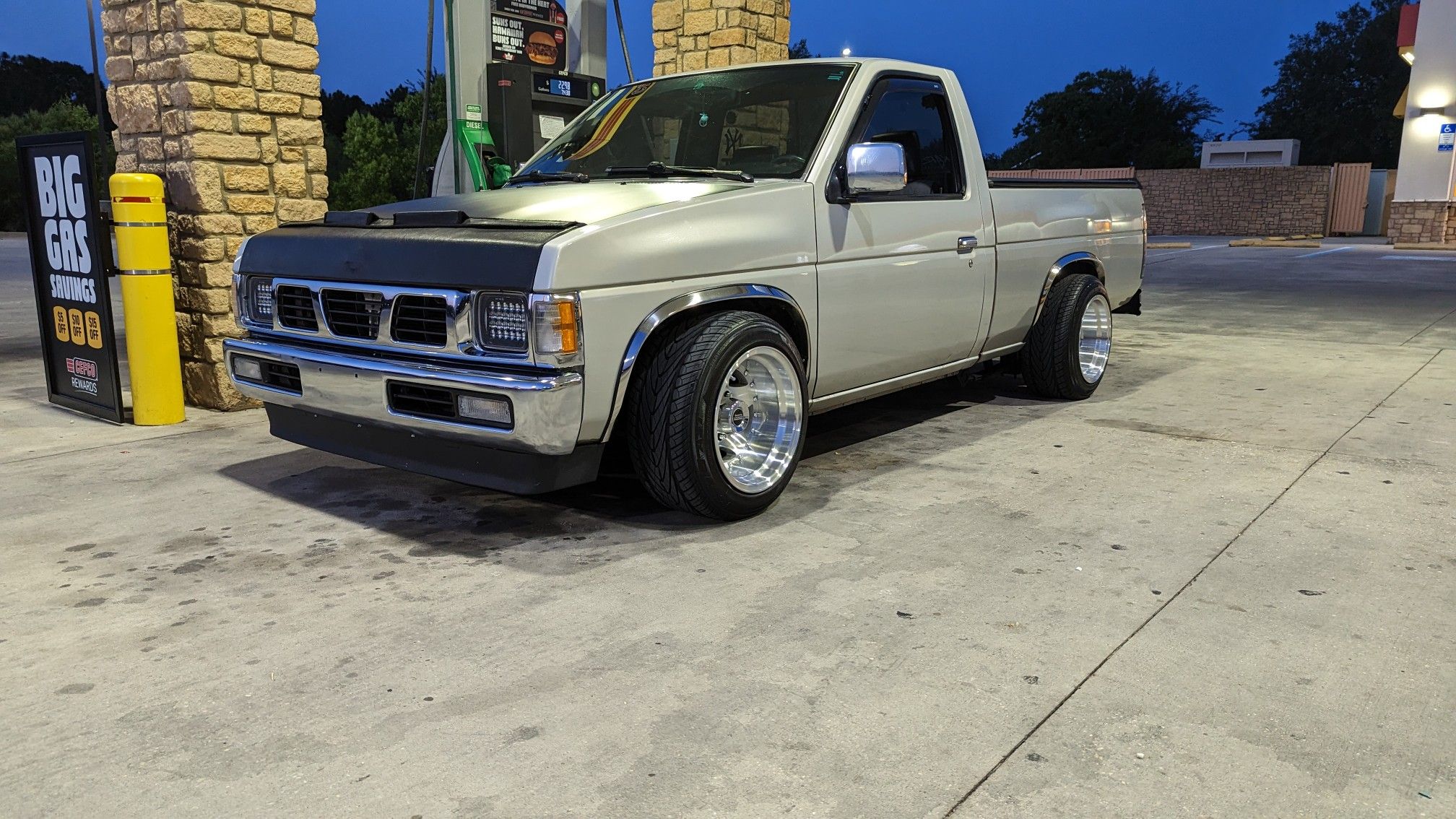
4. Nissan Hardbody (D21)
The Nissan Hardbody D21, commonly known as the Hardbody pickup, is another 1990s truck that mechanics regularly service. It earned its nickname due to its tough construction and boxy design, which reflected its purpose as a dependable utility vehicle rather than a comfort-focused ride.
One of the most common issues with aging Hardbody trucks is engine wear related to mileage. Many of these vehicles have extremely high odometer readings, often exceeding 300,000 kilometers. This leads to oil consumption, worn piston rings, and valve train noise. Mechanics frequently perform engine resealing or partial rebuilds to extend their lifespan.
The manual transmissions in these trucks are generally robust, but clutch replacement becomes a routine job as the vehicles age. Drivers who use the truck for off-road or cargo work often experience accelerated clutch wear, making it a frequent repair item in workshops.
Suspension components are another common service area. Bushings, shock absorbers, and steering linkages degrade over time, especially in trucks used on rough terrain. Mechanics often report that restoring ride quality is one of the most noticeable improvements after servicing these systems.
Despite its age, the Hardbody remains a favorite among budget-conscious owners because it is simple, reliable, and easy to maintain. Mechanics appreciate it for the same reasons, as repairs are usually straightforward and parts remain accessible through aftermarket suppliers.
Also Read: 10 Cars That Survive Being Used as Daily Uber Vehicles
5. Dodge Ram 1500
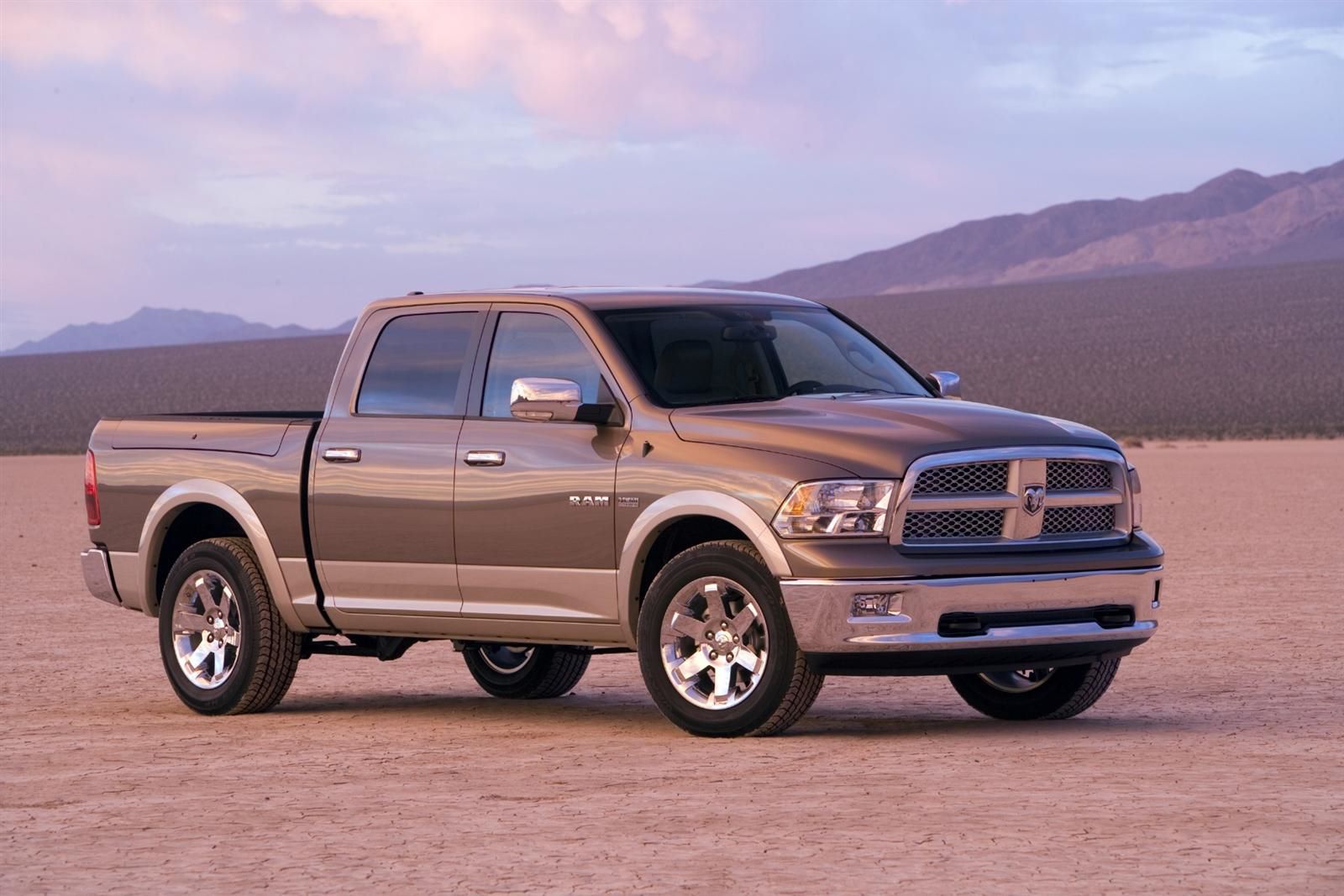
The Dodge Ram 1500 second-generation models from the mid to late 1990s are still commonly found in repair shops due to their popularity during that era. These trucks introduced a bold design that helped redefine the American pickup market, but with age, they now present a familiar set of mechanical issues.
One of the most frequent problems is related to the 5.2-liter and 5.9-liter V8 engines. While strong, they are known for intake manifold gasket leaks and sensor failures as they age. Mechanics often replace oxygen sensors, crank position sensors, and cooling system components during routine servicing.
The automatic transmissions used in these trucks can also become problematic after decades of use. Common issues include slipping gears and delayed engagement, especially in vehicles that were used for towing. Transmission rebuilds or replacements are not uncommon in older units.
Electrical system aging is another frequent concern. Faulty dashboard lights, inconsistent starting, and wiring corrosion are typical complaints. Because these trucks have more electronics than earlier 1990s models, they require slightly more diagnostic work, though still manageable compared to modern systems.
Despite these issues, the Dodge Ram 1500 remains popular in workshops because of its strong engine potential and widespread availability. Many owners choose to repair rather than replace them, keeping mechanics busy with consistent maintenance work.
6. Jeep Cherokee XJ
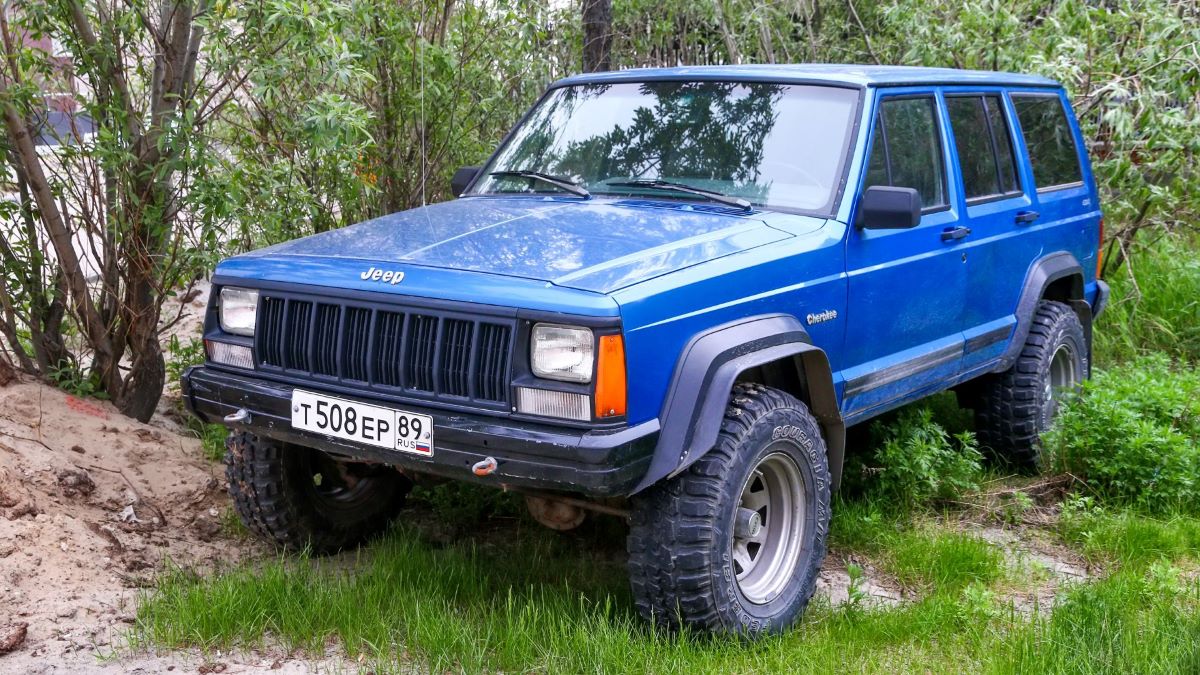
The Jeep Cherokee XJ is technically an SUV, but it is often treated like a compact truck due to its utility and body-on-frame construction. It remains one of the most frequently repaired 1990s vehicles, especially among off-road enthusiasts and rural drivers.
A major reason for its continued workshop presence is its legendary 4.0-liter inline six engine. While extremely durable, it commonly develops oil leaks, cooling system issues, and sensor failures as it ages. Mechanics often perform radiator replacements and head gasket inspections as part of routine maintenance.
Suspension wear is also extremely common because many XJ owners use their vehicles for off-road driving. Lift kits and modified suspensions increase stress on components, leading to frequent replacement of control arms, bushings, and steering parts.
Electrical issues can appear due to age-related wiring degradation. Problems such as malfunctioning gauges, power window failures, and intermittent starting issues are often traced back to aging connectors rather than major system failures. The Cherokee XJ remains beloved because of its mechanical simplicity and off-road capability. Mechanics continue to see it weekly because owners are committed to keeping these iconic vehicles alive through repairs and upgrades.
7. Mitsubishi L200
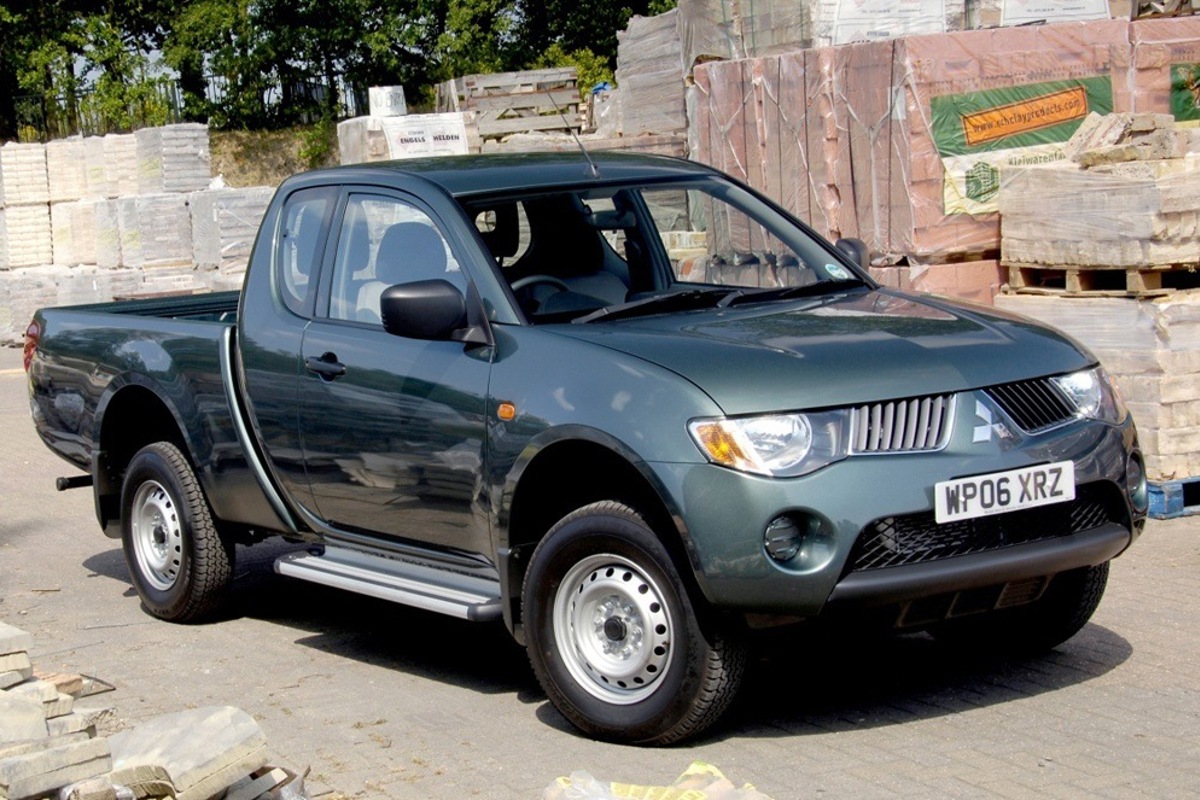
The Mitsubishi L200 from the 1990s is another globally popular pickup that still sees frequent workshop visits. Known for its durability and diesel efficiency, it has been widely used in agriculture, construction, and commercial transport.
One of the most common repair areas is the diesel fuel system. Over time, injectors and fuel pumps require servicing due to contamination or wear. Mechanics often clean or replace these components to restore performance and fuel efficiency.
Clutch wear is another frequent issue, especially in vehicles used for heavy loads. Because many L200 trucks were workhorses, clutch replacement is a routine maintenance task in many repair shops. Suspension components also degrade due to heavy usage on uneven terrain. Leaf springs, shock absorbers, and steering joints often require replacement after years of continuous workload.
Despite age-related wear, the L200 remains respected for its mechanical simplicity and strong diesel engines. Mechanics appreciate that most repairs are straightforward and cost-effective, keeping the vehicle on the road for decades.
8. Isuzu Pickup
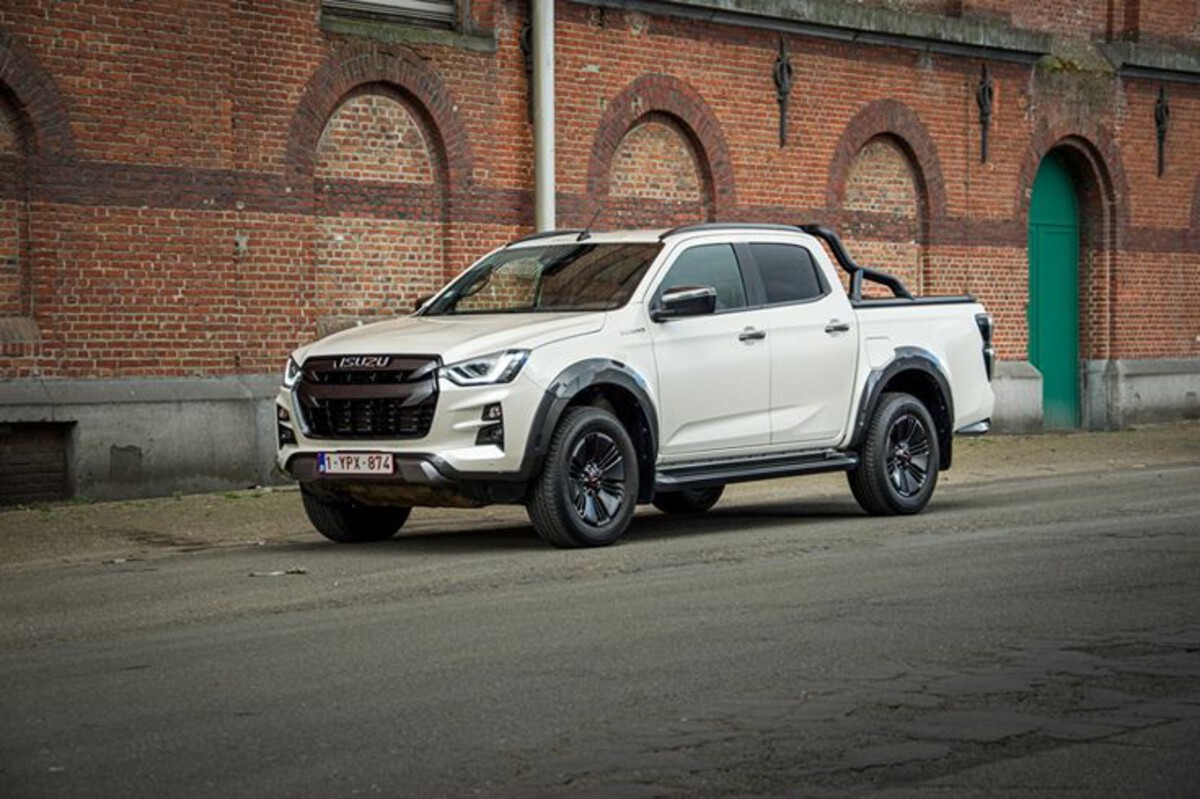
The Isuzu KB series pickup is another 1990s truck that continues to appear regularly in workshops. Known for its diesel engine reliability, it has earned a reputation as one of the most durable work trucks in its class. Engine longevity is one of its strongest features, but aging units often require injector servicing and cooling system repairs. Mechanics frequently address overheating issues caused by worn radiators or thermostat failures.
Suspension and steering components are common maintenance areas due to heavy usage. Ball joints, tie rods, and shock absorbers typically require replacement after years of workload.
Electrical systems in these trucks are simple but can suffer from corrosion and aging wiring. Starter motor issues and alternator failures are among the most common electrical repairs.
The Isuzu KB remains a workshop staple because of its long-lasting diesel engine platform and ease of maintenance. Mechanics value its straightforward design and predictable repair needs.
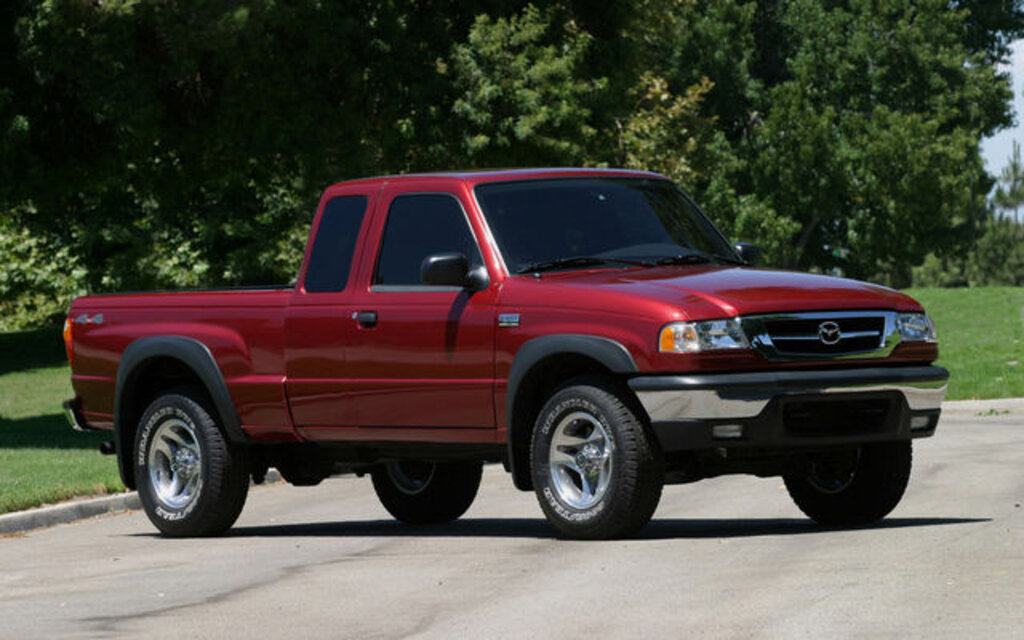
9. Mazda B Series
The Mazda B-Series pickup, closely related to the Ford Ranger, is another 1990s pickup that still sees frequent repair shop visits. Its shared engineering with Ford made it widely available and easy to maintain. Engine wear is a common issue due to age and mileage. Oil leaks, timing component wear, and cooling system maintenance are typical repairs performed by mechanics.
Transmission and clutch systems also require attention after decades of use. Manual transmissions are generally reliable, but clutch replacement becomes necessary over time. Suspension components degrade with use, especially in trucks that have been used for commercial purposes.
Mechanics frequently replace bushings, shocks, and steering parts to restore driving stability. The Mazda B Series remains popular in workshops because of its affordability and mechanical simplicity. It’s shared parts with Ford models also make repairs easier and more cost-effective.
