

The used car market often behaves in ways that confuse both buyers and sellers. Two vehicles with similar mileage, age, and pricing can receive completely different reactions from shoppers.
One may attract dozens of calls within a single day and disappear from the listing almost immediately, while another remains unsold for months despite repeated price cuts.
Many people assume the difference comes down to luck, but the reality is far more complicated. Buyer psychology, reputation, maintenance history, market timing, fuel prices, financing trends, and online presentation all influence how quickly a used vehicle sells.
Modern buyers are also more informed than ever before. A shopper can compare prices across multiple cities, check ownership histories, read reliability reports, watch long-term reviews, and calculate expected repair costs within minutes.
This easy access to information has changed the used car business dramatically. Vehicles with strong reputations now create instant demand because buyers already trust them before seeing them in person. Cars with questionable reliability or expensive repair histories struggle because negative information spreads quickly online.
Another important factor is practicality. Most used car buyers are not searching for excitement alone. They want dependable transportation that fits their budget without creating future financial stress.
A vehicle known for affordable maintenance, fuel efficiency, and durable mechanical components usually attracts buyers quickly because it represents lower ownership risk. Meanwhile, vehicles with high insurance costs, poor fuel economy, or expensive replacement parts often sit longer, even if they appear attractive initially.
Market trends also shape demand in surprising ways. During periods of high fuel prices, efficient sedans and hybrids become hot sellers.
When interest rates rise, buyers move toward cheaper vehicles with lower monthly payments. Seasonal changes matter too. Four-wheel drive trucks and SUVs gain popularity during winter months, while convertibles may struggle during colder seasons.
Presentation has become another powerful influence. Online listings now act as first impressions, and poor photos, vague descriptions, or incomplete maintenance records can discourage buyers instantly.
Clean examples with detailed service documentation create confidence immediately. Trust matters heavily in the used market because buyers constantly fear hidden problems.
Emotional perception also affects sales speed. Certain vehicles earn reputations for reliability, status, or long lifespan, making buyers willing to act quickly before someone else purchases them. Others develop reputations for transmission failures, electrical issues, or expensive repairs, causing hesitation even when prices appear attractive.
The truth is that used car demand rarely depends on one single factor. Fast-selling vehicles usually combine trust, practicality, timing, and a strong reputation in ways that reduce buyer uncertainty.
Cars that linger on the market often suffer from perceived risk, weak presentation, or ownership costs that buyers no longer want to accept.
Also Read: 4 Cars With Glove Boxes That Stay Cool vs 4 That Bake Your Snacks
1. Reputation Changes Buyer Behaviour Instantly
A vehicle’s reputation often matters more than its actual condition. Buyers enter the used market carrying years of opinions shaped by mechanics, online forums, social media discussions, relatives, and previous ownership experiences.
Once a car develops a reputation for reliability, shoppers approach it with confidence before even checking the listing details. That confidence shortens the buying process dramatically.
Some vehicles benefit from years of consistent durability stories. Buyers hear about engines reaching high mileage, inexpensive maintenance costs, and dependable daily performance. Because of that history, shoppers move quickly when clean examples appear for sale.
They know competition will be strong, so hesitation feels risky. Fast-selling used cars usually create urgency because buyers believe they are hard to find in good condition.
The opposite happens when a vehicle becomes associated with expensive failures. Transmission problems, oil consumption complaints, electrical issues, or weak resale value can damage buyer confidence for years.
Even if a specific example has been maintained perfectly, shoppers still approach it cautiously. Many refuse to consider it at all because negative perceptions have already shaped their decision.
Interestingly, reputation spreads faster than technical truth. A few widely publicized failures can influence an entire model line even if the majority of vehicles perform adequately. Social media amplifies these impressions heavily.
Videos discussing common mechanical disasters often attract huge attention, and viewers remember those warnings during future shopping decisions.
Family recommendations matter too. Many buyers simply purchase what relatives previously owned successfully. Trust transfers through personal experience. A vehicle with a strong household reputation often sells faster because emotional comfort reduces fear about future repairs.
Resale expectations create another layer of demand. Buyers prefer vehicles they believe will remain valuable later. Strong resale value creates confidence because owners expect easier trade-ins or future private sales. Cars with weak resale histories create hesitation because buyers fear larger depreciation losses.
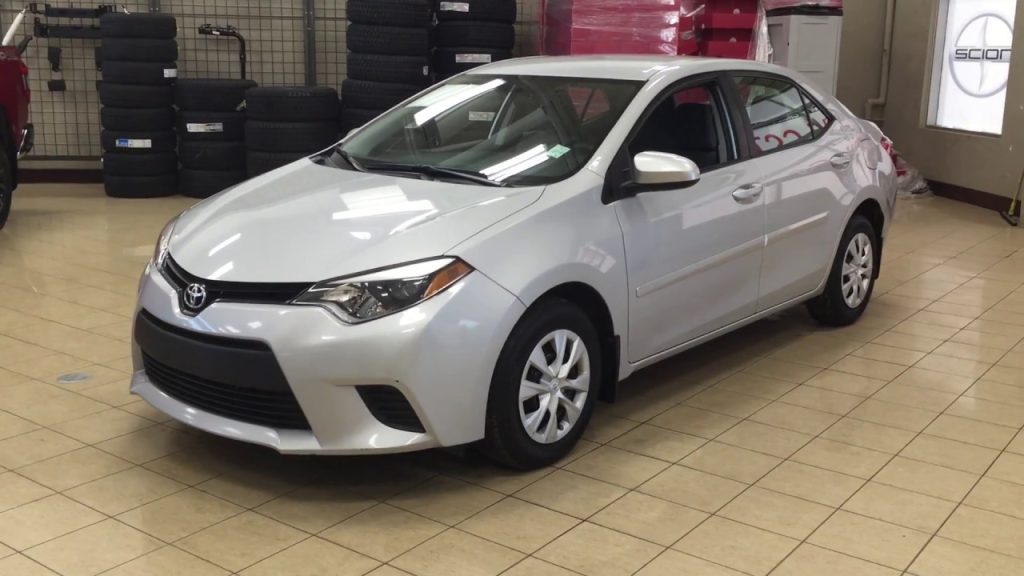
Dealership behavior also reflects reputation patterns. Dealers aggressively seek vehicles known for fast turnover because they understand customer demand already exists. Slower-selling models frequently receive lower trade-in offers because dealerships anticipate longer storage times and greater pricing pressure.
In the used car world, perception influences reality constantly. A vehicle trusted by the public gains momentum that accelerates future sales. Cars burdened by negative reputations face the opposite problem. Buyers delay decisions, negotiate harder, and continue searching longer because uncertainty outweighs attraction.
2. Maintenance History Can Make or Break a Sale
Two identical vehicles can produce completely different buyer reactions depending on documentation and service history. Maintenance records provide reassurance in a market filled with uncertainty. Buyers understand that used vehicles always carry some level of risk, so documented care becomes one of the strongest selling tools available.
A well-organized folder containing oil change receipts, transmission services, brake work, and inspection reports immediately creates trust. Buyers see proof instead of promises.
That confidence often speeds up sales because shoppers feel safer making quick decisions. Vehicles with complete histories appear more predictable, and predictability matters enormously in the used market.
On the other hand, missing records raise doubts instantly. Buyers begin wondering what maintenance was skipped, whether accidents were repaired poorly, or if hidden mechanical problems exist. Even a clean-looking vehicle becomes harder to sell when its history feels uncertain. Suspicion alone can keep listings active for months.
Service consistency matters as much as the records themselves. Regular maintenance intervals suggest responsible ownership habits. Buyers notice details such as matching tire brands, clean fluid condition, and factory-recommended service timing. These small signs communicate care without the seller needing lengthy explanations.
Independent inspections also influence selling speed. Vehicles recently inspected by trusted mechanics often attract stronger interest because buyers feel less pressure to uncover hidden problems themselves. Transparency shortens negotiations. Sellers willing to share inspection results usually appear more trustworthy than those avoiding detailed questions.
Accident history plays a major role, too. Minor cosmetic repairs rarely scare buyers away completely, but structural damage or repeated collision records reduce confidence significantly. Many shoppers now run vehicle history reports before contacting sellers, meaning hidden information surfaces quickly.
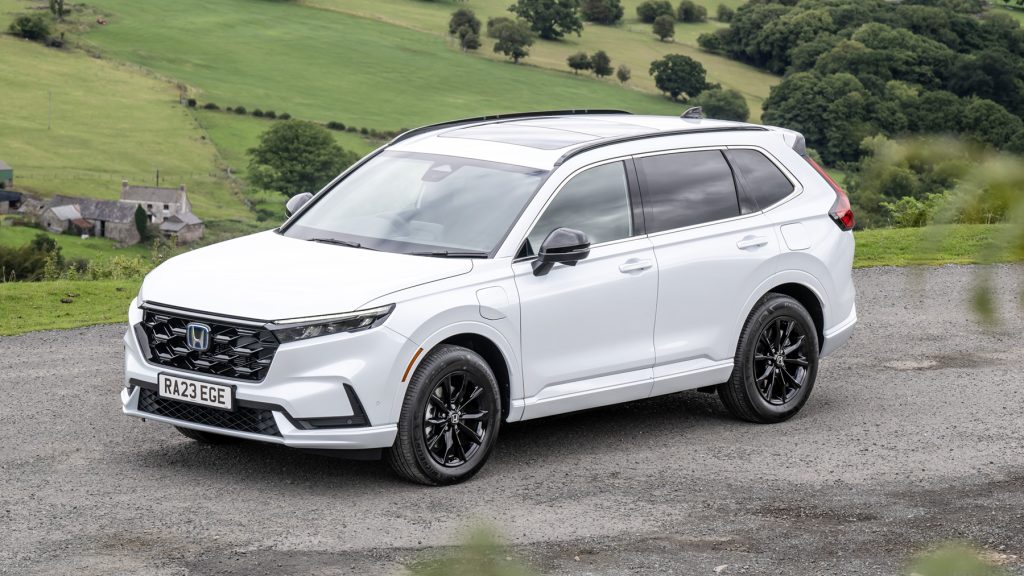
Luxury vehicles face stricter scrutiny regarding maintenance. Buyers know repair costs can become extremely expensive without proper servicing. A premium car lacking documented maintenance often sits unsold because shoppers fear future repair bills more than the purchase price itself.
There is also an emotional component involved. Buyers searching for used vehicles want reassurance that someone valued the car before them. Clean interiors, organized paperwork, and careful maintenance create a feeling of responsibility that influences decisions subconsciously.
The used market rewards transparency heavily. Vehicles with strong service histories reduce buyer anxiety, making fast sales much more likely. Cars with unclear maintenance backgrounds force buyers into uncertainty, and uncertainty almost always slows the selling process dramatically.
3. Pricing Mistakes Keep Cars Sitting for Months
Pricing influences buyer behavior faster than almost any other factor in the used car market. Even an excellent vehicle with low mileage and strong reliability can struggle if the asking price feels unrealistic. Buyers today compare listings constantly, and inflated pricing becomes obvious within seconds.
Many sellers attach emotional value to their vehicles. They remember expensive upgrades, recent repairs, or personal memories connected to ownership.
Unfortunately, buyers rarely pay extra for emotional attachment. The market only responds to perceived value, condition, demand, and comparable listings nearby. Sellers who ignore those realities often watch their vehicles remain unsold far longer than expected.
Online marketplaces intensified price competition dramatically. A buyer searching for one specific model can instantly compare dozens of examples across multiple cities.
If one listing appears significantly overpriced without a clear justification, shoppers simply move on. Attention spans are short in digital marketplaces, and buyers rarely spend time negotiating heavily overpriced vehicles anymore.
Small pricing differences create surprisingly large effects. A vehicle listed slightly below market value often generates immediate interest because buyers believe they found a strong deal. Multiple inquiries can appear within hours. Meanwhile, a car priced only modestly above market expectations may receive almost no attention at all.
Timing matters too. Sellers sometimes price vehicles based on outdated market conditions. Used car demand shifts constantly depending on fuel prices, interest rates, economic conditions, and seasonal trends. A vehicle that commanded premium prices a year earlier may no longer attract the same enthusiasm today.
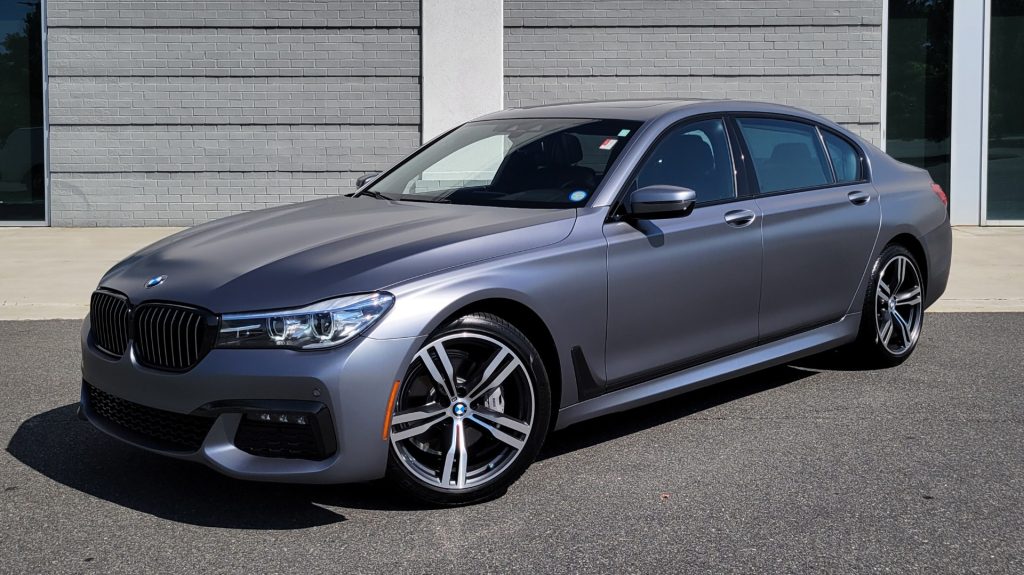
Another common mistake involves ignoring hidden ownership costs. Buyers calculate insurance rates, fuel economy, maintenance expenses, and financing terms alongside purchase price. A vehicle with expensive operating costs must usually compensate with lower pricing to remain competitive.
Luxury cars frequently experience this problem. Sellers see premium badges and assume buyers will pay accordingly, yet used luxury vehicles often depreciate heavily because long-term repair concerns scare shoppers away. High repair risk combined with inflated asking prices creates extremely slow sales.
Poor listing strategy also contributes to pricing failures. Some sellers repeatedly reduce prices by tiny amounts instead of adjusting realistically from the start. Buyers monitoring listings notice these gradual reductions and assume desperation or hidden problems may exist. Long listing durations themselves can damage buyer confidence.
Fast-selling used cars usually hit the market with accurate, competitive pricing immediately. They create urgency because buyers recognize fair value quickly. Vehicles that linger often remain trapped between seller expectations and market reality. Until those expectations align, even good vehicles may continue sitting unsold despite repeated interest.
4. Presentation and Timing Shape First Impressions
A used vehicle often succeeds or fails before a buyer ever sees it in person. Online presentation now acts as the first handshake between seller and shopper. Clean photos, detailed descriptions, and thoughtful timing dramatically affect how quickly a vehicle attracts serious interest.
Lighting and cleanliness matter more than many sellers realise. Bright, sharp photos taken in daylight create trust instantly. Dirty interiors, blurry images, cluttered backgrounds, or nighttime photos suggest carelessness.
Buyers subconsciously connect presentation quality with ownership quality. If the listing appears rushed or neglected, shoppers assume the vehicle may have been treated similarly.
Descriptions influence confidence as well. Clear explanations about maintenance history, recent repairs, tire condition, ownership length, and driving behavior help buyers feel informed.
Short listings with vague phrases like “runs great” or “needs nothing” rarely create confidence anymore. Modern buyers expect transparency because they have seen too many misleading advertisements online.
Seasonal timing changes demand patterns significantly. Convertibles attract stronger attention during warmer months when buyers imagine enjoying open-air driving. Four-wheel-drive trucks and SUVs gain popularity before winter weather arrives.
Fuel-efficient hybrids often see increased demand during periods of rising gasoline prices. Sellers who ignore seasonal trends may struggle even with desirable vehicles.
Location affects response rates, too. A large SUV may sell quickly in suburban or rural regions where space and towing capacity matter. The same vehicle could sit longer in crowded cities where parking difficulty and fuel costs discourage buyers. Market demand changes according to local lifestyles.
Dealer presentation techniques have also influenced private sellers. Buyers now expect cleaner listings because dealership photography and online marketing standards have improved dramatically. Private sellers competing against professionally presented inventory must put in greater effort to attract attention.
Interestingly, honesty can improve selling speed more than perfection. Buyers appreciate sellers who acknowledge small cosmetic flaws clearly instead of hiding them. Transparent listings reduce suspicion and create smoother conversations later. Shoppers become more comfortable acting quickly when they believe the seller is trustworthy.
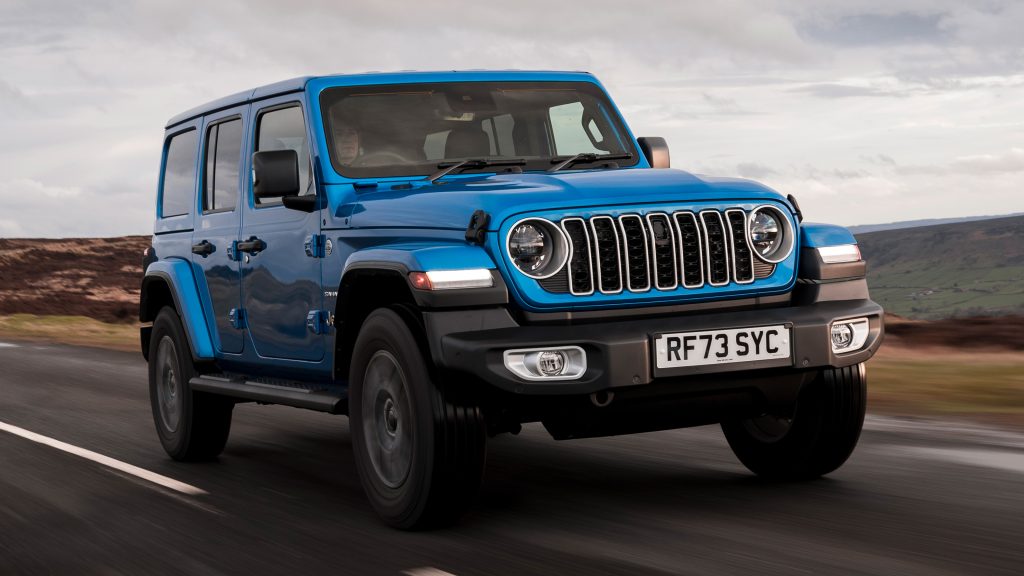
Response speed matters too. Serious buyers often contact multiple sellers at once. Delayed replies can cost a sale entirely because buyers move toward whoever communicates clearly and promptly first. Quick, professional communication creates momentum that helps transactions close faster.
Used vehicles that sell within hours usually combine strong presentation, realistic timing, honest descriptions, and market awareness. Cars that remain unsold often suffer from weak first impressions long before buyers ever turn the key or schedule a test drive.
5. Buyers Fear Future Costs More Than the Purchase Price
One of the biggest reasons some used cars remain unsold for months is simple fear. Modern buyers do not judge vehicles only by appearance, horsepower, or mileage anymore. They think carefully about future expenses. A car may look attractive on the outside, but if buyers suspect expensive ownership costs later, hesitation immediately replaces excitement.
Repair costs influence decisions heavily. Many shoppers research common mechanical failures before contacting a seller.
If a vehicle develops a reputation for transmission problems, engine failures, electrical issues, or expensive suspension repairs, buyers approach cautiously even when the asking price seems reasonable. The fear of a future repair bill often outweighs the appeal of a lower purchase price.
Luxury vehicles demonstrate this pattern clearly. A used premium sedan may appear like an incredible bargain compared to its original sticker price. Buyers initially become interested because the vehicle offers advanced features, strong performance, and upscale interiors at surprisingly affordable prices. Then reality changes the equation.
Expensive replacement parts, specialized labor costs, and complicated electronics create anxiety about long-term ownership. Many shoppers decide the risk is not worth it.
Insurance costs also shape demand. Sports cars, high-theft-risk vehicles, and luxury SUVs frequently carry expensive insurance premiums. Younger buyers especially pay attention to this because monthly insurance payments can strain budgets quickly.
A vehicle with lower insurance costs becomes easier to justify financially, which increases demand and speeds up sales.
Fuel economy matters more during uncertain economic periods. Vehicles with poor efficiency may struggle because buyers calculate long-term operating expenses carefully. Large engines and heavy SUVs become harder to sell when fuel prices rise sharply.
In contrast, hybrids and economical sedans often move quickly because buyers see them as financially safer choices.
Financing trends create additional pressure. Higher interest rates increase monthly payments, making buyers more sensitive to ownership costs beyond the sale price itself. Reliable vehicles with affordable maintenance become extremely attractive during these periods because shoppers want predictable expenses.
Another factor involves parts availability. Some used cars remain on the market because replacement parts are difficult to source or unusually expensive. Buyers researching ownership experiences notice complaints about delayed repairs and high parts prices. That information discourages quick purchasing decisions.
Technology complexity can scare buyers, too. Modern vehicles packed with advanced driver assistance systems, large infotainment displays, air suspension setups, and complicated electronics may appear impressive initially.
Yet many used car shoppers worry about what happens once those systems age outside warranty coverage. Simpler vehicles sometimes sell faster because buyers believe maintenance will remain manageable.
Psychology plays a major role in all these decisions. Buyers want peace of mind more than excitement in many cases. A dependable vehicle with predictable costs creates confidence. A flashy vehicle with uncertain repair risks creates hesitation.
Fast-selling used cars usually reduce financial fear. Slow-selling cars often remind buyers of future expenses they desperately want to avoid.
Also Read: 4 Trucks With Clutches That Last 200,000 Miles vs 4 That Need Replacing at 60,000
