
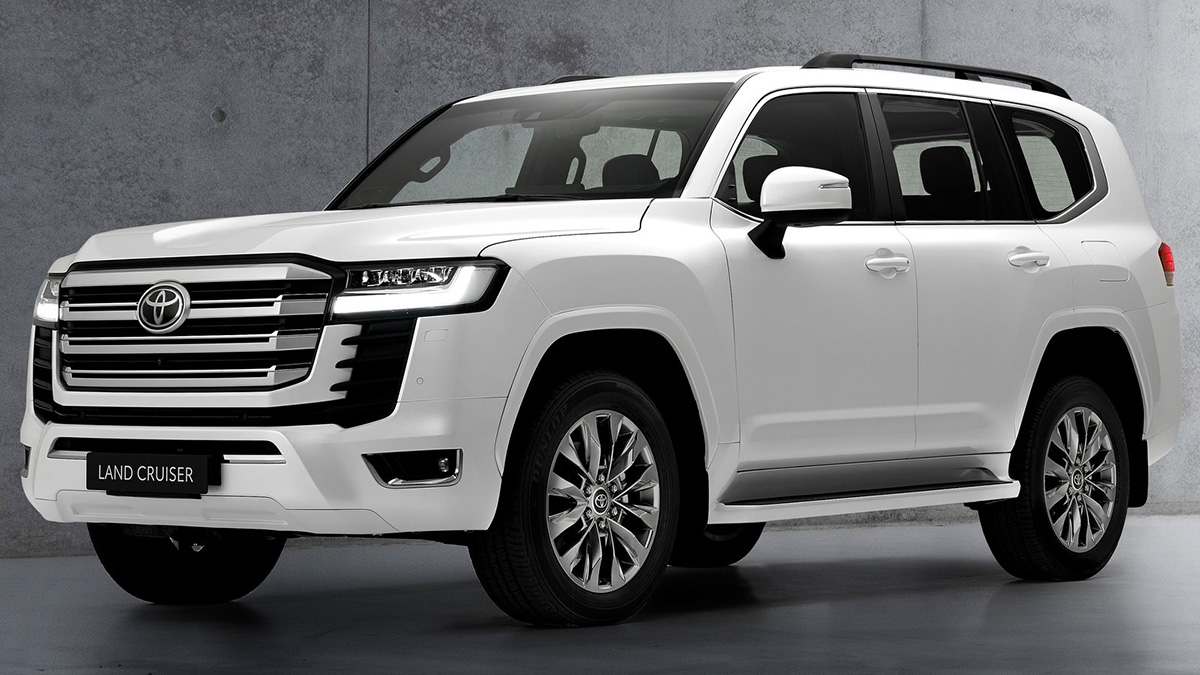
The Toyota Land Cruiser built one of the strongest reputations in automotive history through decades of durability, off-road capability, and long-term dependability. In many parts of the world, it became the ultimate symbol of reliability.
Governments, humanitarian organizations, expedition teams, farmers, and families trusted the Land Cruiser because it could survive brutal conditions where many other vehicles failed. That reputation still influences buyers today, but the modern reality of Land Cruiser ownership has changed dramatically.
For years, buyers accepted high prices because the vehicle offered something unique. It combined rugged engineering, mechanical simplicity, excellent longevity, and genuine global toughness. The problem is that the market around it has evolved.
Competitors improved rapidly while the Land Cruiser became more expensive, more luxurious, and less practical for the average buyer. Many people still purchase the vehicle based on its legendary name rather than what it currently delivers compared to modern alternatives.
One major issue is cost. Modern Land Cruisers have become extremely expensive in many markets. The price no longer reflects simple utility or value-focused engineering.
Buyers now pay luxury vehicle money for a vehicle that still carries compromises in technology, fuel economy, handling, and interior packaging. At the same time, many competitors offer similar comfort, strong reliability, and advanced features at noticeably lower prices.
Fuel efficiency became another growing concern. Older Land Cruisers were never known for excellent fuel economy, but buyers once accepted that trade-off because capability and durability mattered more. Today’s market is different.
Fuel costs, emissions regulations, and changing consumer expectations made efficiency far more important than before. Large body-on-frame SUVs with heavy drivetrains no longer fit comfortably into many daily lifestyles.
The modern Land Cruiser also faces an identity problem. Earlier generations prioritized rugged functionality first and luxury second.
Recent models shifted toward premium positioning with upscale interiors, advanced electronics, and comfort-focused design choices. That transformation attracted luxury buyers but weakened some of the vehicle’s original simplicity and value appeal.
Another challenge comes from how most owners actually use these vehicles. The vast majority never drive through deserts, cross remote mountain ranges, or tow heavy loads across continents.
Many spend their lives in suburban traffic, school pickup lines, and crowded city parking lots, where smaller SUVs perform better and cost far less to operate.
The Land Cruiser remains an impressive machine with undeniable strengths. The issue is that modern buyers now have far more choices than they once did.
For many people, the combination of rising prices, expensive ownership costs, changing market expectations, and strong competition makes the Land Cruiser much harder to justify than it used to be.
Also Read: 9 Best Vehicles for Homeowners Who Haul Mulch
1. The Price No Longer Matches the Practical Value
The biggest reason many buyers question the modern Land Cruiser is simple. The price climbed into territory that feels difficult to justify for ordinary ownership needs. What was once viewed as a durable long-term investment now competes directly with premium luxury SUVs costing similar money while offering more comfort, technology, and efficiency.
Earlier Land Cruisers built their reputation around rugged dependability and mechanical strength. Buyers accepted the premium because the vehicle felt almost indestructible in difficult conditions.
Modern versions still deliver strong durability, but they no longer stand alone in the market. Competing SUVs improved dramatically in reliability, towing capability, and long-term quality while often costing far less.
Many buyers today rarely use the Land Cruiser’s legendary off-road capability. Instead, they drive through traffic, commute daily, park in crowded shopping centers, and take occasional highway trips.
Under those conditions, much of the vehicle’s expensive engineering goes unused. Paying extremely high prices for locking differentials, heavy-duty chassis components, and advanced off-road systems becomes difficult to rationalize when the SUV spends nearly all its time on pavement.
Interior quality also creates debate. The Land Cruiser offers durability and solid construction, but some buyers expect more sophistication considering the price tag.
Competing luxury SUVs frequently provide more advanced infotainment systems, richer cabin materials, quieter ride quality, and stronger on-road refinement for similar or lower prices.
There is also the issue of diminishing uniqueness. Years ago, very few vehicles could match the Land Cruiser’s balance of reliability and capability. Today, buyers can find dependable midsize and full-size SUVs with excellent safety technology, comfortable interiors, and strong resale value without stepping into ultra-premium pricing territory.
Financing costs intensified this problem further. High interest rates make already expensive vehicles even harder to justify every month. Many buyers calculate ownership expenses carefully and realize they could purchase a well-equipped SUV plus years of fuel and maintenance for the difference in price alone.
Resale value remains one of the Land Cruiser’s strongest advantages, but even that no longer solves everything. Holding value well helps long-term ownership, yet buyers still face huge upfront costs and expensive insurance premiums.
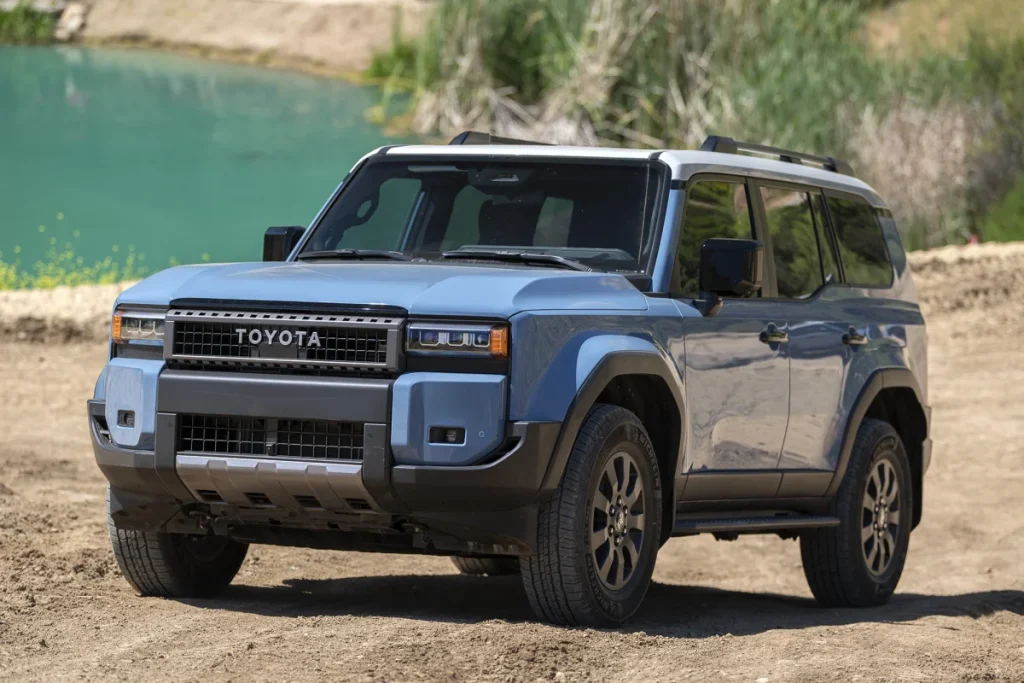
The vehicle’s reputation continues to support demand, but reputation alone cannot hide how dramatically pricing has risen compared to practical daily benefits.
For buyers regularly traveling through remote terrain or depending on maximum durability in harsh environments, the Land Cruiser still makes sense.
For average suburban families and commuters, however, the cost increasingly feels disconnected from real-world usage. Many drivers now realize they are paying heavily for capabilities and heritage they may never actually need.
2. Fuel Economy and Daily Driving Feel Outdated
The Land Cruiser earned its reputation during an era when durability mattered far more than efficiency. Buyers accepted heavy construction, large engines, and substantial fuel consumption because the vehicle was built to survive difficult environments reliably.
Modern driving expectations have changed dramatically, and this is where the Land Cruiser increasingly struggles for many owners.
Fuel economy became one of the biggest weaknesses. Large body-on-frame SUVs naturally consume more fuel because of their weight, size, and drivetrain layout.
While newer powertrains improved efficiency somewhat, the Land Cruiser still feels expensive to operate compared to many modern crossovers and unibody SUVs delivering similar passenger comfort for daily use.
For drivers covering long commuting distances, fuel costs add up quickly. Stop-and-go traffic, urban driving, and crowded city roads make the situation worse because large SUVs operate least efficiently under those conditions.
Owners may admire the vehicle’s legendary engineering while simultaneously growing frustrated by frequent fuel stops and rising operating expenses.
Daily maneuverability also creates challenges. The Land Cruiser remains physically large, and that size becomes inconvenient in modern urban environments.
Tight parking garages, narrow city streets, crowded apartment complexes, and compact parking spaces all remind drivers they are operating a vehicle originally designed with global ruggedness in mind rather than urban practicality.
Ride quality presents another interesting issue. The Land Cruiser rides comfortably for a body-on-frame SUV, but it still carries the characteristics of a heavy truck-based platform. Competing unibody SUVs often feel smoother, quieter, and more composed during ordinary commuting. Buyers who rarely drive off-road may notice those differences immediately during daily ownership.
Technology expectations changed as well. Modern buyers expect seamless smartphone integration, highly responsive infotainment systems, advanced driver assistance features, and luxury-level cabin refinement. The Land Cruiser sometimes feels conservative compared to competitors pushing aggressively into premium technology experiences.
There is also a psychological shift happening among consumers. Earlier generations viewed ruggedness itself as desirable, even if it came with compromises.
Today, many buyers prioritize convenience, comfort, efficiency, and ease of use first. The qualities that once made the Land Cruiser legendary do not always align with what average modern families value most.
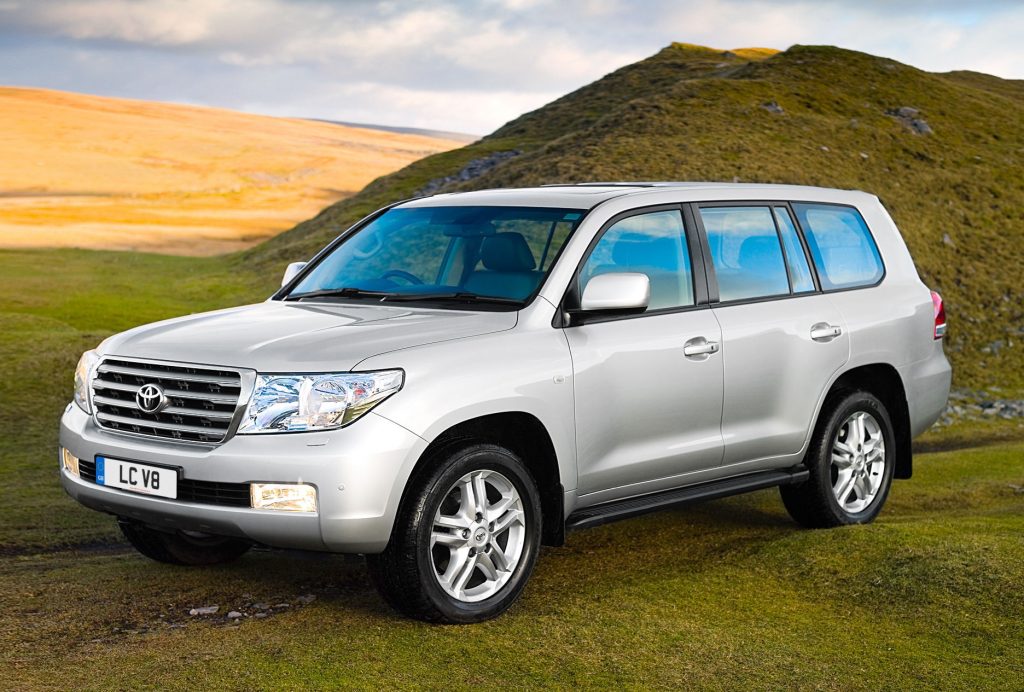
Hybrid technology and electrification further increased pressure on traditional large SUVs. Many competitors now offer significantly better efficiency without sacrificing passenger comfort or safety. The Land Cruiser’s old-school approach still appeals to loyal enthusiasts, but mainstream buyers increasingly question whether the trade-offs remain worthwhile.
The problem is not that the Land Cruiser became a bad vehicle. The problem is that daily driving expectations evolved faster than the vehicle’s core philosophy. For many owners spending nearly all their time on paved roads, modern alternatives simply fit contemporary lifestyles more naturally and economically.
3. The Luxury Shift Hurt the Original Appeal
One reason the Land Cruiser built such deep loyalty was its straightforward personality. Older generations focused heavily on durability, mechanical simplicity, and function before luxury.
Buyers respected the vehicle because it felt engineered for survival first and comfort second. Modern versions changed that formula significantly, and not every longtime enthusiast believes the transformation improved the vehicle.
Recent Land Cruisers moved further into premium territory with upscale interiors, large touchscreens, advanced electronics, luxury materials, and comfort-oriented features. While this attracted wealthier buyers looking for prestige SUVs, it also pushed the vehicle away from the rugged simplicity that once separated it from competitors.
As technology increased, repair complexity increased alongside it. Older Land Cruisers earned reputations for being serviceable almost anywhere in the world. Mechanics in remote regions could often repair them using basic tools and mechanical knowledge.
Modern versions depend much more heavily on electronic systems, sensors, software, and advanced diagnostics. That change reduced some of the practical charm the vehicle once carried.
The luxury positioning also created pricing problems. Buyers no longer compare the Land Cruiser only against rugged off-road vehicles.
Now it competes directly against premium European and American luxury SUVs packed with sophisticated interiors, smoother ride quality, and cutting-edge technology. In those comparisons, the Land Cruiser sometimes feels caught between two identities.
It is not as luxurious as some dedicated premium SUVs, yet it is also no longer the simple utilitarian machine older buyers remember fondly. This middle ground creates confusion about what the vehicle truly represents today.
Another issue involves ownership expectations. Luxury SUV buyers usually expect strong fuel economy for the size, refined driving manners, quiet cabins, and highly advanced infotainment systems.
Traditional Land Cruiser buyers prioritized durability, dependability, and long-term mechanical toughness instead. Satisfying both groups equally became increasingly difficult.
Some owners also believe the vehicle lost part of its global toughness image. Earlier Land Cruisers looked and felt purpose-built for remote travel and difficult terrain. Modern designs emphasize prestige and upscale styling much more heavily. While capability still exists underneath, the personality shifted noticeably.
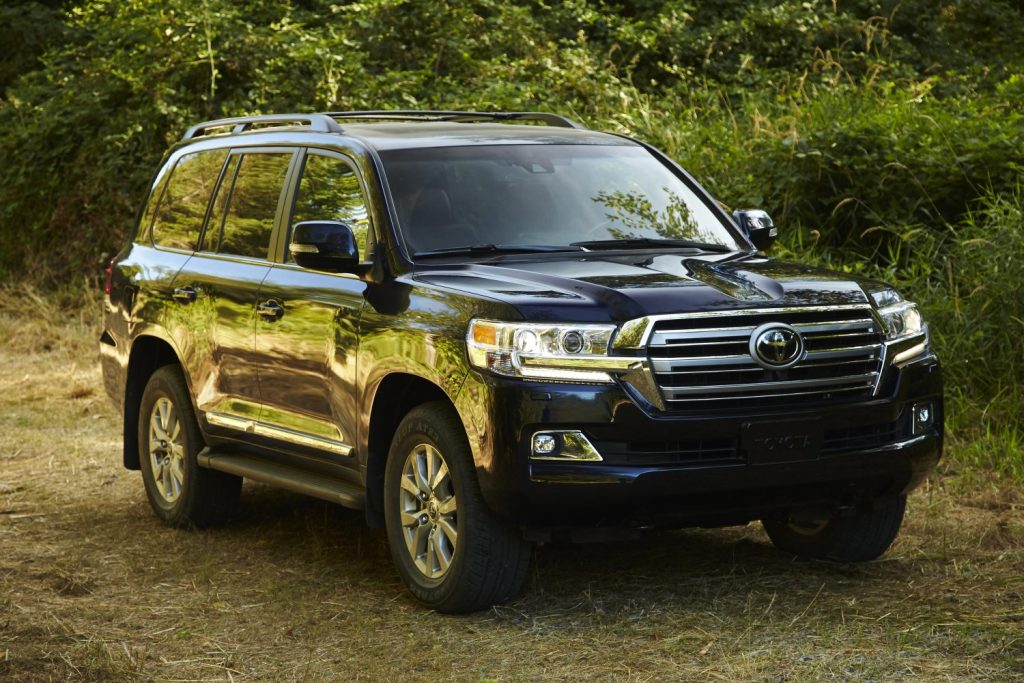
None of this means the current Land Cruiser lacks quality. The issue is that its original identity became diluted over time.
Buyers who once admired the vehicle for its honesty and simplicity now see a much more expensive, luxury-focused SUV competing in a crowded market where many alternatives deliver greater comfort and technology for similar money.
4. Most Buyers Will Never Use What Makes It Special
The Land Cruiser still possesses remarkable engineering underneath its large exterior. Strong four-wheel drive systems, locking differentials, durable chassis construction, high ground clearance, and exceptional long-term durability continue to define the vehicle. The problem is that most owners never use those strengths in any meaningful way.
Many Land Cruisers spend their entire lives in suburban neighborhoods, office parking lots, highways, and shopping centers. They rarely encounter terrain more demanding than gravel roads or wet pavement. Under these conditions, much of the expensive off-road engineering remains completely unnecessary.
Modern crossovers and midsize SUVs already handle everyday driving extremely well. They provide comfortable seating, advanced safety systems, good cargo space, and confident highway performance while consuming less fuel and costing far less to maintain.
For ordinary commuting and family transportation, the Land Cruiser’s extreme durability offers little practical advantage.
The irony is that the qualities making the Land Cruiser famous often become disadvantages during regular urban use. Its size makes parking difficult, fuel economy stays relatively poor, and body-on-frame construction can feel less refined than modern unibody SUVs during daily driving.
Buyers often convince themselves they need maximum capability “just in case.” They imagine future adventures, remote travel, or towing situations that may never actually happen. Manufacturers understand this emotional thinking and market these vehicles accordingly. Capability becomes aspirational rather than practical.
There is also a growing disconnect between image and reality. Some owners purchase the Land Cruiser because it symbolizes toughness, preparedness, or adventure. Yet many never leave paved roads. In those situations, they continue paying for heavy-duty hardware they simply do not need.
Tire costs, maintenance expenses, insurance premiums, and fuel bills continue regardless of whether the vehicle’s full capability is ever used. That financial reality becomes harder to justify over time, especially when competitors handle everyday life more efficiently.
Another factor is how modern infrastructure has changed driving habits. Earlier generations of Land Cruiser owners often needed genuine ruggedness for poor roads, undeveloped regions, or difficult climates. Today, improved highways and urban expansion have reduced the need for extreme off-road capability in many markets.
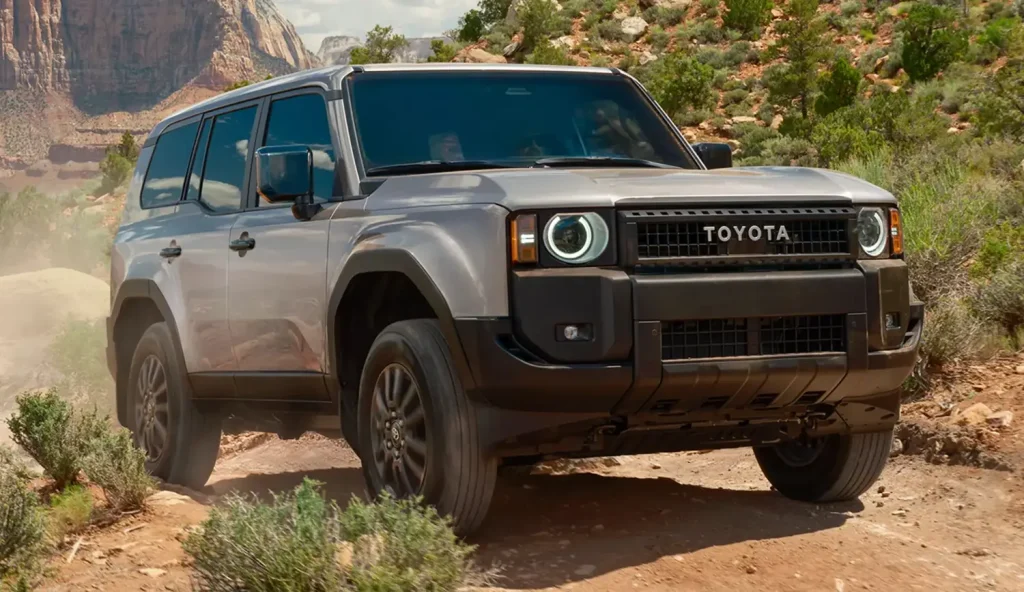
For serious off-road enthusiasts, expedition travelers, and drivers living in remote areas, the Land Cruiser still offers meaningful advantages. Those buyers truly benefit from its engineering. The issue is that they represent a relatively small percentage of total ownership.
Most buyers simply do not encounter situations demanding the vehicle’s legendary strengths. As a result, many owners end up carrying around enormous capabilities they rarely touch while accepting all the costs and compromises attached to it every single day.
5. Competition Finally Caught Up
For decades, the Land Cruiser occupied a unique position in the SUV world. Very few vehicles combine reliability, durability, comfort, towing strength, and off-road capability at such a high level simultaneously. Buyers accepted high prices because limited alternatives were delivering the same confidence and long-term dependability.
That advantage slowly disappeared as competitors improved aggressively. Modern SUVs from multiple manufacturers now offer excellent reliability, advanced safety systems, strong resale value, comfortable interiors, and capable four-wheel-drive systems at significantly lower prices. The market changed around the Land Cruiser while its legendary reputation kept much of its pricing artificially high.
Technology played a major role in this shift. Competing brands invested heavily in turbocharged engines, hybrid systems, adaptive suspensions, advanced traction management, and refined interiors.
Many modern SUVs now feel more comfortable, more efficient, and more technologically advanced than the Land Cruiser during normal driving conditions.
Reliability gaps narrowed, too. The Land Cruiser once stood far ahead of many rivals in long-term durability. Today, several competitors offer dependable powertrains and strong ownership experiences without requiring ultra-premium pricing. Buyers no longer feel forced toward one specific vehicle if they want long-lasting transportation.
Off-road capability also became more accessible across the industry. Specialized trims, improved all-wheel drive systems, locking differentials, and terrain management programs now appear in vehicles that previously focused only on pavement comfort.
Most buyers can enjoy moderate off-road adventures without purchasing a dedicated global expedition vehicle.
Interior refinement became another pressure point. Luxury SUVs now provide exceptionally quiet cabins, advanced digital interfaces, massaging seats, premium materials, and highly sophisticated driver assistance features. In comparison, the Land Cruiser sometimes feels conservative despite its high price tag.
Brand perception changed as well. Younger buyers often value efficiency, connectivity, and modern design more than old-school durability reputations. The Land Cruiser still carries enormous respect among enthusiasts, but mainstream buyers increasingly compare practical ownership experiences instead of relying purely on heritage.
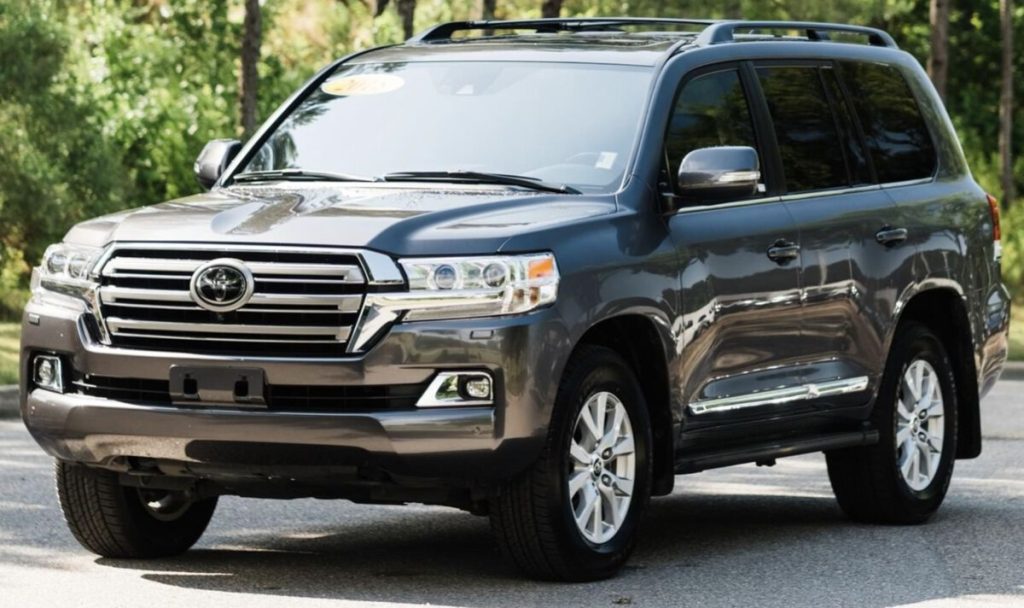
The used market highlights this issue clearly. Older Land Cruisers maintain cult-like status because they represent the vehicle’s original rugged philosophy. Newer models face much stronger competition from modern alternatives that deliver similar comfort with fewer compromises.
The Land Cruiser remains an impressive SUV with undeniable strengths. The difference today is that buyers finally have many other strong options available.
When one vehicle no longer dominates reliability, capability, and durability as completely as it once did, justifying extremely high prices becomes far more difficult for average consumers.
Also Read: 7 Cars With Window Switches That Light Up At Night
