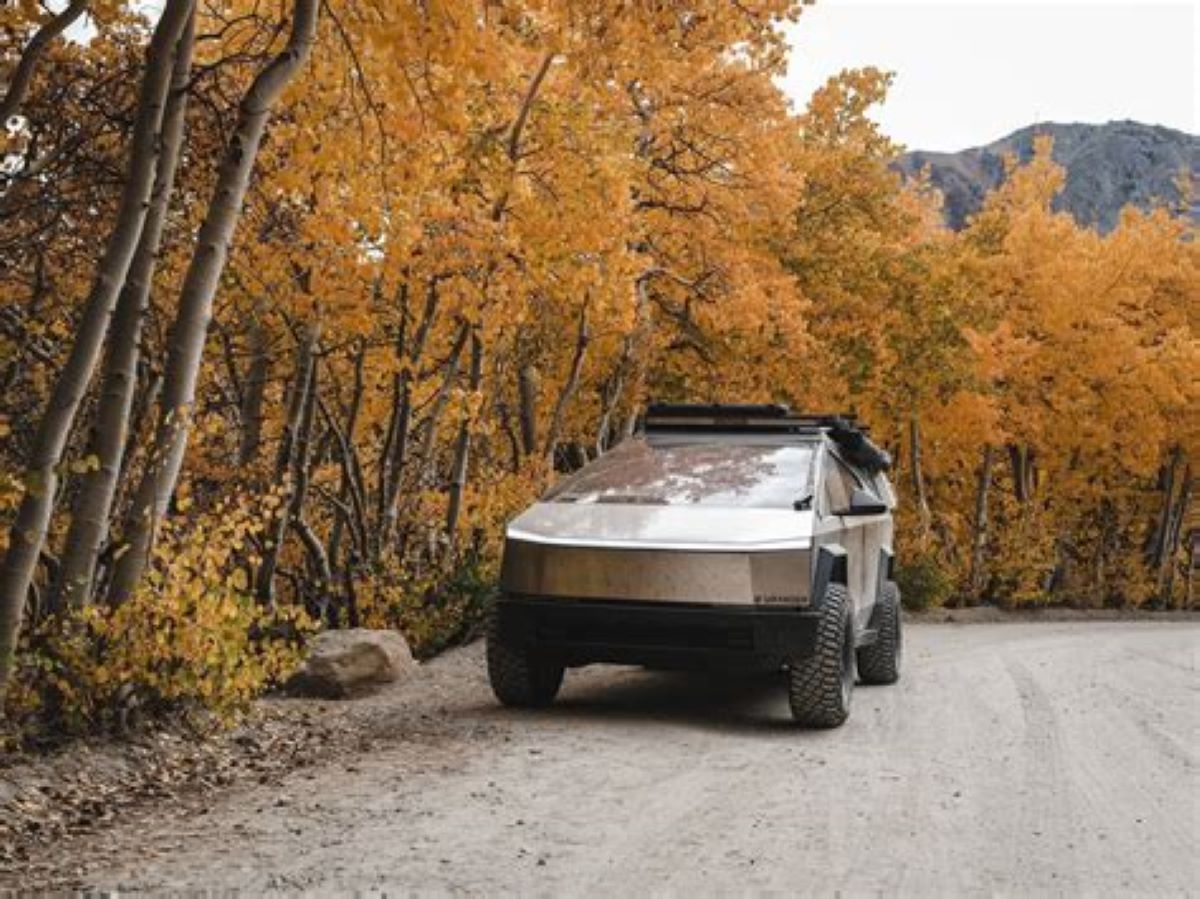
When Tesla first revealed the Tesla Cybertruck, the company promised a revolutionary pickup unlike anything the automotive world had ever seen. Its angular stainless steel body, futuristic design, armored glass demonstrations, and bold performance claims instantly turned the truck into one of the most talked-about vehicles of the decade.
For supporters, the Cybertruck represented the future of transportation. For critics, it looked like an unfinished science fiction experiment placed on public roads.
Now, less than two years after deliveries began, the Cybertruck has developed another reputation entirely. It has become one of the most recalled new vehicles in recent automotive history.
Since launch, Tesla has issued multiple recalls affecting various aspects of the Cybertruck, ranging from software glitches and accelerator concerns to windshield wiper problems, display issues, trim defects, and other safety-related complications.
The number and frequency of these recalls have sparked growing criticism from safety analysts, industry observers, and even some loyal Tesla owners.
Automotive experts note that many vehicles go years without facing major recall campaigns. The Cybertruck, by comparison, has experienced a stream of problems unusually early in its lifecycle.
The situation highlights the risks associated with launching one of the most unconventional production vehicles ever attempted by a major automaker.
Tesla has consistently defended its response process, emphasizing that many fixes can be delivered quickly through over-the-air software updates rather than traditional dealership visits. Supporters also argue that Tesla reacts aggressively to potential problems instead of delaying corrective action.
Still, the growing recall list has raised uncomfortable questions about whether the company rushed the truck into production before fully resolving engineering and quality control challenges.
That debate has become increasingly intense as more Cybertrucks reach customers across the United States.
Also Read: 10 Motorcycles With Bigger Engines Than Most Cars
Building the Cybertruck Was Always Going to Be Difficult
From the beginning, many automotive engineers warned that the Cybertruck’s radical design would create major manufacturing and quality control challenges.
Traditional pickup trucks rely on decades of production refinement and proven engineering methods. Tesla chose a dramatically different path.
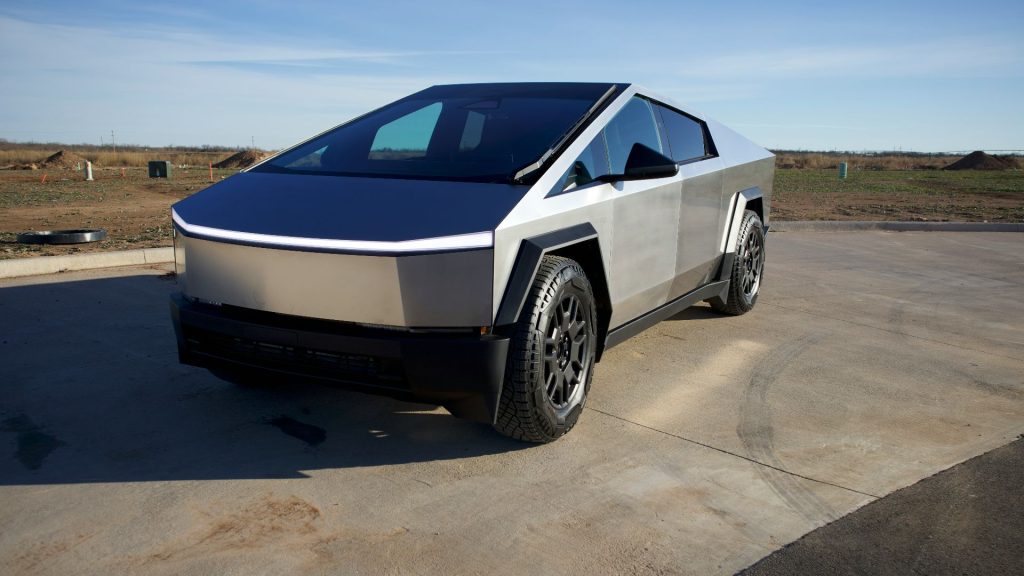
The Cybertruck uses sharp geometric body panels made from ultra-hard stainless steel rather than conventional painted sheet metal. While visually distinctive, the material is notoriously difficult to stamp, shape, and align consistently during large-scale production.
Even small imperfections become highly visible on flat stainless surfaces. The truck’s unusual exoskeleton structure also forced Tesla to rethink many traditional assembly methods.
Combined with new steer-by-wire systems, advanced electronics, massive battery packs, and unconventional construction techniques, the Cybertruck became one of the most ambitious engineering projects in Tesla’s history.
Ambitious projects often bring unexpected complications. Several recalls involved components tied directly to the truck’s unique design and production methods.
Early reports described issues involving accelerator pedals, windshield systems, trim attachment concerns, and software-related malfunctions affecting displays and warning systems. Some problems were relatively minor, while others carried potential safety implications.
Industry analysts point out that launching entirely new vehicle architectures frequently produces early reliability struggles, especially when manufacturers push technological boundaries aggressively. Yet even within that context, the Cybertruck’s recall pace has attracted unusual attention.
Part of the reason involves Tesla’s public image. The company built its reputation around innovation, speed, and technological leadership.
Supporters often describe Tesla vehicles as more advanced than traditional competitors. Frequent recalls, therefore, create a sharp contrast between futuristic marketing and real-world ownership challenges.
The Cybertruck’s extremely high visibility also magnifies every issue. Unlike ordinary vehicles that quietly enter the market, the Cybertruck became a cultural phenomenon long before production began.
Every problem, delay, or recall generates enormous online discussion because the truck remains one of the most recognizable vehicles in the world. That visibility increases pressure on Tesla significantly.
Owners Remain Divided Between Loyalty and Frustration
Despite the recall headlines, many Cybertruck owners continue to defend the vehicle passionately.
Tesla has built one of the most loyal customer communities in the automotive industry. Supporters often praise the company’s fast software updates, innovative technology, charging infrastructure, and performance advantages over traditional automakers.
Some owners argue that recalls themselves are not unusual in modern vehicles packed with advanced technology. They also note that Tesla frequently resolves software-related issues remotely without requiring dealership appointments.
For those customers, the Cybertruck’s strengths still outweigh its flaws. Owners regularly praise the truck’s acceleration, futuristic cabin layout, towing capability, off-road potential, and unique road presence.
Few vehicles attract as much public attention, and many buyers specifically wanted something unconventional compared with traditional pickups from Ford, Chevrolet, or Ram. Yet frustration has also grown among another group of owners.
Some customers report concerns about fit and finish quality, inconsistent panel alignment, interior rattles, software bugs, and service delays. Critics argue that Tesla’s rapid development culture sometimes prioritizes speed and innovation over long-term refinement and manufacturing consistency.
The recall situation has amplified those concerns. Potential buyers who once viewed the Cybertruck as a revolutionary status symbol now question whether the vehicle was fully ready for mass production.
Consumer confidence becomes especially important in the pickup segment because truck buyers often prioritize durability, reliability, and long-term dependability above flashy technology. Traditional truck owners can be particularly skeptical.
Brands like Ford, Chevrolet, and Ram built decades of trust through proven reliability in demanding work environments. Tesla entered that market promising disruption, but repeated recalls risk damaging confidence among buyers already hesitant about electric trucks.
The Cybertruck, therefore, faces a unique challenge. It must prove not only that electric trucks can compete with gasoline pickups, but also that radical innovation can coexist with reliability.
4. Tesla’s Fast-Moving Culture Faces Growing Scrutiny
The Cybertruck recall story also reflects broader questions surrounding Tesla’s corporate philosophy and manufacturing approach.
Tesla became one of the world’s most valuable automakers by moving faster than traditional companies. The brand embraced rapid development cycles, software-driven updates, direct customer sales, and aggressive engineering timelines, while legacy manufacturers often moved more cautiously.
That strategy helped Tesla dominate the early electric vehicle market. However, critics argue that the same fast-moving culture sometimes creates problems once vehicles enter real-world use. Several analysts believe Tesla occasionally treats production vehicles more like evolving technology products than traditionally validated automotive platforms.
The Cybertruck may represent the clearest example of that philosophy. Its design broke countless automotive conventions simultaneously, from exterior construction to steering systems and digital interfaces. Launching so many unconventional features at once increased both engineering complexity and production risk dramatically.
Traditional automakers typically introduce radical technologies more gradually. Tesla instead compressed multiple major innovations into a single product.
Supporters admire that boldness because it allows Tesla to move years ahead of slower competitors. Critics counter that the approach can expose customers to unfinished or insufficiently tested systems. Government regulators are paying increasing attention as well.
Tesla has faced investigations and scrutiny related to several vehicle systems across its broader lineup, particularly involving driver assistance technologies and automated features. The Cybertruck’s recall frequency has therefore added to existing debates surrounding the company’s safety and validation processes.
Still, Tesla continues to maintain an enormous influence across the industry. Competitors increasingly adopt software-driven strategies, over-the-air updates, and simplified manufacturing methods inspired partly by Tesla’s success. Even critics acknowledge that the company changed the automotive business permanently.
The Cybertruck simply demonstrates how difficult true disruption can become once futuristic ideas meet production reality.
The Cybertruck Still Represents the Future for Many Buyers
Despite mounting recalls and growing criticism, the Cybertruck continues attracting attention, unlike almost any other modern vehicle.
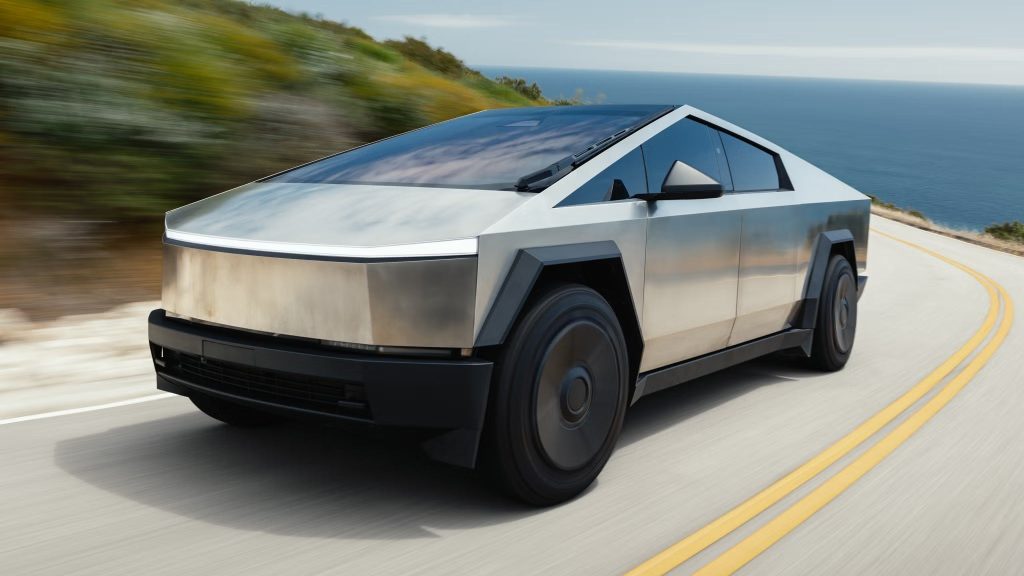
Tesla supporters still view the truck as a symbol of innovation and a view into the future of transportation. Its stainless steel body, extreme styling, powerful acceleration, and software-heavy architecture make traditional pickups appear conservative by comparison.
For many buyers, that uniqueness remains the entire appeal. The truck has become more than transportation. It represents technology culture, internet attention, futuristic branding, and personal identity in ways few vehicles ever achieve.
That emotional connection helps explain why demand remains strong even amid reliability concerns.
Modern consumers increasingly accept software updates, evolving features, and occasional technical problems as part of owning advanced technology products. Tesla benefits from that mindset because many customers approach its vehicles differently than they would traditional automobiles. Still, the recall trend carries serious long-term risks.
Truck buyers expect toughness and durability above almost everything else. Repeated recalls can damage a reputation quickly in a segment built heavily around trust and dependability. If Tesla hopes to compete seriously with established truck manufacturers over the next decade, improving quality control and production consistency will become essential.
The Cybertruck’s future may ultimately depend on whether Tesla can stabilize the vehicle’s reliability reputation while continuing to refine production.
What remains undeniable is the truck’s impact. Very few vehicles generate this level of conversation, controversy, excitement, criticism, and fascination simultaneously. The Cybertruck has already secured its place as one of the most polarizing automotive products of the modern era.
The recalls may have complicated Tesla’s vision, but they have not stopped the Cybertruck from becoming one of the most discussed vehicles on the planet.
Also Read: 9 Pre-2010 Mustangs Still Worth More Than New Ones