
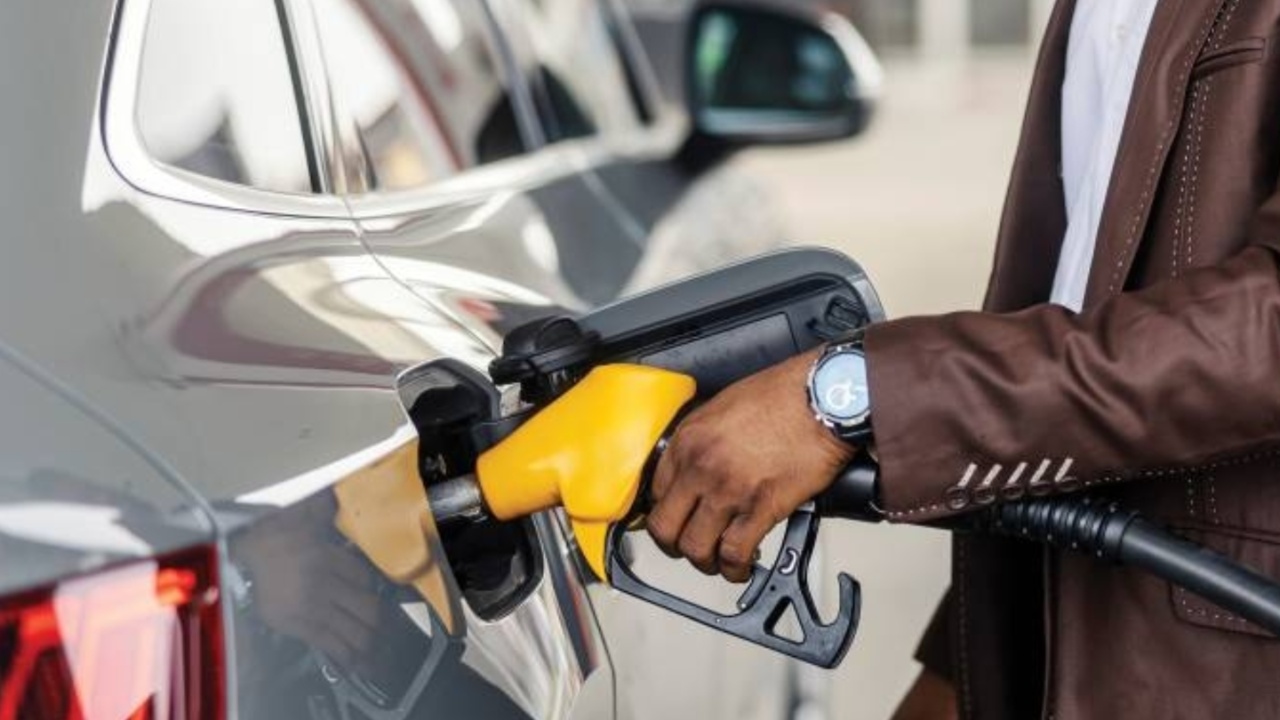
Fuel prices may rise and fall throughout the year, but one thing remains constant: every driver wants to spend less money at the pump.
While many people focus on purchasing a fuel-efficient vehicle, they often overlook a factor that can have an equally significant impact on fuel consumption. The way a vehicle is driven every day plays a major role in determining how much fuel it uses.
Modern vehicles are engineered to maximize efficiency, yet even the most economical car can consume excessive fuel when driven improperly. Aggressive acceleration, unnecessary idling, poor route planning, and neglected maintenance habits can increase monthly fuel expenses considerably.
On the other hand, simple adjustments behind the wheel can produce noticeable savings without requiring any modifications to the vehicle itself.
What makes fuel-saving driving habits particularly valuable is their accessibility. Unlike buying a new vehicle or investing in expensive technology, these techniques cost nothing to implement. They rely entirely on awareness, consistency, and a willingness to change small behaviors that many drivers perform automatically.
The cumulative effect of these habits can be substantial. A few dollars saved during each fill-up may not seem significant initially, but those savings add up over months and years of vehicle ownership.
Drivers who consistently practice efficient driving techniques often discover that they make fewer fuel stops and spend less money maintaining their vehicles.
Another benefit is that fuel-conscious driving typically reduces wear on mechanical components. Smoother acceleration, gentler braking, and more consistent speeds place less stress on the engine, transmission, brakes, and tires. This can contribute to lower ownership costs beyond fuel savings alone.
The following driving habits have been proven to help reduce fuel consumption in a wide variety of vehicles. Some involve changing how you operate the accelerator pedal, while others focus on planning and awareness.
Together, they represent practical strategies that can help drivers keep more money in their pockets every month while making their vehicles operate more efficiently.
1. Accelerate Smoothly Instead of Flooring the Throttle
Many drivers waste fuel before they even leave the first traffic light. The moment a signal turns green, they press the accelerator aggressively and force the engine to work much harder than necessary. While this approach may feel satisfying for a few seconds, it significantly increases fuel consumption over time.
Think of fuel like water flowing through a pipe. The harder the engine is asked to accelerate, the more fuel it demands. Rapid acceleration creates a sudden surge in fuel usage because the engine management system enriches the fuel mixture to generate additional power. This extra fuel often provides little practical benefit in normal traffic situations.
Drivers who accelerate smoothly allow the vehicle to build speed gradually. The engine operates within a more efficient range, consuming less fuel while still reaching the desired speed.
In everyday commuting, the difference in arrival time between aggressive and moderate acceleration is often negligible, yet the difference in fuel consumption can be meaningful.
Urban driving environments are particularly affected by throttle behavior. Stop-and-go traffic presents dozens of opportunities each day to either waste or save fuel. A driver who repeatedly launches away from intersections may burn significantly more fuel than someone who accelerates progressively and anticipates traffic flow.
There is also a secondary financial benefit. Smooth acceleration reduces strain on drivetrain components. Transmissions, engine mounts, tires, and other mechanical parts experience less stress when power is applied gradually rather than abruptly. Lower wear can contribute to reduced maintenance expenses over the life of the vehicle.
Passengers also notice the difference. Vehicles driven with controlled inputs tend to provide a more comfortable ride, especially for family members and coworkers. Frequent hard acceleration often creates unnecessary motion and discomfort.
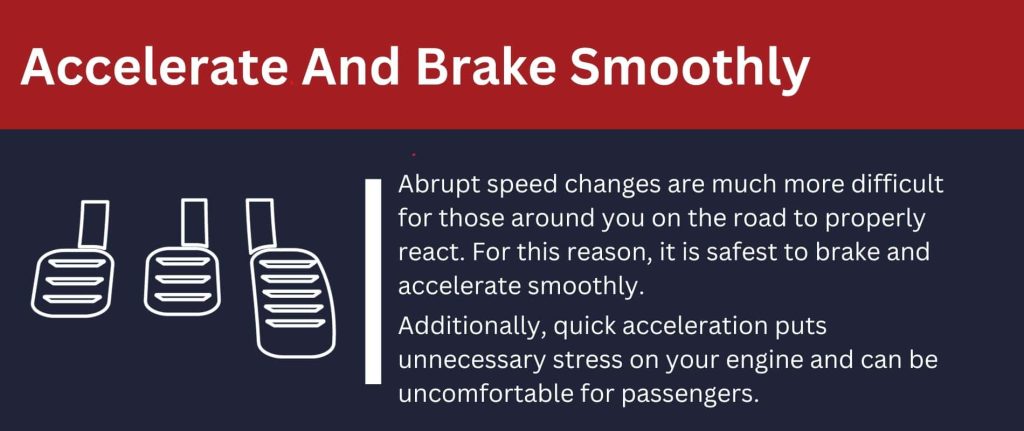
Developing this habit requires only a small adjustment in mindset. Instead of viewing every green light as a race, focus on building speed steadily and efficiently. The vehicle will still reach traffic speed comfortably while consuming less fuel along the way.
Over the course of a month, the savings generated by smoother acceleration can become surprisingly noticeable. It is one of the simplest and most effective techniques available to drivers seeking to lower fuel expenses without changing vehicles or altering their daily routines.
2. Maintain Consistent Highway Speeds
Highway driving often appears more fuel efficient than city driving, but that advantage can disappear when speed fluctuates constantly.
Many motorists unknowingly waste fuel by accelerating aggressively, slowing unnecessarily, and repeatedly changing pace throughout their journey. Maintaining a stable speed is one of the most effective methods for reducing fuel consumption during long-distance travel.
Imagine a cyclist attempting to complete a long ride. Constantly sprinting and then slowing down would require far more energy than maintaining a steady rhythm. Vehicles operate according to a similar principle. Every time speed increases, additional fuel is required to overcome inertia and aerodynamic resistance.
Aerodynamics becomes particularly important at highway speeds. As speed rises, air resistance increases dramatically. Driving at 80 mph instead of 65 mph may not seem like a major difference, but the engine often needs substantially more fuel to maintain that higher velocity.
The relationship between speed and fuel consumption is not linear. Small speed increases can produce disproportionately large increases in fuel use.
Drivers who maintain a consistent pace allow the vehicle’s engine and transmission to operate within their most efficient range. Modern vehicles are specifically calibrated to deliver optimal fuel economy during steady-state cruising. Frequent speed changes disrupt this efficiency and force the powertrain to work harder.
Cruise control can be especially useful on open highways. By automatically regulating speed, it prevents unnecessary acceleration and helps maintain a stable driving rhythm. Many drivers are surprised by how much smoother their speed becomes when electronic assistance handles throttle adjustments.
Traffic awareness also contributes to consistency. Looking farther down the road helps drivers anticipate changes in traffic flow before they occur. Instead of braking suddenly and accelerating again moments later, they can make smaller and more efficient speed adjustments.
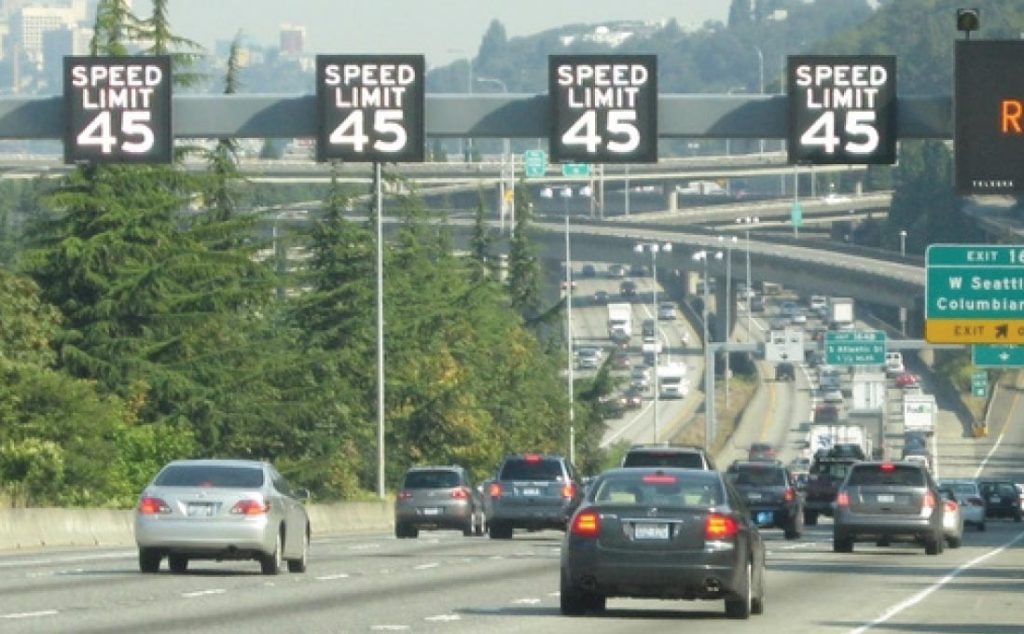
Long-distance commuters often see the greatest benefits from this habit because highway mileage accounts for a large portion of their monthly driving. Even modest improvements in fuel efficiency become significant when accumulated across hundreds of miles.
The goal is not necessarily to drive slowly. Rather, it is to avoid unnecessary fluctuations that consume fuel without providing meaningful advantages. A calm, consistent pace allows the vehicle to operate more efficiently while reducing driver fatigue and lowering fuel expenses at the same time.
3. Anticipate Traffic and Avoid Hard Braking
One of the most overlooked fuel-saving techniques has nothing to do with the accelerator pedal. It begins with where a driver directs their attention.
Motorists who focus only on the vehicle directly in front of them often react at the last second, leading to sudden braking and repeated acceleration. Those actions waste fuel every day without most people realizing it.
A vehicle in motion already possesses momentum. Every time the brakes are applied aggressively, much of that momentum is converted into heat and lost.
The fuel used to create that forward motion has effectively been wasted. Moments later, the driver presses the accelerator again and burns more fuel to regain the speed that was unnecessarily lost.
Skilled drivers approach traffic differently. Instead of concentrating exclusively on the nearest vehicle, they scan farther ahead. By observing traffic signals, congestion patterns, merging vehicles, and slowing traffic in the distance, they can react earlier and more smoothly.
Consider a red traffic light several hundred yards ahead. Many drivers continue accelerating until they are close to the intersection before braking firmly. A more efficient approach is to ease off the accelerator early and allow the vehicle to coast. In many situations, the light may even turn green before the car arrives, eliminating the need to stop completely.
This technique works especially well in urban environments where traffic conditions change frequently. Anticipation allows drivers to preserve momentum while minimizing unnecessary acceleration cycles. The result is lower fuel consumption and a more relaxed driving experience.
The benefits extend beyond fuel savings. Brake pads, rotors, and tires experience less wear when harsh braking becomes less common. Maintenance intervals may be extended, reducing ownership costs over time.
Passengers also appreciate smoother driving habits. Frequent abrupt braking creates discomfort and can make even short trips feel stressful. A driver who anticipates traffic tends to create a calmer environment for everyone in the vehicle.
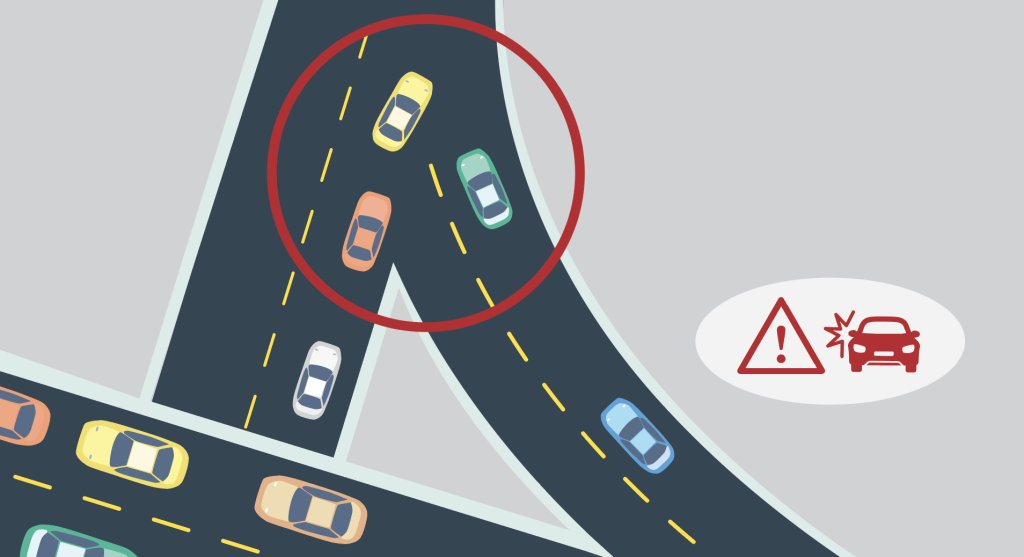
Fuel efficiency experts often describe momentum as a valuable resource. Once a vehicle has reached cruising speed, preserving that momentum whenever possible reduces the amount of fuel needed to continue moving. Anticipating traffic conditions is one of the most effective ways to accomplish this goal.
By simply paying closer attention to what is happening farther down the road, drivers can transform their daily commute into a more economical and efficient experience while reducing unnecessary fuel consumption every month.
4. Reduce Unnecessary Idling
A surprising amount of fuel is consumed when a vehicle is not moving at all. Many drivers leave their engines running while waiting for passengers, sitting outside stores, using drive-through lanes, or remaining parked for extended periods.
Although modern engines are more efficient than older designs, unnecessary idling still contributes to higher monthly fuel costs.
The misconception often comes from the belief that restarting an engine uses more fuel than leaving it running. While that may have been partially true decades ago with older carbureted vehicles, modern fuel-injected engines require very little fuel during startup.
In many situations, shutting the engine off for a short period is more economical than allowing it to idle continuously.
Imagine a vehicle waiting outside a school pickup area for fifteen minutes every weekday. The engine may burn a noticeable amount of fuel during that time despite the vehicle traveling zero miles. Over weeks and months, those small amounts accumulate into a significant expense.
Idling also produces another hidden cost. The engine continues operating even though the odometer remains unchanged. Internal components continue cycling, fluids continue circulating, and wear continues occurring. While modern engines are designed to tolerate idling, reducing unnecessary operation can contribute to long-term efficiency.
Certain situations obviously require the engine to remain running. Heavy traffic, brief stops, and extreme weather conditions may justify continued operation. The key is identifying moments when the vehicle can be safely shut down without inconvenience.
Many newer vehicles now include automatic start-stop systems that perform this task automatically. Manufacturers introduced these systems specifically because reducing idle time improves fuel economy and lowers emissions. Drivers of older vehicles can achieve similar benefits simply by developing awareness of their habits.
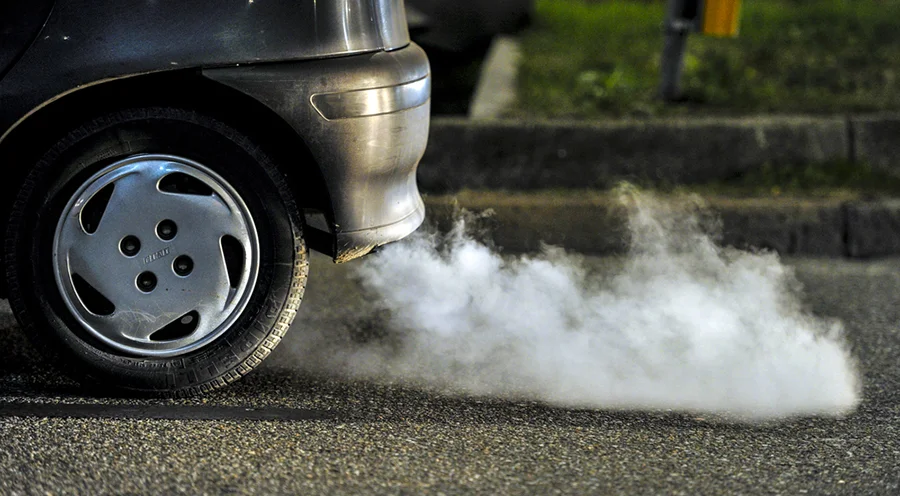
Commercial fleets often emphasize idle reduction because the financial impact becomes substantial when multiplied across dozens or hundreds of vehicles. The same principle applies on a smaller scale to individual drivers. Fuel that is burned while stationary still costs money.
Creating this habit requires only occasional attention. If a stop is expected to last more than a minute or two, consider whether the engine truly needs to remain running. In many cases, the answer is no.
The savings generated by reducing idle time may seem small on any single day, but they accumulate steadily throughout the year. Combined with other fuel-saving techniques, this simple adjustment can contribute meaningfully to lower monthly fuel expenses.
5. Keep Tires Properly Inflated
Most drivers think about tire pressure only when a warning light appears on the dashboard. Yet those four patches of rubber touching the road play a direct role in determining how much fuel a vehicle consumes.
Maintaining proper tire inflation is one of the simplest maintenance habits a driver can adopt, and it can generate fuel savings every single day.
To understand why tire pressure matters, picture a bicycle with partially deflated tires. Pedaling requires noticeably more effort because the tires create greater resistance against the road surface.
Vehicles experience the same effect. Underinflated tires increase rolling resistance, forcing the engine to work harder to keep the vehicle moving.
Even a small pressure drop can have consequences. Tires that are only a few pounds below the manufacturer’s recommended specification may reduce fuel efficiency and increase wear. The engine compensates for this additional resistance by consuming more fuel, especially during city driving, where frequent acceleration occurs.
Many drivers are surprised to learn how frequently tire pressure changes. Temperature fluctuations alone can alter inflation levels.
During colder months, pressure naturally decreases, sometimes enough to affect fuel economy without the driver noticing. This is why checking tire pressure regularly is more effective than relying solely on dashboard alerts.
Proper inflation also contributes to more even tire wear. When tires operate at the correct pressure, the tread contacts the road as intended. Underinflated tires wear excessively along the edges, while overinflated tires wear more heavily in the center. Both conditions shorten tire life and increase ownership costs.
Safety benefits accompany the fuel savings. Correctly inflated tires improve braking performance, handling stability, and steering response. The vehicle feels more predictable, particularly during emergency maneuvers or wet-weather driving.
The process itself requires very little effort. A simple tire pressure gauge and a few minutes each month are often enough to maintain optimal inflation levels. Many fuel stations provide air pumps, making adjustments convenient and inexpensive.
Unlike some fuel-saving strategies that require changes in driving behavior, tire maintenance works continuously in the background. Every mile traveled benefits from reduced rolling resistance and improved efficiency.
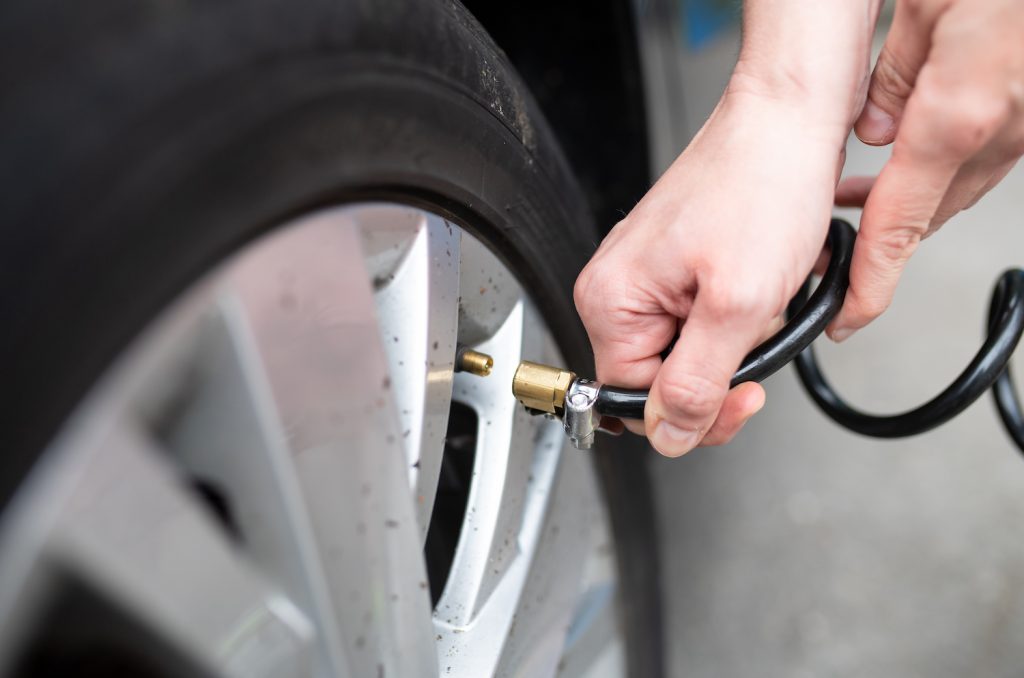
Drivers searching for ways to lower monthly fuel expenses should not overlook this basic maintenance task. The cumulative savings may not be dramatic after a single tank of fuel, but over the course of a year, proper tire inflation can contribute meaningfully to lower operating costs while improving safety and tire longevity at the same time.
6. Remove Unnecessary Weight From the Vehicle
Many vehicles spend years carrying items that are rarely used. Old sports equipment, unused tools, storage containers, emergency supplies that have multiplied over time, and miscellaneous cargo often remain in trunks and cargo areas indefinitely.
While a few extra pounds may seem insignificant, excess weight forces a vehicle to consume more fuel than necessary.
The relationship between weight and fuel consumption is straightforward. Heavier vehicles require more energy to accelerate, climb hills, and maintain speed. Every additional pound increases the workload placed on the engine. The effect may be modest for individual items, but accumulated clutter can add surprising amounts of weight.
Consider a driver who routinely carries several heavy toolboxes, bags of equipment, or large containers in the cargo area. Those items might collectively weigh well over one hundred pounds. Every commute, grocery run, and road trip requires the engine to transport that extra mass, whether it is needed or not.
This issue becomes particularly noticeable during city driving. Frequent stops and starts demand repeated acceleration, which magnifies the impact of excess weight. The engine must constantly work harder to move the vehicle from a standstill, increasing fuel consumption throughout the journey.
The concept extends beyond cargo stored inside the vehicle. Roof racks, cargo boxes, and external carriers can also reduce efficiency. In addition to adding weight, these accessories often increase aerodynamic drag, creating a double penalty for fuel economy.
One useful exercise involves examining the vehicle as if preparing for a long trip. Identify genuinely necessary items and separate them from things that simply remain in the vehicle out of habit. Many drivers discover that a substantial amount of cargo serves no practical purpose during daily use.
Removing unnecessary weight offers another advantage beyond fuel savings. Vehicles often feel more responsive when carrying lighter loads. Acceleration improves slightly, braking distances may decrease, and suspension components experience less strain.
Unlike certain fuel-saving habits that require continuous attention, this strategy can provide ongoing benefits after a single cleanup session. Once excess cargo has been removed, the vehicle operates more efficiently during every subsequent trip.
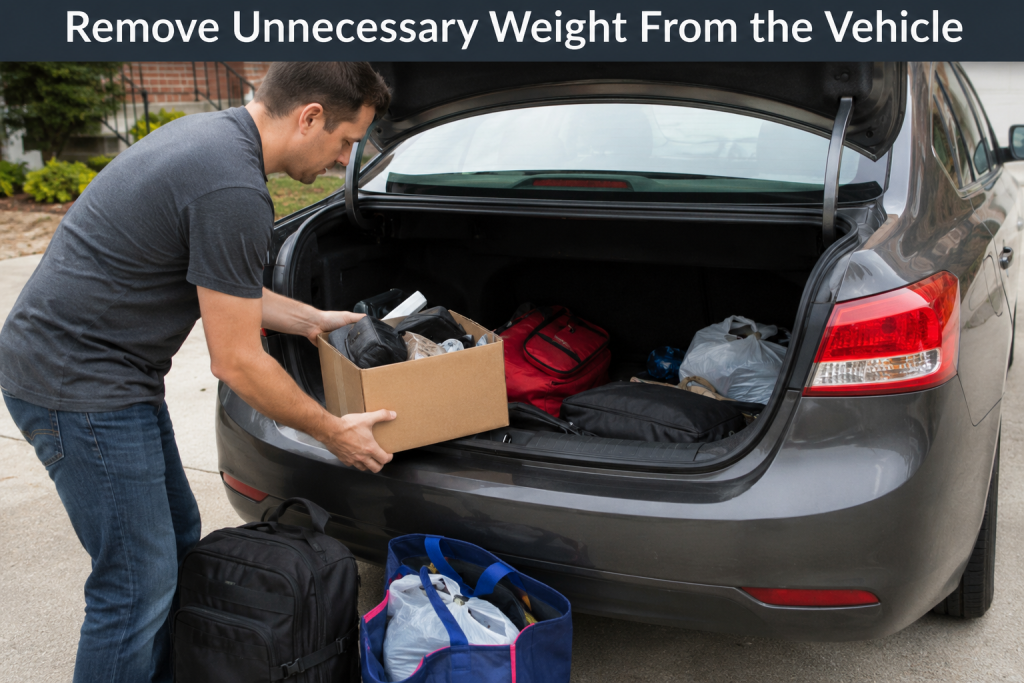
Reducing weight will not transform fuel economy overnight, but combined with other smart driving habits, it contributes to meaningful long-term savings. Sometimes the easiest way to improve efficiency is simply to stop carrying things that are not needed in the first place.
7. Use Air Conditioning Wisely
Few vehicle features are appreciated more during hot weather than air conditioning. On scorching summer afternoons, a cool cabin can transform an uncomfortable drive into a pleasant experience.
However, many drivers fail to realize that air conditioning places an additional load on the engine, which can increase fuel consumption when used inefficiently.
The air-conditioning compressor requires power to operate. In most vehicles, that power ultimately comes from the engine. When the compressor engages, the engine must work harder to maintain vehicle speed and support other functions.
As a result, fuel usage increases. The effect varies depending on vehicle size, outside temperature, and driving conditions, but it is often noticeable.
That does not mean drivers should avoid using air conditioning entirely. Comfort and safety remain important considerations, particularly during extreme heat. Fatigue, dehydration, and reduced concentration can become serious concerns when cabin temperatures rise excessively. The goal is efficient use rather than complete avoidance.
One practical approach involves ventilating the cabin before activating the air conditioning. If a vehicle has been parked in direct sunlight, opening the doors or windows briefly allows trapped heat to escape. This reduces the workload required to cool the interior and helps the system reach the desired temperature more quickly.
Another useful habit is avoiding excessively cold settings. Many drivers immediately select the lowest possible temperature, forcing the system to operate at maximum capacity. Choosing a comfortable temperature instead of an extremely cold one often reduces energy demand while maintaining a pleasant environment.
Driving conditions also influence the most efficient strategy. At lower speeds, opening windows may provide sufficient airflow without a significant impact on fuel economy. At highway speeds, however, open windows can increase aerodynamic drag, sometimes making air conditioning the more efficient option.
Modern climate-control systems are generally more efficient than older designs, but they still consume energy. Using them thoughtfully helps minimize unnecessary fuel usage without sacrificing comfort.
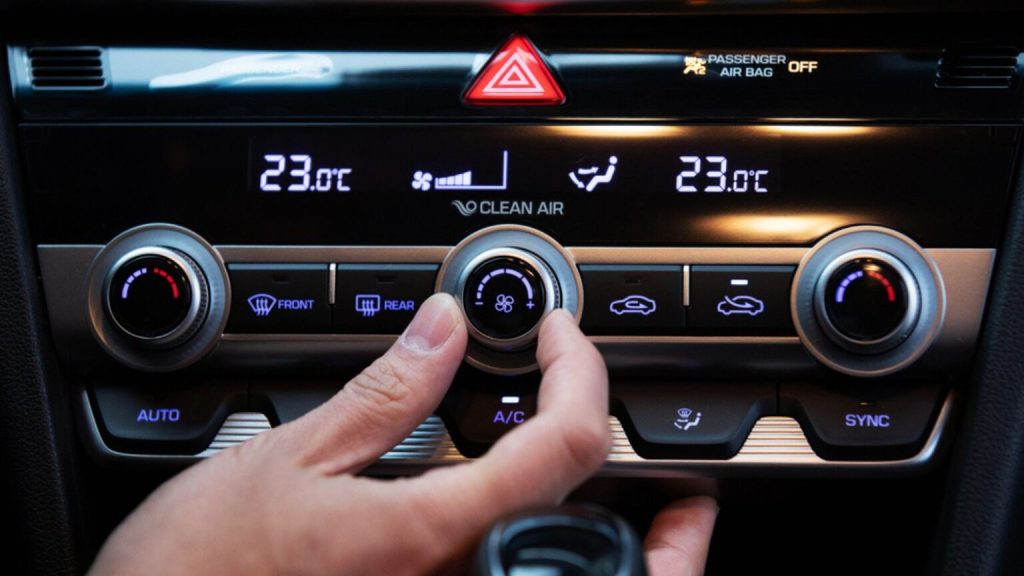
Regular maintenance further improves efficiency. Clean cabin air filters and properly functioning components allow the system to operate more effectively. Neglected systems often require more effort to achieve the same cooling performance.
The key is balance. Air conditioning should enhance the driving experience, not become a hidden source of excessive fuel consumption. By using the system strategically and avoiding unnecessary strain, drivers can stay comfortable while keeping monthly fuel costs under better control.
8. Plan Trips Efficiently Instead of Making Multiple Short Journeys
Many drivers focus exclusively on what happens once the vehicle is moving. Yet some of the greatest fuel-saving opportunities occur before the engine is even started. Efficient trip planning can significantly reduce fuel consumption by minimizing unnecessary mileage, reducing cold starts, and avoiding repetitive travel.
Short trips are often less fuel-efficient than people realize. When an engine is first started, it operates below its optimal temperature range. During this warm-up period, fuel consumption is generally higher. A vehicle that completes several short trips throughout the day repeatedly experiences this less-efficient operating phase.
Imagine visiting the grocery store in the morning, returning home, leaving again for the pharmacy, coming back, and later making another trip to run errands. Each separate journey requires a new startup cycle and additional driving. Combining those errands into a single planned route can reduce fuel usage considerably.
Route selection also plays an important role. Drivers who consistently encounter heavy congestion, excessive stoplights, or lengthy detours often consume more fuel than necessary. Spending a few minutes identifying a more efficient route can produce ongoing savings over time.
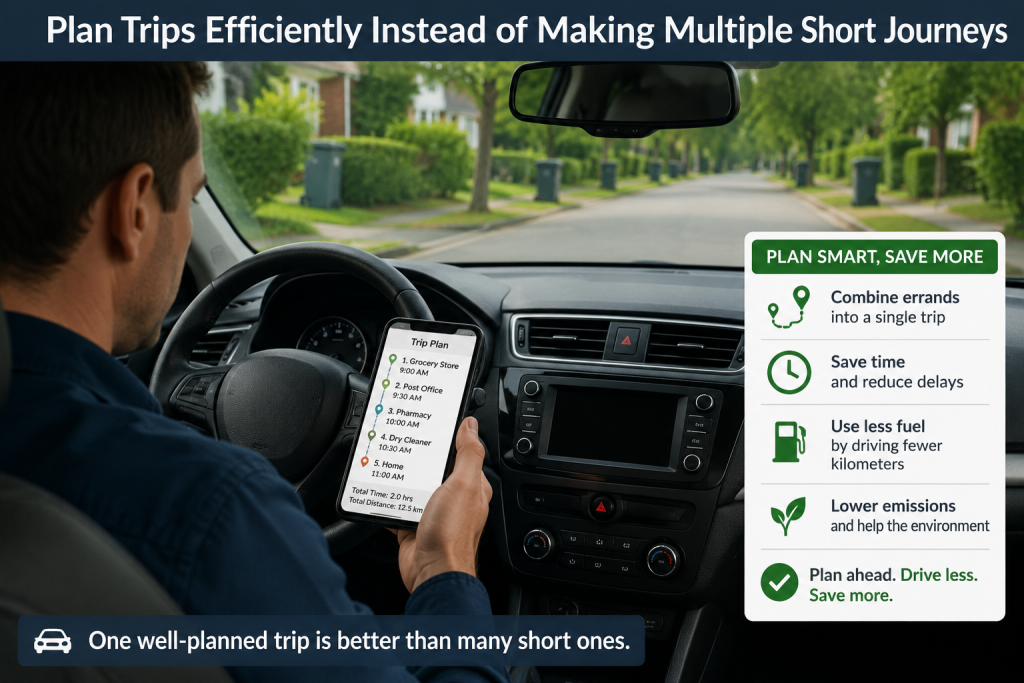
Technology has made trip planning easier than ever. Navigation applications can identify traffic congestion, suggest alternate routes, and estimate travel times. Using these tools strategically allows drivers to avoid situations that lead to unnecessary idling and stop-and-go driving.
There is also a psychological benefit. Organized trips tend to reduce stress because drivers spend less time rushing between destinations. A calmer driving environment often encourages smoother acceleration and more fuel-conscious behavior.
Businesses have long understood the value of route optimization. Delivery companies carefully design travel routes to reduce fuel consumption and operating expenses. Individual drivers can apply the same principle on a smaller scale with meaningful results.
Another advantage involves reducing total mileage. Every unnecessary mile represents fuel that did not need to be consumed. By grouping errands and eliminating redundant travel, drivers decrease both fuel expenses and vehicle wear.
Efficient trip planning does not require advanced skills or complicated calculations. It simply involves taking a moment to think ahead before leaving home. Small adjustments in scheduling and route selection can gradually produce substantial savings throughout the month.
When combined with smooth driving, proper maintenance, and other fuel-saving habits, intelligent trip planning becomes one of the most effective ways to reduce fuel expenses while making daily transportation more efficient and convenient.
Also Read: 10 Cars Easiest to Parallel Park in New York City
