
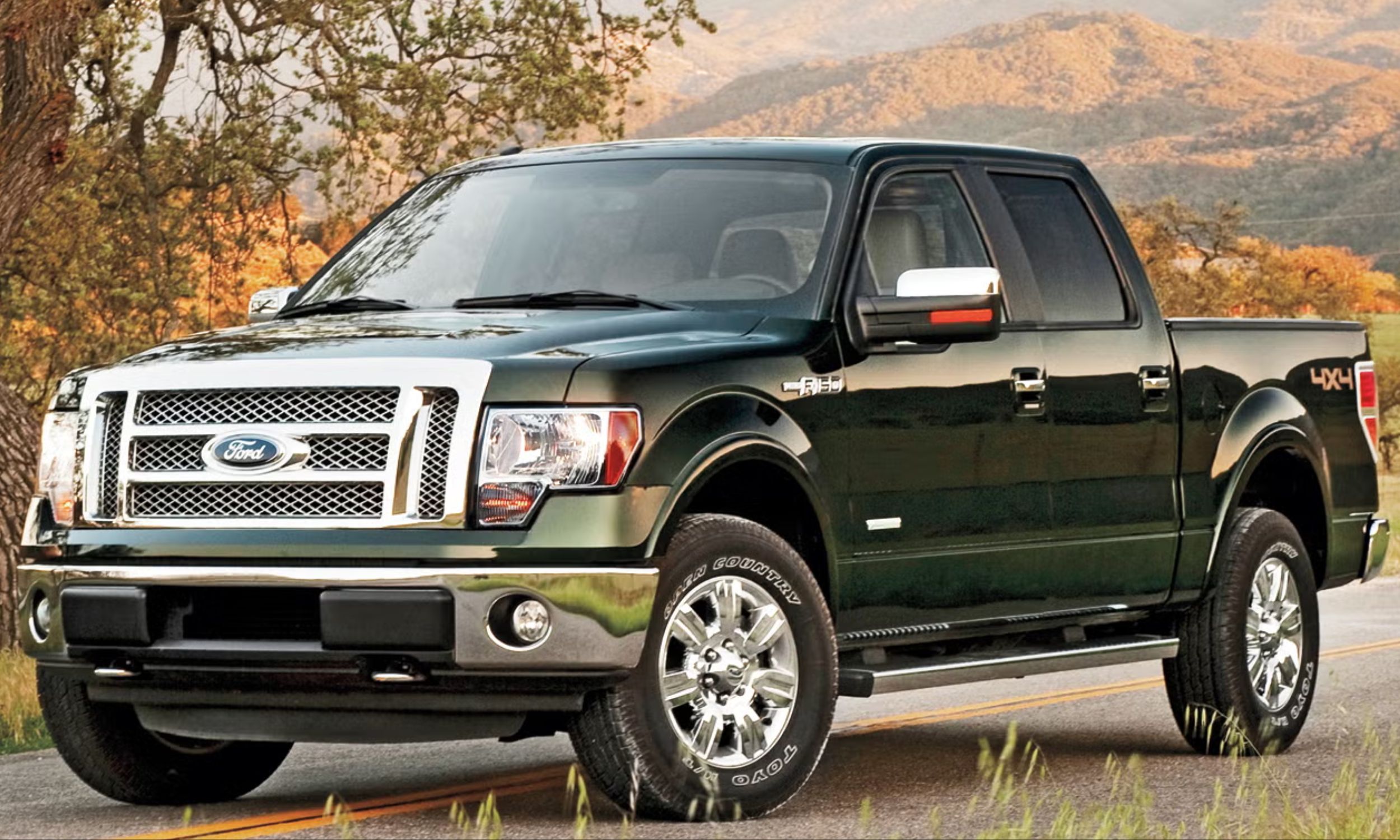
Owning a pickup truck often comes with expectations that it will handle hard work, long miles, and years of dependable service. The Ford F-150 has earned a strong reputation as one of the most widely used full-size trucks in North America, trusted for towing, hauling, and daily driving. Yet even a vehicle with this level of popularity is not free from long-term mechanical and electronic concerns.
As mileage increases, certain issues tend to show up more frequently across different model years and engine options. Some problems are tied to engine design choices, others come from transmission behavior, and a few are linked to modern electronics that control comfort and performance systems. Understanding these patterns helps owners prepare for maintenance costs and avoid unexpected downtime.
Trucks are often pushed harder than regular vehicles. They carry heavy loads, tow trailers, and operate in demanding conditions that place stress on mechanical systems. After a long time, this workload exposes weak points that may not appear during the early years of ownership. Knowing what tends to fail can help drivers make smarter maintenance decisions and extend vehicle life.
This guide breaks down eight of the most common long-term issues seen in the Ford F-150. From engine timing concerns to electrical system faults, the goal is to give a clear picture of what owners may face after years of use.
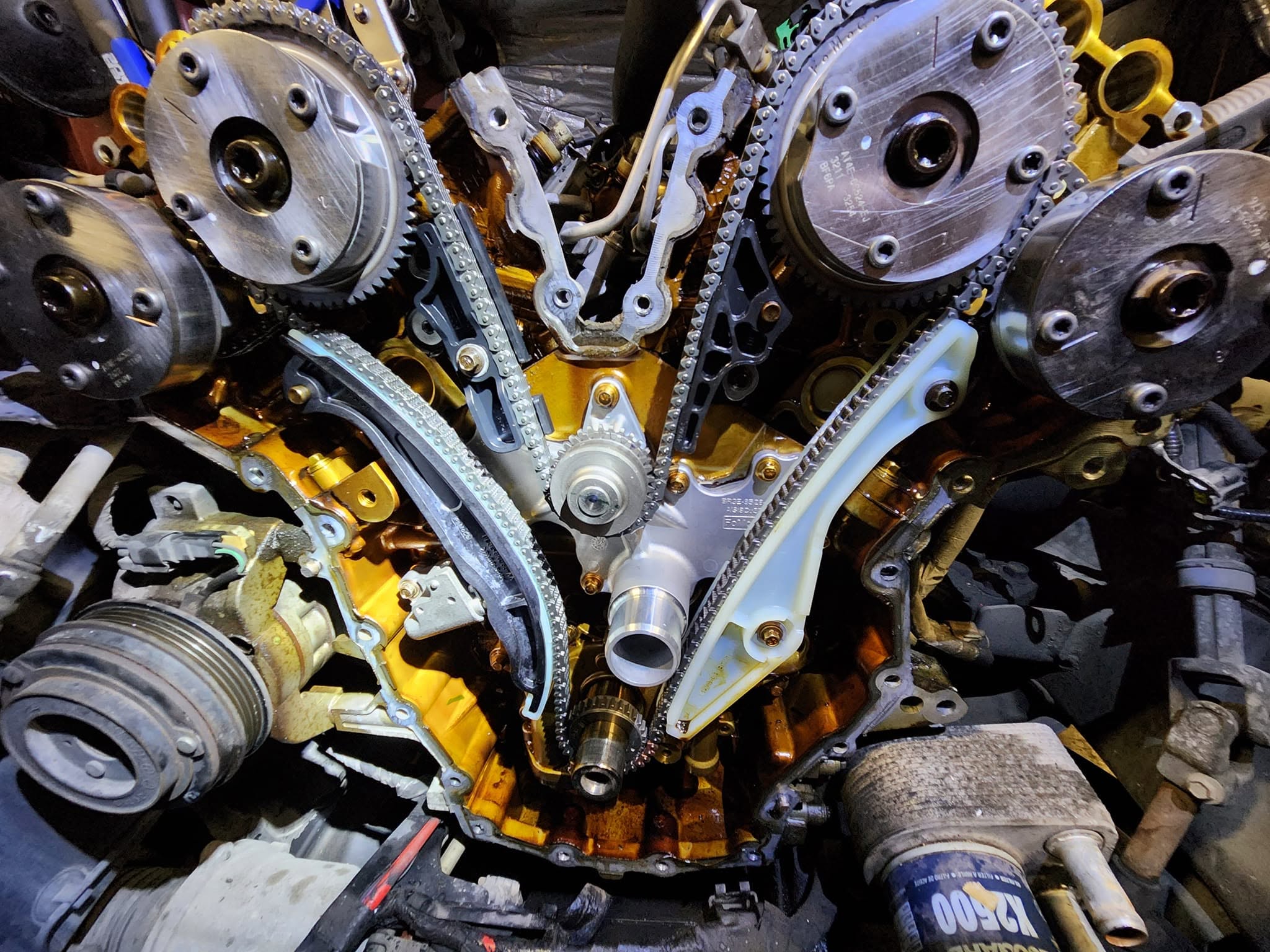
1. Timing Chain and Cam Phaser Failures
Pull up any F-150 owner forum, and timing chain and cam phaser noise is one of the most discussed, most feared, and most frequently misunderstood mechanical problems in the truck’s long-term ownership story. It is particularly associated with the 3.5-liter EcoBoost engine, though it also appears in 5.0-liter V8 applications and certain earlier engine families. Understanding what causes it and why early intervention matters so much is the difference between a manageable repair and an engine replacement.
Cam phasers are the components that control variable valve timing in Ford’s modern V6 and V8 engines. They adjust the timing of intake and exhaust valve opening and closing based on engine load, speed, and temperature to optimize power delivery and fuel efficiency.
When these components wear prematurely, they lose the ability to maintain precise timing control, and the result is a distinctive rattling or clattering noise that typically appears at cold start and diminishes as oil pressure builds and the engine reaches operating temperature. That noise is the diagnostic signal that most owners either ignore or misidentify until the problem reaches a more serious stage.
Timing chain stretch compounds the cam phaser problem. Extended oil change intervals, low oil levels, or oil that has degraded beyond its effective service window accelerate timing chain wear. A stretched chain produces similar cold-start noise and, if not addressed, can skip on the timing gear, producing engine misfires, rough running, and in severe cases, internal engine damage from valve timing errors.
On a turbocharged 3.5-liter EcoBoost, the repair bill for a complete timing chain and cam phaser replacement runs $1,500 to $3,500, depending on how many associated components require replacement alongside the primary parts. Ford issued a technical service bulletin addressing cam phaser noise on certain EcoBoost engine applications, acknowledging the pattern and providing a software-based variable cam timing strategy update intended to reduce phaser wear rate.
This update, combined with revised oil change interval guidance emphasizing the importance of using the correct Ford-specified 5W-30 or 5W-20 full synthetic oil and maintaining strict change intervals at or below 7,500 miles, represents the manufacturer’s primary mitigation approach.
For a 2021 Ford F-150 Lariat SuperCrew 4WD owner with the 3.5-liter PowerBoost EcoBoost hybrid, catching cam phaser noise early means a repair that is expensive but manageable. Ignoring the noise until the timing chain begins skipping or until a cam phaser seizes means a repair that can escalate to $5,000 to $8,000, approaching the range where engine replacement becomes a financial consideration on older high-mileage trucks.
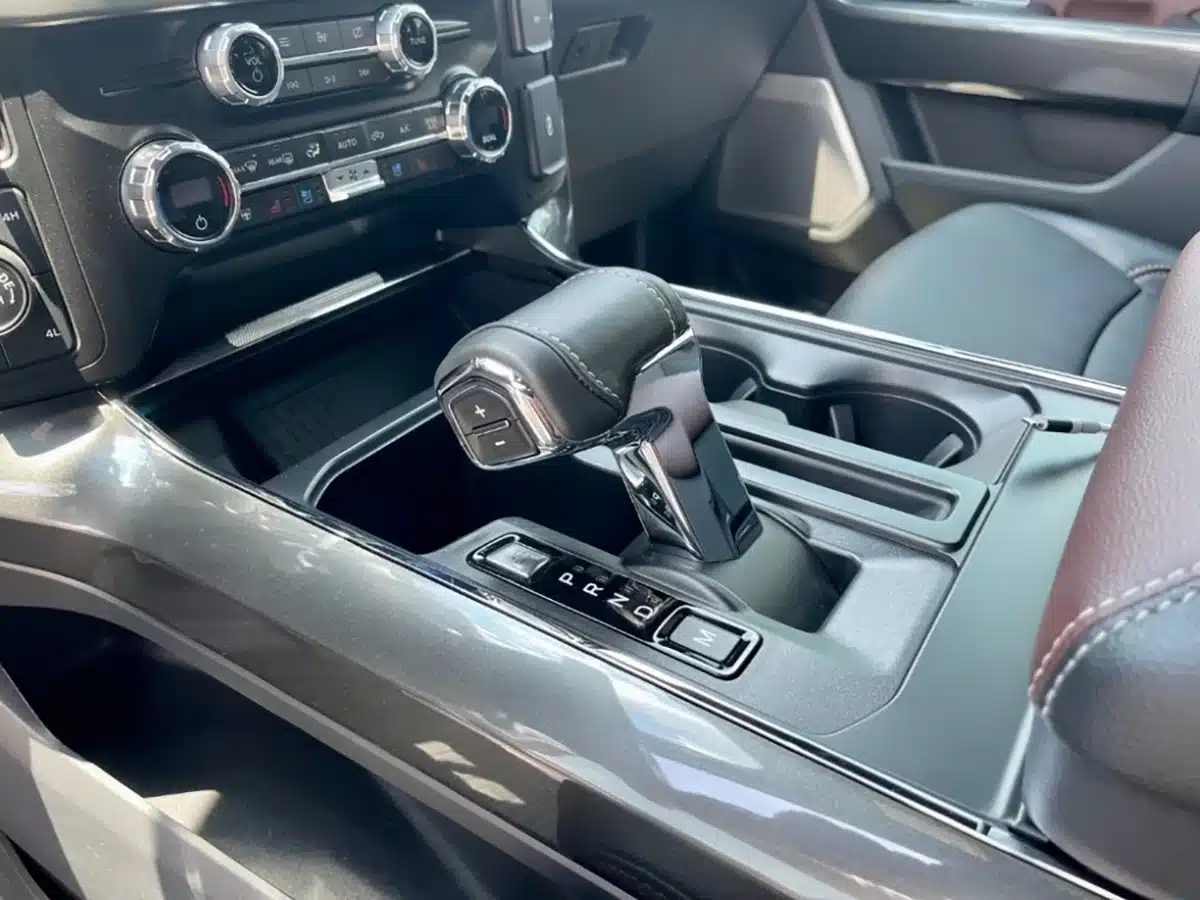
2. 10-Speed and 6-Speed Transmission Issues
Transmission complaints in the Ford F-150 span two distinct eras and two distinct problem profiles, but both share a common thread: shift quality and reliability concerns that owners of one of America’s most popular trucks should not be experiencing at the frequency they occur. Understanding which transmission is in your F-150 and what its specific failure patterns look like is foundational knowledge for any long-term F-150 owner.
Newer F-150 models from 2021 onward, along with certain earlier applications, use the 10R80 10-speed automatic transmission developed jointly by Ford and General Motors. Its gear count is genuinely useful for fuel economy optimization, keeping the engine in its most efficient operating range across a wider variety of speed and load conditions. What the 10R80 has also produced is a documented pattern of harsh shifting, delayed engagement when moving from park to drive in cold conditions, and occasional hunting between gears at steady highway speeds that owners describe as unsettling and fatiguing on longer trips.
Older versions of the 6-speed 6R80 automatic transmission, commonly found in 2011 to 2020 F-150 models, depending on configuration, are associated with a different type of issue centered on the lead frame. This component sits inside the valve body and acts as a plastic circuit board that carries electrical signals to the transmission solenoids.
With repeated heating and cooling cycles, the lead frame can develop cracks. Once this happens, electrical signals may become unreliable or stop entirely, leading to delayed gear changes, inconsistent shifting patterns, diagnostic error codes, and, in more severe situations, activation of limp mode or complete failure to engage certain gears.
Lead frame replacement on a 6R80 typically costs $400 to $900 if caught early and addressed while the valve body remains serviceable. A lead frame failure that progresses to the point of causing solenoid damage or bearing wear inside the transmission produces a repair bill that can reach $2,500 to $4,500 for a complete valve body replacement or transmission rebuild.
Transmission fluid maintenance is the most practical preventive measure available to F-150 owners, regardless of which unit their truck carries. Ford’s extended drain interval guidance for both the 10R80 and 6R80 is more conservative than what many specialists recommend for trucks used in towing, hauling, or stop-and-go urban conditions.
Also Read: Ford F-150 vs Chevrolet Silverado: Which Full-Size Pickup Truck Comes Out on Top?
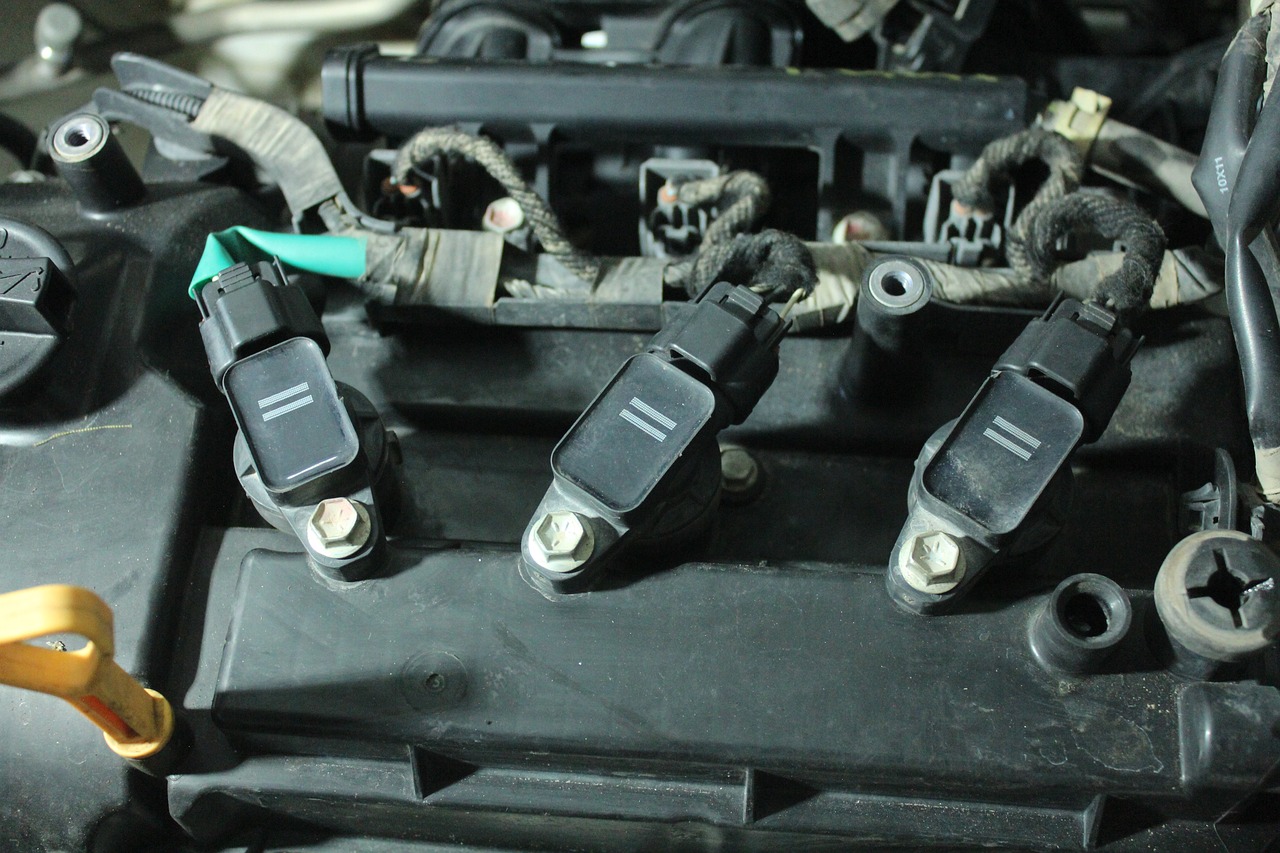
3. Spark Plug and Ignition Coil Failure
Ignition system problems in the Ford F-150 carry a history long enough that veterans of F-150 ownership treat spark plug service as a planned, budgeted event rather than a surprise. Earlier generation trucks with the 5.4-liter Triton V8 established the F-150’s reputation for spark plug problems so thoroughly that the specific failure mode, a spark plug that seizes in the aluminum cylinder head and breaks during removal, became the subject of a Ford technical service bulletin, a specialized removal tool, and a dedicated procedure designed to extract broken plug fragments without damaging the head.
Modern F-150 applications, including the 2.7-liter and 3.5-liter EcoBoost engines, do not carry the same broken plug extraction drama as the 5.4 Triton. They do, however, require spark plug replacement at intervals that some owners underestimate, and ignition coil failures on these engines are a frequent enough occurrence to represent a normal maintenance expectation rather than an unusual repair event.
Ignition coils in the EcoBoost family are subject to elevated heat stress due to their position adjacent to turbocharged exhaust components. Heat cycling accelerates the degradation of the coil’s internal insulation, eventually causing secondary winding breakdown that produces misfires on the affected cylinder.
An F-150 with a failing ignition coil typically presents with a rough idle, a stumbling sensation under light acceleration, reduced power, and a check engine light with a misfire code pointing to a specific cylinder. Individual coil replacement on a modern EcoBoost F-150 is a relatively straightforward and inexpensive repair, typically $80 to $150 per coil for parts and labor at an independent shop. The practical mistake many owners make is replacing only the failed coil without considering the condition of the remaining coils.
If one coil has failed on a 100,000-mile engine, the remaining coils have the same service history and the same wear exposure. Replacing all coils simultaneously at the time of the first failure prevents multiple individual service visits within a short interval.
A 2019 Ford F-150 XLT SuperCrew 4WD with the 2.7-liter EcoBoost and 95,000 miles is a truck where spark plug replacement, if not already in the service history, should be scheduled proactively. Plugs that have exceeded their service interval do not just reduce performance.
4. Coolant and Oil Leaks
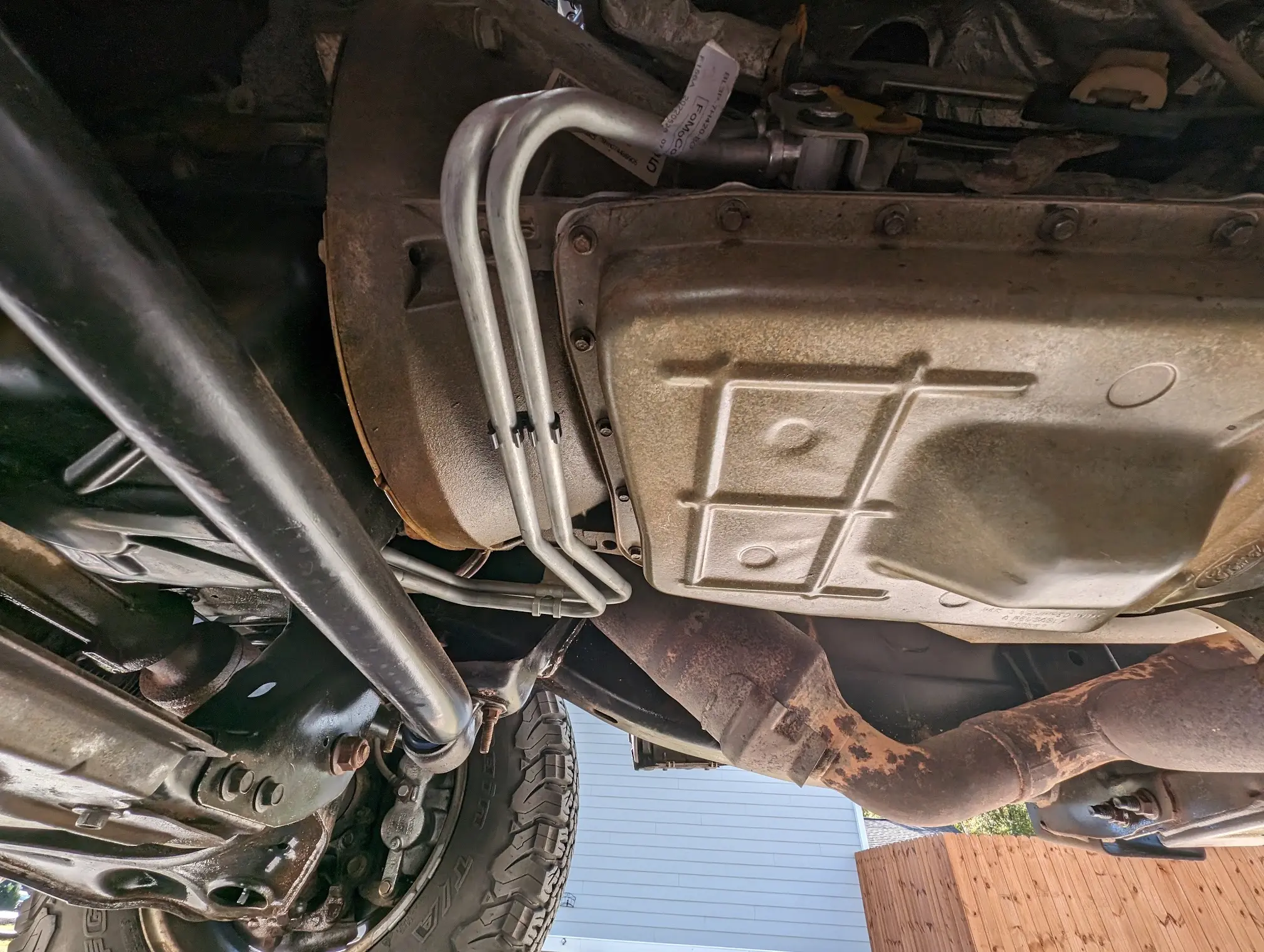
Fluid leaks in a truck engine can create a chain reaction of problems if not addressed early. In Ford F-150 models equipped with both the 5.0L V8 and 3.5L EcoBoost engines, coolant and oil leaks have been reported as mileage accumulates, particularly around seals, fittings, and auxiliary components.
Coolant leaks often originate from quick-connect fittings, hoses, or water pump assemblies. These components are designed to handle high pressure and temperature cycles, but long-term exposure to heat can weaken seals. When coolant levels drop unnoticed, engine temperature can rise quickly, increasing the risk of overheating.
Oil leaks are commonly associated with turbocharged systems in EcoBoost engines. Turbocharger oil feed lines operate under high pressure, and any wear or loosening in these lines can lead to slow leaks that may go unnoticed until oil levels drop. Valve cover gaskets and oil pan seals are also potential sources of leakage in high-mileage engines.
One of the challenges with fluid leaks is early detection. Small leaks may evaporate on hot engine surfaces, leaving little visible evidence until the problem worsens. Drivers may only notice reduced fluid levels during routine checks or when warning lights appear on the dashboard.
Overheating caused by coolant loss can lead to more serious engine damage, including warped components or head gasket failure. Oil leaks, if severe enough, can reduce lubrication and increase internal friction, accelerating wear on engine parts.
Repairing leaks varies in difficulty depending on the source. Some issues require simple gasket or hose replacement, while others involve the disassembly of engine components to access deeper sealing points. Regular inspection of fluid levels and visual checks around engine components can help detect early signs of leakage. Addressing minor seepage quickly reduces the risk of larger failures and helps maintain engine longevity.
5. Intake Valve Carbon Buildup in EcoBoost Engines
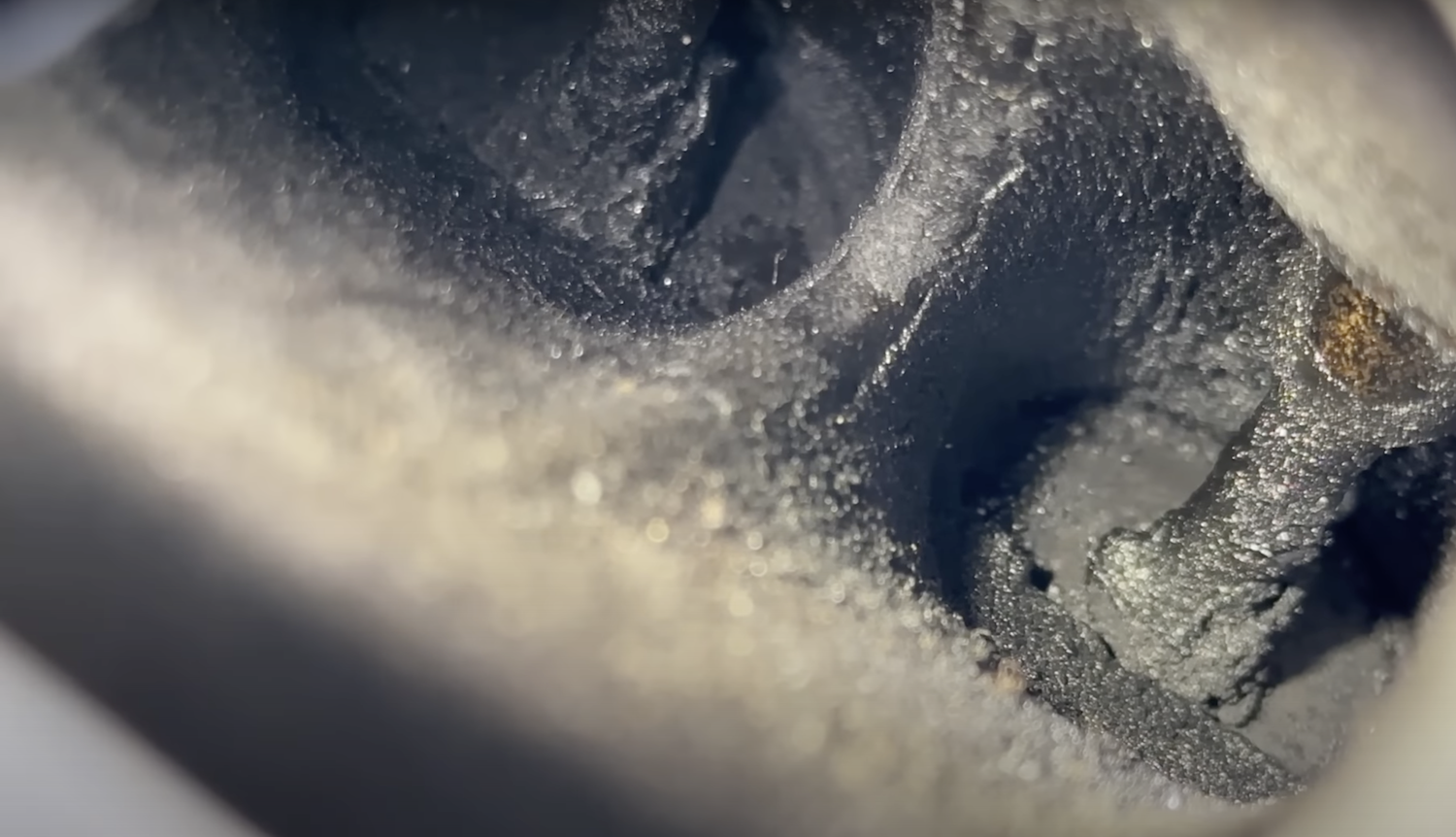
Fuel delivery design plays a major role in long-term engine cleanliness, and direct injection systems used in Ford F-150 EcoBoost engines have a well-documented tendency to develop carbon deposits on intake valves. Unlike port-injection systems, where fuel washes over the intake valves and helps keep them clean, direct injection sends fuel straight into the combustion chamber.
That leaves the intake valves exposed to oil vapor and combustion byproducts that slowly accumulate into hard carbon deposits. At first, the buildup develops quietly. Drivers often do not notice anything unusual during normal commuting or light hauling.
As deposits thicken, airflow into the engine begins to restrict slightly. This restriction reduces combustion efficiency, which can lead to subtle performance changes such as slower acceleration response or reduced fuel economy. Many owners first notice the issue during highway merging or towing situations where consistent power delivery becomes more noticeable.
Idle quality can also begin to suffer. Engines affected by intake carbon buildup may develop a rough or uneven idle, especially when cold. In some cases, the engine may feel slightly unstable at low RPMs due to uneven air distribution between cylinders. Misfires can occur if deposits become heavy enough to disrupt airflow patterns or valve sealing.
Turbocharged engines like the 3.5L EcoBoost can amplify the effects of restricted airflow. Since these engines rely heavily on precise air and fuel balance to maintain boost efficiency, any limitation at the intake stage can affect performance more noticeably than in naturally aspirated engines.
Cleaning intake valves is not part of routine oil or filter service. Instead, it typically requires specialized cleaning methods such as walnut blasting, which physically removes carbon buildup using crushed shell media. This process requires disassembly of the intake system and is generally performed at higher mileage intervals when symptoms become more apparent.
Driving style can influence how quickly deposits form. Short trips with frequent cold starts tend to accelerate buildup since engine temperatures do not remain high long enough to burn off residue. Long highway drives tend to reduce accumulation rates but do not eliminate them.
6. Electrical and SYNC Infotainment Glitches
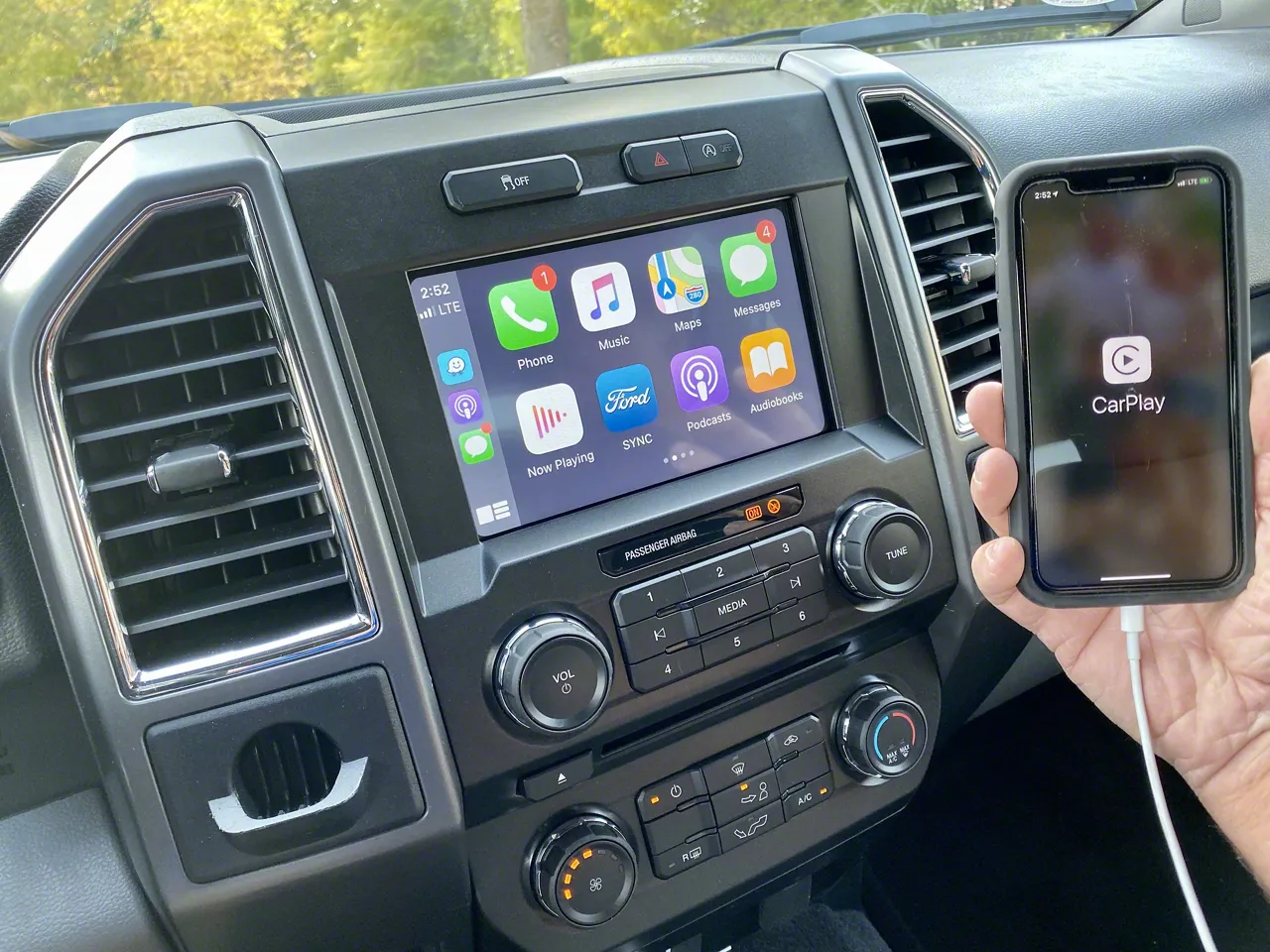
Modern pickup trucks rely heavily on electronic systems to manage everything from entertainment to engine monitoring, and the Ford F-150 is no exception. The SYNC infotainment system and associated onboard electronics have experienced a range of long-term reliability complaints, particularly involving screen freezes, unresponsive touch controls, and unexpected system restarts.
At the center of many of these issues is the vehicle’s Body Control Module, which manages communication between multiple electronic systems. When this module develops faults or experiences software corruption, it can trigger a wide range of symptoms that affect both convenience features and core electrical functions. Drivers may notice delayed startup sequences, malfunctioning interior controls, or intermittent loss of dashboard functionality.
SYNC system glitches often present as frozen screens or delayed responses to touch inputs. In some cases, the system may reboot repeatedly during driving, temporarily disabling navigation, audio, and climate control interfaces. While these issues do not usually affect drivability directly, they can create frustration during daily use.
Battery drain is another concern linked to electrical system faults. A parasitic draw occurs when electronic components continue to consume power even after the vehicle is turned off. After some time, this can lead to weak or dead batteries, especially if the vehicle sits unused for several days. Identifying the source of the drain often requires diagnostic testing to isolate which module is remaining active.
Software updates released by Ford have addressed some of these concerns in newer model years, but older vehicles may continue to experience intermittent issues depending on hardware configuration. Reset procedures or module reprogramming sometimes restore normal function temporarily, though underlying hardware faults may still exist.
Environmental factors such as extreme heat or moisture exposure can also affect electronic reliability. Sensitive connectors and circuit boards may degrade faster under harsh conditions, especially in trucks used for outdoor work or off-road driving.
Repair approaches vary widely depending on the root cause. Some problems can be resolved with software updates or battery replacement, while others require module replacement or rewiring of affected circuits.
7. Brake Master Cylinder and Fluid Leaks in Older Models
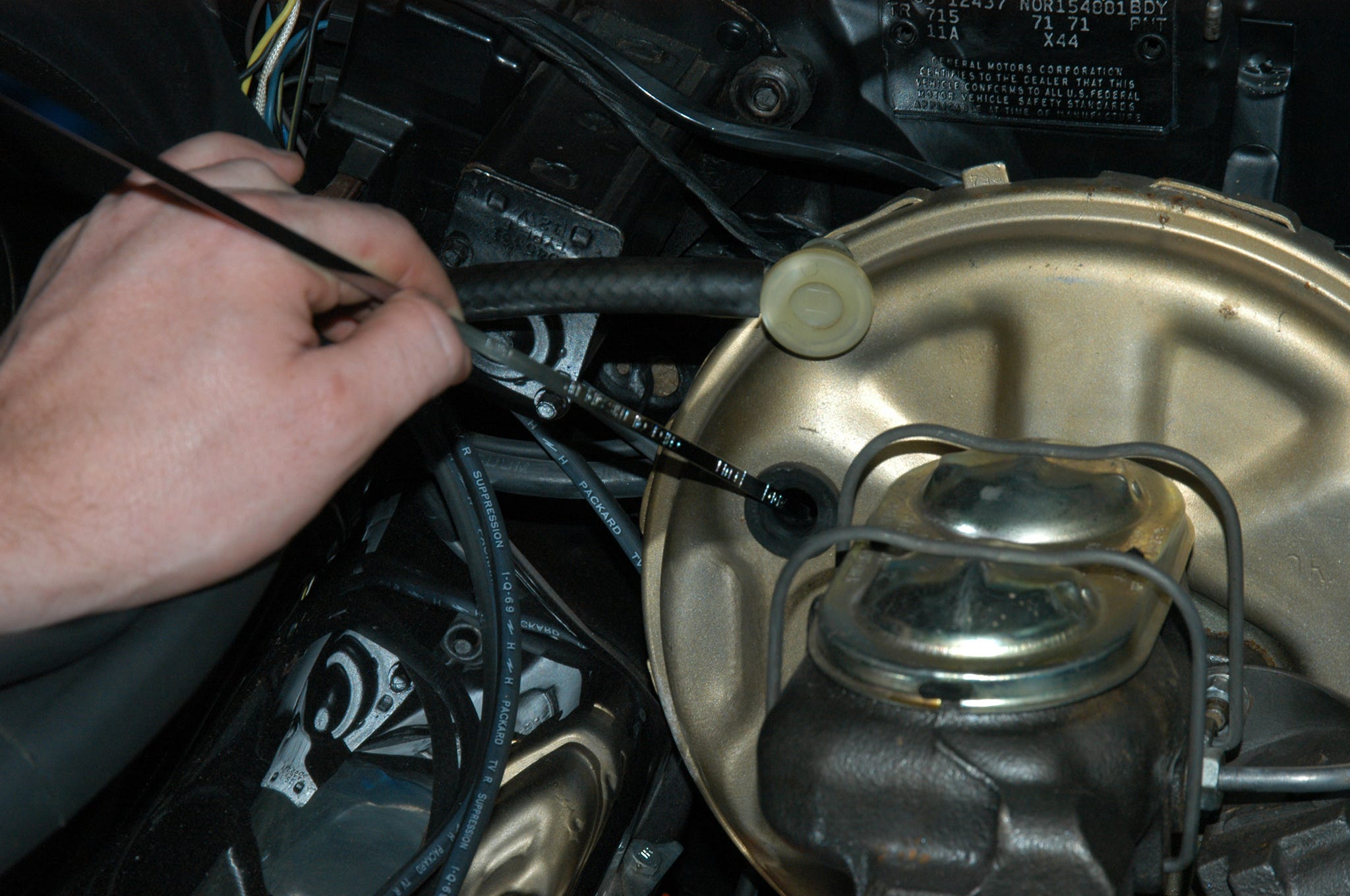
Braking systems are one of the most critical safety components in any vehicle, and issues involving the brake master cylinder in Ford F-150 models, particularly those produced between 2013 and 2018, have raised long-term reliability concerns among owners. The master cylinder is responsible for converting pedal pressure into hydraulic force that activates the braking system, and when it begins to fail, the effects are immediately noticeable.
A common symptom is a spongy or soft brake pedal. This occurs when internal seals within the master cylinder begin to wear, allowing brake fluid pressure to escape internally rather than being transferred efficiently to the braking system. Drivers may notice that the pedal travels farther than usual before braking force is applied.
Brake fluid leaks are another issue associated with aging master cylinders. Even small leaks can reduce hydraulic pressure, which directly affects stopping power. In more severe cases, fluid loss may trigger dashboard warning lights, indicating a drop in brake system pressure.
Performance changes often develop gradually, making early detection difficult without routine inspection. Some drivers may adapt unknowingly to reduced braking responsiveness until the issue becomes more pronounced. This gradual change increases the importance of regular brake system checks.
Heat and repeated braking cycles contribute to seal degradation inside the master cylinder. Trucks used for towing or heavy hauling are especially susceptible due to increased brake system demand. After a long time, internal wear leads to reduced sealing effectiveness and fluid pressure loss.
Repair typically involves replacing the master cylinder assembly. In many cases, technicians also inspect the brake booster and hydraulic lines to ensure no secondary issues exist. Brake fluid replacement and system bleeding are usually required after repairs to restore proper hydraulic balance.
Preventive maintenance plays a strong role in extending brake system life. Regular fluid changes help reduce moisture buildup inside the hydraulic system, which can accelerate corrosion and seal wear.
Also Read: Top 10 Ford F-150 Years That Cost the Least to Buy and Maintain
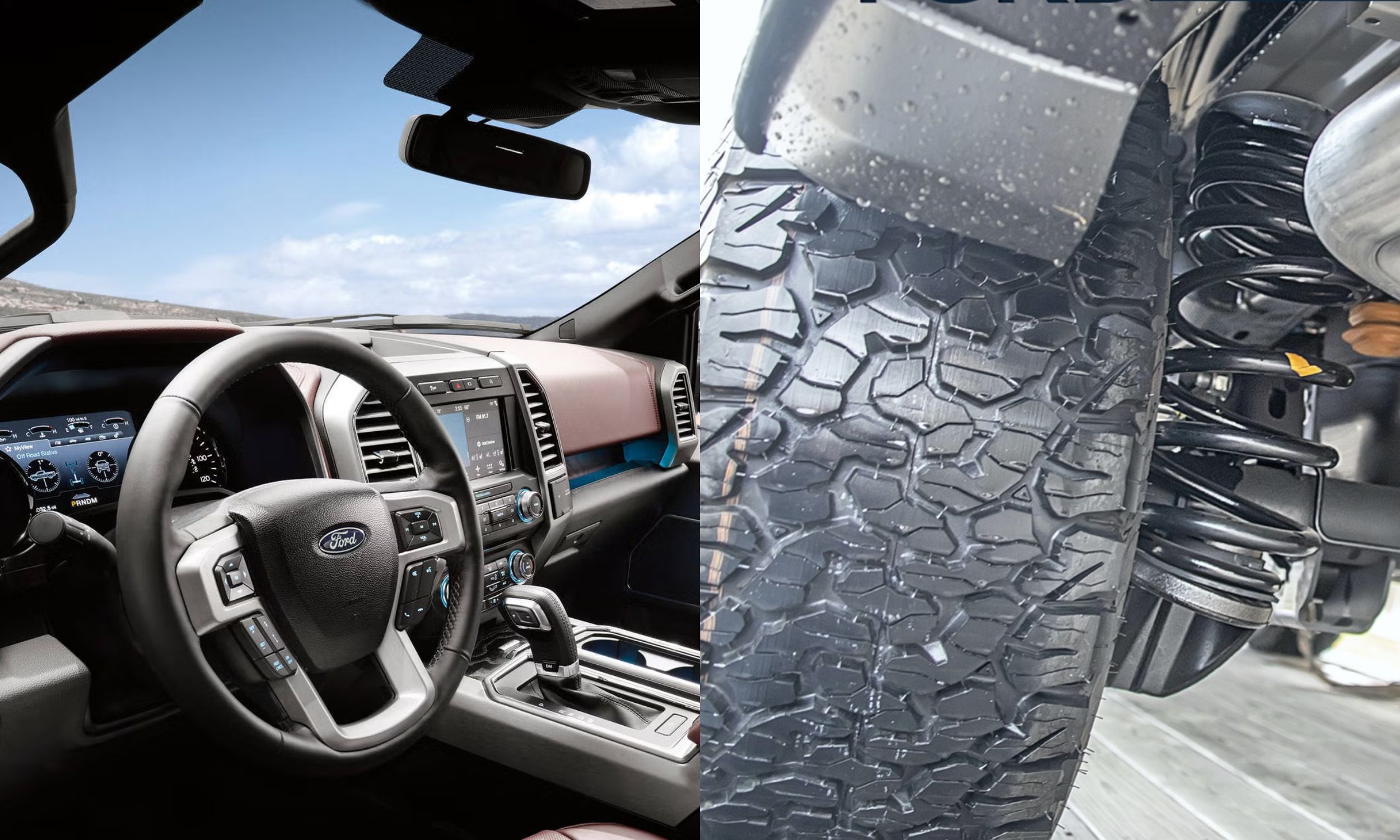
8. Suspension and Steering Wear Over High Mileage Use
A truck that has spent its life doing truck work, hauling materials, towing trailers, and carrying loads in its bed, accumulates suspension and steering wear at a rate that sedans and crossovers never approach. Ford’s F-150 is designed for this use, and its suspension components are engineered to handle the loads the truck’s rated capacities describe.
What engineering ratings cannot change is the physical reality that every component has a finite service life, and components that carry heavy loads age faster than those that do not. Control arm bushing wear is one of the earliest suspension symptoms that high-use F-150 owners encounter. Rubber bushings at the front and rear control arm mounting points absorb road vibration and allow controlled suspension movement within designed parameters.
With age, heat cycling, and load exposure, these bushings harden, crack, and lose their compliance. A worn control arm bushing produces a clunking or thudding noise over road imperfections and under hard acceleration or braking loads, as the loss of bushing compliance allows excess movement at the arm mounting point.
Tie rod end wear produces a specific set of steering symptoms that develop gradually enough to be missed until they become pronounced. Worn inner or outer tie rod ends allow play in the steering linkage that translates to imprecise steering response, a tendency for the vehicle to wander at highway speeds, and, in advanced cases, a steering wheel that shakes at certain speeds due to the instability introduced by loose linkage geometry.
A 2018 Ford F-150 Raptor SuperCrew 4WD used for both highway driving and off-road use carries accelerated tie rod wear from the lateral steering forces that off-road surface irregularities impose. Front strut wear on higher-mileage F-150 trucks produces ride quality degradation that is gradual enough that many owners do not notice it until they drive a newer truck and recognize the difference.
Strut replacement on the F-150 runs $400 to $700 per axle for parts and labor at an independent shop. Steering gear wear, particularly on trucks with high towing hours, produces looseness at the steering wheel that reduces driver confidence and accurate vehicle placement.
Addressing any play in the steering system promptly, rather than accommodating it through adjusted driving habits, is both a safety measure and a preservation strategy for the steering rack and associated components that further play accelerates.
